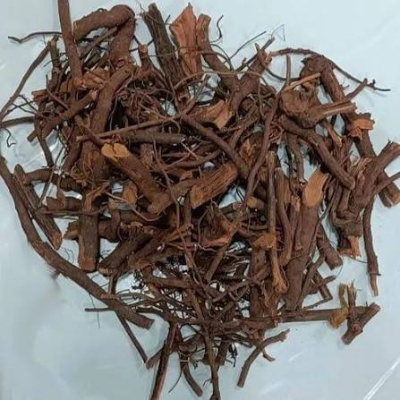
Botanical Name: Plumbago zeylanica Linn.
Family: Plumbaginaceae
Identification No.- SDACH/HG/003
Introduction: If this drug given in pregnancy, it causes irritation of pelvic organs which leads to abortion. Present research reveals that plumbagin obtained of P. zeylanica is a potent cytotoxic/anti-cancer agent.
Names in different Indian languages:
Hindi: Chitraka
Telugu: Chitramulamu
Tamil : Chittiri
English: Ceylon Leadwort,Leadwort.
Gujrati : chitrok
Marathi: Chitramul
Kanada: Kempucitramula.
Malayalam: Vella Kotuveli
Sanskrit: Sveta Chitraka
Synonyms:
“चित्रकः पावकः साध्यो दहनो वह्निरुच्यते।
कटुस्तीक्ष्णोष्णवीर्योऽग्निदीपनः पाचनः सरः॥”
(Bhavaprakasha Nighantu, Haritakyadi Varga, Shloka 1)
Chitraka, Agni, Vahni, Jvalanaakhya, Krshaanu, Hutaasha, Dahana, Sikhi.
Classification according to Charaka, Susrutha & Vagbhata:
Charaka: Dipaniya, sulapraamana, Arsoghna, Lekhaniya
Susrutha: Pippalyãdi, Mustãdi, Amalakyãdi, Varunãdi
Vagbhata: Pippalyãdi, Mustãdi, Varunadi, Aragvadhadi
Varieties & adulterants – (CV – controversy, AD – adulterants):
1. Sveta
2. Pita
3. Asita
4. P. rosea
5. P. capensis
6. P. indica
7. P. auriculata
Morphology:
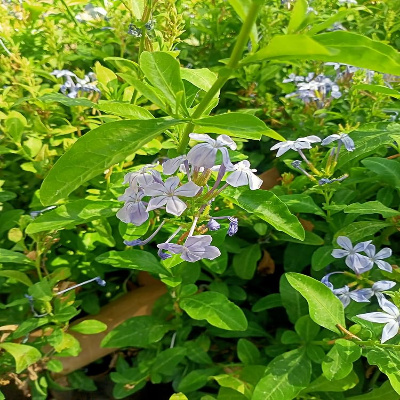
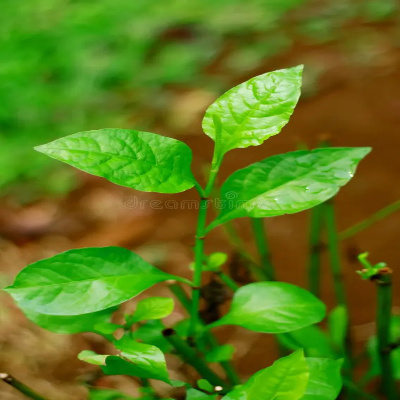
A perennial herb with 0.5-1.5 m long stems, some what woody, spreading, glabrous.
Leaves- simple, alternate, oblong, thin, 3.5- 7.5x 2-4 cm, ovate, subacute, entire, glabrous, reticulately veined, petiole short, amplexicaul at the base.
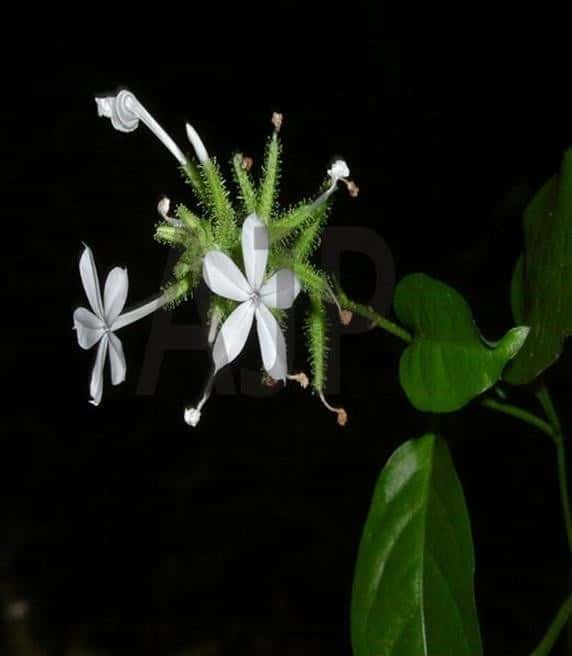
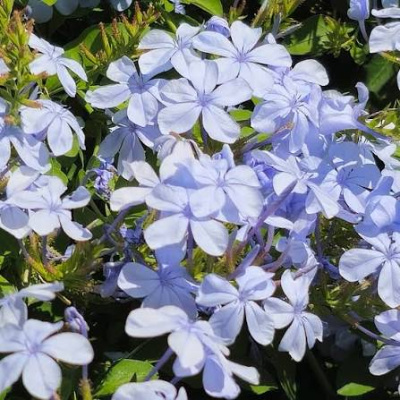
Flowers- white, in elongate spikes; rachis glandular, striate. Calyx 1-1.5 cm. long, narrowly tubular, densely covered with stalked glands. Corolla white, slender; tube 2-2.5 cm long.
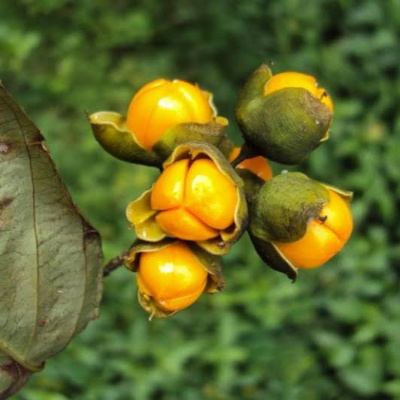
Fruit- Capsule, oblong, pointed; pericarp thin below, thick and hardened above.
Distribution & Habitat:
Found throughout India and sometime cultivated.
Pungent, having yellow and irritant principle called as plumbagin, 91%.
Active principle does not dissolve in cold water. In boiling water or ‘alcohol it dissolves easily.
Chitranone, plumbagin, lumbagin, droserone, elliptinofle, isozeylinone,isozeylan-one, zeylanone and zeylinone, maritone, plumbagic acid, dihydrosterone, beta sitosterol etc.
Properties:
Rasa : Katu
Guna : Laghu, Rüksa, Tiksna Virya : Usna
Vipãka : Katu
Karma : vata kapha hara, dipana, pacana, grahi,rasayana, arosaghna
Anti inflammatory, digestive, narcotic, gastric & nerve stimulant, rejuvenating
Indication:
Arsas, Grahani,Krimi,Udara, kusta,vrana, i, sula, pandu, kasa
cough, bronchitis, helminthiasis, haemorrhoids, fever, leucoderma, scabies, odontalgia, skin disease,.
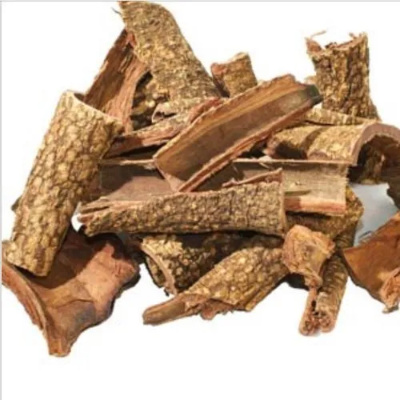
Parts used: Root.
Dosage: 2 to 4 gm. High dose causes burning and intoxication.
Amayika Prayoga (Therapeutic Uses)
External
– Paste applied in skin diseases (eczema, leukoderma).
– Used in arthritis (as oil or poultice).
Internal:
– Ama dosha (Toxin accumulation), Agnimandya (Low digestion), Krimi (Worm infestation).
Important Yogas or Formulations:
Chitrakadi gutika, Chitrakharitaki, Chitrak ghrit, Chitrakadi churna, Trimad churna
Improper use of chitrak causes toxicity. Higher dose of it creates irritant and intoxicant effects. It causes burning of tongue; throat, stomach and all over the body, nausea, vomiting, diarrhoea, dysuria, burning micturation. Pulse becomes-feeble and skin becomes wrinkled and cold:
Srotogamitva:
Dosha : Alleviates vata, kapha and eliminates pitta (gives yellow colour to the stools). Dhatu : Rakta, meda (vitiligo)
IUCN Status
Least Concern (Wild populations stable).
Research Updates (Past 5 Years)
1. 2021: Study in Journal of Ethnopharmacology confirmed anti-inflammatory effects of plumbagin.
2. 2022: Phytotherapy Research highlighted its hepatoprotective properties.
3. 2023: Clinical trial (AYUSH) showed efficacy in IBS management.