Botanical Name : Mimusops elengi Linn.
Family : Sapotaceae
Identification No.:- SDACH/HG/031
Introduction :
Latin name : Mimusops = mimo = an ape, monkey flower: elingi= Malayan name.
Names in different Indian languages :
English : Spanish-Cherry,West Indian Medlar,Bullet Wood
Hindi : Bakul,maulsiri
Kannada : Pagademara
Malayalam : Ilanni,elanji
Sanskrit : Bakula
Tamil : Magilam
Telugu : Pogada
Unani : Molsari
Synonyms :
Morphology :
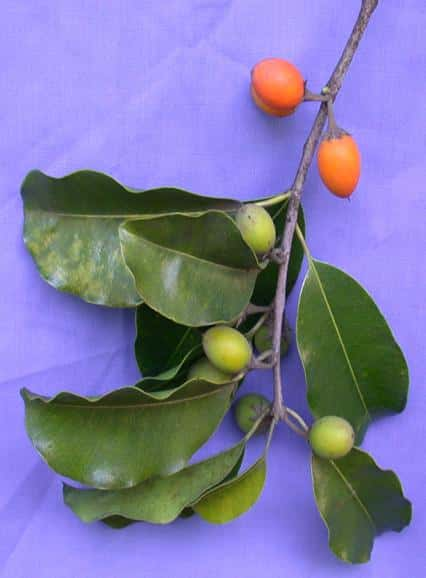
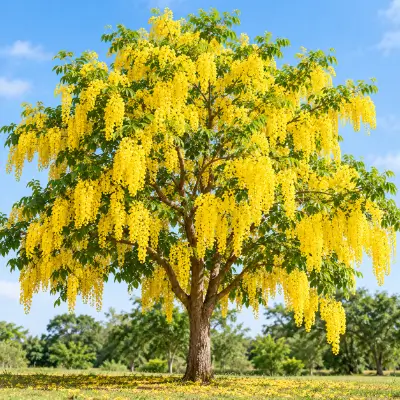
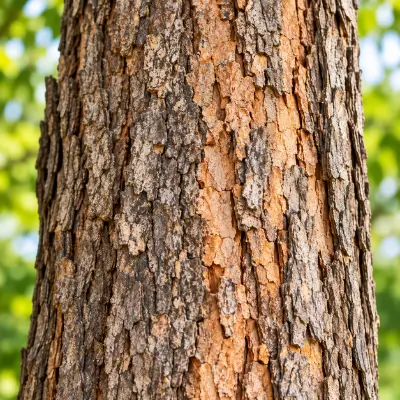
This evergreen tree is 15 mtrs. high and provides a thick shade. Bark is ash coloured an broken. Trunk is hard, heavy, brownish externally and red from inside.
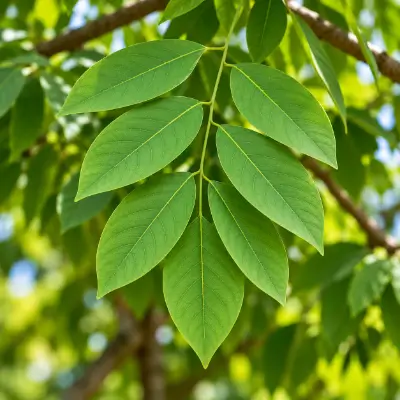
Leaves – 9 cm. long and 6 cm. broad, pointed with serpentile ends.
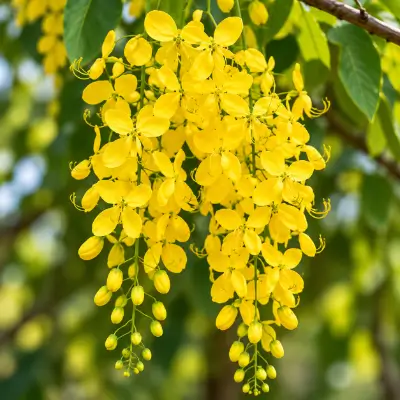
Flowers – white in colour and give out a sweet fragrance even on drying. Flowers are preserved by making garlands out of them.
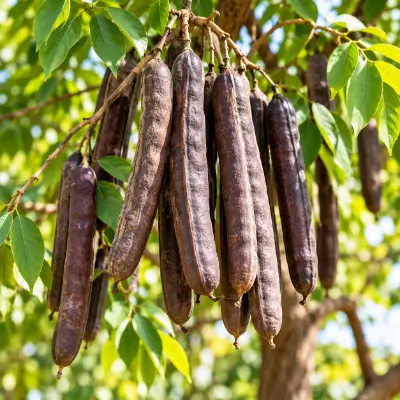
Fruits – oblong, green when raw, astringent and sticky. Ripe fruits are yellow, sweet and easily breakable.
Flowering season lasts for 6 months from April- May. Male plant bears flowers only whereas female plant bears flowers and fruits. The flowers, fruits and plants of brihat bakul are larger
Distribution & Habitat :
Throughout India
Chemical constituents :
Tannin, spinasterol, taraxerol, D-mannitol, beta-sitosterol, beta-sitosterol- D-glycoside , pentacyclic triterpene acids, mimusopic, mimusopsic acids
Properties :
Guna: guru
Rasa: katu, kashaya
Virya: anushna
Vipaka: katu
Karma : Danta sula haram, balyam, hridyam, vishaghnam, brimhanam, samgrahi, lekanam
carminative, digestive, astingent,cooling, diuretic, antimicrobial, antifungal, anthelmintic, antiviral, antipyretic, anti-inflammatory
Indication :
Sirasulam,
Ulcers, wounds, fever, skin disease, cough, piles, leucorrhoea, mouth ulcers
Part used :
Whole plant
Dosage :
Leaf juice 10-15 ml
Powder 2-4 g
Decoction 50-100 ml
Amayika Prayoga (Therapeutic Uses)
External uses :
flowers acts as nervine tonic and generate freshness of mind. Powder of the flowers is used for nasal administration in headache. Bark powder is used for strengthening gums and teeth and in pyorrhoea.
Internal uses :
Decoction of the bark is astringent and is therefore used in diarrhoea, dysentery and intestinal worms. Alcoholic extract of flowers is useful in heart diseases as it acts specifically on the heart and blood. Flowers and bark have good hemostatic activity and are therefore used in menorrhagia, leucorthoea, spermatorrhoea, cystitis, gonorrhoea etc. Ripe fruits are used as general tonic
IUCN Status
Not Evaluated (NE).
Research Updates (Past 5 Years)
1. Antimicrobial Activity (2021): Bakul bark extract showed significant activity against oral pathogens.
2. Cardioprotective Study (2022):Flower extract exhibited antioxidant effects in cardiac tissues.
3. Dental Health (2023): Clinical trial confirmed efficacy of Bakul mouthwash in gingivitis.