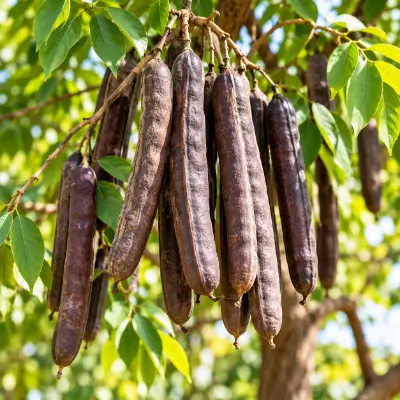
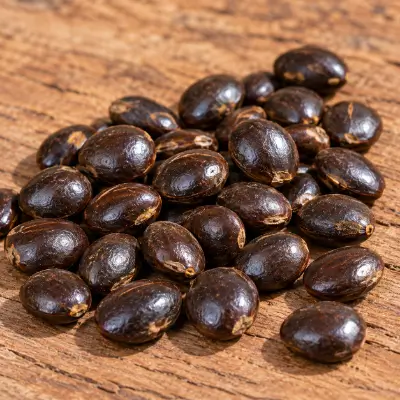
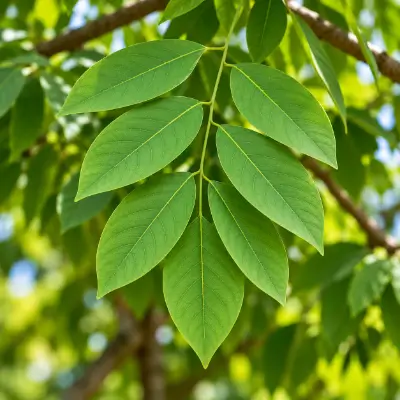
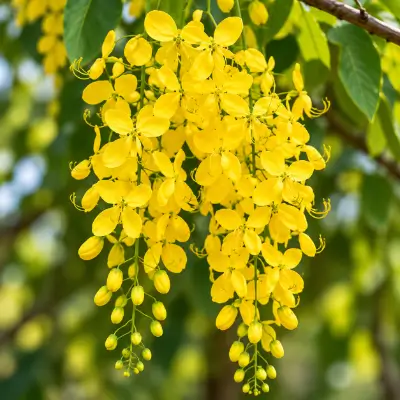
Botanical Name:
Piper peepuloides
Family:
Piperaceae
Identification No.: SDACH/HG/210
Introduction:
Piper peepuloides is a lesser-known medicinal plant found in moist forest regions of India, especially in the Western Ghats and Northeast. It is traditionally used by tribal communities for treating respiratory issues, inflammation, and digestive disturbances. Often confused with Piper longum, this plant is used in folk medicine for its stimulant and expectorant properties.
Scientific Classification:
- Kingdom: Plantae
- Order: Piperales
- Family: Piperaceae
- Genus: Piper
- Species: P. peepuloides
Names in Different Indian Languages:
- English: Wild Long Pepper
- Hindi: Jangli Pipli
- Sanskrit: Not distinctly recorded; often confused with Pippali
- Tamil: Kaattu Thippili
- Malayalam: Kaattu Thippili
- Kannada: Kaadu Hippali
- Telugu: Adavi Pippalu
Varieties & Adulterants :
- CV: Similar to Piper longum in appearance and usage.
- AD: Sometimes Piper longum or Piper chaba is used in its place.
Morphology:
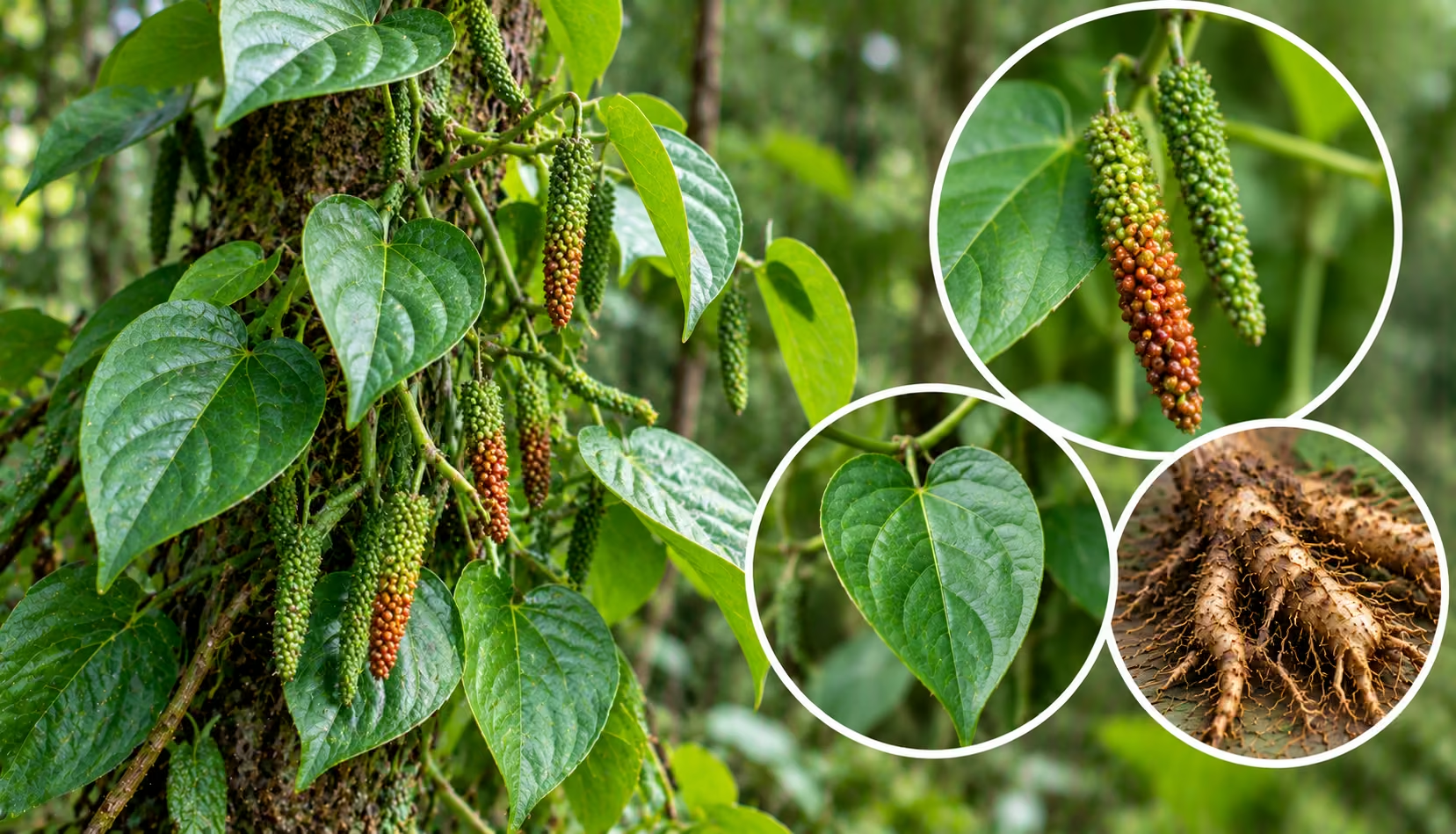
- Type: Climbing shrub with slender stems
- Leaves: Simple, alternate, cordate at base, entire margins
- Inflorescence: Spike; cylindrical, slender
- Fruits: Small, drupe-like, pungent in taste
- Height: Vine-like, grows by trailing or climbing on support
Habitat & Distribution:
Occurs in moist, shaded areas in the Western Ghats, Northeastern India, and parts of Central India.
Chemical Composition:
- Piperine
- Essential oils
- Lignans
- Alkaloids
- Resins and tannins
Properties:
- Rasa: Katu
- Guna: Laghu, Tikshna
- Virya: Ushna
- Vipaka: Katu
- Karma: Deepana, Pachana, Vatanulomana, Kasahara, Shwasahara
Indications:
- Chronic cough
- Bronchitis
- Asthma
- Dyspepsia
- Rheumatism
- Intermittent fevers
- General debility
External Uses:
- Paste of the root used on swollen joints
- Decoction used for washing wounds and ulcers
Internal Uses:
- Stimulates appetite and digestion
- Used in chronic respiratory tract infections
- Powder mixed with honey used in cough and asthma
- Root decoction used in malaria and fever
Srotogamitwa:
- Dosha: Kapha-Vatahara
- Dhatu: Rasa, Mamsa, Majja
- Mala: Regulates perspiration and urine
Parts Used:
Root, Fruit, Stem
Dosage:
- Root decoction: 30–50 ml
- Powder (fruit/root): 1–3 g
Important Yogas or Formulations:
Used in tribal formulations and as a substitute in Trikatu churna locally.
Therapeutic Uses:
- Chronic respiratory ailments: Decoction or powder used in chronic bronchitis, dry cough
- Fever: Root decoction for intermittent fevers
- Digestive complaints: As a carminative and appetizer
- Joint pains: Paste used topically in arthritis
IUCN Status: Not Evaluated
Research Updates:
- Antimicrobial Activity (2021): Methanolic extracts showed activity against Klebsiella pneumoniae and Streptococcus spp.
- Antioxidant Potential (2020): Roots and fruits exhibited significant antioxidant properties in in vitro studies.
- Respiratory Relief (2022): Ethanolic extract reduced bronchoconstriction in guinea pig models.
- Analgesic and Anti-inflammatory (2023): Root extract showed promising anti-inflammatory and pain-relieving effects in rodent models.
- Hepatoprotective (2024): Early studies suggest protective effect on CCl₄-induced liver damage.