Sanskrit Name: Śatī, Spatikā, Gandha Śatī
Identification No: SDACH/HG/247
Botanical Name: Hedychium spicatum Sm.
Family Name: Zingiberaceae
Vernacular Names:
Hindi – Kapur Kachri
Bengali – Gandha Sathi
Gujarati – Shati
Kannada – Gandha Hoo
Tamil – Seemai chevvai
Telugu – Gandha Kendramu
English – Spiked Ginger Lily
Synonyms – Shloka (Bhav Prakash):
शठी पलाशी षड्ग्रन्था सुव्रता गन्धमूलिका |
गन्धारिका गन्धवधूर्वधूः पृथुपलाशिका ||
(Bhavaprakasha Nighantu – karpuradi Varga)
Classification
Charaka – Not explicitly mentioned
Sushruta – Useful in Vrana, Kasa, Shwasa
Vagbhata – Dipaniya, Kaphahara
Habitat & Distribution:
Grows in sub-temperate to temperate Himalayan regions between 1500–2700 meters. Common in Uttarakhand, Himachal Pradesh, and Northeast India. Prefers shady slopes and forest undergrowth.
Morphology
Erect perennial herb, 1–2 meters tall.
Leaves are lanceolate, green, and glabrous with sheathing bases.
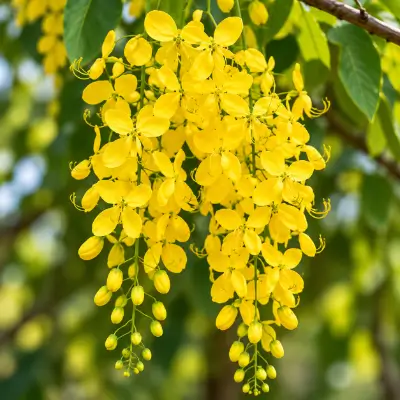
Flowers are showy, orange-red with a fragrant spike inflorescence.
Rhizomes are aromatic, thick, fleshy, and yellowish inside.
Flowers bloom during late spring to summer.
Varieties:
- Hedychium spicatum var. acuminatum
- Hedychium coronarium (used interchangeably in some regions)
Substitute / Adulterant:
Substitute – Curcuma zedoaria, Curcuma aromatica
Adulterant – Inferior aromatic rhizomes from related Zingiberaceae species
Phytochemicals:
Essential oils (cineole, linalool, spicatonone)
Flavonoids, glycosides, diterpenes, sesquiterpenes, starch, resins
Raspanchaka:
Rasa: Tikta, Katu
Guna: Laghu, Ruksha, Tikshna
Virya: Ushna
Vipaka: Katu
Prabhava: Shothahara, Kaphahara
Dosha Shamakta: Kapha-Vata hara
Karma – Rogaghnata:
- Deepana (Appetizer)
- Pachana (Digestive)
- Shothahara (Anti-inflammatory)
- Kaphanashaka
- Kasahara
- Vranahara
- Hridya (Cardiotonic)
Amayika Prayoga / Therapeutic Uses
External:
- Paste used in localized swelling, abscess, and joint pain
- Rhizome powder for dental hygiene
- Decoction used in douche for vaginal infections
Internal:
- Powder for indigestion, anorexia, cough, asthma
- Decoction useful in bronchitis, fever, and cold
- Beneficial in worm infestations and skin diseases
Part Used: Rhizome
Dose:
Churna – 1 to 3 grams
Kwatha – 20 to 40 ml
Yoga / Formulations:
- Kachuradi Churna
- Gandhashati Taila
- Ayurvedic respiratory tonics
IUCN Status:
Least Concern (LC).
Research Updates
- 2020 – Antiasthmatic and bronchodilatory effects in guinea pigs (Journal of Ayurveda & Integrative Medicine)
- 2021 – Evaluation of antimicrobial activity of essential oil from rhizomes (Indian Journal of Traditional Knowledge)
- 2023 – In vitro antioxidant and anti-inflammatory activity of Hedychium extract (Pharmacognosy Research)