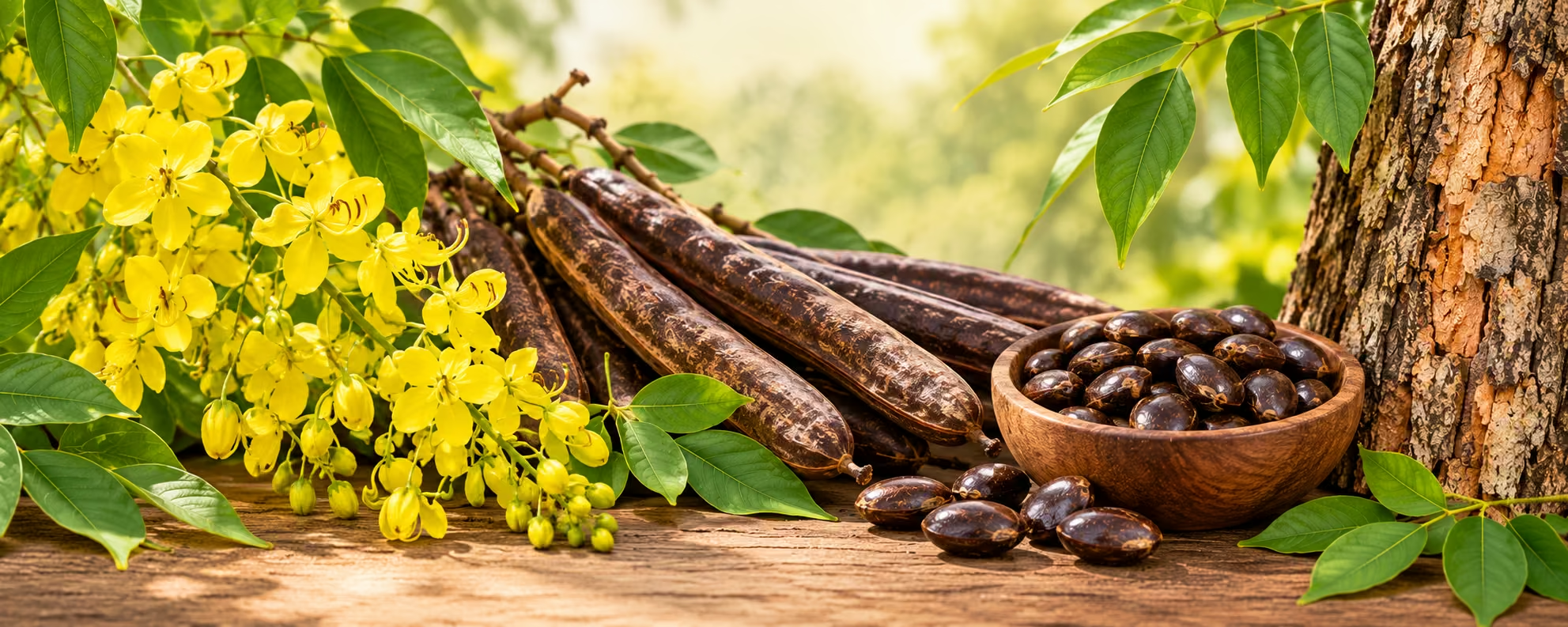
Sanskrit Name: Vikantaka (विकण्टक)
Other Sanskrit synonyms include Vikata, Kantaki, Shriphala (regionally)
Identification No : SDACH/HG/252
Botanical Name: Flacourtia jangomas (Lour.)
Family Name: Salicaceae
Vernacular Names
- Hindi: Vikankata, Paniala
- English: Indian Coffee Plum, Governor’s Plum
- Bengali: Paniala
- Marathi: Paniala
- Kannada: Karanji
Habitat & Distribution
- Native to India and Southeast Asia
- Common in tropical and subtropical regions of India: Uttar Pradesh, Bihar, Assam, Bengal, Kerala, Karnataka, and Tamil Nadu
- Found in forests, hilly areas, and often cultivated for fruits or as a hedge plant
Morphology
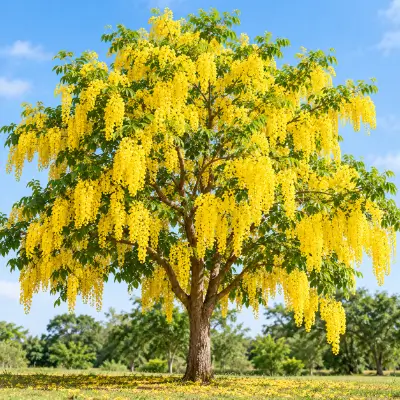
- Tree/Shrub: Medium-sized thorny shrub or small tree up to 6–10 m
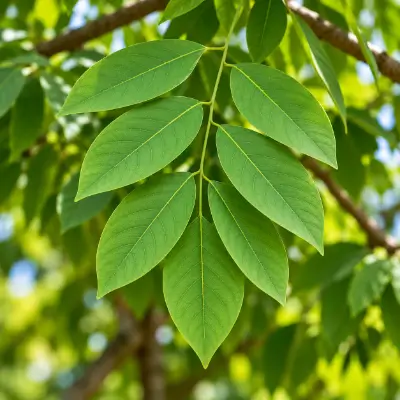
- Leaves: Simple, ovate-lanceolate, finely serrate
- Flowers: Small, greenish-white, unisexual
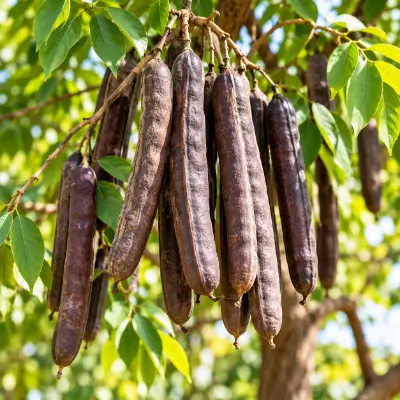
- Fruits: Globose drupe, reddish-purple when ripe, edible with acidic-sweet taste
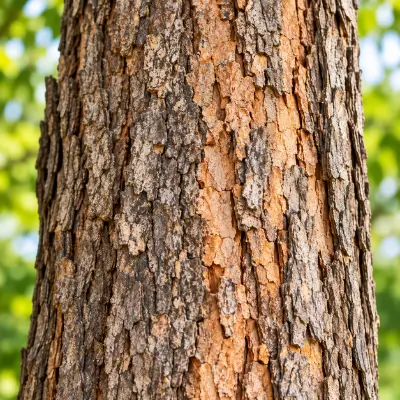
- Bark: Greyish, rough, with inner reddish tinge
- Thorns: Strong, straight or curved spines on branches
- Roots: Woody, fibrous; traditionally used
Varieties
- Botanically related species:
- Flacourtia indica
- Flacourtia ramontchi
- Flacourtia cataphracta (regional usage)
Substitute / Adulterant
- Substitute: Flacourtia indica (commonly used interchangeably)
- Adulterants: Other wild Flacourtia spp. or non-edible berries may be mixed in fruit powders
Phytochemicals
- Flacourside
- Tannins
- Flavonoids (quercetin, rutin)
- Saponins
- Sterols
- Polyphenols
- Gallic acid
- Essential oils (in leaves and bark)
- Vitamin C (in fruits)
Raspanchaka
- Rasa: Kashaya, Tikta, Amla
- Guna: Laghu, Ruksha
- Virya: Sheeta
- Vipaka: Katu
- Prabhava: Vrana ropana, Krimighna
- Dosha Shamakta: Tridoshaghna (especially Kapha-Pitta hara)
Karma – Rogaghnata
- Krimighna – Anthelmintic
- Shothahara – Anti-inflammatory
- Raktapittahara – Anti-hemorrhagic
- Stambhana – Astringent
- Vrana ropana – Wound healing
- Trishna nigrahana – Quenches excessive thirst
- Shukravardhaka – Enhances semen quality
- Pramehaghna – Useful in diabetes
Amayika Prayoga / Therapeutic Uses
External
- Bark decoction used for washing wounds and ulcers
- Paste of leaves used in skin allergies, boils
- Crushed bark or root as a poultice in abscesses
Internal
- Bark decoction used for diarrhea, dysentery, bleeding disorders
- Root decoction in urinary tract infections and diabetes
- Fruit juice or syrup for anemia, fatigue, and liver disorders
- Powdered bark in worm infestations
Part Used
- Bark
- Root
- Fruit
- Leaves (less commonly)
Dose
- Bark decoction: 40–60 ml
- Powder (bark/root): 3–6 g
- Fresh fruit juice: 10–20 ml
- Fruit (raw or cooked): 25–50 g
Yoga / Formulations
- Used in regional classical formulations for Prameha, Vrana, and Krimi
- Found in tribal medicine as part of anti-inflammatory and anti-diabetic combinations
IUCN Status
Research Updates
- 2020 – Journal of Medicinal Plants Studies
Methanolic bark extract showed potent antioxidant and anti-inflammatory activities. - 2021 – Asian Pacific Journal of Tropical Biomedicine
Fruit extract demonstrated hypoglycemic effects in streptozotocin-induced diabetic rats. - 2023 – Journal of Ethnopharmacology
Ethanolic extract of leaves showed promising