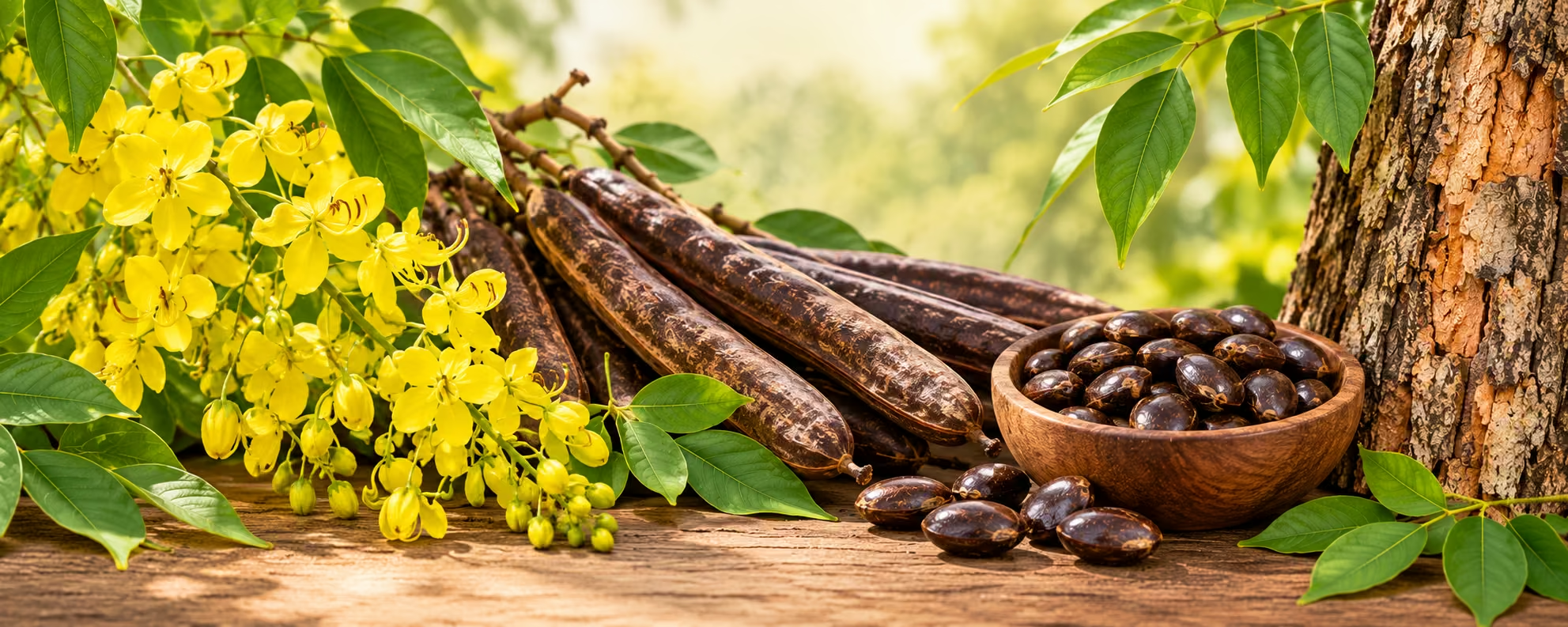
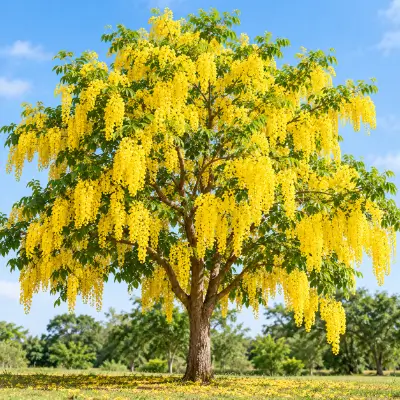
Botanical Name: Mitragyna parviflora (Roxb.) Korth.
Family: Rubiaceae
Identification No.: SDACH/HG/254
Introduction:
Mitragyna parviflora, commonly known as Kaim, is a medium to large deciduous tree used in traditional Ayurvedic medicine for its analgesic, anti-inflammatory, wound-healing, and hepatoprotective properties. It is considered sacred in rural communities and has diverse ethnomedicinal applications, especially in treating fevers, skin conditions, wounds, and liver disorders.
Scientific classification:
- Order: Gentianales
- Family: Rubiaceae
- Genus: Mitragyna
- Species: parviflora
Names in different Indian languages:
- English: Kaim tree
- Hindi: Kaim, Kadamb
- Kannada: Nidgida
- Malayalam: Kaimaram
- Sanskrit: Kaim, Nipa
- Tamil: Nay-karumpuliyamaram
- Telugu: Konda-kadamba
Synonyms:
Kaim, Kadamb, Nipa, Nipa-kadamba, Karmasha
Classification according to Charaka, Susrutha & Vagbhata:
- Charaka: Not explicitly mentioned
- Susrutha: Useful in wounds and skin diseases
- Vagbhata: Mentions in formulations for healing and anti-inflammatory applications
Varieties & Adulterants :
- Mitragyna tubulosa – CV
- Neolamarckia cadamba – AD (closely related species, sometimes confused)
- Terminalia tomentosa – AD
Morphology:
- Habit: Medium to large deciduous tree, up to 20 m tall
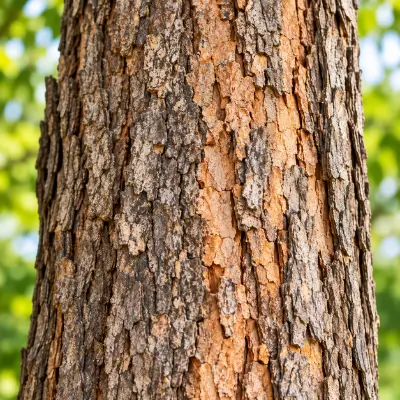
- Bark: Greyish-brown, rough with vertical fissures
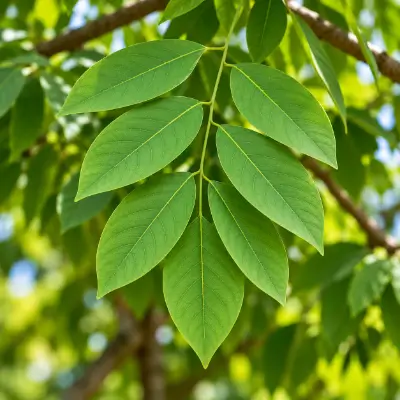
- Leaves: Opposite, ovate to elliptic, 10–15 cm long, glabrous, entire
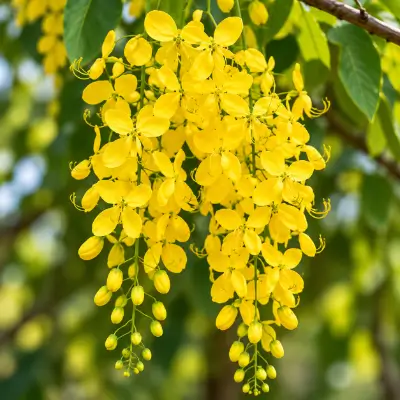
- Flowers: Tiny, creamy-white, in dense globose heads, axillary or terminal
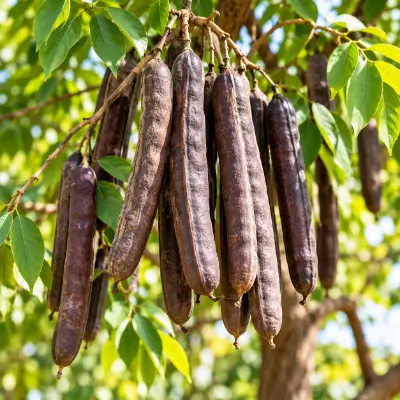
- Fruit: Capsule, containing minute seeds
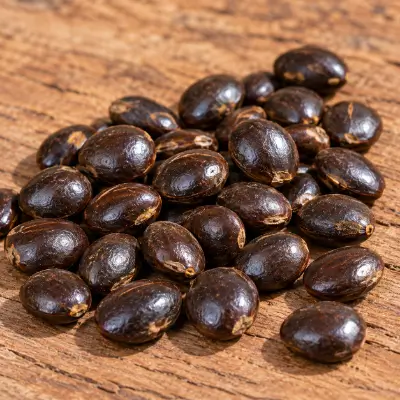
- Seeds: Numerous, minute, oblong
Habitat & Distribution:
Widely distributed in tropical and subtropical regions of India, especially in Madhya Pradesh, Maharashtra, Odisha, Bihar, and Uttar Pradesh. Found in dry deciduous forests and along riverbanks.
Chemical composition:
- Indole alkaloids: Mitraphylline, Isomitraphylline
- Tannins
- Flavonoids
- Glycosides
- Phenolic compounds
- Saponins
Properties:
- Rasa: Tikta, Kashaya
- Guna: Laghu, Ruksha
- Virya: Ushna
- Vipaka: Katu
- Karma: Vedanasthapana (analgesic), Shothahara (anti-inflammatory), Vrana hara (wound healing), Yakrituttejaka (hepatoprotective)
Indications:
- Jvara (fever)
- Vrana (wounds)
- Twak vikaras (skin diseases)
- Yakrit vikara (liver disorders)
- Shotha (inflammation)
- Daha (burning sensation)
- Arsha (piles)
- Shula (pain)
External uses:
- Leaf paste: Applied to wounds, boils, and inflamed swellings
- Bark decoction: Used for cleaning chronic ulcers and fungal infections
- Crushed leaves: Used in insect bites and minor injuries
Internal uses:
- Digestive system: Acts as a bitter tonic, aids liver function, helps relieve dyspepsia
- Circulatory system: Purifies blood and aids in wound healing
- Nervous system: Analgesic, used in body pain and neuralgia
- Liver: Stimulates liver activity and used in jaundice
- Temperature: Effective in intermittent and chronic fevers
Srotogamitwa:
- Dosha: Kapha-Pittahara
- Dhatu: Rasa, Rakta, Mamsa
- Srotas: Raktavaha, Yakritvaha, Twakvaha
Parts used:
Bark, leaves, root, seeds
Dosage:
- Kwatha (Decoction): 50–100 ml
- Churna (Powder): 3–6 g
- Swarasa (Juice): 10–20 ml
Important Yogas or Formulations:
- Kaim kwatha – Traditionally used in fever and inflammation
- Nipa Kalka – Leaf paste for wound dressing
- Kaimarishta – Mentioned in folklore for liver disorders
- Mitra-yakrit lepa – External application for ulcers
Therapeutic Uses:
- Jvara (fever) – Decoction with Guduchi and Vasa
- Vrana – Leaf paste or bark decoction used externally for healing
- Yakrit vikara (liver) – Decoction with Bhumyamalaki
- Shotha (swelling) – Topical paste for joint swelling and abscesses
IUCN Status – Least Concern
Research Updates :
- Anti-inflammatory Effect (2021) – Bark extract reduced inflammation in animal models
- Wound Healing (2022) – Leaf extract accelerated epithelial regeneration in rats
- Hepatoprotective (2023) – Alcoholic bark extract protected liver cells against paracetamol-induced damage
- Antipyretic (2024) – Clinical trial showed reduction in fever with kaim bark decoction
- Antimicrobial Activity (2025) – Effective against E. coli and Staphylococcus aureus