Sanskrit Name: kaliyaka
Identification No.- SDACH/HG/268
Botanical Name
Coscinium fenestratum
Family Name
Menispermaceae
Vernacular Names
Tree turmeric (English), Mara manjal (Tamil), Haidranga (Kannada), Daruharidra (Hindi)
Synonyms
सैव कालीयकः प्रोक्तस्तथा कालेयकोऽपि च ॥२०१॥ घीतदुश्च हरिद्रुश्चपीतदारु’ च पीतकम् । दार्वी निशागुणा किन्तु नेत्र कर्णास्यरोगनुत् ॥२०२॥ (Bhav Prakash)
Classification
Charaka – Arshoghna, Kandughna, Lekhaniya
Charaka has mentioned this as one of the herbs used in powder massage, useful in pruritus, acne and urticaria. (Reference: Charaka Samhita Sutrasthana 3rd chapter)
Sushruta and Vagbhata – Haridradi, Mustadi, Lakshadi
Bhav Prakash Nighantu – Haritayadi varga
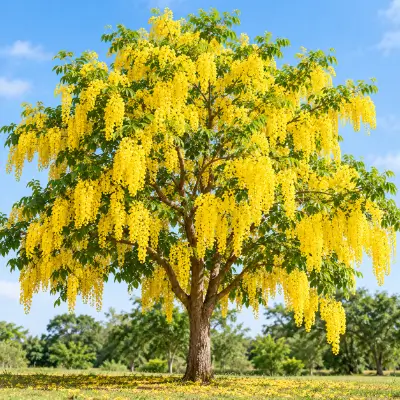
In South India, especially in Kerala, Coscinium fenestratum, Menispermaceae, is used in the name of Daru Haridra – Tree Turmeric (stem) – Berberis aristata.
Habitat & Distribution
Found in Western Ghats, Sri Lanka, and parts of Southeast Asia; thrives in moist deciduous forests.
Morphology
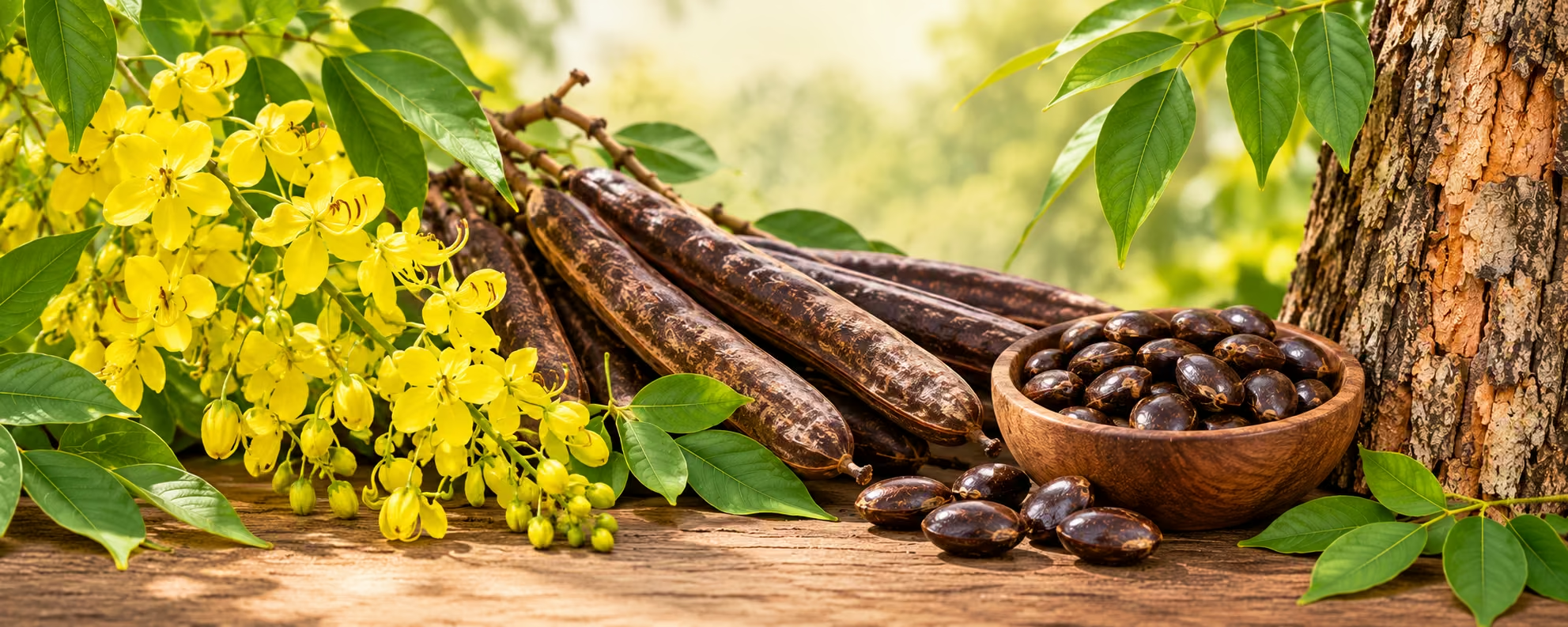
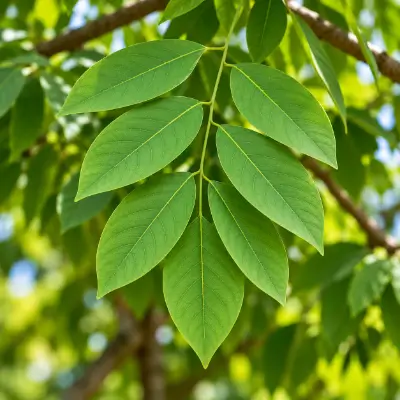
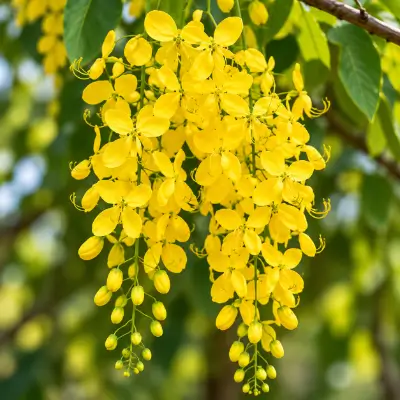
A large woody climber with bright yellow wood, heart-shaped leaves, and small greenish flowers.
Varieties
1. Darharidra Berberis aristata
2. Kaliyaka – Coscinium fenestratum
In South India, especially in Kerala, Coscinium fenestratum, Menispermaceae, is used in the name of Daru Haridra – Tree Turmeric (stem) – Berberis aristata.
Substitute/Adulterant
Haridra (Curcuma longa)
Phytochemicals
Berberine, Palmatine, Jatrorrhizine, Columbamine.
Raspanchaka
Rasa: Tikta, Kashaya
Guna: Laghu, Ruksha
Virya: Ushna
Vipaka: Katu
Prabhava: Deepan
Dosha Shamakta: Kapha-Pittahara
Karma
Kusthaghna, Krimighna, Raktapittahara, Pramehaghna
Amayika Prayoga/Therapeutic Uses
External
Used as paste for skin diseases, wounds, itching.
Internal
Used in decoctions for diabetes, skin diseases, and as an anti-inflammatory agent.
Part Used
Root
Dose
Powder: 1-3gm
Yoga/Formulations
Darvyadi Kwatha, Chandraprabha Vati
IUCN Status
Coscinium fenestratum is listed as Data Deficient.
Research Updates
1. Antidiabetic potential of Coscinium fenestratum in streptozotocin-induced diabetic rats. (J Ethnopharmacol, 2021)
2. Antimicrobial activity against skin pathogens. (Pharmacognosy Journal, 2020)
3. Berberine content variation in different parts. (Indian J Pharm Sci, 2019)