Sanskrit Name: Agnimantha
Identification No: SDACH/HG/280
Botanical Name: Premna serratifolia L. (syn. Premna integrifolia)
Family Name: Lamiaceae (formerly Verbenaceae)
Vernacular Names:
Hindi – Arni
Marathi – Aghada
Tamil – Munnei
Telugu – Nelli chettu
Kannada – Munnu gida
Malayalam – Munnay
English – Headache tree, Premna
Synonyms – Shloka from Bhav Prakash:
“अग्निमन्थो जयः स स्याच्छ्रीपर्णी गणिकारिका |
जया जयन्ती तर्कारी नादेयी वैजयन्तिका ||”
Classification:
- Charaka: Included in Dashamoola, Shirovirechanopaga, Shothahara Gana
- Sushruta: Dashamoola
- Vagbhata: Dashamoola
- Bhavaprakasha: Guduchiyadi Varga
Habitat & Distribution:
Widely distributed throughout India, especially in tropical and subtropical regions. Found in dry deciduous forests, near riverbanks, roadsides, and coastal regions. Common in states like Tamil Nadu, Kerala, Maharashtra, Karnataka, Odisha, and West Bengal.
Morphology
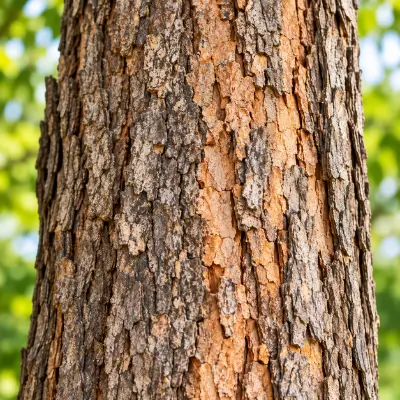
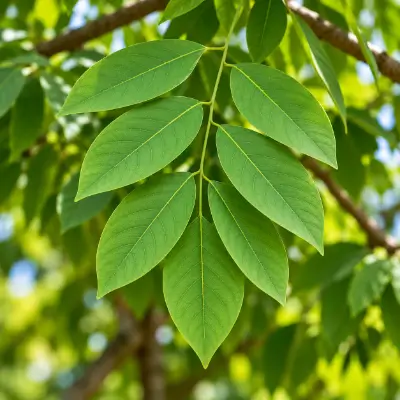
A small tree or large shrub up to 10 m tall. Bark is thin, greyish-brown, rough. Leaves are ovate, serrate (hence serratifolia), aromatic, opposite. Flowers are small, greenish-white to pale violet, in dense terminal cymes. Fruits are drupe, black when ripe, globose, with a hard seed.
Varieties:
Two main varieties mentioned:
- Premna serratifolia (Arni/Agnimantha) – Laghu Agnimantha
- Clerodendrum phlomidis (also called Agnimantha in some regions) – Brihat Agnimantha
Substitute / Adulterant:
- Clerodendrum phlomidis is sometimes used interchangeably or mistakenly as Agnimantha.
- Adulterants may include other Premna species.
Phytochemicals:
Alkaloids, flavonoids, iridoid glycosides, saponins, sterols, tannins, and essential oils. Leaves contain premnine, serratanine, and betulinic acid.
Raspanchaka:
- Rasa – Tikta, Kashaya
- Guna – Laghu, Ruksha
- Virya – Ushna
- Vipaka – Katu
- Prabhava – Shothahara
- Dosha Shamakta – Vata-Kaphahara
Karma (Rogaghnata):
- Shothahara (anti-inflammatory)
- Vatanulomaka
- Deepana (appetizer)
- Mutrala (diuretic)
- Jwarahara (antipyretic)
- Vranaropana (wound healing)
- Krimighna (antiparasitic)
Amayika Prayoga / Therapeutic Uses:
External – Leaf paste used in inflammatory swellings, wounds, and boils. Decoction used for washing ulcers.
Internal – Useful in vata-kapha disorders like arthritis, fever, abdominal distension, urinary tract disorders, cough, and asthma.
Part Used: Root, root bark, leaves
Dose:
- Churna (powder): 3–6 g
- Kwatha (decoction): 50–100 ml
- Fresh leaf juice: 10–15 ml
Yoga / Formulations:
- Dashamoola Kwatha
- Dashamoolarishta
- Brihat Panchamoola Taila
- Agnimanthadi Kashaya
- Shothaghna Mahakashaya
IUCN Status: Least Concern (LC)
Research Updates
- 2023 – International Journal of Ayurveda Research published a study validating anti-inflammatory and analgesic properties of Premna serratifolia root extract.
- 2021 – Study in Pharmacognosy Journal revealed hepatoprotective effects against CCl4-induced hepatotoxicity in rats.
- 2020 – Research in Asian Journal of Pharmaceutical Sciences demonstrated antioxidant and antibacterial activity of leaf extract, particularly against E. coli and S. aureus.