Botanical Name: Nicotiana tabacum Linn.
Family: Solanaceae
Identification No.: SDACH/HG/282
Introduction: Nicotiana tabacum is a well-known plant primarily used for tobacco production. Despite its controversial use in modern times, it has traditional applications in Ayurveda and folk medicine, including as an analgesic, anti-inflammatory, and insecticidal agent.
Scientific classification: Belongs to the subfamily Solanoideae of the family Solanaceae. Related species include Nicotiana rustica (Aztec tobacco), which has a higher nicotine content.
Names in different Indian languages:
English: Tobacco
Hindi: Tambaku
Kannada: Hogesoppu
Malayalam: Pukayila
Sanskrit: Tamrakuta, Dhumapushpi
Tamil: Pukayilai
Telugu: Pogaku
Synonyms:
Tamrakuta, Dhumapushpi, Vamshapatra, Dhumra, Dhumayani, Tamasapatra
Varieties & adulterants
- Nicotiana rustica – Higher alkaloid content – CV
- Datura stramonium – AD (accidental adulterant due to morphological similarity in dried form)
- Local varieties with high tar/nicotine content – CV
Morphology:
A leafy annual herb, up to 2 m tall.
Stem: Erect, viscous, glandular-pubescent.
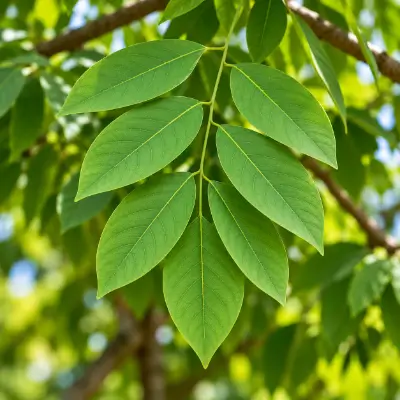
Leaves: Alternate, large, ovate-lanceolate, entire, sessile.
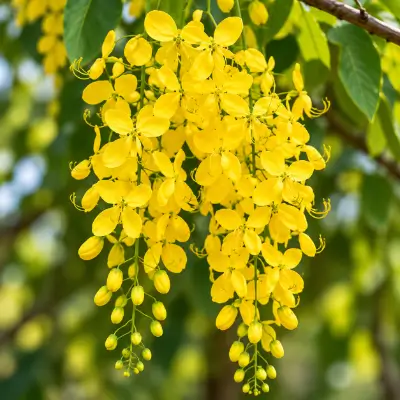
Flowers: Terminal clusters, pink to reddish, tubular, 3-4 cm long.
Fruits: Capsules, many-seeded, 1.5–2.5 cm long.
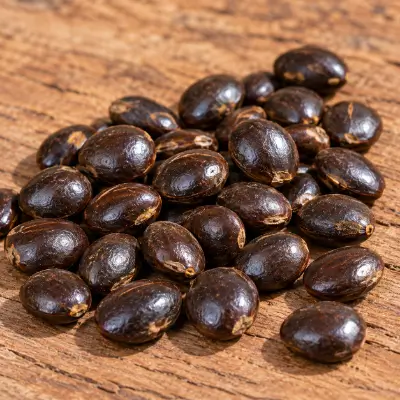
Seeds: Small, brown, kidney-shaped.
Habitat & Distribution:
Native to tropical America, now widely cultivated throughout India, especially in Andhra Pradesh, Gujarat, Karnataka, and Tamil Nadu.
Chemical composition:
Alkaloids: Nicotine (major), anabasine, nornicotine
Polyphenols: Chlorogenic acid, rutin
Volatile oils: Nicotianin
Other: Flavonoids, organic acids, gums, resins, proteins
Properties:
Rasa: Tikta, Katu
Guna: Laghu, Tikshna
Virya: Ushna
Vipaka: Katu
Karma: Vata-kaphahara, Krimighna, Vedanasthapana, Srotoshodhaka
Indications:
- Skin diseases, wounds, ulcers, neuralgia, toothache, lice infestation
- Applied externally for hemorrhoids, abscesses, scabies, and painful swellings
External uses:
- Paste or warm poultice used for boils, rheumatic swellings, and neuralgia.
- Juice used for lice, scabies, and insect bites.
- Smoke fumigation used for respiratory issues in folklore medicine.
Internal uses:
Use with caution due to toxicity.
- Nervous system: Used in very small doses for neuralgia and tremors due to its nervine sedative effect.
- Digestive system: Juice in minute doses used as an emetic in poisoning (traditional).
- Circulatory system: In low doses can reduce blood pressure, but large doses toxic.
- Respiratory system: Fumigation used in chronic cough and asthma (historically).
- Skin: Insecticidal, used in skin eruptions and lice.
Srotogamitwa:
- Dosha: Vata-kaphahara
- Mala: Srotoshodhaka, Krimighna
- Dhatu: Rasa, Mamsa
Parts used:
Leaves, seeds
Dosage:
- Leaf juice: 1-2 ml (external use preferred)
- Paste: External use only
(Internal use discouraged without professional supervision due to toxicity)
Important Yogas or Formulations:
Tampraparna taila
Therapeutic Uses:
- Krimi (Parasites/Lice) – Leaf paste used externally to kill lice.
- Vrana (Wounds) – Fresh leaves applied as poultice.
- Vedana (Pain) – Leaf decoction used externally in neuralgia and rheumatic pain.
IUCN Status : Not Evaluated
Research Updates
- Insecticidal Activity (2021) – Confirmed potent bioinsecticidal properties of N. tabacum extracts.
- Analgesic Potential (2022) – Leaf extract exhibited significant analgesic activity in rat models.
- Antimicrobial Study (2023) – Ethanolic extract found effective against Candida albicans and Staphylococcus aureus in vitro.