Sanskrit Name: Kantakari
Identification No : SDACH/HG/289.
Botanical Name: Solanum xanthocarpum Schrad. & Wendl.
Family Name: Solanaceae
Vernacular Names:
Hindi: Kateri
Marathi: Ringani
Gujarati: Bhatakatayi
Tamil: Kandankattiri
Telugu: Nelavemu
Kannada: Kantakari
Malayalam: Kantakari
Classification
Bhavaprakasha: guduchiadi varga Varga
Habitat & Distribution:
Commonly found throughout India in dry and arid regions, roadsides, wastelands, and open grasslands. Distributed from the Himalayas to southern parts of the country. It thrives in sandy and loamy soils.
Morphology
Habit: Diffuse, prickly herb or undershrub, up to 1–1.5 m high
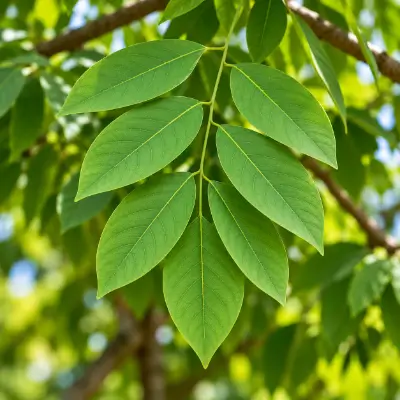
Leaves: 5–10 cm, ovate-oblong, deeply lobed, covered with minute hairs and yellow prickles
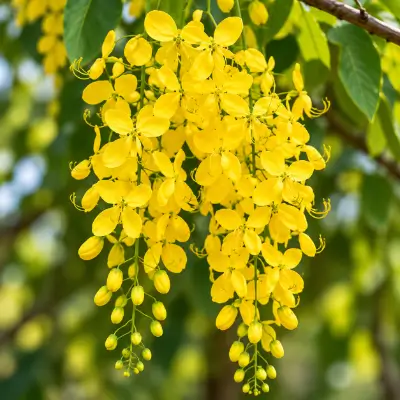
Flowers: Purple, 1–1.5 cm in diameter, with five-lobed petals
Fruits: Globular berries, green with white stripes when unripe, turn yellow on ripening
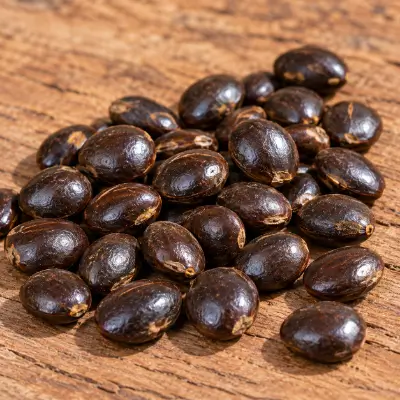
Seeds: Pale yellow, compressed, disc-shaped.
Phytochemicals:
- Solasodine (a steroidal alkaloid)
- Solanine
- Solamargine
- Flavonoids
- Saponins
- Tannins
- Glycosides
- β-sitosterol
Rasapanchaka:
Rasa: Tikta, Katu
Guna: Laghu, Ruksha, Tikshna
Virya: Ushna
Vipaka: Katu
Prabhava: Shwasahara
Dosha Shamakta: Kapha-Vata Shamaka
Karma (Rogaghnata):
- Shwasahara (relieves asthma)
- Kasahara (relieves cough)
- Krimighna (anthelmintic)
- Deepana (stimulates digestion)
- Vranaropana (wound healing)
- Shothahara (anti-inflammatory)
- Mutrala (diuretic)
Amayika Prayoga / Therapeutic Uses:
External:
- Leaf paste used in swelling and joint pain
- Root decoction used for mouthwash in dental caries
- Fomentation in rheumatic pain
Internal:
- Decoction or kwatha used in asthma, bronchitis, cough
- Root used in Dashamoola preparations
- Fruits used in digestive disorders and colic
- Seeds used for anthelmintic properties
Part Used:
Root, whole plant, fruits, seeds
Dose:
Kwatha (decoction): 40–50 ml
Churna (powder): 1–3 g
Svarasa (juice): 10–15 ml
Yoga / Formulations:
- Dashamoola Kwatha
- Kantakari Ghrita
- Vyaghri Haritaki
- Sitopaladi Churna
- Kantakari Avaleha
- Kanakasava
IUCN Status:
Not Evaluated
Research Updates
- Sharma et al., 2023: Reported significant antiasthmatic activity of Kantakari extract in bronchial asthma models.
- Reddy et al., 2021: Demonstrated antimicrobial and anti-inflammatory properties of fruit and root extracts.
- Kumar et al., 2020: Observed hepatoprotective activity in carbon tetrachloride-induced hepatotoxicity in rats, validating traditional use in liver disorders.