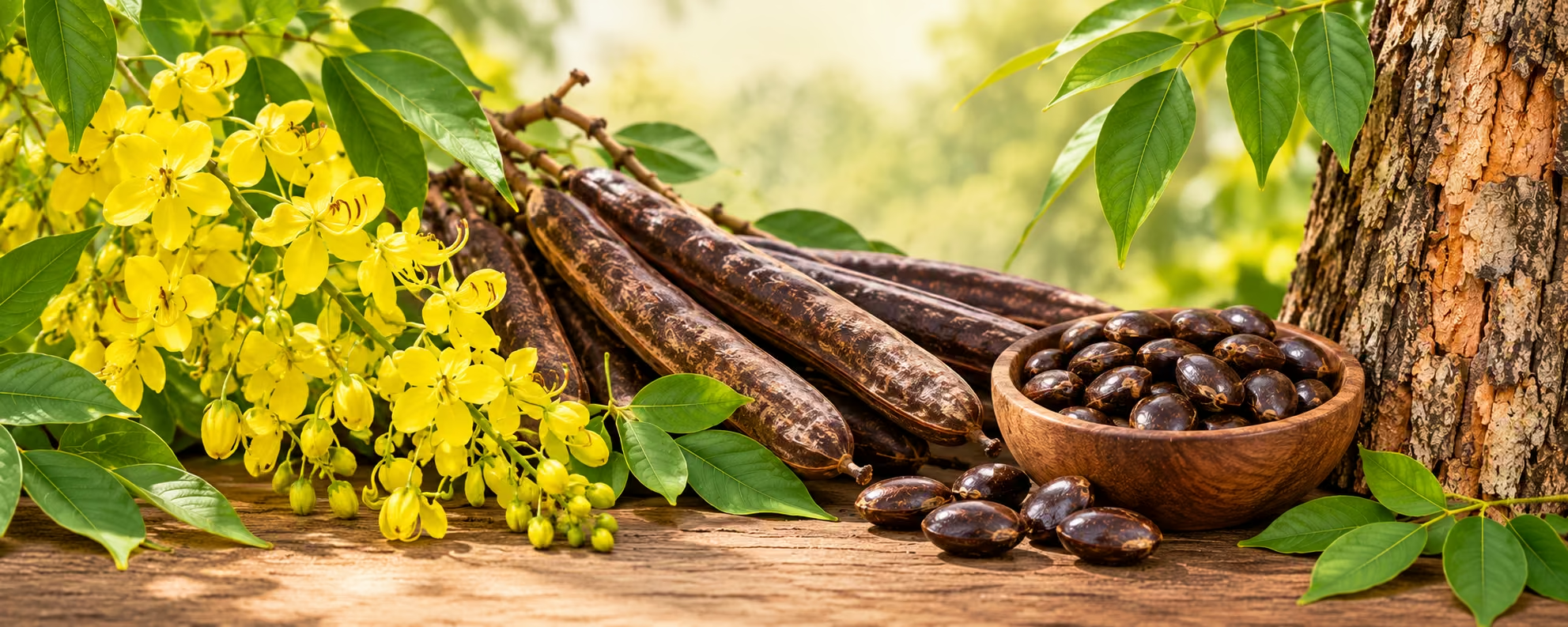
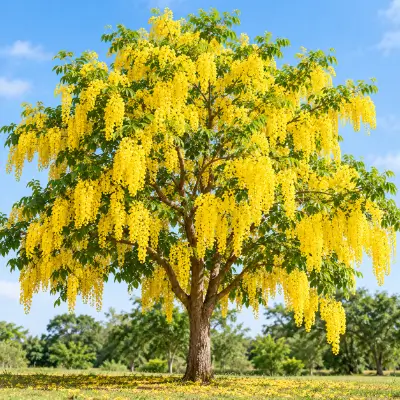
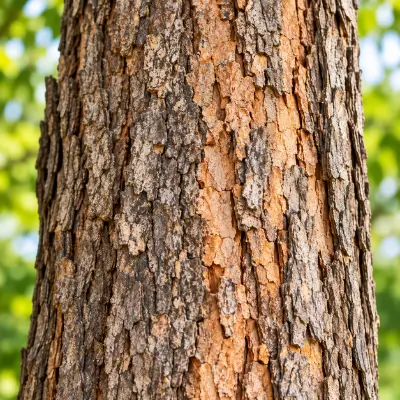
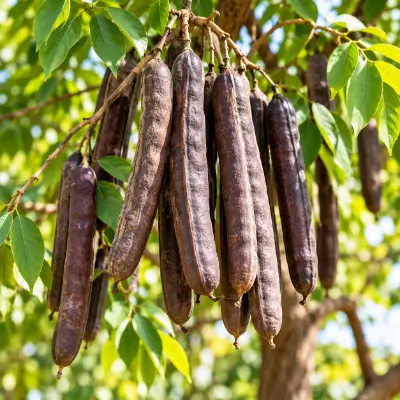
Botanical Name : Amoora rohithaka
Family : Meliaceae.
Identification No.: SDACH/HG/296
Introduction :
In South India Aphanamixis polystachya used as rohithaka, but in north India Tecoma undulata G. Don., Bignoniaceae, is also equated with Rohitaka. Also refer T.undulata.
Names in different Indian languages :
English : Rohitaka tree
Hindi : Harin hara
Kannada : Mullumuntala
Malayalam : Cemmaram
Sanskrit : Rohitakah
Tamil : Malampuluvan, semaram
Telugu : Sevamanu
Synonyms :
रोहितकः सुतप्ताभः स्थूलपर्णो घनस्स्थिरः।
पित्तकफहरो रक्तशोथगुल्मविषापहः॥
Varieties & adulterants – (CV – controversy, AD – adulterants) :
CV – Tecoma undulata G. Don., Bignoniaceae, is also equated with Rohitaka.
Morphology :
This tree grows upto 20-25 m.
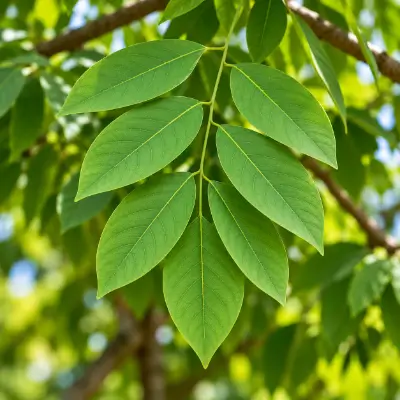
Leaves- large,imparipinnate, oblong-lanceolate,glabrous
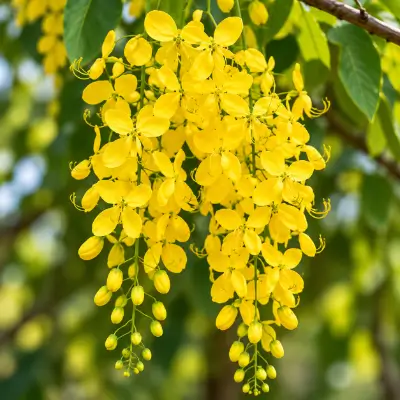
Flowers- male and female flowers separated, female flower larger, spike
Fruit – globular, 3 valved
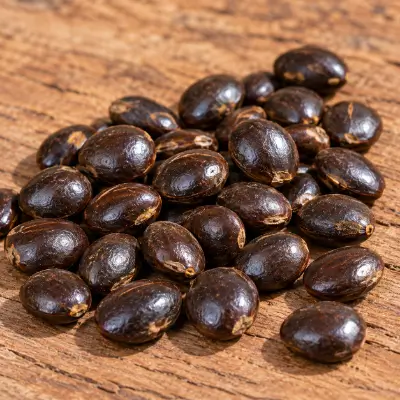
Seed- scarlet acril
Distribution & Habitat :
The sub-Himalayas tracts, Sikkim, Assam, Bengal, western Ghats and the Andamans
Chemical constituents :
limonoid, ammorinin and a saponin, poriferasterol,rhamnoside.
Properties :
Rasa: tikta. kashaya;
Guna: laghu. snigdha, katu:
Virya: sheeta:
Vipaka: katu:
Karma : kaphapittanasak,krimighna, kushtaghna, vrana ropana
Bark—strongly astringent,used in the diseases of the liver and spleen, and for tumours, enlarged glands.
Seed oil—used in muscular
pains and rheumatism. All parts of the plant exhibit pesticidal activity.
Seed extract—antibacterial, antifungal.
Indication :
Mutra kricha,asmiri,krimi,kushta, arsas.
Part used :
Bark and seeds
Dosage :
1-2 gm
Important Yogas or Formations :
Rohit kashtha. Rohitakadya choorna, Rohit ghrit, Rohitak loha.
Therapeutic Uses : Uses: Paste is applied on contusions. Juice is useful in conjunctivitis. When given internally, it acts on blood, spleen and liver and therefore is useful in loss of appetite. ascites. piles, and intestinal worms
IUCN Status: Vulnerable
Research updates:
1. Evaluation of hepatoprotective potential in experimental models (2020, Journal of Ethnopharmacology)
2. In-vitro antioxidant and antimicrobial properties study (2021, Indian Journal of Pharmaceutical Sciences)
3. Assessment of anti-inflammatory activity using ethanolic bark extract (2023, Pharmacognosy Journal)