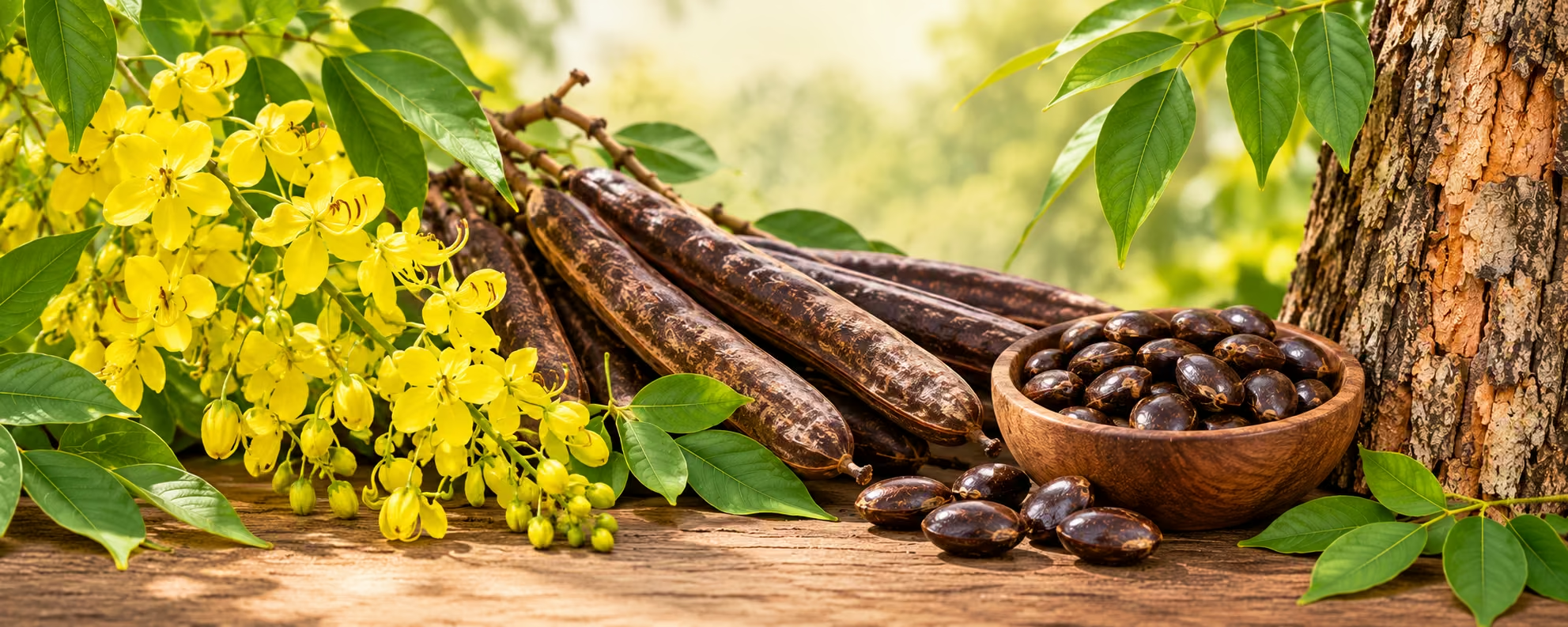
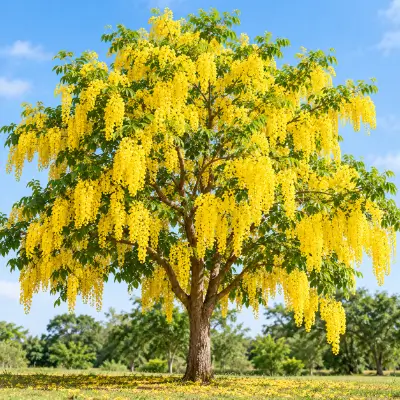
Botanical Name : Cordia myxa Roxb. non Linn
Family : Boraginaceae
Introduction :
Gujarati community uses its fruits for making pickles. Cardia dicotoma, a smaller variety, is
found in Punjab.
Latin name: Cardia = heart shaped leaves: wallichii = after Dr. Wallich, curator of the Calcutta
botanical gardens or C.myka. C. latifolia.
Names in different Indian languages :
English : Sabestan Plum
Hindi : Lasura, lasora
Kannada : Cikkacalli, doducallu
Malayalam : Naruvari, naruviri
Sanskrit : Sleshmatakah, bahuvarah
Tamil : Naruvili.
Telugu : Cinnanakkeru, botuka
Unani : Sapistaan, Lasodaa.
Synonyms :
Shleshmaataka, Shelu, Bahuvaara, Bahuvaaraka, Bhutvrkshak, Uddaalaka Shita, Picchila, Lisodaa.
Cordia dichotoma Forst. f.
Morphology :
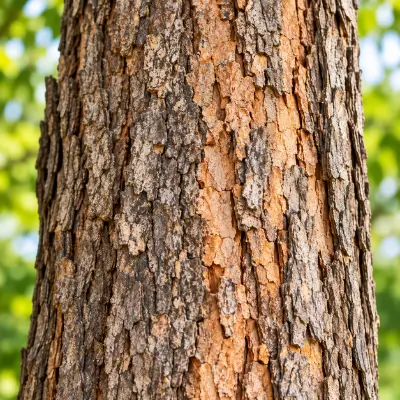
The tree grows to 10-15 m. in height. Trunk – uneven, with brownish bark.
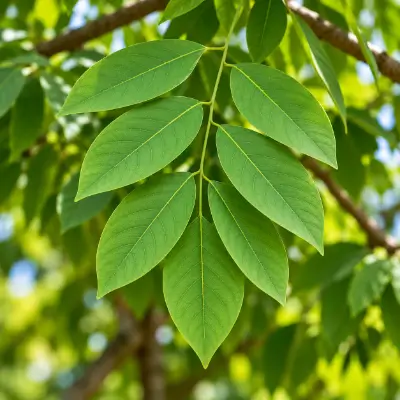
Leaves- heart-shaped, grow near the stalk, 10-15 cm. long with 3-5 veins.
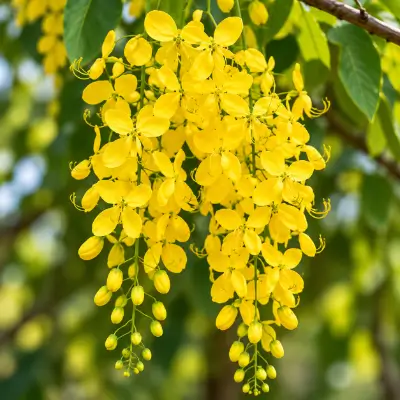
Flowers – small, white.
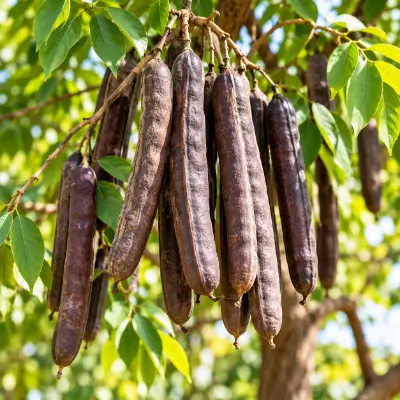
Fruits – round, areca nut-shaped and green in colour. They turn white on ripening.
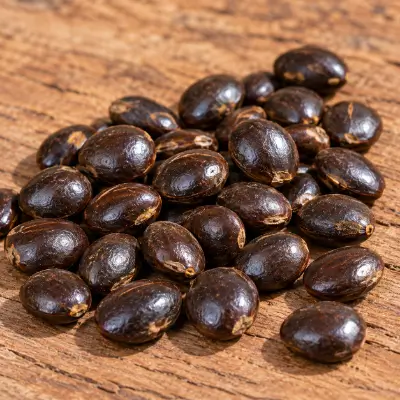
Fruit pulp – slimy with single seed.
Flowering occurs in summer followed by fruiting
Distribution & Habitat :
All over India. cannot grow above 1600 m. sea level.
Properties :
Guna: Snigdha, guru, pichchila
Rasa: madhur;
Vipaka: madhur;
Virya: sheeta. Fruit: Tikta.
Vipãka: katu.
Bark: kaphapittashamak;
Fruits: vatapittashamak but kaphavardhak
Karma :
Fruit—astringent, demulcent, expectorant, diuretic, anthelmintic, mucilaginous. Used in the diseases of the chest and urinary passage.
Indication :
Bark—used in dyspepsia and fevers.
Kernels— externally applied to ringworm.
Leaf—decoction used in cough and cold.
Part used :
Bark, fruit
Dosage :
Bark decoction – 25 to 50 ml. (useful in skin disorders); for fruit sherbat, 6 to 10 gm. of fruits are used.
External uses :
Decoction of skin is used in poisoning, ulcers and otorrhoea in the form of drops or paste or wash.
Internal uses :
The astringent and anthelmintic property of bark helps in dysentery and intestinal worms. Intestinal dryness is reduced by ripe fruits, also use to reduce or dilute the toxic or drastic effect of purgatives. Fruits – syrup is used, in haemetemesis, dry cough, rhinorrhoéa, nephritis, azoospermia and fever.
Important Yogas or Formations :
Shleshmatak – panak
Therapeutic Uses :
Bark paste useful in ringworm infection..