Botanical name : Pimento dioica
Family : Piperacae
Identification No.: SDACH/HG/176
Vernacular Names
Hindi: Kebab Cheeni, Seetful
English: Allspice, Jamaica Pepper, Myrtle Pepper, Pimento
Spanish: Pimienta de Jamaica
Habitat & Distribution
Native to the Caribbean, particularly Jamaica. Also found in southern Mexico and Central America. Cultivated in tropical regions worldwide.
Morphology
An evergreen tree reaching up to 10 meters in height.
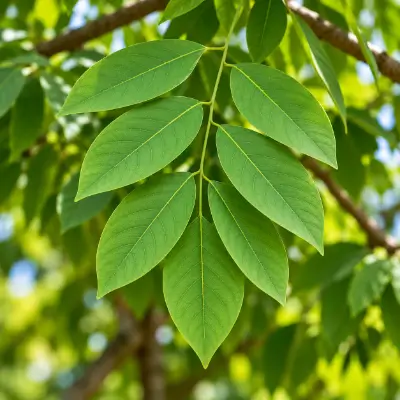
Leaves: Opposite, leathery, and aromatic.
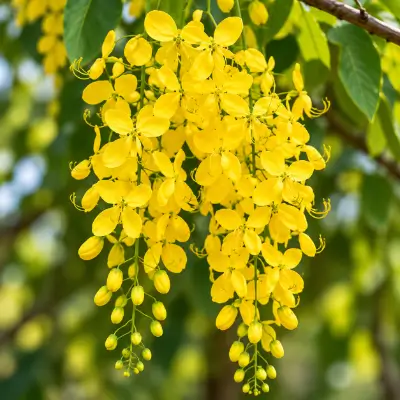
Flowers: Small, white, and fragrant.
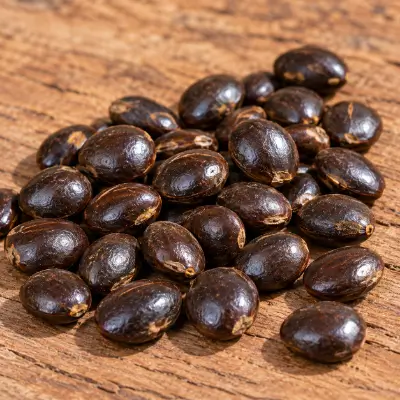
Fruits: Green when unripe, turning black upon ripening; used as the spice known as allspice.
Varieties
No distinct varieties documented.
Substitute/Adulterant
No common substitutes or known adulterants.
Phytochemicals
Primary constituents include: Eugenol (60–90% in berries), 1,8-Cineole, α-Humulene,β-Caryophyllene, Cadinene derivatives
Raspanchaka
Rasa: Katu (Pungent), Tikta (Bitter)
Guna: Laghu (Light), Tikshna (Sharp)
Virya: Ushna (Hot)
Vipaka: Katu (Pungent)
Prabhava: Digestive stimulant
Dosha Shamakta: Balances Kapha and Vata doshas
Karma (Therapeutic Actions)
Deepana (Appetizer)
Pachana (Digestive)
Krimighna (Anthelmintic)
Shoolahara (Analgesic)
Shwasahara (Relieves respiratory conditions)
Uses :
The unripe berries and leaves of the plant are used to make medicine.
Allspice is used for indigestion (dyspepsia), intestinal gas, abdominal pain, heavy menstrual periods, vomiting, diarrhea, fever, colds, high blood pressure, diabetes, and obesity. It is also used for emptying the bowels.
Some people apply allspice directly to the affected area for muscle pain and toothache, or put it on the skin to kill germs.
Some dentists use eugenol, a chemical contained in allspice, to kill germs on teeth and gums.
In foods, allspice is used as a spice.
In manufacturing, allspice is used to flavor toothpaste.
Allspice contains a chemical called eugenol, which might explain some of its traditional uses for toothache, muscle pain, and as a germ-killer
Its name allspice it is because of its aromatic flavour which is the combination of cinnamon, nutmeg and cloves. The plant contains fruits at its early growing stage. This is also called as Jamaica pepper, kurundu, myrtle pepper, pimento or newspice, Allspice .This contains a cluster of flowers, which are small and white in colour.
The spice contains minerals such as potassium, manganese, iron, copper, selenium, and magnesium.The iron content helps the cellular metabolisms.And iron also helps to increase the production of red cells in the bone marrow.The potassium helps to regulate heart rate and blood pressure.Manganese is used as a co-factor for antioxidant enzymes.
It contains vitamins such as vitamin A, vitamin B-6 (pyridoxine), riboflavin, niacin and vitamin-C.Vitamin-C helps to resist against infections.
The outer coat of Allspice has a high concentration of compounds which has great medicinal value.The chemical compounds in the Allspice helps to increase the enzyme secretions inside the stomach and intestine.This improves the smooth functioning of the gastrointestinal tract.
Amayika Prayoga/Therapeutic Uses
External Used as a poultice for muscle pain and rheumatism. Essential oil applied for its antiseptic properties.
Internal: Treats indigestion, flatulence, and colic. Used in respiratory ailments like bronchitis. Acts as a general tonic and stimulant.
Part Used
Dried unripe berries (commonly known as allspice). Leaves and essential oil extracted from them.
Dose
Powder: 1–3 grams per day.
Essential Oil: Use with caution; typically diluted for topical applications.
Yoga/Formulations
Not commonly found in classical Ayurvedic formulations due to its non-native origin. Incorporated into modern herbal blends for digestive and respiratory support.
IUCN Status
Not evaluated
Research Updates
1. Phytochemical Analysis (2024): GC-MS profiling of Pimenta dioica stem extract revealed bioactive constituents with potential therapeutic properties.
2. Antioxidant and Antimicrobial Properties (2020): Essential oils of Pimenta dioica demonstrated significant antioxidant and antimicrobial activity.