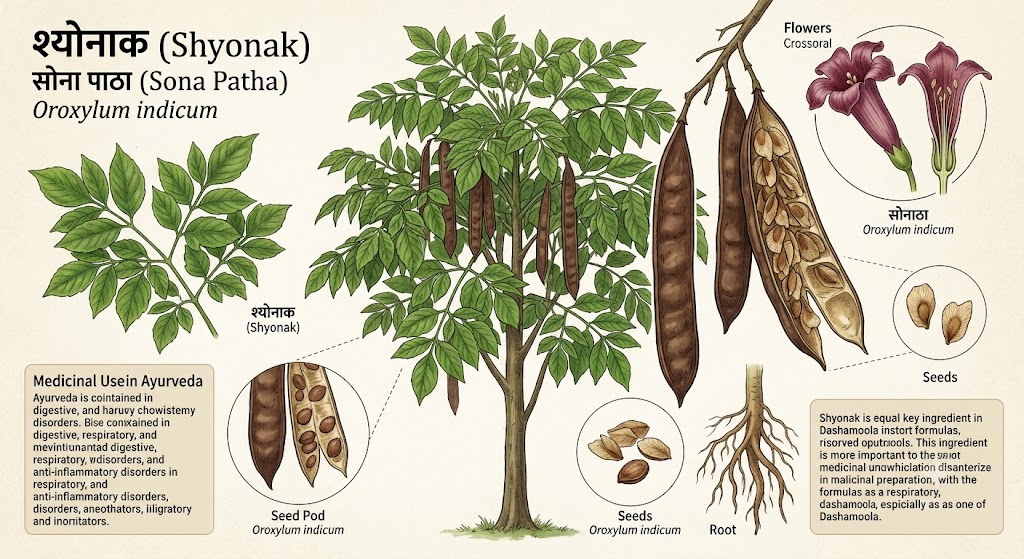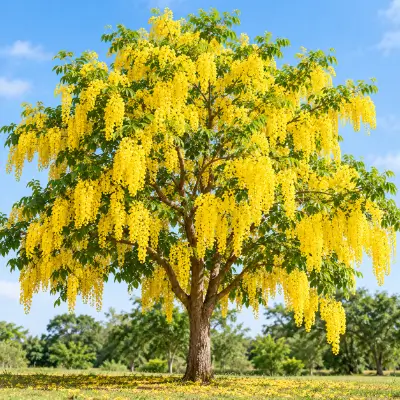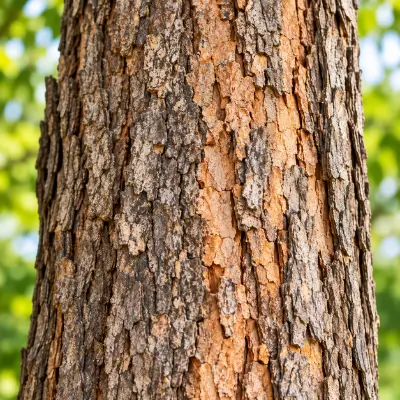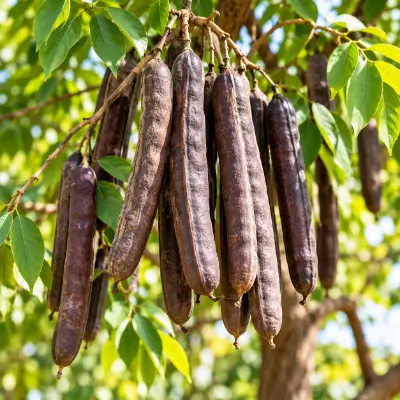
Botanical Name : Oroxylum indicum Vent.
Family : Bignoniaceae
Identification No.: SDACH/HG/068
Introduction :
It is one of the important trees included under Dasamula group.
Names in different Indian languages :
Hindi : Sonapatha, syona, arlu, pharkhat
Telugu : Dundilum, pampana
Tamil : palaiyudaycci
English : Indian trumpet tree
Marathi : Tentu
Gujarat : Tentu
Bengali : Sona
Kanada : tattuna
Malayalam : Palakappyani, payyalanta
Sanskrit : Syonakah, tuntukah
Synonyms :
Shoshana, Tuntuka, Kutannata,Madhukparna, Patrorna, Bhalluka, Prthushimba, Nata
Classification according to Charaka, Susrutha & Vagbhata :
Charaka
sothahara, Sitaprasamana, Anuvãsanopaga
Susrutha
Rodhrãdi, Viratarvãdi, Brhat pancamula
Vagbhata
Rodhrãdi, Viratarvãdi
Varieties & adulterants – (CV – controversy, AD – adulterants) :
Calosanthes indica [AD]
Ailanthus malabarica – CV
Morphology :
A tree about 8-15 m high.
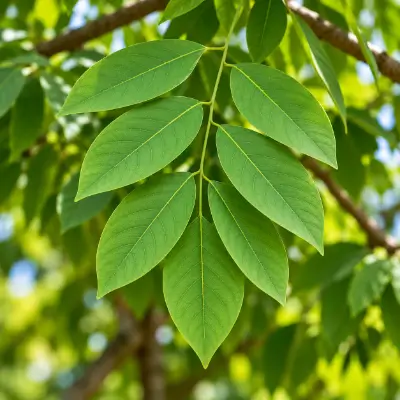
Leaves— Opposite, very large 90 -180 cm, ternately bipinnate; leaflets ovate entire acuminate peduncle, rachis very soft.swollen at the junction of joints.
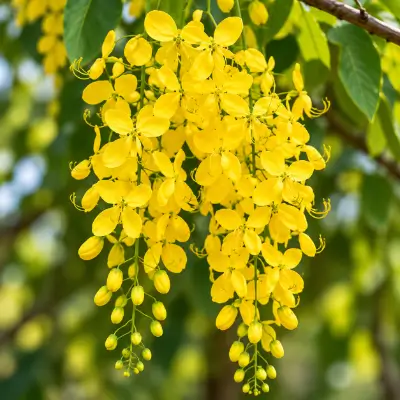
Flowers— in racemes (25 cm long: approx), foetid; fleshy, reddish purple outside, pale yellow within.
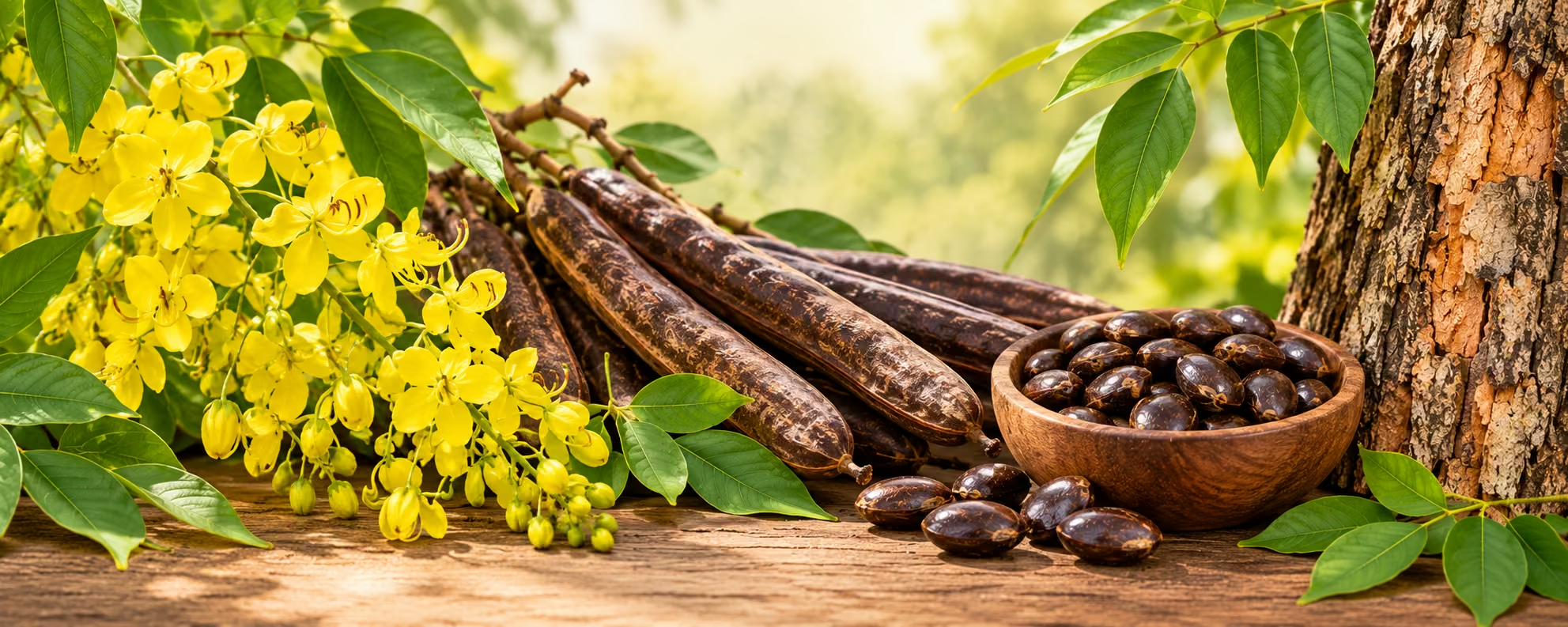
Fruits— Flat capsule, large- linear compressed capsules, septicidally bivalved.
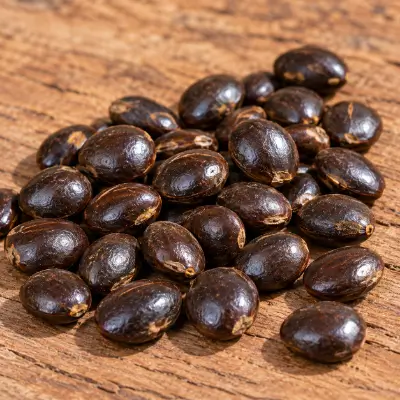
Seeds— discoid thin, wing hyaline and broad.
Flowers and fruits during July-November.
Distribution & Habitat :
Found in the warmer parts of India (upto 1200 m.). Also cultivated, as an avenue tree.
Chemical composition :
Its root bark contains oroxylin. Besides this, one bitter principle, pectin, fats, wax, chlorophyl, astringent principle, citric add. Baicalein, Tetulin, oroxindin, aloe-emodin, Chrysin, 6- methylether of baicalein oroxylium A; p-coumaric acid,.scutellarein-7-rutinoside, prunetin, -sitosterol etc.
Properties :
Rasa Madhura, Tikta, Kasaya
Guna Laghu, Ruksa
Virya Usna
Vipãka Katu
Karma : Kapha-vatahara, Dipana, Grãhi
Digestive, constipative, diuretic, carminative, stomachic, spasmolytic, astringent, antidiarrhoeal
Part Used :
Root bark.
Dosage :
Powder 3-6 g, decoction 50-100 ml
Indications :
Amavãta, Atisãra, Aruci, Kãsa, Basti vikãra, Vataroga, sotha,
dropsy, cough, asthma, anorexia, flatulence, gout, vomiting, rheumatoid arthritis, fever, dysentery.
Important Yogas or Formations :
Shyonak putpak, Brihatpanchamooladi decoction (decoction of bark is not done). arista, Dasamuladi Kvãtha, syoñaka puapãka, syonãkadi yoga, Mulaka taila, syonaka taila, Himsrãdi yoga.
Important research work going on :
(1) diuretic activity
(2) Spasmogamic action.
(3) action on ADH
Therapeutic Uses :
Nasaroga— Dhuma with satapuspa, Tvak, Balãmüla, syonãka, Eranda, Bilva and Aragvadha mixed with ghee, vasã and bee-wax (A.H.Ut. 20).
IUCN Status: Least Concern.
Research Updates:
1. Anti-arthritic effects (2020, J. Ethnopharmacol.)
2. Antioxidant properties (2021, Phytomedicine)
3. Antimicrobial activity (2022, IJPR)