Botanical Name: Cassia fistula Linn.
Family: Caesalpiniaceae
Identification No.: SDACH/HG/001
Introduction: In Vedic literature the dried branches of Aragvadha are used for ritual performance Several external applications containing Aragvadha are mentioned in Ayurveda ( psoriasis etc.)
Scientific classification: Sennas belong to the subfamily Caesalpinioideae, family Fabaceae (formerly Leguminosae). Alexandrian senna is classified as Cassia acutifolia. The species from which tinnivelly, or Indian senna, is obtained is classified as Cassia angustifolia
Names in different Indian languages:
English : Indian Laburnum,Purging Cassia,Golden Shower
Hindi: Amaltas,girimala
Kannada: Phallus,kakke,kakke mara
Malayalam: Konna,kanikonna
Sanskrit: Aaragvadha
Tamil: Sarakkonrai
Telugu: Rela,kondrakaya,aragvadamu
Synonyms:
Chaturaangula, Kritamaala, Kritmaalaka, Karnikaara, Shampaaka, Praagraha, Raajvrksha, Nripapaadapa, Raajadruma, Vyaadhighaataka, Aarevata.
Cassia rhombifolia Roxb
Classification according to Charaka, Susrutha & Vagbhata:
Charaka: Kusthaghna, Kandüghna, Tiktaskandha, Virechana
Susrutha: Aragvadhadi, Syamadi, Slesmasamsamana, Adhobhagahara
Vagbhata: Aragvadhãdi, syãmadi
Varieties & adulterants – (CV – controversy, AD – adulterants):
1.Karnikara
2.Pãlevatam
3. Madhura (sweet)
4. Amla (sour)
5. praravata- Psidium guyava
6. Garcinia mangostan.
Cassia roxburghii – AD
Morphology:
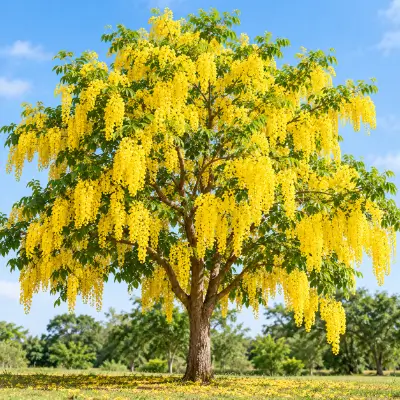
It is moderate-sized tree, 10-12 m. in height.
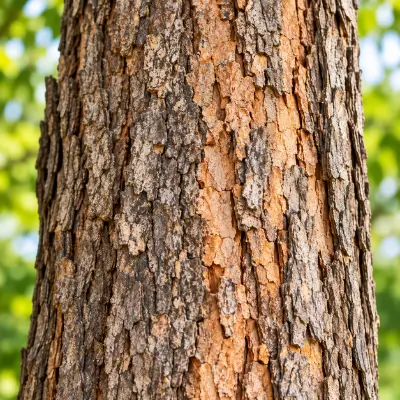
Bark- greenish-grey, smooth when young then brick-red.
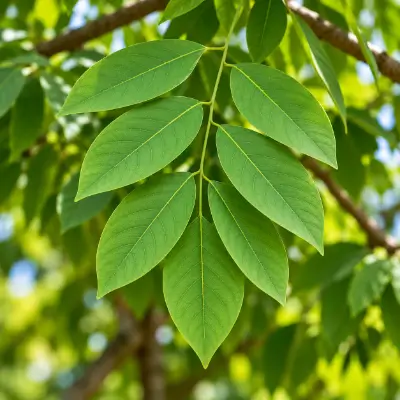
Leaves- paripinnate, 4-8 pairs, ovate, acute, bright green, glabrous above, silvery pubescent beneath. 10-15 cm long
Leaflets 4-8 pairs, about 2-5 cm, acuminate, ovate-lanceolate.
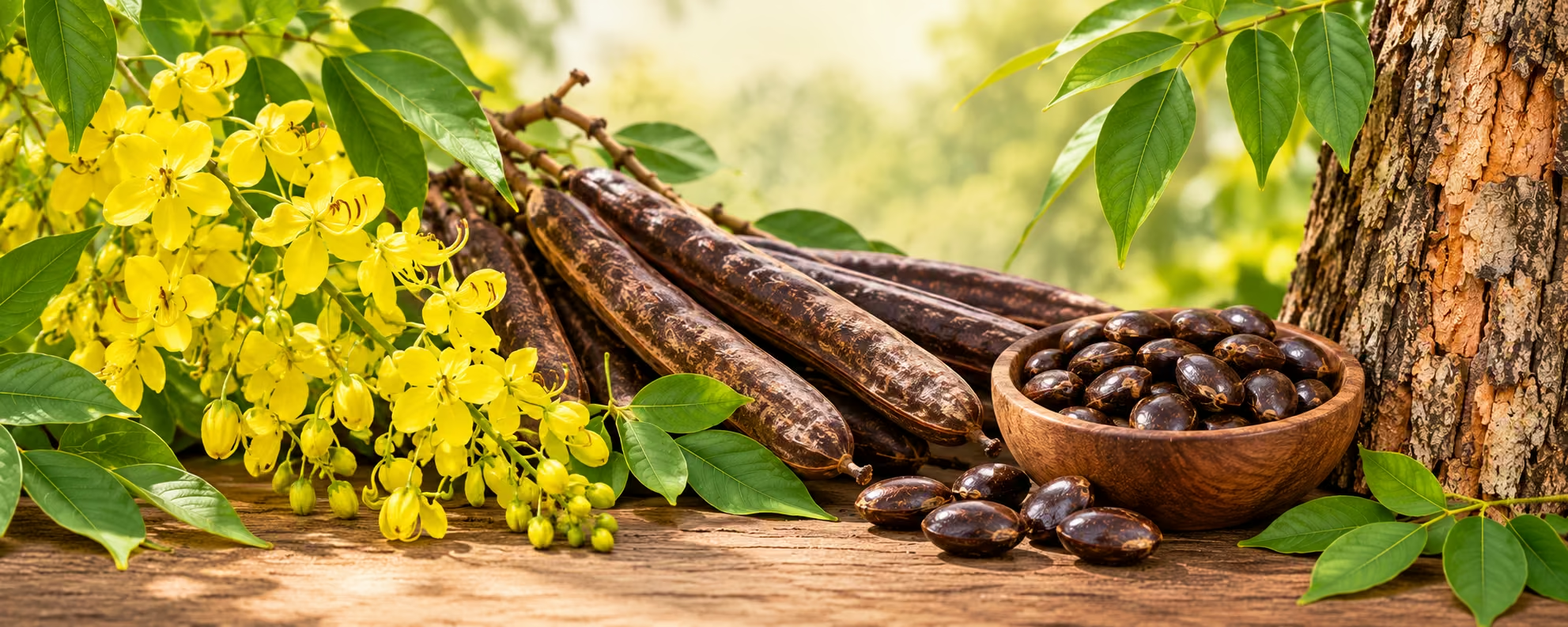
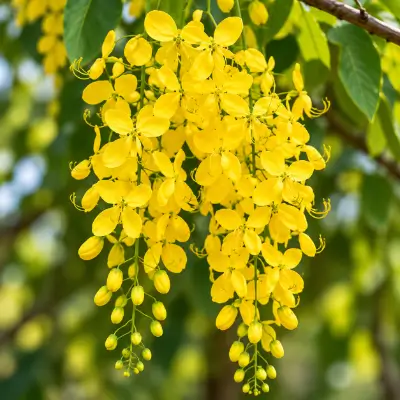
Flowers- in lax pendulous racemes, yellow, fragrant.
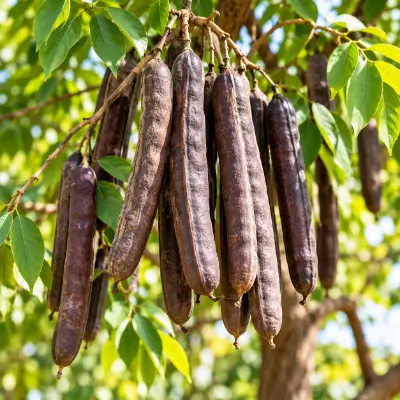
Pods- cylindrical, pendulous, indehiscent, 25-30 cm long and 2-3.0 cm diam.
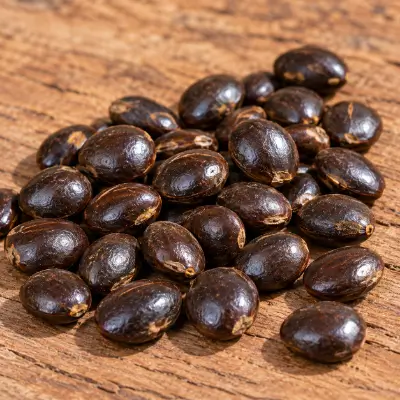
Seeds- numerous, small, flat, smooth, yellowish-grey
surrounded by black pulp when ripen pulp will be sweet.
(Flowers in March-May and fruits in May).
Habitat & Distribution:
All over India, Srilanka, Nepal
Chemical composition:
Anthraquinone glycosides, sennosides A and B, rhein
Pulp glucose 60%, glutin. pectin, dyes, calcium oxalate. minerals. gum and water.
Seeds- sugars, galactomannan
Flowers- fistulin, leucopelargonidin tetrarner, kaempfer oil
Pods- fistulic acid Bark & Heart wood- barbl Oil, fistucacidin, etc.
Leaves- Rhein, sennosides A & B
Properties:
Rasa : Madhura
Guna : Madura, Guru, Snigdha
Virya : Sita
(Usna: Dhanvañtari Nighandu)
Vipãka: Madhura
Karma : Kapha-pittahara , kushtaghna, arsoghna, vrana hara
Laxative, blood purifier, febrifugal, astringent, antibilious.
Indications:
Kustha, Prameha, Hrdroga, Amavãta, Gandamãlã, Kãmalã, Udara, Udãvarta, Vatarakta, Sula, Jvara
Constipation, colic, chlorosis and urinary disorders,gout, skin disease, psoriasis, fever
External uses:
It is anti-inflammatory,analgesic.
The pulp and leaf paste are used in nodular oedema & gout. rheumatoid arthritis etc.
The decoction is used for gargling in diseases of oral cavity and throat,
Leaf paste is used in skin disease and itching.
Internal uses:
Nervous system: It is analgesic by vatahara property, so useful in vata diseases.
Digestive system: It is bitter so improves taste, It is a liver stimulant and purgative by snigtha properties. It is a mild purgative drug and is useful in constipation and jaundice.
Circulatory system: It is cardioprotective, antiinflammatory, purifies blood so useful in heart disease, haemorrhagic ditorders, gout and swellings.
Respiratory system: As it is madhur, snigdha, removes kapha and soothes internal organs by mridu property, in dry cough and dyspnoea flower’s avaleha is given.
Urinary system: Diuretic by sheeta properly. It soothes the urinary tract. Seeds are antidiabetic
Skin: Kushthaghna and refrigerant, so used in skin disease and burning.
Temperature: It is antipyretic, so used in fever and purgation. Its bitter taste works in digestion and is pittashamak. Bark of root is used in fever.
Srotogamitwa:
Dosha : Pitta. kaphaghatna ,liver stimulant
Mala: Purgative.
Parts used:
Root bark, leaves, flowers,fruit pulp
Dosage:
Decoction of root bark 75-100 ml.
Flower paste 6-10 g
Important Yogas or Formulations:
Aragvadhadi taila, Arngvadhadi leha, Aragvadharishta..
Therapeutic Uses:
1. Kãmalã- Aragvadha (fruit pulp) is given with the juice of sugarcane or vidari or Amalaki after fortifying with Trikatu. (A.H.)
2. Gandamãlã- Root bark of Aragvadhã is grinded with rice-water and used for Nasya and lepa (V.M.)
3. Kustha- Leaves of Aragvadhä are made into paste with Amãlaka and applied externally.
IUCN Status – Least Concern (Not threatened)
Research Updates (Past 5 Years)
1. Antidiabetic Activity (2021): Study confirmed hypoglycemic effect of C. fistula pulp extract.
2. Antimicrobial (2022): Pod extract showed efficacy against Staphylococcus aureus.
3. Hepatoprotective (2023): Bark extract reduced liver toxicity in animal models.