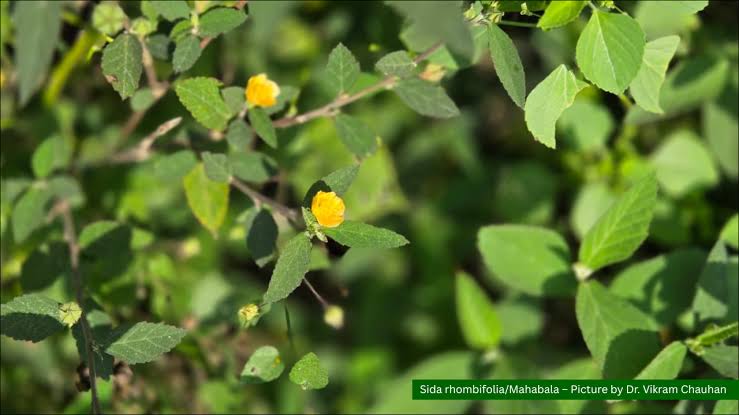
Botanical Name : Sida rhombifolia L.
Family : Malvaceae
Identification No.: SDACH/HG/89
Introduction :
Its properties and usage similar to Sida cordifolia Linn.
Industry in Kerala used this plant as ‘bala’ very much.
Names in Different Indian Languages :
Hindi : Jangali Methi
Malayalam : kuruthotti
Sanskrit : Balla (variety )
Tamil : kuruthotti
Synonyms
महाबला बृहत्येव स्थूलबीजा स्थूलमूलिका।
गुरुः स्निग्धा बलकरी वाजीकरणमुत्तमा॥
वातपित्तप्रशमनी शुक्रला पुष्टिकर्यपि।
तद्वत् क्षयापस्मारश्वासकासविनाशिनी॥
Varieties & adulterants – (CV – controversy, AD – adulterants) :
Bala – CV
Morphology :
It is a hairy herb, frequently procumbent and sometimes rooting at nodes.
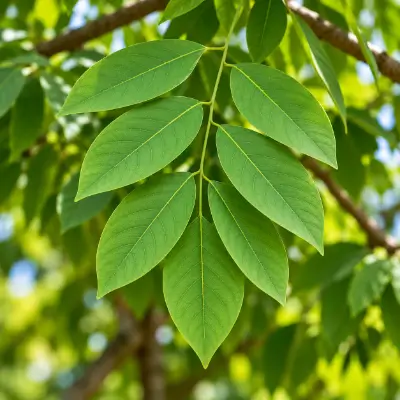
Leaves- simple, alternate, cordate-ovate, sparingly hispid.
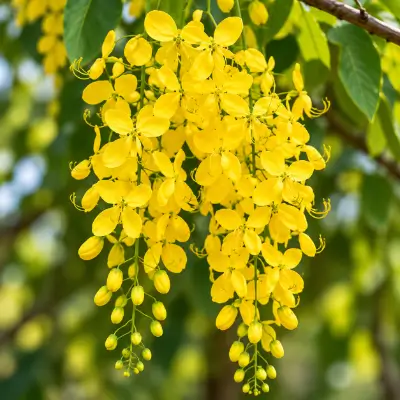
Flowers- axillary, solitary, or borne in pairs or in small cymes, yellow.
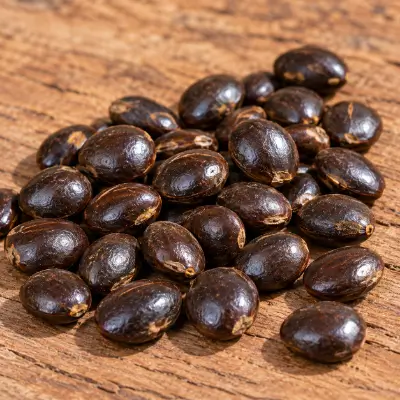
Seeds- brown. (Flowers and fruits throughout the year)
Distribution & Habitat :
All over India
Amayika Prayoga / Therapeutic Uses
External:
Taila prepared with Mahabala used for massage in muscular dystrophy, paralysis, arthritis
Paste used in inflammatory swellings and vata-kapha swellings
Internal:
Kwatha and churna useful in general debility, infertility, neurological disorders, respiratory disorders, and tissue wasting
Part Used: Root, stem, whole plant
Dose:
Churna: 3–6 g
Kwatha: 20–40 ml
Taila (external): as directed
Yoga / Formulations:
Mahabala Taila
Ashwagandhadi Churna
Mahabala Ghrita
Rasayana yogas for chronic vata disorders
IUCN Status: Not Evaluated (NE)
Research Updates (Past 5 Years):
1. 2021 – Muscle strengthening effects of Mahabala Taila validated in osteoarthritis and muscular atrophy.
2. 2022 – Neuroprotective and anti-fatigue effects demonstrated in chronic fatigue models.
3. 2023 – Immunomodulatory and aphrodisiac activity supported in animal reproductive studies.