Botanical Name : Prosopis spicigera Linn.
Family : Mimosaceae
Identification No.: SDACH/HG/180
Introduction :
Latin name : Prosopis = butter burr.; specigera = bearing spikes
Synonyms :
“शमी सक्तुफला तुङ्गा केशहन्त्री फला शिवा |
मङ्गल्या च तथा लक्ष्मीः शमीरः साऽल्पिका स्मृता ||”
Shami, Tungaa, Keshahantri, Shankuphalaa
Prosopis cineraria Druce.
Morphology :
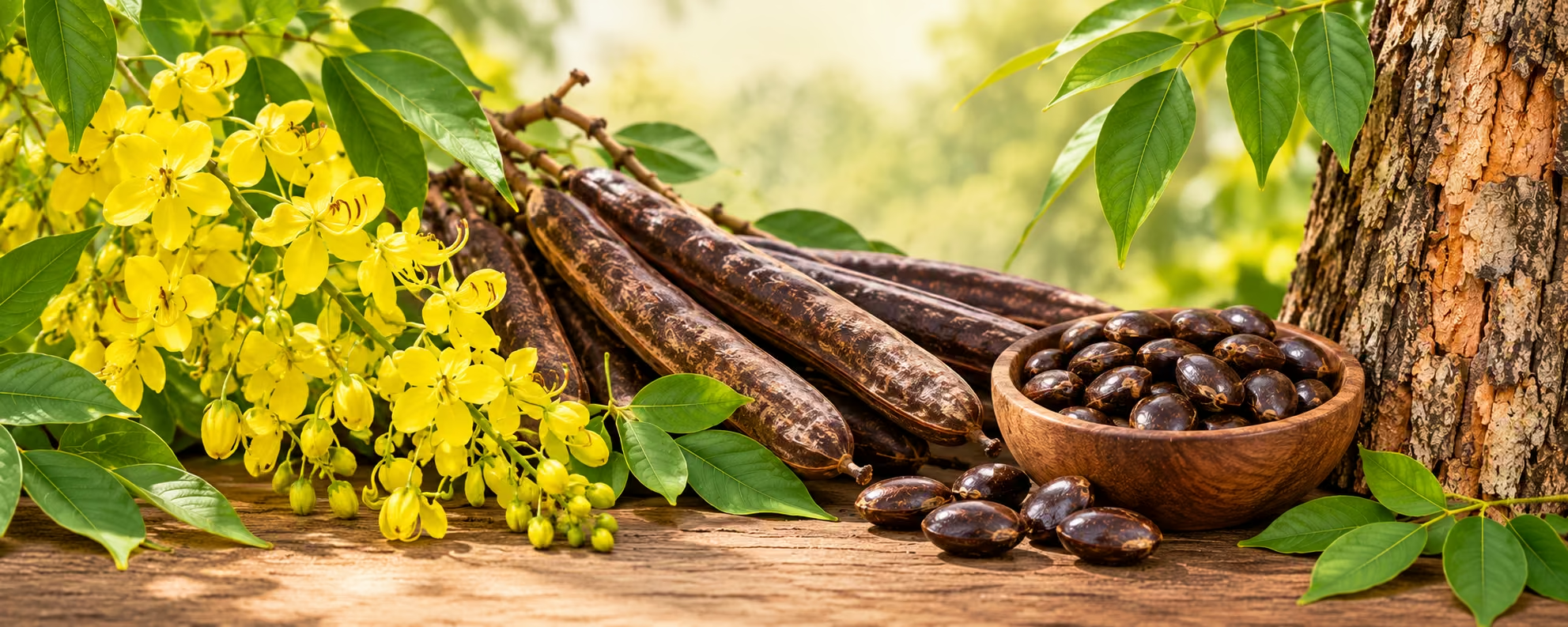
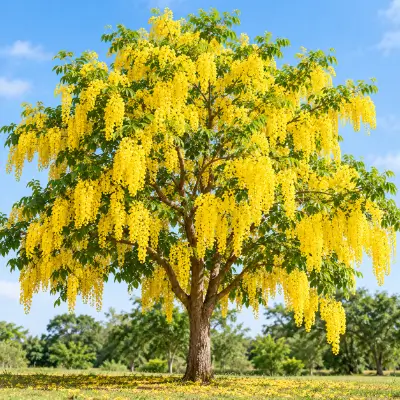
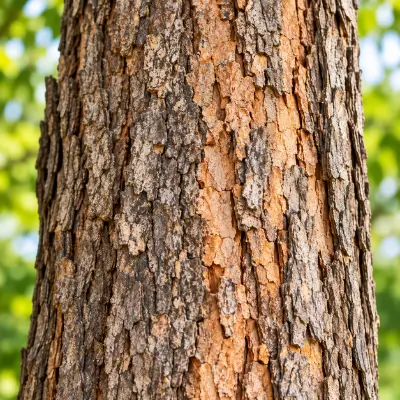
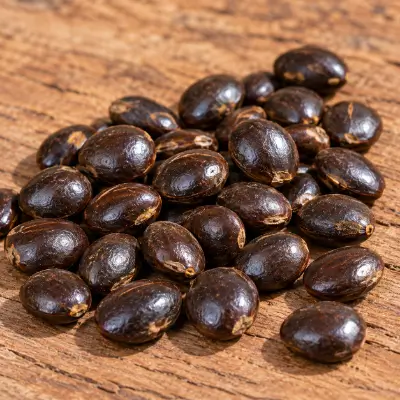
The tree is of medium height and bears spikes. Bark is white externally but yellow inside. Branches slanting downwards.
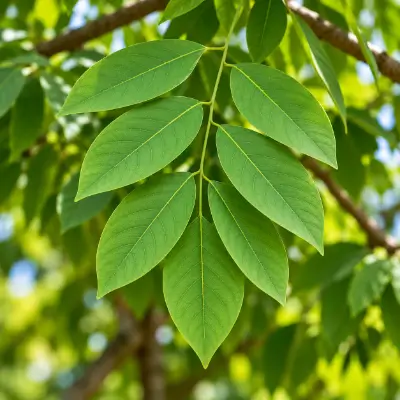
Leaves – bearing 8-10 leaflets.
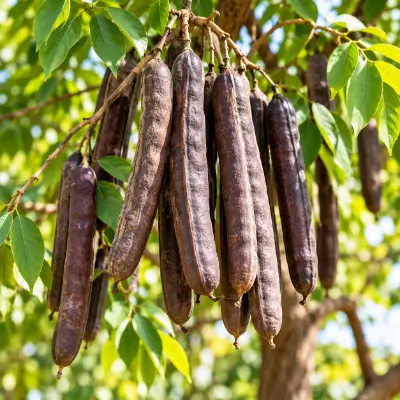
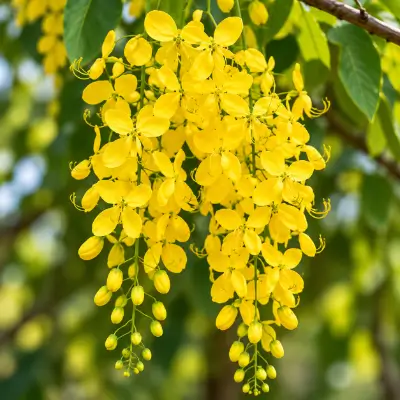
Flowers – yellow. Legume 10-15 cm. long bearing seeds. Raw legume is used as vegetable in Punjab and Rajasthan
Distribution & Habitat :
Dry forests
Chemical constituents : vitamin K, n-octacosyl acetate, patulibin
Properties :
Pravava: vishaghna
Karma -astringent, pectoral, demulcent, antiinflammatory, antirheumatic.
Srotogamitva :
Dosha: Kaphaghna, pittaghna.
Dhatu: Rakta (haemetemesis, vertigo, dermatitis).
Mala: Stool (astringent), keshaghna .(fruit).
Organ: Respiratory tract (bronchitis), rheumatoid arthritis.
Specific use: Bark is used for application on scorpion bite
Indication : Miscarriage, insect bite , cough
Part used :
Whole plant
Dosage :
Leaf juice 10-15 ml
Powder 2-4 g
Decoction 50-100 ml
Amayika Prayoga / Therapeutic Uses
External:
– Used in wound healing, skin eruptions, abscesses
Internal:
– Indicated in respiratory disorders, fever, indigestion, urinary disorders, and general debility
IUCN
Least Concern
Research updates
1. 2020 – Indian Journal of Traditional Knowledge: Validated anti-inflammatory properties of Shami bark extract.
2. 2021 – Journal of Ethnopharmacology: Found antioxidant and immunomodulatory effects in animal models.
3. 2022 – Plant Archives: Demonstrated antimicrobial efficacy of leaf extract against skin pathogens.
4. 2023 – Journal of Ayurveda and Integrative Medicine: Investigated wound healing properties in diabetic models.
5. 2024 – Pharmacognosy Journal: Confirmed adaptogenic and hepatoprotective activities of root extract.