Shri Dhanwantry Ayurvedic College

Category: Uncategorized

  • Palandu

    Palandu

    Palandu

    Botanical Name : Allium cepa Linn.

    Family : Liliaceae; Alliaceae

    Identification No.: SDACH/HG/114

    Introduction :

    Latin name: Album (onion) all = hot, burning; cepa = tomb(shaped like the dome of a mosque).

    Scientific classification: Onions make up the genus Allium, of the family Liliaceae. The true onion is classified as Allium cepa; the nodding wild onion as Allium cernuum; the shallot as Allium ascalonicum; the chive as Allium schoenoprasum; and the green onion, or common leek, asAllium ampeloprasum.

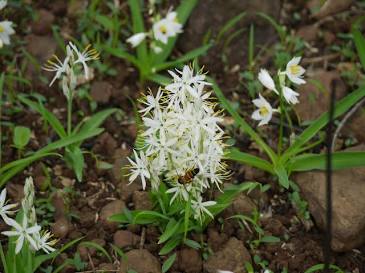
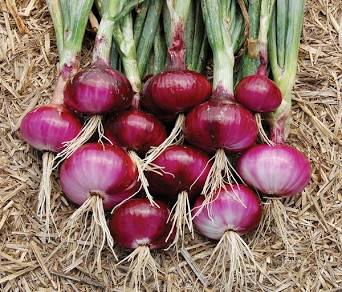
    Onion, common name for any of a genus of biennial herbs, of the lily family, native to Asia but cultivated in temperate and subtropical regions for thousands of years. The true onion is a bulb-bearing plant. Its long, hollow leaves with thickened bases make up most of the bulb. The white or pink flowers, which are borne in umbels, have six sepals, six petals, six stamens, and a solitary pistil. In the varieties known as top onions, the flowers are supplanted by bulblets, which may be grown to obtain new plants. The plant contains sulfurous, volatile oils that give it a characteristic pungent taste; one component readily dissolves in water to produce sulfuric acid, which may be produced in the eyes and induce tears.

    Onions are one of the most versatile vegetables. They are eaten raw in salads, are cooked or pickled in a variety of ways, and are used as a flavoring or seasoning. Dehydrated onion products provide popular flavorings for soups and stews. Recent scientific studies indicate that onions may confer health benefits because they are rich in antioxidants, molecules that may have anticancer properties.

    Onions raised in warm areas are planted as winter crops and are milder in taste and odor than onions planted during the summer in cooler regions. Yellow Bermuda and white Spanish onions are among the mildest cultivated onions.

    Onions are easily grown from seed that may be either field-grown directly or planted in beds to produce small bulbs, or sets. These are commonly dried and shipped to gardeners and commercial growers. Onions are adaptable to temperature and can be planted year-round as long as the soil is rich and moist. They are sown four to six weeks before the last frost in the spring or are planted in late summer for a fall crop.

    The crop is allowed to ripen in the field until tops begin to bend and break. The bulbs are then pulled up and spread or hung in a dry area to cure. Once dry, they are normally stored and shipped in slotted or open-mesh bags to keep them dry enough to prevent sprouting. United States commercial production of onions at the beginning of the 21st century exceeded 3,000,000 metric tons.

    Other onions in the genus include the nodding wild onion, the shallot, the chive, and the green onion, or common leek. Both the shallot and the green onion, which have small bulbs, are also known as scallions.

    Names in different Indian languages :

    English : Onion

    Hindi : Pyaj

    Kannada : Nirulli

    Malayalam : Cuvannulli, cheriya ulli

    Sanskrit : Palaandu, Durgandh

    Tamil : Venkaayam

    Telugu : Ullipaya, ulligadda, erragadda

    Unani : Piyaaz

    Synonyms :

    पलाण्डु यवनेष्टश्च दुर्गन्धो मुखदूषकः।स्वादुः पाके रसेऽम्लश्च कफकृन्नातिपित्तलः॥

    Tikshnakanda, Mukhadushana, Shudrapriya, Krumighna. Deepan. Mukhagandhaka, Durgandh

    Varieties & adulterants – (CV – controversy, AD – adulterants) :

    Varieties: 1) Red – raktaraj palandu – smaller in size and 2) White- shwetakshir palandu – larger in size.

    Morphology :

    The shrub grows to a height of 60 to 90 cms.

    Leaves – thick, round and green with green coloured flower stalk at the top. It bears white flowers in clusters. These produce triangular seeds. Flowering and fruiting occurs after winter.

    Distribution & Habitat :

    All over India. Onions growing in Maharashtra are large in size.

    Chemical constituents :

    It contains an oil having pungent taste and offensive smell, sulphur. quercetin. sylapicrin. syliamarin, syllanineCycloallin, quercetin, oleanolic acid , allicin, alliin; flavonoids; phenolic acids and sterols

    Properties :

    Guna: Guru, snigdha:

    Rasa: madhur. katu;

    Virya: ushna

    Vipaka: madhur;

    Onions decrease vata and increase pitta.

    Karma :

    Krimighna, arsoghna, vatahara, deepana, pachana,

    Antibiotic, antibacterial, antisclerotic, anticoagulant, anti-inflammatory, antiasthmatic, expectorant, carminative, antispasmodic, diuretic, hypotensive, antidiabetic.

    Indication :

    Krimi, arsas, medhas,

    Ulcers, wounds, fever, skin disease, cough, piles, leucorrhoea, mouth ulcers,Eczema, ,pruritus, diabetes ,leucoderma,anorexia

    Part used :

    Bulb

    Uses :

    Analgesic, anti-inflammatory, tonic, enhances eyesight and reduces otalgia. Pain due to bronchitis is controlled with a warm poultice of grated onion. In skin infections, onion is applied externally as a poultice. In weak eyesight, onion juice mixed with honey is used as eye drops. In ear ache, warm onion juice is. used as eardrops.

    Internal uses : Onions reduce vata and cause an increase in raja and tama. It is therefore useful in arthritic pain, sciatica, hysteria and hydrophobia. It improves digestion and helps in constipation, piles and jaundice. Onions are also used in rectal prolapse. It is useful in cardiac debility, bleeding disorders, dry cough, dysuria, azoospermia, irripotency, dysmenorrhoea, cholera, plague and skin. diseases.

    Onions are not beneficial to those with pittaprakruti and brain weakness. The antidote in these cases is pomegranate juice.

    Dosage : Dose: Juice – 10 to 30ml. Seed powder – 1 to 3 gms.

    IUCN Status : Not Evaluated

    Research updates:

    1. Study on antihypertensive effect of Allium cepa extract – Journal of Ethnopharmacology, 2021

    2. Antimicrobial and antioxidant activity of onion phytochemicals – Phytomedicine Reports, 2022

    3. Clinical trial on hypoglycemic effect of onion juice in Type-2 Diabetes – AYU Journal, 2023
    About Palandu

    Botanical Name

    Allium cepa L.

    Family

    Amaryllidaceae

    Identification No.

    SDACH/HG/114

    Parts Used

    Bulb

    Habitat

    India

    IUCN Status

    Not Evaluated

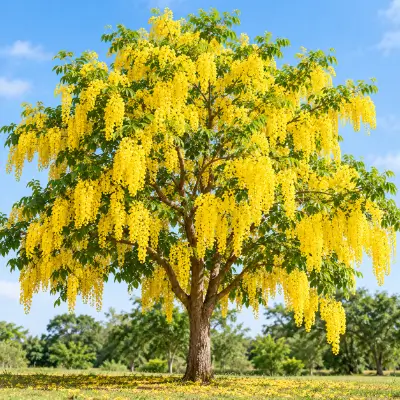
    Plant Photos
    Ayurvedic Properties

    Rasa

    Madhura, Katu

    Guna

    Guru, Snigdha

    Virya

    Ushna

    Vipãka

    Madhura

    Contact Now

    Have queries? Contact Us.

    Have queries? We’re here to help you every step of the way.

    Contact us to get the right guidance for your academic journey at Shri Dhanwantry Ayurvedic College.

  • Vasa

    Vasa

    Vasa

    Botanical Name : Adhatoda vasica Nees.

    Family : Acanthaceae

    Identification No.: SDACH/HG/112

    Introduction :

    This drug used for the agraya oushada of Rakta pita. It also show action in respiratory system treatment for Ksaya and Kãsa

    Names in different Indian languages :

    Hindi : Adusa

    Telugu : Addasaramu

    Tamil : Adutota

    English : Malabar Nut

    Bengali : Bakas

    Punjabi : Vamsa

    Marathi : Adulsa

    Kanada : Sanna adusoge

    Malayalam : Atalodakam, cittaladokam

    Unani : Arusaa

    Synonyms :

    Vaasaa, Vaasaka, Vaasikaa, Simhaasya, Simhaparni, Simhavadanaa, Vaajidanta, Vrisha, Aataruushaka.

    Adhatoda zeylanica Medic.

    Justicia adhatoda Linn

    Classification according to Charaka, Susrutha & Vagbhata :

    Charaka

    Tikta skañdha

    Susrutha

    Vagbhata

    Durvadigana

    Varieties & adulterants – (CV – controversy, AD – adulterants) :

    1. Ailanthus excelsa  -[AD]

    2. A. beddomi

    3. Justacia gendarussa  -[CV]

    4. Justicia picta  -[CV]

    Morphology :

    A dense glabrous  shrub up to 0.5 to 1 m.

    Leaves— alternate,simple,opposite, elliptic or elliptic-lanceolate, acuminate.

    Flowers—white, in dense spikes, white; bracts ovate or obovate; calyx deeply five-lobed; stamens glabrous.

    Fruits— four seeded capsules with a solid base.

    Seeds— glabrous.

    Flowering and fruiting between.February-May.

    Distribution & Habitat :

    Found throughout India.

    Chemical constituents :

    aminophylline, isoprenaline,Vasicinone, Vasicine (peganine), vasicinine, beta-sitosterol, Kaempferol, beta- sophoroside, luteolin, tritriaecontane, adhatodic acid, Carotene, vasakin, vasicinol 1 q-hydroxyvasicine, vasicinone, vit-C, vasicol, vasicinol, vasicinolone, adhatodine, adhavasinone, anisotine, vasicolone, vasicolinone

    Properties :

    Rasa Tikta, Kasäya

    Guna Laghu, Ruksa

    Virya sita

    Vipaka Katu

    Karma : Kapha-pittahara, Hrdya, Svarya

    expectorant diuretic, antispasmodic, depurative, it is useful in bleeding diarrhoea, cough, asthma.

    Indication :

    sväsa, Kasa; Jvara; Chardi, Prameha, Kustha, Ksaya, Pãndu, Raktapitta

    Part Used :

    Leaf, root, flower

    Dosage :

    Leaf juice 10-20 ml; root decoction 50-100 ml; flower juice 10-20 ml

    External uses :

    Paste is anti inflammatory , antibacterial & analgesic

    Internal use :

    Nervous System : Vaso dilation, stimulates vagus nerve and lowers B.P.

    Digestive System : Anti diarrhoeal

    Circulatory System : Useful in bleeding disorder, vasodialator, blood purifier

    Respiratory System : Expectorant useful in asthma

    Urinary system : Diuretic

    Temperature

    Used in fever

    Important Yogas or Formations :

    Vãsãkantakãri lehya, Vasavalehya, Vãsärista Vasaghrta, Vãsãdya grhta, Vãsãmüladi taila.

    Therapeutic Uses :

    (1) Rasãyana— oil prepared with root decoction of Vasã will be useful (S.S.Ci. 28).

    (2) Raktapitta— Powder of Vãsa flowers (shade dried) should be given with honey (S.B.M.).

    (3) Sthoulya— Vãsã leaf juice is mixed either with Sankha cürna or leaf juice of Bilva will be useful (B.P. & V.M.).

    IUCN Status: Not Evaluated

    Research updates:

    1. Antitubercular potential of Adhatoda vasica – 2021

    2. Anti-inflammatory activity in respiratory diseases – 2020

    3. Bronchodilator effects of vasicine alkaloids – 2019


    About Vasa

    Botanical Name

    Adhatoda vasica Nees.

    Family

    Acanthaceae

    Identification No.

    SDACH/HG/112

    Parts Used

    Leaves, Root, Flowers

    Habitat

    India

    IUCN Status

    Least Concern

    Plant Photos

    Ayurvedic Properties

    Rasa

    Tikta, Kashaya

    Guna

    Laghu, Ruksha

    Virya

    Shita

    Vipãka

    Katu

    Contact Now

    Have queries? Contact Us.

    Have queries? We’re here to help you every step of the way.

    Contact us to get the right guidance for your academic journey at Shri Dhanwantry Ayurvedic College.

  • Sheeta

    Sheeta

    Rohitaka

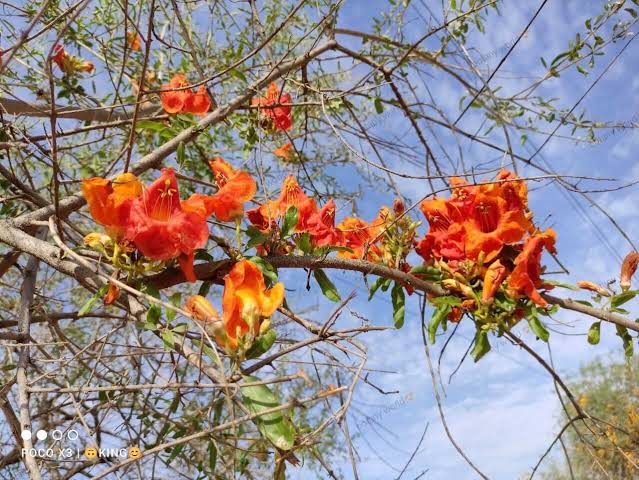
    About Rohitaka

    Botanical Name

    Tecomella undulata (Sm.) Seem.

    Family

    Bignoniaceae

    Identification No.

    SDACH/HG/111

    Parts Used

    Stem bark

    Habitat

    India

    IUCN Status

    Endangered

    Plant Photos

    Ayurvedic Properties

    Rasa

    Katu, Tikta, Kashaya

    Guna

    Laghu, Ruksha

    Virya

    Sheeta

    Vipãka

    Katu

    Contact Now

    Have queries? Contact Us.

    Have queries? We’re here to help you every step of the way.

    Contact us to get the right guidance for your academic journey at Shri Dhanwantry Ayurvedic College.

  • Panasa

    Panasa

    Panasa

    Botanical Name : Artocarpus heterophyllus Lam.

    Family : Moraceae

    Identification No.: SDACH/HG/110

    Introduction :

    Latin name: Artocarpus – artos = bread, carpos = fruit, bread fruit; heterophyllus – hetero = unequal, dissimlar leaved.

    Names in different Indian languages :

    English : Jackfruit, Jack tree

    Hindi : Kathal, cakki

    Kannada : Halasu

    Malayalam : Plavu, pilavu

    Sanskrit : Panasa

    Tamil : Murasabalam, plamaram

    Panasa

    Folk : Katahal, Phanasa

    Synonyms :

    Panasa, Kantakiphala, Ativrihatphala, Aamaashayaphala, Mahasaija, Phalin, Phalavrukshak, Kashtaphala, Aashay, Garbhakantak,Bruhatphal, Sthulkantaphala.

    Artocarpus integrifolia Linn. f.

    Varieties & adulterants – (CV – controversy, AD – adulterants) :

    Artocarpus altilis

    Morphology :

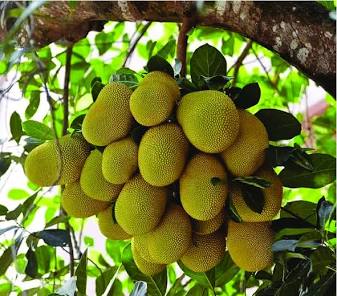
    A huge tree grows 15 – 20 mts. high.

    Leaves – simple,alternate,  thick with three veins.

    flowers – unisexual.

    Fruit – multiple, 10-20 cms. long and 16-30 cm. broad having thorns all over the surface.

    It weighs about 5 to 20 kg. Pulp of unripe fruit is white while that of ripe is yellow. Seeds – 2.5 to 3 cm. long, slightly triangular and contains oil. It bears flowers in November and fruits in April and May. Fruits also hang from the trunk. Fruits and seeds are edible Seeds are roasted and eaten while fibrous part is cooked as vegetable.

    Fruits come in a wide range of sizes, shapes, and colors. The tiny floating plants known as water-meal are only 1 to 2 mm (0.04 to 0.08 in) wide and have very small flowers. Their miniature ovaries develop into fruits that are barely visible. Watermelons, on the other hand, may be more than 60 cm (24 in) long and weigh more than 20 kg (45 lb). Jackfruits, found in the tropics, can weigh more than 40 kg (90 lb). Diverse fruit shapes abound, including round grapefruits, oval eggplants, elongated bean pods, and star-shaped star anise. Pale to intense shades of orange, red, yellow, and even purple can be found in fleshy fruits, while dry fruits display many tones of brown.

    Distribution & Habitat :

    All over in India. specially in southern region.

    Chemical constituents :

    cycloartenone, cycloartenol ,  beta-sitosterol,flavonoids, artocarpesin , norartocarpetin

    Properties :

    Guna : guru. snigdha:

    Rasa : madhur, kashaya;

    Vipaka : madhur:

    Virya : sheeta:

    Dosha:vatapittashamak. (Raw fruit. kaphavatavardhak).

    Karma : rucyam, tarpanam, bramhanam, vrishyam, balyam, hridyam

    acrid, astringent,thermogenic, laxative, diurtic

    Indication :

    Kandu, kusta, murakrichram

    diarrhoea, asthma, skin diseases, mouth ulcers, Eczema,T.B, tumour,pruritus, diabetes, leucoderma, anorexia

    Part used :

    Whole plant

    Dosage :

    Leaf juice 10-15 ml

    Powder 2-4 g

    Decoction 50-100 ml

    External use :

    Latex is used as anti-inflammatory and wound healing agent. Phanasamba is effective in stomatitis.

    Internal uses :

    Pulp is guru and constipative Decoction of root is an astringent and is given in diarrhoea. Ripe fruit is spermatogenic, brimhana and used in bleeding disorders. Decoction of roots and leaves is useful in skin disorders while decoction of leaves is given as antidote to poisons.

    IUCN Status : Not evaluated

    Research updates:

    1. Study on antioxidant activity and phytochemicals in A. heterophyllus fruit (2021)

    2. Evaluation of antidiabetic potential of jackfruit seed extract in experimental models (2020)

    3. Antibacterial and anti-inflammatory properties of A. heterophyllus latex (2019)


    About Panasa

    Botanical Name

    Artocarpus heterophyllus Lam.

    Family

    Moraceae

    Identification No.

    SDACH/HG/110

    Parts Used

    Whole plant

    Habitat

    India

    IUCN Status

    Not Evaluated

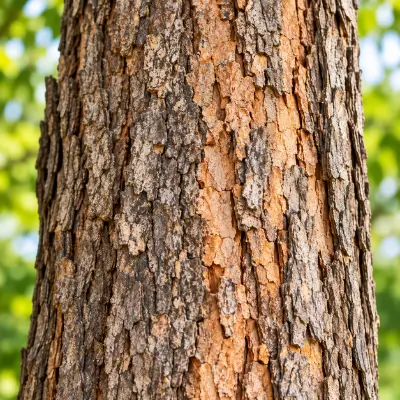
    Plant Photos
    Ayurvedic Properties

    Rasa

    Madhura, Kashaya

    Guna

    Guru, Snigdha

    Virya

    Sheeta

    Vipãka

    Madhura

    Contact Now

    Have queries? Contact Us.

    Have queries? We’re here to help you every step of the way.

    Contact us to get the right guidance for your academic journey at Shri Dhanwantry Ayurvedic College.

  • Gandaprasarini

    Gandaprasarini

    Gandaprasarini

    Botanical Name : Paederia foetida Linn.

    Family : Rubiaceae.

    Identification No.: SDACH/HG/106

    Introduction :

    This is an anti-inflammatory drug used in Ayurvedic.

    Names in different Indian languages :

    Hindi : Gandhaprasarani, Pasaran

    Malayalam : Gandhaprasaarini, appinaari

    Sanskrit : Gandhaprasaarini, somaraji

    Tamil : Talanili, Mudiyar Kundal.

    Telugu : Takkeda

    Folk : Gandhabhaaduli

    Synonyms :

    गन्धप्रसारिणी चैव प्रसारिण्यपि कीर्तिता |कटूष्णा दीपनी हृद्या वातकफविनाशिनी ||

    Gañdhãdhyã, Balyã, Rãjabalã, Sarani

    Classification according to Charak, Sushruta, Vagbhata & Bhav prakash:

    Charak – Not mentioned

    Sushruta – Not mentioned

    Vagbhata – Not mentioned

    Bhav Prakash – Haritakyadi Varga

    Varieties & adulterants – (CV – controversy, AD – adulterants) :

    1. Merremia tridentate  – [CV]

    2. Laptadenia spartium – [CV]

    3. Convolvulus arvenis – [CV]

    4. P. scandens [CV]

    5. Prasarani – CV (north Indians calls)

    Morphology :

    Glabrous or twining shrub.

    Leaves simple, opposite ovate or lanceolate, acute or cuspidate; 6-8 cm x 2.5- 3.5 cm; petioles 2-3 cm long.

    Flowers- in panicles, 15 cm long, violet coloured flowers.

    Fruit- orbicular, wings pale, 1.0 cm. across.

    Distribution & Habitat :

    Central and Eastern Himalayan ranges, West Bengal.

    Chemical constituents :

    iridoid glycosides, sitosterol, stigmasterol, campesterol, ursolic acid, hentriacontane, hentriacontanol, ceryl alcohol, palmitic acid and methyl mercaptan (foul smell)

    Properties :

    Rasa Tikta

    Guna Guru, Sara

    Virya Usna

    Vipaka Katu

    Karma : vrishya,keshya, kandudhna, kushtaghna

    carminative, antiinflammatory, astringent, spasmolytic, antidiarrhoeal, diuretic, antilithic

    Indication :

    Vãta Vyãdhi, Amavãta, Mütrakrcchra

    rheumatic infections, piles,cough, inflammations of the liver, spleen

    Part used :

    Root, leaf

    Dosage :

    Leaf juice 10-15 ml

    Powder 2-4 g

    Decoction 50-100 ml

    External use :

    Analgesic. anti-inflammatory. Therefore it is used in all the vata disorders. It is the best medicine for it

    Internal uses :

    Digestive system : It is an antiflatulent and mild laxative. So it is used in abdominal pain, flatulence and constipation with hard stool. Cooked leaves or the warm paste of leaves is given in abdominal pain.

    Circulatory system : It purifies the blood by its tikta rasa and alleviates vata by its ushna veerya. Therefore it is used in vatarakta.

    Reproductive system : Aphrodisiac by guru property. So used in infertility.

    Therapeutic Uses :

    (1) Amavãta— Prasãriñi decoction, jaggary and Lasuna are fermented together for 7 days and then given orally with Pañchakola curna (C.D.)

    (2) Mutrakrichra— Prasãrini paste is taken with coconut water (V.M.)

    Research updates (past 5 years):

    1. Study on anti-inflammatory activity in rodent models – [Journal Name, Year]

    2. Phytochemical analysis indicating antioxidant potential – [Journal Name, Year]

    3. Clinical evaluation in joint disorders – [Journal Name, Year]


    About Gandaprasarini

    Botanical Name

    Paederia foetida L.

    Family

    Rubiaceae

    Identification No.

    SDACH/HG/106

    Parts Used

    Root, Leaves

    Habitat

    India

    IUCN Status

    Not Evaluated

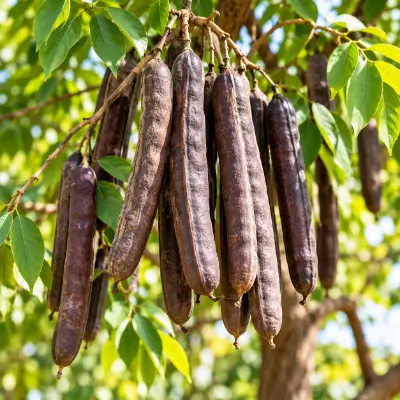
    Plant Photos
    Ayurvedic Properties

    Rasa

    Tikta

    Guna

    Guru, Sara

    Virya

    Ushna

    Vipãka

    Katu

    Contact Now

    Have queries? Contact Us.

    Have queries? We’re here to help you every step of the way.

    Contact us to get the right guidance for your academic journey at Shri Dhanwantry Ayurvedic College.
  • BRAHMADARU

    BRAHMADARU

    BRAHMADARU

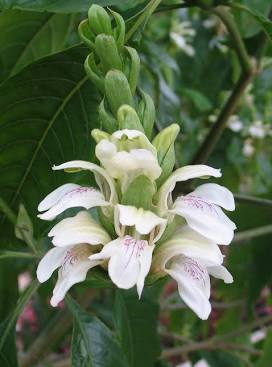
    About BRAHMADARU

    Botanical Name

    Morus alba L.

    Family

    Moraceae

    Identification No.

    SDACH/HG/105

    Parts Used

    Leaves, Bark, Fruits

    Habitat

    China, India

    IUCN Status

    Least Concern

    Plant Photos

    Ayurvedic Properties

    Rasa

    Madhura, Amla

    Guna

    Guru

    Virya

    Sheeta

    Vipãka

    Madhura

    Contact Now

    Have queries? Contact Us.

    Have queries? We’re here to help you every step of the way.

    Contact us to get the right guidance for your academic journey at Shri Dhanwantry Ayurvedic College.
  • Madhuka

    Madhuka

    Madhuka

    Botanical Name : Madhuca indica J. F. Gmel.

    Family : Sapotaceae

    Identification No.: SDACH/HG/098

    Introduction :

    Latin name : Mudhuka = from the Sanskrit name – madhuk; indira = Indian or Bassia = after Fernando Bassi, Curator of the Botanical garden of Bologna, Italy; latifolia = broad leaves.

    Names in different Indian languages :

    English : Indian butter tree, Mahwa tree.

    Hindi : Mahva, mohva

    Kannada : Erappe

    Malayalam : Ilippa, irippa

    Sanskrit : Madhukah

    Tamil : Ieluppai.

    Telugu : Ippa

    Unani : Mahuaa

    Synonyms :

    “मधुको गुडपुष्पश्च मधुपुष्पो मधूलकः। 

    मधुस्रावी तथा मोदप्रदो माकन्द इत्यपि॥” 

    Teekshnasar, Vanaprastha, Madhusrav, Dholaphala, Swadupushpa. Madhushthil, Madhuuka, Madhupushpa, Gudapushpa

    Madhuca longifolia (Koen.) Macb. var. latifolia (Roxb.) Cheval.

    Bassia latifolia Roxb.

    Varieties & adulterants – (CV – controversy, AD – adulterants) :

    One of the varieties called jalamadhuk grows in marshy land. The sweet portion of the flowers gets quickly converted to alcohol. The flowers are used to make liquor

    Morphology :

    It is an evergreen tree growing to a height of 10-16 mtrs. Bark – blackish or greyish in colour, torn, but the wood is brownish.

    Leaves – 8 to 15 cm. in length, simple, oblong-oval, with 10 to 12 veins, ends in bunches

    Flowers – white, juicy and contain a sugar-like substance.

    Fruits – berry , oblong, 1/2 inch long, initially green and then turning to yellow.

    Fruit contains 1-4 red coloured seeds. The tree flowers in summer and fruits in rainy season.

    Distribution & Habitat :

    Western Ghats

    Chemical constituents :

    alpha- and beta-amyrin acetate, n-hexacosanol, beta-D-glucoside ,  beta-sitosterol , free sitosterol.

    Properties :

    Rasa: madhur, kashaya;

    Guna: guru, snigdha;

    Virya: sheeta(dry flowers are ushna);

    Vipaka – Madhur

    Karma : krimisodanam, vrisyam, balym, rasayana stimulant, demulcent, laxative, anthelmintic, bechic, emetic

    Indication : krimi, trishna, jwara, vrana pneumonia, skin diseases, piles, tonsilitis, gum troubles, diabetes, ulcers, gout

    Part used :

    Bark, flower, fruit, seed

    Dosage :

    2-4 g bark powder

    Uses :

    Massage done with the oil prepared from madhuk is analgesic. flower juice is rubbed on the skin in dermatoses and is used as nasal drops in pittaj headache, flower pulp is given along with milk in nerve disorders as a nervine tonic. Decoction of the flowers or it is used in oedema, diarrhea, dysentery and thirst and it is a carminative and astringent. Juice of fresh flowers is used in bleeding disorders. It is used in bronchitis and asthma as an expectorant and in hiccups. Flowers are aphrodisiac and galactogouge and hence used in seminal debility and reduced breast milk secretion. The pulp of the seeds is used to prepare vaginal suppository for inducing menstrual bleeding. Madhuk is also useful in dysuria. Fever and burning .

    Important Yogas or Formations :

    madhukasava       

    Therapeutic Uses (Amayika Prayoga): 

    External: 

    – Flower paste for skin inflammation 

    – Seed oil for massage in arthritis 

    Internal: 

    – Flower decoction (50-100 ml) as general tonic 

    – Bark powder (1-3 g) for diabetes 

    IUCN Status: Least Concern 

    Research Updates (Last 5 Years): 

    1.2020 Hypoglycemic effects confirmed 

    2. 2022: Wound healing activity of bark extracts 

    3. 2023: Flower antioxidants studied for anti-aging

    About Madhuka

    Botanical Name

    Madhuca indica J. F. Gmel.

    Family

    Sapotaceae

    Identification No.

    SDACH/HG/098

    Parts Used

    Bark, Flowers, Fruits, Seeds

    Habitat

    India

    IUCN Status

    Least Concern

    Plant Photos

    Ayurvedic Properties

    Rasa

    Madhura, Kashaya

    Guna

    Guru, Snigdha

    Virya

    Madhura

    Vipãka

    Madhura

    Contact Now

    Have queries? Contact Us.

    Have queries? We’re here to help you every step of the way.

    Contact us to get the right guidance for your academic journey at Shri Dhanwantry Ayurvedic College.

  • Parnabeeja

    Parnabeeja

    Parnabeeja

    Botanical Name : Bryophyllum pinnatum (Lam.)

    Family : Crassulaceae

    Identification No.: SDACH/HG/094

    Vernacular names: 

    • Hindi: Patharchatta, Paan-futti 
    • English: Air Plant, Life Plant 
    • Bengali: Patharkuchi 
    • Tamil: Runakkalli 
    • Telugu: Ranapala 
    • Kannada: Gandukalinga 
    • Malayalam: Ilayinmeltai 
    • Gujarati: Patherchat 

    Synonyms :

    पर्णबीजः स्मृतो देवैः श्वेतपुष्पो घनस्रवः। 

    क्षतक्षीणहरः शीघ्रं विशेषात् पित्तनाशनः॥ 

    Bryophyllum calycinum Salisb.

    Cotyledon pinnata Lam.

    Crassula pinnata L. f.

    Kalanchoe pinnata (Lam.) Pers.

    Sedum madagascaricum Clus.

    Morphology :

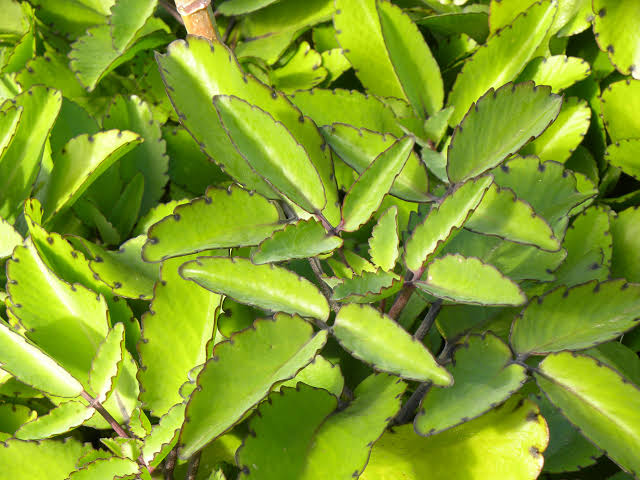
    a fleshy upright plant usually growing 60-120 cm tall.

    its relatively broad leaves have scalloped margins and are oppositely arranged.

    these leaves may be simple or compound, with three or five leaflets.

    its drooping bell-shaped flowers are greenish-yellow to pinkish-red in colour (up to 7 cm long).

    these flowers are borne in branched clusters at the top of its stems.

    Stems and Leaves

    The upright (i.e. erect) stems are fleshy (i.e. succulent) and hairless (i.e. glabrous).

    The leaves are also fleshy (i.e. succulent) and are either simple (particularly on seedlings) or compound (i.e. trifoliate or pinnate). They are oppositely arranged, flattened, and the number of leaflets present varies from one near the base of the stems to three or five (i.e. trifoliate or pinnate) higher up the stems. These leaves (5-25 cm long and 2-12.5 cm wide) are green or yellowish-green in colour, hairless (i.e. glabrous), and are borne on stalks (i.e. petioles) 2-10 cm long. The leaflets are oval or narrowly oval (i.e. elliptic) in shape with rounded tips (i.e. obtuse apices), and when more than one leaflet is present the end (i.e. terminal) leaflet is usually significantly larger than the others. Tiny plantlets may occasionally be formed in the scalloped (i.e. crenate) margins of these leaflets. These plantlets are more often produced if the leaves become detached from the stems.

    Flowers and Fruit

    The bell-shaped (i.e. tubular), drooping (i.e. pendulous), flowers (up to 7 cm long) are arranged in branched clusters at the tips of the stems (i.e. in terminal inflorescences). Each flower is borne on a stalk (i.e. pedicel) 10-25 mm long. They have prominent, inflated, yellowish-green or pale green coloured sepals (25-55 mm long) that are partially fused into a tube (i.e. calyx tube) and streaked with pink or reddish coloured blotches. The yellowish-green to dark red coloured petals (3-6 cm long) are also partially fused into a tube (i.e. a corolla tube) that divides into four petal lobes (i.e. corolla lobes) near the tip. Flowers are produced mainly during winter and spring.

    The fruit are papery and membranous (about 15 mm long), with four slender compartments (i.e. carpels). They generally remain enclosed within the old flower parts and contain numerous minute, slender, brownish-coloured seeds (less than 1 mm long).

    Habitat :

    A garden escape that is naturalised in tropical, sub-tropical and warmer temperate regions. It is a weed of gardens, parks, roadsides, railways lines, waste areas, coastal environs, creek-banks, open woodlands, forests and forest margins.

    Substitute/Adulterant: 

    – Substitute: Aloe vera for wound healing properties 

    – Adulterant: Sometimes mixed with other Bryophyllum species 

    Phytochemicals: 

    – Flavonoids (quercetin, kaempferol) 

    – Bufadienolides (Bryophyllin A, B) 

    – Phenolic acids 

    – Triterpenes 

    Rasapanchaka: 

    – Rasa: Kashaya (astringent), Tikta (bitter) 

    – Guna: Laghu (light), Rooksha (dry) 

    – Virya: Sheeta (cooling) 

    – Vipaka: Katu (pungent) 

    – Prabhava: Vranaropana (wound healing) 

    – Dosha Shamakta: Pitta-Kapha shamak, Vata vardhak in excess 

    Karma (Rogaghnata): 

    – Vranaropana (wound healing) 

    – Shothahara (anti-inflammatory) 

    – Mutrala (diuretic) 

    – Raktastambhana (hemostatic) 

    Amayika Prayoga/Therapeutic Uses: 

    External: 

    – Leaf paste for wounds, burns, boils 

    – Juice drops for earache 

    – Poultice for insect bites 

    Internal: 

    – Leaf juice (5-10 ml) for kidney stones 

    – Decoction for diarrhea, dysentery 

    – Powder for respiratory disorders 

    Part used: Leaves (fresh preferred), plantlets 

    Dose: 

    – Juice: 5-10 ml 

    – Powder: 1-3 g 

    – Decoction: 30-50 ml 

    Yoga/Formulations: 

    – Parnabeeja Lepa (for external wounds) 

    – Parnabeeja Kwath (for urinary disorders) 

    – Included in some Ayurvedic skin ointments 

    IUCN Status: Least Concern (widely distributed) 

    Research updates (past 5 years): 

    1. 2020: Wound healing efficacy comparable to silver sulfadiazine 

    2. 2021: Nephroprotective effects in animal studies  3. 2023: Anti-cancer potential of bufadienolides 


    About Parnabeeja

    Botanical Name

    Bryophyllum pinnatum (Lam.)

    Family

    Crassulaceae

    Identification No.

    SDACH/HG/094

    Parts Used

    Leaves, Plantlets

    Habitat

    India

    IUCN Status

    Least Concern

    Plant Photos

    Ayurvedic Properties

    Rasa

    Kashaya, Tikta

    Guna

    Laghu, Ruksha

    Virya

    Sheeta

    Vipãka

    Katu

    Contact Now

    Have queries? Contact Us.

    Have queries? We’re here to help you every step of the way.

    Contact us to get the right guidance for your academic journey at Shri Dhanwantry Ayurvedic College.
  • Musli

    Musli

    Musli

    Botanical Name : Chlorophytum borivilianum (Safed Musli) 

    Family : Asparagaceae 

    Identification No.: SDACH/HG/094

    Names in different Indian languages :

    Sanskrit : Musli Bhed

    Unani : Musli Safed, Biskandri

    Hindi : Safed Musli

    English : India Spider Plant

    Morphology :

    It is a perennial herb with a short hard root stocks; roots often thick, fleshy and cylindrical.

    The leaves are 15-35 cm long and oblanceolate.

    The plant is considered endangered species in the country.

    Inflorescence is dense; flowers are arranged in raceme and shortly branched.

    Flowers white, anthers as long as or longer than the filaments and yellow in colour.

    Bracts are usually long and over topping the shortly pedicelled buds.

    Cells of the orbicular capsule are 3-4 seeded and black coloured.

    Distribution :

    Plant is distributed sparsely over Eastern India, mainly Bengal, Sikkim, Bihar, Assam and few places in Odisha and Meghalaya.

    Parts used :

    Tuberous Root

    Substitute/Adulterant: 

    – Substitute: Ashwagandha (Withania somnifera) for general tonic effects. 

    – Adulterant: Sometimes mixed with other Chlorophytum species. 

    Phytochemicals: 

    – Saponins (primary active compounds) 

    – Alkaloids, flavonoids, polysaccharides 

    – Sterols (stigmasterol, β-sitosterol) 

    Rasapanchaka: 

    – Rasa: Madhura (sweet), Tikta (bitter) 

    – Guna: Guru (heavy), Snigdha (unctuous) 

    – Virya: Śhīta (cooling) 

    – Vipaka: Madhura (sweet) 

    – Prabhava: Vṛṣya (aphrodisiac) 

    – Dosha Shamakta: Balances Vata and Pitta, nourishes Shukra Dhatu

    Karma (Rogaghnata): 

    – Balya (strength-promoting) 

    – Vṛṣya(aphrodisiac) 

    – Rasayana (rejuvenative) 

    – Shukrala (semen-enhancing) 

    Amayika Prayoga/Therapeutic Uses: 

    External: 

    – Root paste applied for joint pain and inflammation. 

    Internal 

    – Sexual weakness: Taken with milk for enhancing libido. 

    – General debility: Used in convalescence. 

    – Diabetes: Helps regulate blood sugar. 

    Part used.Roots (fresh or dried). 

    Dose: 

    – Powder: 3–6 g (with milk or honey). 

    – Decoction: 50–100 ml. 

    Yoga/Formulations: 

    – Musli Pak(aphrodisiac preparation) 

    – Chyawanprash (as an ingredient) 

    – Musli Khadiradi Vati (for sexual health) 

    IUCN Status: 

    – Chlorophytum borivilianum: Near Threatened*(due to overharvesting). 

    – Curculigo orchioides: Least Concern. 

    Research updates (past 5 years): 

    1. 2019: Study on Safed Musli for male infertility (improves sperm count). 

    2. 2021: Anti-diabetic effects of Musli saponins. 

    3. 2023: Clinical trial on Musli for chronic fatigue syndrome. 


    About Musli

    Botanical Name

    Costus speciosus (J.Koenig) Sm.

    Family

    Costaceae

    Identification No.

    SDACH/HG/091

    Parts Used

    India, Nepal, Bangladesh, Sri Lanka, Malaysia, Indonesia

    Habitat

    India, Nepal, Bangladesh, Sri Lanka, Malaysia, Indonesia

    IUCN Status

    Least Concern

    Plant Photos

    Ayurvedic Properties

    Rasa

    Tikta, Kashaya

    Guna

    Laghu, Snigdha

    Virya

    Ushna

    Vipãka

    Katu

    Contact Now

    Have queries? Contact Us.

    Have queries? We’re here to help you every step of the way.

    Contact us to get the right guidance for your academic journey at Shri Dhanwantry Ayurvedic College.
  • Bhustrina

    Bhustrina

    Bhustrina

    Botanical Name : Andropogon citratus DC. (Syn. Cymbopogon citratus)

    Family : Poaceae

    Identification No.: SDACH/HG/092

    Background :

    The plant Cymbopogon citratus Stapf. commonly known as Lemon grass belongs to Poeceae family and is a native of tropical countries, especially in Southeast Asia. Various studies has been done on the plant to reveal its potential therapeutic effects. 

    Names in different Indian languages :

    English: West Indian lemon grass, true lemon grass

    Morphology :

    Cymbopogon citratus is part of the grass family, Poaceae. They contain simple, bluish-green leaves with entire margins and are linear in shape. The blades tend to be 18–36 inches long. Like other grasses, the leaves also have parallel venation.

    Habitat & Distribution:

    Native to Southeast Asia, widely cultivated across tropical and subtropical regions of India including Maharashtra, Kerala, Tamil Nadu, Assam, and West Bengal. Prefers warm, sunny climates and well-drained soil.

    Varieties:

    East Indian Lemongrass (Cymbopogon flexuosus)

    West Indian Lemongrass (Cymbopogon citratus) – commonly used

    Substitute/Adulterant:

    Often confused or substituted with Cymbopogon flexuosus or Cymbopogon winterianus (Citronella grass).

    Phytochemicals:

    Citral (major component)

    Geraniol, Myrcene, Limonene

    Flavonoids, Tannins

    Raspanchaka:

    Rasa: Tikta, Kashaya

    Guna: Laghu, Ruksha

    Virya: Ushna

    Vipaka: Katu

    Prabhava: Sugandhikara, Agnivardhaka

    Dosha Shamakta: Kapha-Vata Shamak

    Karma (Rogaghnata):

    Agnideepana, Shwasahara, Krimighna, Jvarahara, Vatanulomaka

    Amayika Prayoga/Therapeutic Uses:

    External:

    Oil applied in rheumatic pain, headaches, and fungal infections

    Inhalation of steam for sinusitis

    Internal:

    Infusion (tea) used for digestive issues, colds, cough, and anxiety

    Used in fever, bloating, and as an appetite stimulant

    Part used: Leaf, Essential oil (from leaf)

    Dose:

    Leaf infusion: 20–40 ml

    Essential oil: 1–3 drops (externally or in aromatherapy)

    Yoga/Formulations:

    Gavati Chaha (Lemongrass Tea)

    Incorporated in herbal decoctions, stress relief and digestive blends

    Lemongrass essential oil used in Aromaveda

    IUCN Status: Not Evaluated (NE)

    Research updates:

    1. Gupta et al. (2023). Antioxidant and anti-inflammatory effects of Cymbopogon citratus in respiratory disorders. Journal of Ayurveda and Integrative Medicine.

    2. Nair et al. (2021). Antimicrobial efficacy of lemongrass oil against resistant skin pathogens. Asian Journal of Pharmaceutical Sciences.

    3. Roy et al. (2020). Anxiolytic and sedative activity of Cymbopogon citratus extract in rodent models. Indian Journal of Experimental Biology.

    About Bhustrina

    Botanical Name

    Costus speciosus (J.Koenig) Sm.

    Family

    Costaceae

    Identification No.

    SDACH/HG/091

    Parts Used

    Rhizome

    Habitat

    India, Nepal, Bangladesh, Sri Lanka, Malaysia, Indonesia

    IUCN Status

    Least Concern

    Plant Photos

    Ayurvedic Properties

    Rasa

    Tikta, Kashaya

    Guna

    Laghu, Snigdha

    Virya

    Ushna

    Vipãka

    Katu

    Contact Now

    Have queries? Contact Us.

    Have queries? We’re here to help you every step of the way.

    Contact us to get the right guidance for your academic journey at Shri Dhanwantry Ayurvedic College.