Shri Dhanwantry Ayurvedic College

Category: Uncategorized

  • Bandukpushpa

    Bandukpushpa

    Bandukpushpa

    Botanical Name : Costus speciosus (Koenig) Sm.

    Family : Costaceae

    Identification No.: SDACH/HG/091

    Introduction :

    Costus igneus Nak (syn. Costus pictus D. Don, Costus mexicanus Liebm ex Petersen or Costus congenitus Rowle), commonly known as fiery costus, Step ladder or Spiral flag or Insulin plant, is native to South and Central America. This is a recent introduction to India from America as an herbal cure for diabetes and hence commonly called as ‘insulin plant.’ It is widely grown in gardens as ornamental plant in South India and also run wild in many places. It is used in India to control diabetes, and it is known that diabetic people eat one leaf daily to keep their blood glucose low.Leaves of C. igneus were one among the plants known to be effectively used for treating diabetes by the tribal people of Kolli hills of Namakkal district, Tamilnadu. In Mexican folk medicine, the aerial part of C. pictus D. Don is used as an infusion in the treatment of renal disorders.

    The plant belongs to the family Costaceae. The Costaceae was first raised to the rank of family by Nakai on the basis of spirally arranged leaves and rhizomes being free from aromatic essential oils. Before the elevation to family status, Engler and Prantl recognized Costoideal as a subfamily under Zingiberaceae. Several anatomical and morphological features support this isolated position including well developed aerial shoot with distinct, rigid, and commonly branched stems. The leaves are inserted in a low spiral with divergences. The family Costaceae consists of four genera and approximately 200 species. The genus Costus is the largest in the family with about 150 species that are mainly tropical in distribution.[2,6] The present review deals with the recent research carried out in the area of phytochemistry, pharmacological, biological activities, and safety of Costus igneus Nak.

    Synonyms:

    Classical names: Bhandookpushpa, Pushkarmoola

    Bhavaprakasha:

    बन्धूकपुष्पा तिक्तोष्णा पुष्करमूलसम्मिता।

    श्लेष्मवातज्वरघ्नी च हिक्काश्वासकफापहा॥

    Morphology :

    It is a perennial, upright, spreading plant reaching about two feet tall, with the tallest stems falling over and lying on the ground. Leaves are simple, alternate, entire, oblong, evergreen, 4-8 inches in length with parallel venation. The large, smooth, dark green leaves of this tropical evergreen have light purple undersides and are spirally arranged around stems, forming attractive, arching clumps arising from underground rootstocks. Beautiful, 1.5-inch diameter, orange flowers are produced in the warm months, appearing on cone-like heads at the tips of branches.[8] Fruits are inconspicuous, not showy, less than 0.5 inch, and green-colored.

    Chemical constituents :

    Sequential screening for phytochemicals of C. igneus leaves revealed that it is rich in protein, iron, and antioxidant components such as ascorbic acid, α-tocopherol, β-carotene, terpinoids, steroids, and flavonoids. It was revealed in another study that methanolic extract was found to contain the highest number of phytochemicals such as carbohydrates, triterpenoids, proteins, alkaloids, tannins, saponins, and flavonoids. Preliminary phytochemical evaluation of Insulin plant (C. pictus) revealed that the leaves contain 21.2% fibers. Successive extracts gave 5.2% extractives in petroleum ether, 1.06% in cyclohexane, 1.33% in acetone, and 2.95% in ethanol. Analysis of successive extracts showed presence of steroids in all extracts. The ethanol extract contained alkaloid also. The major component of the ether fraction was bis (2’-ethylhexyl)-1,2-benzenedicarboxylate (59.04%) apart from α-tocopherol and a steroid, ergastanol. Stem showed the presence of a terpenoid compound lupeol and a steroid compound stigmasterol. Bioactive compounds quercetin and diosgenin, a steroidal sapogenin, were isolated from C. igneus rhizome. Trace elemental analysis showed that the leaves and rhizomes of C. pictus contains appreciable amounts of the elements K, Ca, Cr, Mn, Cu, and Zn. Steam distillation of stems, leaves, and rhizomes of C. pictus D. Don yielded clear and yellowish essential oils.

    Raspanchaka:

    Rasa: Tikta, Kashaya

    Guna: Laghu, Snigdha

    Virya: Ushna

    Vipaka: Katu

    Prabhava: Shwasahara

    Dosha Shamakta: Kapha-Vata Shamak

    Karma (Rogaghnata):

    Shwasahara, Jvarahara, Krimighna, Hikka-Nashaka, Agnivardhaka

    Amayika Prayoga/Therapeutic Uses:

    External:

    Paste used in swelling, joint pain

    Juice applied in skin diseases

    Internal:

    Decoction of rhizome in cough, asthma, and bronchitis

    Powder used in fever and digestive disorders

    Part used: Rhizome

    Dose:

    Churna: 3–6 g

    Decoction: 50–100 ml

    Yoga/Formulations:

    Pushkarmool Churna

    Shwasahara Kashaya

    Used in various proprietary respiratory and digestive formulations

    IUCN Status: Least Concern (LC)

    Research updates:

    1. Joshi et al. (2023). Anti-inflammatory and bronchodilatory effects of Costus speciosus rhizome extract in asthma models. Journal of Ethnopharmacology.

    2. Mehta et al. (2022). Hepatoprotective activity of Costus speciosus in carbon tetrachloride-induced liver damage. Indian Journal of Pharmaceutical Sciences.

    3. Reddy et al. (2021). Antidiabetic and antioxidant effects of Costus speciosus rhizome in alloxan-induced diabetic rats. Asian Pacific Journal of Tropical Biomedicine
    About Bandukpushpa

    Botanical Name

    Costus speciosus (J.Koenig) Sm.

    Family

    Costaceae

    Identification No.

    SDACH/HG/091

    Parts Used

    Rhizome

    Habitat

    India, Nepal, Bangladesh, Sri Lanka, Malaysia, Indonesia

    IUCN Status

    Least Concern

    Plant Photos

    Ayurvedic Properties

    Rasa

    Tikta, Kashaya

    Guna

    Laghu, Snigdha

    Virya

    Ushna

    Vipãka

    Katu

    Contact Now

    Have queries? Contact Us.

    Have queries? We’re here to help you every step of the way.

    Contact us to get the right guidance for your academic journey at Shri Dhanwantry Ayurvedic College.

  • Mahabala

    Mahabala

    Mahabala

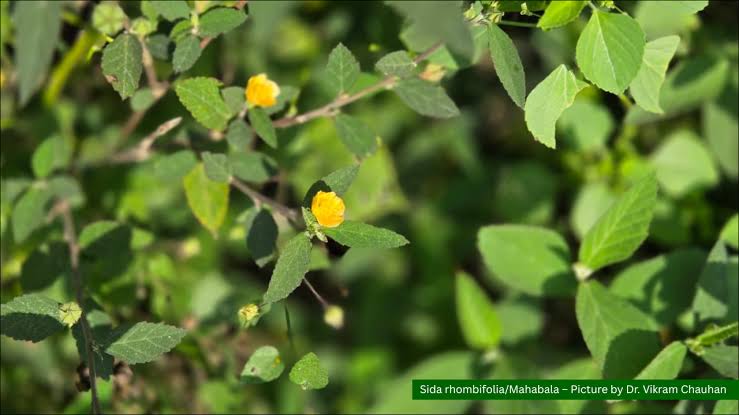
    Botanical Name : Sida rhombifolia L.

    Family : Malvaceae

    Identification No.: SDACH/HG/89

    Introduction :

    Its properties and usage similar to Sida cordifolia Linn.

    Industry in Kerala used this plant as ‘bala’ very much.

    Names in Different Indian Languages :

    Hindi : Jangali Methi

    Malayalam : kuruthotti

    Sanskrit : Balla (variety )

    Tamil : kuruthotti

    Synonyms

    महाबला बृहत्येव स्थूलबीजा स्थूलमूलिका।

    गुरुः स्निग्धा बलकरी वाजीकरणमुत्तमा॥

    वातपित्तप्रशमनी शुक्रला पुष्टिकर्यपि।

    तद्वत् क्षयापस्मारश्वासकासविनाशिनी॥

    Varieties & adulterants – (CV – controversy, AD – adulterants) :

    Bala – CV

    Morphology :

    It is a  hairy herb, frequently procumbent and sometimes rooting at nodes.

    Leaves- simple, alternate, cordate-ovate, sparingly hispid.

    Flowers- axillary, solitary, or borne in pairs or in small cymes, yellow.

    Seeds- brown. (Flowers and fruits throughout the year)

    Distribution & Habitat :

    All over India

    Amayika Prayoga / Therapeutic Uses

    External:

    Taila prepared with Mahabala used for massage in muscular dystrophy, paralysis, arthritis

    Paste used in inflammatory swellings and vata-kapha swellings

    Internal:

    Kwatha and churna useful in general debility, infertility, neurological disorders, respiratory disorders, and tissue wasting

    Part Used: Root, stem, whole plant

    Dose:

    Churna: 3–6 g

    Kwatha: 20–40 ml

    Taila (external): as directed

    Yoga / Formulations:

    Mahabala Taila

    Ashwagandhadi Churna

    Mahabala Ghrita

    Rasayana yogas for chronic vata disorders

    IUCN Status: Not Evaluated (NE)

    Research Updates (Past 5 Years):

    1. 2021 – Muscle strengthening effects of Mahabala Taila validated in osteoarthritis and muscular atrophy.

    2. 2022 – Neuroprotective and anti-fatigue effects demonstrated in chronic fatigue models.

    3. 2023 – Immunomodulatory and aphrodisiac activity supported in animal reproductive studies.

    About Mahabala

    Botanical Name

    Sida rhombifolia L.

    Family

    Malvaceae

    Identification No.

    SDACH/HG/089

    Parts Used

    Root, Stem, Whole plant

    Habitat

    India

    IUCN Status

    Not Evaluated (NE)

    Plant Photos

    Ayurvedic Properties

    Rasa

    Madhura

    Guna

    Guru, Snigdha, Picchila

    Virya

    Sheeta

    Vipãka

    Madhura

    Contact Now

    Have queries? Contact Us.

    Have queries? We’re here to help you every step of the way.

    Contact us to get the right guidance for your academic journey at Shri Dhanwantry Ayurvedic College.

  • Madhupatra

    Madhupatra

    Madhupatra

    Botanical Name : Stevia rebaudiana Bert.

    Family : Asteraceae

    Identification No.: SDACH/HG/087

    Introduction :

    In folk it used for digestive complaints. Its chemicals are useful in diabetes and hypertension.

    Names in different Indian languages :

    English : Stevia

    Malayalam : Madhura tulasi

    Tamil : Madhura tulasi

    Morphology :

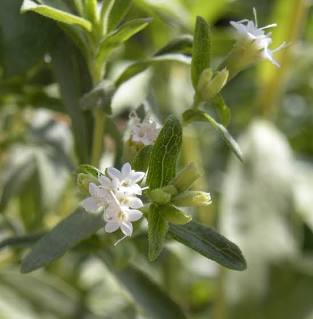
    It is an under shrub,

    Leaves – simple, opposite, obovate, serrated margin at ends

    Flower – white

    Fruit- capsule

    Distribution & Habitat :

    Cultivated

    Karma :

    Hypoglycemic, carminative

    Indication :

    Diabetes, hypertension, gastritis

    Part used :

    Whole plant

    Dosage :

    Leaf juice 10-15 ml

    Powder 2-4 g

    Decoction 50-100 ml

    Amayika Prayoga/Therapeutic Uses:

    External:

    Used in herbal toothpaste and mouth fresheners due to anti-cariogenic properties

    Internal:

    As a natural sweetener for diabetic patients

    Useful in weight management

    Supports pancreatic health and reduces blood sugar

    Yoga/Formulations:

    Stevia leaf powder

    Stevia-based sugar substitutes

    Incorporated in herbal teas, diabetic formulations

    IUCN Status: Not Evaluated (NE)

    Research updates:

    1. Mishra et al. (2023). Antidiabetic and antioxidant potential of Stevia rebaudiana in diabetic rats. Journal of Ayurveda and Integrative Medicine.

    2. Patel et al. (2021). Stevioside modulates insulin secretion in β-cell models. Phytotherapy Research.

    3. Sharma et al. (2020). Comparative study on the antihyperglycemic effect of Stevia versus standard antidiabetic drugs. Indian Journal of Experimental Biology.

    About Madhupatra

    Botanical Name

    Stevia rebaudiana Bert.

    Family

    Asteraceae

    Identification No.

    SDACH/HG/087

    Parts Used

    Whole plant

    Habitat

    Cultivated

    IUCN Status

    Not Evaluated

    Plant Photos

    Ayurvedic Properties

    Rasa

    Madhura

    Guna

    Laghu

    Virya

    Sheeta

    Vipãka

    Madhura

    Contact Now

    Have queries? Contact Us.

    Have queries? We’re here to help you every step of the way.

    Contact us to get the right guidance for your academic journey at Shri Dhanwantry Ayurvedic College.

  • Sahadevi

    Sahadevi

    Sahadevi

    Botanical Name : Vernonia cinerea (Linn)Less.

    Family : Compositae; Asteraceae.

    Identification No.: SDACH/HG/086

    Introduction :

    This plant used for ‘Anjanam’

    Latin name: Vernonia = of the spring: cineria = cinder coloured

    Names in different Indian languages :

    English : Ash coloured Fleabane, Purple Fleabane.

    Hindi : Sahadevyi, sadodi

    Kannada : Sahadevyi, sadodi

    Malayalam : puvamkurunnila

    Sanskrit : Sahadevi

    Tamil : Naichotte Poonde, puvamkuruntil, naycitti

    Telugu : Gharitikamini, garitikamma.

    Synonyms :

    सहदेवी सुरश्रेणिः शतपुष्पा शताग्रिका।

    वृष्या तीक्ष्णोष्णवीर्या च कृमिपाण्डुविनाशिनी॥

    Uttamkanyaka, jwara hara, Dandotpalaa,

    Morphology :

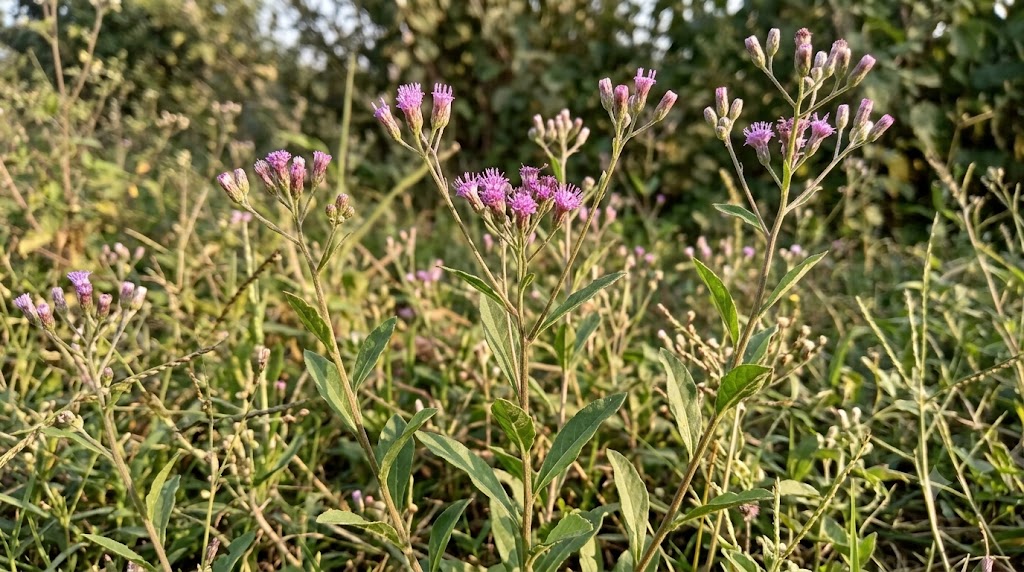
    This herb grows 15 -30 cms. in high. Stalk is thin, with sharp borders and bristly hairs.

    Leaves –simple,  different sizes with bristly hair on them and absence of stalk. Flowers blue. purple, appear in rainy season.

    Fruits – in winter.

    Varieties : Two – I) white flowers and 2) blue flowers.

    Distribution & Habitat :

    All over India.

    Chemical constituents :

    luteolin-7-monobeta- D-glucopyranoside, betaamyrin, acetate, lupeol acetate, betaamyrin ,  lupeol

    Properties :

    Guna: laghu, ruksha, katu;

    Guna:laghu

    Virya: ushna;

    Vipaka : Katu

    Prabhav: jwaraghna (antipyretic).

    Karma : jwarahara, netrya

    diaphoretic, blood purifier, anti fungal, anti bacterial, diuretic , anthelmintic, antiflatulent, antispasmodic;

    Indication :

    leucorrhoea, dysuria, spasm of  bladder,  dysuria, leucoderma, psoriasis, cough, skin disease

    Part used :

    Whole plant

    Dosage :

    Leaf juice 10-15 ml

    Powder 2-4 g

    Decoction 50-100 ml

    Externally, it is used in quaternary fever by tying its root with scalp hair and rubbing its juice on the skin. Paste of the leaves is applied on conjunctivitis and guinea worm. Its laxative, anthelmintic, blood purifying and diaphoretic properties make it useful in piles, intestinal worms, blood disorders, skin diseases, fever and renal calculi. Insects do not stay around this plant.

    Amayika Prayoga / Therapeutic Uses

    External:

    Paste applied in skin conditions and swelling

    Decoction used for washing wounds

    Internal:Juice/decoction used in fevers, worm infestations, anemia, and general debility

    Used as adjuvant in deworming and anti-inflammatory therapy

    IUCN Status: Not Evaluated (NE)

    Research Updates (Past 5 Years):

    1. 2020 – Anti-inflammatory and antioxidant activity validated in experimental models.

    2. 2021 – Effective in promoting weight loss and reducing oxidative stress in lifestyle disorders.

    3. 2023 – Evaluated for hepatoprotective and antipyretic effects in animal studies.


    About Sahadevi

    Botanical Name

    Cyanthillium cinereum (L.) H.Rob.

    Family

    Asteraceae (Compositae)

    Identification No.

    SDACH/HG/086

    Parts Used

    Whole plant

    Habitat

    India

    IUCN Status

    Not Evaluated

    Plant Photos

    Ayurvedic Properties

    Rasa

    Tikta, Katu

    Guna

    Laghu, Ruksha

    Virya

    Ushna

    Vipãka

    Katu

    Contact Now

    Have queries? Contact Us.

    Have queries? We’re here to help you every step of the way.

    Contact us to get the right guidance for your academic journey at Shri Dhanwantry Ayurvedic College.

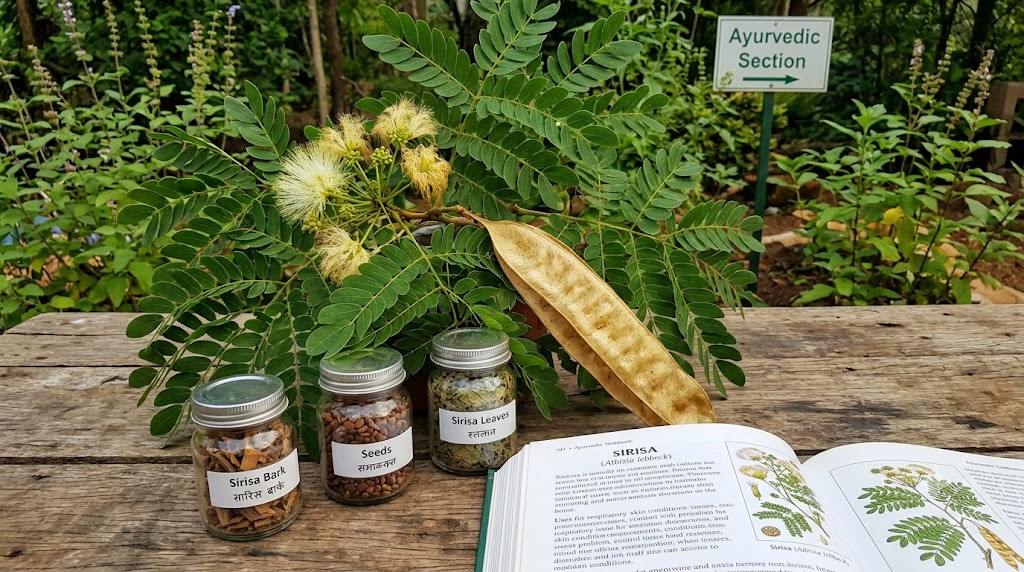
  • Sirisa

    Sirisa

    Sirisa

    Botanical Name : Albizia lebbeck (Linn.)Benth.

    Family : Mimosaceae

    Identification No.: SDACH/HG/064

    Introduction :

    Vedic literature extensively quoted sirisa among the Sãnta Vrksas. In sustra stana describes it is one of the best plants for Danta Kãsthas (tooth brushes).

    Scientific classification : The albizias are members of the subfamily Mimosoideae, family Fabaceae (formerly Leguminosae). The silk tree is classified as Albizia julibrissin, and the plume albizia is classified as Paraserianthes lophantha.

    Names in different Indian languages :

    English : Siris tree

    Hindi : Siris

    Kanada : Begemara

    Sanskrit : SIRISA

    Malayalam : Nenmenivaka, vaka

    Tamil : Vakai, siridam

    Telugu : Dirisana

    Marathi : Siras

    Punjabi : siri

    Gujarathi : sarsado

    Bengali : sirosh

    Synonyms :

    “Śirīṣaḥ śītalaḥ kāṣṭhaḥ śvetapuṣpaḥ suvarnakaḥ” 

    (Bhav Prakash Nighantu, Vatadi Varga, Shloka 45) 

    Kapitanch; Mridu pupa, Bhandi, Bhandirah, Sukataru, Suka priya,Suka pupa,  Bhandila, Shitapushpa, Mridupushpa, Kapitana

    Classification according to Charaka, Susrutha & Vagbhata :

    Charaka

    Visaghna, Vedanãsthapana, sirovirecana, Kasãya skañdha

    Susrutha

    Sãlasärãdi

    Vagbhata

    Asanãdi

    Varieties & adulterants – (CV – controversy, AD – adulterants) :

    1. Albizia amara (Roxb.) Boiv. – Krsa Sirisa

    2. A. odoratissima Benth. – Krsa Sirisa

    3. A.  procera (Roxb.) –  sveta sirisa

    4. A.lucida Benth

    5. Kantaki sirisa.

    6. Albizzia julibrissin

    Albizia julibrissin rosea

    Morphology :

    It is a deciduous, erect, spreading tree, growing to 18 -20 m. height.  With umbrella shaped crown.

    Bark- rough cracked, dark-brown to greenish-black with transverse and longitudinal striations inside.

    Leaves- compound, bipinnate 2-4 pairs, with 8-18 leaflets , glands between the bases.

    Flowers – Inflorescence- in globose heads of greenish-yellow flowers,

    Fruits- pods, yellowish-brown, with 6-10 seeds.

    Seeds- 4-12, pale brown, ellipsoid, oblong, compressed

    (Flowers during rainy season and fruits during winter).

    Distribution & Habitat :

    All over India, from the plains up to 1800m. the Himalayas; also in the Andamans

    Chemical constituents :

    Triterpenoids , triterpenoid saponins; oleanolic acid, albigenic acid, albigenin, acacic acid.

    Bark- condensed tannins viz., D-catechin, lebbecacidin, (-) melacacidin, friedelin,  beta-sitosterol.

    Heart wood- Lebbecacidin, leucopelargonidin, melacacidin, melanoxetin, okanin, (+) pinitol

    Seeds- Proteins, amino acids

    Flowers- benzyl alcohol, benzok acid, p-nitrobenzoate etc.

    Leaves- caffeic acid, kaempferol, mynicitrin, reynoutnin etc.

    Properties :

    Rasa  – Kasaya, Tikta, Madhura

    Guna -Laghu, Ruksa, Tiksna

    Vipãka-Katu

    Virya- Usna (Anusna)

    Karma : Tridosahara, Varnya, Visaghna, sotha hara,

    Expectorant, anti – inflammatory, Antiseptic, antibacterial, antiallergic, antidermatosis, antidysenteric

    Indications :

    Visa roga, Kãsa, Vrana, Visarpa, Kustha, Krimi, pamara kushta,

    asthma, leucoderma, erysipelas, sprains, ulcers, neuralgia, diarrhea, catarrh, seminal weakness,piles, bronchitis, tropical pulmonary eosinophilia, skin disease

    Part Used :

    Stem bark, seeds, flower, leaves

    Dosage :

    Powder 3-6 g; decoction 50-100 ml; fresh juice 10-15 ml.

    External uses :

    Anti-inflammatory, analgesic. antitoxic. beneficial to complexion, and beneficial to eyes. Seed paste is applied in kushtta – dermatoses and in wounds, bark paste is applied. In toothache and looseness of tooth – gargling with bark decoction is done. It is also applied externally in various types of poisoning & eyes diseases like night blindness.

    Internal uses :

    Digestive system : Astringent, but in high doses vomiting occurs. Bark powder gives strength to the gums.

    Circulatory system : Purifies blood, anti-inflammatory, useful in blood diseases, herpes. inflammation, lymphadenopathy. In all these diseases, bark decoction or seed powder is given.

    Respiratory system: Shirovirechan (nasya) and kaphaghna. Therefore used in cough etc. In chronic kaphaja jwar seed powder is used for pradhama nasya (nasal administration). In asthma. flowers reduces the headache in migraine.

    Reproductive system : In poor semen quality, seed powder with milk is given for vitalization. Powers are used in delayed menstruation or delaying ejaculation.

    Skin : In dermatitis  seed powder is used.

    Satmikaran Antitoxic : In organic and inorganic poisoning, bark decoction or seed powder

    Important Yogas or Formulations :

    sirisãrista, Panca sirisa ghrta, Pañcasirisagadah; Mahashireesh Agad, Shireesharishla.

    Therapeutic Uses :

    (1) Sarpavisa– sveta Marica soaked in sirisa flower juice for 7 days is used for Nasya, Pänna and Anjana (C.S.Ci.33 & Vr.Mã.).

    (2) Suryavarta & Ardhãvabhedaka- Nasya of the seeds of sirisa & Mulaka may be useful (S.S.Ut.26 & V.M.)

    (3) Kustha- Paste of the bark of sirisa is useful (C.S.Ci.7 & A.H.Ci.19).

    IUCN Status: Least Concern. 

    Research Updates: 

    1. Anti-allergic effects (2020, J. Ethnopharmacol.) 

    2. Antivenom properties (2021, Toxicon) 

    3. Bronchodilatory activity (2022, IJPR) 

    About Sirisa

    Botanical Name

    Albizia lebbeck (L.) Benth.

    Family

    Fabaceae (Mimosaceae)

    Identification No.

    SDACH/HG/064

    Parts Used

    Stem bark, seeds, flowers, leaves

    Habitat

    India, Pakistan, Nepal, Bangladesh, Myanmar

    IUCN Status

    Least Concern

    Plant Photos

    Ayurvedic Properties

    Rasa

    Kashaya, Tikta, Madhura

    Guna

    Laghu, Ruksha, Tikshna

    Virya

    Ushna (Anushna)

    Vipãka

    Katu

    Contact Now

    Have queries? Contact Us.

    Have queries? We’re here to help you every step of the way.

    Contact us to get the right guidance for your academic journey at Shri Dhanwantry Ayurvedic College.

  • Palasha

    Palasha

    Palasha

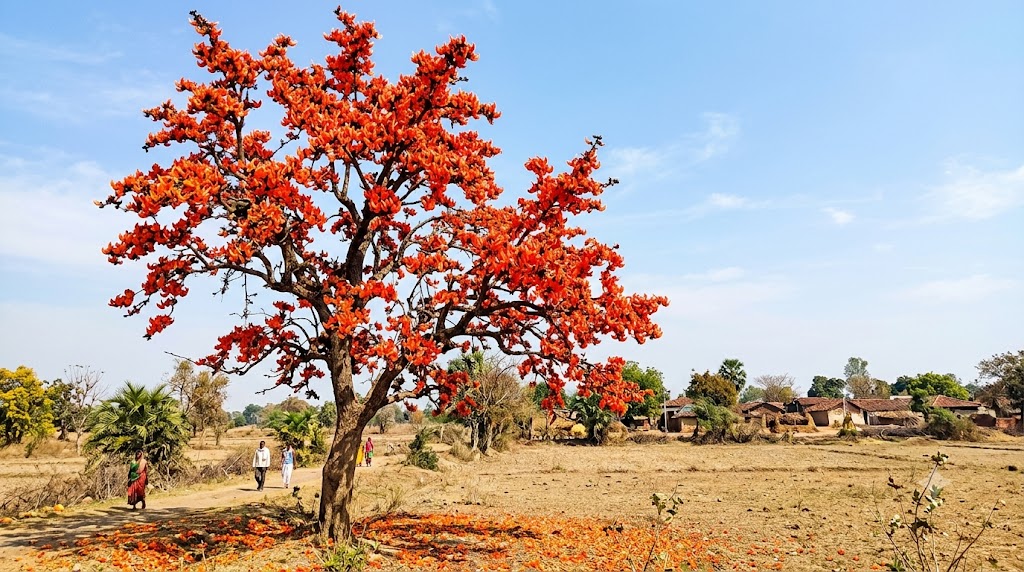
    Botanical Name : Butea monosperma 

    Family : Papilionaceae; Fabaceae

    Identification No.: SDACH/HG/048 

    Introduction :

    It is the most important plants for the Yajna. Its gum (red coloured) is also described in vedic texts. it used in the management of Arsas, Atisãra, Raktapitta, Kustha, Raktaja Gulma etc.

    The flame tree belongs to the subfamily Caesalpinioideae, family Fabaceae (formerly Leguminosae).

    The Chinese flame tree belongs to the Sapindaceae family and is classified as Koelreuteria bipinnata.

    Names in different Indian languages :

    English : Flame of the Forest,Butea Gum, Bengal Kino,bastard teak

    Hindi : Dhak,palash

    Kannada : muttagamara

    Malayalam : Plasu,chamata

    Sanskrit : palasah

    Tamil : Camata,purasus

    Telugu : moduga

    Unani : Dhaak,Samagh Dhaak,Kamarkas

    Folk : Tesu

    Synonyms :

    Kimsuka, Ksãrarestha, Brahmopanetra, Rakta puspa, Samidvara, Brahma Vrksa, Vãtapotha, Triparni  , Paalasha, Kimshuka, Raktapushpaka, Kshaarshreshtha, Brahmavriksha, Samidvar.

    B. frondosa Koenig ex Roxb.

    Classification according to Charaka, Susrutha & Vagbhata :

    Susrutha : Rodhrãdi, Muskakãdi, Ambasthãdi, Nyagrodhãdi

    Vagbhata : Rodhrãdi, Muskakãdi, Ambasthãdi, Nyagrodhãdi

    Varieties & adulterants – (CV – controversy, AD – adulterants) :

    1. Latapalsa – B. superb Roxb

    2. Rakta (red),

    3. Pita (yellow)

     4. Sveta (white)

    5. Neela (blue).

    Morphology :

    A deciduous tree growing up to 15 m. height and 1.5-2 m in girth, trunk is crooked. Bark light-brown or bluish-grey, yielding a ruby-red vitreous gum(Butea gum or Bengal keno) Wood-white or yellow-brown.

    Leaves trifoliolate, large, unequal, 10.5-20.5 cm.

    Flowers- in racemes, brilliant orange-red, 4-6 cm. long; lower calyx-teeth deltoid.

    Fruits- pods, silvery-white, broad, dehiscent (by one suture).

    seeds- flat, elliptic, reddish-grey, 3 cm.

    Distribution & Habitat :

    Throughout India

    Chemical constituents :

    butin, butrin, isobutrin, palastrin, butrin, coreopsin, monospermoside , sulphurein, chalcones.

    Flowers— butin, isocorcopsin, monospermoide, butein (major glucoside), isomonospermoside, coreopsin, palasitrin.

    Roots— Glycine, Jalaric esters I, II, III & IV etc

    Gum— leucocyanidin, procyanidin etc.

    Seeds— monaspermin, palasonin, essential oil with myristic, palmitic acids etc.

    Properties :

    Rasa- Katu, Tikta, Kasaya

    Guna -Laghu, Snigdha

    Virya – Usna

    Vipaka – Katu

    Karma : Vãta-kapha hara, Grãhi, Krmighna, Dipana

    Bark—astringent, styptic (prescribed in bleeding piles, ulcers, haemorrhages, menstrual disorders), anthelmintic.

    Flowers—astringent, diuretic, emmenagogue (also given for leucorrhoea). A decoction of flowers is given in diarrhoea and haematuria, also to puerperal women.

    Seeds—clinical use of seeds as an anthelmintic drug is not considered safe in humans

    Indication :

    Krimi, Pliha roga, Gulma, Grahani, Arsaas. astringent, bleeding piles, ulcers, haemorrhages (menstrual disorders), anthelmintic.  diuretic, emmenagogue (also given for leucorrhoea).Antibacterial,antifungal

    Part used :

    stem bark, flowers, seeds, gum , ash

    Dosage :

    Bark decoction 50-100 ml, seed powder 5-8 g, flower powder 5-6 g, gum 2-4 g

    Important Yogas  or  Formulations :

    Krmimudgararas, Palãgaksãra taila   

    Amayaka prayog

    • External Analgesic and Anti inflammatory in nature. Flower, Bark and Resin has absorbent properties, seed has scraping action and Leaves Analgesic and Absorbent properties. In obstruction of urine palasa flower can be taken and can be used for tying over bladder area; which helps to relieve the symptom. Leaves after making hot can be used for tying over inflammatory areas. Bark decoction can be used for wound cleaning, in Hemorrhoids and in Leukorrhea. Seed paste is indicated in skin diseases, eye diseases etc. Oil can be used for external application in Erectile dysfunction. Seed powder can be used for nasya in Epilepsy. Oil is indicated in Animal poisoning.
    • Digestive System Carminative, Digestant, and liver stimulant. Flowers have absorbent properties. Alkali prepared out of it processes Bhedana and Anulomana action. Bark decoction is indicated in Malabsorption syndrome, Hemorrhoids, and in diminished digestive strength. Flower is indicated in Excessive thirst and in Diarrhea. Palasa kshara is beneficial in Ascites, Phantom tumor and in abdominal colic.
    • For three days, a dose of 3-6 grams of seed powder can be taken in the morning and at night. On the fourth day, purging with castor oil is done to get rid of roundworms. (Gandupada krimi). Circulatory System – Flower and Resin is beneficial in Bleeding disorders and Seed is indicated in vatarakta (Flower and Resin is rakta sthambaka and seed is Rakta sodhaka.
    • Excretory System – Flower is indicated in Dysuria and Seed in Diabetes.
    • Reproductive system – To improve the quantity of semen resin can be given. Flowers are beneficial in Menorrhagia.
    • Tvak – Both flower and seed are indicated in skin disorders. To control sweating resin is useful.
    • Tapakrama – Flower is indicated in fever associated with burning sensation.

    Therapeutic Uses :

    1. Slipada-Juice of Palãsa root and equal quantity of Sarsapa are given with oil (V.M). .

    2. Krimi- Seed paste or juice of Palãsa may be taken with butter milk (S.S.Ut.54)

    3. Pumsavana- The pregnant lady (2-3 months after conception) may be given paste of one palasa leave with milk (B. P).

    IUCN Status: Least Concern (LC)

    Research updates (past 5 years):

    1. A 2021 study validated the anti-diabetic and antioxidant effects of Palash bark extract.

    2. A 2022 paper highlighted wound healing and anti-inflammatory activities of Palash leaves and gum.

    3. A 2023 in vitro study demonstrated strong anthelmintic potential of Palash seed powder.


    About Palasha

    Botanical Name

    Butea monosperma (Lam.) Taub.

    Family

    Fabaceae (Papilionaceae)

    Identification No.

    SDACH/HG/048

    Parts Used

    Stem bark, flowers, seeds, gum, ash

    Habitat

    India

    IUCN Status

    Least Concern

    Plant Photos

    Ayurvedic Properties

    Rasa

    Katu, Tikta, Kashaya

    Guna

    Katu, Tikta, Kashaya

    Virya

    Ushna

    Vipãka

    Katu

    Contact Now

    Have queries? Contact Us.

    Have queries? We’re here to help you every step of the way.

    Contact us to get the right guidance for your academic journey at Shri Dhanwantry Ayurvedic College.
  • Japa

    Japa

    Japa

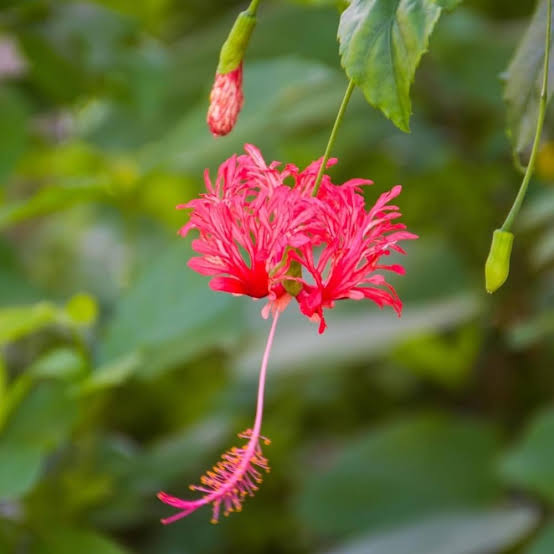
    Botanical Name: Hibiscus rosa-sinensis

    Family:   Malvaceae 

    Identification No.: SDACH/HG/041

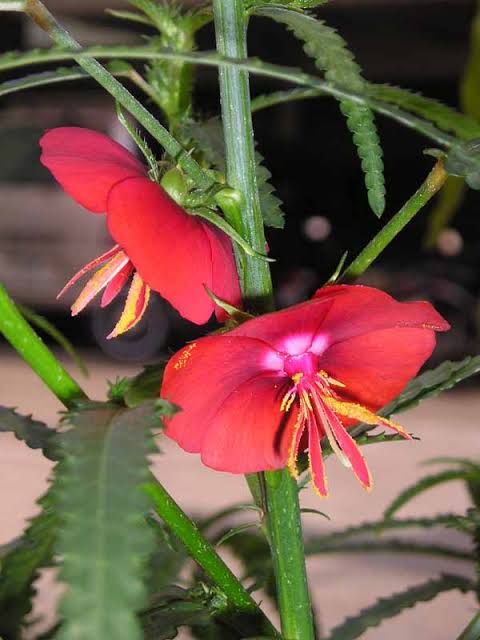
    Introduction : Hibiscus rosa-sinensis is a bushy, evergreen shrub or small tree growing 2.5–5 m (8–16 ft) tall and 1.5–3 m (5–10 ft) wide, with glossy leaves and solitary, brilliant red flowers in summer and autumn. The 5-petaled flowers are 10 cm (4 in) in diameter, with prominent orange-tipped red anthers.

    The flowers of Hibiscus rosa-sinensis are edible and are used in salads in the Pacific Islands.[citation needed] The flower is additionally used in hair care as a preparation. It is also used to shine shoes in certain parts of India. It can also be used as a pH indicator. When used, the flower turns acidic solutions to a dark pink or magenta color and basic solutions to green. It is also used for the worship of Devi, and the red variety is especially prominent, having an important part in tantra. In Indonesia, these flowers are called “kembang sepatu”, which literally means “shoe flower”. In several countries the flowers are dried to use in a beverage, usually tea.

    Pink Hibiscus in South India

    Hibiscus rosa-sinensis is considered to have a number of medical uses in Chinese herbology. It may have some potential in cosmetic skin care; for example, an extract from the flowers of Hibiscus rosa-sinensis has been shown to function as an anti-solar agent by absorbing ultraviolet radiation

    Names in different Indian languages :

    English : Rose-of-China, Shoe flower, Chinese Hibiscus.

    Hindi : Jasum, java, odhul

    Kannada : dasavala

    Malayalam : chemparatti

    Sanskrit : Japaa

    Tamil : semparatti

    Telugu : Dasana, mandara

    Unani : Gul-e-Gurhal

    Synonyms :

    Japaa, Javaa, Odrapushpa, Rudrapushpa, Arunaa

    Amayika Prayoga / Therapeutic Uses:

    Internal uses :

    used in impotency, bronchial catarrh  emmenagogue. Leaf stimulates expulsion of placenta after childbirth; laxative, anodyne, used in menorrhagia.

    Chemical constituents :

    cyclopropanoids, methyl sterculate, methyl- hydroxysterculate, hydroxysterculate, malvalate and beta-sitosterol.

    IUCN Status: Not Evaluated

    Research Updates (Past 5 years):

    1. 2023 – Journal of Herbal Medicine: Hibiscus extract studied for its potential in reducing oxidative stress in diabetic patients.

    2. 2021 – Evidence-Based Complementary and Alternative Medicine: Japa flowers showed wound-healing activity in excision wound models.

    3. 2019 – Pharmacognosy Reviews: Detailed review on Hibiscus rosa-sinensis highlighting its anti-fertility and hair growth-promoting effects.


    About Japa

    Botanical Name

    Hibiscus rosa-sinensis L.

    Family

    Malvaceae

    Identification No.

    SDACH/HG/041

    Parts Used

    Leaves, Flowers

    Habitat

    India

    IUCN Status

    Not Evaluated

    Plant Photos

    Ayurvedic Properties

    Rasa

    Kashaya, Tikta

    Guna

    Laghu, Ruksha

    Virya

    Sheeta

    Vipãka

    Katu

    Contact Now

    Have queries? Contact Us.

    Have queries? We’re here to help you every step of the way.

    Contact us to get the right guidance for your academic journey at Shri Dhanwantry Ayurvedic College.
  • Akarakarabha

    Akarakarabha

    Akarakarabha

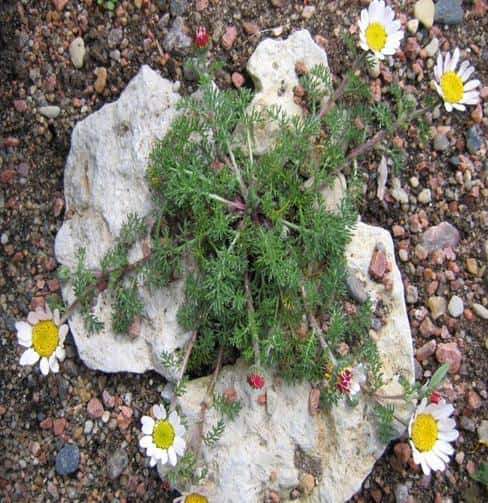
    Botanical Name: Spilanthus acmella (L.) Linn 

    Family: Compositae; Asteraceae.

    Identification No.: SDACH/HG/019

    Introduction:

    Latin name : Anacyclus (Ana like, kyklos -= circle); prethrum (pyr- fire due to pungent roots)

     The plant does not appear to be of Indian origin because it is not mentioned in Chanka samhita. But Bhavaprakash has described this plant just as he has mentioned tobacco plant which is not of Indian origin. Akarkarabh must have come from Afghanistan.

    Names in different Indian languages:

    English : Spanish, Pellitory,Pyrethrum Root,pellitory

    Hindi : akarkara

    Kannada : Akkalakara

    Malayalam : Akkikkaruka,akkravu

    Sanskrit : Akarakarabhah, agragrahi

    Tamil : Akkiraakaaram

    Telugu : Akarakaramu

    Unani : Aakarkarhaa

    Synonyms:

    Aakaarakarabha, Aakallaka, Aakulakrit, Agragraahi.

     Anacyclus officinarum Hayne

    Varieties & adulterants – (CV – controversy, AD – adulterants) 

     Spilanthes acmella  

     Morphology:

    Creeping perennial pant, numerous branches,  brown in colour, bitter in taste.

    Root — 7 to 10cm. in length. It Is interesting

    to note that its root protects its potency till 7 years.

    Leaves — small, like the leaves of lcapittha.

    Flowers — round in shape, flowering occurs in summer. Petals — white, pink, yellowish on the upper side.

    Fruits — shallow, oval in shape.

    Distribution & Habitat:

    Northern Africa, Arabia Syria, Bengal. (There is a plant whichis called false akarkarabh,)

    Chemical constituents:

    anacycline, isobutylamide, inulin

    Properties:

    Rasa :  kashaya,tikta

    Guna :  ruksha, tikshna, katu;

    Veerya : ushna

    Vipaka ;  katu

    Karma :  balyam, hridyam, sulaghnam

    arminative, digestive,astingent,bitter, aphrodisiac, ,antimicrobial, antifungal, anthelmintic, antiviral, anti-inflammatory

    Srotogamitva:

    Dosha Kaphagh, vataghna pittavardhak

    Dhatu Majja (.weakness), shukra (virilization).

    Mala : Mutra (prameha).

    Organs : Heart, lungs.

    Indications:

    Pratisyaam, sukramutra amaya, sopham,

    Toothache , rhinitis, fever, skin disease, cough, piles, leucorrhoea, diabetes, vomiting, dysentery, gout,

    Part Used:

      Whole plant

    Dosage:

    Leaf juice 10-15 ml

    Powder 2-4 g

    Decoction 50-100 ml

    External uses : 

    Akkalkara is used with oil for massage in hemiplegia and nervine debility. Decoction alakarkarab root is used for gargling In dental caries, toothache and tonsillitis. In abscess, it is applied externally for assimilation and damn. By its application skin becomes reddish and boils occur. It is applied externally as an analgesic Its nasya is given in chronic rhinitis and cold. It is used in various aphrodisiac oils prepared in unani medicine.

    Internal uses : 

    It Is used internally in various types of vata disorders A small dose of akarkarabh acts as an appetite stimulant in indigestion and pittakshaya. It increases heart rate. It is used in sexually transmitted diseases and inflammation. Useful in cough and hoarseness of voice. It is also used in children like Achorus calamus It is useful in diabetes. Itis also helpful  in impotency caused by weakness of nerves. It is used as rasayana in kaphaj diseases.

    If the root powder is given in a dose of more than 0.5 to 075 gm., it results in nausea, bleeding increase In heart rate, unconscious, etc In such conditions, milk and other pittashamak dravyas should be used as antidotes

    Therapeutic Uses:

    Flower and root useful in toothache


    About Akarakarabha

    Botanical Name

    Anacyclus pyrethrum (L.) Lag.

    Family

    Anacyclus pyrethrum (L.) Lag.

    Identification No.

    SDACH/HG/019

    Parts Used

    Root and seeds.

    Habitat

    Native to parts of North Africa and the Mediterranean region; cultivated and used medicinally in India.

    IUCN Status

    Vulnerable

    Plant Photos

    Ayurvedic Properties

    Rasa

    Katu (Pungent)

    Guna

    Laghu (Light), Snigdha (Unctuous)

    Virya

    Ushna (Heating)

    Vipãka

    Katu (Pungent)

    Contact Now

    Have queries? Contact Us.

    Have queries? We’re here to help you every step of the way.

    Contact us to get the right guidance for your academic journey at Shri Dhanwantry Ayurvedic College.