Shri Dhanwantry Ayurvedic College

Category: Dravyaguna Vigyan Blogs

  • Patala

    Patala

    Patala

    Sanskrit Name: Patala
    Identification No.
    : SDACH/HG/279
    Botanical Name: Stereospermum suaveolens DC.
    Family Name: Bignoniaceae

    Vernacular Names:
    Hindi – Padal, Patala
    Marathi – Padal
    Tamil – Pavalamalli
    Telugu – Kondamalle
    Kannada – Padala mara
    Malayalam – Padalimaram
    English – Rose Trumpet Tree

    Synonyms – Shloka from Bhav Prakash:

    पाटलिः पाटलाऽमोघा मधुदूतो फलेरुहा |
    कृष्णवृन्ता कुबेराक्षी कालस्थाल्यलिवल्लभा 
    ताम्रपुष्पी

    Classification According to Classical Texts:
    Charaka – Included in Shirovirechanopaga
    Sushruta – Mentioned under Nyagrodhadi Gana
    Vagbhata – Vata-Kapha Shamaka Dravya
    Bhavaprakasha – guduchiyadi Varga

    Habitat & Distribution:
    Commonly found in moist deciduous forests and plains throughout India, especially in central and southern regions like Madhya Pradesh, Maharashtra, Kerala, Tamil Nadu, Karnataka, and Odisha. Prefers warm tropical climate and grows up to 1200 m altitude.

    Morphology
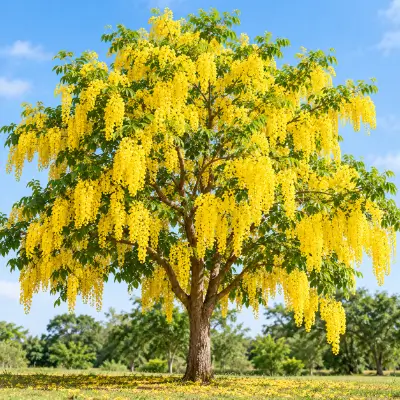
    A medium to large deciduous tree, up to 25 meters high. Bark is greyish-brown, rough, and exfoliating in irregular scales. Leaves are large, opposite, pinnate, with 3–7 leaflets. Flowers are large, trumpet-shaped, fragrant, pale purple to pink, and appear in clusters. Fruits are long, cylindrical, slightly curved pods with numerous winged seeds.

    Substitute / Adulterant:
    Sometimes adulterated with bark of other Stereospermum species like S. chelonoides.

    Phytochemicals:
    Contains lapachol, stereochenol, sterols, flavonoids, tannins, and glycosides. The root bark contains alkaloids and iridoids responsible for its anti-inflammatory and diuretic activities.

    Raspanchaka:

    • Rasa – Tikta, Katu
    • Guna – Laghu, Ruksha
    • Virya – Ushna
    • Vipaka – Katu
    • Prabhava – Shwasahara
    • Dosha Shamakta – Vata-Kaphahara

    Karma (Rogaghnata):

    • Shwasahara (relieves asthma)
    • Kaphanashaka
    • Krimighna (anti-parasitic)
    • Jwarahara (antipyretic)
    • Vranaropana (wound healing)
    • Shothahara (anti-inflammatory)
    • Anulomana (mild laxative)

    Amayika Prayoga / Therapeutic Uses:
    External – Bark paste used in localized inflammation and swelling.
    Internal – Root decoction used for asthma, cough, fever, urinary disorders, and as a digestive. Beneficial in gulma, pandu, and krimi roga.

    Part Used: Root bark

    Dose:

    • Churna – 3–6 g
    • Kwatha – 50–100 ml

    Yoga / Formulations:

    • Dashamoola Kwatha
    • Chitrakadi Vati
    • Agastya Haritaki
    • Dashamoolarishta
    • Patolakaturohinyadi Kashaya

    IUCN Status: Least Concern (LC)

    Research Updates

    1. 2023 – Study in Journal of Ayurveda and Integrative Medicine demonstrated its hepatoprotective activity in paracetamol-induced liver damage in rats.
    2. 2022 – Antioxidant and anti-inflammatory properties of Stereospermum suaveolens bark extract validated in vitro (Published in Pharmacognosy Research).
    3. 2020 – Research in Indian Journal of Experimental Biology supported the traditional claim of bronchodilatory and antiasthmatic properties of root extract.

    About Patala

    Botanical Name

    Stereospermum suaveolens DC.

    Family

    Bignoniaceae

    Identification No.

    SDACH/HG/279

    Parts Used

    Root bark

    Habitat

    Madhya Pradesh, Maharashtra, Kerala, Tamil Nadu, Karnataka, and Odisha

    IUCN Status

    Least Concern

    Plant Photos
    Ayurvedic Properties

    Rasa

    Tikta, Katu

    Guna

    Laghu, Ruksha

    Virya

    Ushna

    Vipãka

    Katu

    Contact Now

    Have queries? Contact Us.

    Have queries? We’re here to help you every step of the way.

    Contact us to get the right guidance for your academic journey at Shri Dhanwantry Ayurvedic College.

  • Ankola

    Ankola

    Ankola

    Sanskrit Name: Ankola
    Botanical Name: Alangium salvifolium
    Family Name: Alangiaceae

    Identification:SDACH/HG/278

    Vernacular Names:
    Hindi – Ankol
    Marathi – Ankola
    Tamil – Alangi
    Telugu – Ankola
    Kannada – Ankola
    Malayalam – Ankolam
    English – Sage-leaved Alangium

    Synonyms –

    “अङ्कोटो दीर्घकीलः स्यादङ्कोलश्च निकोचकः |”
    (Bhavaprakasha Nighantu, guduchyadi Varga)

    Classification
    Charaka – Not specifically mentioned
    Sushruta – Not specifically mentioned
    Vagbhata – Not specifically mentioned
    Bhavaprakasha – Mentioned under guduchyadi

    Habitat & Distribution:
    Widely distributed in dry deciduous forests and scrublands of peninsular India. Common in Rajasthan, Madhya Pradesh, Maharashtra, Karnataka, Andhra Pradesh, and Tamil Nadu. Found in open dry forests and hilly tracts, up to 1000 m altitude. Prefers dry, loamy soil.

    Morphology :
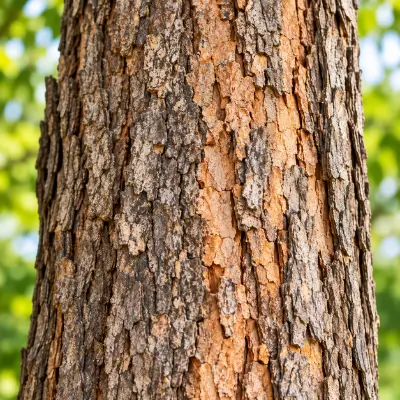
    A small, thorny deciduous tree or shrub up to 10 meters in height. Bark is rough, pale grey, exfoliating in flakes. Leaves are simple, alternate, ovate to lanceolate, and resemble sage leaves (hence “salvifolium”). Flowers are white, fragrant, borne singly or in small clusters, and appear before leafing. Fruits are ovoid, drupaceous, bluish-black when ripe, and have a single seed.

    Varieties:
    No classical or botanical varieties reported.

    Substitute / Adulterant:
    No direct substitutes in Ayurveda. Sometimes confused with similar small deciduous species in folk use.

    Phytochemicals:
    Alangin, alanginol, beta-sitosterol, saponins, tannins, flavonoids, phenolic compounds, and glycosides. Roots contain alkaloids with anthelmintic and anti-inflammatory properties.

    Raspanchaka:
    Rasa – Tikta, Katu
    Guna – Laghu, Ruksha
    Virya – Ushna
    Vipaka – Katu
    Prabhava – Krimighna
    Dosha Shamakta – Vata-Kaphahara

    Karma (Rogaghnata):
    Krimighna (anthelmintic)
    Kushthaghna (for skin diseases)
    Vata-Kaphahara
    Jwaraghna (antipyretic)
    Deepana (digestive stimulant)
    Shothahara (anti-inflammatory)

    Amayika Prayoga / Therapeutic Uses:
    External – Root paste used in skin disorders, swellings, and snake bites. Bark decoction used as wound wash.
    Internal – Root decoction for fevers, worm infestations, and skin diseases. Fruit pulp used in respiratory conditions and constipation.

    Part Used: Root bark, fruits, seeds

    Dose:
    Churna – 3–6 g
    Kwatha – 50–100 ml
    Fresh root paste – as per requirement (externally)

    Yoga / Formulations:

    • Used in classical krimighna (anthelmintic) yogas
    • Folk preparations for epilepsy, snakebite, and fever
    • Included in decoction-based formulations for kushtha and udara roga

    IUCN Status: Least Concern (LC)

    Research Updates :

    1. 2023 – Study in Journal of Ethnopharmacology validated the anti-inflammatory and analgesic properties of root extract in animal models.
    2. 2022 – In vitro studies published in Indian Journal of Traditional Knowledge demonstrated potent anthelmintic activity against Pheretima posthuma.
    3. 2021 – Research in Asian Pacific Journal of Tropical Medicine highlighted antimicrobial activity of methanolic extract of Alangium salvifolium root against E. coli and S. aureus.

    About Ankola

    Botanical Name

    Alangium salvifolium

    Family

    Alangiaceae

    Identification No.

    SDACH/HG/278

    Parts Used

    Root bark, fruits, seeds

    Habitat

    Rajasthan, Madhya Pradesh, Maharashtra, Karnataka, Andhra Pradesh, and Tamil Nadu

    IUCN Status

    Least Concern

    Plant Photos
    Ayurvedic Properties

    Rasa

    Tikta, Katu

    Guna

    Laghu, Ruksha

    Virya

    Ushna

    Vipãka

    Katu

    Contact Now

    Have queries? Contact Us.

    Have queries? We’re here to help you every step of the way.

    Contact us to get the right guidance for your academic journey at Shri Dhanwantry Ayurvedic College.

  • Patranga

    Patranga

    Patranga

    Botanical Name: Caesalpinia sappan L.


    Family Name:
    Fabaceae (Caesalpiniaceae)

    Identification No. : SDACH/HG/277

    Vernacular Names:

    Hindi – Patranga, Bakam, Bakhama;

    Tamil – Sappanwood, Patangam;

    Telugu – Sappan chekka;

    Kannada – Kaggali; Malayalam – Patangi;

    English – Sappanwood, Indian Redwood

    Synonyms :
    “पतङ्गं रक्तसारञ्च सुरङ्गं रञ्जनं तथा |
    पट्टरञ्जकमाख्यातं पत्तूरञ्च कुचन्दनम् ||”
    (Bhavaprakasha Nighantu, Haritakyadi Varga)

    Classical Classification:

    Not directly referenced in Charaka, Sushruta, or Vagbhata Samhitas; described in Bhavaprakasha under karpuradi varga

    Habitat and Distribution:

    Native to Southeast Asia; commonly found in the Western Ghats and Eastern India. Widely cultivated in Kerala, Karnataka, and Tamil Nadu. Thrives in tropical to subtropical climates with well-drained soils.

    Morphology:

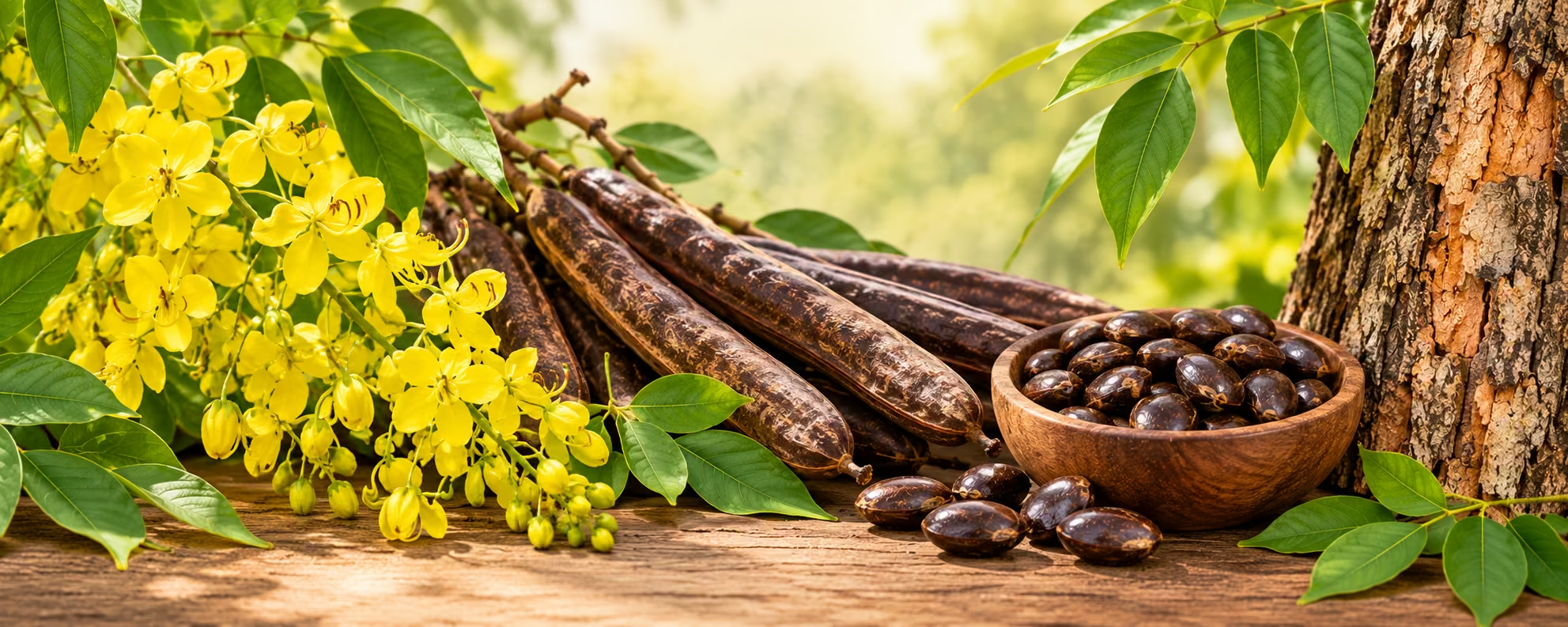
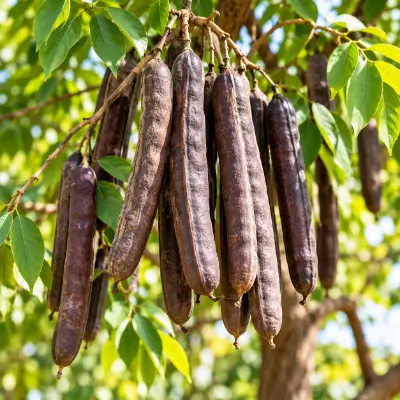
    A medium-sized thorny tree. Leaves are bipinnate with many small leaflets. Flowers are bright yellow in axillary racemes. Fruits are hard, flat, woody pods. The heartwood is deep red and used medicinally.

    Phytochemicals:

    Contains brazilin (main coloring agent), brazilein, sapanin, tannins, gallic acid, sappanol, flavonoids, and coumarins.

    Raspanchaka:
    Rasa – Tikta, Kashaya
    Guna – Laghu, Ruksha
    Virya – Ushna
    Vipaka – Katu
    Prabhava – Raktashodhaka, Varnya
    Dosha Shamakta – Kapha-Pitta hara

    Karma (Rogaghnata):

    Raktashodhaka (blood purifier),

    Varnya (enhances complexion),

    Vishaghna (detoxifying),

    Jwaraghna (antipyretic),

    Kushtaghna (for skin diseases),

    Pramehaghna (antidiabetic/urinary support).

    Amayika Prayoga / Therapeutic Uses:

    External – Powdered wood is used in lepana for skin disorders, itching, and ulcers. Decoction used as wound wash.

    Internal – Decoction used in raktapitta, kushtha, prameha, jwara, and pandu. Also beneficial in enhancing complexion.

    Part Used: Heartwood (primarily), bark and leaves occasionally used.


    Dose: Churna – 3–6 g/day; Kwatha – 50–100 ml/day; Satva – as per formulation guidelines.

    Yoga/Formulations:

    Patrangasava (widely used in gynecology),

    Patrangadi Kwatha,

    Mahamanjishthadi Kwatha,

    Kumkumadi Taila (as a complexion-enhancing agent).

    IUCN Status: Least Concern (LC)

    Research Updates (Last 5 Years):

    1. In 2022, a study in the Indian Journal of Pharmaceutical Sciences showed significant antimicrobial activity of Caesalpinia sappan heartwood, particularly against Staphylococcus aureus and Candida albicans.
    2. In 2021, a study published in the Journal of Ethnopharmacology demonstrated the anti-inflammatory and antioxidant effects of brazilin extracted from Caesalpinia sappan.
    3. In 2019, a review article in the Journal of Ayurveda and Integrative Medicine explored its application as a natural dye and its relevance in treating dermatological and gynecological conditions.

    About Patranga

    Botanical Name

    Caesalpinia sappan L.

    Family

    Fabaceae (Caesalpiniaceae)

    Identification No.

    SDACH/HG/277

    Parts Used

    Heartwood (primarily), bark and leaves

    Habitat

    Kerala, Karnataka, and Tamil Nadu.

    IUCN Status

    Least Concern

    Plant Photos
    Ayurvedic Properties

    Rasa

    Tikta, Kashaya

    Guna

    Laghu, Ruksha

    Virya

    Ushna

    Vipãka

    Katu

    Contact Now

    Have queries? Contact Us.

    Have queries? We’re here to help you every step of the way.

    Contact us to get the right guidance for your academic journey at Shri Dhanwantry Ayurvedic College.

  • Kuchandana

    Kuchandana

    Kuchandana

    Botanical Name: Adenanthera pavonina L.
    Family Name: Fabaceae (Leguminosae)

    Identification no : SDACH/HG/276

    Vernacular Names:
    Hindi – badi gumchi Laal Chandan
    Sanskrit – Kuchandana, Rakta Chandan
    Tamil – Manjadi
    Telugu – Gurivinda
    Kannada – Gulaganji
    Malayalam – Manjadikuru
    English – Coral Wood, Red Sandal Tree, Red Bead Tree

    Habitat & Distribution:
    Widely distributed throughout tropical India, especially in the Western Ghats and along the coasts of Tamil Nadu, Karnataka, Kerala, Maharashtra, and Andhra Pradesh. It is also found in Southeast Asia and Pacific Islands. Prefers tropical, humid climates and loamy to red lateritic soil.

    Morphology
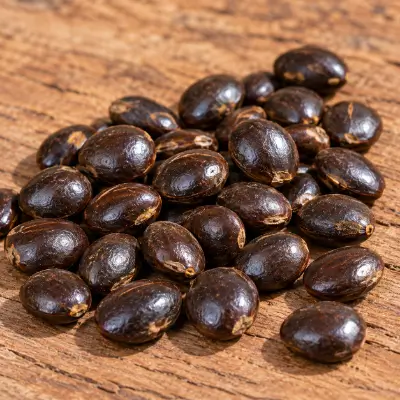
    A fast-growing, deciduous tree reaching up to 15–20 meters. Leaves are compound, bipinnate with 2–4 pairs of pinnae and 8–12 leaflets per pinna. Flowers are small, yellowish, in dense axillary racemes. Pods are flat, curved, and contain bright red, hard, shiny seeds known as “Ratti” traditionally used for weighing gold. Bark is grayish-brown and rough.

    Varieties:
    No classical varieties are described.

    Substitute / Adulterant:
    Often confused or substituted with Pterocarpus santalinus (Rakta Chandana). The seeds may be adulterated with other red-seeded plants.

    Phytochemicals:
    Major constituents include flavonoids, triterpenoids, saponins, tannins, alkaloids, proteins, and fixed oils. Specific components include oleanolic acid, kaempferol, β-sitosterol, and lupanone. Seeds are rich in proteins and essential amino acids.

    Raspanchaka:
    Rasa – Kashaya, Madhura
    Guna – Laghu, Ruksha
    Virya – Shita
    Vipaka – Madhura
    Prabhava – Raktapittahara
    Dosha Shamakta – Pitta-Kaphahara

    Karma (Rogaghnata):
    Raktapittahara (useful in bleeding disorders)
    Shothahara (anti-inflammatory)
    Jwaraghna (antipyretic)
    Vishaghna (detoxifying)
    Vranaropana (wound healing)
    Dahaghna (relieves burning sensations)

    Amayika Prayoga / Therapeutic Uses:
    External – Bark paste applied on swelling and inflammation. Leaf poultice used in joint pain and wounds. Decoction of bark used for washing wounds.
    Internal – Bark decoction used in diarrhea, dysentery, fever, and as a blood purifier. Seeds used in traditional medicine for worm infestations, gout, and anemia.

    Part Used: Bark, seeds, leaves

    Dose:
    Churna – 3–5 g
    Kwatha – 50–100 ml
    Seed powder – 1–2 g (after purification, if required)

    Yoga / Formulations:

    • Used in traditional polyherbal blood purifiers
    • Decoctions in folklore medicine for vitiated pitta disorders
    • External paste formulations for wounds and swellings

    IUCN Status: Least Concern (LC)

    Research Updates :

    1. 2023 – A study published in BMC Complementary Medicine and Therapies demonstrated hepatoprotective and antioxidant activity of Adenanthera pavonina seed extract in CCl₄-induced liver toxicity in rats.
    2. 2021 – An article in Journal of Ethnopharmacology confirmed the anti-inflammatory and analgesic activity of bark and seed extracts, suggesting its utility in arthritis.
    3. 2020 – A phytochemical study in Indian Journal of Natural Products and Resources found potent anthelmintic and antimicrobial activities in leaf and bark extracts, validating its traditional use in intestinal infections.

    About Kuchandana

    Botanical Name

    Adenanthera pavonina L.

    Family

    Fabaceae (Leguminosae)

    Identification No.

    SDACH/HG/276

    Parts Used

    Bark, seeds, leaves

    Habitat

    Tamil Nadu, Karnataka, Kerala, Maharashtra, and Andhra Pradesh.

    IUCN Status

    Least Concern

    Plant Photos
    Ayurvedic Properties

    Rasa

    Kashaya, Madhura

    Guna

    Laghu, Ruksha

    Virya

    Sita

    Vipãka

    Madhura

    Contact Now

    Have queries? Contact Us.

    Have queries? We’re here to help you every step of the way.

    Contact us to get the right guidance for your academic journey at Shri Dhanwantry Ayurvedic College.

  • Rakta Chitraka

    Rakta Chitraka

    Rakta Chitraka

    Botanical Name: Plumbago rosea Linn. (syn. Plumbago indica)


    Family Name:
    Plumbaginaceae

    Identification No.: SDACH/HG/275

    Vernacular Names:

    • Hindi: Lal Chitrak
    • Malayalam: Chethikoduveli
    • Tamil: Cheti
    • Kannada: Kemmegeddi
    • Telugu: Erra Chitrakamu
    • English: Rose-colored Leadwort

    Synonyms –

    Bhavparakash Nighantu, primarily describes Chitraka in general (including Plumbago zeylanica), Rakta Chitraka (Plumbago rosea) shares similar properties but is differentiated by its red/pink flowers.

    Classification According to Classical Texts:

    • Charaka: Not specifically mentioned as Rakta Chitraka
    • Vagbhata: Not distinctly differentiated from Shweta Chitraka
    • Bhavaprakasha: Included under “Chitraka,” but Rakta Chitraka is referenced in Nighantu.

    Habitat & Distribution:
    Native to peninsular India; found in tropical and subtropical zones. Commonly cultivated in herbal gardens and used widely in South Indian traditional medicine. Grows in well-drained soils, often seen along forest edges and hilly slopes.

    Morphology

    • Root: Cylindrical, reddish-brown, highly pungent, and acrid
    • Stem: Erect, semi-woody, reddish with swollen nodes
    • Leaves: Simple, ovate, dark green, glabrous
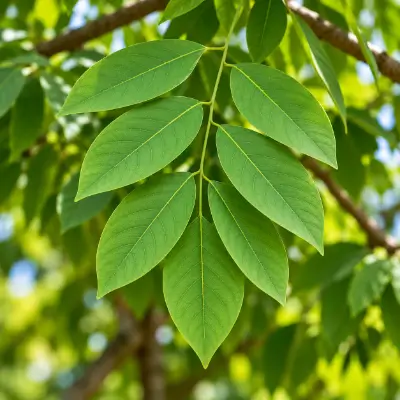
    • Flowers: Bright red or pink in terminal racemes
    • Seeds: Small, brown, enclosed in a persistent calyx

    Varieties:

    • Shweta Chitraka – Plumbago zeylanica (white flowers)
    • Rakta Chitraka – Plumbago rosea (red flowers)
    • Neela chitraka – Plumbago auriculata (blue chitraka)

    Substitute / Adulterant:

    • Often substituted with Plumbago zeylanica (Shweta Chitraka), which is more commonly available
    • Adulterants: Roots of other similar-looking species with less or no medicinal potency

    Phytochemicals:

    • Plumbagin (major bioactive compound)
    • Tannins
    • Napthoquinones
    • Glycosides
    • Sitosterol
    • Alkaloids

    Raspanchaka:

    • Rasa: Katu, Tikta
    • Guna: Laghu, Ruksha, Tikshna
    • Virya: Ushna
    • Vipaka: Katu
    • Prabhava: Deepana, Pachana
    • Dosha Shamakta: Kapha-Vatahara

    Karma (Rogaghnata):

    • Deepana (digestive stimulant)
    • Pachana (carminative)
    • Krimighna (anthelmintic)
    • Kusthaghna (useful in skin diseases)
    • Gulmanashaka (effective in abdominal masses)
    • Arshoghna (anti-haemorrhoidal)
    • Vatakaphahara
    • Shothahara

    Amayika Prayoga / Therapeutic Uses:

    External:

    • Paste used in non-healing wounds, abscesses, and skin diseases (with caution, as it’s irritant)
    • Used as a vesicant in certain local traditional practices

    Internal:

    • Root powder or decoction used in:
      • Arsha (Piles)
      • Gulma (Abdominal distension)
      • Shula (Colic pain)
      • Agnimandya (Digestive weakness)
      • Shotha (Inflammation)
      • Kushta (Skin diseases)
      • Krimi (Worm infestations)

    Part Used:

    • Root (primarily)
    • Leaves and stem (less commonly)

    Dose:

    • Churna (powder): 250–500 mg/day (cautiously, due to strong irritant nature)
    • Kwatha (decoction): 20–50 ml/day (often used in formulations)

    Yoga / Formulations:

    • Chitrakadi Vati
    • Arshoghni Vati
    • Agni Tundi Vati
    • Pippalyadi Churna
    • Often used in Rasashastra and classical anupanas like ghee or buttermilk

    IUCN Status:

    • Not Evaluated (NE)

    Research Updates (Past 5 Years):

    1. 2022 – Evaluation of anticancer activity of plumbagin isolated from Plumbago rosea on breast cancer cell lines – Published in Journal of Cancer Research and Therapeutics, demonstrating cytotoxic effect through apoptosis induction.
    2. 2021 – Anti-inflammatory and antioxidant activity of Plumbago rosea extract in animal models of inflammation – Published in Phytotherapy Research; showed significant reduction in inflammation and oxidative stress.
    3. 2019 – Plumbagin as a potent antimicrobial and antifungal agent from Plumbago rosea – Published in Asian Journal of Pharmaceutical and Clinical Research. Highlighted its efficacy against resistant strains of bacteria and fungi

    About Rakta Chitraka

    Botanical Name

    Plumbago rosea Linn. (syn. Plumbago indica)

    Family

    Plumbaginaceae

    Identification No.

    SDACH/HG/275

    Parts Used

    Root bark, Leaves, Flowers, Fruit pulp

    Habitat

    India, Sri Lanka, Nepal

    IUCN Status

    Least Concern

    Plant Photos
    Ayurvedic Properties

    Rasa

    Katu, Tikta

    Guna

    Laghu, Ruksha, Tikshna

    Virya

    Ushna

    Vipãka

    Katu

    Contact Now

    Have queries? Contact Us.

    Have queries? We’re here to help you every step of the way.

    Contact us to get the right guidance for your academic journey at Shri Dhanwantry Ayurvedic College.

  • Asana

    Asana

    Asana

    Sanskrit Name: Asana

    Identification No.: SDACH/HG/274

    Botanical Name: Pterocarpus marsupium Roxb.
    Family Name: Fabaceae (Leguminosae

    Vernacular Names

    Hindi name- Vijayasara, Vijaysar, Beejasaar, Beejsar, Bij Sar

    English name- Indian Kino tree, Malabar Kino tree

    Tamil name – Vegai, Venga katal

    Telugu name- Vegisa, Peddagi

    Malayalam name- Venga

    Kannada name- Banga, Bange mara

    Bengali name – Peetashal, Piyasal

    Marathi name – Vivala, Bibala

    Gujarati name – Biyo

    Oriya name Piashala

    Urdu name – Bijasar

    Synonyms


    बीजकः पीतसारश्च पीतशालक इत्यपि ।

    बन्धूकपुष्पः प्रियकः सर्जकश्चासनः स्मृतः ॥२८॥

    Classification According to Ayurvedic Texts:

    Susruta- Salaasaradi gna

    Vabhata- Asanadi Gana

    Kaiyadeva Nighantu – Oshadhi Varga

    Dhanvantari Nighantu – Amradi Varga

    Bhavaprakasha – Vatadi Varga

    Rajanighantu – Prabhadradi Varga

    Habitat & Distribution

    Native to India, Nepal, and Sri Lanka, Pterocarpus marsupium thrives in the dry deciduous forests of the Western Ghats, Central India, and sub-Himalayan regions, at elevations up to 1200 meters.​

    Morphology:
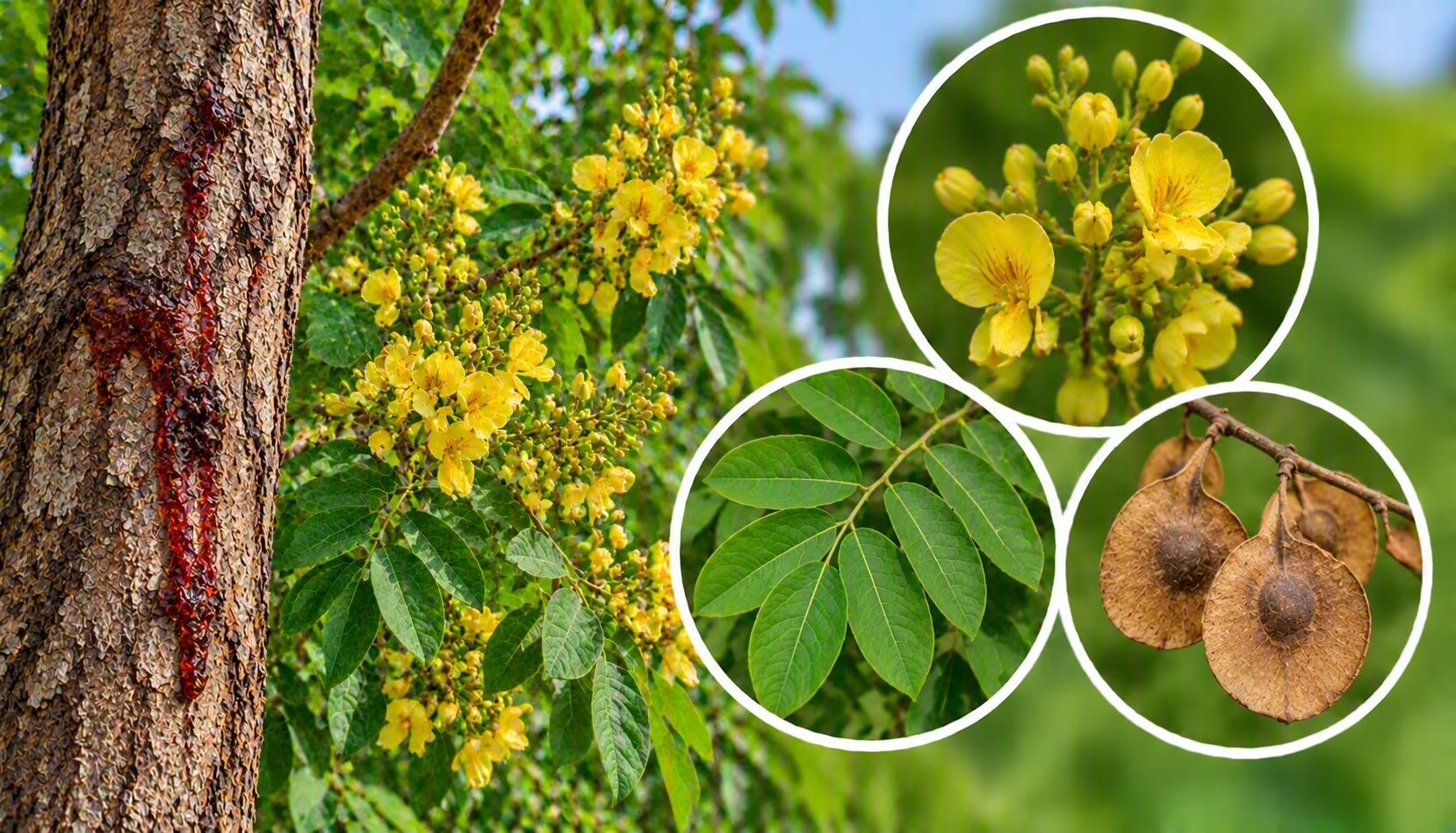
    A medium to large deciduous tree, reaching heights up to 30 meters. The bark is greyish-brown, exuding a ruby-red resin known as ‘kino’. Leaves are compound, alternate, and imparipinnate. Flowers are yellow, arranged in panicles. Fruits are flat, winged pods containing one to two seeds.​

    Varieties:
    No distinct varieties documented.​

    Substitute/Adulterant:
    Terminalia tomentosa, Dried juice of Butea monosperma (Bengal kino): Used as a substitute and adulterant of Indian kino.

    Phytochemicals:
    Pterocarpol, Marsupol, Maesupin, Carpusin (Marsupsin), (-) epicatechin, Propterol, Pterosupin, Marsupinol, Lupeol. Resin contains Kino tannic acid, Pyro catechin, epicatechin. Kino tannic acid is found in heartwood.

    Rasapanchaka:

    • Rasa: Tikta , Kashaya
    • Guna: Laghu, Ruksha
    • Virya: Sheeta
    • Vipaka: Katu
    • Prabhava: Madhumeha hara
    • Dosha Shamakta: Kapapitta shamaka
    • Karma (Therapeutic Actions):
      Antidiabetic, hepatoprotective, anti-inflammatory, antioxidant, antimicrobial, astringent.​

    Amayika Prayoga/Therapeutic Uses:

    • External: Paste of bark applied on wounds, ulcers, and skin diseases.
    • Internal: Decoction used in managing diabetes, diarrhea, and bleeding disorders.​

    Part Used: Heartwood, bark, resin.
    Dose: Powder: 3–6 g; Decoction: 50–100 ml.​

    Yoga/Formulations:

    • Vijaysar Churna
    • Asanadi Kwatha

    IUCN Status: Pterocarpus marsupium is listed as Near Threatened under criteria C1.

    Research Updates

    1. 2024: Comprehensive review underscored the plant’s antioxidant and anti-inflammatory properties, validating its traditional uses.
    2. 2025: Recent research focused on the antidiabetic potential of P. marsupium bark extract, demonstrating significant glucose-lowering effects.

    About Asana

    Botanical Name

    Pterocarpus marsupium Roxb.

    Family

    Fabaceae (Leguminosae)

    Identification No.

    SDACH/HG/274

    Parts Used

    Heartwood, bark, resin.

    Habitat

    India, Sri Lanka, Nepal

    IUCN Status

    Near Threatened

    Plant Photos

    Ayurvedic Properties

    Rasa

    Tikta , Kashaya

    Guna

    Laghu, Ruksha

    Virya

    Sita

    Vipãka

    Katu

    Contact Now

    Have queries? Contact Us.

    Have queries? We’re here to help you every step of the way.

    Contact us to get the right guidance for your academic journey at Shri Dhanwantry Ayurvedic College.

  • Vrikshamla

    Vrikshamla

    Vrikshamla

    Sanskrit Name:

    Kokum

    Identification No.:

    SDACH/HG/273

    Botanical Name:

    Garcinia indica Chois.

    Family Name:

    Clusiaceae (formerly Guttiferae)

    Vernacular Names:

    Hindi name- Kokum, Kokam, Komal, Amlaveta, Vishambila

    English name – Kokum butter tree, Wild mangosteem, Kokum Butter tree, Red mango, Mate

    mongosteen, Kokam batten tree, Mangosteen oil tree, Brindonia tallow tree

    Bengali: Mahada

    Bombay: Kokam, Amsul, Katambi, Bhirand

    Kannada name – Dhupadamara, Murgala, Tittidika, Murgmahali, Murgala, Huli, Punarpuli.

    Deccan name – kokam, Ratambi

    Goa name Brindao, Amsel. Ratainbasal, Brindoesiro

    Gujarati name – Kokam, Ratamba, Kokambel, Birandel

    Kashmiri name – Titidika

    Konkani: Birondd, Ratambi, Birondi

    Malayalam name – Punampuli

    Synonyms:

    Garcinia mangostana L., Garcinia cowa Roxb.

    Shloka from Bhav Prakash:

    वृक्षाम्लं तिन्तिडीकञ्चचुक्रं स्यादम्लवृक्षकम् ।

    वृक्षाम्लमाममम्लोष्णं वातघ्नं कफपित्तलम् ॥ पक्वन्तु गुरु संग्राहि कटुकं तुवरं लघु ॥१४८॥

    Classification According to Ayurvedic Texts:

    Charaka- Phala varga (Charaka Sutrasthana 27) Hrdya (Charaka Sutrasthana 4)

    Sushrutha Samhitha-  Parushakadi varga

    Raja Nighantu – Pippalyadi Varga, Panchamla Phala,

    Kaiyadeva Nighantu – Aushadhi Varga

    Dhanvantari Nighantu – Shatapushpadi Varga

    Bhava Prakasha – Chaturamla, Panchamla, Amradi Phalavarga

    Habitat & Distribution:

    It is reported to flourish well on the lower slopes of Nilgirihills, Singapore, China, Malabar, Malayasia, Maharastra, Kerala. Tropical rain forests of Western ghats from Konkan southwards in Mysore, Coorg, wayanad, North Kanara, Goa. It is often planted in the districts of Bombay state distributed in tropical Asia, Africa and Polynesia. Found in western Ghats of India, Andaman and Nicobar Islands

    Morphology:

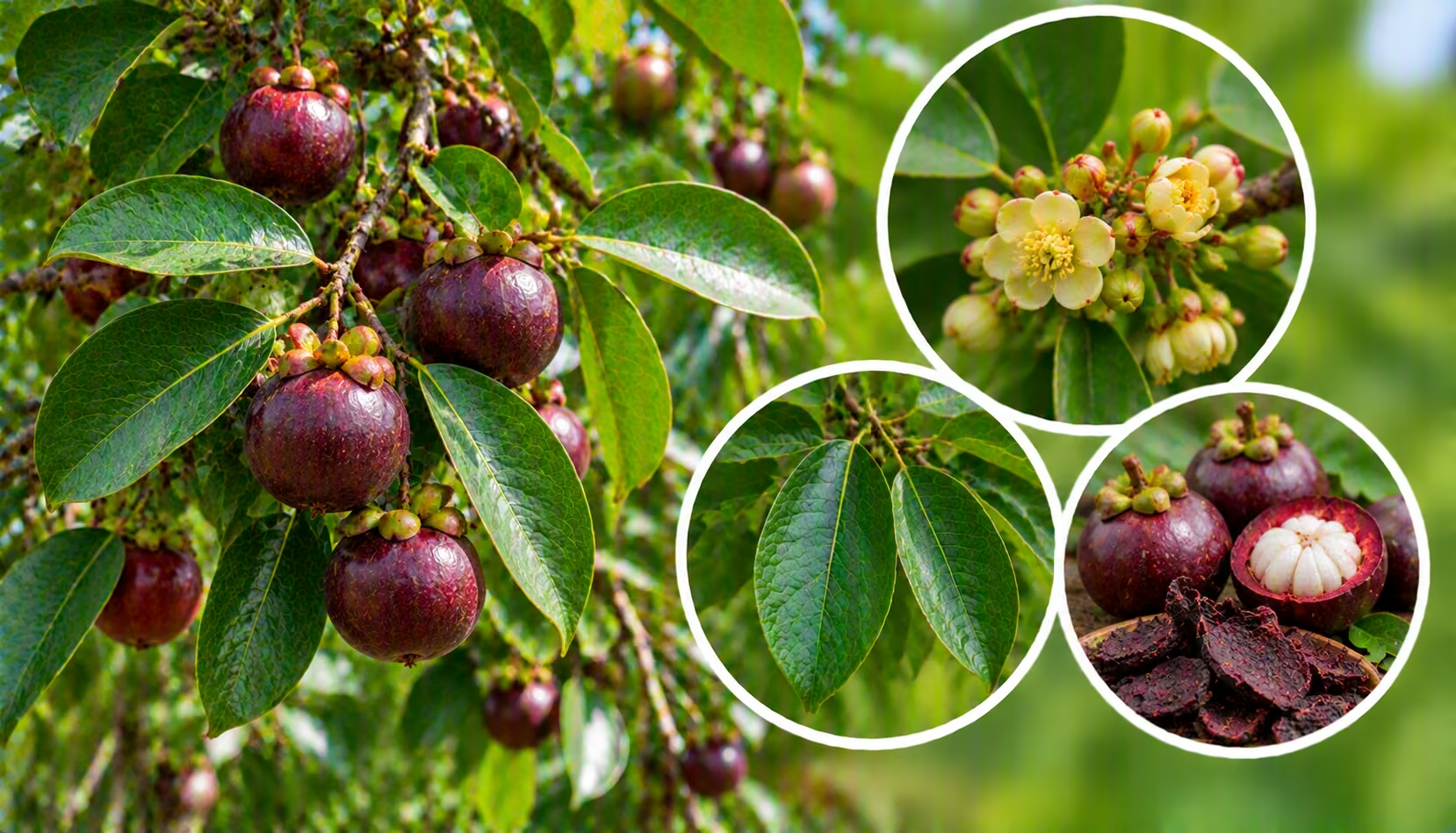
    A small evergreen tree or shrub, growing up to 15 meters in height. Leaves are simple, opposite, and ovate. Fruits are small, round, dark purple, and glossy with a sour pulp, containing numerous seeds inside.

    Varieties:

    No distinct varieties documented.

    Substitute/Adulterant:

    One common substitute is Garcinia gummi-gutta, also known as Kodampuli. Adulteration can also involve the use of inferior or exhausted rinds.

    Phytochemicals:

    The fruit contains hydroxycitric acid (HCA), anthocyanins, xanthones, and other flavonoids. The rind has anti-inflammatory, antioxidant, and analgesic properties.

    Rasapanchaka:

    • Rasa: Amla
    • Guna: Laghu, Ruksha
    • Virya: Ushna
    • Vipaka: Amla
    • Prabhava (Specific action): Rochana
    • Dosha Shamakta: kapavata shamaka
    • Karma (Therapeutic Actions):

    Astringent, digestive, anti-inflammatory, antimicrobial, antioxidant.

    Amayika Prayoga/Therapeutic Uses:

    • External: Used in treatment of burns, wounds, and as a skin tonic.
    • Internal: Aids digestion, relieves indigestion, treats ulcers, and provides relief from inflammation and fever.

    Part Used:

    Fruit, Taila, Mulatwaka

    Dose:

    Fruit rind powder: 1–3 g; Juice: 50–100 ml, phalapanak- 10-20ml

    Yoga/Formulations:

    • Kokum Sharbat
    • Garcinia Capsules
    • Kokum Butter

    IUCN Status:

    Garcinia indica is listed as Vulnerable under criteria A2cd.

    Research Updates

    1. 2022: A study on the anti-inflammatory properties of Kokum extracts showed significant inhibition of cyclooxygenase enzymes.
    2. 2021: Research highlighted the antioxidant effects of Kokum fruit rind and its potential in managing oxidative stress.
    3. 2019: Study on Kokum’s role in lowering cholesterol and improving lipid metabolism, showing its potential for managing heart diseases.

    About Vrikshamla

    Botanical Name

    Garcinia indica Chois.

    Family

    Clusiaceae (formerly Guttiferae)

    Identification No.

    SDACH/HG/273

    Parts Used

    Fruit, Taila, Mulatwaka

    Habitat

    Nilgirihills, Singapore, China, Malabar, Malayasia, Maharastra, Kerala

    IUCN Status

    Vulnerable

    Plant Photos

    Ayurvedic Properties

    Rasa

    Amla

    Guna

    Laghu, Ruksha

    Virya

    SitaUshna

    Vipãka

    Amla

    Contact Now

    Have queries? Contact Us.

    Have queries? We’re here to help you every step of the way.

    Contact us to get the right guidance for your academic journey at Shri Dhanwantry Ayurvedic College.

  • Kankushta

    Kankushta

    Kankushta

    Sanskrit Name: Kankushta
    Identification No.: SDACH/HG/272​

    Botanical Name: Garcinia morella (Gaertn.) Desr.
    Family Name: Clusiaceae (formerly Guttiferae)
    Vernacular Names

    Hindi name – Tamal

    English name- Indian Gambose, Gamboge, Gambogia, Gummi gutti

    Tamil name- Pumakki, iravasinni (Q),

    Telugu name- Chikata Chetu

    Malayalam name- Chigiri, iravi,

    Assamese name – Kujee Thekera

    Kannada name ardala, devana huli, jirigehuli, murina huli, ponpuli

    Synonyms: Shloka (Bhav Prakash):

    तमाल उक्तस्तापिच्छः कालस्कन्धोऽमितद्रुमः ।

    लोकस्कन्धो नीलध्वजो तमालः शालवद्वेद्यो दाहविस्फोटहत् पुनः ॥४३॥

    Classification According to Ayurvedic Texts:

    • Bhavaprakasha – Vatadi Varga
    • Kaiyadeva Nighantu – Aushadhi Varga
    • Rajanighantu – Prabhadradi Varga
    • Bhavaprakasha- Dhatu upadhatvadi varga
    • Dhanvantari Nighantu- Chandanadi varga
    • Kaiyyadeva Nighantu- Oushadhi varga
    • Raja Nighantu- Suvarnadi varga
    • Shodala Nighantu- Chandanadi varga ​

    Habitat & Distribution:

    Native to India and Sri Lanka, Garcinia morella thrives in the semi-evergreen to evergreen forests of the Western Ghats, including regions of Kerala, Karnataka, and Maharashtra. ​

    Morphology:

    An evergreen tree reaching up to 18 meters in height. The bark is brownish-grey to dark brown, smooth, with a dark yellow blaze and sticky exudation. Leaves are simple, opposite, and elliptic-obovate, measuring 6–16 cm in length. The tree produces yellow to orange fruits known for their sour taste.

    Varieties:

    1. Nailka (cylindrical) – reddish yellow in colour – greatest.

    2. Renuka (Granular) – blackish yellow – least.

    Mangostana morella Gaertn.; Garcinia elliptica Wall.; Garcinia gutta Wt. ​

    Substitute/Adulterant:

    Other Garcinia species like Garcinia indica and Garcinia cambogia are sometimes used as substitutes due to similar phytochemical profiles.​

    Phytochemicals: Seed coat- Morellinol, morellin, Heartwood- Morellaflavone, The xanthonoids gaudichaudione A, B, C, D, E, F, G, H, gaudichaudiic acid A, B, C, D, E, morellic acid

    Rasapanchaka:

    • Rasa: katu, tikta
    • Guna: Laghu (light), Ruksha (dry)
    • Virya: Ushna
    • Vipaka: Katu
    • Prabhava (Specific action): tikshan virachana
    • Dosha Shamakta: kaphapitta hara

    Karma (Therapeutic Actions): Digestive aid, anti-inflammatory, hepatoprotective, antioxidant, antimicrobial.​

    Amayika Prayoga/Therapeutic Uses:

    • External: Application of resin for skin ailments and wound healing.
    • Internal: Used in treating digestive disorders, liver ailments, and as an appetite stimulant.​

    Part Used:  resin.
    Dose: Resin: 50-125 mg

    Yoga/Formulations: Hingvadi Churna, Vayu Gulika

    IUCN Status: Garcinia morella is listed as Least Concern.

    Research Updates

    1. 2020: Comprehensive review highlighting the phytochemicals and biological activities of Garcinia morella, emphasizing its antioxidant and antimicrobial properties.
    2. 2021: Study on the garcinol-enriched fraction of Garcinia morella fruit demonstrating potential in managing metabolic disorders.
    3. 2023: Research indicating the efficacy of garcinol from Garcinia morella in inducing apoptosis in cancer cells, suggesting its potential as an anticancer agent. 

    About Kankushta

    Botanical Name

    Garcinia morella (Gaertn.) Desr.

    Family

    Clusiaceae (formerly Guttiferae)

    Identification No.

    SDACH/HG/272

    Parts Used

    resin

    Habitat

    India and Sri Lanka

    IUCN Status

    Least Concern

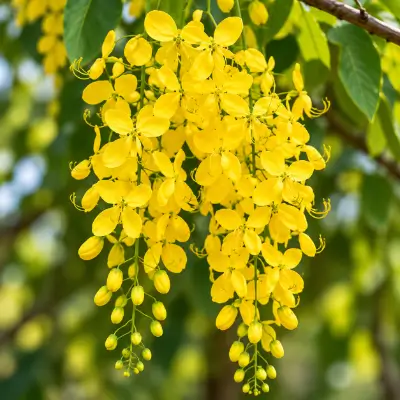
    Plant Photos
    Ayurvedic Properties

    Rasa

    katu, tikta

    Guna

    Laghu (light), Ruksha (dry)

    Virya

    Ushna

    Vipãka

    Katu

    Contact Now

    Have queries? Contact Us.

    Have queries? We’re here to help you every step of the way.

    Contact us to get the right guidance for your academic journey at Shri Dhanwantry Ayurvedic College.

  • Amlavetasa Bheda

    Amlavetasa Bheda

    Amlavetasa Bheda

    Sanskrit Name

    • Bhavishya, Kalakhanda, Kusumodar

    Identification No.– SDACH/HG/271

    Botanical Name

    • Garcinia xanthochymus Hook.f. ex T. Anderson

    Family Name

    • Clusiaceae (Guttiferae)

    Vernacular Names

    • Hindi: Jharambi, Tamal, Tumul
    • Assamese: Tepor tenga
    • Bengali: Dephal, Dambel, Tamal
    • Manipuri: Heirangoi
    • Kannada: Devajarige, Devangi
    • Malayalam: Anavaya, Pinar
    • Tamil: Pachilai
    • Telugu: Ivarumamidi
    • Nepali: Chunyal
    • Mizo: Tuaihabet
    • English: False Mangosteen, Himalayan Garcinia, Sour Mangosteen

    Synonyms

    • Garcinia pictoria (Roxb.) Engl.
    • Garcinia tinctoria (DC.) W. Wight
    • Xanthochymus pictorius Roxb.
    • Garcinia roxburghii Kurz

    Ayurvedic Classification

    Charaka- Hrudyamahakashy, Amla Skanda, Deepaniyamahakshya,

    Kaiyadeva Nighantu – Oshadi Varga

    Dhanvantari Nighantu – Shatapushpadi Varga

    Bhavaprakasha – Amradi Phalavarga, Chaturamla, Panchamla

    Rajanighantu – Pippalyadi Varga

    Habitat & Distribution

    • Found in humid forests up to 1400 meters elevation
    • Native to India, Southern China, Japan, Indochina, and Peninsular Malaysia

    Morphology

    • Evergreen tree up to 15 meters tall
    • Leaves: Oblong to lanceolate, 15.4–30.5 cm long
    • Flowers: Greenish-white, in clusters of 4–10
    • Fruits: Yellow, 5–8.9 cm in diameter, containing yellow pulp and about 5 seeds

    Varieties

    1. Rheum emodi

    2. Solena heterophylla

    3. Rumex vesicarius

    4. Cissus repens

    5. Cissus vitiginea

    6. Ampelocissus latifolia

    7. Cayratia trifolia

    Substitute/Adulterant

    Legal substitute: As per Bhavaprakasha, the legal substitute for Amlavetasa is Chukra

    Phytochemicals

    Garcinia xanthochymus Contains the Following nutritional components like – Vitamin-B and C; Phenolic compounds, Fukugetin, Fukugiside, Glycoside, Xanthones – garcinenone; Magnesium, Manganese, Potassium

    Raspanchaka

    • Rasa (Taste): Amla
    • Guna (Quality): Laghu, Ruksha
    • Virya (Potency): Ushna
    • Vipaka (post-digestive effect: Amla
    • Prabhava (Specific action): Not specified
    • Dosha Shamakta: kaphavata hara
    • Karma (Therapeutic Actions)
    • Antioxidant, antidiabetic, antimicrobial, anti-inflammatory, cytotoxic, nerve growth factor-potentiating activities

    Amayika Prayoga/Therapeutic Uses

    • External: Paste of young branches applied on boils
    • Internal:
      • Fruit: Antiscorbutic, digestive, emollient
      • Bark: Astringent
      • Leaf decoction: Useful in diarrhea
      • Roasted young leaves: Used in dysentery
      • Seed butter: Used in pulmonary affections, dysentery, goitre

    Part Used

    • Fruit

    Dose

    Juice 5-10 ml, Curna (Powder) 3 – 6 g

    Yoga/Formulations: Kankayan vati, Laghvanand Rasa, Hingvadi vati, Ashtang Lavana Churna

    IUCN Status

    Garcinia xanthochymus is listed as Least Concern.

    Research Updates

    1. Phytochemical and Functional Characterization (2022):
      • Comprehensive analysis of different fruit parts revealed high antioxidant and antidiabetic potentials, especially in the peel
    2. Phytochemical Constituents and Pharmacological Properties Review (2018):
      • Summarized various phytochemicals and their pharmacological activities, including antioxidant and antimicrobial effects
    3. Taxonomic Revision in Thailand (2023):
      • Detailed study on the taxonomy and conservation status, confirming its classification as Least Concern

    About Amlavetasa Bheda

    Botanical Name

    Garcinia xanthochymus Hook.f. ex T. Anderson

    Family

    Clusiaceae (Guttiferae)

    Identification No.

    SDACH/HG/271

    Parts Used

    Fruit

    Habitat

    India, Southern China, Japan, Indochina, and Peninsular Malaysia

    IUCN Status

    Least Concern

    Plant Photos

    Ayurvedic Properties

    Rasa

    Amla

    Guna

    Laghu, Ruksha

    Virya

    Ushna

    Vipãka

    Amla

    Contact Now

    Have queries? Contact Us.

    Have queries? We’re here to help you every step of the way.

    Contact us to get the right guidance for your academic journey at Shri Dhanwantry Ayurvedic College.

  • Sarja

    Sarja

    Sarja

    Sanskrit Name:

    Sarja

    Identification No.:

    SDACH/HG/270

    Botanical Name:

    Vateria indica L.

    Family Name:

    Dipterocarpaceae

    Vernacular Names:

    English name- White Dammer Tree, Dammer (gum), Piney Resin tree, Indian Copal Tree

    Kannada Name – Dhoopada mara, Bili Dhoopa,

    Hindi name- Safed dammar, Kharuva

    Telugu name- Tella Damaramu

    Tamil name- Vellai Kungiliyam, Vellai Kundurikam, Paini pisin,

    Malayalam name- Vella Kundurukkam, Paini pasha

    Synonyms:

    सर्जकोऽन्योऽजकर्णः स्याच्छालो मरिचपत्रकः ॥२०॥

    अजकर्णः कटुस्तिक्तः कषायोष्णो व्यपोहति । कफपाण्डुश्रुतिगदान् मेहकुष्ठविषन्त्रणान् ॥२१॥(Bhav Prakash)

    Classification According to Ayurvedic Texts:

    Kaiyadeva Nighantu – Aushadhi Varga

    Dhanvantari Nighantu – Amradi Varga

    Raja Nighantu – Prabhadradi Varga

    Bhava Prakasha Nighantu – Vatadi varga

    Habitat & Distribution:

    Endemic to the Western Ghats of India, particularly in Kerala, Tamil Nadu, and Karnataka. Found in evergreen and semi-evergreen forests.

    Morphology:

    A large evergreen tree reaching up to 40–60 meters in height. Bark is smooth, grey with green and white blotches, exuding a white aromatic resin when scarred. Leaves are simple, alternate, leathery, and elliptic-oblong. Flowers are white, fragrant, and arranged in terminal panicles. Fruit is a pale brown capsule containing a single seed.

    Varieties:

    Vateria malabarica Blume

    Substitute/Adulterant:

    Resin from Shorea robusta (Shaal) is sometimes used as a substitute.

    Phytochemicals:

    • Stem Bark: Contains stilbenoids such as vateriaphenols A and B, bergenin, and high levels of phenolic and flavonoid compounds.
    • Leaves: Yield resveratrol derivatives including vateriaphenols D, E, and F, as well as vateriosides A and B.
    • Resin: Rich in triterpenes, essential oils, and sesquiterpenes.

    Rasapanchaka:

    • Rasa: Kashaya (astringent), Tikta (bitter)
    • Guna (Quality): Snigdha (unctuous)
    • Virya (Potency): Sheeta (cooling)
    • Vipaka (post-digestive effect): Katu (pungent)
    • Prabhava (Specific action): Mutrasagrahniya
    • Dosha Shamakta: Balances Kapha and Vata doshas

    Karma (Therapeutic Actions):

    Tonic, carminative, expectorant, wound healing, anti-inflammatory, antibacterial.

    Amayika Prayoga/Therapeutic Uses:

    • External: Treatment of skin diseases, boils, blisters, and infected wounds using Sarja taila.
    • Internal: Management of cough, asthma, diarrhea, dysentery, anemia, leprosy, ulcers, and rheumatism.

    Part Used:

    Bark, Gum

    Dose:

    Dosage- Bark decoction 50-100 ml, powder 1-3 g

    Yoga/Formulations:

    • Shatyadi Kshaya
    • Shatyadi Yoga
    • Chyavanaprasha
    • Amritaprasha Ghrita
    • Sarja Taila
    • Lavangadi Churna

    IUCN Status:

    Vateria indica is listed as Vulnerable under criteria A2cd.

    Research Updates

    1. 2020: Isolation of novel resveratrol derivatives from leaves, including vateriaphenol F and vateriosides A and B, demonstrating antioxidant properties.
    2. 2020: Comprehensive study on chemical constituents of leaves, identifying 33 known compounds and highlighting the presence of resveratrol oligomers.
    3. 2018: Review of pharmacological activities indicating presence of fatty acids like stearic, oleic, and palmitic acids in dhupa fat, and therapeutic potentials in treating various ailments.

    About Sarja

    Botanical Name

    Vateria indica L.

    Family

    Dipterocarpaceae

    Identification No.

    SDACH/HG/270

    Parts Used

    Bark, Gum

    Habitat

    Kerala, Tamil Nadu, and Karnataka

    IUCN Status

    Vateria indica is listed as Vulnerable under criteria A2cd.

    Plant Photos

    Ayurvedic Properties

    Rasa

    Kashaya (astringent), Tikta (bitter)

    Guna

    Snigdha (unctuous)

    Virya

    Sheeta (cooling)

    Vipãka

    Katu (pungent)

    Contact Now

    Have queries? Contact Us.

    Have queries? We’re here to help you every step of the way.

    Contact us to get the right guidance for your academic journey at Shri Dhanwantry Ayurvedic College.