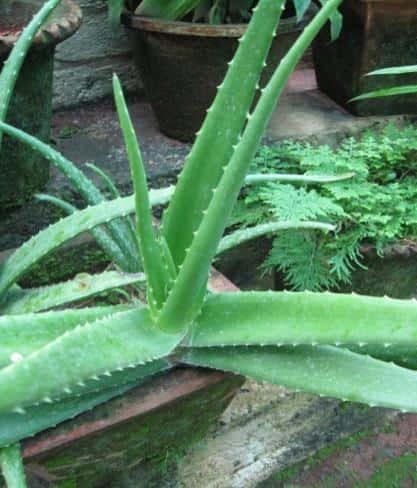
Botanical Name: Andrographis panicultata
Family: Acanthaceae
Identification No: SDACH/HG/008
Introduction:
In south India Andrographis panicultata using as ‘kirata tikta’ and in North Swertia chirata is using.
Latin name Andrographis = denoting male, andro = male; paniculata = having an inhiorescence the axis of which is divided into branches bearing two or more flowers: panicula= tuft, a loose cluster of flowers
Names in different Indian languages:
English: Creat,green chiretta,kalmegh
Hindi : Kalmegh,kalpaath
Kannada : Nelaberu
Malayalam : Nilavepu,kiriyatta
Sanskrit : Bhunimbah,kiriyatta
Tamil : Nilavempu
Telugu : Nelavemu
Synonyms:
Shloka from Bhavprakash Nighantu:
किरात तिक्तः कटुकः कषायो मेषशृङ्गजाः।
तिक्तः शाकाङ्गः शङ्खिनी भू निम्बश्च कालमेघः॥
Kaalmegha, Bhuunimba, Bhuuminimbaka, Vishwambharaa, Yavtikta, Kalpanaatha, Kiraata-tikta
Morphology:
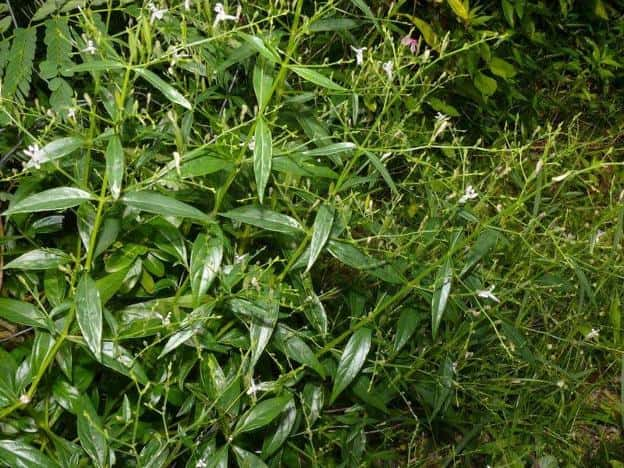
It is a small herb about 40 cm. to 60 cm. high. Stem quadrangular lower part is slimy while upper part is hairy.
Leaves – 5 to 7 cm. long.
Flowers – small, white or blue (rare) , look like mosquitoes from distance.
Fruits – bitter.
Seeds- numerous quadrangular.
Whole plant is very much bitter. The plant bears flowers and fruits from autumn to winter.
Properties:
Guna : laghu, ruksha, tikshna;
Rasa : tikta
Vipak : katu;
Veerya: ushna;
Karma : Jwaraghna, vranahara, kushtaghna
Hepatoprotective, cholinergic, antispasmodic, stomachic, anthelmintic, alterative, blood purifier, febrifuge:
Indications:
Sanipatha jwara, kandu, meham, sula, vrana, svasa, kasa, sopham, daham
Fever, jaundice , Liver disorder , flatulence , diarrhea , colic, splenomegaly
Part Used:
Whole plant
Dosage:
Leaf juice 10-15 ml
Powder 2-4 g
Decoction 50-100 ml
External uses:
Being an appetizer, liver stimulant, laxative and vermifuge, it is used in loss of appetite, liver and spleen enlargement, constipation, jaundice and worms. in fever with rigors, mixture of black pepper and kalamegh is useful. It is also effective in chronic fever and general debility.
Important research work going on:
(1) chronic liver diseases
(2) antipsychotic activity
(3) arthritis
(4)hypoglycaemic effect
(5) blood sugar level
Amayika Prayoga (Therapeutic Uses) :
(1) sotha— Kalka of Kirtatiktã and Sunthi are to be taken with Punarnav decoction (V.M.)
(2) Jvara— Hot infusion of Kiratatikta4sgjen with Dhanyaka leaves (S.B.M.)
(3) Rakta pitta— Kirata tikta is given along with Chandana
(C.S.Ci. 4).
IUCN Status
Least Concern (LC).
Research Updates (Past 5 Years)
1. Antiviral Activity (2020): Andrographolide showed efficacy against dengue and respiratory viruses.
2. Hepatoprotective (2021): Clinical trials confirmed liver-protective effects in hepatitis patients.
3. Anti-inflammatory (2022): Studied for reducing cytokine storms in COVID-19.
Contact Now
Have queries? We’re here to help you every step of the way.
Contact us to get the right guidance for your academic journey at Shri Dhanwantry Ayurvedic College.
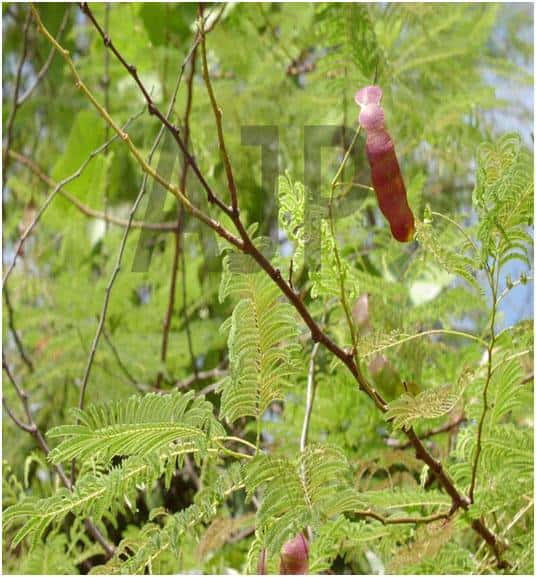
Botanical Name: Cassia fistula Linn.
Family: Caesalpiniaceae
Identification No.: SDACH/HG/001
Introduction: In Vedic literature the dried branches of Aragvadha are used for ritual performance Several external applications containing Aragvadha are mentioned in Ayurveda ( psoriasis etc.)
Scientific classification: Sennas belong to the subfamily Caesalpinioideae, family Fabaceae (formerly Leguminosae). Alexandrian senna is classified as Cassia acutifolia. The species from which tinnivelly, or Indian senna, is obtained is classified as Cassia angustifolia
Names in different Indian languages:
English : Indian Laburnum,Purging Cassia,Golden Shower
Hindi: Amaltas,girimala
Kannada: Phallus,kakke,kakke mara
Malayalam: Konna,kanikonna
Sanskrit: Aaragvadha
Tamil: Sarakkonrai
Telugu: Rela,kondrakaya,aragvadamu
Synonyms:
Chaturaangula, Kritamaala, Kritmaalaka, Karnikaara, Shampaaka, Praagraha, Raajvrksha, Nripapaadapa, Raajadruma, Vyaadhighaataka, Aarevata.
Cassia rhombifolia Roxb
Classification according to Charaka, Susrutha & Vagbhata:
Charaka: Kusthaghna, Kandüghna, Tiktaskandha, Virechana
Susrutha: Aragvadhadi, Syamadi, Slesmasamsamana, Adhobhagahara
Vagbhata: Aragvadhãdi, syãmadi
Varieties & adulterants – (CV – controversy, AD – adulterants):
1.Karnikara
2.Pãlevatam
3. Madhura (sweet)
4. Amla (sour)
5. praravata- Psidium guyava
6. Garcinia mangostan.
Cassia roxburghii – AD
Morphology:
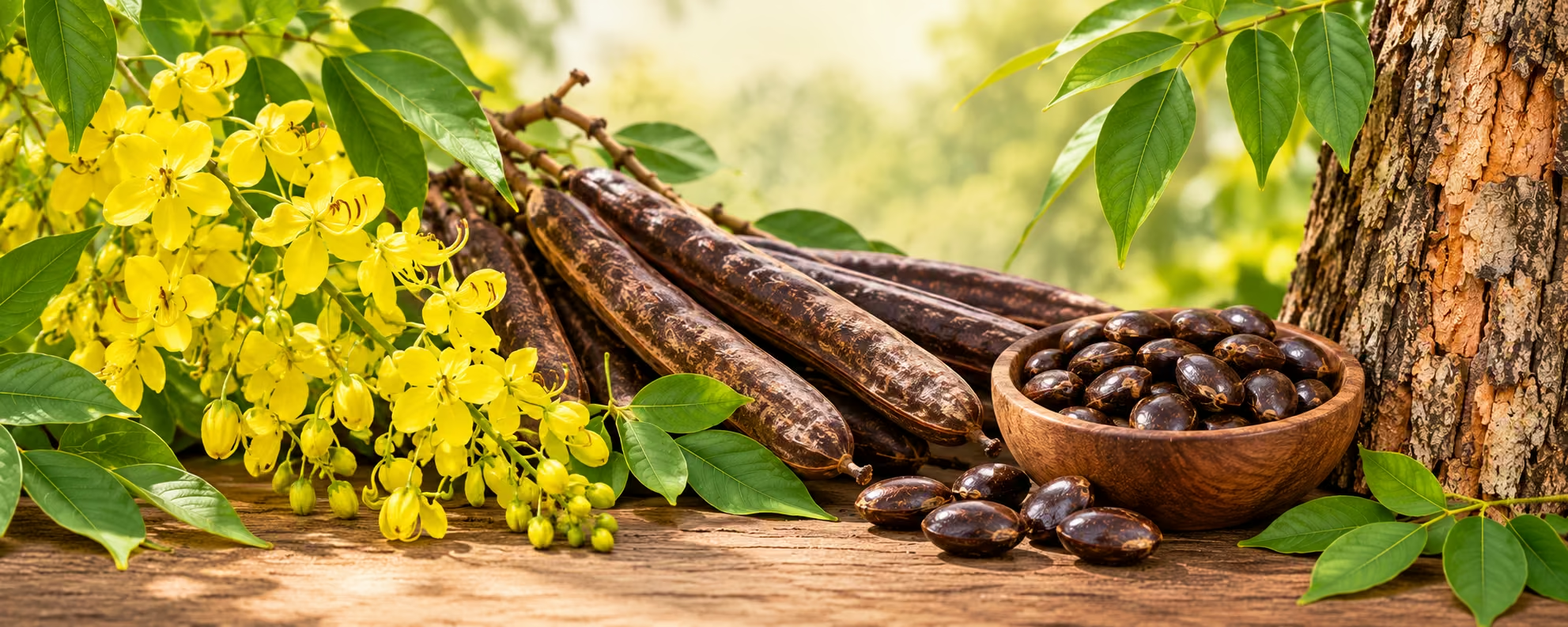
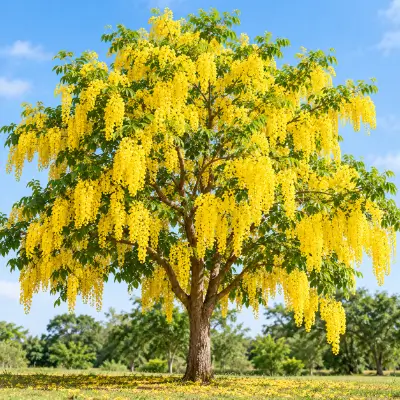
It is moderate-sized tree, 10-12 m. in height.
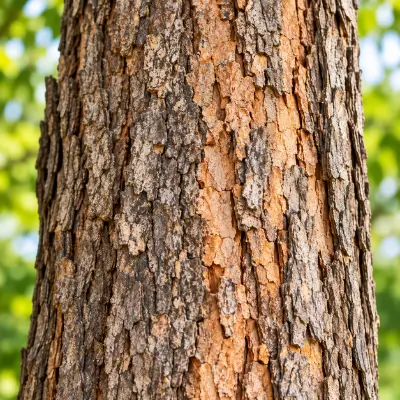
Bark- greenish-grey, smooth when young then brick-red.
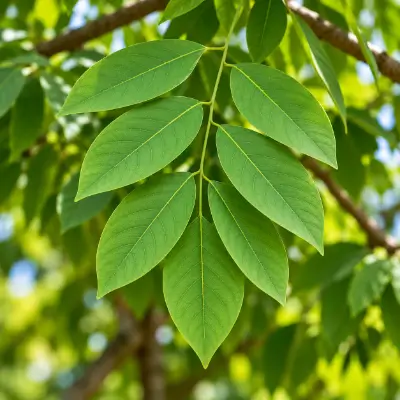
Leaves- paripinnate, 4-8 pairs, ovate, acute, bright green, glabrous above, silvery pubescent beneath. 10-15 cm long
Leaflets 4-8 pairs, about 2-5 cm, acuminate, ovate-lanceolate.
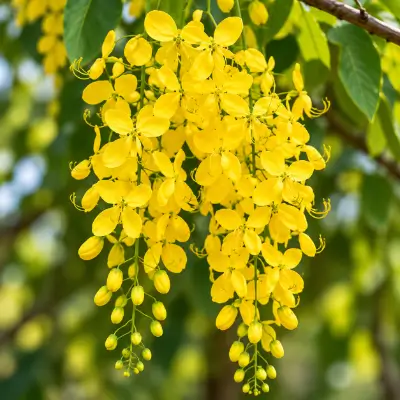
Flowers- in lax pendulous racemes, yellow, fragrant.
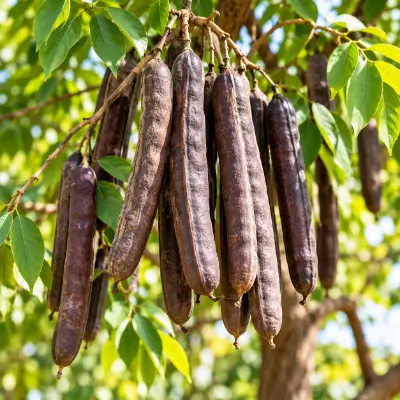
Pods- cylindrical, pendulous, indehiscent, 25-30 cm long and 2-3.0 cm diam.
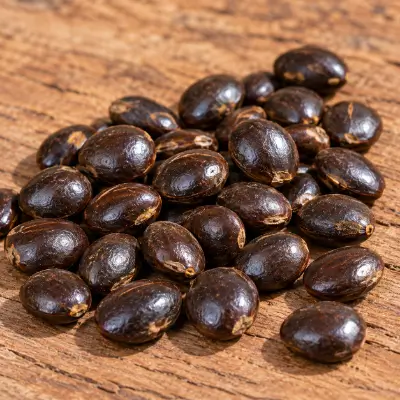
Seeds- numerous, small, flat, smooth, yellowish-grey
surrounded by black pulp when ripen pulp will be sweet.
(Flowers in March-May and fruits in May).
Habitat & Distribution:
All over India, Srilanka, Nepal
Chemical composition:
Anthraquinone glycosides, sennosides A and B, rhein
Pulp glucose 60%, glutin. pectin, dyes, calcium oxalate. minerals. gum and water.
Seeds- sugars, galactomannan
Flowers- fistulin, leucopelargonidin tetrarner, kaempfer oil
Pods- fistulic acid Bark & Heart wood- barbl Oil, fistucacidin, etc.
Leaves- Rhein, sennosides A & B
Properties:
Rasa : Madhura
Guna : Madura, Guru, Snigdha
Virya : Sita
(Usna: Dhanvañtari Nighandu)
Vipãka: Madhura
Karma : Kapha-pittahara , kushtaghna, arsoghna, vrana hara
Laxative, blood purifier, febrifugal, astringent, antibilious.
Indications:
Kustha, Prameha, Hrdroga, Amavãta, Gandamãlã, Kãmalã, Udara, Udãvarta, Vatarakta, Sula, Jvara
Constipation, colic, chlorosis and urinary disorders,gout, skin disease, psoriasis, fever
External uses:
It is anti-inflammatory,analgesic.
The pulp and leaf paste are used in nodular oedema & gout. rheumatoid arthritis etc.
The decoction is used for gargling in diseases of oral cavity and throat,
Leaf paste is used in skin disease and itching.
Internal uses:
Nervous system: It is analgesic by vatahara property, so useful in vata diseases.
Digestive system: It is bitter so improves taste, It is a liver stimulant and purgative by snigtha properties. It is a mild purgative drug and is useful in constipation and jaundice.
Circulatory system: It is cardioprotective, antiinflammatory, purifies blood so useful in heart disease, haemorrhagic ditorders, gout and swellings.
Respiratory system: As it is madhur, snigdha, removes kapha and soothes internal organs by mridu property, in dry cough and dyspnoea flower’s avaleha is given.
Urinary system: Diuretic by sheeta properly. It soothes the urinary tract. Seeds are antidiabetic
Skin: Kushthaghna and refrigerant, so used in skin disease and burning.
Temperature: It is antipyretic, so used in fever and purgation. Its bitter taste works in digestion and is pittashamak. Bark of root is used in fever.
Srotogamitwa:
Dosha : Pitta. kaphaghatna ,liver stimulant
Mala: Purgative.
Parts used:
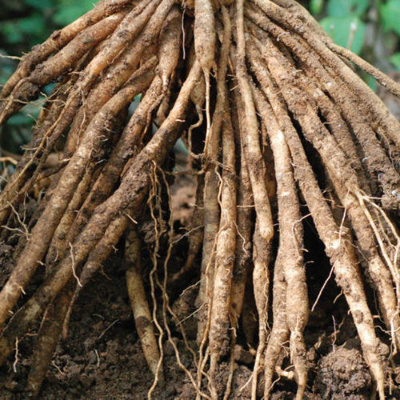
Root bark, leaves, flowers,fruit pulp
Dosage:
Decoction of root bark 75-100 ml.
Flower paste 6-10 g
Important Yogas or Formulations:
Aragvadhadi taila, Arngvadhadi leha, Aragvadharishta..
Therapeutic Uses:
1. Kãmalã- Aragvadha (fruit pulp) is given with the juice of sugarcane or vidari or Amalaki after fortifying with Trikatu. (A.H.)
2. Gandamãlã- Root bark of Aragvadhã is grinded with rice-water and used for Nasya and lepa (V.M.)
3. Kustha- Leaves of Aragvadhä are made into paste with Amãlaka and applied externally.
IUCN Status – Least Concern (Not threatened)
Research Updates (Past 5 Years)
1. Antidiabetic Activity (2021): Study confirmed hypoglycemic effect of C. fistula pulp extract.
2. Antimicrobial (2022): Pod extract showed efficacy against Staphylococcus aureus.
3. Hepatoprotective (2023): Bark extract reduced liver toxicity in animal models.
Contact Now
Have queries? We’re here to help you every step of the way.
Contact us to get the right guidance for your academic journey at Shri Dhanwantry Ayurvedic College.
Botanical Name: Acacia catechu Willd
Family: Mimosaceae
Identification No.- SDACH/HG/006
Introduction:
Acacias belong to the subfamily Mimosoideae of the family Fabaceae (formerly Leguminosae). According to Rig-Veda, Khadira is one of the important trees both of rituals and medicinal. Its heartwood is considered to be very strong. Along with other therapeutic applications. Dried pieces of heartwood in inflammations, skin diseases and urinary disorders, recommends its use as a blood purifier, in diseases caused by lipid disorders.
Names in different Indian languages:
English: Cutch tree, Catechu
Hindi: Khaira
Kannada: Kalu
Malayalam: Karinnali
Sanskrit: Khadirah
Tamil: Karukali, Kalippakku, Kadiram, Katthakkaambu, Kaasukkatti
Telugu: Podalianu
Unani: Khair, Kaat, Katthaa (heartwood extract).
Synonyms:
Khadira, Kadara, Somavalka, Gaayatri, Dantdhaavan, Kantaki, Raktasaara (heartwood extract), Bãlapatra, Yajñiya
Classification according to Charaka, Susrutha & Vagbhata:
Charaka: Kusthaghna, Udardaprasamana, Kasãya skandha
Susrutha: Sãlasãrãdi
Vagbhata: Asanãdi
Varieties & adulterants – (CV – controversy, AD – adulterants) :
1.Khadira – A. suma Buch
2. Kadara – A. catechuoides.
3. Arimeda.
4.Tamrakantaka.
5.Vitkhadira
6.Valli Khadira
7.Irimeda
8. A.sundra
9. Sömavalka
10. White.
11 . Blackish; brown – Externally blackish brown, soft and easily breakable. Used in medicine:
12. Brown – Used for chewing in betal leaves.
13 . Black – Not good for consumption, of bad quality
Morphology:
It is a moderate-sized tree with 10-12 m. height.
Bark- dark grayish-brown, nearly 1.5 cm in thickness, exfoliating in long narrow strips. Sapwood yellowish white but heartwood red.
Leaves- pinnate with a pair of recurred prickles at base of rachis; pinnate 40-80; leaflets 60-100, small, ligulae.
Flowers- pale yellow in cylindrical—spikes;
Fruits: Flat brown pods, glabrous, lustrous, straight, strap-shaped, dark brown.
Seeds: 4-8 per
(Flowers in rainy season and fruits in winter)
Distribution & Habitat:
In drier regions of sub-Himalayan tract upto 1500 m. (Punjab to north-eastern states) Madhya Pradesh, Gujarat, Maharashtra, Andhra Pradesh and Tamil Nadu.
Chemical constituents:
Heart wood- catechin, catechutannic acid,epicatechin, Afzelchin, gossypetin, procyanidin , taxifolin, taxifolin , phlobatannins including catechutannic acid, flavonoids- quercetin, quercitrin, fisetin, cyanidanol
Gum- L-arabinose, D-galactose, D-rhamnose
Astringent and antibacterial properties of catechu result from its high tannin content. Gambrine in pale catechu shows hypotensive effects. Fisetin in black catechu and (+)- catechin in black and pale catechu may protect against liver damage
Properties:
Rasa: Tikta, Kasaya
Guna: Laghu, Ruksa
Virya: sita
Vipãka : Katu
Karma : Kapha-pittahara, Medoghna, Dipana, Dantya
Srotogamitva:
Dosha: Reduces pitta, kapha.
Dhatu : Rakta, meda (anaemia), shukra.
Mala : Urine.
Prabhav : Kushthaghna.
Indication:
Kandu, Kãsa, Krimi, Prameha, Jvara, svitra, sotha, Pãndu, Vrana, Dañta röga and Arso roga samana
Melancholia, conjunctivitis, astringent, acrid, antiseptic, haemostatic, anemia, diabetes, splenomegaly, anti-helmintic, luecoderma
Seed extract—hypoglycaemic to normal albino rats, but not effective in diabetic rats. The saline extract of seeds shows leuco-agglutinating activity against leukaemic cells. It agglutinates white cells from patients with different types of leukaemia. The activity is inhibited by simple sugars. Root extract shows antibacterial and fungicidal activity
Part used:
Stem bark heartwood, flowers
Dosage:
Powder of bark 2-4 g, bark decoction 50-100 ml, heart wood -1-2g.
External uses:
Stambhana and kushthaghna. Being astringent and haemostatic, powder is used in wound healing and in dental conditions. In leprosy, bathing with the decoction of khadira is advised . Used for oral hygienic and pharyngeal ulcers.
Internal uses:
Digestive system: Improves taste, constipative , useful in anorexia, diarrhoea and intestinal parasites.
Circulatory system: Due to its properties, reduces oedema. Juice of the fresh bark is used as blood purifier.
Respiratory system: Reduces kapha by tikta, kashaya rasas. Useful in kapha-kasa. A lozenge prepared from khadir and cinnamonum is used for clearing the throat.
Urinary system : Kaphaghna and reduces urine output so used in diabetes.
Reproductive system : it used as a uterine tonic. It is also used in leucorrhoea
Skin: Kushthaghna and kandughna so used in all skin diseases and intense itching.
Temperature: Antipyretic being tikta and sheeta. Used in chronic fever. Satmikaran :By reducing medha and other liquid dhatus, it overcomes lethargy.
Important Yogas or Formulations:
Khadirãdi väti, Khadirãrista, Khadirãdi tailam
Amayika Prayoga (Therapeutic Uses)
(1) Bhagañdhara- Decoction of Khadira and Triphala is enriched with ghee and powder of Vidanga is given orally (A.Sam.)
(2) Svitra- Internal and external use of Khadira Kasaya is useful (C.S.Ci.7).
(3) Slipada- Kalka of Khadira sara, Bijasara, sãla sara is mixed with honey and given with Gomütra in the morning. (G.N.)
IUCN Status
– Least Concern (widely available but habitat loss noted).
Research Updates (Past 5 Years)
1. 2020: Antimicrobial study confirmed efficacy against oral pathogens.
2. 2021:Clinical trial on Khadirarishta showed improvement in psoriasis.
3. 2022: Antioxidant properties validated in catechu extract.
Contact Now
Have queries? We’re here to help you every step of the way.
Contact us to get the right guidance for your academic journey at Shri Dhanwantry Ayurvedic College.
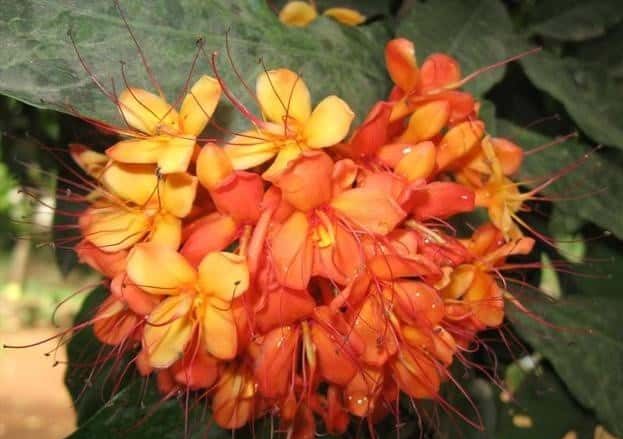
Botanical Name: Saraca asoca (Roxb.) DeWilde.
Family : Caesalpiniaceae
Identification No : SDACH/HG/004
Introduction: We can see a clear description from Atharva veda parisita. This plant is known as friend of female also a good uterine tonic.
Synonyms: Kañkeli, Madhu puspa, Rakta pallava, Vanjulah, Hema puspa, Gatasoka, Ashoka, Ashoku, Hempushpa, Taamrapallava, Pindapushpa, Gandhapushpa, Saraca indica auct. non L
Classification according to Charaka, Susrutha & Vagbhata:
Charaka: Kasãya skañdha,Vedanãsthapana
Susrutha: Rodhrãdi
Vagbhata: Rodhrãdi
Varieties & adulterants – (CV – controversy, AD – adulterants):
It is being adulterated with the barks Polyalthia longifolia , Shorea robusta , Bauhinia variegate Cynometra travancorica – AD
Morphology:
It is a small ever green tree with drooping glabrous branches, 8-10 m. in height. Bark- with warty surface, dark-brown to grey or almost black
Leaves pinnate, 10-20 cm. long; leaflets 2-3 pairs, rigidly subcoriaceous, oblong or oblong- lanceolate.
Flowers- in dense axillary corymbs, fragrant, orange or orange-yellow, finally turning vermillion-red. Fruits- pods, flat, oblong, woody, about 8 x 20 cm.
Seeds- 4-8, ellipsoid oblong, compressed (Flowers in March-April and fruits in August- September).
Distribution & Habitat:
All over India, abundant in South India. The tree is found in abundance in Bengal and Burma. Cultivated about 700 m. above height
Chemical constituents:
Apigenin, O-beta-D-glucoside, cyaniding, diglucoside, kaempferol, pelargonidin-, diglucoside, quercetin, epicatechol, leucocyanidin, leucopelargonidin, procyanidin, derivatives, methyl-and ethylcholesterol, rhamnoside, amyrin, ceryl alcohol and beta-sitosterol.
Properties:
Rasa : Kasaya, Tikta
Guna : Laghu, Rüksa
Virya : Sita
Vipãka : Katu
Karma :
Pittahara, Hrdya, Varnya, Grãhi, uterine tonic, constipating, blood purifier.
Srotogamitva:
Dosha : Rapha, pittä kshayakarak.
Dhatus : Rakta (haemostasis), meda, rasayana. Mala : Purisha ( astringent), diuretic.
Organ : Uterus Ashoka is ‘specifically used for rakta-pradara is called a friend of women
Indication:
Gulma, udavartha, Apaci, Trisnã, Dãha, Krimi, Visaroga, Hrdroga, Rakta Pradara, Mutraghata, Asmari fever, burning sensation, visceromegaly, colic, leucorrhoea, piles, menorrhagia.
Part used: Stem bark, seeds, root
Dosage:
Leaf juice 10-15 ml Powder 2-4 g
Decoction 50-100 ml
External uses:
The bark has analgesic and antidotal properties. Hence its paste is used in pains and poisoning for local application.
Internal uses:
Nervous system : It has effect on the nerves and therefore is used in painful vata disorders.
Digestive system : Due to its astringent. anthetmintic and antidyspeptic prospective & it is useful in diarrhoea, dysentery, helminthiasis
Circulatory system It has haemostatic. blood purifying and antioedematous effects Hence 1t is used in diseases of the blood and oedema, its lowers are used in internal bleeding.
Reproductive system : It strengthens the muscles of the uterus and reduces uterine discharge and pain in the uterus and so it is useful in rnenorrhagia. leucorrheoa and dysrnenorrheoa Since the decoction of the bark acts as a tonic for the endometrium of the uterus, it is useful in many diseases of the uterus.
Urinary system : By virtue of its diuretic property, it is useful in dysuria and calculi, It prevents the formation of a calculus.
Temperature : It reduces the burning sensation frequently associated with pyrexia
Important Yogas or Formulations:
Asokaghrtam, Ashokarishta.
Amayika Prayoga(Therapeutic Uses):
1. Rakta Pradara- Cold milk boiled with the decoction of Asoka bark is useful.
2. Asmari-Seed powder of Asoka is administered with water.
IUCN Status
Vulnerable (Due to overharvesting and habitat loss).
Research Updates (Past 5 Years)
1. 2020: Study on Ashoka bark’s efficacy in PCOS (Journal of Ayurveda).
2. 2021: Clinical trial for dysmenorrhea (Indian Journal of Traditional Knowledge).
3. 2022: Phytochemical analysis revealing new flavonoids (Phytochemistry Reports).
Contact Now
Have queries? We’re here to help you every step of the way.
Contact us to get the right guidance for your academic journey at Shri Dhanwantry Ayurvedic College.
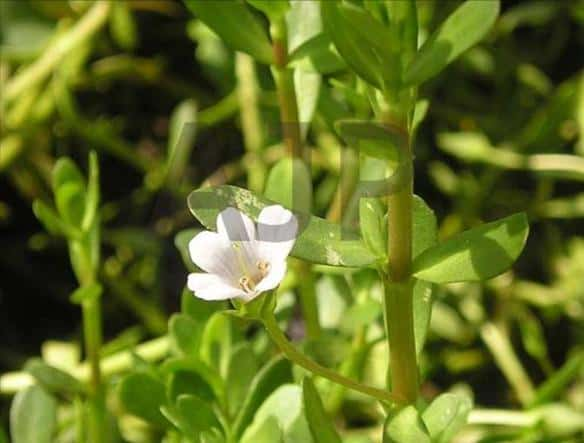
Botanical Name: Bacopa monnieri (Linn.) Penn
Family: Scrophulariaceae
Identification No: SDACH/HG/005
Introduction:
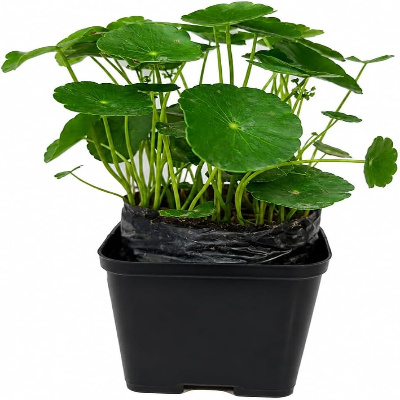
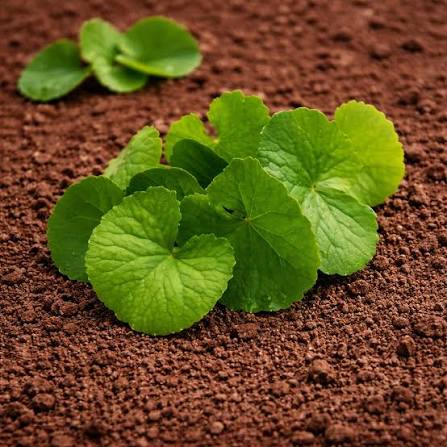
The controversy on Brãhmi and Mandükaparni is never ending. both used as brain tonic. Usually South Indians Bacopa as brahmi, North Indians using Centella asiatica
Names in different Indian languages:
Hindi: Brahmi,jalnim
Telugu: Sambranicettu
Tamil: Nirpirami
English: Thyme leaved gratiola
Marathi: Brahmi
Bengali: Brahmi
Kanada: Nirbrahmi
Malayalam: Brahmi
Unani: Brahmi
Sanskrit: Brahmi,sarasvati
Synonyms:
Aindri, Nirbraahmi, Kapotavankaa, Bhaarati, Darduradalaa, Matsyaakshaka, Shaaluraparni, Mandukaparni
Herpestis monnieria (Linn.) H. B. & K.,Moniera cuneifolia Michx
Classification according to Charaka, Susrutha & Vagbhata:
Charaka: Prajasthapana
Varieties & adulterants – (CV – controversy, AD – adulterants):
Centella asiatica [CV]
Tamarachuda patika – a medya drug
Morphology:
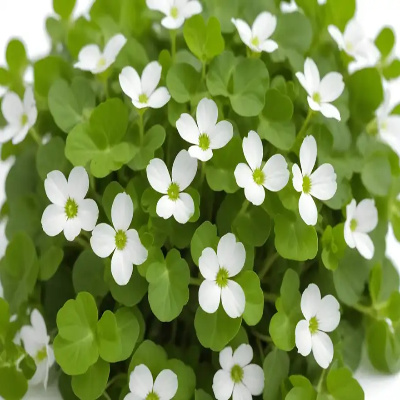
A glabrous, punctate. succulent creeping annual herb.
Leaves- simple, sessile, obovate or spathulate, entire, fleshy
Flowers- solitary. axillary, white; bracteoles linear.
Fruits- ovoid, acute, acute capsules included in the persistent calyx.
Flowers and fruits almost throughout the year (mainly between February—April)
Habitat & Distribution:
Common in moist places throughout India
Chemical composition:
monnierin, hersaponin, bacosides A and B. Bacosides A and B , Ascorbic acid, nicotinic acid, brahmine, herpestine. alanine,
hentri-acontane, octacosane. monnierin (saponin), hersaponin, bacoside A & B, bacogenins A1-A4 (Sapogenins). 13-sitosterol etc.
Properties:
Rasa: Tikta, Kasäya
Guna: Laghu
Virya: sita
Vipaka: Madhura
Karma: Kapha-pitta hara, Medhya, Rasãyana , kandughna,arsoghna, vranahara
Cooling, laxative, intellect promoting, anodyne, carminative, digestive, anti inflammatory, depurative, bronchodilator, diuretic, cardiotonic, febrifuge
Part Used: Whole plant
Dosage: Fresh juice 10-20 ml
Indications:
Apasmãra, Prameha, Kustha, Pandu, Prameha, Sotha, Jvara, Kãsa,gulma
neuralgia, epilepsy, insanity, insomnia, dementia, tumors, ulcers, splenomegaly, ascites, constipation, sterility.
Amayika Prayoga (Therapeutic Uses)
Internal uses:
Nervous system : Brahmi is a valuable plant for brain and entire nervous system. Mania and epilepsy are two conditions which require brahmi. It also helps in depression and mental retardation. by enhancing intelligence.
Digestive system Brahmi is slightly astringent and hence useful in diarrhea. Brahmi may suppress appetite, hence deepan medicines should be given along with it.
Respiratory system : Specially in children, for cold and cough. 1 teaspoonful of brahmi juice is given to induce vomiting and gives relief. When hoarseness of voice results from excessive talking, pills made from the leaves of brahmi. vasa, pippali. haritaki and vacha are chewed which gives relief.
Cardiovascular system: In small doses, it has cardiotonic property, It leads to an increase in blood pressure.
Urinary system : Diuretic.
Temperature : In Srilanka, brahmi is used for fever,
Satmikaran : Brahmi is a brain tonic. It enhances memory, intelligence and longevity..
Srotogamitwa:
Dosha : Vataghna, pittaghna, kaphaghna, tridoshanashak
Dhatu: Meda (demulcent). strengthens all seven dhatus (anaemia, urinary disorders).
Mala : Urine (diuretic), keshya (hair growth).
Prabhava : Antidote.
Important Yogas or Formations:
Brahmi prash: Saraswatarishta, Brahmighmta, Brahmitaila. Brãhmi rasãyana, Brãhmighrta
IUCN Status
Least Concern (Widespread and not threatened)
Research Updates (Past 5 Years)
1. 2020 Study (J. Ethnopharmacol): Confirmed neuroprotective effects of Bacosides in Alzheimer’s disease.
2. 2021 Study (Phytomedicine): Brahmi extract improved cognitive function in ADHD patients.
3. 2022 Study (Ayurveda Integr Med): Showed anti-anxiety effects comparable to modern anxiolytics.
Contact Now
Have queries? We’re here to help you every step of the way.
Contact us to get the right guidance for your academic journey at Shri Dhanwantry Ayurvedic College.
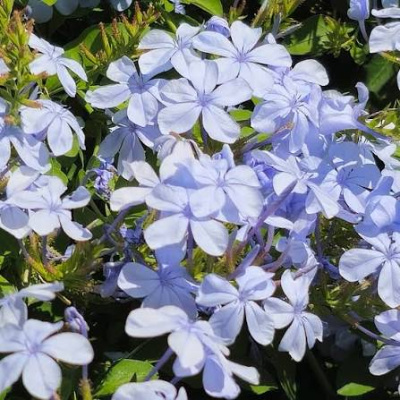
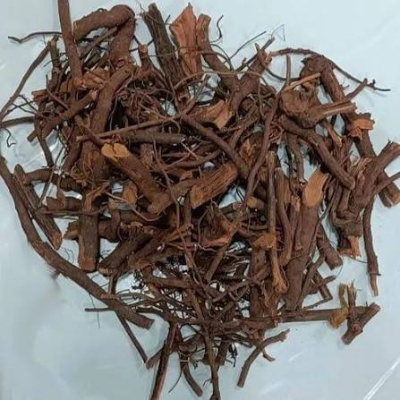
Botanical Name: Plumbago zeylanica Linn.
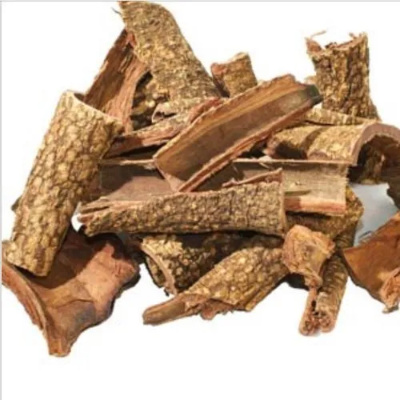
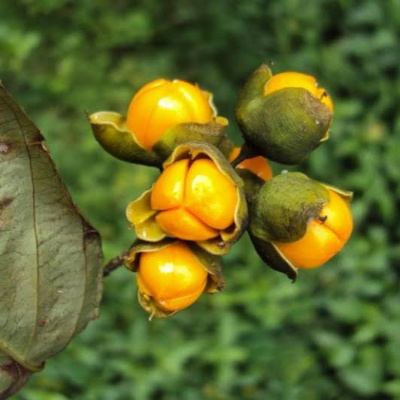
Family: Plumbaginaceae
Identification No.- SDACH/HG/003
Introduction: If this drug given in pregnancy, it causes irritation of pelvic organs which leads to abortion. Present research reveals that plumbagin obtained of P. zeylanica is a potent cytotoxic/anti-cancer agent.
Names in different Indian languages:
Hindi: Chitraka
Telugu: Chitramulamu
Tamil : Chittiri
English: Ceylon Leadwort,Leadwort.
Gujrati : chitrok
Marathi: Chitramul
Kanada: Kempucitramula.
Malayalam: Vella Kotuveli
Sanskrit: Sveta Chitraka
Synonyms:
“चित्रकः पावकः साध्यो दहनो वह्निरुच्यते।
कटुस्तीक्ष्णोष्णवीर्योऽग्निदीपनः पाचनः सरः॥”
(Bhavaprakasha Nighantu, Haritakyadi Varga, Shloka 1)
Chitraka, Agni, Vahni, Jvalanaakhya, Krshaanu, Hutaasha, Dahana, Sikhi.
Classification according to Charaka, Susrutha & Vagbhata:
Charaka: Dipaniya, sulapraamana, Arsoghna, Lekhaniya
Susrutha: Pippalyãdi, Mustãdi, Amalakyãdi, Varunãdi
Vagbhata: Pippalyãdi, Mustãdi, Varunadi, Aragvadhadi
Varieties & adulterants – (CV – controversy, AD – adulterants):
1. Sveta
2. Pita
3. Asita
4. P. rosea
5. P. capensis
6. P. indica
7. P. auriculata
Morphology:
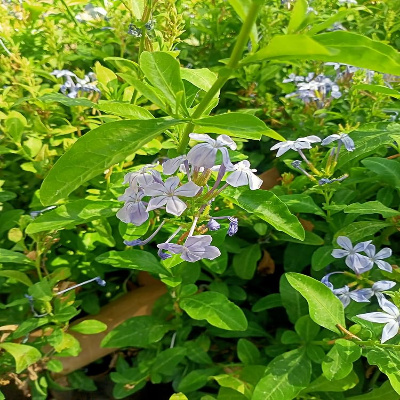
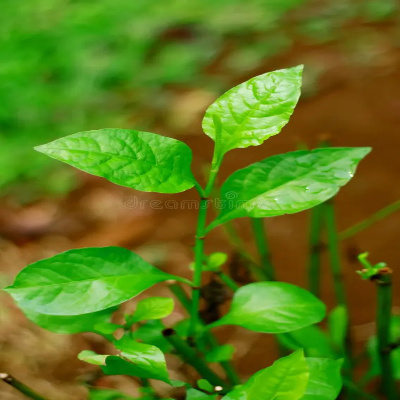
A perennial herb with 0.5-1.5 m long stems, some what woody, spreading, glabrous.
Leaves- simple, alternate, oblong, thin, 3.5- 7.5x 2-4 cm, ovate, subacute, entire, glabrous, reticulately veined, petiole short, amplexicaul at the base.
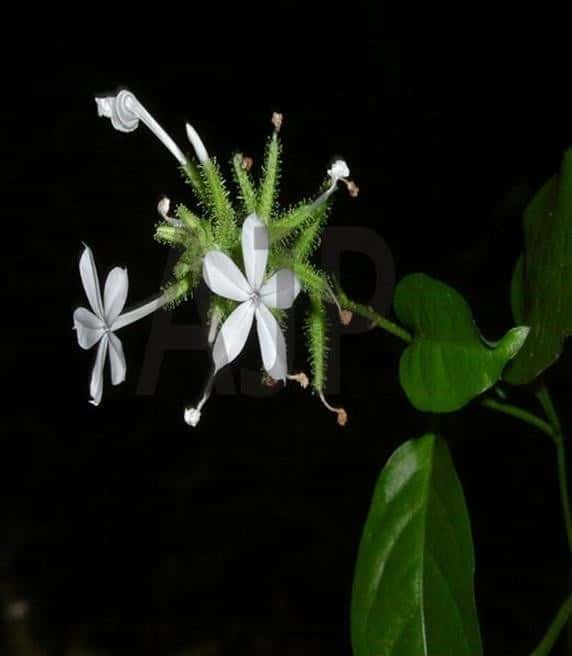
Flowers- white, in elongate spikes; rachis glandular, striate. Calyx 1-1.5 cm. long, narrowly tubular, densely covered with stalked glands. Corolla white, slender; tube 2-2.5 cm long.
Fruit- Capsule, oblong, pointed; pericarp thin below, thick and hardened above.
Distribution & Habitat:
Found throughout India and sometime cultivated.
Chemical composition :
Pungent, having yellow and irritant principle called as plumbagin, 91%.
Active principle does not dissolve in cold water. In boiling water or ‘alcohol it dissolves easily.
Chitranone, plumbagin, lumbagin, droserone, elliptinofle, isozeylinone,isozeylan-one, zeylanone and zeylinone, maritone, plumbagic acid, dihydrosterone, beta sitosterol etc.
Properties:
Rasa : Katu
Guna : Laghu, Rüksa, Tiksna Virya : Usna
Vipãka : Katu
Karma : vata kapha hara, dipana, pacana, grahi,rasayana, arosaghna
Anti inflammatory, digestive, narcotic, gastric & nerve stimulant, rejuvenating
Indication:
Arsas, Grahani,Krimi,Udara, kusta,vrana, i, sula, pandu, kasa
cough, bronchitis, helminthiasis, haemorrhoids, fever, leucoderma, scabies, odontalgia, skin disease,.
Parts used: Root.
Dosage: 2 to 4 gm. High dose causes burning and intoxication.
Amayika Prayoga (Therapeutic Uses)
External
– Paste applied in skin diseases (eczema, leukoderma).
– Used in arthritis (as oil or poultice).
Internal:
– Ama dosha (Toxin accumulation), Agnimandya (Low digestion), Krimi (Worm infestation).
Important Yogas or Formulations:
Chitrakadi gutika, Chitrakharitaki, Chitrak ghrit, Chitrakadi churna, Trimad churna
Improper use of chitrak causes toxicity. Higher dose of it creates irritant and intoxicant effects. It causes burning of tongue; throat, stomach and all over the body, nausea, vomiting, diarrhoea, dysuria, burning micturation. Pulse becomes-feeble and skin becomes wrinkled and cold:
Srotogamitva:
Dosha : Alleviates vata, kapha and eliminates pitta (gives yellow colour to the stools). Dhatu : Rakta, meda (vitiligo)
IUCN Status
Least Concern (Wild populations stable).
Research Updates (Past 5 Years)
1. 2021: Study in Journal of Ethnopharmacology confirmed anti-inflammatory effects of plumbagin.
2. 2022: Phytotherapy Research highlighted its hepatoprotective properties.
3. 2023: Clinical trial (AYUSH) showed efficacy in IBS management.
Contact Now
Have queries? We’re here to help you every step of the way.
Contact us to get the right guidance for your academic journey at Shri Dhanwantry Ayurvedic College.
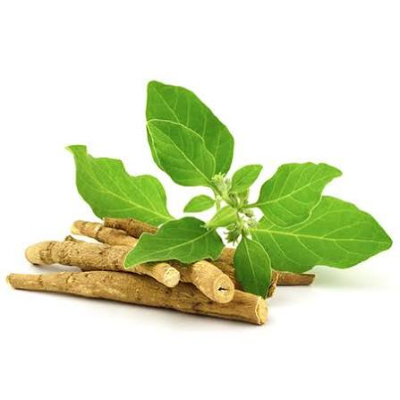
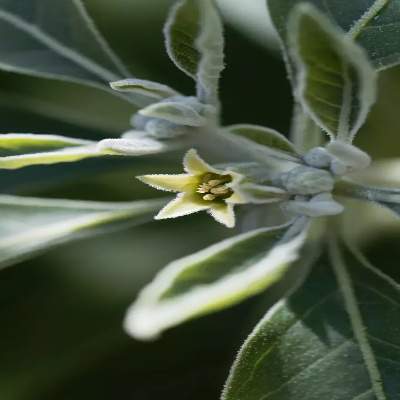
Botanical Name: Withania somnifera (Linn.) Dunal
Family: Solanaceae
Identification No: SDACH/HG/002
Introduction: Asvagandha root juice is given as Nasya to achieve conception. Now a days scientists believe that the cultivated variety of withania have different than naturally occurring.
Names in different Indian languages :
English: Winter Cherry Hindi: Asgandha,punir
Kannada: Viremaddinagaddi, kiremallinagida Malayalam: Amukkuram
Sanskrit: Asvagandha,varahakarni Tamil: Amukkira, amukkirakkilangu
Telugu: Vajigandha,pannirugadda,pulivendramu
Synonyms:
“वाजिगन्धा वराहकर्णी बलदा कुष्ठगन्धिनी।”
Hayagandhaa, Ashwakanda, Gandharvagandhaa, Turaga, Turagagandhaa, Turangagandhaa, Vaajigandhaa, Gokarnaa, Vrishaa, Varaahakarni, Varadaa, Balyaa, Vaajikari.
Withania ashwagandha Kaul (cultivated var.)
Withania somnifera (Linn.) Dunal (Chemotype I, II, III: Israele.)
Classification according to Charaka, Susrutha & Vagbhata:
Charaka: Brmhaniya, Madhuraskandha
Varieties & adulterants – (CV – controversy, AD – adulterants)
Morphology:
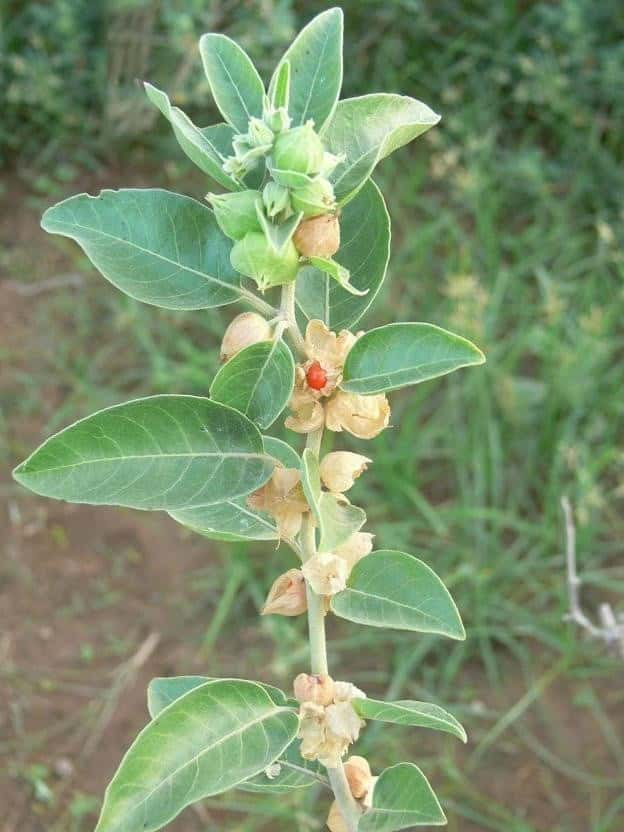
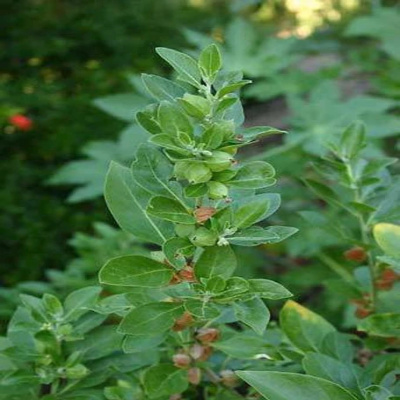
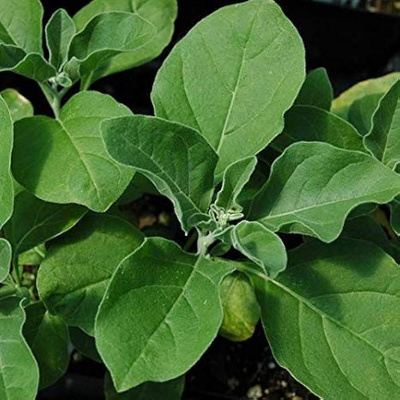
It is a under shrub, erect stem, 0.5-2 m high. Clothed with minute hairy tomentum.
Leaves—simple, alternate, entire, ovate up to 10 cm long. subacute;
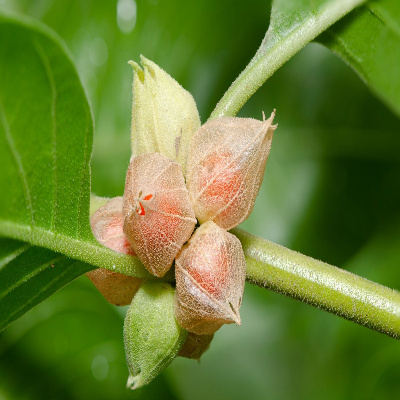
Flowers— axillary, sessile or shortly pedicled, fascicled or solitary, hermaphrodite; calyx campanulate, acutely 5-6-toothed, fruit-calyx inflated, larger than the berry; corolla campanulate, 3-6 lobed, short, greenish or lurid yellow; stamens attached at the base of corolla.
Fruits— berries, globose. Seeds— many, discoid.
Habitat & Distribution:
Cultivated, dry places.
Chemical constituents:
withananine, withananinine, pseudo-withanine, somnine, somniferine, somniferinine, Withaferin, withanone, somnirol, nicotine withanone, withanolide WS-1, withanolide A to Y; somnirol, somnitol; withasomniferin A, nicotine, preudotropine tropine, solasodifle, withasomnifle, sitoindosides VII-X, sominone, sominolide
Properties:
Rasa : Katu,Tikta,kashaya Guna : Laghu, snighta Virya : Usna
Vipãka : Katu
Karma: Kapha-vãtahara, Sukrakara, Rasayana, Balya anti-inflammatory, Hepatoprotective, antibacteria , sedative, hypnotic,diuretic, Antibacterial, antitumour, aphrodisiac
Srotogamitva:
Dosha : vatha hara
Dhatu :meda, sukra
Mala : mutrala
Organ : testis
Indication:
Sopha, Svitra, Ksaya, Jvara, Chardi, Kustha, Kandu, Krmi, Sonitha sukla, Leucoderma, Insomnia, Nerve Disorder, Ulcer, Constipation, Insomnia
Part used: Root, leaves
Dosage:
Leaf juice 10-15 ml
Powder 2-4 g
Decoction 50-100 ml
External uses: It reduces oedema and pain, that is why leaves or root paste is applied on enlarged cervical glands or swelling of other glands. In vata diseases and weakness, oil massage is done. The juice of ashwagandha leaves is used as eardrops in ear discharge.
Internal uses:
Nervous system: As it is a sedative and nervine tonic, it helps in atonic nerves, fainting, giddiness and insomnia.
Digestive system : The bark powder is appetizer. carminative and anthelmintic and hence is used in abdominal pain, constipation and worms.
Circulatory system: It has an effect on the heart, purifies the blood and reduces oedema. So it is used for the weakness of heart, blood disorders and oedema. Its decoction is used in rheumatoid arthritis.
Respiratory system : It is an expectorant and has antiasthmatic property due to which it is useful in cough. Ashwagandha ash along with ghee and honey is effective in asthma, If phlegm is thin, it is used in the form of ash or its alkaline extract is used. Decoction of bark should be given in low dose for cough and asthma. It is also used as a tonic in the above conditions.
Reproductive system : Ashwagandha is well known for its aphrodisiac property. It is used in semen disorders and leucorrhoea caused due to endometritis. A mixture of 5 g. of ashwagandha powder + 10 gms of ghee + 250 ml milk + sugar is a good tonic, nutritious and also aphrodisiac. It completely cures puerperal backache.
Urinary system: It is diuretic and so used in oliguria or anurea. It is used to strengthen meda dhatu.
Skin: It is used in vitiligo and other skin diseases, blisters heal when black ashes ‘of the roots are applied on them.
Important Yogas or Formulations:
Ashwagandhadi churna, Ashwagandha rasayana, Ashwagandharishta, Maharasanadi, Sukumarghrut, Saubhagyasunthipak
Amayika Prayoga (Therapeutic Uses) :
External:
– Paste for joint pain and inflammation.
– Oil for muscle relaxation (Ashwagandha Taila).
Internal:
– Powder (1-3g) with milk for strength.
– Decoction for stress and fatigue.
IUCN Status
Least Concern (Widely cultivated, not endangered)
Research Updates (Past 5 Years)
1. 2021: Study in Journal of Ethnopharmacology confirmed Ashwagandha’s efficacy in reducing cortisol (stress hormone).
2. 2022: Frontiers in Pharmacology reported improved testosterone levels in men.
3. 2023: Clinical trial in Ayurveda Journal showed benefits in anxiety and sleep disorders.
Contact Now
Have queries? We’re here to help you every step of the way.
Contact us to get the right guidance for your academic journey at Shri Dhanwantry Ayurvedic College.

Botanical Name: Cassia fistula Linn.
Family: Caesalpiniaceae
Identification No.: SDACH/HG/001
Introduction: In Vedic literature the dried branches of Aragvadha are used for ritual performance Several external applications containing Aragvadha are mentioned in Ayurveda ( psoriasis etc.)
Scientific classification: Sennas belong to the subfamily Caesalpinioideae, family Fabaceae (formerly Leguminosae). Alexandrian senna is classified as Cassia acutifolia. The species from which tinnivelly, or Indian senna, is obtained is classified as Cassia angustifolia
Names in different Indian languages:
English : Indian Laburnum,Purging Cassia,Golden Shower
Hindi: Amaltas,girimala
Kannada: Phallus,kakke,kakke mara
Malayalam: Konna,kanikonna
Sanskrit: Aaragvadha
Tamil: Sarakkonrai
Telugu: Rela,kondrakaya,aragvadamu
Synonyms:
Chaturaangula, Kritamaala, Kritmaalaka, Karnikaara, Shampaaka, Praagraha, Raajvrksha, Nripapaadapa, Raajadruma, Vyaadhighaataka, Aarevata.
Cassia rhombifolia Roxb
Classification according to Charaka, Susrutha & Vagbhata:
Charaka: Kusthaghna, Kandüghna, Tiktaskandha, Virechana
Susrutha: Aragvadhadi, Syamadi, Slesmasamsamana, Adhobhagahara
Vagbhata: Aragvadhãdi, syãmadi
Varieties & adulterants – (CV – controversy, AD – adulterants):
1.Karnikara
2.Pãlevatam
3. Madhura (sweet)
4. Amla (sour)
5. praravata- Psidium guyava
6. Garcinia mangostan.
Cassia roxburghii – AD
Morphology:
It is moderate-sized tree, 10-12 m. in height.
Bark- greenish-grey, smooth when young then brick-red.
Leaves- paripinnate, 4-8 pairs, ovate, acute, bright green, glabrous above, silvery pubescent beneath. 10-15 cm long
Leaflets 4-8 pairs, about 2-5 cm, acuminate, ovate-lanceolate.
Flowers- in lax pendulous racemes, yellow, fragrant.
Pods- cylindrical, pendulous, indehiscent, 25-30 cm long and 2-3.0 cm diam.
Seeds- numerous, small, flat, smooth, yellowish-grey
surrounded by black pulp when ripen pulp will be sweet.
(Flowers in March-May and fruits in May).
Habitat & Distribution:
All over India, Srilanka, Nepal
Chemical composition:
Anthraquinone glycosides, sennosides A and B, rhein
Pulp glucose 60%, glutin. pectin, dyes, calcium oxalate. minerals. gum and water.
Seeds- sugars, galactomannan
Flowers- fistulin, leucopelargonidin tetrarner, kaempfer oil
Pods- fistulic acid Bark & Heart wood- barbl Oil, fistucacidin, etc.
Leaves- Rhein, sennosides A & B
Properties:
Rasa : Madhura
Guna : Madura, Guru, Snigdha
Virya : Sita
(Usna: Dhanvañtari Nighandu)
Vipãka: Madhura
Karma : Kapha-pittahara , kushtaghna, arsoghna, vrana hara
Laxative, blood purifier, febrifugal, astringent, antibilious.
Indications:
Kustha, Prameha, Hrdroga, Amavãta, Gandamãlã, Kãmalã, Udara, Udãvarta, Vatarakta, Sula, Jvara
Constipation, colic, chlorosis and urinary disorders,gout, skin disease, psoriasis, fever
External uses:
It is anti-inflammatory,analgesic.
The pulp and leaf paste are used in nodular oedema & gout. rheumatoid arthritis etc.
The decoction is used for gargling in diseases of oral cavity and throat,
Leaf paste is used in skin disease and itching.
Internal uses:
Nervous system: It is analgesic by vatahara property, so useful in vata diseases.
Digestive system: It is bitter so improves taste, It is a liver stimulant and purgative by snigtha properties. It is a mild purgative drug and is useful in constipation and jaundice.
Circulatory system: It is cardioprotective, antiinflammatory, purifies blood so useful in heart disease, haemorrhagic ditorders, gout and swellings.
Respiratory system: As it is madhur, snigdha, removes kapha and soothes internal organs by mridu property, in dry cough and dyspnoea flower’s avaleha is given.
Urinary system: Diuretic by sheeta properly. It soothes the urinary tract. Seeds are antidiabetic
Skin: Kushthaghna and refrigerant, so used in skin disease and burning.
Temperature: It is antipyretic, so used in fever and purgation. Its bitter taste works in digestion and is pittashamak. Bark of root is used in fever.
Srotogamitwa:
Dosha : Pitta. kaphaghatna ,liver stimulant
Mala: Purgative.
Parts used:
Root bark, leaves, flowers,fruit pulp
Dosage:
Decoction of root bark 75-100 ml.
Flower paste 6-10 g
Important Yogas or Formulations:
Aragvadhadi taila, Arngvadhadi leha, Aragvadharishta..
Therapeutic Uses:
1. Kãmalã- Aragvadha (fruit pulp) is given with the juice of sugarcane or vidari or Amalaki after fortifying with Trikatu. (A.H.)
2. Gandamãlã- Root bark of Aragvadhã is grinded with rice-water and used for Nasya and lepa (V.M.)
3. Kustha- Leaves of Aragvadhä are made into paste with Amãlaka and applied externally.
IUCN Status – Least Concern (Not threatened)
Research Updates (Past 5 Years)
1. Antidiabetic Activity (2021): Study confirmed hypoglycemic effect of C. fistula pulp extract.
2. Antimicrobial (2022): Pod extract showed efficacy against Staphylococcus aureus.
3. Hepatoprotective (2023): Bark extract reduced liver toxicity in animal models.
Contact Now
Have queries? We’re here to help you every step of the way.
Contact us to get the right guidance for your academic journey at Shri Dhanwantry Ayurvedic College.