Shri Dhanwantry Ayurvedic College

Author: Khushal

  • Vansha

    Vansha

    Botanical Name : Bambusa Arundinacea

    Family : Poaceae.

    Identification No.:SDACH/HG/054

    Introduction:

    Latin name : Bambusa = Indian name; bambos = derived froro the name bamboo’.

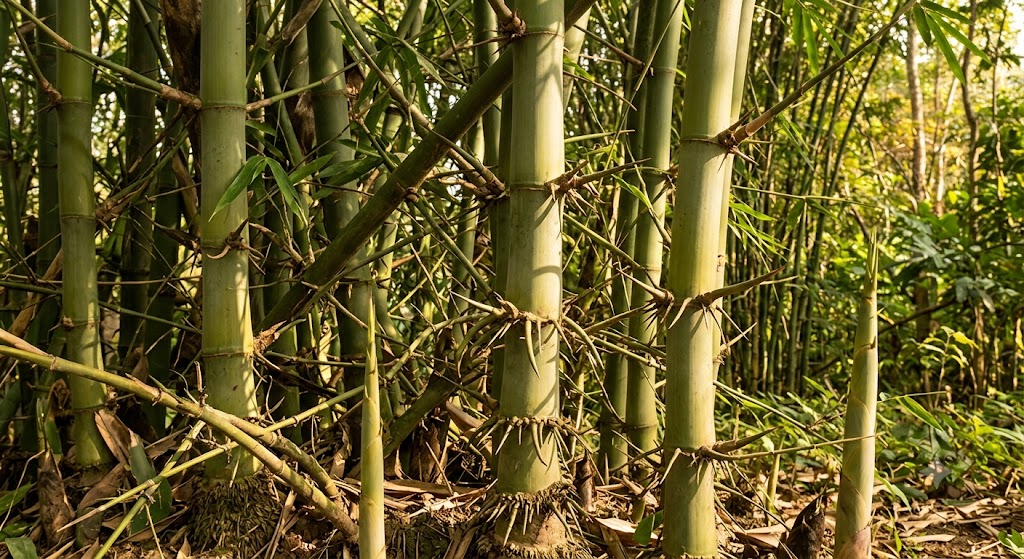
    Bamboo, common name for about 45 genera and about 480 species of perennial, woody, usually shrubby or treelike plants of the grass family. Bamboos occur mostly in tropical and subtropical areas, from sea level to snow-capped mountain peaks, with a few species reaching into temperate areas. They are most abundant in southeastern Asia, with some species in the Americas and Africa and none in Australia. The plants range from stiff reeds about 1 m (about 3 ft) tall to giants reaching 50 m (164 ft) in height and 30 cm (12 in) in diameter near the base. Most bamboos are erect, but some are viny, producing impenetrable thickets in some areas.

    stamens, and two stigmas typical of most grasses. In addition, although many bamboos flower annually, many others flower only at intervals of 10 to 100 years. All members of a particular species flower at the same time, and the plants die shortly after flowering and setting their seed. The individual species are perpetuated by the seed or by new culms sprouted from rhizomes.

    Bamboos are among the plants most widely used by humans. In the tropics they are used for constructing houses, rafts, bridges, and scaffolding. Split and flattened culms can be used as flooring and interwoven to make baskets, mats, hats, fish traps, and other articles; culms of large species may be used as containers for liquids. Paper is made from bamboo pulp, and fishing rods, water pipes, musical instruments, and chopsticks from other parts. Many bamboos are planted as ornamentals, and young shoots are eaten as a vegetable. The grain is also a food.

    Names in different Indian languages :

    English: Spiny Bamboo, Thorny Bamboo

    Hindi : Bams, kantabams

    Kannada : Bedru

    Malayalam : Mula, illi

    Sanskrit: Vansha, venuh

    Tamil : Moongil, Moongiluppu

    Telugu : Vedurubiyyam, veduruppu

    Unani : Qasab, Tabaashir

    Synonyms :

    Vansha, Venu, Kichaka, Trinadhwaj, Shatparvaa, Yavphala. Vanshalochana, Vansharochanaa,  Shubhaa, tugaa, Tugaakshiri, Tvakkshiri

    Bambusa  arundinaceae (Retz.) Roxb.

    Arundo bambos L.

    Classification according to Charaka, Susrutha & Vagbhata :

    Charaka

    Susrutha

    Vagbhata

    Varieties & adulterants – (CV – controversy, AD – adulterants) :

    Substitute

    Maranta  arundinacea Linn

    Curcuma angustifolia Roxb

    Morphology :

    In female variety of bamboo, white juice gets accumulated in its hollow cavity, which is called as ‘Vanshalochan’(bamboo manna). This tree grows 15-20 mtrs. high usually on islands. Stem – circumference is 30-40 cms. with distant nodes and the cavity between two nodes is hollow.

    Leaves – long with tapering ends; flowers and Fruits – occur after 30 yrs. flower stalk – long and branched.

    Flowers – homosexual. Fruit – resembles yava fruit and known as Vanshayav. It bears flowers and fruits in summer.

    Distribution & Habitat :

    All over India, hut mainly in Assam, Brahmadesh. Java and Sumatra

    Chemical constituents :

    Vanshalochan (Ayurveda) contains 90% silica. potash, calciun carbonate, aluminium and yeast. (Artificial vanshalochan is available in the market which is not useful.)

    taxiphyllin

    Properties :

    Plant

    Rasa : madhur, kashaya:

    Guna : ruksha, laghu, Tiksna;

    Virya : sheeta but tender leaves and fruits – ushna.

    Vipaka -katu

    Karma :

    Vasti sodanam, chedayam, sopha haram

    Vanshalochan

    Rasa-Kasäya, madhur

    Guna-ruksha

    Virya-  sheeta

    Vipaka-madhura

    Balyam, vrisyam, grahi, dadhuvardati, vrana hara

    Bamboo Grains

    Rasa : madhur, kashaya:

    Guna : ruksha

    Virya : sheeta

    Vipaka -madhura

    Balyam, pushtim, pittaharam

    Root – kaphapittashamak. tender leaves and fruits – pittavardhak, vanshalochan – vatapittashamak

    carminative, digestive,astingent,bitter, aphrodisiac, decreses lipid cholestrol level, blood purifier, antipyretic, ,antimicrobial, antifungal, anthelmintic, antiviral, anti-inflammatory, antifertility, hypoglycaemic

    Indication :

    Raktapittam, daham, trishna, vranam, mutrakrichram, kushtam, pandu, swasa, kasa

    fever, skin disease, cough, piles, leucorrhoea,vomiting, dysentery,gout, burning sensation,dyspepsia,cephalgia, worm infection

    Part used :

    Vanshalochan , root, leaves

    Dosage :

    Vanshalochan 1-2 gm

    Decoctions – 15 to 100 ml

    Therapeutic Uses :

    Paste or ash of the roots is used locally in skin disorders. ringworm infection and dermatoses. Vanshalochan is used in vomiting, diarrhoea, heart disease, bleeding disorders. cough, asthma, chronic fever, general debility. Decoction of leaves is useful is dysmenorrhoea and ammenorrhoea.

    Fruit acts on meda dhatu and is useful in fat metabolism and obesity Decoction of roots is given in rabies.

    Important Yogas or Formations :

    Sitopaladi churna, Talisadi churna.

    IUCN Status; 

    – Not Evaluated.

    Research Updates (Past 5 Years) 

    1. 2019: Bamboo silica for osteoporosis (Journal of Ayurveda). 

    2. 2020: Antioxidant properties (Phytotherapy Research). 

    3. 2021: Wound-healing effects (Indian Journal of Pharmacology). 
     

    About Vansha

    Botanical Name

    Bambusa bambos (L.) Voss

    Family

    Poaceae

    Identification No.

    SDACH/HG/054

    Parts Used

    Vanshalochan, Root, Leaves

    Habitat

    India, Myanmar, Indonesia

    IUCN Status

    Not Evaluated (NE)

    Plant Photos
    Ayurvedic Properties

    Rasa

    Madhura, Kashaya

    Guna

    Ruksha, Laghu, Tikshna

    Virya

    Sheeta

    Vipãka

    Katu

    Contact Now

    Have queries? Contact Us.

    Have queries? We’re here to help you every step of the way.

    Contact us to get the right guidance for your academic journey at Shri Dhanwantry Ayurvedic College.

  • Punarnava

    Punarnava

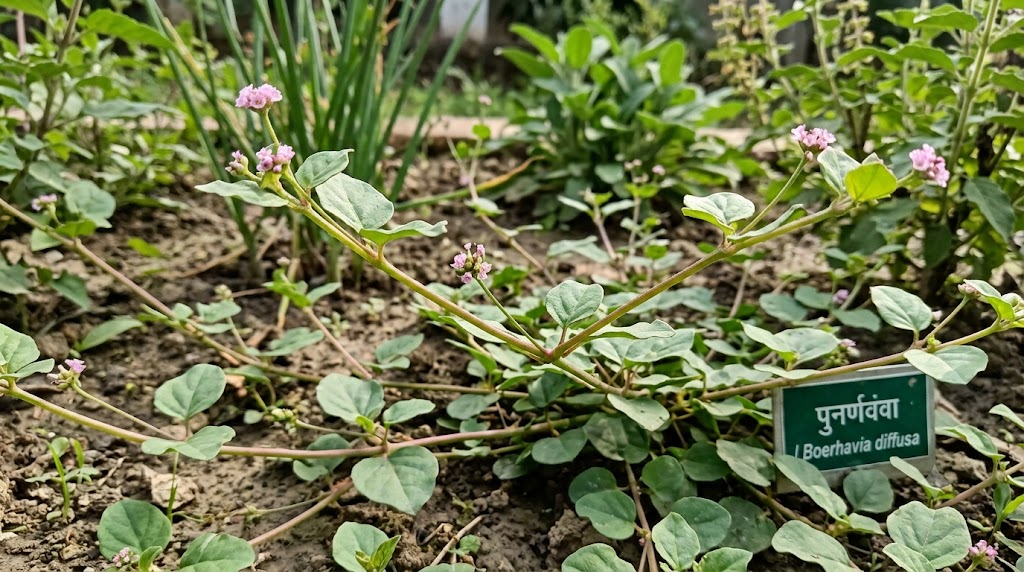
    Botanical Name : Boerhavia diffusa Linn.

    Family : Nyctaginaceae

    Identification No.:SDACH/HG/053

    Introduction :

    This drug used as diuretic. It is also used as a Rasãyana. Some people says this plant is not punarnava it is varshabu, according to them  punarnava and varshabu are different.

    Names in different Indian languages :

    English : Spreading Hog weed,pig weed

    Bengali : Punanava

    Panjabi : Itsit

    Marathi : Ghetuli

    Kanada : sandika

    Malayalam : Thazhutama

    Hindi : Sant,gadahpurna

    Telugu : Attamamidi

    Unani : Itsit,Bishkhaparaa

    Sanskrit : Punarnava,sophaghni

    Tamil : Mukaratte-Kirai

    Synonyms :

    Rakta-punarnavaa, Punarnavaa, Katthilla, Shophaghni, Shothaghni. Varshaabhu

    Boerhavia  repens Linn.

    Boerhavia  procumbens Roxb

    Classification according to Charaka, Susrutha & Vagbhata :

    Charaka

    Vayahsthpana, Kasahara, Anuvusanopaga, Svedopaga

    Susrutha

    Susruta Vidarigandhadi

    Vagbhata

    Varieties & adulterants – (CV – controversy, AD – adulterants) :

    1. Rakta – B. diffusa

    2. Sveta Punarnavä – Trianthema portulacastrum

    3. B. erecta – white coloured species

    4. B.repens

    5. T. monogyna

    6. Boerhavia verticillata – substitute

    Trianthema protulacastrum

    Trianthema protulacastrum

    B.repens

    Morphology :

    A perennial creeping herb with procumbent branches.

    Root— stout, many procumbent , woody. Branches— diffuse.

    Leaves— opposite, unequal pair,sub cordate, glabrous, .

    Flowers— pale rose or white  small or minute, borne in small umbels arranged in axillary and terminal panicles.

    Fruits— 5-ribbed, spherical, glandular, 1-1.5  cm long.

    Flowering and fruiting occur during winter.

    Chemical Constituents :

    xanthone, beta-ecdysone. arbinofuranoside, Hentriacontane, beta-sitosterol, oxalic acid. D-glucose, punarnavoside. punarnavine-I. punarnavine-2. boeravinones A, B, C etc.

    Properties :

    Rasa  Madhura  Tikta  Kasäya

    Guna Laghu, Rüksa

    Virya  Usna

    Vipaka Katu

    Karma : Kapha-vata hara, sothahara, tarpana, rasayana, balya, Dipana

    Diuretic, anti-inflammatory, antiarthritic, spasmolytic, antibacterial, cardiac stimulant,  laxative, expectorant, anti inflammatory, analgesic, expectorant, CNS depressant,  abortifacient.

    Indications :

    sopha, Pandu, Visaroga, Raktapitta, Vriddhi, Udara, Hridroga, svãsa, mutrachrichra

    inflammatory renal diseases, nephrotic syndrome,leucorrhoea, scabies, urinary tract infection, cough, constipation, myalgia, anaemia, bronchitis.

    Part Used :

    Whole plant, root, leaf.

    Dosage :

    Fresh juice 5-10 ml, powder 1-3 g.

    External uses :

    Punarnava is used for local application in the form of poultice or fomentation in edema. The juice of its leaves is used in the eyes for topical application.

    Internal uses :

    Digestive system : It is given internally in agnimandya, toxicity, ascites and constipation. A dose of 3 grains is used to induce vomiting.

    Circulatory system : Useful in heart disease, anaemia, oedema. Leaves vegetable is consumed to reduce oedema.

    respiratory system : Useful in cough, asthma and urahkshat.

    Reproductive system : Menorrhagia, (root decoction of red variety is used). Seeds are, aphrodisiac. Eye diseases: Cataract, chronic conjunctivitis, blepharitis, (roots rubbed in honey is locally applied).

    Urinary system : Acts as a diuretic in dysurea.

    Skin : Useful in reducing swelling and foul smelling in skin disorders.

    Temperature : Antipyretic, especially in quaternary fever.

    Satmikaran : As a rasayan therapy in- general debility.

    Antidote to snake poison and rat bite (used internally).

    Important Yogas or Formations :

    Punarnavadi Kvãtha, Punamavarista, Punarnavãdi mandura, Punãrnavadi taila, Punarnavã rasayana. Punarnavashtak, Punarnavasav

    Important research work going on :

    (1) cholesterol and blood sugar level

    (2) haemostatic effect

    (3) diuretic activity

    (4) anti-inflammatory activity

    (5) Cardio tonic effect

    (6) fibrinolytic activity

    (7) chronotropic effects

    (8) hepatoprotective activity

    (9) effect on calcium channel

    Therapeutic Uses—

    (1) Nidränãsa— Decoction of Punarnavã is very useful (H. S.).

    (2) Sotha— Ghee prepared with the decoction and paste of Punarnava is given (C.D.).

    (3) Alarka visa— sveta Punarnavã is given with Dhattüra fruits (A.S.Ut. 46)

    (4) Plihodara— sveta punarnáva root is pounded with rice- water and given orally.

    IUCN Status 

    – Least Concern. 

    Research Updates (Past 5 Years) 

    1. 2020: Hepatoprotective effects (Journal of Ethnopharmacology). 

    2. 2021: Diuretic activity in clinical trials (Ayurveda Research Paper). 

    3. 2022:Anti-inflammatory properties (Phytomedicine).                                                       Identification

    About Punarnava

    Botanical Name

    Boerhavia diffusa L.

    Family

    Nyctaginaceae

    Identification No.

    SDACH/HG/053

    Parts Used

    Whole plant, Root, Leaves

    Habitat

    India, Nepal, Bangladesh, Pakistan, Sri Lanka

    IUCN Status

    Least Concern

    Plant Photos

    Ayurvedic Properties

    Rasa

    Madhura, Tikta, Kashaya

    Guna

    Laghu, Ruksha

    Virya

    Ushna

    Vipãka

    Katu

    Contact Now

    Have queries? Contact Us.

    Have queries? We’re here to help you every step of the way.

    Contact us to get the right guidance for your academic journey at Shri Dhanwantry Ayurvedic College.

  • Kadamba

    Kadamba

    Botanical Name : Neolamarckia cadamba.

    Family : Rubiaceae

    Identification No.: SDACH/HG/052

    Introduction :

    Latin name: Anthocephalus – anthos = flower, cephalus = like the head, it has round flowers; indicus = Indian.

    Names in different Indian languages :

    English : Kadam

    Hindi : Kadamb

    Kannada : Kaduavalatige, arsenatige

    Malayalam : Kadambah, attutekku

    Sanskrit : Kadamba

    Tamil : Venkadambu, Vellai Kadambam

    Telugu : Rudrakskamba

    Synonyms :

    Kadamba, Priyaka, Vrtta-pushpa, Nipa, Halipriya.

    Neolamarckia cadamba (Roxb.) Bosser

    Anthocephalus  indicus A. Rich.

    Anthocephalus  chinensis (Lam.) A. Rich. Ex Walp.

    Anthocephalus indicus

    Varieties & adulterants – (CV – controversy, AD – adulterants) :

    Kadambaka is equated with Adina cordifolia.

    Morphology :

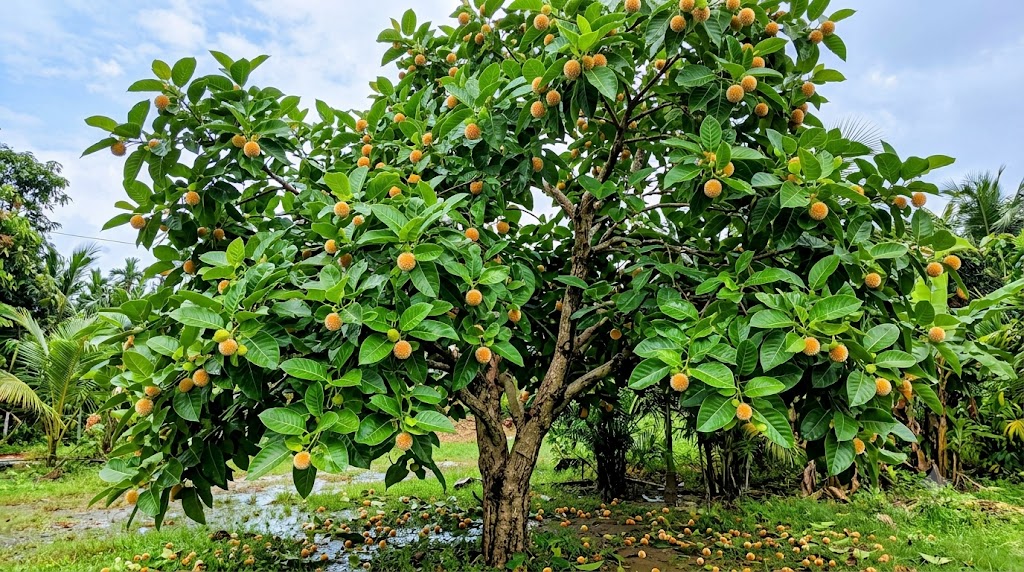
    A tree of 15 to 20 mtrs. high. densed and shady.

    Leaves – shiny, simple, elliptic-oblong, resemble the leaves of madhook with dark venations. Flowers- small, yellowish orange.

    Fruits . like small balls, hard and taste sweet and sour when ripe.

    Distribution & Habitat :

    Assam, Bengal, southwards to Andhra Pradesh and western Ghats.

    Chemical constituents :

    alkaloids, steroids, reducing sugars , tannins

    Properties :

    RASA- katu, kashaya. tikta

    GUNA- laghu. ruksha

    VIRYA- sheeta

    VIPAKA-madura

    Prabhav: vishaghna

    Karma :

    febrifugal, antidiuretic, anthelmintic, hypoglycaemic. ,cooling; anticatarrhal, blood purifier, analgesic,abortifacient.

    Indication :

    Ulcers, fever, skin disease, cough, piles, leucorrhoea, mouth ulcers,Eczema, diabetes ,leucoderma,anorexia

    Parts used :

    Bark, leaves and fruits.

    Dose :

    Bark powder . 0.5 to 1 gm; fruit juice 12 to 24 ml; leaf juice – 12 to 24 ml.

    External uses : Warm leaves are lied on wounds to reduce inflammation. In conjunctivitis. the paste of bark is applied to eyelids. Wounds are washed and cleaned by the decoction of its leaves.

    Internal use : Decoction of leaves and gum are analgesic, In diarrhoea, bleeding per rectum and colitis, decoction of the ba is used. Juice or powder of bark + jeerak ‘I’ sugar, is effective in vomiting.

    Excessive thirst in fever is reduced by fruit juice.

    It is used in bleeding disorders, oedema and cough. Decoction of roots is useful in calculi, and dysuria, In spermatorrhoea and vaginal disorders, decoction of bark is used, Menorrhagia is treated by leaf juice or decoction. Fruit juice promotes breast milk. In various skin diseases, bark paste is applied locally. Its bark is the best medicine to reduce burning sensation in fever It is also useful in general debility and toxicity.

    – Least Concern (widely cultivated). 

     Research Updates (Past 5 Years)

    1. 2019: Antipyretic activity of bark (Journal of Ayurveda). 

    2. 2020: Diuretic effect in rats (Indian Journal of Pharmacology). 

    3. 2021: Anti-inflammatory properties of flowers (Phytomedicine). 

    About Kadamba

    Botanical Name

    Neolamarckia cadamba (Roxb.) Bosser

    Family

    Rubiaceae

    Identification No.

    SDACH/HG/052

    Parts Used

    Bark, Leaves, Fruits

    Habitat

    India

    IUCN Status

    Least Concern

    Plant Photos

    Ayurvedic Properties

    Rasa

    Katu, Kashaya, Tikta

    Guna

    Laghu, Ruksha

    Virya

    Sheeta

    Vipãka

    Madhura

    Contact Now

    Have queries? Contact Us.

    Have queries? We’re here to help you every step of the way.

    Contact us to get the right guidance for your academic journey at Shri Dhanwantry Ayurvedic College.

  • SATALA

    SATALA

    Botanical Name : Acacia concinna (Willd.) DC.

    Family : Mimosaceae

    Identification No.– SDACH/HG/051

    Names in different Indian languages :

    English : Soap nut acacia

    Hindi : Shikakai

    Kannada : Sege

    Malayalam : chaemalanta

    Sanskrit : satala

    Tamil : Shikaakaai

    Telugu : Shikaya

    Unani : Shikaakaai,  Kharunb Nabti.

    Synonyms :

    Saptalaa, Shitalaa,

    Saatalaa, Shrivalli, Kantvalli

    A. sinuata (Lour.) Merrill;

    A. rugata (Lamk.) Ham.

    Morphology :

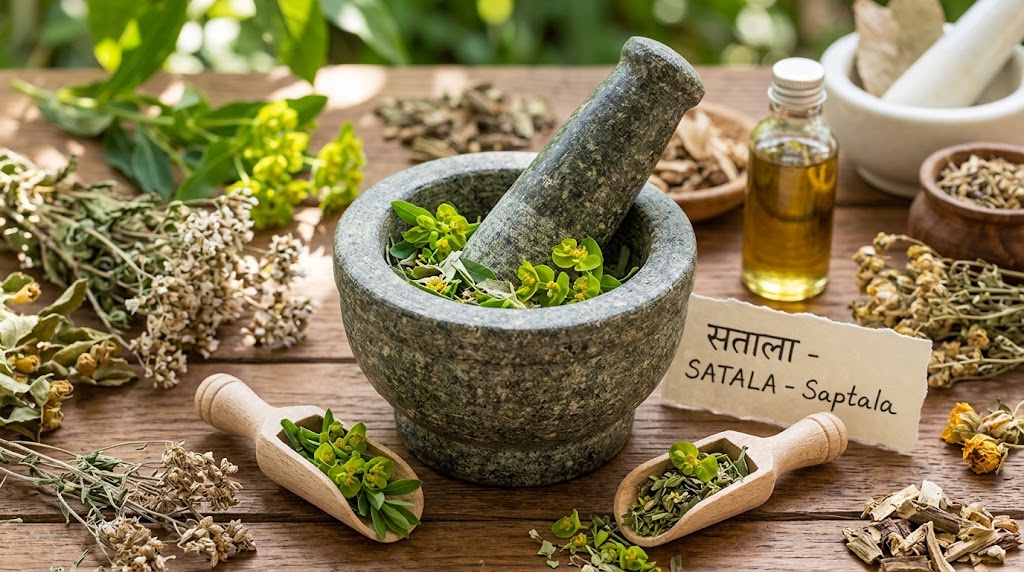
    Acacia concinna has been used traditionally for hair care in the Indian Subcontinent since ancient times. It is one of the Ayurvedic medicinal plants. The fruit is known in India as shikakai (Hindi: शिकाकाई, śikākāī; Kannada: ಸಿಗೆಕಾಯಿ; Tamil: சிகைக்காய் – literally “hair-fruit”, sigai=tresses and kaay=fruit;) “fruit for hair” in its use as a traditional shampoo.  In order to prepare it the fruit pods, leaves and bark of the plant are dried, ground into a powder, then made into a paste. While this traditional shampoo does not produce the normal amount of lather that a sulfate-containing shampoo would, it is considered a good cleanser. It is mild, having a naturally low pH, and doesn’t strip hair of natural oils. Usually no conditioner is needed, for shikakai also acts as a detangler. An infusion of the leaves has been used in anti-dandruff preparations.

    A. concinna extracts are used in natural shampoos or hair powders and the tree is now grown commercially in India and Far East Asia.[7] The plant parts used for the dry powder or the extract are the bark, leaves or pods. The bark contains high levels of saponins, which are foaming agents found in several other plant species used as shampoos or soaps. Saponin-containing plants have a long history of use as mild cleaning agents. Saponins from the plant’s pods have been traditionally used as a detergent, and in Bengal for poisoning fish; they are documented to be potent marine toxins

    Substitute/ Adulterant : –

     Substitute: Reetha (Sapindus mukorossi) 

    – Adulterant: Rarely adulterated due to distinct pod shape. 

    Phytochemicals : Saponins (natural cleanser), tannins, alkaloids, flavonoids.

    Raspanchaka-

    – Rasa:Kashaya (Astringent), Tikta (Bitter) 

    – Guna: Laghu (Light), Ruksha (Dry) 

    – Virya: Sheeta (Cooling) 

    – Vipaka: Katu (Pungent) 

    – Prabhava: Keshya (Hair rejuvenation) 

    – Dosha Shamakta: Balances Pitta and Kapha. 

    Karma- Rogaghnata

    Hair care, skin diseases, itching, wound healing.

    Hair wash (prevents dandruff, promotes hair growth). 

      – Paste for skin inflammation. 

    – Internal:

      – Mild laxative in small doses. 

    Part Used

    – Pods, leaves. 

    Dose

    – Powder: 3–5 grams (external use). 

    – Decoction: 50–100 ml. 

     Yoga/Formulations – Shikakai hair churna, Khadirarishta . 

     IUCN Status : Not evaluated . 

     Research Updates

    1. 2020:Study on saponins for antifungal properties (Journal of Ethnopharmacology). 

    2. 2021: Hair growth promotion in animal models (Ayurveda Research Paper). 


    About SATALA

    Botanical Name

    Acacia concinna (Willd.) DC.

    Family

    Fabaceae (Mimosaceae)

    Identification No.

    SDACH/HG/051

    Parts Used

    Pods, Leaves

    Habitat

    India

    IUCN Status

    Not Evaluated (NE)

    Plant Photos
    Ayurvedic Properties

    Rasa

    Kashaya, Tikta

    Guna

    Laghu, Ruksha

    Virya

    Sheeta

    Vipãka

    Katu

    Contact Now

    Have queries? Contact Us.

    Have queries? We’re here to help you every step of the way.

    Contact us to get the right guidance for your academic journey at Shri Dhanwantry Ayurvedic College.

  • Rakta Chandan

    Rakta Chandan

    Botanical Name : Pterocarpus santalinus Linn. f.

    Family : Papilionaceae; Fabaceae

    Identification No.: SDACH/HG/50

    Introduction :

    Latin name: Pterocarpus = ptero = winged, arpus fruit: santalinus = sandal wood.

    Names in different Indian languages :

    English : Red Sandalwood, Red Sanders.

    Hindi : Laal-chandan

    Kannada : Raktachandana

    Malayalam : Raktachandanam

    Sanskrit : Raktachandana, rakta sara

    Tamil : Shivappu chandanam

    Telugu : Raktagandhamu, yerragandhamu

    Unani : Sandal Surkh

    Synonyms :

    रक्तचन्दनमाख्यातं रक्ताङ्गं क्षुद्रचन्दनम् । तिलपर्ण रक्तसारं तत्प्रवालफलं स्मृतम् ॥१६॥ रक्तं शीतं गुरु स्वादुच्छर्दितृष्णाऽस्त्रपित्तहृत् । तिक्तं नेत्रहितं वृष्यं ज्वरन्त्रणविषापहम् ॥१७॥

    Raktachandana, Raktasaara, Kuchandan, Lohit, Harichandan, Raktasar, Tamrasar, Kshudrachandan, Arkachandan, Ranjan, Pravalphala, Surakta

    Morphology :

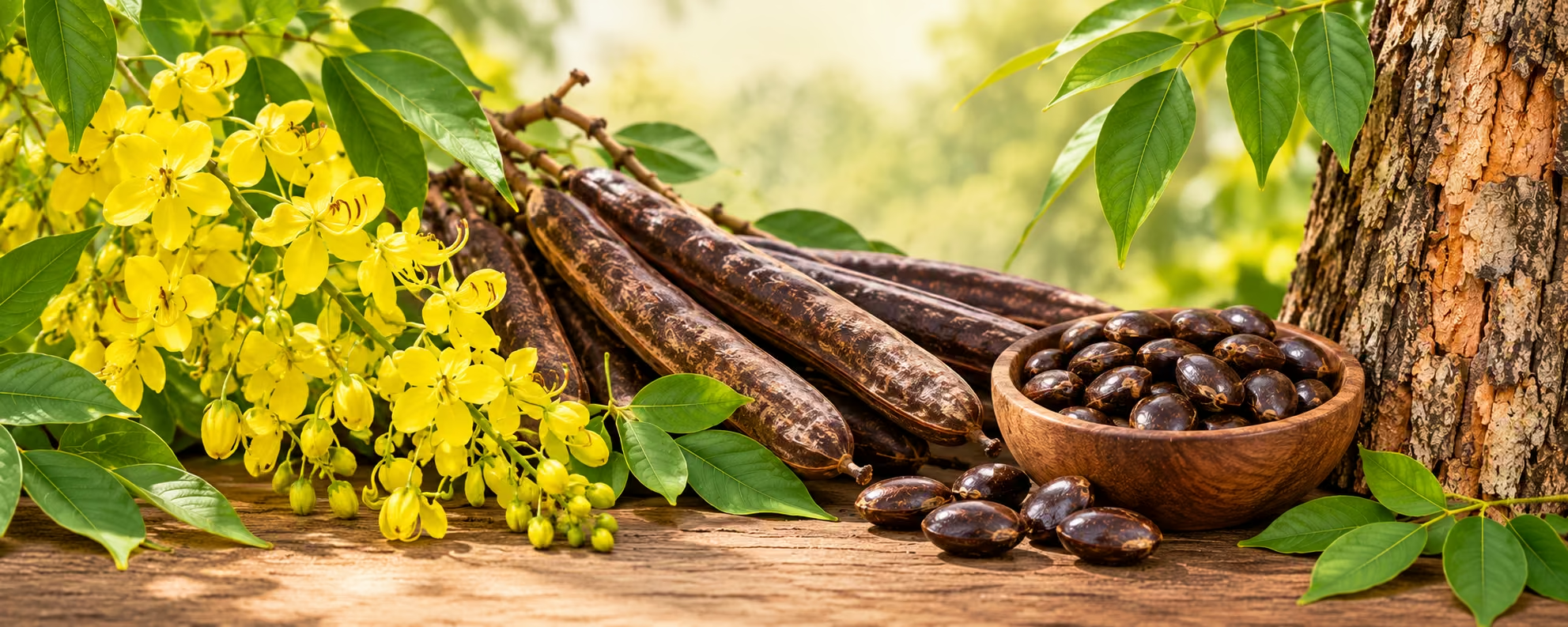
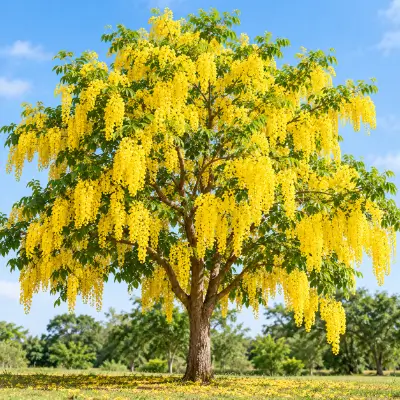
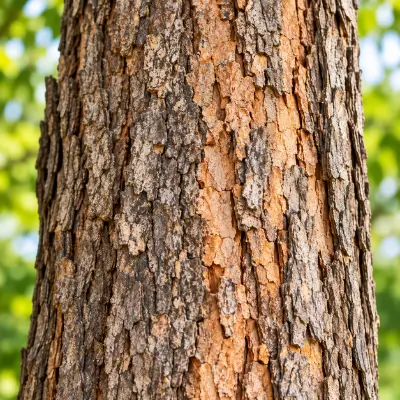
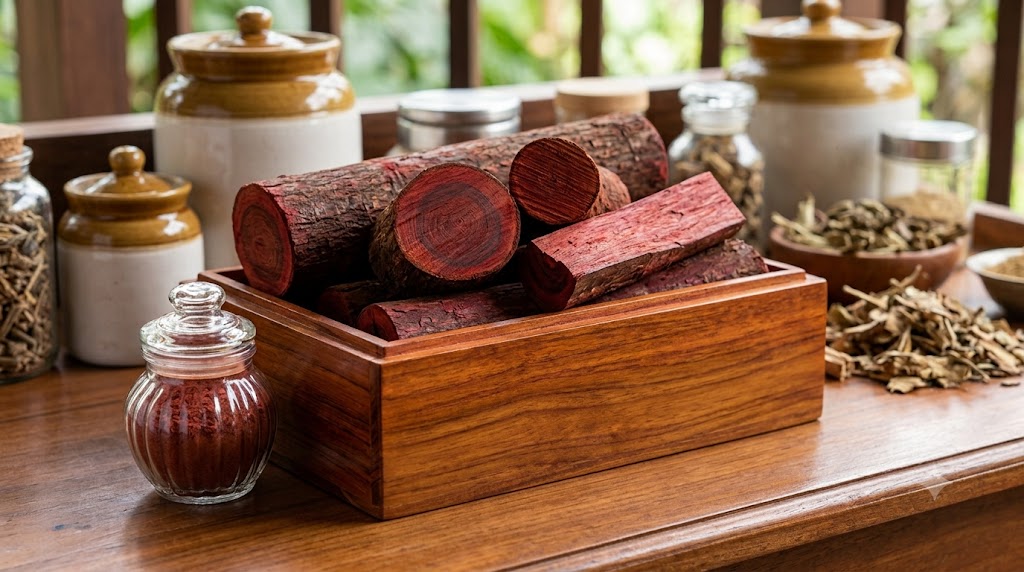
    A tree growing to a height of 5- 10 mtrs. Bark is blackish grey. Trunk – externally white but red inside. Stalk bears flowers in all the directions.

    Leaves – compound, leaflets 3, ovate,

    Flower- yellow, axillary, raceme

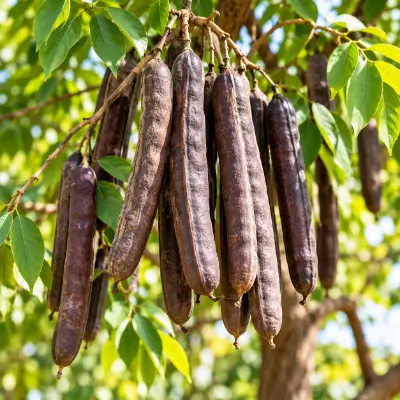
    Legumes- 6 to 9 containing red seeds, flowering and fruiting occurs in summer.

    Distribution & Habitat :

    South India

    Chemical constituents :

    eudesmol, iso-pterocarpolone, pterocarpol, cryptomeridiol, pterocarptriol, pterocarpdiolone, santalins A and B

    Properties :

    Guna: guru .ruksha;

    Rasa: madhur. tikta:

    Vipaka: katu:

    Virya: sheeta:

    Karma :

    Netrya, varnya, balyam, vrishyam

    antibilious, anti-inflammatory, hypoglycaemic, astringent, diaphoretic, febrifuge

    Indication :

    Kusta, jwara, visha, rakta dosha,

    Ulcers, wounds, fever, skin disease, cough, piles, leucorrhoea, mouth ulcers, Eczema

    Part used :

    Heart wood

    Dosage :

    Powder 2-4 g

    Decoction 50-100 ml

    Aamayika Prayoga

    • External Application – Styptic Anti inflammatory properties.
    • Cures burning sensation. Indicated in
    • burning sensation, swelling, headache, skin disorders etc.
    • Internal administration-
    • Digestive System – indicated in vomiting, excessive thirst, Diarrhea, etc.
    • Excretory System – Increases urine output. indicated in Dysuria, UTI etc.
    • Circulatory system – Indicated in bleeding disorders, acts as a blood purifier
    • Tvak Indicated in skin disorders
    • Tapakrama – Indicated in fever associated with burning sensation
    • Satmikarana – Anti poisonous

    Yoga/Formulations: Asanadi Kashayam, Guduchyadi Kashayam, Tarunarka Rasa, Chandanadi Lauh    

    IUCN Status: Pterocarpus santalinus is listed as Endangered under criteria A2cd.

    Research updates

    1. Physio-chemical analysis
    2. Santalinus bark and heartwood are rich in flavonoids and protect the liver against chemical-induced toxicity. Studies showed that aqueous (45 mg/mL) and ethanol (30 mg/mL) bark extracts of P. santalinus restored CCl4-induced liver damage in rats.


    About Rakta Chandan

    Botanical Name

    Pterocarpus santalinus L.f.

    Family

    Fabaceae (Papilionaceae)

    Identification No.

    SDACH/HG/050

    Parts Used

    Heartwood

    Habitat

    India

    IUCN Status

    Endangered (EN)

    Plant Photos

    Ayurvedic Properties

    Rasa

    Madhura, Tikta

    Guna

    Guru, Ruksha

    Virya

    Sheeta

    Vipãka

    Katu

    Contact Now

    Have queries? Contact Us.

    Have queries? We’re here to help you every step of the way.

    Contact us to get the right guidance for your academic journey at Shri Dhanwantry Ayurvedic College.

  • Parijata

    Parijata

    Botanical Name : Nyctanthes arbor-tristis

    Family : Oleaceae; Nyctanthaceae   

    Identification No.: SDACH/HG/049

     Introduction :

    Latin name: Nydanthus (Nyct = night; anthus = flowering (night flowering); arbortristis = (Arbor )

    tristis = weeping, gloomy, flowers dropping like tears).

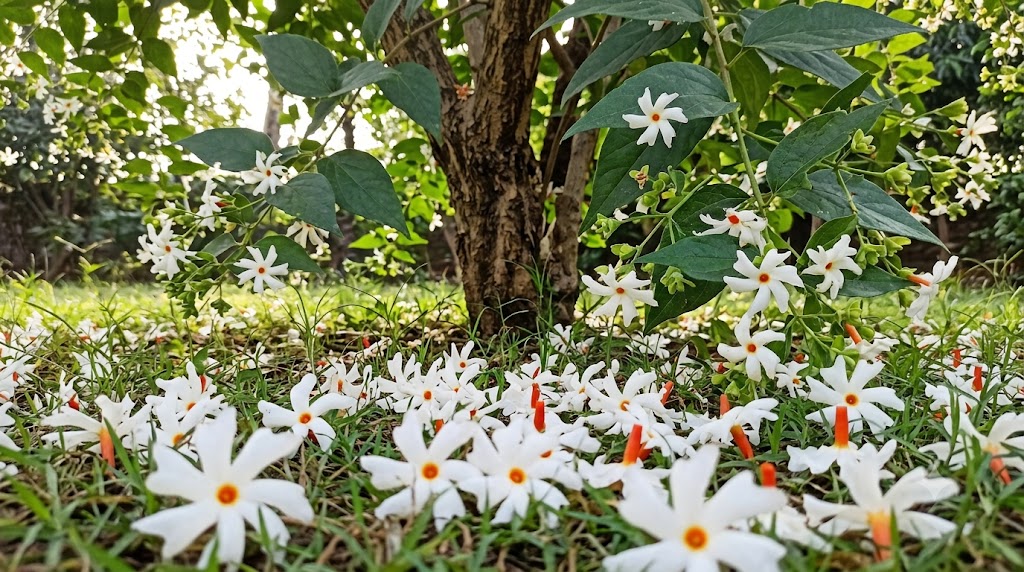
    Red stalks of flowers are cut, dried in the sun end stored to be usedfor dying clothes and as a colouring agent for sweets and other eatables. Poets in India have compared the tips of beautiful women to the flowers of this tree

    Names in different Indian languages :

    English : Tree of Sorrow,Night Jasmine,Coral Jasmine

    Hindi : Harsimgar,parja

    Kannada : Parijata

    Malayalam : Pavilamalli,parijatham

    Sanskrit : Paarijaata

    Tamil : Pavazha mattigai

    Telugu : pavilamalligai

    Unani : Harasingaar,swetasarasa

    Synonyms :

    Paarijaata, Shephaali, Shephaalikaa, Mandaara

    Morphology :

    A tree of 3 – 10 mtrs height.

    Leaves – simple, opposite,  facing forwards, 10 to 12.5 cm long. 5 to 6.25 cm broad, rough. Upper surface is green and the lower surface is white. Petals are yellowish red and very attractive in appearance. Therefore it is compared to the lips of a young lady.

    Flowers –  white, fragrant and delicate, flowers bloom in the night and fall off in the morning on the ground below the tree. Ovary is flat, bilobular with two seeds. (Children play with these seeds and call them as coins).

    Distribution & Habitat :

    All over India

    Chemical constituents :

    Iridoid glycosides, mannitol, beta-amyrin, beta-sitosterol, hentriacontane, benzoic acid, astragalin, nicotiflorin, oleanolic acid, nyctanthic acid, friedelin and lupeol.

    Properties :

    RASA- tikta

    GUNA- laghu. ruksha

    VIRYA-ushna

    VIPAKA-katu

    Karma :

    bitter tonic, cholagogue, febrifuge, anti-inflammatory, antispasmodic, hypotensive, respiratory stimulant, laxative, diuretic

    Indication :

    fevers, gout, sciatica, pruritus, cough, asthma

    Part used :

    Leaves, flower, seed, bark

    Dosage :

    2-4 g

    Amayika prayoga

    Internal uses :

    Seeds are used as antihelminthics and in alopecia. Rough leaves are used for scrapping the margins of wounds. Leaf juice is used in loss of appetite, piles, liver disorders, biliary disorders and intestinal worms. Powder prepared from leaves or bark is given in cough and asthma. Also useful in dysuria, chronic fever and snake poisoning.

    Therapeutic Uses :

    Decoction of leaves is very useful in fever with rigors

    IUCN Status: Not Evaluated (NE)

    Research updates (past 5 years):

    1. A 2021 study highlighted significant anti-inflammatory and anti-arthritic effects of Parijatha leaf extract.

    2. A 2020 in vitro study confirmed antimalarial activity of ethanolic extracts.

    3. A 2023 research demonstrated its hepatoprotective and immunomodulatory potential in animal models.

    About Parijata

    Botanical Name

    Nyctanthes arbor-tristis L.

    Family

    Oleaceae

    Identification No.

    SDACH/HG/049

    Parts Used

    Leaves, Flowers, Seeds, Bark

    Habitat

    India

    IUCN Status

    Not Evaluated (NE)

    Plant Photos
    Ayurvedic Properties

    Rasa

    Tikta

    Guna

    Laghu, Ruksha

    Virya

    Ushna

    Vipãka

    Katu

    Contact Now

    Have queries? Contact Us.

    Have queries? We’re here to help you every step of the way.

    Contact us to get the right guidance for your academic journey at Shri Dhanwantry Ayurvedic College.
  • Palasha

    Palasha

    Botanical Name : Butea monosperma 

    Family : Papilionaceae; Fabaceae

    Identification No.: SDACH/HG/048 

    Introduction :

    It is the most important plants for the Yajna. Its gum (red coloured) is also described in vedic texts. it used in the management of Arsas, Atisãra, Raktapitta, Kustha, Raktaja Gulma etc.

    The flame tree belongs to the subfamily Caesalpinioideae, family Fabaceae (formerly Leguminosae).

    The Chinese flame tree belongs to the Sapindaceae family and is classified as Koelreuteria bipinnata.

    Names in different Indian languages :

    English : Flame of the Forest,Butea Gum, Bengal Kino,bastard teak

    Hindi : Dhak,palash

    Kannada : muttagamara

    Malayalam : Plasu,chamata

    Sanskrit : palasah

    Tamil : Camata,purasus

    Telugu : moduga

    Unani : Dhaak,Samagh Dhaak,Kamarkas

    Folk : Tesu

    Synonyms :

    Kimsuka, Ksãrarestha, Brahmopanetra, Rakta puspa, Samidvara, Brahma Vrksa, Vãtapotha, Triparni  , Paalasha, Kimshuka, Raktapushpaka, Kshaarshreshtha, Brahmavriksha, Samidvar.

    B. frondosa Koenig ex Roxb.

    Classification according to Charaka, Susrutha & Vagbhata :

    Susrutha : Rodhrãdi, Muskakãdi, Ambasthãdi, Nyagrodhãdi

    Vagbhata : Rodhrãdi, Muskakãdi, Ambasthãdi, Nyagrodhãdi

    Varieties & adulterants – (CV – controversy, AD – adulterants) :

    1. Latapalsa – B. superb Roxb

    2. Rakta (red),

    3. Pita (yellow)

     4. Sveta (white)

    5. Neela (blue).

    Morphology :

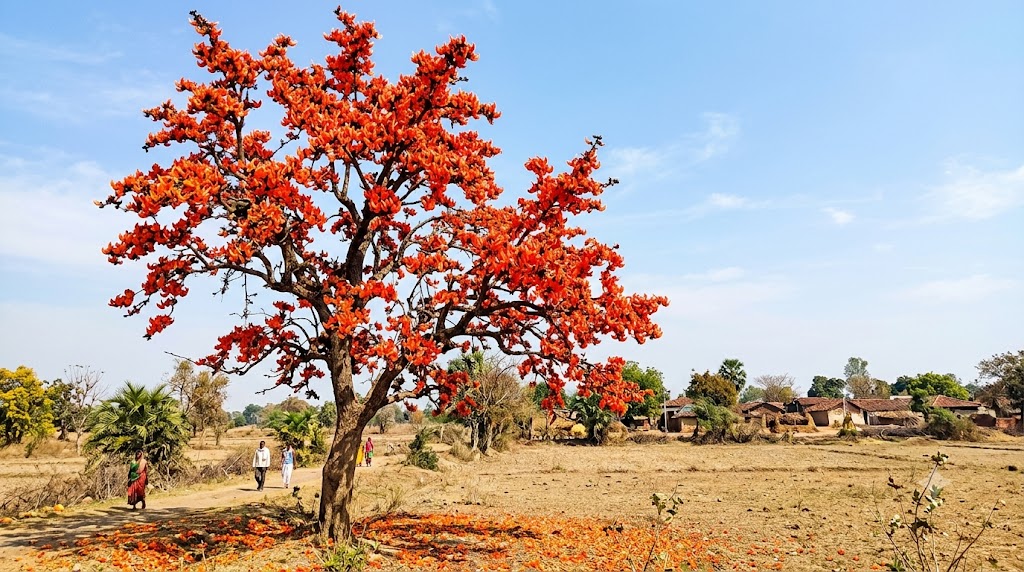
    A deciduous tree growing up to 15 m. height and 1.5-2 m in girth, trunk is crooked. Bark light-brown or bluish-grey, yielding a ruby-red vitreous gum(Butea gum or Bengal keno) Wood-white or yellow-brown.

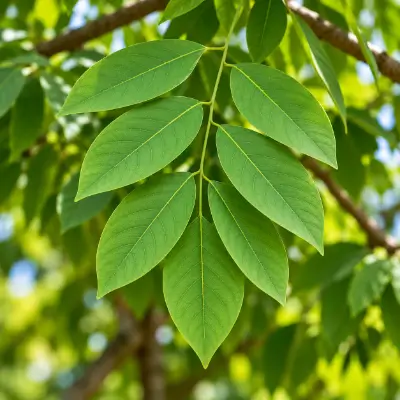
    Leaves trifoliolate, large, unequal, 10.5-20.5 cm.

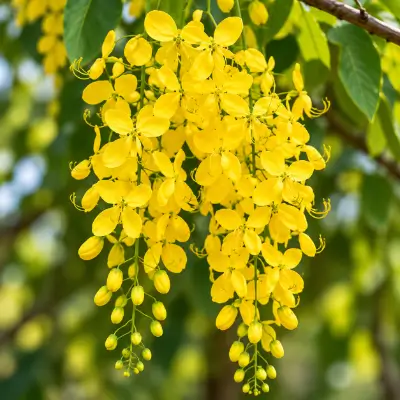
    Flowers- in racemes, brilliant orange-red, 4-6 cm. long; lower calyx-teeth deltoid.

    Fruits- pods, silvery-white, broad, dehiscent (by one suture).

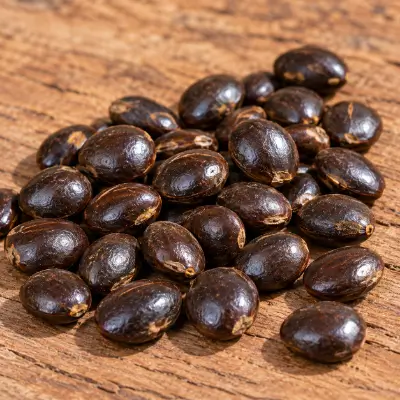
    seeds- flat, elliptic, reddish-grey, 3 cm.

    Distribution & Habitat :

    Throughout India

    Chemical constituents :

    butin, butrin, isobutrin, palastrin, butrin, coreopsin, monospermoside , sulphurein, chalcones.

    Flowers— butin, isocorcopsin, monospermoide, butein (major glucoside), isomonospermoside, coreopsin, palasitrin.

    Roots— Glycine, Jalaric esters I, II, III & IV etc

    Gum— leucocyanidin, procyanidin etc.

    Seeds— monaspermin, palasonin, essential oil with myristic, palmitic acids etc.

    Properties :

    Rasa- Katu, Tikta, Kasaya

    Guna -Laghu, Snigdha

    Virya – Usna

    Vipaka – Katu

    Karma : Vãta-kapha hara, Grãhi, Krmighna, Dipana

    Bark—astringent, styptic (prescribed in bleeding piles, ulcers, haemorrhages, menstrual disorders), anthelmintic.

    Flowers—astringent, diuretic, emmenagogue (also given for leucorrhoea). A decoction of flowers is given in diarrhoea and haematuria, also to puerperal women.

    Seeds—clinical use of seeds as an anthelmintic drug is not considered safe in humans

    Indication :

    Krimi, Pliha roga, Gulma, Grahani, Arsaas. astringent, bleeding piles, ulcers, haemorrhages (menstrual disorders), anthelmintic.  diuretic, emmenagogue (also given for leucorrhoea).Antibacterial,antifungal

    Part used :

    stem bark, flowers, seeds, gum , ash

    Dosage :

    Bark decoction 50-100 ml, seed powder 5-8 g, flower powder 5-6 g, gum 2-4 g

    Important Yogas  or  Formulations :

    Krmimudgararas, Palãgaksãra taila   

    Amayaka prayog

    • External Analgesic and Anti inflammatory in nature. Flower, Bark and Resin has absorbent properties, seed has scraping action and Leaves Analgesic and Absorbent properties. In obstruction of urine palasa flower can be taken and can be used for tying over bladder area; which helps to relieve the symptom. Leaves after making hot can be used for tying over inflammatory areas. Bark decoction can be used for wound cleaning, in Hemorrhoids and in Leukorrhea. Seed paste is indicated in skin diseases, eye diseases etc. Oil can be used for external application in Erectile dysfunction. Seed powder can be used for nasya in Epilepsy. Oil is indicated in Animal poisoning.
    • Digestive System Carminative, Digestant, and liver stimulant. Flowers have absorbent properties. Alkali prepared out of it processes Bhedana and Anulomana action. Bark decoction is indicated in Malabsorption syndrome, Hemorrhoids, and in diminished digestive strength. Flower is indicated in Excessive thirst and in Diarrhea. Palasa kshara is beneficial in Ascites, Phantom tumor and in abdominal colic.
    • For three days, a dose of 3-6 grams of seed powder can be taken in the morning and at night. On the fourth day, purging with castor oil is done to get rid of roundworms. (Gandupada krimi). Circulatory System – Flower and Resin is beneficial in Bleeding disorders and Seed is indicated in vatarakta (Flower and Resin is rakta sthambaka and seed is Rakta sodhaka.
    • Excretory System – Flower is indicated in Dysuria and Seed in Diabetes.
    • Reproductive system – To improve the quantity of semen resin can be given. Flowers are beneficial in Menorrhagia.
    • Tvak – Both flower and seed are indicated in skin disorders. To control sweating resin is useful.
    • Tapakrama – Flower is indicated in fever associated with burning sensation.

    Therapeutic Uses :

    1. Slipada-Juice of Palãsa root and equal quantity of Sarsapa are given with oil (V.M). .

    2. Krimi- Seed paste or juice of Palãsa may be taken with butter milk (S.S.Ut.54)

    3. Pumsavana- The pregnant lady (2-3 months after conception) may be given paste of one palasa leave with milk (B. P).

    IUCN Status: Least Concern (LC)

    Research updates (past 5 years):

    1. A 2021 study validated the anti-diabetic and antioxidant effects of Palash bark extract.

    2. A 2022 paper highlighted wound healing and anti-inflammatory activities of Palash leaves and gum.

    3. A 2023 in vitro study demonstrated strong anthelmintic potential of Palash seed powder.


    About Palasha

    Botanical Name

    Butea monosperma (Lam.) Taub.

    Family

    Fabaceae (Papilionaceae)

    Identification No.

    SDACH/HG/048

    Parts Used

    Stem bark, flowers, seeds, gum, ash

    Habitat

    India

    IUCN Status

    Least Concern

    Plant Photos

    Ayurvedic Properties

    Rasa

    Katu, Tikta, Kashaya

    Guna

    Katu, Tikta, Kashaya

    Virya

    Ushna

    Vipãka

    Katu

    Contact Now

    Have queries? Contact Us.

    Have queries? We’re here to help you every step of the way.

    Contact us to get the right guidance for your academic journey at Shri Dhanwantry Ayurvedic College.
  • Nirgundi

    Nirgundi

    Botanical Name: Vitex negundo

    Family: Verbenaceae

    Identification No.: SDACH/HG/047

    Introduction :

    This leaves of nirgundi used for rubbing diseased part in leprosy. It classified under anusastra

    Names in different Indian languages :

    Hindi : Samhalu

    Telugu : Vavili,tellavalli

    Tamil : Nirkundi,nallanocci

    English : Five-leaved chaste

    Bengali : Nishinda

    Kanada : Niragundi,nekka,lakkagida

    Malayalam : karunocci

    Sanskrit : Nirgundi

    Unani : Sambhaalu,Fanjankisht

    Synonyms :

    Shephaalikaa, Sindhuka, Sindhuvaara, Suvahaa, Sugandhikaa. Nila, Nilanirgundi, Shveta nirgundi , Sinduvaara,

    Classification according to Charaka, Susrutha & Vagbhata :

    Charaka : Visaghna, Krmighna

    Susrutha : Surasadi

    Vagbhata : Surasadi

    Varieties & adulterants – (CV – controversy, AD – adulterants)  :

    Morphology :

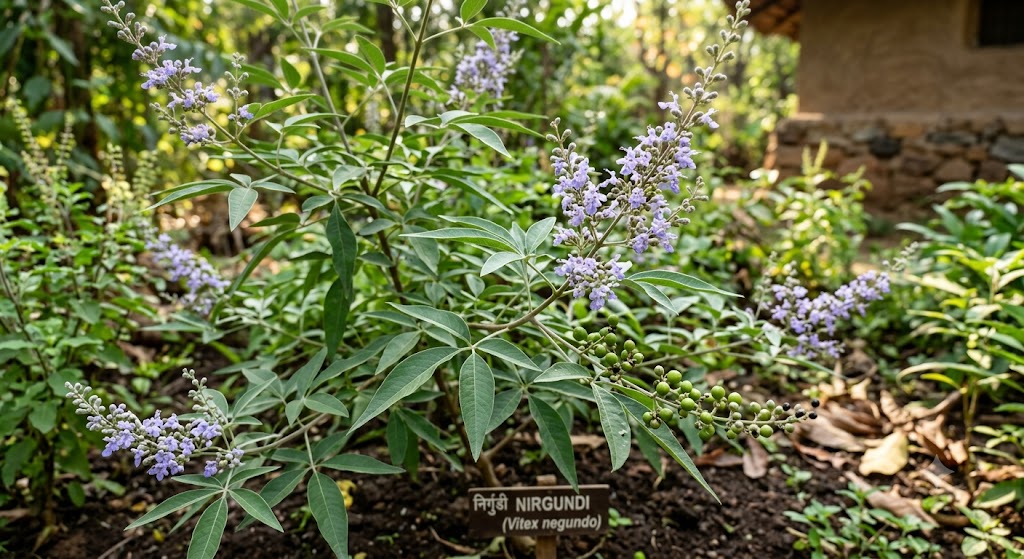
    A shrub or a small tree of about 3m height and underside of leaves pubescent.

    Leaves—Tri or penta-foliolate; leaflets lanceolate, middle one will be longer, entire or crenate, glabrate, dark above and pale be- heath.

    Flowers— in lateral cymes, small, bluish purple upto 30 cm long.

    Fruits— globose and black when ripe.

    Seeds— obovate or oblong.

    Flowering and fruiting between March-August

    Distribution & Habitat :

    All over India

    Chemical constituents :

    casticin , glucosides, luteolin-7-glucoside, vitricine, beta sitosterol, camphene, beta pinenes, angoside, aucubin

    Properties :

    Rasa : Katu, Tikta

    Guna: Laghu, Ruksa

    Virya : Usna

    Vipaka : Katu

    Karma : Vata-Kaphahara, Caksusya, Kesya, Krmi, Vranaropana, vishahara,Digestive, stomachic, anti-inflammatory, diuretic, expectorant, carminative

    Toxicity Studies :

     oil produces burning sensation and urticaria of used in excessive doses.

    Indication :

    sula, sotha,vata roga,  Amavãta, Krmi, Kustha, Aruci, Vrana, Grdhrasi, Snãyuka, Visarpa, Netra roga, Sãtikã roga, Visa roga, Gandamala,fever, spermatorrhoea, hair loss, cervical spondylosis, .A. , lumbago, cerpain, tuberculosis, leucoderma, cephalgia, memory lose, neural disoeder, skin diseases.

    Part used :

    Leaves, root, seeds, bark,Tree with serrated leaf type is preferable.

    Dosage :

    Leaf juice 10-15 ml

    Powder 2-4 g

    Decoction 50-100 ml

    Amayika Prayoga/Therapeutic Uses:

    External uses :

    Best analgesic. anti-inflammatory, antibacterial, cleaning and healing wounds. hair tonic. Heated nirgundi leaves are tied over the affected part (or poultice) in headache. scrotal swelling. Sinusitis, arthritic pain and rheumatic arthritis. Decoction prepared from leaves is used for tub bath in endometritis, colitis in these conditions it reduces the obstruction of blood and amakapha, increases perspiration. reduces oedema and also relieves pain. Gargles with decoction of leaves is useful in phatyngitis, stomatitis, difficulty in deglutition and inflammation. Smoke of leaves  is useful in headache, sinusitis and common cold. Nirgundi oil is best in wounds for cleaning, anti-infective and to remove foul smell. Oil is also useful in baldness. Nirgundi is also called a upanaha vriksha.

    Internal uses :

    Nervous system It is an analgesic, brain tonic and alleviates vata, therefore useful in headache. sciatica, rheumatic arthritis. synovitis, improves memory

    Digestive system : Since it has tikta, katu and ushna properties it improves appetite and digestion. It is useful in loss of appetite, anorexia. amadosha, hepatitis and is anthelmintic.

    Circulatory system : White flowered nirgundi is used in oedema induced by kaphavata. As it acts on the raktadhatu and alleviates vata and kapha. it is used in inflammatory conditions of liver and spleen. Mixture of leaf juice and cow’s urine is an effective remedy for ascites, Nirgundi is useful in all inflammatory conditions,

    Respiratory system : By removing kapha from respiratory passage, it improves ventilation therefore used in kapha kasa, asthma, pneumonia and pleurisy.

    Urinary system : Diuretic, hence useful in dysuria and anuria. In gonorrhoeal infection it helps in passing urine smoothly.

    Reproductive system : It improves menstrual flow therefore used in dysmenorrhoea and obstetric conditions.

    Skin : Valuable medicine in skin diseases; urticaria and eruptions.

    Temperature : It helps in digestion of ama, thus reducing fever. It is used as an anupan or a main drug in typhoid and malaria fever.

    Medovahasrotas : Decoction is used as a nasya in cervical lymythadenopathy and topical application at leaves also helps.

    Eyes : Leaf juice is installed in conjunctivitis, Surma is prepared from seeds.

    Ears : Nirgudi oil is useful (leaves + oil) in reducing pain, oozing, inflammation and fungal infection of ear.

    Satmikaran : Every part of the body is stimulated, therefore it acts as a rasayan in body. The combination of sheelajit + nirgudi is best rasayan.

    Antidote : Latex of Acacia arabica.

    Due to strong (pungent) odour, it is used as a mosquito and bed bug repellent. Also prevents insect growth in stored food grains (insecticidal). A parasitic plant grows on nirgundi in rainy season which is useful in mahakushtha. Also effective in guneaworm infestation.

    Important Yogas or Formulations :

    Nirgudikalpa, Nirguditail, Nirgudighrit. In large doses it vitiates pitta and therefore causes pitta disorders. Nirgundi taila, Nirgundi Kalpa. 

    Therapeutic Uses :

    1. Vãtavyãdhi— Nirgundi root powder shall be given with oil as Anupãna (R.R.S.).

    2. Kãsa,svãsa — Decoction prepared with Nirgundi, Gudüci, Haritaki and Marica (equal parts) is given with salt .

    3. Gandamãla— Nirgundi root is pounded with water and given as Nasya (V.M.).

    IUCN Status: Least Concern (LC)

    Research updates (past 5 years):

    1. A 2021 clinical trial showed significant anti-inflammatory effects in osteoarthritis patients.

    2. A 2020 pharmacognostic review confirmed antimicrobial and wound-healing activities of Nirgundi leaf extract.

    3. A 2023 in vivo study demonstrated neuroprotective and anti-arthritic properties in rodent models.


    About Nirgundi

    Botanical Name

    Vitex negundo L.

    Family

    Lamiaceae (formerly Verbenaceae)

    Identification No.

    SDACH/HG/047

    Parts Used

    Leaves, Root, Seeds, Bark

    Habitat

    India, Nepal, Bhutan, Pakistan, Sri Lanka

    IUCN Status

    Least Concern

    Plant Photos

    Ayurvedic Properties

    Rasa

    Katu, Tikta

    Guna

    Laghu, Ruksha

    Virya

    Ushna

    Vipãka

    Katu

    Contact Now

    Have queries? Contact Us.

    Have queries? We’re here to help you every step of the way.

    Contact us to get the right guidance for your academic journey at Shri Dhanwantry Ayurvedic College.
  • Pippali

    Pippali

    Botanical Name : Piper longum

    Family : Piperaceae   

    Identification No.: SDACH/HG/046

    Introduction :

    Pippali used as rasayana & treatment of piles, kasa. In Indian  mythology reveals that Pippali has its origin during Samdura mathana along with Amrta (elixer).

    Names in different Indian languages :

    Hindi : Pipala,pipal

    Telugu : pippallu

    Tamil : Tippili, pippili,Arisi thippili

    English : Long pepper

    Bengali : pipali

    Marathi : pipali

    Panjabi : Maghaun

    Kannada : Hipli

    Malayalam : Tippali

    Sanskrit : Pippali,magadhi

    Unani : Filfil Daraaz,Daarfilfil

    Synonyms :

    पिप्पली कणिनी चैव कृष्णा मगधिका लघु |

    वैढूर्या मुख वर्णा च तिक्ता कण्टक धारिणी ||

    Maagadhi, Maagadha, Maagadhaa, Maagadhikaa, Magadhodbhavaa, Vaidehi, Upkulyaa, Pippalikam, Chapalaa, Kanaa, Krishnaa. Uushnaa, Shaundi, Kolaa, Tikshna-tandulaa

    Classification according to Charaka, Susrutha & Vagbhata :

    Charaka : Dipaniya Kanthya, Asthapanopaga, sirovirecanopaga, sitaprasamana, süla prasamana, Kãsahara, Hikkanigrahana, Trptighna,Vamana.

    Susrutha : Pippalyãdi, urdhvabhagahana, Tryusana (Trikatu) Amalakäyãdi, sirovirecana

    Vagbhata : Pippalyãdi (A.S.)

    Varieties & adulterants – (CV – controversy, AD – adulterants) :

    1. Pippali – P. longum

    2. Gaja Pippali -P. chaba

    3. Simhali Pippali – Cylone variety

    4. Vana Pippali.

    5. Assam pippali

    6. Piper  salvelous

    Morphology :

    An aromatic slender climber.

    Stems— Creeping, jointed, attached to other plants while climbing. swollen at nodes

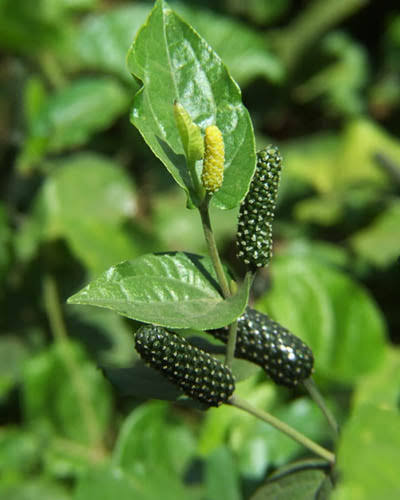
    Leaves— alternate, 6-10 cm x 3-5 cm, subacute, entire, glabrous, reticulate venation, cordate at the base.  Lower one broadly ovate, cordate, upper one oblong, oval

    Flowers— in pendulate spikes. straight; male larger and slender; female 1.5-2.5 cm x 4-5 mm dia.

    Fruits— yellowish orange berries , aboid, sunk in fleshy spike.

    Flowers in rainy season and fruits in autumn.

    Distribution & Habitat :

    Found in the hotter parts of India, from central

    Himalayas to Assam, Khasi and Mikir hills. Also found in forests of western ghats from Konkan to Kerala.

    Chemical constituents :

    Piperine, aristolactams, dioxoaporphines, isobutyl amide, longamide, besides guineensine, the lignans, pluviatilol, methyl pluviatilol (fargesin), sesamin , asarinine, Essential oil, mono- and sesquiterpenes, caryophyllene  (mainly). piplartine, piperlongumine, pipercide. sesamin, – four aristohtctams (cepharanonle B. aristolactum All. piperlactum A and piperolactam B.) 

    Properties :

    Rasa : Katu

    Guna : Laghu. Snigdha. Tiksna (Ardra—Guru)

    Virya :  Usna (Ardra-Sita)

    Vipãka : Madhura

    Karma : (Ardra-Kapha vardhaka), Dipana, Vrsya, Rasayana

    digestive, appetizer, carminative, haematinic, expectorant, sedative

    Indication :

     Udara. Pliharoga, jvara, Kustha, Prameha, Gulma, Arsas,sula, Amavata .cough, bronchitis, asthma

     Roots are bitter, thermogenic, diuretic,  purgative, expectorant, digestive. Useful in gout, splenopathy, lumbago

    Pipali are thermogenic, laxative, carminative, digestive, anti septic. Useful in anorexia, colic, fever, epilepsy, haemorrhoids, gout

    Part used : Fruit, root

    Dosage :

    Powder 1-2 g.

    Amayika Prayoga/Therapeutic Uses:

    • Nervous system – Pacify vata dosha, improve intellect, Indicated in diseases of vata origin
    • Digestive system – It is spicy in taste so it acts as carminative, Anthelminthic. Mild purgative. Facilitate proper movement of vata dosha. Stimulate liver and indicated in splenomegaly. Also beneficial in abdominal cramp, bloating, loss of appetite, Constipation, splenic disorders etc.
    • Circulatory System – Indicated in Rheumatic heart diseases, Anemia. Increase blood pressure.
    • Respiratory System – Pacify kapha and Vata dosha. Indicated in kasa (Cough), hiccough and in breathing difficulties, Helps to expel out the excessive kapha from respiratory passage. Indicated in Tuberculosis.
    • Excretory system – Being Madhura vipaka, it increases urine production
    • Reproductive System – Its fruit is Aphrodisiac and root causes uterine contraction. Indicated in Amenorrhea and in Dysmenorrhea.
    • Indicated in fever (Jeerna jvara, and in vishama jvara) In Jirna jvara it can be administered along with Jaggery.
    • Satmikarana – Rejuvinative For Rasayana action Vardhamana pippali can be administered.

    Important Yogas  or  Formulations :

    Pippalyãdi ghrta, Pippalyasava, Vyosãdi

    Vati, Yakritplihãri loha, Yãkrta pippali yoga, Causastaprahara pippali, Pippalyãdi leha.

    Therapeutic Uses :

    (1) Kamala— Pippali is used as Nasya and Añjana (G.N.)

    (2) Rasayana— Ghee prepared with Pippali & milk will be useful (V.S.).

    IUCN Status: Data Deficient

    Recent research :
    (1) Antitubercular activity

    (2) Anti-inflammatory activity


    About Pippali

    Botanical Name

    Piper longum L.

    Family

    Piperaceae

    Identification No.

    SDACH/HG/046

    Parts Used

    Fruit, Root

    Habitat

    India

    IUCN Status

    Data Deficient

    Plant Photos

    Ayurvedic Properties

    Rasa

    Katu

    Guna

    Laghu, Snigdha, Tikshna

    Virya

    Ushna

    Vipãka

    Madhura

    Contact Now

    Have queries? Contact Us.

    Have queries? We’re here to help you every step of the way.

    Contact us to get the right guidance for your academic journey at Shri Dhanwantry Ayurvedic College.
  • Parnayavani

    Parnayavani

    Botanical Name : Coleus amboinicus

    Family : Lamiaceae  

    Identification No.: SDACH/HG/045

    Introduction :

    Latin name: Colens = Gk, koleos = a sheath (refering to the way the base of the stamens are combined); amboinicus ambo – pulpit = a raised platform.

    In folk it is using for kidney stone.

    Names in different Indian languages :

    English : Indian Borage

    Hindi : Patta ajavayin, patharcur

    Kannada : Karpurahalli

    Malayalam : Panikkurka, kannikurkka

    Sanskrit : Parna-yavaani,

    Tamil : Karpoorvalli

    Telugu : sugandhavalkam

    Synonyms :

    Pashanbhedi, karpura valli, sugandhavalkala

    Plectranthus amboinicus (Lour.) Spreng.

    Coleus amboinicus Lour.

    Varieties & adulterants – (CV – controversy, AD – adulterants) :

    Mexican mint – Coleus amboinicus

    Coleus vettiveroides

    Morphology :

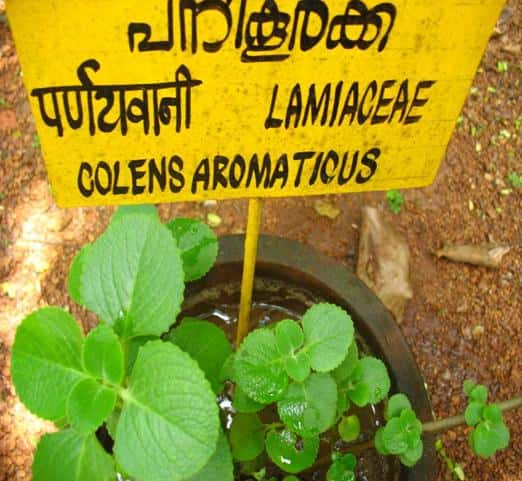
    A perennial, hairy shrub, very fragrant and with bristly hair. Trunk is 30 cm. to 1 mtrs. high and delicate.

    Leaves – simple, 6cm. long, ovate, dentate, thick with pungent smell.

    Flowers – small, violet, flowering at the end of winter and fruiting in summer.

    Distribution & Habitat :

    all over India, native to Malaya.

    Chemical constituents :

    thymol ,carvacrol and camphor,oxalacetic acid, flavonoid, cirsimaritin , betasitosterol.

    Properties :

    Guna: laghu ruksha,;

    Rasa: katu, tikta;

    Virya: ushna;

    Vipaka-katu

    Karma : carminative, digestive,astingent,cooling,diuretic, antimicrobial, antifungal, anthelmintic, antiviral, antipyretic, anti-inflammatory,

    Indication :

    fever, skin disease, cough, piles, leucorrhoea,vomiting, dysentery,gout, burning sensation,dyspepsia,cephalgia, worm infection

    Part used : Whole plant

    Dosage :

    Leaf juice 10-15 ml

    Powder 2-4 g

    Decoction 50-100 ml

    Amayika Prayoga/Therapeutic Uses:

    • External – Anti inflammatory and Analgesic. External application is indicated in Headache and Animal
    • poisoning.
    • Nervous System – Indicated in conditions like tremor, intoxication etc.
    • Digestive system – Improve taste, Carminative, digestive, Liver stimulant, Absorbent. Indicated in Liver diseases, Anorexia, Loss of appetite, Constipation, Abdominal cramp, Diarrhea, Malabsorption syndrome, Helminthiasis etc. It is one of the best medicines to prevent diarrhea and vomiting.
    • Circulatory System – Cardiac stimulant.
    • Respiratory System – Indicated in chronic cough, hiccough, breathing difficulty etc.
    • Excretory System -Indicated in renal calculi and Dysuria.

    IUCN Status: Not evaluated (NE)

    Research updates (past 5 years):

    1. A 2021 study showed antioxidant and antimicrobial properties of Coleus amboinicus leaf extract.

    2. A 2022 study evaluated its efficacy in reducing symptoms of bronchial asthma in children.

    3. A 2020 in vitro analysis confirmed significant anti-inflammatory potential of the essential oil.

    About Parnayavani

    Botanical Name

    Coleus amboinicus Lour.

    Family

    Lamiaceae

    Identification No.

    SDACH/HG/045

    Parts Used

    Whole plant

    Habitat

    India, Malaysia

    IUCN Status

    Not Evaluated

    Plant Photos

    Ayurvedic Properties

    Rasa

    Katu, Tikta

    Guna

    Laghu, Ruksha

    Virya

    Ushna

    Vipãka

    Katu

    Contact Now

    Have queries? Contact Us.

    Have queries? We’re here to help you every step of the way.

    Contact us to get the right guidance for your academic journey at Shri Dhanwantry Ayurvedic College.