Shri Dhanwantry Ayurvedic College

Author: Khushal

  • Nimba

    Nimba

    Botanical Name:  Azadirachta indica

    Family : Meliaceae

    Identification No.: SDACH/HG/044   

     Introduction :

    This plant very useful in skin disease. it  used as biological pesticide. Seed oil using for hair fall.

    Names in different Indian languages :

    English : Neem tree,Margosa tree,Indian lilac

    Hindi : nim

    Kannada : Turakabevu,huccabevu,cikkabevu

    Malayalam : Veppu,aryaveppu,kaippanveppu

    Sanskrit : Nimbah,prabhadrah

    Tamil : Vempu,veppu,Arulundi

    Telugu : Kindavepu,turakavepu

    Unani : Aazaad

    Synonyms :

    Arita, Picumarda, Picumanda, Sarvatobhadra, Hinguniryasa, Yavanesta,Sukapriya, Netã, Subhadra, Prabhadra, Sutiktã, Nimba, Nimbaka,Arishtaphala, Pichumarda, Pichumanda, Pichumandaka, Tiktaka, Paaribhadra,Melia azadirachta Linn

    Classification according to Charaka, Susrutha & Vagbhata :

    Charaka : Kandughna, Tiktaskandha

    Susrutha : Aragvadhadi, Gudücyãdi, Lãksãdi

    Vagbhata : Aragvadhadi, Gudücyãdi, Lãksãdi

    Varieties & adulterants – (CV – controversy, AD – adulterants) :

    1. Nimba = Azadirachta indica

    2. Mahã Nimba = Ailanthus exelsa.

    Morphology :

    It is a large tree growing up to 20-25 m. high

    Leaves- imparipinnate, crowded at the ends, of branches; leaflets 9-17, opposite, sub opposite; lanceolate, acuminate, serrate or dentate, glabrous.

    Flowers-numerous, white, honey-scented.

    Fruits- 1- seeded drupes, oblong, yellow when ripe.

    Seeds contain oil. (Flowers in February-April and fruits during June-August)

    Distribution & Habitat :

    Commonly found in various parts of India.

    Chemical constituents :

     Leaves— Azadirachtin, azadirachtanin, azadirone, nimbandiol, nimbin, nimbolide etc.

    Stem bark— nimbin, nimbidin, nimbinin, sitosterol, kulinone, margosinolide etc.

    Root bark—nimbin, nimbidin.

    Fruits—Azadirachtin, azadirachtol, azadirachnol, melianone, nimbiol, nimocin etc.

    Seed oil—Tocopherol, azadirone, azadiradione, nimbinin, salannol, nimbin, nimbidin etc.

    Flowers—Azadiradione, margosene, linoleic acid, arachidic acid etc.

    Properties :

    Rasa: Tikta, Kasaya

    Guna: Laghu, Rüksa

    Virya : Sita

    Vipäka : Katu

    Karma : Kapha-pittahara, Dipana, Grãhi, Krmighna, Netrya,Leaf, bark—antimicrobial, antifungal, anthelmintic, insecticidal, antiviral, antipyretic, antimalarial, antiperiodic, mosquito larvicidal, anti-inflammatory, antifertility, spermicidal, hypoglycaemic,Oil—used

    Indication :

    Kãsa, Chardi, Kustha, Krimi, Prameha, Vrana, Arsas,gulma, Netra roga, Kandu.

    Eczema,T.B, tumour,pruritus, diabetes ,leucoderma,anorexia  

    used in inflammation of gums, gingivitis, periodonitis, sores, boils, enlargement of spleen, malarial fever, fever during childbirth, measles, smallpox, head scald and cutaneous affections.

    Oil—used as a contraceptive for intravaginal use, for the treatment of vaginal infections, and as a mosquito repellent.

    Part used :

    Leaves, bark,oil, seed

    Dosage :

    Dried leaf—2–4g powder; 12–15 g for decoction;

    stembark— 5–6 g powder decoction for external use.

    Leaf juice— 10–15ml;

    oil—1–3 drops;

    bark decoction—50–100 ml.

    Aamayaka prayoga

    Internal uses :

    Digestive system : By its astringent and bitter property it improves taste and is constipative.

    Fruit is purgative.

    Leaves are stimulant of liver. Its bark decoction with honey is useful In jaundice, anorexia, vomiting, dysentery, intestinal worms, liver diseases. Ointment prepared from seeds is applied in piles.

    Respiratory system : Its property of tikta reduces the kapha from respiratory passage. Leaves are more useful in excessive mucous secretion, Bark decoction is used in chronic cough. 30- 60 cc of liquid collected from the trunk is given in TB.

    Urinary system : It is effective in diabetes.

    Reproductive system : its seed uterine stimulant. Seed powder is used in dysmenorrheal. Continuous use of leaves leads to a decrease in the shukra dhatus. it is a uterine Ionic. Since it is excreted in human milk, it is useful in preventing cough and skin diseases in infants.

    Skin : It is useful in all skin conditions specially in burning sensation.

    Satmikaran : In general debility, young leaves and gum is useful. The concept behind chewing nimbo leaves on Marathi is to prevent kapha disease. watery discharge from nimba is useful in emaciation and TB. Nimba is best rasayan in medo -roga (fat disorders)

    Temperature : Antipyretic. useful in chronic kapha jwara. malarial fever & fever.

    Eyes : Tender leaves anti flowers are useful in many skin disorders,

    Important Yogas  or  Formulations :

    Nimbadichurna. Nimbarishta. Nimbadi kashaya,Arogyavardhini Rasa (Bhãvana dravya), NimbaHaridra khanda, nimbadi taila           

    Therapeutic Uses :

    (1) Skin diseases –  leaves and Amalaki dried fruit are mixed with ghee and given regularly.

    (2) jwara—leaf juice

    IUCN Status:

    Least Concern (LC)

    Recent research updates

    • Anticancer Properties of Neem Leaf Extract
    • Antiviral Activity Against Dengue Virus
    • Antibacterial Potential Against Drug-Resistant Uropathogens
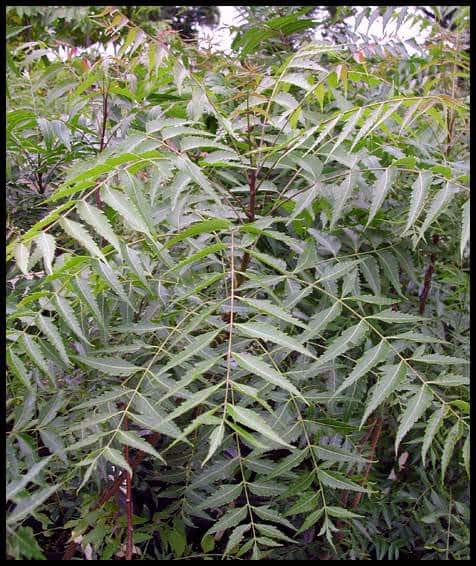
     

    About Nimba

    Botanical Name

    Azadirachta indica A.Juss.

    Family

    Meliaceae

    Identification No.

    SDACH/HG/044

    Parts Used

    Leaves, Bark, Oil, Seeds

    Habitat

    India

    IUCN Status

    Least Concern

    Plant Photos
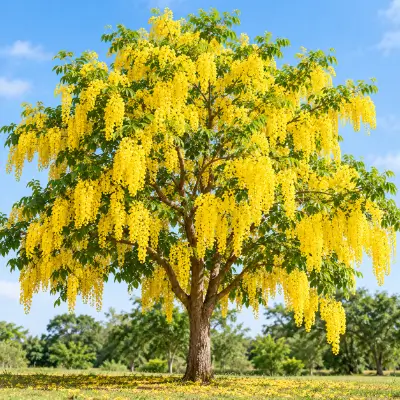
    Ayurvedic Properties

    Rasa

    Tikta, Kashaya

    Guna

    Laghu, Ruksha

    Virya

    Shita

    Vipãka

    Katu

    Contact Now

    Have queries? Contact Us.

    Have queries? We’re here to help you every step of the way.

    Contact us to get the right guidance for your academic journey at Shri Dhanwantry Ayurvedic College.

  • Kaidarya

    Kaidarya

    Botanical Name : Murraya koenigii

    Family : Rutaceae

    Identification No.: SDACH/HG/043

    Introduction : Its properties similar to Murraya koenigii (Linn.) Spreng., but mainly using in folk and siddha.

    Names in different Indian languages :

    English : China box,honey bush,mock orange,lake view jasmine

    Malayalam : Kattu kari veppu, maramulla,paanamar,

    Sanskrit : Tamil,Palkanni,vellakkalthirukan

    Synonyms :

    Murraya  paniculata (Linn.)

    Morphology :

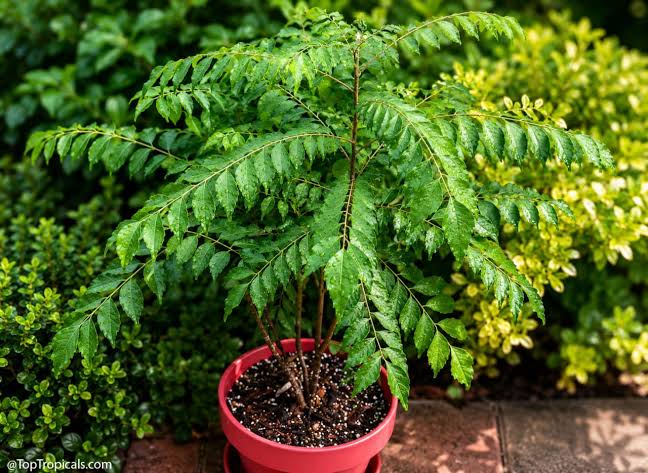
    It is Medium sized evergreen tree,grows 3-4 m height

    Leaves – compound, leaflets are ovate –pointed,

    Flower – white

    Fruit – berry

    Distribution & Habitat :

    All over India, forests

    Chemical constituents :

    coumarins, murrangatin, Mexolide , phebalosin , carbazole alkaloids and flavonoids

    Amayika Prayoga/Therapeutic Uses:

    • In diarrhea, green leaves of Murraya koenigii are eaten raw.
    • In morning sickness curry leaves are used along with lime juice.
    • Murraya koenigii leaves paste used to treat boils.
    • Root juice of Curry leaf is used to relieve renal pain.
    • Roots and bark of curry leaf is used to treat poisonous animal bite.
    • Curry leaves infusion is used to treat vomiting.
    • Curry leaf paste with buttermilk is taken for empty stomach is beneficial in stomach upsets.
    • Fresh Curry leaf juice can be used to prevent development of cataract.

    IUCN Status:

    Least Concern (LC)

    Recent research

    • Antioxidant and Antimutagenic Activity – A research study done to evaluate antioxidant and
    • antimutagenic activities of Murraya koenigii leaves.
    • Antidiabetic Activity – A study done on Anti-Diabetic potential of Murraya koenigii (L.) and its Antioxidant capacity in Nicotinamide-Streptozotocin induced diabetic rats have proved that Murraya koenigii possesses significant antidiabetic activity and antioxidant activity.

    About Kaidarya

    Botanical Name

    Murraya koenigii (L.) Spreng.

    Family

    Rutaceae

    Identification No.

    SDACH/HG/043

    Parts Used

    Leaves, Root, Bark

    Habitat

    India

    IUCN Status

    Least Concern

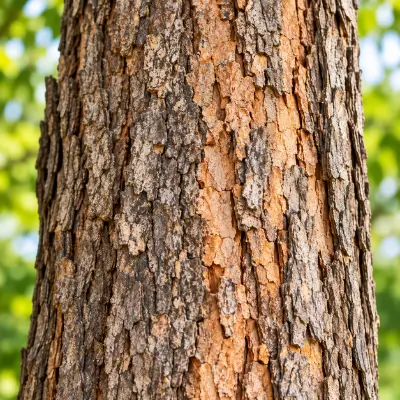
    Plant Photos
    Ayurvedic Properties

    Rasa

    Katu, Tikta, Kashaya

    Guna

    Laghu, Ruksha

    Virya

    Sheeta

    Vipãka

    Katu

    Contact Now

    Have queries? Contact Us.

    Have queries? We’re here to help you every step of the way.

    Contact us to get the right guidance for your academic journey at Shri Dhanwantry Ayurvedic College.

  • Jhandu

    Jhandu

    Botanical Name: Tagetus erecta

    Family :  Compositeae 

    Identification No.- SDACH/HG/042

    Introduction :

    Latin name : Tagetus = marigold, tages an Etruscan God; erecta = straight.

    Sanskrit names : Zandu, Salpushpa, Zenduk.

    Morphology :

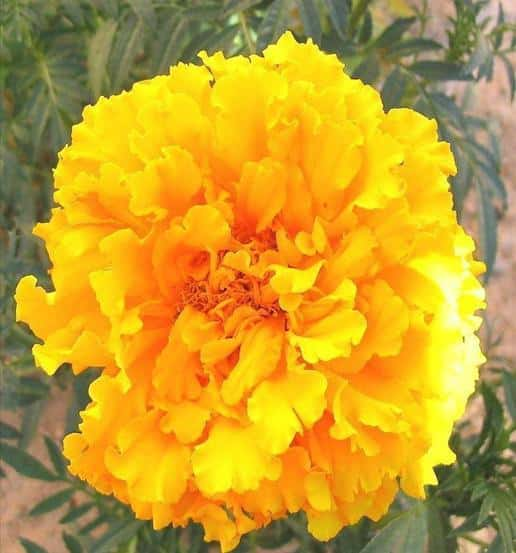
    This is a small plant. Its stalk and branches are angular and bear bristle hairs.

    Leaves – regularly placed, foliated and with hairs.

    Flowers – dark yellow. Seeds- black and oblong. flowering – in October (around Dassera).

    Many varieties are found.

    Habitat : Though imported from Mexico, it is found all over India.

    Properties :

    Guna : laghu, ruksha

    Rasa: tikta, kashaya

    Virya : sheeta

    Vipaka Katu

    Dosha : kaphapittashamak.

    Part used : Flowers or leaf juice.

    Dosage : Juice 10 to 20 gms.

    Amayika Prayoga/Therapeutic Uses:

    • The paste of the leaf is applied over the area affected with boils, carbuncles, muscle pain and rheumatism.
    • Cold infusion of the whole plant is given in a dose 30-40 ml to treat bronchitis, asthma and cough.
    • The paste of the leaf and flowers are applied over the external pile mass to reduce it.
    • The distillate obtained from the flowers is used to treat asthma. 4-5 drops are added with a glass of hot water and consumed.
    • The cold infusion prepared from the leaves and flowers is given in a dose of 50-60 ml to treat burning micturition.
    • The paste prepared from the leaves and flowers are applied over fresh wounds to control bleeding or in wounds associated with pus as treatment.
    • Nasya (Nasal administration) of the fresh juice of the leaf is done in epistaxis.
    • The paste of the leaf is fried in clarified butter or oil and consumed to control bleeding in piles, excessive blood flow during menstruation.

    IUCN Status: 

    Not Evaluated (Cultivated widely) 

    Research Updates (Past 5 Years): 

    1. 2020: Antimicrobial properties of Tagetes erecta against skin pathogens. 

    2. 2021: Lutein extraction for eye health benefits. 

    3.2022: Wound-healing efficacy in animal models.


    About Jhandu

    Botanical Name

    Tagetes erecta L.

    Family

    Asteraceae

    Identification No.

    SDACH/HG/042

    Parts Used

    Flowers, leaves

    Habitat

    Mexico, India

    IUCN Status

    Not Evaluated

    Plant Photos

    Ayurvedic Properties

    Rasa

    Tikta, Kashaya

    Guna

    Laghu, Ruksha

    Virya

    Sheeta

    Vipãka

    Katu

    Contact Now

    Have queries? Contact Us.

    Have queries? We’re here to help you every step of the way.

    Contact us to get the right guidance for your academic journey at Shri Dhanwantry Ayurvedic College.

  • Japa

    Japa

    Botanical Name: Hibiscus rosa-sinensis

    Family:   Malvaceae 

    Identification No.: SDACH/HG/041

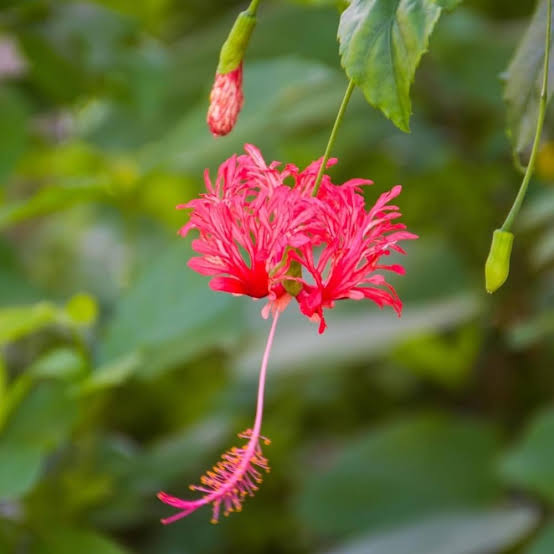
    Introduction : Hibiscus rosa-sinensis is a bushy, evergreen shrub or small tree growing 2.5–5 m (8–16 ft) tall and 1.5–3 m (5–10 ft) wide, with glossy leaves and solitary, brilliant red flowers in summer and autumn. The 5-petaled flowers are 10 cm (4 in) in diameter, with prominent orange-tipped red anthers.

    The flowers of Hibiscus rosa-sinensis are edible and are used in salads in the Pacific Islands.[citation needed] The flower is additionally used in hair care as a preparation. It is also used to shine shoes in certain parts of India. It can also be used as a pH indicator. When used, the flower turns acidic solutions to a dark pink or magenta color and basic solutions to green. It is also used for the worship of Devi, and the red variety is especially prominent, having an important part in tantra. In Indonesia, these flowers are called “kembang sepatu”, which literally means “shoe flower”. In several countries the flowers are dried to use in a beverage, usually tea.

    Pink Hibiscus in South India

    Hibiscus rosa-sinensis is considered to have a number of medical uses in Chinese herbology. It may have some potential in cosmetic skin care; for example, an extract from the flowers of Hibiscus rosa-sinensis has been shown to function as an anti-solar agent by absorbing ultraviolet radiation

    Names in different Indian languages :

    English : Rose-of-China, Shoe flower, Chinese Hibiscus.

    Hindi : Jasum, java, odhul

    Kannada : dasavala

    Malayalam : chemparatti

    Sanskrit : Japaa

    Tamil : semparatti

    Telugu : Dasana, mandara

    Unani : Gul-e-Gurhal

    Synonyms :

    Japaa, Javaa, Odrapushpa, Rudrapushpa, Arunaa

    Amayika Prayoga / Therapeutic Uses:

    Internal uses :

    used in impotency, bronchial catarrh  emmenagogue. Leaf stimulates expulsion of placenta after childbirth; laxative, anodyne, used in menorrhagia.

    Chemical constituents :

    cyclopropanoids, methyl sterculate, methyl- hydroxysterculate, hydroxysterculate, malvalate and beta-sitosterol.

    IUCN Status: Not Evaluated

    Research Updates (Past 5 years):

    1. 2023 – Journal of Herbal Medicine: Hibiscus extract studied for its potential in reducing oxidative stress in diabetic patients.

    2. 2021 – Evidence-Based Complementary and Alternative Medicine: Japa flowers showed wound-healing activity in excision wound models.

    3. 2019 – Pharmacognosy Reviews: Detailed review on Hibiscus rosa-sinensis highlighting its anti-fertility and hair growth-promoting effects.


    About Japa

    Botanical Name

    Hibiscus rosa-sinensis L.

    Family

    Malvaceae

    Identification No.

    SDACH/HG/041

    Parts Used

    Leaves, Flowers

    Habitat

    India

    IUCN Status

    Not Evaluated

    Plant Photos

    Ayurvedic Properties

    Rasa

    Kashaya, Tikta

    Guna

    Laghu, Ruksha

    Virya

    Sheeta

    Vipãka

    Katu

    Contact Now

    Have queries? Contact Us.

    Have queries? We’re here to help you every step of the way.

    Contact us to get the right guidance for your academic journey at Shri Dhanwantry Ayurvedic College.

  • Haridra

    Haridra

    Botanical Name: Curcuma longa Linn.

    Family:   Zingiberaceae 

    Identification No.: SDACH/HG/040

    Introduction : It used for skin diseases& prameha. it is considered as an important anti diabetic and anti-oxidant drug.

    Scientific Classification : Gingers make up the family Zingiberaceae in the order Zingiberales. The flavoring ginger is classified as Zingiber officinale, East Indian arrowroot as Curcuma angustifolia, and tumeric as Curcuma longa. The banana belongs to the family Musaceae and is classified as Musa paradisiaca. The traveler’s tree, classified as Ravenala madagascariensis, and the bird-of-paradise flower, classified as Strelitzia reginae, belong to the family Strelitziaceae (sometimes Musaceae). The false bird-of-paradise belongs to the genus Heliconia of the family Musaceae (sometimes Heliconiaceae)

    Names in different Indian languages :

    English : Turmeric

    Hindi : Haldi

    Kannada : Arisina

    Malayalam : Mannal,manjal,varattu mannal, pachamannal

    Sanskrit : Haridraa

    Tamil : Manzal

    Telugu : pasupu

    Unani : Zard Chob

    Synonyms :

    Priyaka, Haridruma, Kshanda, Gauri, Kaanchani, Krimighna, Varavarnini, Yoshitapriyaa, Hattavilaasini, Naktaahvaa, Sharvari,Curcuma  domestica Val.

    Classification according to Charaka, Susrutha & Vagbhata :

    Charaka : Lekhaniya, Kustaghna, Kandaghna, Krmighna, Sirövirecana

    Susrutha : Haridrãdi, Mustädi,

    Vagbhata : Haridrãdi, Mustädi,

    Varieties & adulterants – (CV – controversy, AD – adulterants)  :

    1. C. Domestica

    2. Amragandhi Haridra (Karpura Haridrã)

    3. Vana Haridrã

    Morphology :

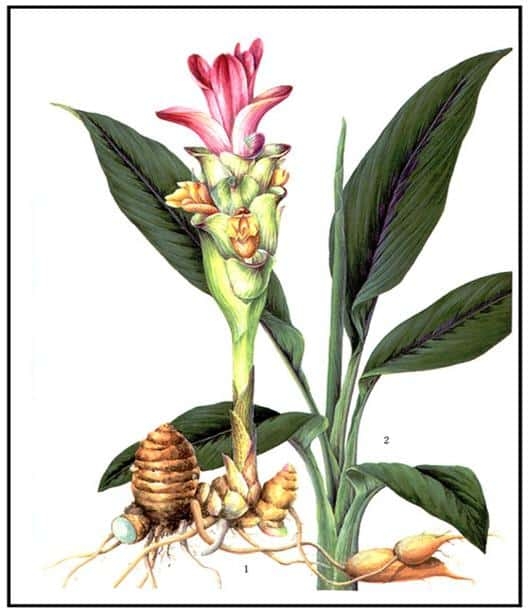
    Annual herb; root stock large, ovoid; sessile tubers thick, cylindrical, bright yellow inside.

    Leaves— long petiole; oblong, narrow at the base.

    Flower— bracts pale green; flowers as long as the bracts, pale green. Flowers during rainy season.

    Distribution & Habitat :

    Cultivated throughout India.

    Chemical constituents :

    1% volatile oil, resin, curcumin is responsible for its colour. Turmeric oil has a peculiar odour and taste. Curcumene, Curcumenone, curcone, curdione, cineole, curzerenone, epiprocurcumenol, eugenol, camphene, camphor, borneol, procurcumadiol, procurcumenol, curcumins, ukonan A, B & D, sitosterol etc.

    Properties :

    Rasa : Tikta, Katu

    Guna :  Rüksa, Laghu

    Virya :  Usna

    Vipaka :  Katu

    Karma : Kapha-vãtahara, Lekhana, Visaghna, Varnya

    Anti-inflammatory, anti diabetic, cholagogue, hepatoprotective, blood-purifier, antioxidant, detoxifier and regenerator of liver tissue, antiasthmatic, anti-tumour, anticutaneous, antiprotozoal, stomachic, carminative

    Indication :

    Prameha, Kusta, Krimi, Kandu, Vrana, Pãndu, Kãmalã

    Diabetes, skin disease, skin disease, fungal infection, wounds, ulcers, anaemia, jaundice, epilepsy, syphilis

    Part used :

    Rhizome

    Dosage :

    Fresh juice 10-20 ml, powder 2-4 g.

    Important Yogas  or  Formulations :

    Haridrã Khanda, Vrana södhana tailam ,Nisamalaki,Haridrãdidhüma varti

    Amayika Prayoga / Therapeutic Uses :

    1. Vyanga— Haridra and Rakta Cañdana are made into paste with buffalo’s milk and applied externally (R.R.S.).

    2. Slipada & Dadru Kutha— Haridra powder is taken with jaggery and Cow’s urine (V.M. & B.P.).

    3. Pitameha— Haridrã and Dãruharidrã Kasãya (S.S.Ci. 11).

    IUCN Status: Least Concern

    Research Updates (Past 5 years):

    1. 2022 – Journal of Ethnopharmacology: Curcumin investigated for its anti-inflammatory and neuroprotective effects.

    2. 2021 – Phytotherapy Research: Clinical trial on Haridra in managing type-2 diabetes showed positive glycemic control.

    3. 2020 – Frontiers in Pharmacology: Turmeric extract evaluated for its role in improving skin barrier function and eczema.

    About Haridra

    Botanical Name

    Curcuma longa Linn.

    Family

    Zingiberaceae

    Identification No.

    SDACH/HG/040

    Parts Used

    Rhizome

    Habitat

    India

    IUCN Status

    Least Concern

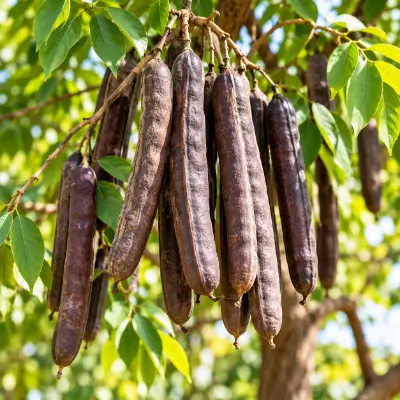
    Plant Photos
    Ayurvedic Properties

    Rasa

    Tikta, Katu

    Guna

    Ruksha, Laghu

    Virya

    Ushna

    Vipãka

    Katu

    Contact Now

    Have queries? Contact Us.

    Have queries? We’re here to help you every step of the way.

    Contact us to get the right guidance for your academic journey at Shri Dhanwantry Ayurvedic College.

  • Guduchi

    Guduchi

    Botanical Name : Tinospora cordifolia

    Family :  Menispermaceae

    Identification No.: SDACH/HG/039

    Introduction :

    It is one of the non-controversial drug used in Ayurvedic medicine. It used for Grãhi, Väta hara, Dipaniya, Kapha-Raktahara and Vibandhahara , Medhya Rasayãnas

    Names in different Indian languages :

    English : Tinospora,gulancha tinospora

    Hindi : Gulanca,giloy, amrta

    Kannada : Amrtaballi,yuganiballi,madhuparni

    Malayalam : Chittamrtu,amrtu

    Sanskrit : Guduci,amrta

    Tamil : Amrutavalli,cintilikkoti

    Telugu : Tippantiga,amrta

    Unani : Gilo,Gulanchaa. Sat-e-Gilo (extract)

    Synonyms :

    Ayurvedic, Guduuchi, Guduuchikaa, Guluuchi, Amrita, Amritaa, Amritalataa, Amritavalli, Chinnaruuhaa, Chinnodbhavaa, Madhuparni, Vatsaadani, Tantrikaa, Kundalini. Guduuchi sattva (extract), chakrika

    Classification according to Charaka, Susrutha & Vagbhata :

    Charaka : vayahathapana, daha prasamana, trshna nigraha, stanya sodhana

    Susrutha : guducyadi, patoladi, valli pancamula, kakolyadi, aragvadhadi

    Vagbhata : guducyadi, patoladi, aragvadhadi

    Varieties & adulterants – (CV – controversy, AD – adulterants)  :

    1. Gudüci

    2. Kandodbhavã Gudüci. – Tinospora sinensis / T. malabarica  – [AD]

     3. Padmã Guduci

    4. T. Crispa –  [CV]

    Morphology :

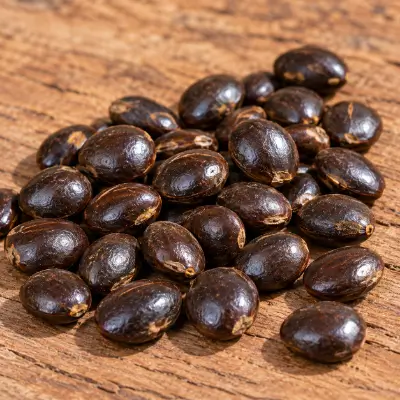
    T . cordifolia

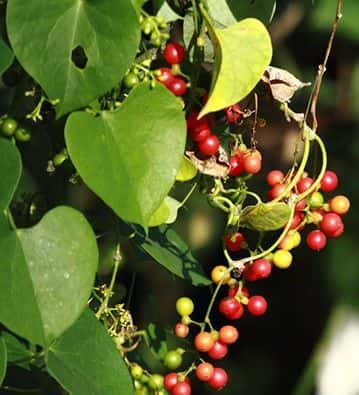
    It is a large climber with succulent, corky and grooved stems; branches possess slender pendulous fleshy roots.

    Leaves- membranous, glabrous, 5-10 cm long, cordate; petiç.2.5-7 cm long.

    Flowers- in racemes of about 5 cm; axillary, terminal or from the old wood, pale yellowish white in colour.

    Fruits- carpels, dorsally convex, ventrally flat, size of a large pea.

    Distribution & Habitat :

    Both species are distributed almost throughout India.

    Cultivation— Propagated by cuttings of stem. It can be grown in almost any types of soil and under varying climatic conditions.

    Chemical constituents :

    Berberine,columbin, chasmanthin, palmarin, tinosporon, tinosporic acid, tinosporol,diterpenoid , tinosporin ,Tinosporide ,cordifolide ,Tinosporidine ,beta sitosterol isolated stems; cordifol, heptacosaflol , octacosanol , furanoid diterpene, tinosporide , 1, 8-norclerodene glucosie— tinosporaside, glycosider, cordifolisides A-E and two phenyl propane glycosides ,Isocolumbin, tetrahydropalmatine, magnoflarine and palmatine

    Properties :

    Rasa – Tikta, Kasãya (leaf is considered as Madhura by Kaiyadeva)

    Guna – Guru, Snigdha

    Virya – Usna

    Vipãka – Madhura

    Karma : Tridosa amaka, Medhya, Rasãyan, Dipaniya, Grãhi, Medohara, Kadüghna, Jvara hara, Dãha-prasamana,antipyretic, diuretic,  antiperiodic, anti-inflammatory, antirheumatic, spasmolytic, hypoglycaemic, hepatoprotective

    Indication :

    Jvara, Trsnã, Vtarakta, Pãndu, Kämalã, Dãha, Prameha, Kushta, Chardi, Krmi, Kandü, Raktãras, Medoroga, Visarpa,  Kãsa, Jarã Vyãdhi.Fever, rheumatism, body pain, cold, skin disease, urinary tract infections, cough, asthma, diabetes, hyper lipidimea, seminal weakness, jaundice, ulcer, liver and spleen disorder

    Part used :

    Stem, leaf, areal roots.

    Dosage :

    Stem powder 3-6g; decoction (1/20) – 50-100 mI; Infusion (1/10) – 30-60 ml; fresh juice 10-20m1; Gudüci Sattva 1-2g;

    Amayika Prayoga / Therapeutic Uses

    Internal uses :

    Digestive system: Useful in thirst, vomiting, loss of appetite, abdominal pain, liver disorders. jaundice, acid-peptic disorder, dysentery  and worms. It increases appetite.

    Circulatory system : Raktavahasrotogami. Guduchi satva is effective in cardiac debility, blood — disorders. rheumatoid arthritis, splenomegaly. gout and anaemia.

    Respiratory system : Useful in cough

    Reproductive system : Aphrodisiac being shukragami. snigdha and madhur vipak.

    Urinary system : Effective in prameha, mainly in diabetes and disorders of urinary bladder.

    Skin : It is used in skin disorders like dermatomes and erysipelas etc. It is also useful in syphilitic ulcer.

    Temperature : Juice of Guduci is used in chronic lever and typhoid fever. It reduces burning. normalizes temperature, improves appetite and increases the strength.

    Satmikaran : Useful in weakness and good rasayana for all seven dhatus.

    Important Yogas  or  Formulations:

      Guduchyadi churna, Guduchyadi kwath. Guduci swathva, Ameutarishta, Guduchi Taila       

    Therapeutic Uses :

    1. Medhya.— The fresh juice of Guduci (20m1 twice daily) may be used (C.S.Ci.1/1).

     2. Jvara.—

    (a) Guduci Svarasa (juice) + Satãvari svarass equal parts (l0 ml each) are mixed together and given along with jaggary in vãta jvara (S.S.Ut. 39/174)2.

    (b) Decoction prepared with Guduci, Parpata & Amalaki (500- l00 ml) may be administered in case of Pitta Jvara (Ha. Sam.3/ 2/71).

    3. Prameha— Guduci Svarasa with honey (A.H.Ci.1216)4.

    4. Slipada— Guduci Svarasa along with ginger oil (Taila) is given orally (C.D.42/1 6).

    5. Amlapitta— Leaves of Gudüci, Nimba and Patola are made into juice and administered along with honey (B. P.Ci.10/16)’.

    6. Chardi— Gudüci Hima Kasãya may be given orally along with honey (Bha.Pra,Ci. 17/21).

    7. Vãtarakta— Chronic administration of Guduci in either juice or paste or powder or decoction form will definitely cure Vãtarakta (B.P.Ci. 29/41 & V. M. 23/10)

    IUCN Status: Least Concern

    Research Updates (Past 5 years):

    1. 2023 – Journal of Ayurveda and Integrative Medicine: Guduchi extract found effective in reducing symptoms in mild COVID-19 patients due to its immunomodulatory properties.

    2. 2021 – Frontiers in Pharmacology: Tinospora cordifolia showed anti-diabetic and hepatoprotective effects in animal models.

    3. 2020 – Phytomedicine: Evaluation of Guduchi as a potential adaptogen and immunostimulant in stress-induced models.


    About Guduchi

    Botanical Name

    Tinospora cordifolia (Willd.) Hook. f. & Thomson

    Family

    Menispermaceae

    Identification No.

    SDACH/HG/039

    Parts Used

    Stem, leaves, aerial roots

    Habitat

    India

    IUCN Status

    Least Concern

    Plant Photos
    Ayurvedic Properties

    Rasa

    Tikta, Kashaya

    Guna

    Guru, Snigdha

    Virya

    Ushna

    Vipãka

    Madhura

    Contact Now

    Have queries? Contact Us.

    Have queries? We’re here to help you every step of the way.

    Contact us to get the right guidance for your academic journey at Shri Dhanwantry Ayurvedic College.

  • Eranda

    Eranda

    Botanical Name : Ricinus communis Linn.

    Family :   Euphorbiaceae

    Identification No.: SDACH/HG/038

    Introduction :

    Eranda is the one of the most important virechana drug. Leaves giving highly toxic resin.

    Names in different Indian languages :

    English : Castor seed

    Hindi : Erand, erandi

    Kannada : Haralu, manda,oudla

    Malayalam : Avanakku

    Sanskrit : Eranda,pancangulah

    Tamil : Amanakku, kottimuttu, amanakkam ceti

    Telugu : Erandamu,amudamu

    Unani : Bedanjeer,Arand

    Synonyms :

    Chitrabija, Triputi; Tribija, Vaataari, Chanchu, Manda, Uruvaka, Gandharva-hastaa, Panchaangula, Vardhamaana, Uttaanpatraka, Vyaaghrapuchha, Chitraa

    Classification according to Charaka, Susrutha & Vagbhata :

    Charaka : Bhedaniya, Angmardaprasamana, Svëdopaga

    Susrutha : Vidirigandhadi, Adhobhagahara, Vatasarngamana

    Vagbhata : Vidarigandhadi

    Varieties & adulterants – (CV – controversy, AD – adulterants)  :

    1. Sveta (white)

    2. Rakta / Citraka (red)

    3. Sthula Eranda.

    4. Euphorbia acaulis  -[CV]

    5. Croton tiglium   -[CV]

    Morphology :

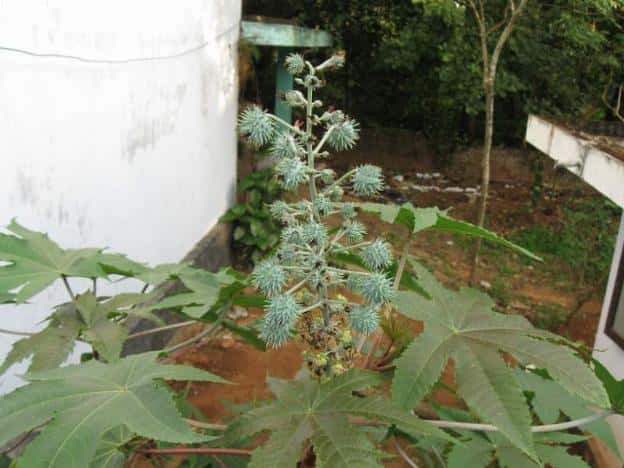
    An evergreen, glabrous shrub, 2-5 m high.

    Leaves— palmately 7-many-lobed, loboes oblong to linear, acute or acuminate.

    Flowers— in large terminal subpanicled racemes; in a dense globose head of branched filaments and anthers; yellowish

    Fruits— Capsules, globosely oblong, smooth or echinate.

    Seeds— oblong, smooth, mottled.

    Flowers and fruits occur almost throughout the year

    Distribution & Habitat :

    Cultivated throughout India and commonly found in the wild.

    Chemical constituents :

    Seeds & Leaves— ricinine (toxic alkaloid),

    Seed coat— Lupeol, lipids, phosphatides etc.

    Seed oil— arachidic, ricinoluc, palmitic, strearic acids: hexa decanoic, hydrocyanic & uric acids; squalene and tocopherols etc.

    Properties :

    Rasa :  Madhura, Katu, Kasãya

    Guna :  Snigdha, Tiksna, Sukshma

    Virya :  Usna

    Vipãka :  Madhura

    Karma : Kapha-vãtahara, virechana, Vrsya-(root), deepana, kushtaghna

    Purgative, anti-inflammatory, carminative, fever, ascites

    Indication :

    Vãta vyãdhi, kamala, Pliharoga, Udãvarta, Vastisula, Gulma, Antravrddhi,  sirahula, Prameha, Vãtarakta etc.helminthiasis, dysuria, arthritis, pain in the urinary bladder, dysuria, abscesses, lumbago, sciatica

    Part used :

    Root, leaf, seed, oil

    Dosage :

    Root powder 3-5 g

    decoction 50 to100ml

    seed 1-5 numbers

    oil. 5-10 ml.

    Amayika Prayoga / Therapeutic Uses

    Internal uses :

    Nervous system : Due to its properties of decreasing vata. rejuvenating, analgesic. medhya. relieving body ache it is used in diseases due to Vata such as hemiplegia. facial palsy, sciatica, tremors as well as headache and body ache. Castor oil is best as purgative.

    Digestive system : It is deepan being ushna veerya. bhedan by tikshna guna anthelmintic by its property of snigdha. Therefore it is used in ascites. abdominal colic. tumours, hepatosplenomegaly and piles. Oil taken at breakfast cures chronic constipation. To make it palatable, it is always taken by preparing emulsion with hot tea. Black masala prepared from castor roots is a very good carminative.

    Circulatory system : It is useful in cardiac pain.

    Respiratory system : It is kaphaghna by its ushna and tikshna property, therefore it is useful in bronchitis and asthma with predominance of kapha. This effect is attributed to the presence of kapha in stomach while castor oil effectively removes kapha by purgation.

    Urinary system : Dysuria and bladder pain are relieved by reducing pain and diuretic action.

    Reproductive system : Aphrodisiac together with shodhan property of drug is a rare combination which is found in castor oil. It is madhur. snigdha, aphrodisiac (root also), lactogenic, (tikshoa) and uterine shodhan, Therefore it is used in conditions of spermatorrhoea, lactogenic disorders and vaginal disorders. It is best in rheumatic arthritis.

    Important Yogas  or  Formulations :

    Erandmuladi kadha, Erand-Saptaka kashaya. Rãsna-erandãdi Kasaya, Simhanãda guggulu, Vãtãri guggulu, Hingu triguna taila, Erandãdi taila,

    Therapeutic Uses :

    1. Slipada— Eranda taila mixed with cow’s urine may be taken for one month while consuming diet of rice & milk (S.S.Ci. 19)

    2. Käsa— Ksãra of Eranda leaves is mixed with Trikatu, oil & jaggary is useful on oral administration (C.S.Ci. 18).

    IUCN Status: Not Evaluated

    Research Updates (Past 5 years):

    1. 2022 – Journal of Ethnopharmacology: Eranda taila studied for anti-inflammatory and analgesic effects in arthritis models.

    2. 2020 – Phytomedicine: Ricinoleic acid showed promising activity in intestinal motility regulation.

    3. 2019 – International Journal of Ayurveda Research: Clinical study on Erand Bhrishta Haritaki for constipation showed significant results.

    About Eranda

    Botanical Name

    Ricinus communis L.

    Family

    Euphorbiaceae

    Identification No.

    SDACH/HG/038

    Parts Used

    Root, leaves, seeds and seed oil

    Habitat

    India

    IUCN Status

    Not Evaluated

    Plant Photos

    Ayurvedic Properties

    Rasa

    Madhura, Katu, Kashaya

    Guna

    Snigdha, Tikshna, Sukshma

    Virya

    Sita

    Vipãka

    Madhura

    Contact Now

    Have queries? Contact Us.

    Have queries? We’re here to help you every step of the way.

    Contact us to get the right guidance for your academic journey at Shri Dhanwantry Ayurvedic College.

  • Dhatura

    Dhatura

    Botanical Name : Datura metel Linn

    Family :  SOLANACEAE 

    Identification No.: SDACH/HG/037

     Introduction :

    Dhattüra is found in Panini’s works. Sounaka quoted ‘Kanaknaka’ as a poisonous plant which is equated to Datura.Scientific classification: Daturas belong to the nightshade family, Solanaceae. Angel’s trumpet is classified as Datura inoxia, horn of plenty as Datura metel, and jimsonweed as Datura stramonium.

    Names in different Indian languages :

    English : Thorn-apple,Downy Datura

    Hindi : Dhatura,kaladhattura

    Kannada : unmatta

    Malayalam : unmattu

    Sanskrit : Dhatturah,dhustrurah

    Tamil : Ummattai

    Telugu : Ummattai

    Unani : Dhaturaa

    Synonyms :

    Dhattuura, Dhuurta, Dhastura, Unmatta, Shivapriya, Harapriya, Hema, Haatta, Dhustuura, Dhustuuraka, Kanaka, Maatula.Also equated with Raaj-dhatuura. (white var.)

    Varieties & adulterants – (CV – controversy, AD – adulterants)  :

    1. sveta   D. stramonium

    2. Krsna D. metel

     Morphology :

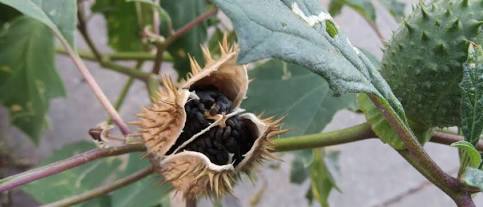
    spreading annual herb or shrub 1-2 m. height, pubesscent.

    Leaves— large, entire sinuate or toothed, unequal.

    Flowers— erect, whitish- purple; calyx long- tubular, 5-toothed at apex; corolla long-tubular to funnel-shaped.

    Fruit— capsule globose or ellipsoid, spinous, 4-valved or irregularly breaking up.

    Seeds— Compressed, rugose, brown, yellowish brown.

    Distribution & Habitat :

    Throughout India

    Chemical constituents :

    Hyoscine, Scopalamine, daturadiol, daturalone, factusine, beta- sitosterol, hyosine, hyoscyamine, fastudine, fastunine, fastusidine, fastusinine; daturanolone, allantoin, norhyoscyamine, datumetine, datumetlin, datumelin, daturilin, daturilinol, withametelin, niacin, vit.C, apohyoscine, norhyscine, cuscohygrine, meteloidine, noratropine, tropine, pseudotropine, apoatropine, daturametelin A & B etc.

    Properties :

    Rasa :  Tikta,

    Vipaka :  Katu

    Virya :   Usna

    Guna :  Laghu, Ruksa Katu

    Karma : Kapha-vata hara, Visaghna, Vrana, Kandü, Krimi, Kãsahara.

    Indication :

    Jwara, Kustha, Visha roga, Mütra Kricchra,Narcotic, anodyne, antispasmodic, emetic, useful  asthma, cough, ulcer, skin diseases, lumbago, sciatica, epilepsy, dandruff etc.

    Part used :

     Leaves, seed, root (seeds are purified by processing in dolayantra along with cow’s milk). Seeds are kept in cow’s urine for a week for purification.

    Dosage :

    Seed powder 50-100 mg

    Amayika Prayoga / Therapeutic Uses

    External uses :

    Leaf juice is applied in alopecia and inflammation. The paste of turmeric with juice of dhattura leaves is used in mastitis. In  galactorrhoea, hot fomentation of leaves is effective.

    Internal uses :

    Central nervous system : It is an intoxicant

    Respiratory system : Fomentation of the leaves and seeds is useful in asthma.

    Reproductive system : Seeds are useful as aphrodisiac in some patients.

    Digestive system : Formulations of dhattura seeds are used in enteric pains. Formulations like sutashekhar are useful in pain induced by pitta.

    Temperature : In fever with rigors, dhattura seeds in curds are given before rigors start. It alleviates rigors and also post pyrexia burning sensation and bodyache

    Important Yogas  or  Formulations :

    Kanakäsava, Sutasekhara rasa, Mahavisagarbha taila, Unmattarasa     

    Therapeutic Uses :

    1. Alarkavisa— Dhattüra and sveta Punarnavã combination is a very effective remedy (S.S.Ka. 7). – I am not recommending this treatment to patients.

    2. Krimi— Juice of Dhattura leaves mixed with mercury or juice of heated leaves singly destroys ticks and lice on local application (V.M.)

    3. Juice of Mandukaparni and paste of Dhattura root destroys the boils (C.D.).

    IUCN Status: Not Evaluated

    Research Updates (Past 5 years):

    1. 2021 – Pharmacognosy Review: Datura alkaloids studied for their bronchodilator effect in asthma.

    2. 2020 – Journal of Ayurveda and Integrative Medicine: Experimental study on analgesic and anti-inflammatory activity of Dhattura leaf extract.

    3. 2019 – Asian Journal of Pharmaceutical Sciences: Evaluated scopolamine from Datura as a nootropic and for anti-anxiety properties.


    About Dhatura

    Botanical Name

    Datura metel Linn.

    Family

    Solanaceae

    Identification No.

    SDACH/HG/037

    Parts Used

    Leaves, seeds, root

    Habitat

    India

    IUCN Status

    Not Evaluated

    Plant Photos

    Ayurvedic Properties

    Rasa

    Tikta

    Guna

    Laghu, Ruksha

    Virya

    Ushna

    Vipãka

    Katu

    Contact Now

    Have queries? Contact Us.

    Have queries? We’re here to help you every step of the way.

    Contact us to get the right guidance for your academic journey at Shri Dhanwantry Ayurvedic College.

  • Dadima

    Dadima

    Botanical Name : Punica granatum Linn

    Family:   Punicaceae    

    Identification No.: SDACH/HG/036                                  

    Introduction:

    It is one of the extensively used vegetable drug in the therapeutics by Brhat Trayi. The seeds (with pulp) are used as Hridya , Grahani, Atisãra.

    Names in different Indian languages :

    English : Pomegranate

    Hindi : Anar,dhalim

    Kannada : Dalimbe

    Malayalam : Matalam,urumampalam,

    Sanskrit : Limatalam,matalanarakam

    Tamil : Maathulai

    Telugu : Dadima

    Unani : Anaar,Roomaan,Gulnaar,Gulnaar Farsi.

    Synonyms :

    Daadima, Daadimba, Raktapushpa, Dantabijaa, Raktakusumaa, Lohitpushpaka.

    Classification according to Charaka, Susrutha & Vagbhata :

    Charaka : Chardinigrahana

    Susrutha : Parüsakãdi

    Vagbhata : Parüsakãdi

    Varieties & adulterants – (CV – controversy, AD – adulterants) :

    1. The sweet (Madhura)

    2. sour (Amla)

    3. Svädvamla

    Morphology :

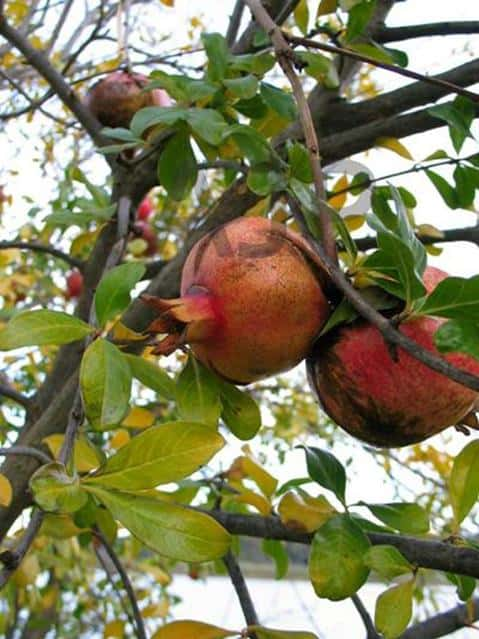
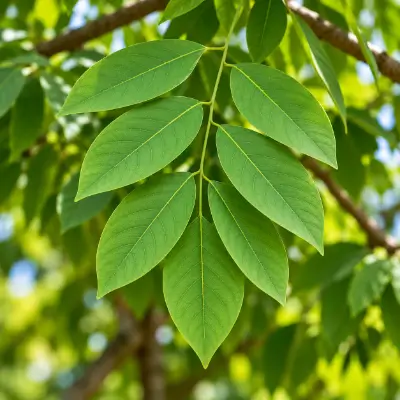
    It is shrub or small tree about 5- 8 m. height, deciduous, glabrous, often with spinescent bracelets.

    Leaves- simple, opposite or sub opposite , often fascicled on short petioles. oblong or obovate

    Flowers- globose, terminal or axillaries, solitary, large showy, scarlet or orange calyx coriaceous. persistent prolong above the ovary, free part companulate; ovary inferior.

    Fruits large globose, crowned by the somewhat tubular limb of the calyx. indetiscent, with a coriaceous rind; pulp red and juicy. sometimes white.

    Seeds- angular test a coriaceous (Flowers in April and fruits in June usually).

    Distribution & Habitat :

    All over India

    Chemical constituents :

    Ellagitannin, punicalagin, punicalin

    Properties :

    Rasa : Kasäya, Madhura, Amla

    Guna :  Laghu, Snigdha

    Virya : Usna

    Vipaka :  Madhuta/Amla

    Karma : Hridya, sukrala,Grahi, dipanam, rucyam,astringent, stomachic, digestive, cooling, Anthelmintic, diuretic

    Indication :

    Raktapita, raktatisara, raktarsas, jvara, Daha,ulcers, anaemia, splenomegaly, bronchitis, otalgia, dysentery, diarrohea, cardiotonic, scabies

    Part used :

    Seed, fruit, root, bark, leaves, fruit covering

    Dosage :

    Leaf juice 10-15 ml

    Powder 2-4 g

    Decoction 50-100 ml

    External uses :

    Due to its astringent nature the decoction of the bark is used in throat disorders and oral disorders as a gargle and also in ulcers.

    Internal uses :

    Nervous system : The Fruit acts as a brain Tonic, It acts on mental debility and associated disorders

    Digestive system : The fruit is an appetite stimulant, increases desire for foods, inhibits thirst, and acts as an astringent. It is also used on tape worm. weak appetite, amoebiasis, dipsia, peptic disorder and such pitta disorders, and also diarrhoea, loose motions, it is extremely useful. In worm infestation 10-20 ml. of the root bark decoction is given on an empty stomach followed by a laxative next day.

    Circulatory system : The fruit is cardio tonic and haemostatic. It is useful in blood disorders like anemia and bleeding disorders. In nose bleeds, the decoction of the fruit rind should be given as a nasya. Seeds should be used in acid peptic disease.

    Respiratory system : Being astringent. the bud ameliorates kapha. The fruit ads as an expectorant. In infantile kapha disorders, the fruit is ground in goat’s milk and is given as a licking agent. The flowers are useful in cough induced by vata and pitta.

    Urinary system : It acts as diuretic and hence useful in urinary disorders,

    Reproductive system : As it promotes semen, it is used in seminal debility. The decoction of fruit rind is used for uttarbasti in vaginal discharges.

    Important Yogas  or  Formulations :

    Dadimashtaka, Dadimadichurna, Dadimadighrita. Dadimadya taila, ganda hara curna.

    Amayika Prayoga / Therapeutic Uses: :

    1. Arsas- Ghee prepared with Dadima svarasa and Yavakara will check bleeding and pain (C.S.Ci.’4)

    2. Puyameha fruit rind of Dadima is made as infusion and administration  with sugar orally .

    IUCN Status: Least Concern

    Research Updates (Past 5 years):

    1. 2021 – Journal of Ethnopharmacology: Pomegranate extract showed significant antioxidant and anti-inflammatory activities in colitis model.

    2. 2020 – Phytotherapy Research: Evaluated pomegranate peel extract as an effective antimicrobial agent against oral pathogens.

    3. 2019 – BMC Complement Altern Med: Pomegranate polyphenols found to exhibit anti-diabetic and lipid-lowering effects in animal models.


    About Dadima

    Botanical Name

    Punica granatum Linn.

    Family

    Punicaceae

    Identification No.

    SDACH/HG/036

    Parts Used

    Fruit, seeds, root, bark, leaves, fruit rind

    Habitat

    India

    IUCN Status

    Least Concern

    Plant Photos
    Ayurvedic Properties

    Rasa

    Kashaya, Madhura, Amla

    Guna

    Laghu, Snigdha

    Virya

    Ushna

    Vipãka

    Madhura, Amla

    Contact Now

    Have queries? Contact Us.

    Have queries? We’re here to help you every step of the way.

    Contact us to get the right guidance for your academic journey at Shri Dhanwantry Ayurvedic College.
  • Durva

    Durva

    Botanical Name : Cynodon dactylon Pers.

    Family :  Gramineae; Poaceae  

    Identification No.: SDACH/HG/035    

    Introduction :

    Latin name: Cynodon = cyno = kyno = dog; dactylon = fingered. English name: Conch grass.

    Scientific classification: Grasses make up the family Poaceae (formerly Gramineae). Citronella is distilled from grasses of the genusCymbopogon. Kentucky bluegrass is classified as Poa pratensis. Bent grasses are classified in the genus Agrostis. Fescue grasses are classified in the genus Festuca. Bermuda grass is classified as Cynodon dactylon.Zoysia grasses are classified in the genus Zoysia. Buffalo grass is classified as Buchloë dactyloïdes, carpet grass as Axonopus affinis,redtop as Agrostis gigantea, and annual bluegrass as Poa annua

    Names in different Indian languages :

    English : Bermuda Grass,Bahama Grass,Couch Grass,dhub grass

    Hindi : Dub,durb

    Kannada : Garika hallu,kudigarike

    Malayalam : Karuka ,karukappullu

    Sanskrit : Duurvaa

    Tamil : Arukampillu,muyalpul

    Telugu : Garicagaddi,gerike

    Synonyms :

    Duurvaa,niladuurvaa Bhaargavi, Shatvalli, Shatparvaa, Tiktaparvaa, Shatviryaa, Sahastravirya, Shitaa, Anantaa, Golomi.

    Morphology :

    There are three varieties

    (1) white (described above) – this is used in medicine

    (2) Blue- this spreads over a large area and is also called as ananta, sahasraveerya, lata etc. and

    (3) Ganda durva (gandiri) – this grows near the edges of small ponds.

    Distribution & Habitat :

    Throughout India

    Chemical constituents :

     ferulic, syringic, p-coumaric, vanillic, p-hydroxybenzoic,  O-hydroxyphenyl acetic acids, tricin

    Properties :

    Guna: laghu;

    Rasa: madhur. kashaya, tikta;

    Vipaka: madhur;

    Virya: sheeta.

    Dosha: tridoshashamak, especially kaphapittashamak

    Karma : Vishaghna, kustaghna, kantughna, rakta prasadana, varnya

    astringent, diuretic,antidiarrhoeal, anticatarrhal,  antiseptic

    Indication :

    Vrana,  kusta,  visha, visarpa, raktarujam, daham, mutrakrichra

    epitaxis, haematuria, inflammed tumours, whitlows, cuts, wounds,  bleeding piles, cystitis, nephritis, scabies , skin diseases, menorrhagia,

    Part used :

      Whole plant

    Dosage :

    Leaf juice 10-15 ml

    Powder 2-4 g

    Decoction 50-100 ml

    Amayika Prayoga (Therapeutic Uses)

    Internal uses :

    It acts as an astringent, wound heater and reduces burning in cuts and wounds. Its juice or paste is used.

    It is also useful in conjunctivitis, burning sensation, diseases of the head caused by pitta, erysipelas. urticaria, pigment disorders and skin diseases. Internal uses: As it has a positive effect on the central nervous system, it is useful in epilepsy, schizophrenia and painful conditions. Since it is an astringent, it is useful in diarrhoea, vomiting, dysentery, haemoptysis, menorrhagia, syphilis, vaginal disorders, abortion etc. It acts as a hemostatic, uterine tonic and nourishes the foetus. It is an antidote to various poisons. All the parts of the plant are used in medicines.

    Important Yogas  or  Formulations :

       Durvadi taila and  gritha

    IUCN Status-Not Evaluated (NE)

    Research Updates

    Recent studies have highlighted Durva’s potential in various therapeutic areas:

    1. Antidiabetic Activity: Research indicates that Durva exhibits significant hypoglycemic effects, making it beneficial in managing diabetes.

    2. Wound Healing Properties: Studies have demonstrated that topical application of Durva juice accelerates wound healing due to its antimicrobial and anti-inflammatory properties.

    3. Antioxidant Effects: Durva contains potent antioxidants that help in reducing oxidative stress, contributing to its therapeutic efficacy in chronic diseases.

    About Durva

    Botanical Name

    Cynodon dactylon (L.) Pers.

    Family

    Poaceae (Gramineae)

    Identification No.

    SDACH/HG/035

    Parts Used

    Whole plant

    Habitat

    India

    IUCN Status

    Not Evaluated

    Plant Photos

    Ayurvedic Properties

    Rasa

    Madhura, Kashaya, Tikta

    Guna

    Laghu

    Virya

    Sheeta

    Vipãka

    Madhura

    Contact Now

    Have queries? Contact Us.

    Have queries? We’re here to help you every step of the way.

    Contact us to get the right guidance for your academic journey at Shri Dhanwantry Ayurvedic College.