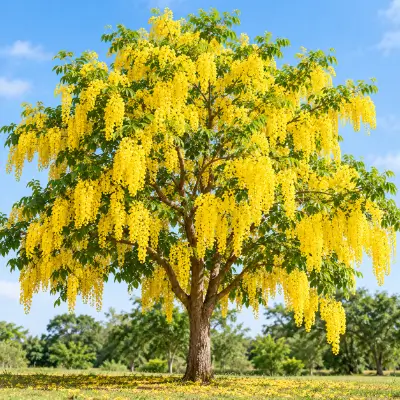
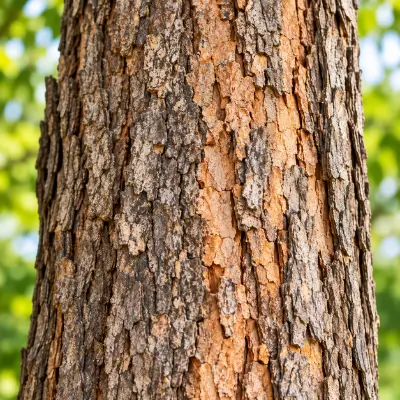
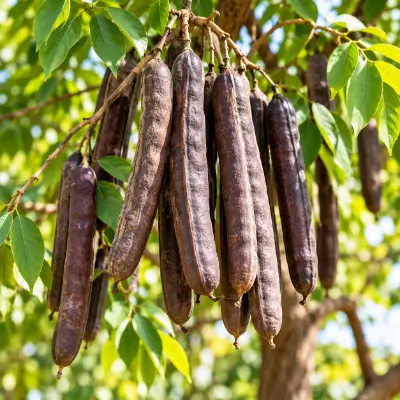
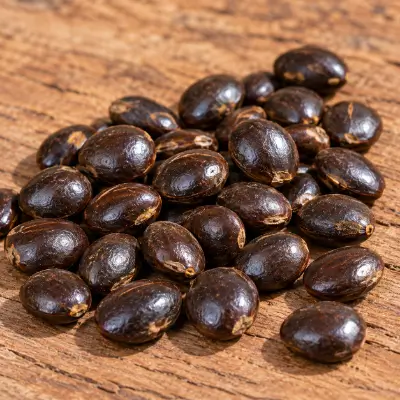
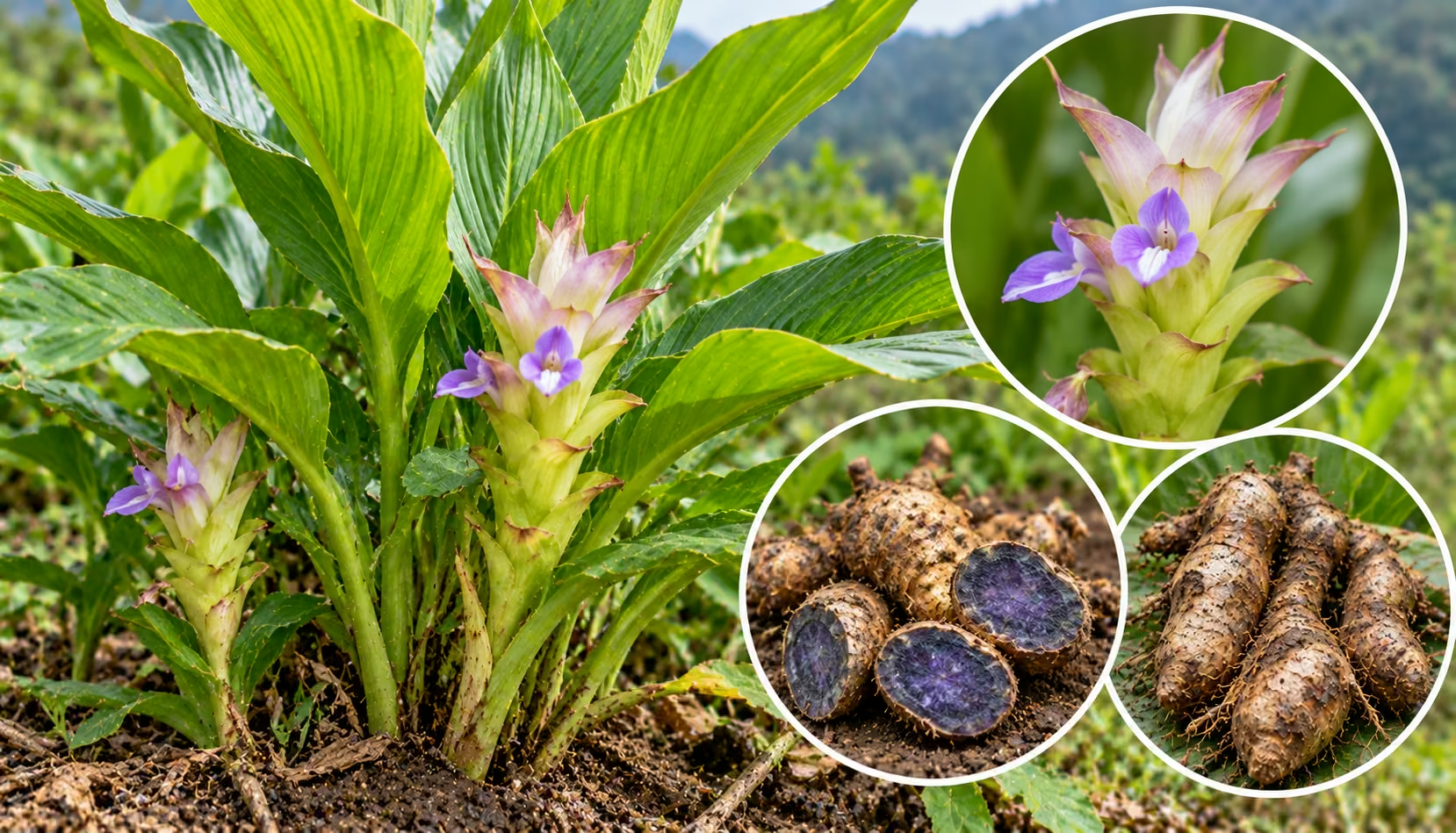
Shri Dhanwantry Ayurvedic College

Category: Dravyaguna Vigyan Blogs

  • KRISHNA HARIDRA

    KRISHNA HARIDRA

    KRISHNA HARIDRA

    Botanical Name : Curcuma caesia

    Family : Zingiberaceae

    Identification No.: SDACH/HG/189

    Introduction

    Curcuma caesia, commonly known as black turmeric, is a perennial herb featuring a bluish-black rhizome.

    Names in different languages

    Hindi    :   Kali Haldi

    Marathi    :   Kala-haldi

    Telugu    :   Nalla Pasupu

    Bengali      :   Kala haldi

    Assamese  :   Kalahaladhi

    Morphology :

    Plants have a short stem with large oblong leaves. It bears  ovate pyriform or oblong, ovate or cylindrical rhizomes, which  are often branched and brownish yellow in color

    Distribution and habitat :

    The plant originates from India and South-East Asia. It grows in rich humid and clayey soils among them curcuma longa. It is widely cultivated as a medicinal plant in Southeast Asian countries. In India it is found in west Bengal, Madhya Pradesh, Orissa, Chhattisgarh and Uttar Pradesh.

    Chemical constituents :

    camphor, ar-turmerone, (Z)-ocimene, ar-curcumene, 1,8-cineole , elemene , borneol , bornyl acetate  and curcumene  

    Uses : In the traditional system of medicine, fresh and dried rhizomes of Curcuma caesia are used in treating leucoderma, asthma, tumours, piles, bronchitis, bruises etc. Curcuma caesia has scientifically studied for various therapeutical activities like antioxidant, antibacterial, antipyretic, larvicidal, insecticidal, antimicrobial, wound healing and anti-hyperglycaemic

    Twachya

    Kushtha nashan, Kandu nashan, Raktaja viakaras.

    Rhizome

    Amayika Prayoga / Therapeutic Uses

    External
    Lepa in itching, eczema, wounds, arthritis

    IUCN

    Critically Endangered

    Research Updates

    2020 – Antimicrobial effect against skin pathogens (IJNPR)
    2021 – Anti-inflammatory and analgesic action in animal models (JEP)
    2023 – Clinical efficacy in PCOS management (J-AIM)

    About Krishna Haridra

    Botanical Name

    Curcuma caesia

    Family

    Zingiberaceae

    Identification No.

    SDACH/HG/189

    Parts Used

    Rhizome

    Habitat

    West Bengal, Madhya Pradesh, Orissa, Chhattisgarh and Uttar Pradesh.

    IUCN Status

    Critically Endangered

    Plant Photos

    Contact Now

    Have queries? Contact Us.

    Have queries? We’re here to help you every step of the way.

    Contact us to get the right guidance for your academic journey at Shri Dhanwantry Ayurvedic College.

  • Tagar

    Tagar

    Tagar

    BOTANICAL NAME- Valeriana wallichi Dc.


    FAMILY- Valerianaceae

    Identification No :SDACH/HG/188


    INTRODUCTION-
    Tagara grows in Kashmir region at the altitude of 10,000.


    NAMES IN DIFFERENT INDIAN LANGUAGES-
    English → Indian Valerian
    Hindi → Tagar
    Kannada → Mushkabal
    Malayalam → Tagara
    Marathi → Kalavala, Tagar


    SYNONYMS–
    Kutil, Natam

    CLASSIFICATION ACCORDING TO CHARAK AND SUSHRUT-
    Caraka- Sitaprasamana Varga
    Suśruta- Eladi Gana


    ADULTERANTS-
    Vevatrum album Linn.

    MORPHOLOGY–
    Hairy perennial herb.
    Root- stock is thick, horizontal.
    Stem- is 15 to 45 cm high usually tufted.
    Leaves- Basal leaves are often 2.5 to 7.5 cm in diameter, long stalked, deeply cordate-ovate, usually toothed or sinuate, sharp pointed. Stem leaves are few in number, much smaller, entire or pinnate.
    Flowers- White or tinged with pink in a terminal corymb, 2.5 to 7.5 cm wide, often unisexual, the male and female in different plants.
    Fruits- Hairy


    CHEMICAL CONSTITUENTS-
    Root Contains Atinidine, Carotene, Jatamols A & B, Jatamansic acid, Nardol


    PROPERTIES-
    Rasa- Tikta, Katu, Kashaya
    Guna- Laghu, Snigdha
    Vipäka- Katu
    Virya- Usna
    KARMA-
    Vatakaphahara, Manodoșahara, Apasmāra roga nāsaka, Visaghna, Sutahara, Netrarogahara, Raktadosahara, Sirorogahara.
    Mild CNS depressant, Ant-amoebic, Analgesic, Antipyretic, Antibacterial, Antispasmodic, Diuretic and Carminative.


    INDICATIONS–
    Apasmāra, Unmada, Manodoșa, Netraroga, Siroroga, Raktadoșa, Sula, Visa.


    PART USED- Root

    DOSAGE- Curna (Powder) 1 to 3 g


    IMPORTANT YOGAS OR FORMULATIONS-
    Madhvāsava, Siva Ghrita, Agurwadya Taila, Amritadya Taila


    THERAPEUTIC USES-

    1. Sandhi roga (Diseases of joints)
      Root of Tagara is triturated with buttermilk and given internally will cure various Vataja Sandhiroga (Joint disorders due to Vāta).
    2. Vatavyadhi (Disorders of Vata)
      Tagara is triturated with buttermilk to prepare a paste. Consuming this paste will relieve Vatavyadhi (Disorders of Vata) immediately.

    IUCN

    Vulnerable

    Research Updates

    1. 2022 – Clinical trials demonstrated efficacy of Valeriana wallichii in generalized anxiety disorder.
    2. 2021 – Shown to exhibit neuroprotective properties in Alzheimer’s animal models.
    3. 2019 – Demonstrated anticonvulsant and antidepressant activity in preclinical studies.

    About Tagar

    Botanical Name

    Valeriana wallichi Dc.

    Family

    Valerianaceae

    Identification No.

    SDACH/HG/188

    Parts Used

    Root

    Habitat

    Kashmir region

    IUCN Status

    Vulnerable

    Plant Photos

    Ayurvedic Properties

    Rasa

    Tikta, Katu, Kashaya

    Guna

    Laghu, Snigdha

    Virya

    Usna

    Vipãka

    Katu

    Contact Now

    Have queries? Contact Us.

    Have queries? We’re here to help you every step of the way.

    Contact us to get the right guidance for your academic journey at Shri Dhanwantry Ayurvedic College.

  • Trivrut

    Trivrut

    Trivrut

    BOTANICAL NAME- Operculina turpethum Linn

    FAMILY- Convolulaceae

    Identification No.- SDACH/HG/187

    NAMES IN DIFFERENT INDIAN LANGUAGES

    English → Indian Jalap
    Hindi → Nisoth
    Kannada → Bilitigade
    Malayalam → Trikolpakonna
    Marathi → Nishotar
    SYNONYMS:

    त्रिवृत्श्यामार्द्धचन्द्रा च पालिन्दी च सुषेणिका |
    मसूरविदला कोलकैषिका कालमेषिका ||

    Nishoth, sarvanubhuti, tri-putta, tri-bhandi

    CLASSIFICATION ACCORDING TO CHARAK AND SUSHRUT:

    Caraka- Bhedaniya varga, Asthapanōpaga varga
    Suśruta- Syāmādi gana

    MORPHOLOGY:

    Perennial twiner with milky juice.
    Root- Long, slender, fleshy, much branched.
    Stem-Very long twining and twisted together, angled and winged, pubescent, tough and becomes
    brown after sometimes.
    Leaves-Simple, 5 to 10 cm long, 1 to 7 cm wide, ovate or oblong more or less pubescent or both the
    sides. Petiole is 2 to 5 cm long.
    Inflorescence- Few flowered cyme, peduncle stout, 2 to 5 cm long.
    Flower-Pedicels 0.5 to 2.5 cm long, stout, pubescent, slightly thickened upwards. Outer sepals 2 cm
    long, inner se- pals are smaller. Corolla is white, 4 to 5 cm long, subcompanulate.
    Fruit- Capsule, 8 mm in diameter, globose, enclosed in enlarged brittle imbricate sepals.

    CHEMICAL CONSTITUENTS-
    Root contains a glycoside resin, which includes turpethin (5%), ether insoluble glycoside, two ether
    soluble glycoside namely a -turpethin (8%) B-turpethin (0.5%). It also contains volatile oil, Coumarin,
    Scopoletin, Rhamnose, Vanillic acid, Turpethinic acids C,D,E and Saponins.

    PROPERTIES:

    Rasa- Katu Tikta
    Guna- Laghu, Ruksa, Tiksna
    Vipäka- Katu
    Virya- Usna
    Prabhava- Virecana

    KARMA: Vatahara (Bh.Pr.Ni)- because of Usna virya.
    Swēta trivrit- Recana, Pittajwarahara, Sothahara, Udararogahara, Krimighna, Pliharōgahara,
    Pandurogahara, Vranaharu, Kusthghna, Kandughna.
    Syama trivrit- Tikṣna recaka, Dähavardhaka, Murcākara, Bhramaprada, Kantotkarṣanakaraka.
    Purgative, Antiinflammatory, Antibacteorial, Cathartic. Anthelminthic, Cardiac depressant, Laxative,
    Antipyretic and Spasmodic.

    INDICATIONS: Sweta trivrit- Vibandha, Sotha, Jwara, Udara rōga, Krimi, Plika roga, Pandu, Kustha, Kandu and Vrana.
    PART USED- Root
    DOSAGE- Curna (Powder) 1 to 4 g


    IMPORTANT YOGAS OR FORMULATIONS: Trivritādi kwätha, Trivritädi ghrita, Trivritadi curna, Trivritädi modaka, Avipattikara curna

    THERAPEUTIC USES:

    1. Aršas (Piles)
    Powder of Trivrit is mixed with decoction prepared from Triphala- internally in case of Arśas (Piles).

    2. Kamala (Jaundice)
    Triphala (Kwatha (decoction) is mixed with powder of Trivrit is efficacious in Kamala (Jaundice).

    3. Jwara (Fever)
    Trivrit powder taken with Sugar is useful in Jwara originated by Pitta and Kapha doșa.

    IUCN

    Not Evaluated (NE)

    Research updates

    2021: Purgative effects and liver-protective potential confirmed in preclinical studies.
    2020: Shown to have significant antioxidant and hepatoprotective activities.
    2019: Studied for antidiabetic effects and inhibition of alpha-glucosidase enzymes.

    About Trivrut

    Botanical Name

    Operculina turpethum Linn

    Family

    Convolulaceae

    Identification No.

    SDACH/HG/187

    Parts Used

    Root

    IUCN Status

    Not Evaluated (NE)

    Plant Photos

    Ayurvedic Properties

    Rasa

    Katu Tikta

    Guna

    Laghu, Ruksa, Tiksna

    Virya

    Katu

    Vipãka

    Usna

    Contact Now

    Have queries? Contact Us.

    Have queries? We’re here to help you every step of the way.

    Contact us to get the right guidance for your academic journey at Shri Dhanwantry Ayurvedic College.

  • Sharapunkha

    Sharapunkha

    Sharapunkha

    Botanical name : Tephrosia purpurea

    Family : Fabaceae

    Identification NO : SDACH/HG/186

    Synonyms:

    Vishaaghni, Dviphala, Sarpunkha

    Morphology

    Common Tephrosia is a perennial erect or prostrate herb or subshrub, up to 50 cm tall.

    Leaves are compound, leaflets 7-15, 1-2.8 x 0.3-1 cm, inverted-lanceshaped or obovate, base wedge-shaped, tip blunt to notched or flat, with a short sharp point; stipules 3-6 mm long, lanceshaped.

    Flowers are about 7 mm long, in few-flowered, leaf-opposed, raceme-like clusters.

    Flower-stalks are 3-4 mm long; bracts about 2 mm long.

    Calyx is 3-4 mm long, velvet-hairy; sepals tapering to a point.

     Flowers are pink to purplish, pea-flower shaped. Standard is about 4 mm broad, round. Staminal tube to 4 mm long.

    Pods are 2.5-4 cm long, 3-4 mm broad, linear-oblong, 5-7-seeded.

    Seeds ellipsoid, dark brown.

    Common Tephrosia is found in Indo-Malesia, including Western Ghats. Flowering: October-December.

    Raspanchaka

    Rasa: Tikta, Kashaya
    Guna: Laghu, Ruksha
    Virya: Ushna
    Vipaka: Katu
    Prabhava: Krimighna
    Dosha: Kapha-Pitta Shamak

    Karma

    Krimighna, Kusthaghna, Yakrituttejaka (Liver stimulant), Shothahara, Gulmahara.

    Therapeutic Uses:

    Plant is digestible, anthelmintic, alexiteric, antipyretic, alternative, cures diseases of liver, spleen, heart, blood, tumours, ulcers, leprosy, asthma, poisoning etc.

    According to Unani system of medicine, root is diuretic, allays thirst, enriches blood, cures diarrhea, useful in bronchitis, asthma, liver, spleen diseases, inflammations, boils and pimples;

    Leaves are tonic to intestines and a promising appetizer.

    Good in piles, syphilis and gonorrhoea.

    Amayika Prayoga/Therapeutic Uses

    External

    Paste of leaves applied to skin disorders, wounds, and inflammation.
    Oil processed with Sarpunkha used in local applications.

    Internal

    Liver disorders, especially Hepatomegaly and Jaundice.
    Effective in splenomegaly, worm infestations, skin disorders, and respiratory conditions.

    Part used

    Whole plant, especially root and leaves.

    Dose

    Churna: 3–6 g
    Kwatha: 50–100 ml

    Yoga/Formulations

    Sarpunkhadi kwatha, Arogyavardhini vati (as an ingredient), Sarpunkha ghana vati

    IUCN

    Not Evaluated (NE) – Commonly available in wild.

    Research updates s

    1. 2021: Hepatoprotective activity confirmed in carbon tetrachloride-induced liver damage models.
    2. 2020: Antidiabetic and antioxidant properties evaluated with positive outcomes.
    3. 2019: Antimicrobial effects of ethanolic extracts found effective against common pathogens.

    About Sharapunkha

    Botanical Name

    Tephrosia purpurea

    Family

    Fabaceae

    Identification No.

    SDACH/HG/186

    Parts Used

    Whole plant, especially root and leaves.

    Habitat

    Indo-Malesia, including Western Ghats

    IUCN Status

    Not Evaluated (NE) – Commonly available in wild.

    Plant Photos

    Ayurvedic Properties

    Rasa

    Tikta, Kashaya

    Guna

    Laghu, Ruksha

    Virya

    Ushna

    Vipãka

    Katu

    Contact Now

    Have queries? Contact Us.

    Have queries? We’re here to help you every step of the way.

    Contact us to get the right guidance for your academic journey at Shri Dhanwantry Ayurvedic College.

  • Chinar

    Chinar

    Chinar

    Botanical name : Platanus orientalis

    Family : Platanceae

    Identification No.- SDACH/HG/185

    Introduction

    Range of Chinar includes at least Eurasia from the Balkans to the Himalaya in the east. Chinar has been an important tree in Persian gardens, which are built around water and shade. An tiny island in the Dal lake in Sringar, is called Char-Chinar because of the four Chinar trees there. Chinar tree is an integral part of Kashmiri culture. Almost every village in the valley has a Chinar tree.

    Morphology

    Its leaves are borne alternately on the stem, deeply 3, 5 or 7 lobed, and palmate or maple-like, with coarsely toothed margins.

    It usually has flaking bark, occasionally not flaking and becoming thick and rugged.

    Flowers and fruit are round and similar to those of Kadam, borne in clusters of between 2 and 6 on a stem.

    Amayika Prayoga/Therapeutic Uses

    Gastrointestinal issues: Bark decoction.
    Respiratory issues: Traditional use of leaves.

    IUCN

    Least Concern (LC)

    Research updates

    1. 2021: Antioxidant activity in extracts.
    2. 2020: Anti-inflammatory properties.
    3. 2019: Antimicrobial effects of leaf extracts.

    About Chinar

    Botanical Name

    Platanus orientalis

    Family

    Platanceae

    Identification No.

    SDACH/HG/185

    Habitat

    Himalaya

    IUCN Status

    Least Concern

    Plant Photos

    Contact Now

    Have queries? Contact Us.

    Have queries? We’re here to help you every step of the way.

    Contact us to get the right guidance for your academic journey at Shri Dhanwantry Ayurvedic College.

  • Mandukaparni Bheda

    Mandukaparni Bheda

    Mandukaparni Bheda

    Botanical Name: Centella umbellata Willd./Hydrocotyle umbellata

    Identification No: SDACH/HG/184

    Family Name: Apiaceae (Umbelliferae)

    Vernacular Names:

    • Hindi: Brahmi
    • Marathi: Khulakhula
    • Tamil: Vallarai
    • Kannada: Ondelaga
    • Malayalam: Muthil
    • Telugu: Saraswathi aku

    Habitat & Distribution:

    Centella umbellata is distributed widely across India in moist, shady places, often near water bodies. It grows as a creeping herb in marshy and tropical regions.

    Morphology

    • Root: Creeping, slender, with fibrous roots.
    • Stem: Slender, prostrate or ascending, rooting at nodes.
    • Leaves: Simple, reniform to orbicular, with rounded apex and cordate base, long petiolate.
    • Flowers: Small, pinkish or white, arranged in umbels.
    • Fruits: Cremocarp, small, laterally compressed, with mericarps.
    • Seeds: Small and flattened.

    Varieties:

    • Centella asiatica (main Mandookaparni)
    • Centella umbellata (Mandookaparni bheda, less common)
    • Hydrocotyle spp. (closely related but not identical)

    Substitute/Adulterant:

    • Hydrocotyle sibthorpioides (common adulterant)
    • Centella asiatica (interchangeably used but with phytochemical differences)

    Phytochemicals:

    • Asiaticoside
    • Madecassoside
    • Brahmoside
    • Centelloside
    • Triterpenoids
    • Flavonoids
    • Saponins
    • Alkaloids

    Amayika Prayoga / Therapeutic Uses:

    External:

    • Paste applied in skin diseases
    • Promotes wound healing
    • Used in burns and eczema

    Internal:

    • Enhances memory and intelligence
    • Useful in anxiety, stress, insomnia
    • Treats epilepsy and hysteria

    Part Used:

    Whole plant

    Dose:

    • Churna: 2–5 g
    • Svarasa (Juice): 10–20 ml
    • Kwatha: 50–100 ml

    Yoga/Formulations:

    • Saraswatarishta
    • Brahmi Ghrita
    • Smritisagara Rasa
    • Medhya Rasayana Yoga

    IUCN Status: Not Evaluated (NE)

    Research Updates

    1. Kumar et al., 2022 – Neuroprotective efficacy of Centella umbellata in Alzheimer’s model in rats showed significant memory enhancement via antioxidant pathways.
    2. Singh et al., 2021 – HPLC profiling of active triterpenoids in Centella umbellata confirms presence of high asiaticoside content, supporting its traditional cognitive benefits.
    3. Rao et al., 2020 – Topical application of Centella umbellata extract demonstrated accelerated wound healing and collagen synthesis in animal models.

    About Mandukaparni Bheda

    Botanical Name

    Centella umbellata Willd./Hydrocotyle umbellata

    Family

    Apiaceae (Umbelliferae)

    Identification No.

    SDACH/HG/184

    Parts Used

    Whole plant

    Habitat

    India

    IUCN Status

    Not Evaluated (NE)

    Plant Photos

    Contact Now

    Have queries? Contact Us.

    Have queries? We’re here to help you every step of the way.

    Contact us to get the right guidance for your academic journey at Shri Dhanwantry Ayurvedic College.

  • Gorakshaganja

    Gorakshaganja

    Gorakshaganja

    Botanical Name : Aerva lanata (L.) Juss. ex Schult.

    Family : Amaranthaceae

    Identification No.- SDACH/HG/183

     Introduction :

    Aerva lanata, known as polpala in Sri Lanka, is a medicinal plant belonging to the Amaranthaceae family. It is widely spread in the drier parts of the tropics and the sub tropics of the world.

    Names in different Indian languages :

    English : Mountain Knot Grass

    Hindi : Gorakhganja

    Kannada : Bili himdi soppu

    Tamil : Ciru-pulai, ulinai, Poolaippoo,

    Malayalam : Cherula

    Sanskrit : Gorakshaganja

    Synonyms : Achyranthes lanata L., Achyranthes villosa Forssk., Aerva arachnoidea Gand., Aerva incana Suess., Aerva mozambicensis Gand., Aerva sansibarica Suess., Illecebrum lanatum (L.) L.

    Morphology :

    Aerva lanata (Mountain knotgrass) is a perennial, branching shrub. It is occasionally woody below, prostrate to erect, branched from the base, and often also from above. The stem and branches are densely woolly with whitish or yellowish, shaggy hairs. The leaves are oval in shape, they are alternately arranged. The leaves are present in the main stem. The flowers are like soft spikes. The whitish flowers have two lobes and red bases, grown in leaf axils have the pink, green, white flowers are also seen. The root has a camphor-like aroma. These plants are self-pollinated and bisexual and are grown in a tropical climate.

    Distribution & Habitat :

    Aerva lanata is a common weed which grows wild everywhere in the plains of India.

    Chemical constituents :

    Palmitic acid, B-sitosterol,  Alpha-amyrin

    Properties :

     Rasa : Tikta, kashaya:

    Guna : laghu, ruksha;

    Vipak : katu

    Veerya : ushna

    Prabhava : Ashmaribhedana

    Karma – kapha vatha samana

     Indication :

    Asmari, visha, kushta, krimi,mootrakrchra

    Anthelmintic – useful in intestinal worm infestation demulcent & lithasis. useful in cough, sore throat, indigestion, wounds & as specific for diabetes. Decoction is efficacious diuretic & is useful in catarrh of bladders. It is said to cure diarrhea, cholera & dysentery. Flowers are lithotryptic.

    Uses :

    The decoction of the root of Aerva lanata is given in a dose of 50-60 ml to treat renal calculi and retention of urine. 2. Cold infusion of the whole plant is given in a dose of 30-40 ml to treat cough and sore throat. 3. The dried leaf and flowers of Gorakshaganja are burnt and the smoke coming from it is used for inhalation

    IUCN: Not Evaluated

    Research updates-

    1. Anti- urolithiasis activity
    2. Anti – diabetic action
    3. Anti – microbial activity

    About Gorakshaganja

    Botanical Name

    Aerva lanata (L.) Juss. ex Schult.

    Family

    Amaranthaceae

    Identification No.

    SDACH/HG/183

    Habitat

    India

    IUCN Status

    Not Evaluated

    Plant Photos

    Ayurvedic Properties

    Rasa

    Tikta, kashaya

    Guna

    laghu, ruksha

    Virya

    katu

    Vipãka

    ushna

    Contact Now

    Have queries? Contact Us.

    Have queries? We’re here to help you every step of the way.

    Contact us to get the right guidance for your academic journey at Shri Dhanwantry Ayurvedic College.

  • Kupilu

    Kupilu

    Kupilu

    Botanical Name : Strychnos nux-vomica Linn.

    Family : Loganaceae

    Identification No.- SDACH/HG/182

    Introduction :

    It is using as the poisonous drug. It is a spinal poison.

    Names in different Indian languages :

    English : Nux-vomica,strychnine tree,snake wood,poison nut,quaker button

    Hindi : Kucchala

    Kannada : Kanjira

    Malayalam : Kanjiram

    Sanskrit : Kupilu

    Tamil : Etti,kancirai,Yettikkottai.

    Telugu : Musti

    Synonyms :

    तिन्दुको यस्तु कथितो जलदो दीर्घपत्रकः |
    कुपीलुः कुलकः काकतिन्दुकः काकपीलुकः |
    काकेन्दुर्विषतिन्दुश्च मर्कटतिन्दुकः ||

    Kapilu, Kaakatinduka, Kaakendu, Kaakapiluka, Vishamushtikaa, Vishamushti, Vishatinduka, Kuchilaa, Ksuchalaa.

    Varieties & adulterants – (CV – controversy, AD – adulterants) :

     1. S. cinnamomifolia

    2. S. wallichiana

    3. S. colubrina

    4. S. malaccensis

    5. visamusti

    6. kesamusti

    7. sumusti

    8. anumustika

    9. ksupadodi

    10. kakatiduka

    Morphology :

    An evergreen deciduous tree, 5-18 m in height.

    Leaves— simple, opposite, ovate, 5-nerved, glabrous, obtuse.

    Flowers— numerous, greenish white, borne on terminal pubescent pendenculate, corymbose cymes.

    Fruits— large, about 4 cm diameter, globose berries, orange red  when ripe.

    Seeds— many, about 1.5 cm diameter discoid with fine grey silky hair.

    Flowers during March-April and fruits ripen during winter.

    Distribution & Habitat :

    Throughout tropical India, Uttar Pradesh, Bihar, Orrissa and West Bengal, ascending upto an altitude of 1500 m.

    Chemical constituents :

     Strychnine, Brucine, vomicine, Kajine & novacine (N-methyl pseudobrucine); strychnine & isostrychine; Cuchiloside, loganic acid, alpha-and beta-colubrine, condylocarpine, diaboline, geissoschizine,isostrychnine, normacusine, novacine, pseudobrucine, pseudo- alpha-colubrine, pseudo-beta-colubrine, pseudostrychnine and vomicine , Loganin

    Properties :

    Rasa Katu, Tikta

    Guna Laghu

    Vipaka Katu

    Virya Usna

    Karma : Kapha-vatahara, Vataghna, Grahi

    Anthelmintic, digestive, purgative, stimulant, constipation

    Srotogamitva :

    Dosha : Alleviates vata, kapha.

    Dhatu : Rakta (cures dermatoses).

    Main Purisha (antihaemorrhoids), mutra (antidiuretic).

    Organs Stomach, rectum (piles).

    Part Used— Seeds, root bark.

    Dosage— Powder 60-250 mg.

    Indications— Kandu, Kustha, Vataroga, Vrana, arsas

    diabetes, insomnia, cardiopalmus, skin disease, paralysis, weakness of limbs, small amount causes muscle relaxation, insomnia, hysteria, epilepsy, paralytic and neurological affections, retention or nocturnal incontinence of urine, spermatorrhoea, sexual debility and impotence, antidote to alcoholism.

    Uses :

    External uses Vatashamak, it alleviates pain, oedema and is an analgesic. It is used for external application in rheumatoid arthritis, osteoarthritis. An application of Nux vomica seeds with turmeric cures oozing and foul smelling ulcers. This paste is also effective in ulcers with toxic symptoms. The pulp of the leaves useful in oozing ulcers.

    Internal uses :

    Central nervous system : It alleviates vata and pain and because of its sharpness. it stimulates and strengthens nerves. Useful in vata disorders like neuralgia, facial palsy, hemiplegia, insomnia, Excess dose leads to intoxication and convulsions.

    Digestive system : Being bitter and pungent, it is ,a good appetizer, digestive and astringent. Useful in abdominal pain by ushna and vata alleviating property. It is used in loss of appetite, gastric inflammation, amadosha, colitis, piles and parasitic infection. It is the best medicine for gastric laxity and spasm.

    Circulatory system Being ushna and tikshna, it is a cardiac stimulant and hypertensive. It alleviates oedema caused by kapha. Useful in disorders like cardiac laxity.

    Antidote :

    As soon as toxic symptoms appear, give stomach wash and give cow’s ghee along with cow’s milk. Use antidotes like opium, belladona, camphor. ganja and tobacco.

    Purification of seeds : Seeds of nux-vomica are soaked in cow’s urine for 7 days. Then outer covering is removed and the seeds are cooked with cow’s milk. Then they are fried in cow’s ghee. (This nux vomica is used in medicines). These roasted seeds have specific savour. (In hoarseness of voice caused by excessive talking, tobacco addiction induced blindness, nocturia in children, impotency caused by excess sexual intercourse and old age. dysponea and morning sickness in pregnant women. purified nux-vomica (seed) ground in a fine powder should be used along with milk and sugar. Now days modern treatment has changed widely but about 2 decades ago, modern doctors used tincture nux vomica’ in their prescription. Nux vumnica is a Latin name which means nut which causes vomiting.

    Important formulation :

    Agnitundi vati, Vãtagajankusa ras, Krimirnudgara rasa, Visatinduka tada, Visatjnduka vati, Käraskara ghrta.

    IUCN

    Least Concern (LC)

    Research updates

    1. 2020 – Journal of Ethnopharmacology: Evaluated neuroprotective effects of shodhita Kupilu in Parkinson’s model.
    2. 2021 – AYU Journal: Comparative analysis of different shodhana methods for Kupilu detoxification.
    3. 2022 – Pharmacognosy Magazine: Antioxidant activity observed in brucine-free fractions of Kupilu extract.
    4. 2023 – Indian Journal of Traditional Knowledge: Validated its analgesic and anti-inflammatory potential.
    5. 2024 – Journal of Ayurveda and Integrative Medicine: Studied safety profile and standardization of shodhita Kupilu.
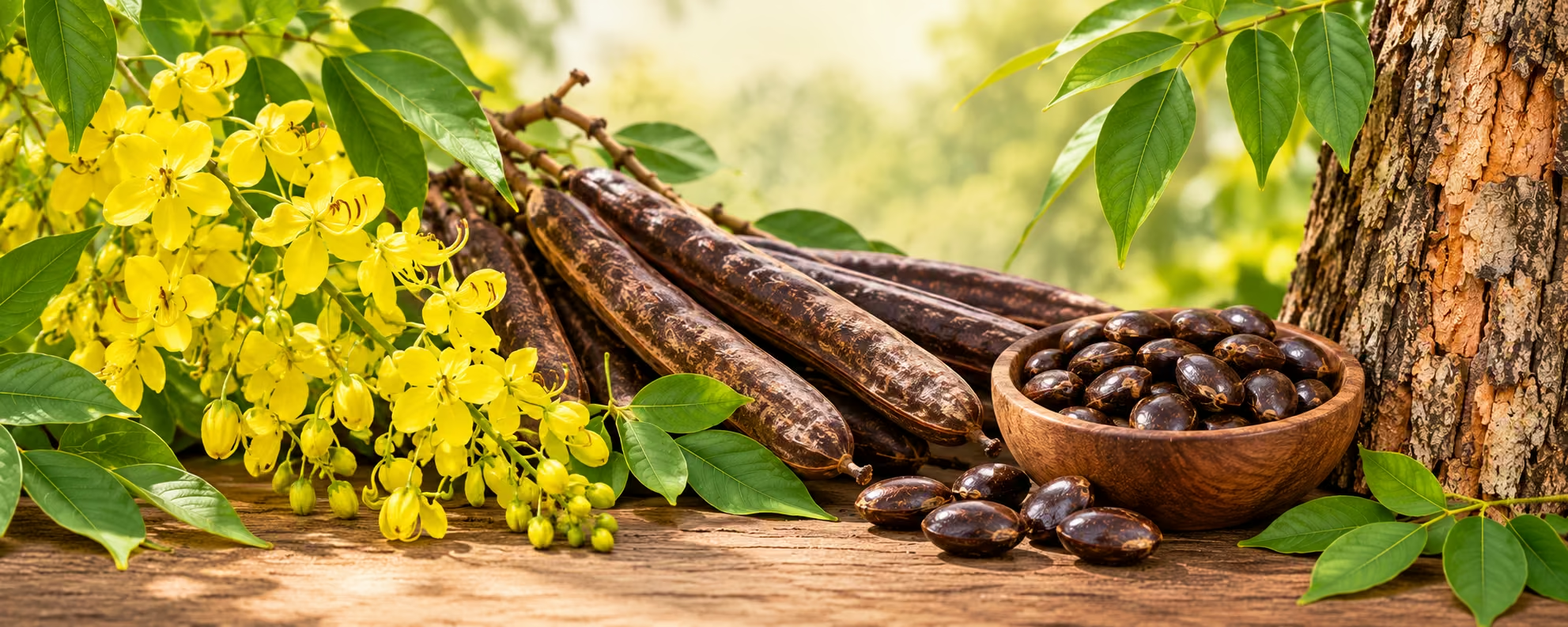
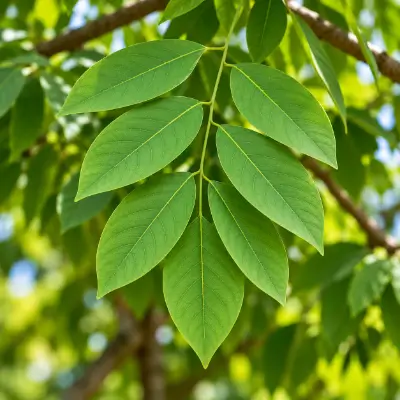
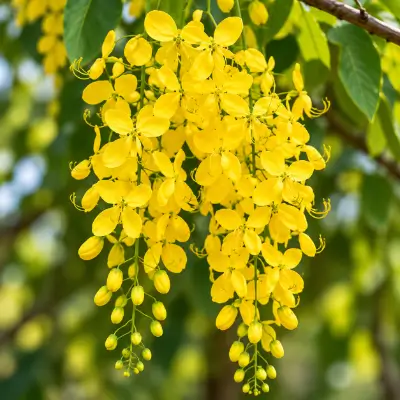
    About Kupilu

    Botanical Name

    Strychnos nux-vomica Linn.

    Family

    Loganaceae

    Identification No.

    SDACH/HG/182

    Parts Used

    Seeds, root bark.

    Habitat

    Uttar Pradesh, Bihar, Orrissa and West Bengal

    IUCN Status

    Least Concern

    Plant Photos

    Ayurvedic Properties

    Rasa

    Katu, Tikta

    Guna

    Laghu

    Virya

    Katu

    Vipãka

    Usna

    Contact Now

    Have queries? Contact Us.

    Have queries? We’re here to help you every step of the way.

    Contact us to get the right guidance for your academic journey at Shri Dhanwantry Ayurvedic College.

  • Devdaru

    Devdaru

    Devdaru

    Botanical Name: Cedrus deodara (Roxb.) Loud.

    Family : Pinaceae

    Identification No.- SDACH/HG/181

    Introduction :

    It is an Stanya sodhana & Anuvasanopaga drug.

    Scientific classification: Cedar trees belong to the family Pinaceae. The cedar of Lebanon is classified as Cedrus libani, the Cyprus cedar as Cedrus brevifolia, the Atlas cedar as Cedrus atlantica, and the deodar as Cedrus deodara. North American conifers called cedars belong to the family Cupressaceae: the white cedar is classified as Chamaecyparis thyoides, the western cedar as Thuja plicata, the eastern white cedar as Thuja occidentalis, and the eastern red cedar as Juniperus virginiana. Spanish or West Indian cedar is classified as Cedrela odorata of the family Meliaceae.

    Synonyms :

    “देवदारु स्मृतं दारुभद्रं दार्विन्द्रदारु च |
    मस्तदारु द्रुकिलिमं किलिमं सुरभूरुहः ||”

    Suradruma, Suradaaru, Devakaashtha, Devadruma, Saptapatrika, Daaru, Bhadradaaru, Amarataru, Amaradaaru, Daaruka, Devaahvaa, Surataru, Surabhuruha.

    Cedrus  libani Barrel. var. deodara Hook. F

    Morphology :

    It is ever green tree growing upto 80 m. with a brood trunk.

    Leaves- slender, dark green with wavy margins.

    Bark thick and fissured at places. Wood oily, aromatic; sapwood white and heartwood light yellowish-brown or brown.

    Distribution :

    Occurs in north-,west Himalayas from Kashmir to Garhwal. Forests of Deodar found in Kashmir, Kulu, Chamba, Tehri-Garhwal, Simla, Chakrata, Almora and Mussoorie hill stations

    Habitat At the height of 2000 to 3000 meters in Himalayas

    Chemical composition It contains dark colored oil and resin.

    Essential oil from wood : methylacetophenone, atlantone, sesquiterpenes himoèhalene, himachalol

    stem bark deodarin, toxifolin.

    Properties :

    Rasa Tikta, Katu,Kashãya

    Guna Rüksa, Laghu

    Virya Ushna

    Vipãka Katu

    Amayika Prayoga / Therapeutic Uses


    External:
    – Used as oil in joint pain, skin diseases, wound healing, and pruritus

    Internal:
    – Useful in respiratory conditions (cough, asthma), arthritis, skin diseases, urinary disorders

    Yoga/Formulations

    Devadarvadi Kashaya, Devadarvadi Taila, Dashamoola Kwatha, Chandraprabha Vati

    IUCN

    Least Concern (LC)

    Research updates

    1. 2020 – Journal of Herbal Pharmacotherapy: Highlighted anti-arthritic and analgesic properties of Devadaru extract.
    2. 2021 – AYU Journal: Studied anti-inflammatory and wound healing activity of Devadaru oil.
    3. 2022 – International Journal of Research in Ayurveda: Evaluated its effect on skin disorders with significant outcomes.
    4. 2023 – Pharmacognosy Reviews: Reviewed antimicrobial and antioxidant actions of Devadaru essential oils.
    5. 2024 – Journal of Ayurveda and Integrative Medicine: Investigated neuroprotective role of Devadaru in Vata disorders.

    About Devdaru

    Botanical Name

    Cedrus deodara (Roxb.) Loud.

    Family

    Pinaceae

    Identification No.

    SDACH/HG/181

    Habitat

    Kashmir, Kulu, Chamba, Tehri-Garhwal, Simla, Chakrata, Almora and Mussoorie

    IUCN Status

    Least Concern

    Plant Photos

    Ayurvedic Properties

    Rasa

    Tikta, Katu,Kashãya

    Guna

    Rüksa, Laghu

    Virya

    Ushna

    Vipãka

    Katu

    Contact Now

    Have queries? Contact Us.

    Have queries? We’re here to help you every step of the way.

    Contact us to get the right guidance for your academic journey at Shri Dhanwantry Ayurvedic College.

  • Shami

    Shami

    Shami

    Botanical Name : Prosopis spicigera Linn.

    Family : Mimosaceae

    Identification No.: SDACH/HG/180

    Introduction :

    Latin name : Prosopis = butter burr.; specigera = bearing spikes

    Synonyms :

    “शमी सक्तुफला तुङ्गा केशहन्त्री फला शिवा |
    मङ्गल्या च तथा लक्ष्मीः शमीरः साऽल्पिका स्मृता ||”

    Shami, Tungaa, Keshahantri, Shankuphalaa

    Prosopis cineraria Druce.

    Morphology :

    The tree is of medium height and bears spikes. Bark is white externally but yellow inside. Branches slanting downwards.

    Leaves – bearing 8-10 leaflets.

    Flowers – yellow. Legume 10-15 cm. long bearing seeds. Raw legume is used as vegetable in Punjab and Rajasthan

    Distribution & Habitat :

    Dry forests

    Chemical constituents : vitamin K, n-octacosyl acetate, patulibin

    Properties :

    Pravava: vishaghna

    Karma -astringent, pectoral, demulcent, antiinflammatory, antirheumatic.

    Srotogamitva :

    Dosha: Kaphaghna, pittaghna.

    Dhatu: Rakta (haemetemesis, vertigo, dermatitis).

    Mala: Stool (astringent), keshaghna .(fruit).

    Organ: Respiratory tract (bronchitis), rheumatoid arthritis.

    Specific use: Bark is used for application on scorpion bite

    Indication : Miscarriage, insect bite , cough

    Part used :

    Whole plant

    Dosage :

    Leaf juice 10-15 ml

    Powder 2-4 g

    Decoction 50-100 ml

    Amayika Prayoga / Therapeutic Uses

    External:
    – Used in wound healing, skin eruptions, abscesses
    Internal:
    – Indicated in respiratory disorders, fever, indigestion, urinary disorders, and general debility

    IUCN

    Least Concern

    Research updates

    1. 2020 – Indian Journal of Traditional Knowledge: Validated anti-inflammatory properties of Shami bark extract.
    2. 2021 – Journal of Ethnopharmacology: Found antioxidant and immunomodulatory effects in animal models.
    3. 2022 – Plant Archives: Demonstrated antimicrobial efficacy of leaf extract against skin pathogens.
    4. 2023 – Journal of Ayurveda and Integrative Medicine: Investigated wound healing properties in diabetic models.
    5. 2024 – Pharmacognosy Journal: Confirmed adaptogenic and hepatoprotective activities of root extract.

    About Shami

    Botanical Name

    Prosopis spicigera Linn.

    Family

    Mimosaceae

    Identification No.

    SDACH/HG/180

    Parts Used

    Whole plant

    Habitat

    Dry forests

    IUCN Status

    Least Concern

    Plant Photos

    Ayurvedic Properties

    Pravava

    vishaghna

    Karma

    astringent, pectoral, demulcent, antiinflammatory, antirheumatic.

    Contact Now

    Have queries? Contact Us.

    Have queries? We’re here to help you every step of the way.

    Contact us to get the right guidance for your academic journey at Shri Dhanwantry Ayurvedic College.