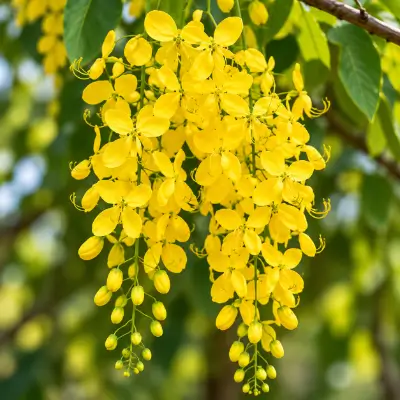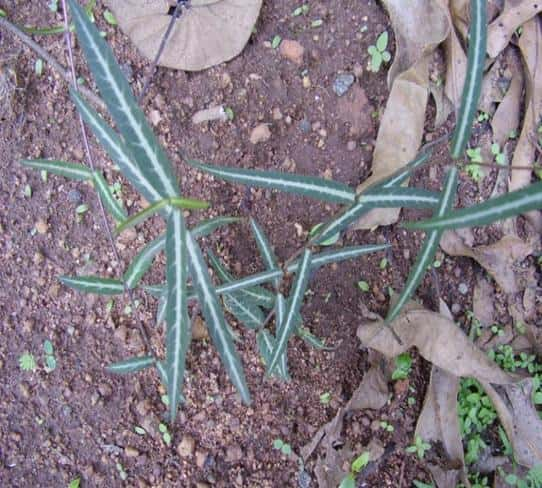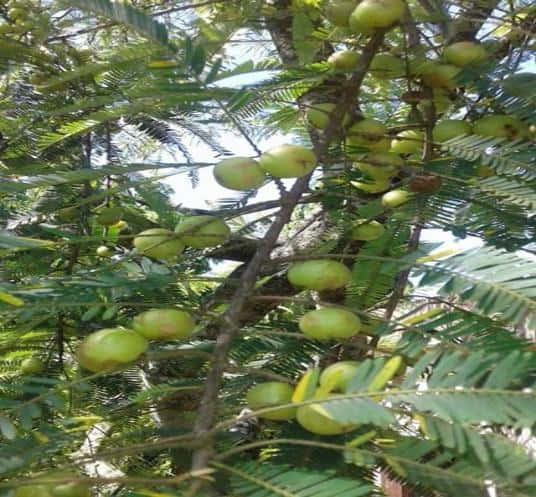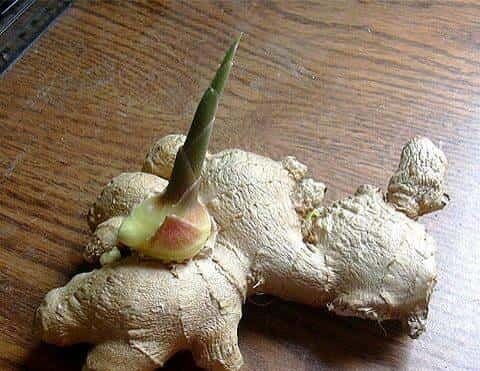
Shri Dhanwantry Ayurvedic College

Category: Dravyaguna Vigyan Blogs

  • Atibala

    Atibala

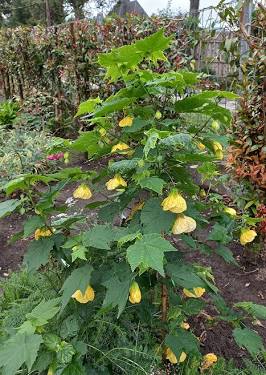
    Botanical Name : Abution indicum (Linn.)

    Family : MALVACEAE

    Identification No.: SDACH/HG/028

    Introduction : It mainly used for nerve disorders like paralysis and vatha prominent disorders. it is also used as the adulterant of bala.The plant contains mucilage, tannins,asparagines, gallic acid and sesquiterpenes. Presence of alkaloids,leucoanthocyanins, flavonoids, sterols, triterpenoids, saponins and cardiac glycosides is also reported. Asparagine is diuretic. Gallic acid is analgesic. Mucilages act by reflex, loosen cough as well as bronchial tension.

    Essential oil—antibacterial, antifungal. The drug exhibits immunological activity.

    Names in different Indian languages :

    English : Country Mallow, Indian mallow, Flowering Maples, Chinese Bell-flowers

    Hindi : Jampi, Kangi

    Malayalam : Oorpam,kaluram,kattoram,vellurum,kattoram

    Sanskrit : Ati Bala

    Tamil : Perum tutti, paniyarattutti

    Telugu : Tutturu Benda, Duvvenakaya

    Synonyms :

    “अतिबला बलश्रेण्या बलाद्र्विस्तरसंहिता।

    व्रणशोथज्वरघ्नी च बल्यपुष्टिकरानिला॥”

    Atibalaa, Rishyaproktaa.,, Kañkatikã, Balikã, Rishyagandha, Bhuribalã

    Varieties & adulterants – (CV – controversy, AD – adulterants) :

    Controversial Studies— Another species A. theophrastii Mdic. (A. avicennae Gaertn). is also used by some as Ati-balã because of their similarity in appearance.

    Varieties & adulterants

    1. Balätraya

    2. BaIã chatuska  ( Baladvaya and Mahabala )

    3. A. theophrasti Mdic.

    4. A. avicennae Gaertn.

    5. Abutilon ranadei

    6. Abutilon ranadei

    Morphology :

    It is a perennial softly tomentose shrub, upto 3 m. high.

    Stem—round, frequently tinged with purple.

    Leaves—ovate to orbicular-cordate, 2-2.5 cm. long.

    Flowers— Solitary on jointed peduncles, orange-yellow or yellow.

    Seeds: 3-5, reniform, tubercled or minutely stellate-hairy, black or dark brown. (Flowers and fruits almost throughout the year)

    Distribution & Habitat :

    Found as a weed in all over India, the sub-Himalayan tract and hills upto 1,400 m. and in hotter parts of  Srilanka.

    Chemical constituents :

    mucilage, tannins, asparagines, gallic acid and sesquiterpenes. leucoanthocyanins, flavonoids, sterols, triterpenoids, saponins, cardiac glycosides. Hescoses,  beta-sitosterol, vanillic, p-coumaric, amino acids; alantolactone, isoalantolactone

    Properties :

    Rasa : Madhura

    Guna : Laghu, Snigdha

    Virya : Sita

    Vipäka : Madhura

    Karma : Vãta-Pitta hara, Balya, Bramhana, Vrsya

    Indication :

    Vãta vyãdhi, Prameha, Raktapitta, Kasaghna

    Dried, whole plant— febrifuge, anthelmintic, demulcent, diuretic, anti-inflammatory (in urinary and uterine discharges, piles, lumbago).

    Juice of the plant— emollient.

    Seeds—demulcent (used in cough, chronic cystitis), laxative.

    Leaves—cooked and eaten for bleeding piles.

    Flowers— antibacterial, anti-inflammatory.

    Bark—astringent, diuretic.

    Root— nervine tonic, given in paralysis; also prescribed in strangury.

    Also useful in gout, polyuria and haemorrhagic

    Part used :

    Root

    Dosage :

    Root powder 2-3 g.

    Decoction 50-100 ml

    External uses :

    Paste is analgesic and alleviates oedema. It is locally applied over inflammation and eye disorders.

    Internal uses :

    Central nervous-system : Being neural tonic and vata-shamak, it is useful in vata disorders like paralysis, facial palsy

    Digestive system : Emollient, astringent..

    Circulatory system : Cardiac tonic and alleviates hemorrhagic disorders & bronchiectsis. Reproductive system Aphrodisiac and useful in spermatorrhoea

    Urinary system: Diuretic, so useful in dysuria.

    Temperature : Useful in fever being a febrifuge

    Satmikaran : Tuberculosis and undernourishment.

    Important Yogas  or  Formulations :

    Atibala rasayana             

    Amayika Prayoga (Therapeutic Uses) :

    (1) Slipada— Balã and Atibalã are taken with milk early in the morning.

    (2) Mutrakrichra-Decoction of Atibalã will be useful.

    (3) Rakta Pradara— Root powder of Atibala is given with sugar & honey.

    (4) Root powder + kokilaksha seeds useful in gout

    IUCN Status:

    Not Evaluated

    Research Updates (Last 5 years):

    1. 2021 – Antioxidant and hepatoprotective activity of Abutilon indicum extract in rats.

    2. 2022 – Anti-inflammatory effects in experimental models of arthritis.

    3. 2023 – Wound healing and antimicrobial action of Atibala leaf extract.
    About Atibala

    Botanical Name

    Abutilon indicum (L.) Sweet

    Family

    Malvaceae

    Identification No.

    SDACH/HG/028

    Parts Used

    Root

    Habitat

    Nepal, Sri Lanka, Bangladesh, Pakistan

    IUCN Status

    Not Evaluated

    Plant Photos
    Ayurvedic Properties

    Rasa

    Madhura

    Guna

    Laghu, Snigdha

    Virya

    Sita

    Vipãka

    Madhura

    Contact Now

    Have queries? Contact Us.

    Have queries? We’re here to help you every step of the way.

    Contact us to get the right guidance for your academic journey at Shri Dhanwantry Ayurvedic College.

  • Arka

    Arka

    Botanical Name : Calotropis procera (Ait.) R.Br.

    Family :  Asclepiadaceae  

    Identification No : SDACH/HG/027

    Introduction : Etymologically Arka term means to be worshiped’. Krsnayjurvediyas believe that Arka is born . “when saint Angirasa’s sweat drops have fallen on a goat while, the great saint was traveling for heavens. The greedy goat touched some leaves which turned to be Arka. In Taittariya Sanihita it is indicated that Arka does possess Usna and Tikshna properties. its latex is cardiac poison.

    Names in different Indian languages :

    Hindi : Madara

    Sanskrit : Arkah

    Telugu : Jilledu

    Tamil : Erukku

    English : Mudar,Gigantic swallow wort

    Marathi : Rui/Akamadar

    Bengali : Aakanda

    Gujarathi : Akado

    Kanada : Ekkameli

    Malayalam : Erukku

    Unani : Aakh, Madaar, Ashar

    Synonyms : Surya, Suuryaahvya, Vikirna, Vasuka, Tapana, Tuulaphala, Kshirparna, Arkaparna, Aasphota.

    Classification according to Charaka, Susrutha & Vagbhata :

    Charaka : Bhedaniya, Vamonopaga, Svedopaga

    Susrutha : Arkädi, Adhobhãgahara

    Vagbhata : Arkädi.

    Morphology :

    A branched milky shrub up to 1-2 m height. Young leaves hoary, glabrous when fully grown.

    Leaves: 10 -15 cm long, ovate – obovate/ oblong, acute, opposite, subsessile, white wooly

    Flower: beautiful lilac, rosy purple tined in umbellate, lateral cymes,

    Fruits: fleshy follicles, green

    Seeds: it with abundant white coma.

    Distribution & Habitat :

    All over India in dry and pungent soil, Srilanka, Afghanistan, Iran and Africa.

    Chemical constituents :

    Benzoyllineolone, benzolisolineolon ,Laurane, saccharose, beta-amyrin, giganteol, calcatin, calotoxin Alpha, beta-amyrin, calatoxin, calotropin, proceroside, pagenin

    Properties :

    Rasa–– Katu, Tikta

    Guna–– Laghu, ruksha, tikshna

    Virya–– Usna

    Vipaka–– katu

    Karma : Vatahara, recana, visaghna, Dipana

    Febrifuge, anthelmintic, depurative, expectorant,laxative,

    Indication :

    sopha, Vrana, kusta, arsas, krmi, kandu, pliharoga, visa roga, visarpa, udara, gulma, graharoga,cough, ascites, anasarca,asthma, bronchitis, dyspepsia, useful in the treatment of paalysis, arhralgia, swellings, root powder promotes gastric secretion, flowers are digestant, stomachic, tonic, anorexia, inflammation and tumours.

    Over dose may cause purgation and vomiiting.

    External uses :

    As it is analgesic, anti inflammatory, vranashodhan, anti-dermatoses, anti microbial, it is used in elephantitis and rheumatoid arthritis. Conditions in which there is inflammation and pain, and lymphadenopathy etc its latex is applied. In dermatoses and other skin diseases its latex + mustard oil is applied. In leucoderma its latex is applied topically. In alopecia and haemorrhoids its latex is used. In toothache it is used for brushing the teeth. In flatulence its leaves are applied with castor oil and heated and are bound on abdomen. In haemorrhoids, the piles are exposed to its smoke.

    Internal uses :

    Digestive system : It is on emetic, increases appetite, digestive. cholagogue. purgative. Anthelmintic. It causes irritation of stomach by stimulating vomiting centre in the brain and thus causes emesis. In anorexia, its latex is used.

    Circulatory system : Root bark is a cardiac stimulant, purifies blood and is anti-inflammatory. Flowers of red variety is used in haemorrhagic disorders. Root bark is used in cardiac debility. Filarial, ulcers and many other blood diseases.

    Respiratory system : Expectorant and anti asthmatic. Therefore root bark and flowers are used in kaphavataj kasa and asthma. Alkaline extract of flowers is useful in many disorders.

    Skin : As it is a diphoretic, antidermatosis. therefore it is used in dermatosis. It is a very potent remedy for scabies.

    Temperature : Febrifuge and also effective in typhoid. A layer of salt is put on the leaf and is covered with another leaf and then it is kept in a mud pot and is heated. The extract which its obtained is effective in periodical fever.

    Satmikaran : It is a bitter tonic and stimulates all the body elements with increase of strength. it is antitoxic. In snake bite, its root sap with black pepper is given as an antidote.

    Important Yogas  or  Formulations :

    Arka lavan, Arka oil. Arkeshwar, Arkadi churna. Arkakolakandovati, Praval Panchamrit. Sootika bharan.  Mahavatavidhvansa.

    Amayika Prayoga(Therapeutic Uses):

    Pliharoga : Arka leaves and salt are burnt by closed heating. This is given with curd water. (B.P.)

    Netra roga : seeds of Arka processed in milk is useful

    Arsas – Fumigation with sami

    Calcareous or tendinitis  in Agnikarma

    IUCN Status- Not Evaluated

    Research updates-

    Cardio-depressant activity

    Use in chronic stable angina

    Anti bacterial and antifungal activity


    About Arka

    Botanical Name

    Calotropis procera (Aiton) W.T. Aiton

    Family

    Apocynaceae (formerly Asclepiadaceae)

    Identification No.

    SDACH/HG/027

    Parts Used

    Leaves, root bark, flowers and latex

    Habitat

    India, Sri Lanka, Afghanistan, Iran

    IUCN Status

    Not Evaluated

    Plant Photos
    Ayurvedic Properties

    Rasa

    Katu, Tikta

    Guna

    Laghu, ruksha, tikshna

    Virya

    Usna

    Vipãka

    katu

    Contact Now

    Have queries? Contact Us.

    Have queries? We’re here to help you every step of the way.

    Contact us to get the right guidance for your academic journey at Shri Dhanwantry Ayurvedic College.

  • Arjuna

    Arjuna

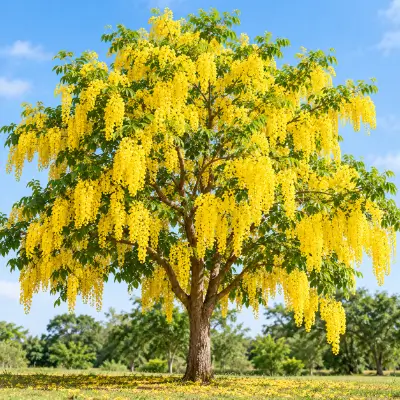
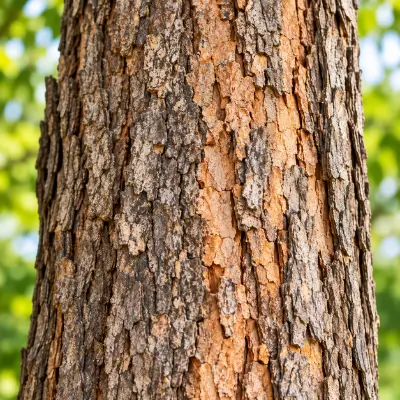
    Botanical Name: Terminalia arjuna (Roxb.)W. & A.

    Family:  Combretaceae

    Identification No.:- SDACH/HG/026

    Introduction: Arjuna is an hridya or cardio tonic drug. Two kinds of Arjuna are described in vedic  Lohita Tüla and Babhru Tüla. Hindu mythology documented that these two plants have their origin while lord Indra killed a gaint Vrtra. The blood (Rakta) and Lasikã of Vrtra have attained the form of Lohita küla and Babhru küla respectively.More than,  Charaka and susrutha, vagbatha popularize the usage of arjuna as a cardiac tonic.

    It is effective on heart, blood vessels and rakta dhatu. It provides nourishment to  the heart. It increases relaxation period of the heart and acts as a cardiac tonic. It increases the force of contraction of heart and regulates its rhythm. It is a cardiac stimulant. Arjunãrista, Arjuna ghrta, Pãrthãdyarista.

    Names in different Indian languages :

    English : Arjun

    Hindi : Arjun,kahu,kahua

    Kannada : Maddi,vaidairya

    Malayalam : Nirmaruthu, venmaruthu, attumaruthu, maruthu, pulamatti

    Sanskrit : Arjunah, kakubhah

    Tamil : Marudam,attumaruttu,nirmaruttu,vellaimaruttu

    Telugu : errramaddi

    Unani : arjuna

    Synonyms :

    कुभो अर्जुनामाख्यो नदीसर्जश्च कीर्तितः ।

    इन्द्र वीर वृक्षश्च वीरश्च धवलः स्मृतः ।।

    Dhananjaya, Kaakubha, Kakubha, Aartagala, Indravriksha, Paartha, Virataru, Viravriksha

    Classification according to Charaka, Susrutha & Vagbhata :

    Charaka : Udardapraamana, Kasãya skandha

    Susrutha : Nyagrodhãdi, Salasarãdi

    Vagbhata : Viratarvãdi, Nyagrodhãdi gana, Asanadi gana

     Varieties & adulterants – (CV – controversy, AD – adulterants)  :

    1. T. arjuna – White

    2. T. alata – black

    3. T. tomentosa

    4. Soma [AD] – in ritual purpose

    5. T.catappa  [CV]

    Morphology :

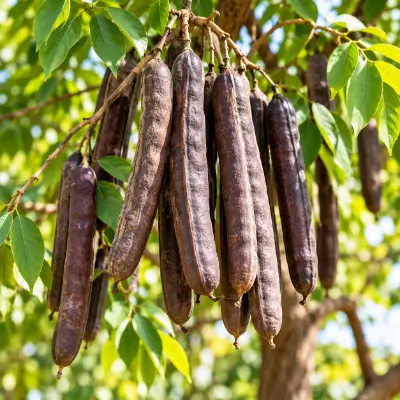
    A large tree, 20-25 m high, trunk often buttresed, smooth grey bark.

    Leaves— simple, subopposite, hard, coriaceous, oblong or elliptic, 10-20 cm long.

    Flowers— yellowish-white, borne in shortly panicled-spikes.

    Fruits— 2.5-5 cm long, obovoid-oblong, with 5-7 equal, hard, coriaceous, thick narrow wings.

    Flowers in March-June and fruits occur in September-November.

    Distribution & Habitat : All over India

    Chemical constituents :

    Arjunolic acid, terminic acid, arjunetin, arjunosides I–IV, antioxidants—flavones,tannins, oligomeric proanthocyanidins

    Properties :

    Rasa : Kasäya

    Guna : Rüksa, Laghu

    Virya : sita

    Vipaka :  Katu

    Karma : Cardio tonic, expectorant , antidysenteric,

    Indication :

    Bhagna, Sadya Vrana, Prameha, Medoroga, Hrdroga, Kasya, Trsnã, bhasmaroga, raktha dosha, pandu,skin diseases, herpes, leucoderma, ulcer, leucorrhoea, asthma, tumour, cirrhosis, hypertension

    Part used :

    Bark

    Dosage :

    Powder 2-4 g

    Decoction 50-100 ml

    External uses :

    It helps in wound healing and joining by astringent property It is haemostatic The bark paste is locally applied on wounds, ulcer and specially used in promoting the union of fractures.

    Internal uses :

    Digestive system: it has astringent property, reduces motility. Being haemostatic it controls bleeding in dysentery and haemorrhoids.

    Circulatory system : It is a cardiac tonic. It gives strength to the cardiac muscles and improves cardiac function and rhythm. It reduces cardiac rate, It increases the peripheral resistance by constricting capillaries which leads to rise in blood pressure. Arjuna enhances blood quality and also acts as haemostatic. By virtue of its capillary constricting activity, it prevents accumulation of fluid and thereby reduces oedema. The decoction of bark in milk is effective in this condition. It helps in cardiomegaly. Healing caucuses in ulcerated, contused wounds and fractures are greatly enhanced by systemic administration of arjuna.

    Respiratory system : Its astringent property is useful in purulent and tuberculous cough and in haemoptysis. It reduces heartburn and cough. Powdered arjuna bark soaked in leaf juice of Adhatoda vasika mixed with honey, sugar- candy and cow’s ghee reduces tuberculous cough.

    Urinary system : By its astringent property it is effective in diabetes and gonorrhoea, by reducing urinary discharges and relieving burning and pain during micturation.

    Reproductive system : It prevents early ejaculation of semen. The decoction of aijuna bark and white sandalwood is effective in spermatorrhoea. Aijuna is also useful in menorrhagia and leucorrhoea.

    Skin : It is used in skin diseases. Externally its paste is applied over eyelids in conjunctivitis.

    Temperature: It is febrifuge. In chronic fever it not only helps as antipyretic but also acts as general tonic.

    Satmikaran : It is astringent and possesses wound healing, hypolipidemic and cardiotonic effects. Arjuna is the drug of choice in cardiac debility.

    Processing: Use of its bark as a decoction with milk (ksheerapak) is more effective. Besides, it can be used in the form of juice, decoction in water, powder or as a ghrita. Use of ksheerapak has a dual advantage of. reducing dryness inducing property of Arjuna and also kapha aggravating property of milk.

    Blood vessels : It contracts  capillaries. it corrects low blood pressure and tones up the capillaries.

    Rakta dhatu : Makes blood components more balanced and increases coagulating property of blood.

    Important Yogas  or  Formulations:

     Kakubhadi churna, parthadyarishta (Arjuriarishta), Arjunaghrita, Pushyarsuga churna, Ashwagandharishta, Arvirsdasava, Devadarvyarishta.

    Amayika Prayoga/Therapeutic Uses :

     (1) Sukrameha— Decoction of Arjuna and Candana is beneficial (S.S.Ci. II)

    (2) Puyameha— Decoction of Dhava and Arjuna is beneficial (H.S. 3/28/7).

    (3) Kustha— Khadira, Aragvadha and Arjuna are used for Pana & Abhyanga (C.S.Ci. 7).

    (4) Hrdroga— Godhüma and Arjuna bark processed in oil, ghee and jaggery is given orally with milk (G.N.).

    IUCN Status– Not Evaluated

    Research updates-

    Cardio-depressant activity

    Use in chronic stable angina

    Anti bacterial and antifungal activity


    About Arjuna

    Botanical Name

    Terminalia arjuna (Roxb.)W. & A.

    Family

    Combretaceae

    Identification No.

    SDACH/HG/026

    Parts Used

    Stem bark

    Habitat

    India, Bangladesh, Myanmar, Pakistan, Sri Lanka.

    IUCN Status

    Not Evaluated

    Plant Photos
    Ayurvedic Properties

    Rasa

    Kasäya

    Guna

    Rüksa, Laghu

    Virya

    sita

    Vipãka

    Katu

    Contact Now

    Have queries? Contact Us.

    Have queries? We’re here to help you every step of the way.

    Contact us to get the right guidance for your academic journey at Shri Dhanwantry Ayurvedic College.

  • Apamarga

    Apamarga

    Botanical Name : Achyranthes aspera Linn

    Family : Amaranthaceae

    Identification No.: SDACH/HG/025 

    Introduction :

    Apamarga used for preparing Kshara & removal of excessive water from our body

    Names in different Indian languages :

    English : Prickly Chaff Flower

    Hindi : Circita

    Kannada : Uttaren

    Malayalam : Katalati, van Katalati;

    Sanskrit : Apaamaarga

    Tamil : Nayurvi

    Telugu : Apamargu

    Synonyms :

    “अपामार्गः शैखरिको मयूरकोऽथो दुरालभा। 

     कण्टपत्रः प्रत्यक्पर्णी कीर्तितः पर्यायवाचकैः॥” 

    (Bhavaprakasha Nighantu, Guduchyadi Varga) 

    Chirchitaa, Shikhari, Shaikharika, Adahshalya, Mayura, Mayuraka, Kharamanjari, Kharapushpaa, Pratyakpushpaa, Aaghaat, Vashira, Kanihi.

    Classification according to Charaka, Susrutha & Vagbhata :

    Charaka: sirovirecanopaga, Kimighna, Vimanopaga

    Susrutha: Arkãdi

    Vagbhata: Arkãdi

    Properties :

    Rasa : Katu, Tikta

    Guna :  Laghu, Rüksa, Tiksna

    Virya : Usna

    Vipãka :  Katu

    Karma : Astringent, diuretic, hepatoprotective, emmenagogue

    Indications :

    Chardi, Hridroga, Adhmãna, Kandü, sula, Udara, Apaci, Raktaras, Visücikã, Krimi, Sidhma, Sadyo vrana, Mutrakrcchra

    Anaemia, piles, fistula, menorrhagia

    Part Used :

    Whole plant

    Dosage :

    Leaf juice 10-15 ml

    Powder 2-4 g

    Decoction 50-100 ml

    Morphology :

    A stiff erect herb, 30-90 cm high. Branches spreading,

    Leaves— dimple, opposite, velvety-tomentose, 3.8-12.5 cm x 5.1-7.6 cm.

     Flowers— bisexual, greenish-white, arranged in long spikes, inverted (Hence Apamarga).

    Flowering in winter and fruiting in summer.

    Habitat & Distribution :

    all over India

    Amayika Prayoga (Therapeutic Uses): 

    External uses :

    Anti-inflammatory, analgesic, antidote, antiseptic, nasal decongestant. Crushed leaves are applied on inflammatory lesions, Its anjan is applied in opthalmic disorders, Juice of leaves )it is used in wounds. The leaves are crushed and applied on the area of scorpion stings. Oil processed in apamarga kshar is used in earache (otitis). A fine powder of seeds is used for pradhaman nasya (where this powder is blown through small tube into the nose). This reduces heaviness in the head instantly. The salts (kshars) are used in moles and fistula. Crushed seeds are applied locally in bleeding piles. The juice being haemostatic, stops bleeding from wounds.

    Internal Use :

    Digestive system : Carminative, appetizer, antacid and anthelmintic in nature. It is a good remedy for excessive appetite. It is used in emesis, loss of appetite, abdominal pain, indigestion, flatulence, ascites. piles, gall-stones. helminthiasis etc In excessive appetite. the seeds processed in milk and sugar are given as a food supplement This preparation takes time to digest but does not create any disorders. Thus, ii pacifies hunger as well. (It is believed that laddus prepared from seeds reduce appetite to such and extent that the person does not feel hungry for a couple of months.) Bhasmak is a disease where there is a voracious appetite The seeds cooked in nce (khichadi ) are given in bhasmak for one week. Apamarga khara is used in ascites.

    Circulatory system : It is a blood purifier, it is also a haematinic and anti-inflammatory. It is used in anaemia, rheumatoid arthritis, oedema and scrofula. Apamarga kshara being alkaline is used in acid peptic disorders.

    Respiratory system : The powder of roots is used in bronchitis and asthma as decongestant.

    Urinary system : It is a diuretic and reduces acidic pH of urine. Kshar is used in renal calculi. cystitis and nephritis.

    Skin : It is a diaphoretic and yet antipruritic. It is used in dermatoses, moles and other skin disorders. Mole falls oft when tied with kshar sutra of apamarga. It is also used in preparing ksharsutra for treating anal fistula.

    Reproductive system : Apamarga has been used for punsavan vidhi (Vagbhatta Sharir 1/39). Punsavan vidhi is a procedure to beget an offspring of desired sex. Panchang of white apamarga is crushed and taken internally in pushya nakshatra. Apamrga roots are tied on abdomen for easy and safe delivery.

    Important Yogas  or  Formations :

    Apamarga ksãra taila, Sikhari grhta     

    IUCN Status: 

    – Least Concern (Widely available, not endangered). 

    Research Updates (Past 5 Years) 

    1. Anti-diabetic Activity (2020): Study confirmed hypoglycemic effects of Achyranthes aspera extract. 

    2. Wound Healing (2021): Ethanol extract showed significant wound contraction in rat models. 

    3. Anti-inflammatory (2022): Demonstrated COX-2 inhibition, supporting traditional use in arthritis.


    About Apamarga

    Botanical Name

    Achyranthes aspera L.

    Family

    Achyranthes aspera L.

    Identification No.

    SDACH/HG/025

    Parts Used

    Whole plant

    Habitat

    India

    IUCN Status

    Least Concern

    Plant Photos

    Ayurvedic Properties

    Rasa

    Katu, Tikta

    Guna

    Laghu, Rüksa, Tiksna

    Virya

    Usna

    Vipãka

    Katu

    Contact Now

    Have queries? Contact Us.

    Have queries? We’re here to help you every step of the way.

    Contact us to get the right guidance for your academic journey at Shri Dhanwantry Ayurvedic College.

  • Anantamoola

    Anantamoola

    Botanical Name: Hemidesmus indicus (L.) R. Br.:

    Family : Asclepiadaceae, Periplocaceae.

    Identification no : SDACH/HG/024

    Introduction :

    Two varieties of Sãriva are known white (sveta) and black (Krsna) varieties. Root possessing wonderful aroma.

    Synonyms :

    Shveta Saarivaa, Anantmuula, Gopi, Gopaa, Gopakanyaa, Gopavalli, Gopasutaa, Krishodari, Sphotaa, Utpalsaarivaa, Kapuuri, Dugdhgarbhaa.

    Periploca indica Linn

    Classification according to Charaka, Susrutha & Vagbhata :

    Charaka : Jvara hara, Dãhapraamana Purisasangrahaniya, Stanyaodhania, Madhura skandha

    Susrutha : Sãrivadi, Vidärigandhadi Vallipancamula

    Vagbhata : Sãrivadi

    Varieties & adulterants – (CV – controversy, AD – adulterants) :

    1. Sveta Sãrivã— Hemedismus indicus R. Br.

    2. Krsna Särivã— Ichnocarpus frutescens R. Br.

    3. Cryptolepis buchanani

    4. Decalepis hamiltonii

    5. Gopa

    6. Gopavalli

    Morphology :

    A slender twining or prostrate lactiferous  perennial with terete stem having thickened nodes.

    Leaves— simple, from broadly obovate to oblong-elleptic, linear or linear lanceolate, obtuse or apiculate, silvery white and pubescent beneath.

    Flowers— small, yellow or greenish-purple, in opposite, crowded subsessile cymes.

    Fruits— follicles, cylindrical, tapering to a point at the apex.

    Seeds- seeds flattened, black, ovate-oblong, coma  silvery white.

    Chemical constituents :

    Hyperoside, rutin, desinine, hexatriacontane, fsitosterol; hemidesminine, hemidesmin-l and hemidesmin-2, pregnane glycosides, hemidine, hemidescine, emidine, indicine, a triterpene lactone, a lupanone, besides lupeol acetate, sitosterol , hexadecanoic acid, several hydroxy- methoxybenzaldehyde

    Properties :

    Rasa :  Madhura, Tikta

    Guna :  Guru, Snigdha

    Virya :  Sita

    Vipãka :  Madhura

     Karma – Tridosahara, Grãhi,depana, pachana, kustaghna, krimighna

    Bloodpurifier, antisyphilitic, antileucorrhoeic, galactogenic, antidiarrhoeal, antirheumatic, febrifuge,              Astringent, emollient,  anthelmintic, demulcent, diaphoretic,

    Indication :

    Jvara, Kandü, Prameha, Kãsa, svãsa, Pradara, Aruci,Agnimandya, Atisãra, arsas.

    Burning sensation,skin disease, asthma, bronchitis, diarrhoea,  epileptic  fits, syphilis, abscess, arthralgia, fever, laxative, hepatopathy, neuropathy, cerebropathy, odontalgia, conjunctivitis  etc.

    Part Used :

    Root

    Dosage :

    Infusion 50-100 ml

    paste 5-10 g.

    powder 3-5 g.

    External uses :

    Anti-inflammatory, soothing, so used in burning sensation and inflammation. Juice is used in conjunctivitis.

    Internal uses :

    Digestive system : Being appetizer, digestive and laxative, it is used in the treatment of loss, of appetite, diarrhea, dysentery and mainly in malena.

    Circulatory system : It is a blood purifier and anti-inflammatory. Sariva is the best medicine for blood disorders, gout, soft chancre, secondary stage of syphilis. chronic rheumatoid arthritis, filariasis and cervical lymphadenitis.

    Respiratory system : Being kaphaghna it is used in cough and asthma.

    Reproductive system : Purifies breast milk, helps in conception. Decoction of sariva roots taken in pregnancy improves the complexion of the new born. It is useful in menorrhagia. leucorrhoea and abortion. It improves mobility of sperm. It cures lactating disorders.

    Urinary system : It is a diuretic, increases urination by 2 to 4 times without affecting the kidneys. So used in dysuria and pittaja prameha.

    Skin: Used in skin diseases, erysipelas, impetigo etc. and is used in blood and skin related disorders.

    Temperature : Antipyretic and refrigerant (used in pittaja jwara and burning sensation) Hot infusion is given in raktagatajwara.

    Important Yogas  or  Formulations :

    Sarivadi vati, Sarivadyavaleha, Sarivadyasav. Pinda taila, Saribadyasava, Mahatiktakaghrta, Pippalyadi ghrta, Amrta ghrta.

    It prevents abortions and miscarriages caused by syphilis and it should be continued during pregnancy to improve the complexion of the new born. (Aushdhi sangràha, Dr. W.G. Desai). It acts better with guduchi.

    Therapeutic Uses :

    1. Vrana— Sãrivã root is claimed to be useful for cleansing all types of wound (V.M.).

    2. Visama Jvara— Decoction of Patola, Sãrivã, Mustã, Pathã and Katuki is useful (C.S.Ci. 3).

    3. Kustha— Brhati, Usira, Patola, Sãrivã and Katuki is to be given for internal and external use (C.S.Ci. 7/128)

    IUCN Status : Not Evaluated

    Research Updates

    Evaluation of neuroprotective potential of methanolic extract of Hemidesmus indicus extract in Aβ (1-42) induced rats 2023

    HR-LCMS and evaluation of anti-diabetic activity of Hemidesmus indicus (anantmool): Kinetic study, and molecular modelling approach 2024

    Study Assessed Anti-hyperlipidemic potential of Ethanolic extract of Hemidesmus indicus in rat fed with high fat diet. The Extract effectively reduced lipid levels. 2023


    About Anantamoola

    Botanical Name

    Hemidesmus indicus (L.) R. Br.

    Family

    Apocynaceae (formerly classified under Asclepiadaceae and Periplocaceae)

    Identification No.

    SDACH/HG/024

    Parts Used

    Root

    Habitat

    India, Sri Lanka, Pakistan, Bangladesh

    IUCN Status

    Not Evaluated (NE)

    Plant Photos

    Ayurvedic Properties

    Rasa

    Madhura, Tikta

    Guna

    Guru, Snigdha

    Virya

    Sita

    Vipãka

    Madhura

    Contact Now

    Have queries? Contact Us.

    Have queries? We’re here to help you every step of the way.

    Contact us to get the right guidance for your academic journey at Shri Dhanwantry Ayurvedic College.

  • Amalaki

    Amalaki

    Botanical Name:  Emblica officinalis Gaertn.

    Family: Euphorbiaceae   

    Identification No.: SDACH/HG/023                                                                  

    Introduction:

    Names in different Indian languages :

    English : Emblic,Indian gooseberry.

    Hindi : Amla,amlika,amalak

    Kannada : Nellka

    Malayalam : Nelli

    Sanskrit : Amalaki,dhatri

    Tamil : Nelli

    Telugu : Usirikaya,amalakamu

    Unani : Aamalaa, Amlaj

    Synonyms :

    “आमलकी धात्रीफलं शिवं तिष्यफलं अमृतफलं। 

    धात्री त्वचिष्ठा वयस्था श्रीफलं वृष्यं तथा॥ 

    (Bhavaprakasha Nighantu, Haritakyadi Varga) 

    Aaamalaka, Dhaatri, Kaayasthaa, Amoghaa, Amritaphala, Amla, Aaamalaa, Dhaatriphala, Vayasyaa, Vrshya, Shiva, Hattha,Phyllanthus emblica Linn

    Classification according to Charaka, Susrutha & Vagbhata :

    Charaka : Jvaraghna, Kãsaghna, Virecanopaga, Kusthaghna, Vayahsthapana

    Susrutha : Amalakyãdi, Parüsakãdi, Triphala

    Vagbhata : Parüsakãdi

     Varieties & adulterants – (CV – controversy, AD – adulterants)  :

    1. Krishna (NA5)

    2. Amrit  (NA6)

    3. Neelam (NA7)

    4. Kanchan

    5. Amalaki – Flacourtia jangomos  [CV]

    6. Pracinamalakam – F. catapharacta (different from amalaki)  [CV]

    Morphology :

    It is a large deciduous tree with greenish-grey or red bark, peeling off in scales.

    Leaves – compound, subsessile, pinnate, distichously close-set, oblong, obtuse.

    Flowers – Unisexual, densely  fascicled along the branchlets, greenish  yellowish; males numerous on slender pedicles females sub sessile,

    Fruit –  berry, fleshy,  depressed globose succulent, yellow or pink when ripe, obscurely 6-lobed, vertical furrows enclosing 6 trigonous seeds in 2 seeded 3 crustaceous cocci.

     (flowers in April.-May )

    Distribution & Habitat :

    wild/cultivated throughout tropical India.

    Chemical constituents :

    Good source of vitamin C and minerals.

    Root– gallagic acid, lupeol, oleanolic aldehyde

    Bark- leucodelPhinklm, procyanidin, tannin etc.

    Fruit- Vit. C, phyllemblin linolic acid, indole acetic acid and ayxubsm rigaloylglucose terchebin, corilagin, ellagic acid, phyllemblic acid & salts.

    Properties :

    Rasa – Amla pradhana, Pañca rasa (except Lavana)

    Guna – guru

    Virya- sita

    Vipãka -Madhura

    Karma : Tridosa hara, Vayahsthãpana, Rasãyana, Caksusya, Virya.

    laxative, diuretic, antianaemic, anabolic, antiemetic, bechic, astringent, antihaemorrhagic, antidiarrhoeal,diuretic, antidiabetic, carminative, antioxidant. 

    Indication :

    Prameha, Rakta pitta, krimi, kasa, Netra roga, Kustha, Arsas, Soma roga, Pradara, Mutrakrcchra, süla.

    Ulcerative stomatitis, diabetes, gonorrhoea, jaundice, diarrhoea, myalgia, dysentry, peptic ulcer, erysipelas, inflamation, anaemia, emaciation, greyness of hair.

    Part used :

    Fruit pulp/Fruit.

    Dosage :

     Fresh juice 25-50 ml; Powder 6-8 g.

    Amayika Prayoga (Therapeutic Uses) 

    External uses :

     Paste is applied locally in burning, headache due to pitta, retention of urine. Juice is used in eye disorders. Fruits are kept overnight in water and eyes are washed with this water in the morning. Hair wash by amala is done in baldness and grey hair. Toothache is relieved by chewing fruit skin. Leaf juice is used as eye drops in eye disorders.

    Internal uses :

    Nervous system Strengthens bone marrow and any weakness of sense organs.

    Digestive system : It acts in loss of taste & appetite, anorexia, constipation, liver disorders, peptic diseases ascites and piles through its properties of digestion, laxation and rasayan. Its juice is given in haematemesis and epitasis. A paste of chandan + arnlaki is best in pittaj vomiting. Leaf juice useful in haemorrhagic dysentery.

    Circulatory system : Useful in heart diseases. haemorrhagic diseases. Loha bhasma + amalaki , leaves best in anaemia

    Respiratory system : Used in diseases like cough, asthma, tuberculosis etc. being a rejuvenating agent. Amlaki is a good brain tonic.

    Reproductive system : It is useful in spermatorrhoea, menorrhagia, uterine debility.

    Urinary system : Fresh amla juice is used in dysuria and prameha.

    Skin : In skin diseases and erysipelas, ii is given internally for longer period.

    Temperature : Useful in chronic fever, thirst, burning sensation etc.

    Satmikaran : Rasayan, rejuvenator.

    Important Yogas  or  Formulations :

    Cyavanaprãsa; Dhatriloha; Amalaki Rasãyana; Phalãsava; Amalakyadi churna, Kanakãrista

    IUCN Status 

    – Least Concern (Widely cultivated, not endangered) 

    Research Updates (Past 5 Years) 

    1. Antioxidant & Anti-diabetic (2021): Confirmed hypoglycemic effects in animal models. 

    2. Hepatoprotective (2022): Amla extract reduced liver fibrosis in rats. 

    3. Neuroprotective (2023): Improved memory in Alzheimer’s-induced mice.

    About Amalaki

    Botanical Name

    Emblica officinalis Gaertn.

    Family

    Phyllanthaceae (formerly Euphorbiaceae)

    Identification No.

    SDACH/HG/023

    Parts Used

    Fruit

    Habitat

    India, Nepal, Sri Lanka, Bangladesh, China, Myanmar, Thailand, Vietnam

    IUCN Status

    Least Concern

    Plant Photos

    Ayurvedic Properties

    Rasa

    Amla pradhana, Pañca rasa (except Lavana)

    Guna

    guru

    Virya

    sita

    Vipãka

    Madhura

    Contact Now

    Have queries? Contact Us.

    Have queries? We’re here to help you every step of the way.

    Contact us to get the right guidance for your academic journey at Shri Dhanwantry Ayurvedic College.

  • Ardraka

    Ardraka

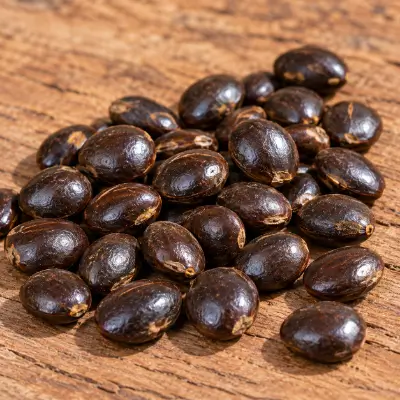
    Botanical Name: Zingiber officinale Rosc.

    Family:  Zingiberaceae

    Identification No.: SDACH/HG/022

    Introduction: Mainly dried ginger using in Ayurveda formulation.. So it used as the prashepa dravyas for many drugs.

    Names in different Indian languages:

    English : Ginger

    Hindi : Adarak

    Kannada : Hasisunti, Ardraka

    Malayalam : Inci, Erukkilannu

    Sanskrit : Ardrakam

    Tamil : Inji, Allam, Lokottai

    Telugu : Allamu,ardrakamu

    Unani : Zanjabeele- Ratab,Al-Zanjabeel

     Dry  Rhizome

    English : Dry Ginger

    Hindi : Soth

    Kannada: sunti

    Malayalam: Chukku

    Sanskrit : Sunthi, Visvabhesajam

    Tamil : Chukku, Sunthi

    Telugu : Sunti

    Unani : zanjabeel,Zanjabeel-eyaabis.

    Synonyms :

    Fresh rhizome—

    Aardraka, Aadrikaa, Shrngibera, shrngavera, Katubhadra.

    Dried rhizome—

    Shunthi, Naagara,Naagaraa, Naagaraka, Aushadha, Mahaushadha, Vishvaa, Vishvabheshaja, Vishvaaushadha

    Amomum zingiber L.

    Classification according to Charaka, Susrutha & Vagbhata :

    Charaka : Triptighna, Arsoghna, Dipaniya, sulaprasamana, Trisnã nigrahana

    Susrutha : Pippalyãdi, Trikatu

    Vagbhata : Pippalyãdi, Trikatu

     Varieties & adulterants – (CV – controversy, AD – adulterants) :

    1. Dry Ginger – Nagara, Visvabhesaja

    2. Fresh Ginger – Ardraka, Srngabera.

    3. Adulterants – Japanese Ginger

    Morphology:

    An erect perennial herb with aromatic rhizome.

    Stem— erect, leafy, 15-150 cm tall.

    Leaves— subsessile, linear-lanceolate or lanceolate, acuminate, glabrous, 10-30 cm long.

    Flowers— shoot upto 15 cm long, clothed with sheaths; bracts -2-5 cm x 2 cm, light green; corolla tube light yellow, lip orbicular, dull purple with creamy blotches.

    Flowering and fruiting during July-September

    Habitat  & Distribution :

    All over India, Srilanka, Nepal

    Chemical composition :

    geranial and neral; and sesquiterpenes, beta-sesquiphellandrene, betabisabolene,

    ar-curcumene and alphazingiberene, gingerols, shogaols, curcumene, beta-boürbornene, d-borneal, citral, d-camphene, citronellol, geraniol, gingerol, a- & beta- Zingiberenes, zingiberol, zingerone, gingerols, paradol, gingerenone A, ginger glycolipids A, B, & C; gingerdiol; gingerone B & C

    Properties :

    Rasa :  Katu

    Guna :  Guru Ruksa, Tiksna

    Virya :  Usna

    Vipãka :  Madhura

     Karma : Vãta-kaphahara, Dipana, Bhedana,pachana, vrisya, balya, rochana, sophahara, jwaraghna

    antiemetic, antiflatulent, hypocholesterolaemic, anti-inflammatory, antispasmodic, expectorant, laxative,circulatory stimulant, diaphoretic, anti-inflammatory, antipyretic, analgesic, hypotensive and hepatoprotective.

    Gingerol and shogaol have been shown to suppress gastric contractions. Both fresh and dried rhizomes suppress gastric secretion and reduce vomiting

    Indications :

    Sula, Amavãta, Adhmãna, Atisãra, slipada, Kãsa, svãsa, Hrdroga, sopha, Arsas, Hikkã, Vibandha, Raktapitta, Pãndu, Vrana, Jvara. Kustha, Agnimãndya

    Irritable bowel , diarrhoea, fever,cough, asthma,flatulence,colic, colds ,influenza,migraine, nausea, vomiting

    Part used :

    Rhizome (raw and dry)

    Dosage :

    Powder 2-4 g

    Decoction 50-100 ml

    Important Yoga’s  or  Formulations :

    Ardraka rasayana, Ardraka Khaãvalehya, Nagaradi Kasaya,Ardraka ghrta, Ardraka Khanda, Soubhaya Suñti, Samasarkarã churna

    Amayika Prayoga(Therapeutic Uses)  :

    (1) Pratisyaya— Ardraka is given with milk (S.S.Ut. 24).

    (2) Kaphaja Arsas— Ardraka and Kulastha are used (S.S.Ci.6)

    (3) Murcha— Ardraka svarasa is used as Nasya (B.P.).

    IUCN Status 

    Not Evaluated (widely cultivated). 

    Research Updates (Past 5 Years)

    1. 2020: Anti-inflammatory effects of gingerol in arthritis (Journal of Ethnopharmacology). 

    2. 2021: Efficacy in chemotherapy-induced nausea (NCBI Study). 

    3. 2022: Gastroprotective action against ulcers (Ayurveda Journal)

    About Ardraka

    Botanical Name

    Zingiber officinale Roscoe

    Family

    Zingiberaceae

    Identification No.

    SDACH/HG/022

    Parts Used

    Fresh rhizome

    Habitat

    India, China, Bangladesh, Sri Lanka

    IUCN Status

    Not Evaluated

    Plant Photos
    Ayurvedic Properties

    Rasa

    Katu

    Guna

    Guru Ruksa, Tiksna

    Virya

    Usna

    Vipãka

    Madhura

    Contact Now

    Have queries? Contact Us.

    Have queries? We’re here to help you every step of the way.

    Contact us to get the right guidance for your academic journey at Shri Dhanwantry Ayurvedic College.

  • Jathi

    Jathi

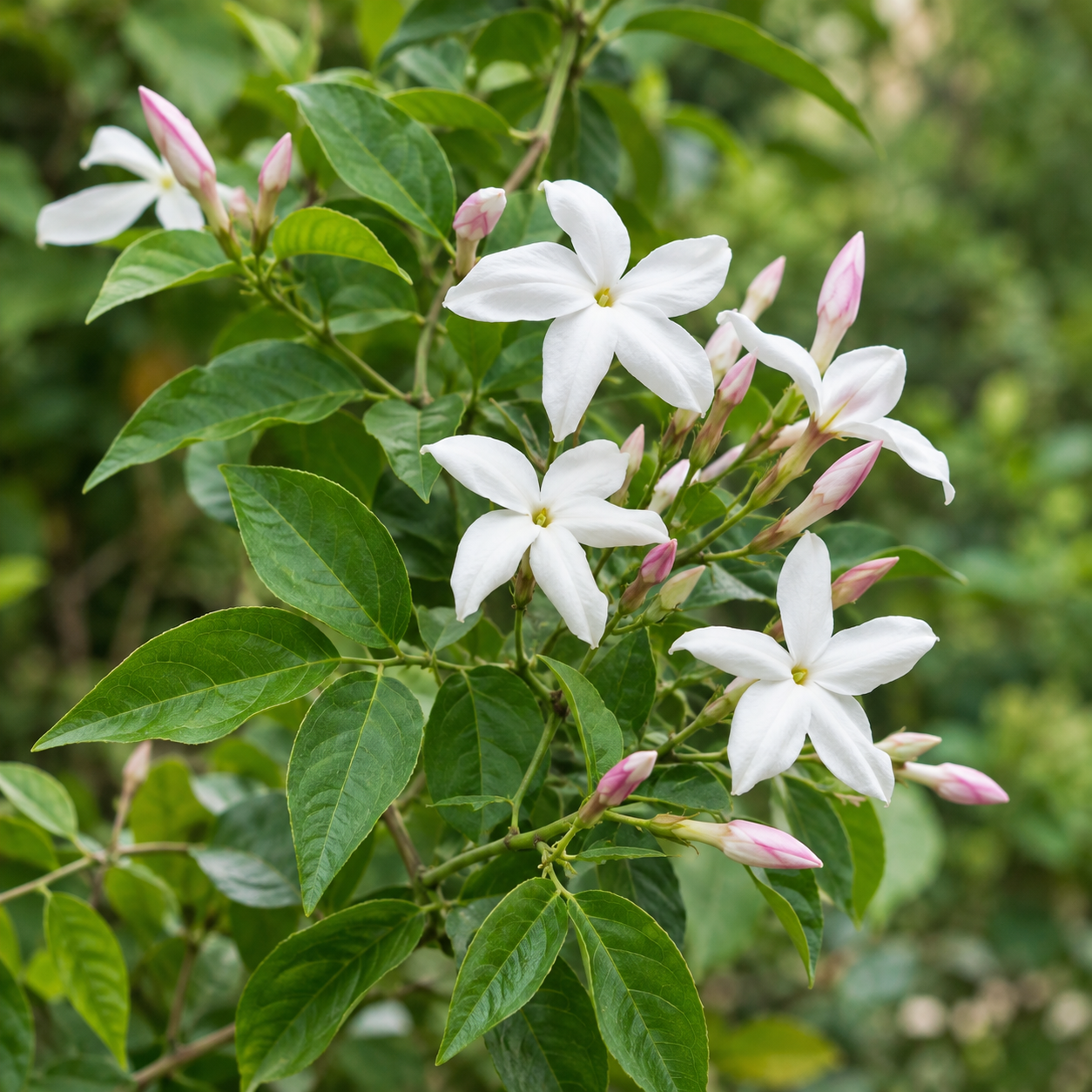
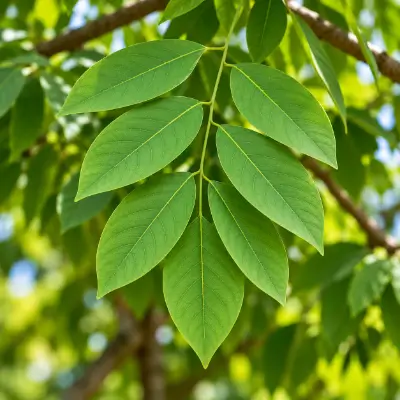
    Botanical Name: Jasminum Humile

    Family : Oleaceae

    Identification No.: SDACH/HG/021 

    Introduction :

    Latin name: Jasminum = from the original Arabic name – yasmin; grandiflorum = large flowers.

     Scientific classification : True jasmines make up the genus Jasminum of the family Oleaceae. The common white jasmine is classified asJasminum officinale, Spanish jasmine as Jasminum grandiflorum, and Arabian jasmine as Jasminum sambac. False jasmines make up the genus Gelsemium, of the family Loganiaceae. The yellow, or Carolina, jasmine is classified as Gelsemium sempervirens.

    Names in different Indian languages :

    Common name: Yellow Jasmine, Italian Jasmine

    Hindi: Peeli chameli •

    Manipuri: Jati kuppi napu

    Nepali: Pahenlo Jaaii

    Synonyms :

    जाती सुमना हृद्या मालती चेटिका तथा। 

    राजपुत्री च सा प्रोक्ता पुष्पेषु गुणवत्तरा॥

    – Bhav Prakash Reference:

    Jaati, Jaatikaa, Jaatimalli, Pravaaljaati, Saumanasyaayani, Sumanaa, Chetikaa, Hriddgandhaa, Maalati, Chameli

     Jasminum  grandiflorum Linn.

    Morphology :

    Leaves:

    Type: Pinnate, compound leaves.

    Leaflets: Usually 5–7 ovate to elliptic leaflets per leaf.

    Color: Bright to dark green, smooth texture.

    Arrangement: Opposite.

    Flowers:

    Color: Bright yellow.

    Shape: Tubular with 5–6 spreading lobes.

    Fragrance: Usually non-fragrant (unlike many white jasmine species).

    Inflorescence: Flowers are borne in terminal or axillary cymes.

    Blooming season: Spring to early summer.

    Fruits:

    Type: Berry.

    Habitat  & Distribution :

    Native range: Himalayas (India, Nepal, Pakistan), and parts of western China and Afghanistan.

    Environment: Grows naturally in open woodlands, shrublands, valleys, and hilly areas.

    Prefers well-drained soil, often found in sunny to partly shaded areas.

    Often cultivated in temperate and subtropical gardens as an ornamental plant.

    Chemical composition :

    benzyl acetate, benzyl benzoate , phytol , jasmine , methyl jasmonate , linalool , geranyl linalool, eugenol , isophytyl acetate,  isophytol, ascorbic acid, anthranilic acid , glucoside, indole oxygenase, alkaloid jasminine , salicylic acid.

    Properties :

    Guna : laghu, snigdha. mridu;

    Rasa: tikta. kashaya;

    Vipaka : katu

    Virya : ushna

     Karma : Vranaropana, netra rogaghnam, hridyam, stanya soshanam calming , sedative, CNS depressant, astringent , mild anaesthetic, diuretic, anthelmintic, emmenagogue

    Indications :

    Ulcers, wounds, fever, skin disease, cough, piles, leucorrhoea, mouth ulcers, Eczema

    Amayika Prayoga (Therapeutic Uses)

    The flowers are astringent and a tonic for the heart and bowels. A paste made frm the flowers is considered effective in the treatment of intestinal problems. The juice of the root is used in the treatment of ringworm. The milky juice of the plant is used for destroying the unhealthy lining walls of chronic sinuses and fistulas.

    Srotogamitwa :

    Dosha : Tridoshaghni.

    Dhatu : Shukra (aphrodisiac), rakta (bleeding disorders). rasa (menstrual disorders).

    Mala : Mutra.

    Parts used  :

    Root, leaves, flower

    Dosage :

    Leaf juice 10-15 ml

    Powder 2-4 g

    Decoction 50-100 ml

    IUCN Status: 

    – Not evaluated (cultivated widely, not threatened). 

    Research Updates: 

    1. 2020: Study on Jasminum grandiflorum essential oil showed significant anti-anxiety effects in animal models. 

    2. 2021: Research highlighted its antimicrobial properties against skin pathogens. 

    3. 2022: Clinical trial on flower extract demonstrated anti-inflammatory effects in arthritis patients. 


    About Jathi

    Botanical Name

    Jasminum grandiflorum L

    Family

    Oleaceae

    Identification No.

    SDACH/HG/021

    Parts Used

    Flowers, leaves and root

    Habitat

    Commonly cultivated in gardens in India and other suitable warm regions

    IUCN Status

    Not Evaluated

    Plant Photos
    Ayurvedic Properties

    Rasa

    Tikta, Kashaya

    Guna

    Laghu, Ruksha

    Virya

    Ushna

    Vipãka

    Katu

    Contact Now

    Have queries? Contact Us.

    Have queries? We’re here to help you every step of the way.

    Contact us to get the right guidance for your academic journey at Shri Dhanwantry Ayurvedic College.
  • Mandukaparni

    Mandukaparni

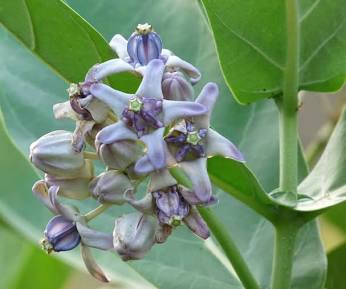
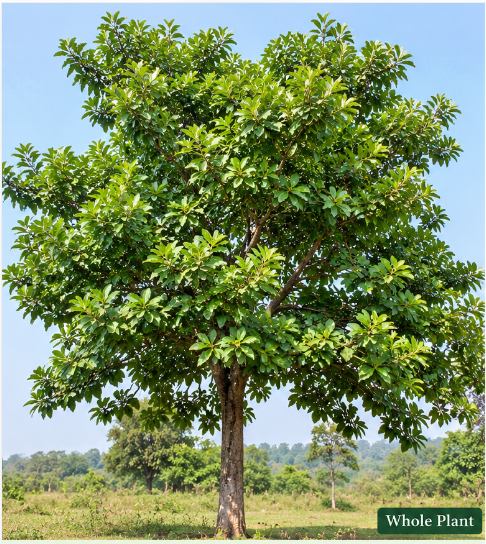
    Botanical Name : Centella asiatica (Linn.) Urban.

    Family : Umbelliferae;Apiaceae

    Identification No.:-SDACH/HG/020

    Introduction :

    The controversy on Brãhmi and Mandükaparni is never ending. both used as brain tonic. Usually South Indians Bacopa as brahmi, North Indians using Centella asiatica

    Names in different Indian languages :

    English : Asiatic Pennywort, Indian Pennywort.

    Hindi : Bramhmamnduki, bemgsag

    Kannada : Urage,vondelaga

    Malayalam : Muttil,kutannal, kutakan

    Sanskrit : Mandukaparni, manduki,brahmi

    Tamil : Vallarai

    Telugu : Brahmi,saraswataku

    Synonyms :

    Manduukaparni, Manduukaparnikaa, Maanduuki, Saraswati, Brahma-manduuk

     Hydrocotyle asiatica Linn.

    “मण्डूकपर्णी तिक्तोष्णा कषाया मधुरा लघुः। 

     मेध्या स्मृतिप्रदा बल्या शुक्रला त्वग्दोषनुत्॥”

    (Bhavaprakasha Nighantu, Guduchyadi Varga) 

    Classification according to Charaka, Susrutha & Vagbhata :

    Charaka : Prajasthaapana

     Morphology :

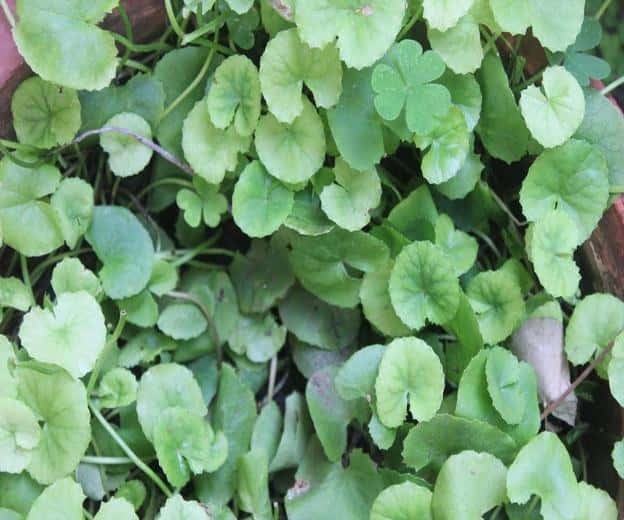
    A creeping perennial herb, rooted nodes

    Leaves – simple, long petiole, cordate-reniform

    Flower –pink, umbel

    Distribution & Habitat :

    All over India

    Chemical composition :

    brahmoside, asiaticoside,  thankuniside, hydrocotyline, vellarin

    Properties :

    Rasa Tikta, katu

    Guna Laghu

    Virya sita

    Vipaka Madhura

    Karma : Kapha-pitta hara, Medhya, Rasãyana , kandughna,arsoghna, vranahara, kanda sothana

    Central nervous system relaxant, peripheral vasodilator, sedative, antibiotic, detoxifier, blood-purifier,  cooling, laxative, intellect promoting, anodyne, carminative, digestive, anti inflammatory, depurative, bronchodilator, diuretic, cardiotonic, febrifuge

    Srotogamitva :

    Dosha : Vataghna, pittaghna, kaphaghna, tridoshanashak

    Dhatu: Meda (demulcent). strengthens all seven dhatus (anaemia, urinary disorders).

    Mala : Urine (diuretic), keshya (hair growth).

    Prabhava : Antidote.

    Indication :

    Apasmãra, Prameha, Kustha, Pandu, Prameha, Sotha, Jvara, Kãsa,gulma

    Neuralgia, epilepsy, insanity, insomnia, dementia,  tumors, ulcers, splenomegaly, ascites, constipation, sterility

    Parts used :

    Whole plant

    Dosage :

    Fresh juice 10-20 ml

    Amayika Prayoga (Therapeutic Uses): 

    External

    • Paste for wound healing, eczema, psoriasis.
    • Oil for hair growth (combined with coconut oil). 

    Internal:

    • Improves memory, anxiety, insomnia.
    • Used in skin disorders, digestive weakness. 

    Important Yogas or Formulations :

    Brahmi prash: Saraswatarishta, Brahmighmta, Brahmitaila. Brãhmi rasãyana, Brãhmighrta

    IUCN Status: 

    – Least Concern (Widely available, not threatened). 

    Research Updates (Past 5 Years): 

    1. 2022: Study in Journal of Ethnopharmacology confirms neuroprotective effects in Alzheimer’s. 

    2. 2021: Ayurveda Research Paper shows wound-healing properties due to asiaticoside.  

    3. 2020: Clinical trial in IJMR proves efficacy in ADHD in children.


    About Mandukaparni

    Botanical Name

    Centella asiatica (L.) Urb.

    Family

    Apiaceae

    Identification No.

    SDACH/HG/020

    Parts Used

    Whole plant, including leaves, stems and roots.

    Habitat

    Whole plant, including leaves, stems and roots.

    IUCN Status

    Least Concern

    Plant Photos

    Ayurvedic Properties

    Rasa

    Tikta (Bitter), Kashaya (Astringent), Madhura (Sweet)

    Guna

    Laghu (Light), Sara (Mobile)

    Virya

    Shita (Cooling)

    Vipãka

    Madhura (Sweet)

    Contact Now

    Have queries? Contact Us.

    Have queries? We’re here to help you every step of the way.

    Contact us to get the right guidance for your academic journey at Shri Dhanwantry Ayurvedic College.
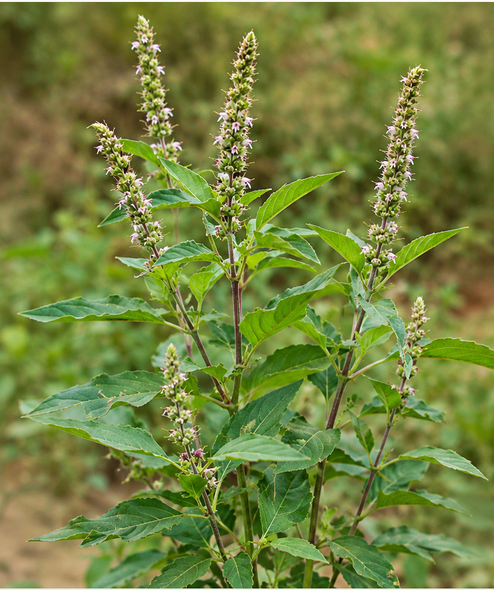
  • Akarakarabha

    Akarakarabha

    Botanical Name: Spilanthus acmella (L.) Linn 

    Family: Compositae; Asteraceae.

    Identification No.: SDACH/HG/019

    Introduction:

    Latin name : Anacyclus (Ana like, kyklos -= circle); prethrum (pyr- fire due to pungent roots)

     The plant does not appear to be of Indian origin because it is not mentioned in Chanka samhita. But Bhavaprakash has described this plant just as he has mentioned tobacco plant which is not of Indian origin. Akarkarabh must have come from Afghanistan.

    Names in different Indian languages:

    English : Spanish, Pellitory,Pyrethrum Root,pellitory

    Hindi : akarkara

    Kannada : Akkalakara

    Malayalam : Akkikkaruka,akkravu

    Sanskrit : Akarakarabhah, agragrahi

    Tamil : Akkiraakaaram

    Telugu : Akarakaramu

    Unani : Aakarkarhaa

    Synonyms:

    Aakaarakarabha, Aakallaka, Aakulakrit, Agragraahi.

     Anacyclus officinarum Hayne

    Varieties & adulterants – (CV – controversy, AD – adulterants) 

     Spilanthes acmella  

     Morphology:

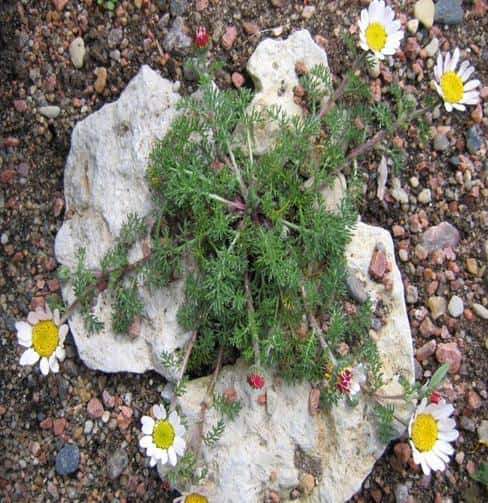
    Creeping perennial pant, numerous branches,  brown in colour, bitter in taste.

    Root — 7 to 10cm. in length. It Is interesting

    to note that its root protects its potency till 7 years.

    Leaves — small, like the leaves of lcapittha.

    Flowers — round in shape, flowering occurs in summer. Petals — white, pink, yellowish on the upper side.

    Fruits — shallow, oval in shape.

    Distribution & Habitat:

    Northern Africa, Arabia Syria, Bengal. (There is a plant whichis called false akarkarabh,)

    Chemical constituents:

    anacycline, isobutylamide, inulin

    Properties:

    Rasa :  kashaya,tikta

    Guna :  ruksha, tikshna, katu;

    Veerya : ushna

    Vipaka ;  katu

    Karma :  balyam, hridyam, sulaghnam

    arminative, digestive,astingent,bitter, aphrodisiac, ,antimicrobial, antifungal, anthelmintic, antiviral, anti-inflammatory

    Srotogamitva:

    Dosha Kaphagh, vataghna pittavardhak

    Dhatu Majja (.weakness), shukra (virilization).

    Mala : Mutra (prameha).

    Organs : Heart, lungs.

    Indications:

    Pratisyaam, sukramutra amaya, sopham,

    Toothache , rhinitis, fever, skin disease, cough, piles, leucorrhoea, diabetes, vomiting, dysentery, gout,

    Part Used:

      Whole plant

    Dosage:

    Leaf juice 10-15 ml

    Powder 2-4 g

    Decoction 50-100 ml

    External uses : 

    Akkalkara is used with oil for massage in hemiplegia and nervine debility. Decoction alakarkarab root is used for gargling In dental caries, toothache and tonsillitis. In abscess, it is applied externally for assimilation and damn. By its application skin becomes reddish and boils occur. It is applied externally as an analgesic Its nasya is given in chronic rhinitis and cold. It is used in various aphrodisiac oils prepared in unani medicine.

    Internal uses : 

    It Is used internally in various types of vata disorders A small dose of akarkarabh acts as an appetite stimulant in indigestion and pittakshaya. It increases heart rate. It is used in sexually transmitted diseases and inflammation. Useful in cough and hoarseness of voice. It is also used in children like Achorus calamus It is useful in diabetes. Itis also helpful  in impotency caused by weakness of nerves. It is used as rasayana in kaphaj diseases.

    If the root powder is given in a dose of more than 0.5 to 075 gm., it results in nausea, bleeding increase In heart rate, unconscious, etc In such conditions, milk and other pittashamak dravyas should be used as antidotes

    Therapeutic Uses:

    Flower and root useful in toothache


    About Akarakarabha

    Botanical Name

    Anacyclus pyrethrum (L.) Lag.

    Family

    Anacyclus pyrethrum (L.) Lag.

    Identification No.

    SDACH/HG/019

    Parts Used

    Root and seeds.

    Habitat

    Native to parts of North Africa and the Mediterranean region; cultivated and used medicinally in India.

    IUCN Status

    Vulnerable

    Plant Photos

    Ayurvedic Properties

    Rasa

    Katu (Pungent)

    Guna

    Laghu (Light), Snigdha (Unctuous)

    Virya

    Ushna (Heating)

    Vipãka

    Katu (Pungent)

    Contact Now

    Have queries? Contact Us.

    Have queries? We’re here to help you every step of the way.

    Contact us to get the right guidance for your academic journey at Shri Dhanwantry Ayurvedic College.