Shri Dhanwantry Ayurvedic College

Category: Dravyaguna Vigyan Blogs

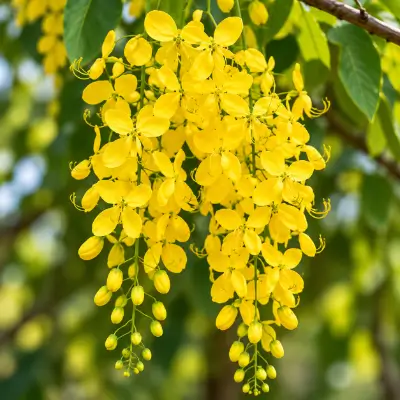
  • Kanchanara

    Kanchanara

    Botanical Name : Bauhinia variegata Linn

                                    Bauhinia purpurea

    Family : Caesalpiniaceae

    Identification No. : SDACH/HG/018 

    Introduction :

    Kovidãra is the original name using for Kãñcanãra during the Vedic and Samhita periods. It show its action on lymphadenitis. Along with other therapeutic applications, The Ayurvedic Pharmacopoeia of  India indicated the use of the stem bark in lymphadenitis and goiter.

    Names in different Indian languages :

    English : Mountain Ebony,Buddhist Bauhinia

    Hindi : Kancanar

    Kannada : Kempumandara

    Malayalam : Mandaram,chuvanna mandaram, malayakatti,konnu

    Sanskrit : Kancanarah,kovidarah

    Tamil : Singappu mandarai

    Telugu: Devakancanamu

    Marathi : Koral

    Synonyms :

    Gandãri, sonapuspaka ,Kaanchanaara, Kaanchanaaraka, Kanchanak, Kaanchana, Gandhaari, Sonapushpaka, Ashmantaka.

    B. candida Roxb

    Varieties & adulterants – (CV – controversy, AD – adulterants)  :

    Note: The latin names kancanara given to, According to

    Dhanvantarinighantu – B. purpurea

    Rajanighantu- B. acuminata

    Bhavaprakasam- B. variegate

    Reference from Ayurvedic formulary of India kovidara – B. variegate

    Reference from Indian Medicinal Plants  kancanara – B. tomentosa, sveta kancanara- B. racemosa

    1.Kovidãra

    2. Karbudãra

    3.Pita,

    4.Rakta

    5.Sveta.

    6. yellow flowers – B. tomentosa.

    7.B. variegate

    8. olax scandens

    Substitute/Adulterant 

    – Substitute: Bauhinia purpurea (similar properties but less potent). 

    – Adulterant: Rare, but sometimes other Bauhinia species are mixed. 

     Morphology :

    It is a medium sized erect and deciduous tree.

    Bark- grey with longitudinal cracks, light-pink inside.

    Wood- moderately hard, greyish-brown.

    Leaves- unifoliolate, 2-lobed, rigidly subcoriaceous, deeply cordate.

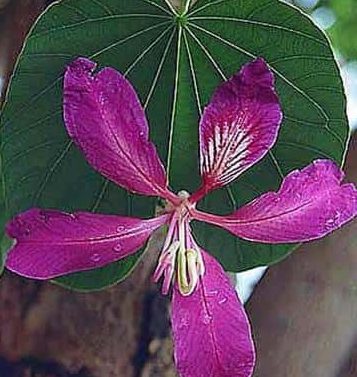
    Flowers- purple or variously coloured, sessile or borne in short penducled corymbs. Calxy-tube elongated; limb entire, spathaceous.

    Fruits- pods, flat, hard, long, curved, compressed, dehiscent.

    Seeds 10-15.

    (Flowers in March and fruits in rainy season).

    Distribution & Habitat :

    In the sub-Himalayan tract from the Indus east wards; also in dry forests of central, Easterm and Southern India

    Chemical constituents :

    flavonoids, kaempferol,galactoside and kaempferol,rhamnoglucoside,hentriacontane, octacosanol ,stigmasterol,beta-sitosterol, lupeol and a flavanone glycoside

    Properties :

    Rasa- Kasãya

    Guna- Rüksa, Laghu

    Virya-Sita

    Vipãka -Katu

    Karma :  Kapha-pittahara, Grãhi, Dipana.

    Buds—a decoction is given in piles (also used against tumours), haematuria, menorrhagia.

    Dried buds are used in diarrhoea, dysentery, worm infestation, piles and tumours.

    Root—carminative, used in dyspepsia and flatulence

    Bark—astringent, anthelmintic; used externally in scrofula and skin diseases.

    Seeds—possess human blood agglutinating activity.

    Leaf— antifungal.

    Indications :

    Gandamãlã, Rakta pradara, Raktapitta Mutrakrcchra, Vrana, Arsas, Musürikã

    Diarrhea,dysentery, leprosy, worms,wounds,ulcer,asthma,piles,menorrhadia, goiter

    Part Used :

    Stem bark, flowers

    Dosage :

    Powder 3-6 g;

    decoction 50-100 ml;

    flower juice 10-20 ml.

    External Uses :

    It helps in wound cleaning and healing – it cures skin disorders and inflammations. Decoction is used for washing wounds and skin disorders, The bark ground in a paste is useful in lymphadenitis. Decoction made from its bark, pods of babul (Acacia) tree and flowers of pomegranate is used for gargles in oral disorders. Decoction is used for fomentation in rectal prolapse.

    Internal Uses :

    Digestive system : It has astringent , it causes vomiting in excess dose. Being sweet flowers are mild laxative. Astringent properly is useful in diarrhea, dysentery, rectal prolapse, haemorrhoids and helminthiasis. It enhances emetic action when used in conjunction with emetic drugs.

    Circulatory system : It acts as haemostatic and reduces the inflammation of the lymph nodes (lymphadenitis). It is effective in hemorrhoid disorders.

    Respiratory system : Used in cough

    Urinary system : Controls diabetes.

    Reproductive system : it acts as a haemostatic be astringent property

    Skin : Used in skin diseases Mixture of kanchanara bark, rice water, and ginger is effective in osteoporosis

    Srotogamitva :

    Dosa : Kaphaghna, pittaghna.

    Dhatu : Rakta, meda , menorrhagia, haemorrhagic disorders.

    Mala : Purisha – Atisagham

    Important Yogas  or  Formulations :

    Kanchanara guggul, Kanchanaradi kwath, Kanchan gudika, kashaya          

    Amayika Prayoga (Therapeutic Uses)  :

    (1) Gandamãlã- Fresh bark of Kãñcanãra is grinded with

    sunthi and Kãnjika and used internally (V. M.).

    (2) Masürikã- Svarnamãkika bhasma is given with decoction of Kãncanãra bark (B. P.)

    IUCN Status

    – Least Concern (Widely distributed, not threatened). 

    Research Updates (Past 5 Years) 

    1. 2021 Study (J Ethnopharmacol): Confirmed anti-inflammatory and antitumor effects of Bauhinia variegata bark. 

    2. 2020 Study (Ayu): Demonstrated thyroid-stimulating activity in hypothyroid rats.  3. 2019 Study (IJPSR): Reported significant antioxidant and hepatoprotective properties.
     

    About Kanchanara

    Botanical Name

    Bauhinia variegata L.

    Family

    Fabaceae (formerly Caesalpiniaceae)

    Identification No.

    SDACH/HG/018

    Parts Used

    Stem bark, root, leaves and flowers.

    Habitat

    India, Nepal and other parts of South and Southeast Asia.

    IUCN Status

    Least Concern

    Plant Photos
    Ayurvedic Properties

    Rasa

    Kashaya (Astringent), Tikta (Bitter)

    Guna

    Laghu (Light), Ruksha (Dry)

    Virya

    Shita (Cooling)

    Vipãka

    Katu (Pungent)

    Contact Now

    Have queries? Contact Us.

    Have queries? We’re here to help you every step of the way.

    Contact us to get the right guidance for your academic journey at Shri Dhanwantry Ayurvedic College.

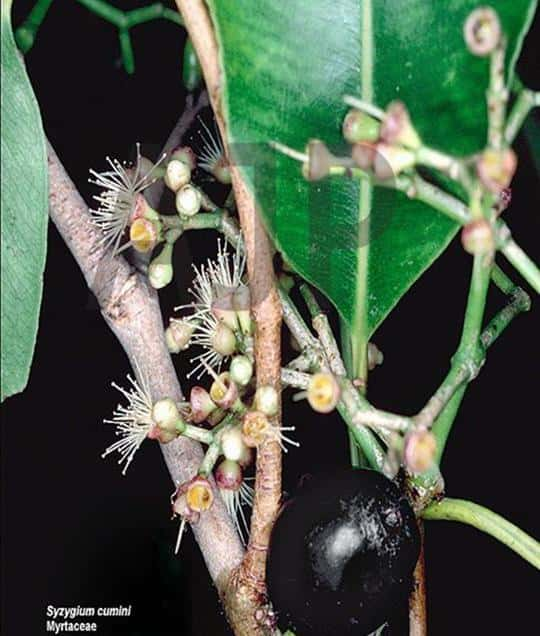
  • Jambu

    Jambu

    Botanical Name : Syzygium cuminii

    Family : Myrtaceae

    Identification No.: SDACH/HG/017 

    Introduction :

    Jambu is mentioned in Vedià literature & rituals. Fruit/seed is mainly used in the management of diabetes & bark is used for diarrhoeal disorders.

    Names in different Indian languages :

     Hindi : Jamun

    Telugu : Neredu

     Tamil : Naval

    English : Jaman, Black plum

    Punjabi : Jamalu

    Kanada : Nerale

    Malayalam : naval

    Bengali : Kala jam

    Sanskrit : Jambuh

    Unani : Jaamun

    Synonyms :

    Kökilesta, Pikabhaksa, Phaleñdra, Jãmbava, Jambu, Mahaaphalaa,

    Surabhipatra

     Syzygium  jambolanum (Lam.) DC.

    Eugenia jambolana Lam

    Varieties & adulterants – (CV – controversy, AD – adulterants)  :

    1. Kãka Jambu (Jambu- Eugenia jambolana ,Syzygium cumini)

    2. Jala Jambu (Ksudra Jambu , Bhümi Jambu,Nadi Jambu. – heyneana Wall./E. operculata Roxb.)

    3. Rãja Jambu- Eugenia jambos L. (Syzygium jambos (L.) Alston

     Morphology :

    It is a moderate-sized, glabrous tree about 18-20 m. height. 

    Leaves- coriaceous, shining, entire, oval, oval-oblong or lanceolate-oblong, long-acuminate, lateral nerves numerous, parallel, confluent near the margin.

    Flowers- greenish, tetramerous, in 3-flowered cymes, arranged. in broad trichotomous panicles. Calyx-tube funnel-shaped.

    Fruit- berry, oblong or subglobose, purple or black, succulent, smooth when ripe.

    Chemical Constituents :

    Seed contains a glucoside – jamboline, ellagic acid, yellow essential oil, chlorophyll, resin, gallic acid, albssñrin etc.Bark has 12% gum.

    Fruits eugenia triterpenoids A & B, oleanolic acid, malic acid, glucose, fructose, gallic acid

    Stem bark & root-  Kaempferol , myricetin, quercetin

    Leaves- citric, oxalic and glycollic acids; glucose, leucine, sitosterol, dihydromyricetin etc.

    anthocyanins , citric, malic ,gallic acids, and tannins

    Properties :

    Rasa -Kasäya, Madhura, Amla

    Guna -Laghu, Rüksa

    Virya- Sita

    Vipãka -Katu

    Karma : Vãtavardhaka, Kapha-pitta hara, Grãhi

    Astringent, digestive, anthelmintic, febrifuge, anti bacterial, stomachic, carminative, diuretic.

    Indications :

    Madhumeha, Atisara, Chardi, Raktapitta, Dãha, Vrana

    leucorrhoea, fever, skin disease, diabetes(seed), ulcer

    Part Used :

    Fruit, leaf, stem bark

    Dosage :

    Fresh juice 25-50 ml; powder 4-6 g.

    Amayika Prayoga (Therapeutic Uses) 

    External Uses :

    Astringent, refrigerant and cures skin disorders. The bark powder is sprinkled in bleeding disorder: Fruit pulp mixed with sesame oil is applied in burning condition, in sannipat jwara (fever caused by all the three doshas) associated with burning. The oil boiled with the leaves is used face application.

    Internal Uses :

    Digestive system: Its fruit is an appetizer, digestive and liver stimulant. liver function associated with diabetes is improved by seed powder. It is also an astringent. Leaves are anathematic while bark is astringent.Excessive use fruits causes constipation. The fruits and fruit juice are effective in disorders like loss of appetite, indigestion, pain and dysentery.

    Circulatory system : Haemostatic. Leaf juice is used in haemorrhagic disorders. Jambul seeds are used in menorrhagia and diarrhoea 

    Urinary system : The frill and seed powder along with milk helps in glucose metabolism in the liver, due to which blood and urine sugar levels become low causing hypoglycemia. Fruit and seed powder are the best medicines in ikshumeha and udakameha.

    Srotogamitva :

    Dosha Kaphapittaghna, vatavardhak.

    Dhatu : Meda and majja (diabetes mellitus),

    Mala : Mutra, purisha (astringent).

     Jambu is the, topmost vatavardhak medicine,

    Important Yogas  or  Formulations :

    Jambvasava, Jambvädi ghrta, Jambvãdi taila

    Important research work going on :

    (1) Anti-diabetic property

     (2) Anorexigenic activity

    (3) Hypoglycaemic activity

    (4) anti-inflammatory

    (5) treatment of diarrhoea and dysentery

    (6) antipyretic activities

    IUCN Status

    – Least Concern (Widely cultivated, not threatened) 

    Research Updates (Past 5 Years)

    1. Antidiabetic Activity (2021): Study confirmed seed extract improves insulin sensitivity (Journal of Ethnopharmacology). 

    2.Antioxidant Effects (2022): Fruit pulp showed high free radical scavenging activity (Asian Pacific Journal of Tropical Biomedicine). 

    3. Hepatoprotective (2023): Bark extract reduced liver inflammation in rats (Indian Journal of Traditional Knowledge).


    About Jambu

    Botanical Name

    Syzygium cumini (L.) Skeels

    Family

    Myrtaceae

    Identification No.

    SDACH/HG/017

    Parts Used

    Fruits, seeds, bark and leaves.

    Habitat

    ndia and other tropical regions of South and Southeast Asia

    IUCN Status

    Least Concern

    Plant Photos
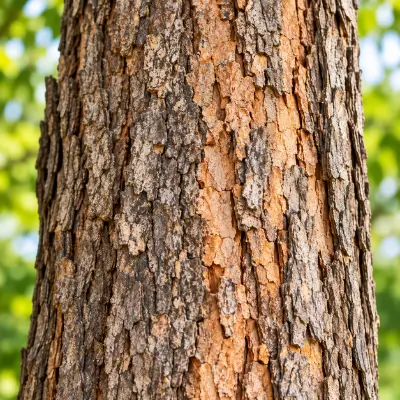
    Ayurvedic Properties

    Rasa

    Madhura (Sweet)

    Guna

    Guru (Heavy), Snigdha (Unctuous)

    Virya

    Shita (Cooling)

    Vipãka

    Madhura (Sweet)

    Contact Now

    Have queries? Contact Us.

    Have queries? We’re here to help you every step of the way.

    Contact us to get the right guidance for your academic journey at Shri Dhanwantry Ayurvedic College.

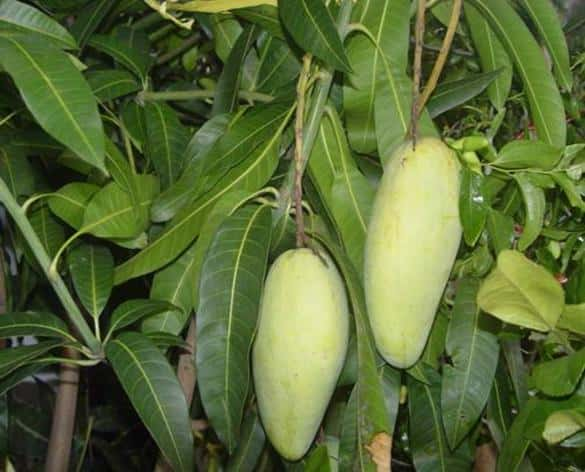
  • Amra

    Amra

    Botanical Name : Mangifera indica Linn.

    Family : Anacardiaceae

    Identification No.: SDACH/HG/016

    Introduction :

    Anacardiaceae (heart shaped).

    Latin name : Mangifera -this name is derived from malayalam language; indica = Indian.

    In the years 1556 to 1605, there was a garden having 1,00,000 Langada Mango trees in Bihar. This garden was namod as ‘Lakh Baug There are approximately 1000 varieties of mango fruit. Some of them are – Suvarnarekha Neelarn, Jahangeer, Phajane, Sulkhas, Jardatu, Himsaga Shahpasand, Rogani, Rajapuree, Vansharaj, AJfa,,zo rtrnandin, Totapuree, Mundappa, DashehariLangada, Zafaran, Rumanee etc. As the free ages, the number of fruits it bears also increase. There is the largest mango tree in Burelgaon at Arnbala district. Its stem has diameter of 9.75 mtrs. and its branches spread about 2258 square mtr: area. And every year this free bears about 170 quintnal fruits

    Names in different Indian languages :

    English : Mango tree,spring tree,cupid’s favourite, cuckoo’s joy

    Hindi : Aam

    Kannada : Mavu

    Malayalam : Mavu

    Sanskrit : Amrah, chutah

    Tamil : Mamaram,mankai

    Telugu : Mamidi

    Unani :  Aam,Ambaj

    Synonyms :

    In Sanskrit, mango has 63 names. Some of them are as follows

    Aamra, Amb, Rasaal, Sahakaar, Pikavallabha, Madhudoot, Atisaurabha, Maakanda, Kamashar, Madhavdruma, Bhrungubheeshta Seedhurasa, Vasantdoota, Atisaurabha, Madirasav, Kokilabandhuk Shukapriya

     Morphology :

    A very big tree having height of 10 to 12 mtrs. giving much shade.

    Leaves -12 to 16 cms. long , simple, lanceolate, bunchletes, and are used in sacred functions.  It has a distinct inflorescence which is fragrant.

    Flowering seasons spring and fruits occur in summer. (In India, mago has been known for 4000 year. In Ramayana and Mahabbarata mango is described.) 

    Distribution and Habitat :

    Tropical regions of India

    Chemical Constituents :

    Sugars, citric acid, ascorbic acid , beta-carotene ,m-digallic acid, gallotannin, phloroglucinol, protocatechuic acid, flavonoids ,tetrahydroxy benzene, kaempferol, myricetin

    Properties :

    Mango has different properties according to its stages. Bark. leaves, flowers and seeds are kapha pittashamak. haemostatic and wound healing. Ripe mango is vatapittashamak. Raw fruit is tridoshakarak.

    Raw mango – appetizer, improves digestion and vitiates rakia pitta. Panha (sherbet) reduces burning,

    Leaves – antiemetic. In pyuria leaf juice is useful.

    flowers – astringent, antidiarrhoeal.

    Bark- astringent heals the wounds and reduces inflammation of uterus.

    Seed – anthelmintic reduces inflammation of uterus. antidiuretic, constipative and useful in menorrhagia and leucorrhoea.

    Ripe mango – unctuous. laxative. cardiotonic. haemostatic. aphrodisiac, gives strength and improves complexion.

    Pushpam :

    RASA-amla

    GUNA-guru

    VIRYA-sheeta

    VIPAKA-amla

    Karma – agnidepakam, ruchyam, kaphaghnam, pitta vardanam

    Amram ( apakvam) – small :

     RASA-tikta, amla

    GUNA-laghu

    VIRYA-ushna

    VIPAKA-katu

    Karma – vatapitta vardanam, grahi,  rakta dosha samana

    Amra (Apakva) :

    RASA-amla

    GUNA-guru

    VIRYA-ushna

    VIPAKA-amla

    Karma –vata hara, laxative 

    Amra (pakva) :

    RASA-madhura

    GUNA-guru

    VIRYA-sheeta

    VIPAKA-madhur

    Karma – vrishya, hridya, atisaraghna, sukla vardana, vata nashanam

    Seed Kernal :

    RASA- Madura, amla, kashaya

    GUNA-guru

    VIRYA-sheeta

    VIPAKA-madura

    Karma –grahi, trishna nasana, daha nashana, rakta- pitta – jwara -ghna

    Indications :

    Pradara, atisar

    Part Used :

    Bark, fruit, leaves, seed

    Dosage :

    Leaf juice 10-15 ml

    Powder 2-4 g

    Decoction 50-100 ml

    Amayika Prayoga (Therapeutic Uses) 

    External Uses: 

    – Leaf paste: Applied on burns, wounds 

    – Gum: Used in cracked heels 

    Internal Uses: 

    – Raw mango: Treats acidity, heatstroke 

    – Ripe mango: Rejuvenates, improves strength 

    Important Yogas  or  Formulations :

    Amra palavadi lehya 

    IUCN Status 

    – Least Concern (Widely cultivated, not endangered) 

    Research Updates (Past 5 Years) 

    1. Antidiabetic Potential (2021): Mangiferin in mango leaves shows hypoglycemic effects. 

    2. Antioxidant Study (2022): Mango peel extract exhibits high free radical scavenging activity. 

    3. Gut Health (2023): Prebiotic fiber in mango improves gut microbiota.


    About Amra

    Botanical Name

    Mangifera indica L.

    Family

    Anacardiaceae

    Identification No.

    SDACH/HG/016

    Parts Used

    Root bark, leaves, flowers and fruit pulp

    Habitat

    Sri Lanka and Nepal.

    IUCN Status

    Least Concern

    Plant Photos
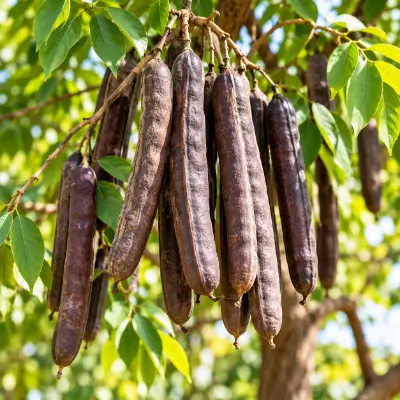
    Ayurvedic Properties

    Rasa

    Madhura

    Guna

    Madhura, Guru (Heavy), Snigdha (Unctuous)

    Virya

    Shita (Cooling)

    Vipãka

    Madhura (Sweet)

    Contact Now

    Have queries? Contact Us.

    Have queries? We’re here to help you every step of the way.

    Contact us to get the right guidance for your academic journey at Shri Dhanwantry Ayurvedic College.

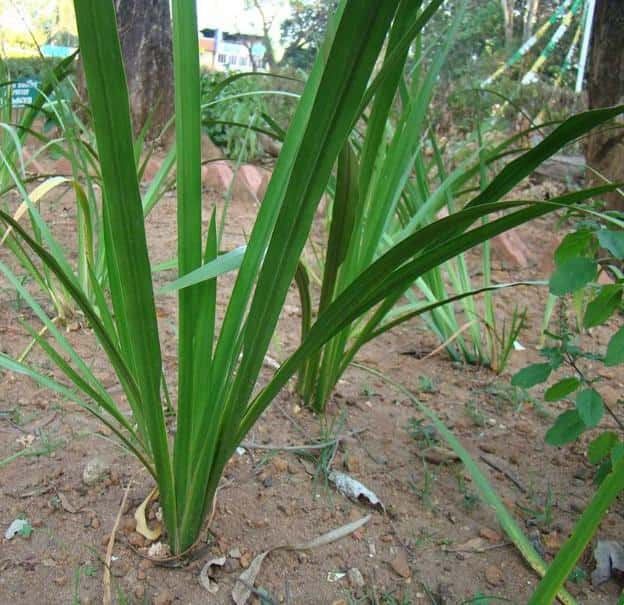
  • Vacha

    Vacha

    Botanical Name: Acorus calamus Linn.

    Family : Araceae

    Identification No.: SDACH/HG/014

    Introduction:

    Vacha  improves the intelligence and speech of an individual. So it given to the babies. (Rajonyadi churna indicates that ‘sarwa rogeshu baleshu’).

    Scientific classification: Blue flags belong to the family Iridaceae and are classified in the genus Iris. The sweet flag belongs to the family Araceae and is classified as Acorus calamus. The cattail flag belongs to the family Typhaceae and is classified as Typha latifolia.

    Names in different Indian languages:

    English : Sweet Flag, Calamus.

    Hindi : Bacc, gorbacc

    Kannada : Baji

    Malayalam : Vayambu

    Sanskrit : Vaca, ugragandha

    Tamil : Vasampu

    Telugu : vasa

    Unani : Waj-e-Turki, Waj

    Synonyms:

    Ugraa, Golomi, Shadgranthaa,

    Shataparvaa, Tikshnagandhaa,

    Kshudra-patra, Maangalyaa, Ghorbach

    “वचा तीक्ष्णोष्णा कटुका पाचनी दीपनी लघुः। 

     कफवातामशमनी रुच्या मेध्या च सा स्मृता॥” 

    (Bhavaprakash Nighantu, Guduchyadi Varga) 

    Varieties and Adulterants:

    1. Vacha — A. calamus Linn.

    2. Pãraika vachã (Haimavati) I. germanica Linn.

    3. Kulanjana (Mahabhari vacá) — Alpinia galanga WiNd.

    4. Sthulagranthi (Mahãbhäri) — Zingiber zerumbet Rosc. ex. Smith

    5. Dvipãntara vachã — Smilax china Linn..

    6. Paris polyphylla   

    7. Inula racemosa [AD]

    8. Iris  germanica  [AD]

    9. I. versiolor 

    10. I. nepalensis 

    11. I. ensata

    12. I. kumaonensis 

     Morphology:

    An aromatic marsh herb, with creeping root-stock.

    Leaves— distichous,  base equitant. Peduncle leaf-like.

    Flowers— green, densely crowded on a cylindric, sessile ,spadix. Sepals, 6;arbicuiar.

    Fruits—few seeded berries.

    Seeds— oblong

    Distribution and Habitat:

    Cultivated in wet places in India

    Chemical Constituents:

     Alpha-asarone , acorine, eugenol, asarone, caffeine and little astringent matter. Acolamane, acorenone, acoramone, acorone, cis-& trans-asarone, beta  asarone azulene, cadalene, calacone, calacorene, calamene, calamenol, calamone, calamenone, calamenene, calarene, beta- gurjunene, camphene, eugenol, relekin, preisocalamendiol, acoric acid, calamen diol, calamenone

    Properties:

    Rasa Katu, Tikta

    Guna Laghu, Tiksna

    Virya Usna

    Vipãka Katu

    Karma Kapha-vatahara, Lekhaniya, Medhya

    Karma : Kapha-vatahara, Lekhaniya, Medhya

    Indications:

    Unmãda, Apasmra, Jvara.

    Part Used :

    Rhizome

    Dosage :

    Powder 2-4 g

    Amayika Prayoga (Therapeutic Uses) 

    External Uses :

    Being analgesic and anti-inflammatory. its paste is useful in rheumatoid arthritis. osteoarthritis and hemiplegia. Its juice is used as ear drops for earache and tinnitus. The smoke is effective in painful piles. Pradhaman nasya of vacha is useful in heaviness of head, headache. Lassitude, lethargy and excessive sleep. Vacha is also effective as an antiseptic on wounds. It is widely used as an antiseptic in animals for application on wounds.

    Internal Uses :

    Nervous system : It is very useful in diseases of the nervous system and hence it is a well known medicine for brain since ages. It is highly effective in mania, epilepsy and other brain disorders. Vacha alleviates the excessive kapha accumulated in the manovaha srotas which causes various psychological disorders. It is helpful in clearing the passage of air in rhinitis. It reduces convulsions and pain It’s useful in spasmodic contraction of body and paralysis, It reduces bodily kapha and mental  dosha and restores consciousness, It is the best medicine for children having lower intellectual level, Vacha powder in small doses with honey is given daily to such children so that their body strength as well as intellectual level improves.

    Digestive system : It acts as an appetizer and anti despotic due to its katu  and ushna veerya. Vacha reduces abdominal colic by acting on worms caused by kapha. It is the most suitable drug for inducing emesis for removal of kapha. Vacha can be used in both, vaman and asthapan. Its emetic property is very useful in indigestion, anorexia, constipation, piles and flatulence, It is a digestive and dears the mouth.

    Circulatory system Vacha is used in heart diseases as it controls the heart rate.

    Respiratory system : Since it is useful in alleviating kapha and vata of the respiratory tract, it is used extensively in cough, asthma, pharyngitis and laryngitis. In these diseases, keeping a piece of vacha in the mouth as a lozenge gives quick relief. When emesis is required in asthma caused by obstruction of kapha, 4 to 8 g. of fresh vacha powder + ‘10 g, of rock salt is given along with warm water. The patient is asked to drink 1oz. of warm water over it. This causes removal of kapha through emesis and the dyspnoea is reduced.

    Urinary system : Vacha is useful in dysuria caused by kapha: It is also useful as a lithottypsic.

    Reproductive system : If is an oxytocic. A mixture of saffron, long pepper and vacha is used In painful labour, Vacha is also used in dysmenorrhoea. The most important action of vacha is to clear the obstruction caused by kapha. Vacha + saffron + long pepper should be used as a galactagogue in post partum conditions.

    Skin Since vacha is a diaphoretic, medogami and tvachagami, it is used internally as well as externally in many skin diseases. A formulation called vachadi siddha taila is very useful in chronic skin diseases due to its stimulant action on the skin.

    Satmikaran Since it has a curetting action, it reduces obesity by alleviating kapha dosha and meda dhatu. Regular use of vacha in small does acts as a rasayan on kapha and meda. It has been successfully, used since ages on disorders of speech. 

    Temperature : Since it is a diaphoretic. it is useful in fever caused by obstruction of sweat. It is also useful in alleviating symptoms like drowsiness and delirium associated with high fever, Vacha alone is an extremely useful medicine for teething problems in children.

    Important Yogas  or  Formulations:

    Saraswat churna, Medhya rasayan., rajanyadi churna

    Vacãdi curna, Vacãdi ghrta, Bãla cãturbhadra cürna, Vacãvaleha  

    IUCN Status 

    – Status: Least Concern (but regulated due to β-asarone content) 

     Research Updates (Past 5 Years) 

    1. 2020: Study on Acorus calamus for neuroprotective effects in Alzheimer’s. (J Ethnopharmacol) 

    2. 2021: Anti-inflammatory and antioxidant properties validated. (Phytomedicine) 

    3. 2022: Clinical trial on Vacha for ADHD management. (Ayurveda Research Paper) 

    About Vacha

    Botanical Name

    Acorus calamus L

    Family

    Acoraceae

    Identification No.

    SDACH/HG/014

    Parts Used

    Rhizome (underground stem)

    Habitat

    Rhizome (underground stem)

    IUCN Status

    Least Concern

    Plant Photos
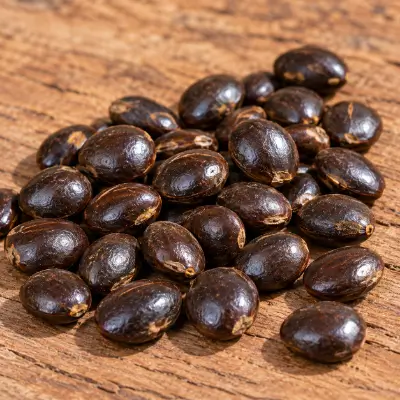
    Ayurvedic Properties

    Rasa

    Katu (Pungent), Tikta (Bitter)

    Guna

    Laghu (Light), Tikshna (Sharp), Sara (Mobile/flowing)

    Virya

    Ushna (Hot)

    Vipãka

    Katu (Pungent)

    Contact Now

    Have queries? Contact Us.

    Have queries? We’re here to help you every step of the way.

    Contact us to get the right guidance for your academic journey at Shri Dhanwantry Ayurvedic College.

  • Changeri

    Changeri

    Botanical Name : Oxalis corniculata linn

    Family : Oxalidaceae

    Identification No.: SDACH/HG/013 

    Introduction :

    The plant oxalis corniculata Linn belongs to the Oxaledaceae  family. Because of its amlarasa the plant is known by the name changeri because of this it acts as rochana.As per some author marselia minuta is the original changeri since chatushpathri  is the common synonym used by all the acharayas.Leaves of marsdia minuta are quadrifoleate  and maybe it is the real source of chatushpathri but not axalis corniculatas.

    Changeri is described in the brihathrayi among the vegetable category . but it is found to be extensively used and included in the amlavargadravya’s of Rasashastra  charaka and susrutha  have  high lighted its utility  in grahani  and arshas.

    Names in different Indian languages:

    English                       :     Indian sorrel, yellow oxalis

    Hindi                         :     Thenapathiya

    Kannada                    :     Pullampurachi

    Malayalam                :     Puliyarila

    Tamil                         :     Puliyarai

    Telugu                       :     Pulichit

    Bengali                      :     Amrul , Amasalasaka, amatute

    Punjabi                      :     Khattibutti

    Marathi                     :     Ambutti , Ambotti

    Synonyms:

     “चुक्रा चंगेरी तिन्तिडीका अम्लसारा च अम्लिका। 

     चुक्रिका चाम्लवेतसा चुक्रा द्वे चाम्लपर्णिका॥” 

    (Ref: Bhav Prakash Nighantu, Guduchyadi Varga, Shloka 123-124) 

    Amlapathirka, Chathush chatha, Dhantashada, Ambashataka, Kshudra, Chaturparni, Chukra, Lona, Amlakonic, Sunishannachadha, Rajamota, Mota, Amladholica, Lonika, Lola, Chukrika, Ashmantaks, Shaphari, Kushali

    Morphology:

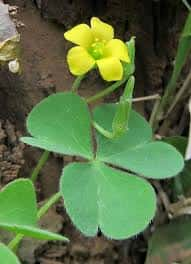
    Prostrate herbs with creeping stem, rooting at lower nodes. Leaves digitately 3-foliolate; leaflets 0.5-1.5 x 0.6-2 cm, broadly obcordate, base cuneate, apex emarginate; petioles 1.5-3 cm long. Flowers yellow, solitary or in axillary umbels; peduncles 4-10 cm long; pedicels 0.5-1 cm long; bracts 2, 3-4 mm long, linear-lanceolate. Sepals 5, 2-3 mm long, ovate-lanceolate. Petals 5, 5-6 x 3-4 mm, ovate-lanceolate. Stamens 10, in two rows. Ovary 5-celled; ovules many; styles 5, distinct. Capsules 0.8-1.5 x 0.3-0.5 cm, linear, puberulous outside. Seeds many, minute, brown.

    Properties:

    Rasa :   Amla, Kashaya
    Guna : Laghu, Rooksha
    Veerya : Ushna veerya
    Vipaka: Amlavipaka
    DoshaKarma : kaphavathahara, pithavardhana

    Karma:

    Hridya, Shodhaksra, Daha shamaka, Arshogna, Grahi, Deepana, Pachana, Jvaragna

    Amayika Prayoga(Therapeutic Uses)

    External use:

    Analgesic, anti flammation its local application help in in flammation , headache , moles and eye disorders .

    Angina pectoris       changeri Kalka applied on chest

    Garjooraka            Rock salt mixed with changeri rubble on the spoty of sting

    Internal use:

    Arshas          

    1. Sunni sannaka – changeri ghrta (cha. Chi 1 4/239 -42)

    2. Nagaradhi grita  (cha . chi. 14/110- 12)

    3. Vegetable of the leaves of thrivrit danthi changeri chitra fried in ghee and oil and mixed with curd should be given ( cha, chi, 14/ 122)

    4. Proplapse of rectum – changeri grita (cha. Chi. 19/143)

    5. Athisara    –

    6. Changeri grita

    7. Kada  (Adultary preparation) made of changeri chukrika dughadikawith fatty layer of curd, ghee and pomegranate seeds shouls be used (Su chi. 8/131)

    8. Insanity     –   changeri leaves and sour gruel and jiggery in equal quantity  should churneel together it controls insanity with in three days

    9. IVS (irritable bowel syndrome ) –     changeri gritha with thakara

    Parts used:

    Panchangas and leaves

    Dosage:

    Swarasa – 1-2  thola (6 – 12 gms)

    Formulation:

    Changeri ghritha

    Nagaradhi ghritha

    Sunshinaka changeri ghrita

    Changeriyadi choorna

    IUCN Status

    – Not evaluated (commonly found, not threatened). 

    Research Updates (Past 5 Years) 

    1. Antioxidant Activity (2020): Study confirmed high antioxidant potential due to flavonoids. 

    2. Anti-inflammatory Effect (2021): Demonstrated COX-2 inhibition in animal models. 

    3. Hepatoprotective Role (2022): Showed protective effects against liver toxicity in rats.


    About Changeri

    Botanical Name

    Oxalis corniculata L.

    Family

    SDACH/HG/013

    Identification No.

    SDACH/HG/001

    Parts Used

    Whole plant, leaves

    Habitat

    India and other tropical and subtropical regions

    IUCN Status

    Not Evaluated

    Plant Photos

    Ayurvedic Properties

    Rasa

    Amla (Sour), Kashaya (Astringent)

    Guna

    Laghu (Light), Ruksha (Dry)

    Virya

    Ushna (Hot)

    Vipãka

    Alamvipaka

    Contact Now

    Have queries? Contact Us.

    Have queries? We’re here to help you every step of the way.

    Contact us to get the right guidance for your academic journey at Shri Dhanwantry Ayurvedic College.

  • Dronapushpi

    Dronapushpi

    Botanical Name: Leucas aspera Spreng.

    Family : Labiatae; Lamiaceae

    Identification No.: SDACH/HG/012 

    Introduction :

    Drona puspi used in kamala, krimi sopha etc. one of the plant belong to dasa pushpa

    Names in different Indian languages:

    Hindi : Guma,chota halkkusa

    Telugu : Tummi,tummacettu

     Tamil : Tumbai,Tumbari.

    English : White Dead Nettle

    Marathi : Tuba

    Gujarati : Kubo

    Kanada : Tumbe

    Malayalam : Tumba

    Sanskrit : Dronpushpi

    Folk : Guumaa,Halkusa

    Synonyms:

    Phalepushpaa, Kutambaka, Ksavapatra, Chatrini, Gumã, Nahula

     Varieties & adulterants – (CV – controversy, AD – adulterants):

    1. Dronã (L. aspera)

    2.  Mahã Dronã (L. cephalotus)

    3.  L. indica

    4. L. lavandulifolia

    5.  L. linifolia

    Morphology:

    Annual, stout herb with hairs about 20- 50 cm high.

    Leaves—simple, entire,  ovate or ovate-lanceolate, subacute, crenate-crenate-serrate, pubescent

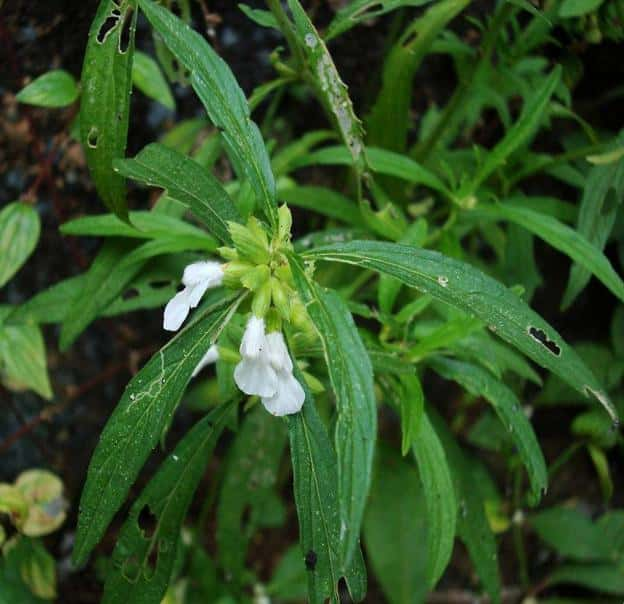
    Flowers— white, small, sessile, borne in large globose dense terminal whorls, white coloured; calyx tubular; corolla-tubular.

    Fruits  nutlets, obovoid-oblong, smooth, brownish.

    Flowering and fruiting during August-December.

    Habitat  & Distribution:

    Common throughout India.

    Chemical composition:

    Laballenic acid,beta – sitosterol.

    Properties:

    Rasa: Katu

    Guna: Guru, Ruksa

    Virya: Usna

    Vipaka: Katu

    Karma : Kapha-vatahara, Jvarahara, dipäña,pachana, jwarahara, Thermogenic, laxative, expectorant, anti bacterial, anti inflammatory, Carminative, antihistaminic, antipyretic, febrifuge, antiseptic.

    Part Used : Whole plant, leaves, flowers

    Dosage: Fresh juice 10-20. ml.

    Indications:

    Visama Jvara, Jvara, Agnimandya, Kãmalã, Paksãghata, Prameha, Visaroga, Arsas,gulma,

    Useful in psoriasis, skin itching , cough, fever, amenorrhoea, dushta peenasa, jaundice, anorexia, dyspepsia, fever, helminthic manifestation, respiratory , skin diseases.

    Amayika Prayoga (Therapeutic Uses): 

    Internal uses:

    Digestive system: Being an appetizer, carminative, laxative and antiparasitic. its juice is used in flatulence, abdominal pain, constipation, and worms juice is used as an eye-ointment in jaundice.

    Circulatory system : Blood purifier, alleviates oedema, hence useful in blood disorders and oedema. Juice is used as nasal drops in headache due to cold,

    Respiratory system : It is an expectorant. Its decoction or hot infusion is useful in cold, cough and dyspnoea.

    Reproductive system : Being an emmenagogue. it is used in amenorrhoea and dysmenorrhoea.

    Skin : Useful in skin disorders. It eliminates vitiated doshas from the skin by its diaphoretic action. Juice is used for massage.

    Temperature: Febrifuge because of its diaphoretic property), mainly in typhoid and fever induced by vata-kapha.

    Satmikaran : Antidote  effective in snake bite.

    Srotogamitwa:

    Dosha : Vitiates vata and pitta. alleviates kapha.

    Dhatu : Amadhatu (digestive), rakta (jaundice), rasa (fever).

    Mala : Purisha (cathartic) (anti parasitic), sweda (fever).

    Organs: Respiratory system (asthma).

    IUCN Status: 

    Not evaluated (commonly found, not threatened). 

    Research Updates (Past 5 Years): 

    1. Antimicrobial Activity (2020): Studied against Staphylococcus aureus and E. coli. 

    2. Wound Healing (2021): Ethanol extract showed significant wound contraction in rats. 

    3. Anti-diabetic (2022): Hypoglycemic effects observed in animal models.

    About Dronapushpi

    Botanical Name

    Leucas cephalotes (Roth) Spreng.

    Family

    Lamiaceae

    Identification No.

    SDACH/HG/012

    Parts Used

    Whole plant, Leaves, Flowers

    Habitat

    India, Nepal, Bangladesh, and other parts of South Asia

    IUCN Status

    Not Evaluated

    Plant Photos

    Ayurvedic Properties

    Rasa

    Tikta (Bitter), Katu (Pungent)

    Guna

    Laghu (Light), Ruksha (Dry)

    Virya

    Ushna (Heating)

    Vipãka

    Katu (Pungent)

    Contact Now

    Have queries? Contact Us.

    Have queries? We’re here to help you every step of the way.

    Contact us to get the right guidance for your academic journey at Shri Dhanwantry Ayurvedic College.

  • Shalaparni

    Shalaparni

    Botanical Name: Desmodium gangeticum DC

    Family: Papilionaceae; Fabaceae

    Identification No.: SDACH/HG/011 

    Introduction:

    In south India Desmodium gangeticum used as ‘PRSNI PARNI’ , but in North India Uraria picta is used. Prsniparni is one of the important herbs according to Atharvaveda

    Names in different Indian languages:

    English : Salpan,salvan

    Kannada : Nabiyalabune, nariyalavona

    Malayalam : Orila

    Sanskrit : Prsniparni,Prthakparni

    Tamil : Orila

    Telugu : gitanaram        

    Folk : Sarivan.

    Synonyms:

    Shaaliparni, Shaalaparni, Sthiraa, Somyaa, Guhaa, Triparni, Vidaarigandha, Anshumati.

    Hedysarum gangeticum Linn.

    “शालपर्णी सरा स्वादुः शीतला गुरुशुक्रला। 

     विदाहि पित्तकृत् तिक्ता कफवातहरी परा॥” 

    Classification according to Charaka, Susrutha & Vagbhata:

    Charaka :         Angamarda prasamana, sothahara, Sandhäniya

    Susrutha :        Vidãrigandhadi, Haridrãdi

    Vagbhata :       Haridrãdi

     Varieties & adulterants – (CV – controversy, AD – adulterants):

    1. sãlaparni and Prniparni are used for each other.

    2. Srgalavinna

    3. U. lagopoides Dc.

    4. Prsniparni visesa

    5. U.hamosa

    6. U. crinite

    7. Desmodium nudiflorum

    8. Uraria picta

    Morphology:

    It is an erect little-branched herb or undershrub, 1-1.5 m  height .

    Leaves- variable, 1-3 foliate, white, usually 10-15 cm long; leaflets 4-6, lanceolate or linear oblong, obtuse.

    Flowers- in dense cylindrical racemes, purple coloured.

    Fruits- pods, glabrous, turgid, 3-6, jointed, often whitish.

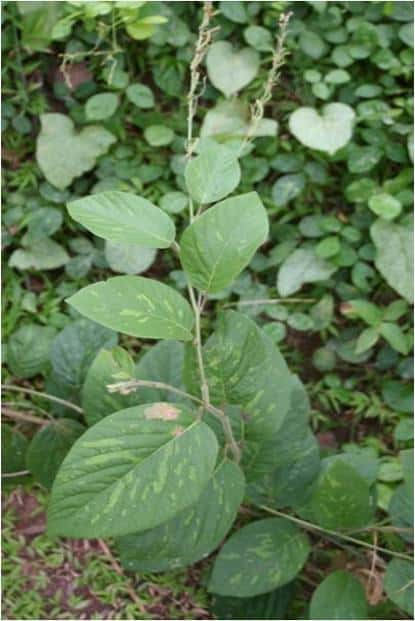
    Seeds- 1-12, reniform, reddish (Flowers during rainy season and fruits in winter).

    Habitat  & Distribution:

    All over India

    Chemical composition:

    gangetin, gangetinin, desmodin and several alkaloids.

    Properties:

    Rasa : Madhura, Tikta

    Guna : Laghu, Snigdha

    Virya :  Usna

    Vipaka : Madhura

    Karma : Tridosahara, Grãhi, Vrsya, Dipaniyam,hridya

    antipyretic, diuretic, astringent, anticatarrhal (used in post-natal care, chronic fever, cough, biliousness, vomiting), diuretic, anthelmintic, laxative and nervine tonic.

    Part Used : Root

    Dosage: Decoction 50-100 ml

    Indications:

    Jvara, svãsa, Raktãtisara, Trsnã, Chardi, Dãha, Asthibhagna.

    Appetizer , insanity, psychosis, cough, bronchitis, dyspnoea;  gout; bleeding piles; blood dysentery, acute diarrhoea., Fracture healing properties

    Internal uses:

    Central nervous ystem : As it is a nervine tonic and alleviates vata dosha, it, is used in vata disorders,

     Digestive system : Being an appetizer. antidipsetic, deflatulent and astringent, it is used in flatulence, diarrhea and bleeding piles. Stomatitis is treated by local application of the paste of seeds and honey.

    Circulatory system Cardiac tonic. haernostatic and reduces oedema, hence useful in heart diseases, blood disorders, vatarakta and oederna.

    Respiratory system Expectorant. Useful in cough and dyspnoea.

    Reproductive system : Aphrodisiac, useful in seminal debility.

    Urinary system Diuretic, therefore effective in dysuria.

    Temperature Febrifuge and refrigerant, hence it is used in fever and burning sensation.

    Srotogamitwa :

    Dosha :Tridoshashamak.

    Dhatu : Shukra (aphrodisiac). asthi (Sandhana property), rakta ( anti diarrhoeal ). rasa (fever).

    Mala : Purisha (laxative).

    Important Yogas or Formations:

    Dashamulãrista,Dasamüla katu trikãdi kvätha.

     Amayika Prayoga (Therapeutic Uses) :

    (1) Asthibhagna- Powder of Prasniparni root is taken with meat-soup for three weeks will be helpful in the reunion (B.P.)

    (2) Vatarakta- Prasniparni is cooked in goat’s milk and used with honey and sugar (S.S.Ci.5)

    (3) Raktätisara- Liquid gruel (Peyä) prepared with Prasniparni is useful (C.S.Su.2)     

     IUCN Status 

    Least Concern (Not endangered) 

     Research Updates (Past 5 Years) 

    1. 2021: Study on anti-inflammatory effects of Desmodium gangeticum in arthritis (Journal of Ethnopharmacology). 

    2. 2022: Neuroprotective role of Shalparni in Parkinson’s disease (Ayurveda Research Paper). 

    3. 2023: Hepatoprotective activity confirmed in ethanol-induced liver damage (Indian Journal of Pharmacology).


    About Shalaparni

    Botanical Name

    Desmodium gangeticum (L.) DC.

    Family

    Fabaceae

    Identification No.

    SDACH/HG/011

    Parts Used

    Root, Leaves, Whole plant

    Habitat

    India, Sri Lanka, Nepal, and other parts of South Asia

    IUCN Status

    Not Evaluated

    Plant Photos

    Ayurvedic Properties

    Rasa

    Madhura (Sweet), Tikta (Bitter), Kashaya (Astringent)

    Guna

    Laghu (Light), Snigdha (Unctuous)

    Virya

    Ushna (Heating)

    Vipãka

    Madhura (Sweet)

    Contact Now

    Have queries? Contact Us.

    Have queries? We’re here to help you every step of the way.

    Contact us to get the right guidance for your academic journey at Shri Dhanwantry Ayurvedic College.

  • Bhanga

    Bhanga

    Botanical Name: Cannabis sativa Linn

    Family : Cannabinaceae

    Identification No.: SDACH/HG/010

    Introduction:

    Bhanga is a narcotic plant. It appears to be in abundant use during the period of Atharva Samhita. It mainly acts on CNS. Antidote for this plant are rare, so it is better to avoid its usage.

    Synonyms:

    “भङ्गा मातुलानी गञ्जा मादिनी च विजया।” 

    (Bhanga, Matulani, Ganja, Madini, Vijaya) 

    Vijayaa, Bhangaa, Maadani, Maatulaani, Indraasana,

    Trailokya-vijayaa, Tribhuvanavijayaa, Shukranaashana, Ganjaa, Bhangaa.

    Cannabis indica Linn

    Names in Different Languages:

    English : Hemp,Indian Hemp

    Hindi : Bhang,ganja,caras

    Kannada : Bhangi

    Malayalam : Kancavu,sivamuli

    Sanskrit : Bhanga

    Tamil : Ganca, bhamgi

    Telugu : Ganjay

    Unani : Bhang,Charas,Qinnab

    Morphology:

    A tall annual herb, 1.2-4.9 m high;

    stem— erect, angular.

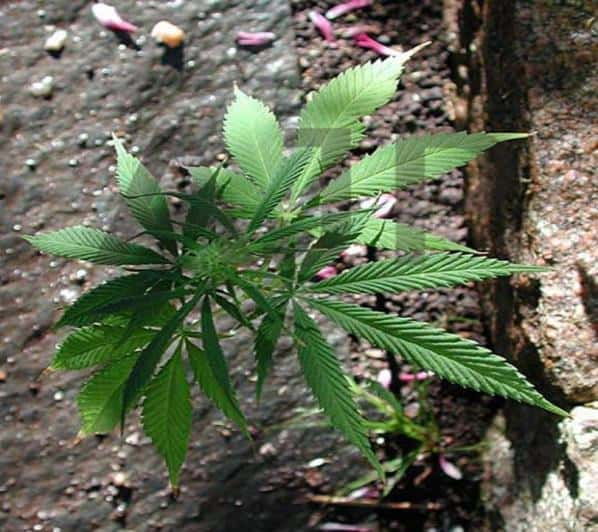
    Leaves— palmately divided.

    Flowers— small, greenish, unisexual; male borne in long dropping panicles and female in short axillary spikes.

    Fruit— an ovate flat seed-achene, having sping growth.

    Flowers and fruits in April-May.

    Habitat & Distribution:

    Found in sub-Himalayan tract (Native of central and western Asia) in waste places. Also cultivated for narcotic drug.

    Chemical constituents:

    Cannabinol, tetrahydro-cannabiol, Cannabidiol, Cannabichromene, dehydro-tetrahydrocannabinol, eugenol, sesquiterpenes, cannabinoids etc.

    Properties:

    Rasa: Tikta

    Guna: Laghu, Tiksna, Vyavãyi

    Virya :Usna

    Vipka : Katu

    Karma : Kapha-vãtahara, Dipanapacana, Grahi

     Hallucinogenic, hypnotic, nsedative, analgesic, anti-inflammatory

    Indications:

    Atisãra, Grahani, Agnimandya, Anidrã, Amlapitta, Jalasañtrãsa, Dhanusthambha, Nidranasa, Rakta pradara, Madãtyaya, süla etc.

    Part Used: Leaves

    Dosage: Bhanga leaf Powder 125-250 mg; Gañjã 60-125 mg; Charas 30 mg

    Important Yogas or Formations:

    Jätiphalãdi Curna, Madanänanda modaka

    Important research work going on:

    (1) action on CNS

    (2)Sedative action

    (3) prepare to use cancerous patients

    (4) Analgestic action

    Amayika Prayoga (Therapeutic Uses): 

    (1) Atisara— Bhañga is made into pills with Udumbara ksira will be useful (S.B.M.).

    (2) Yoni sañkoca— Bhanga is kept in a piece of cloth and introduced into vagina for three hours. This will lead to contracture of vaginal musculature (Y.R.).

    (3) Kustha— Bhanga should be taken with honey and ghee (V.M.).

    IUCN Status:   

    Not evaluated (Cultivated widely, not endangered). 

    Research Updates (Past 5 Years): 

    1. 2021: Study on CBD for anxiety relief (Journal of Ayurveda). 

    2. 2019: Research on THC’s analgesic properties in chronic pain (AYU Journal). 

    3. 2020: Review on Bhang’s role in neurological disorders (CCRAS Publication).


    About Bhanga

    Botanical Name

    Cannabis sativa L.

    Family

    Cannabaceae

    Identification No.

    SDACH/HG/010

    Parts Used

    Leaves, Seeds, Flowering tops

    Habitat

    India, Central Asia, and other temperate and tropical regions

    IUCN Status

    Not Evaluated

    Plant Photos

    Ayurvedic Properties

    Rasa

    Tikta (Bitter), Kashaya (Astringent)

    Guna

    Laghu (Light), Ruksha (Dry), Tikshna (Sharp)

    Virya

    Ushna (Heating)

    Vipãka

    Katu (Pungent)

    Contact Now

    Have queries? Contact Us.

    Have queries? We’re here to help you every step of the way.

    Contact us to get the right guidance for your academic journey at Shri Dhanwantry Ayurvedic College.

  • Shatavari

    Shatavari

    Botanical Name: Asparagus racemosus

    Family: Asparagaceae

    Identification No.: SDACH/HG/009 

    Introduction:

    Satãvari is extensively used for its tonic, immunomodulatory, ghrata etc.

    Scientific classification: Asparagus belong to the family Liliaceae. The parent of most varieties cultivated for food is classified as Asparagus officinalis. The asparagus fern, or florist’s fern, is classified as Asparagus setaceus, the two other species with delicate, lacy foliage are classified as Asparagus densiflorus cultivar sprengeri and Asparagus asparagoides.

    Names in different Indian languages:

    English : Indian asparagus

    Hindi : Satavar,satamuli

    Kannada : Callagadda

    Malayalam : Satavari,satavali

    Sanskrit : Satavari,abhiru

    Tamil : Kilavari,satavali,Thanneervittan kizhangu

    Telugu : Satavari,callagadda

    Unani : Sataavar

    Synonyms:

    शतावरी शतपदी शतमूली शतायुषी ।

    भीरुशतवीर्या च इन्दीवरी वरी च सा ॥ 

    भावप्रकाश निघण्टु

    Shatmuuli, Atirasaa, Bahusutaa, Shatpadi, Shatviryaa, Bhiru, Indivari

    Morphology:

    A tall climbing undershrub with annual woody terete stems. Spines 5-10 mm long, recurved. Cladodes 1.2-2.5 cm long, in tufts of 2-6, curved,

    Flowers— white, fragrant, in solitary or fascicled, simple or branched racemes 2.5-5 cm long.

    Fruit— berry, 5-6 mm diameter, red

    Properties:

    Rasa: Madhura, Tikta

    Virya: Sita

    Guna: Guru, Snigdha

    Vipaka: Madhura

    Karma: Rasãyana, Vrsya, Stanyajanana, hridya,balya,

    Diuretic, constipating, carminarive, nervine and uterine tonic

    Indications:

    Stanya ksaya, Artava ksaya, Rakta pitta, Arsas, Atisãra, Grahani, Ksaya, Gulma.

    gout, puerperal diseases, lactic disorders, haematuria, bleeding disorders, leucorrhoea, epilepsy, abortion, piles

    Part Used:

    Tuberous roots

    Dosage:

    Fresh juice 10-20 ml; decoction 50-100 ml

    powder 3-5 g

    Important Yogas or Formulations:

    satävari guda, satãvari lehya, Narayana tailam, satãvari ghrtam, Narayana taila.

    Important research work  going on:

    1. action on the mammary gland.

    2.  anti-cancer activity

    3.   hypoglycemic effect

    Amayika Prayoga (Therapeutic Uses) 

    (1) Atisãra— satãvari paste is taken with milk and the diet should consist of milk alone after wards

    (2) Kãsa— Ghee, prepared with satãvari and Nagabala is useful (S.S.Ut. 52).

    (3) Stanya Ksaya— satãvari root is grinded with milk and taken (Y.R.)

    IUCN Status 

    Not Evaluated (cultivated widely; wild populations declining). 

    Research Updates (Past 5 Years) 

    1.2020: Immunomodulatory effects of Shatavarin IV (Journal of Ethnopharmacology). 

    2. 2021: Clinical trial on menopausal symptoms (Ayurveda Journal). 

    3. 2022: Hepatoprotective role in rats (Indian Journal of Pharmacology).

    About Shatavari

    Botanical Name

    Asparagus racemosus Willd.

    Family

    Asparagaceae (formerly Liliaceae)

    Identification No.

    SDACH/HG/009

    Parts Used

    Roots, Leaves

    Habitat

    India, Sri Lanka, Nepal, and other tropical regions

    IUCN Status

    Least Concern

    Plant Photos
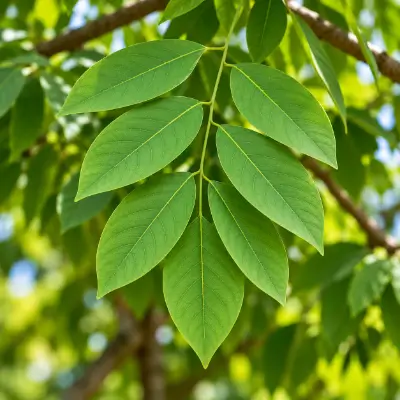
    Ayurvedic Properties

    Rasa

    Madhura (Sweet), Tikta (Bitter)

    Guna

    Guru (Heavy), Snigdha (Unctuous)

    Virya

    Shita (Cooling)

    Vipãka

    Madhura (Sweet)

    Contact Now

    Have queries? Contact Us.

    Have queries? We’re here to help you every step of the way.

    Contact us to get the right guidance for your academic journey at Shri Dhanwantry Ayurvedic College.