Shri Dhanwantry Ayurvedic College

Category: Dravyaguna Vigyan Blogs

  • PARIBHADRA

    PARIBHADRA

    PARIBHADRA

    Sanskrit name:  Paribhadra

    Botanical name: Erythrina variegata

    Family name: Fabaceae (Pea family), Papilionaceae (Shimbi Kula)

    Identification No.- SDACH/HG/239

    Vernacular names

    English name– Indian Koral tree, Indian Coral Tree, Tiger’s Claw, Lenten tree

    Hindi name– Pharhada, Farhad, Pangra, mahamed, mandar, pangra,

    Kannada name – Halivana, Haaluvana

    Malayalam name – Mulmurukku

    Gujarati name – Pararu, paanarvo

    Assamese name – madaar

    Telugu name– Badida Chettu, Badachipa Chettu, w badidepuchettu, muchchekarra

    Bengali name– Palte Madar, mandaara

    Marathi name–  Pangara

    Nepalese name – mandar, phaledo

    Synonyms-

    पारिभद्रो निम्बतरुर्मन्दारः पारिजातकः । पारिभद्रोऽनिलश्लेष्मशोथमेदः कृमिप्रणुत् । तत्पत्रं पित्तरोगघ्नं कर्णव्याधिविनाशनम् ।।१००।। Bhav Prakash

    Classification

     Kaiyadeva Nighantu – Oshadhi Varga

     Bhav Prakash – guduchaydi varga

    Raja Nighantu – Shalmalyadi Varga

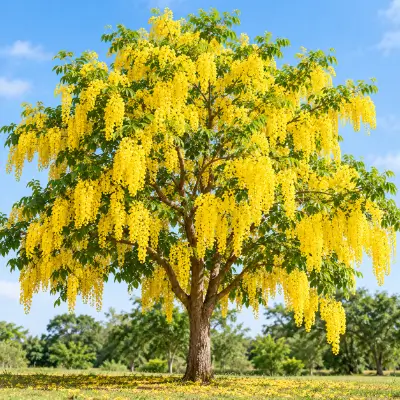
    Habitat & Distribution: The plants can be found in almost all states of India.

    Morphology- Medium size tree(60ft.)

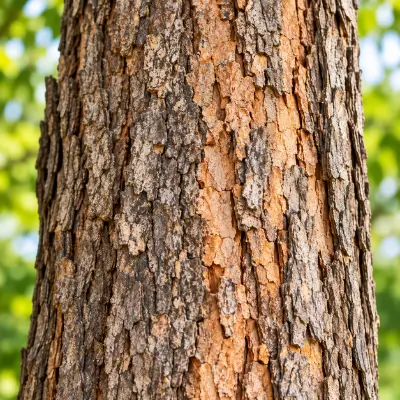
    Bark – is yellowish or greyish and shiny.

    Leaves – are trifoliated and alternate.

    Flowers– are reddish and large in size.

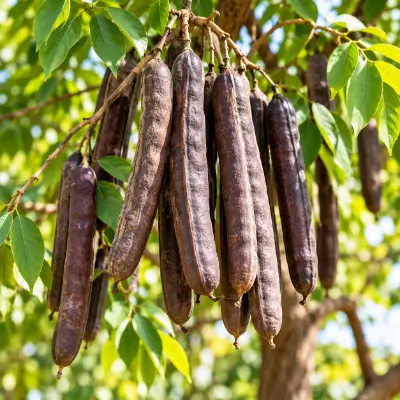
    Fruits – are oblong and appear in March and April month.

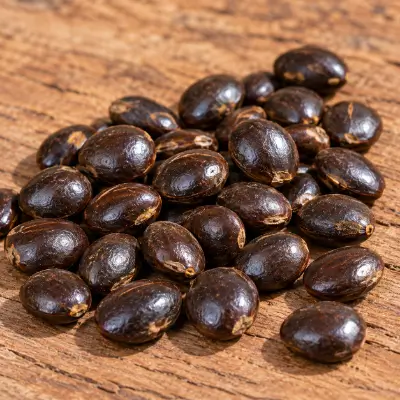
    Seeds– are kidney shape and are found in 12 in no. Oval, uncutuous red and brown.

    Varieties: Erythrina suberosa and Erythrina stricta

    Substitute/ Adulterant: Erythrina suberosa and Erythrina stricta are reported to be used as substitute for Erythrina variegata.

    Erythrina variegata has been identified as an adulterant for the Ayurvedic drug Rohitaka.

    Phytochemicals: Erthyraline, Erysovine, Erthrartine, erysotine, erythratidine, epierythratidine, Hypaphorine, 8 spiroamine alkaloids, flavones, Osajin, Erythrinins A,B,C, sterols in bark.

    Raspanchaka

    Rasa – Katu, Tikta, Guna – Laghu, Veerya – Ushna

    Vipaka– Katu, prabhava– Kapha vata shamak, dosha shamakta– Kapha vata shamak

    Karma– Karnya,

    Rogaghnata- Karnya,shothhara, vrnashodhana, aartavjanana, mutrajanana

    Kaphavatticvikara, aruchi, jwar, mutrakrchha.

    Amayika Prayoga/Therapeutic Uses

    External: Sothahara, Vranshodhan, Karnya roghan

    Internal: Being Bitter in taste it acts as a blood purifier, indicated in Syphilis, induce menstrual bleeding, so indicated in dysmenorrhea, loss of libido etc., Help for the elimination of vitiated kapha dosha, Indicated in Cough, eing bitter and hot, it stimulates taste buds, carminative, digestive, facilitates movement of doshas in proper direction, reduces cramp, Anti-microbial, and stimulates bile production.

    Part used: Stem bark, Leaf, flower

    Dose: Stem Decoction 50-100 ml; fresh juice 10-20 ml,

    Yoga/Formulations: Narayana tail, paribhdravleha

    IUCN Status- List Concern

    Research updates- Anti microbial activity of stem extracts – Antimicrobial activity of methanolic, chloroform, hexane and aqueous stem extracts of Erythrina variegata were analysed against bacterial pathogens such as Salmonella typhi, Pseudomonas putida, Pseudomonas aeruginosa, Escherichia coli, etc and fungal pathogens viz. Aspergillus niger, Aspergillus fumigatus, Candida sp. etc. Among all the strains, few strains like Serratia marcescens, E. coli, Pseudomonas putida, Bacillus circulans were found to be more susceptible strains and among all the solvent extracts methanol showed promising antimicrobial activity. The results obtained in this study suggested that the stem extract of Erythrina variegate L. have high potential for use in the treatment of diseases caused by these test organisms.

    About Paribhadra

    Botanical Name

    Erythrina variegata

    Family

    Fabaceae (Pea family), Papilionaceae (Shimbi Kula)

    Identification No.

    SDACH/HG/239

    Parts Used

    Stem bark, Leaf, flower

    Habitat

    India

    IUCN Status

    Least Concern

    Plant Photos

    Ayurvedic Properties

    Rasa

    Katu, Tikta

    Guna

    Laghu

    Virya

    Ushna

    Vipãka

    Katu

    Contact Now

    Have queries? Contact Us.

    Have queries? We’re here to help you every step of the way.

    Contact us to get the right guidance for your academic journey at Shri Dhanwantry Ayurvedic College.

  • BHAVYA

    BHAVYA

    BHAVYA

    Sanskrit Name

    Bhavya, Avartaki

    Botanical Name

    Dillenia indica L.

    Family Name

    Dilleniaceae

    Identification No.: SDACH/HG/238

    Vernacular Names

    Hindi: Chalta, Ootaphal
    English: Elephant Apple
    Bengali: Chalta
    Tamil: Katpuliya Maram
    Malayalam: Pettippazham


    Classification According to Ayurvedic Texts

    Bhavaprakasha: Tiktaskandha (group with bitter taste), used for vrana, meha, kushtha

    Habitat & Distribution

    Grows in tropical and subtropical regions of India, Bangladesh, and Southeast Asia. Commonly found in moist deciduous forests and near river banks.

    Morphology

    A medium to large-sized evergreen tree.
    Leaves: Large, ovate, leathery with prominent veins.
    Flowers: Large, white, fragrant with five petals.
    Fruit: Large, greenish-yellow, segmented and edible when ripe; sour in taste.

    Varieties

    No major varieties documented.

    Substitute/Adulterant

    No common substitutes or adulterants reported.

    Phytochemicals

    Flavonoids, terpenoids, saponins, betulinic acid, quercetin, phenolics.

    Raspanchaka

    Rasa: Tikta (Bitter), Amla (Sour)
    Guna: Laghu (Light), Ruksha (Dry)
    Virya: Ushna (Hot)
    Vipaka: Katu (Pungent)
    Prabhava: Vrana-hara (Wound healer)
    Dosha Shamakta: Kapha and Pitta pacifying

    Karma (Therapeutic Actions)

    Trushna-hara (Relieves thirst)
    Pittaghna (Pacifies pitta)
    Vrana-hara (Wound healer)
    Meha-hara (Useful in urinary disorders)
    Kushtha-hara (Effective in skin diseases)

    Amayika Prayoga/Therapeutic Uses

    External: Leaf poultice used in wound healing and skin infections.
    Internal: Fruit used for loss of appetite, indigestion, urinary disorders, skin problems, and bleeding disorders.

    Part Used

    Fruit, Leaves, Bark

    Dose

    Fruit pulp: 10–20 grams; Decoction: 50–100 ml

    Yoga/Formulations

    Used in folk formulations for vrana (wounds), arsha (piles), and meha (urinary issues).

    IUCN Status : Least Concern (LC)

    Research Updates

    1. Anti-inflammatory properties (2021): Fruit extract reduced inflammation in experimental models.
    2. Antidiabetic effects (2020): Ethanolic extract showed hypoglycemic activity in rats.
    3. Antimicrobial study (2019): Leaf and bark extracts effective against common bacterial strains.

    About Bhavya

    Botanical Name

    Dillenia indica L.

    Family

    Dilleniaceae

    Identification No.

    SDACH/HG/238

    Parts Used

    Fruit, Leaves, Bark

    Habitat

    India, Bangladesh, and Southeast Asia

    IUCN Status

    Least Concern

    Plant Photos

    Ayurvedic Properties

    Rasa

    Tikta (Bitter), Amla (Sour)

    Guna

    Laghu (Light), Ruksha (Dry)

    Virya

    Ushna (Hot)

    Vipãka

    Katu (Pungent)

    Contact Now

    Have queries? Contact Us.

    Have queries? We’re here to help you every step of the way.

    Contact us to get the right guidance for your academic journey at Shri Dhanwantry Ayurvedic College.

  • Vyaghra erand

    Vyaghra erand

    Vyaghra erand

    Botanical Name: Jatropha curcas Linn.

    Family : Euphorbiaceae

    Identification no: SDACH/HG/237

    Introduction :

    It is used as purgative, its strength milder than Croton tiglium oil.

    Names in different Indian languages :

    English: Physic Nut, Purging Nut

    Hindi: Jungle errand, pahari errand

    Kannada: Belioudalu, doddaharalu,

    Malayalam: Katalavanakku, kammatti, kattavanakku

    Sanskrit: Dravanti

    Tamil: Kattu Amanaku, kattukottai

    Telugu: Adavi amudamu

    Folk: Bagharenda

    Synonyms :

    Vyaaghrairanda , Sthula-eranda, Kaanan-eranda.

    Morphology :

    Soft wooded shrub, grows 2-3 m height.

    Leaves – simple, alternate, long petiole, leaf are roughly 5 lobe projected.

    Flower – yellowish

    Fruit – black, 3 lobed

    Distribution & Habitat :

    All over India

    Chemical constituents :

    Curcin, curcosones, lathyrane diterpenes

    Properties :

    RASA- kashay, madhura

    GUNA-guru

    VIRYA-sita

    VIPAKA-madhur

    Karma : vrishya, premeha hara, rasayani, krimighna

    Toxic (Seed) , purgative, narcotic

    Indication :

    Grahani, krimi, pandu, hridroga, premeha

    scabies, ringworm, eczema, whitlow, warts, syphilis, piles, gout, snake bite

    Part used :

    Root, leaves, seed , seed oil

    Dosage :

    2-4 g powder

    Amayika Prayoga/Therapeutic Uses

    External:

    The main purpose for Jatropha in current decades is produce biofuel or biodiesel from seeds, The press cake of jatropha seeds considered biomass feedstock to produce energy or biogas

     Internal:

    Purgative, Seeds useful in constipation

    Part used: Root, leaves, seed, seed oil

    Dose: 2-4 g powder

    Yoga/Formulations: oil, patra kwath

    IUCN Status: Least Concern

    Research updates

    1. A survey on plant species from the Mexican flora revealed that J. curcas is one of the species that is used for cancer treatments in Mexico (Alonso-Castro et al., 2011). Diterpenes are the major secondary metabolites synthesized by J. curcas. These compounds are proven to be cytotoxic and tumor-inhibitors (Devappa et al., 2011). The anticancer activities of different extracts from J. curcas
    2. Jatropha curcas L. is a tropical and subtropical drought-resistant shrub that has been getting a lot of attention lately as a potential biodiesel plant. It has long been used as lamp oil and for producing soap. Its oil content is 34%; it is rich in oleic (42%), linoleic (35%), palmitic (14%), and stearic (6%) acids. The plant contains several toxic compounds such as lectin, saponin, carcinogenic phorbol, and a trypsin inhibitor. The plant requires the elaborative breeding and genetic engineering techniques to improve its oil quality for increasing yield, stability, and reducing levels of toxic compounds. Limitations for improving traits by breeding include a lack of knowledge of the genetic base, poor yield, low genetic diversity, and vulnerability to a wide array of insects and diseases.

    About Vyaghra erand

    Botanical Name

    Jatropha curcas Linn.

    Family

    Euphorbiaceae

    Identification No.

    SDACH/HG/237

    Parts Used

    Root, leaves, seed , seed oil

    Habitat

    India

    IUCN Status

    Least Concern

    Plant Photos

    Ayurvedic Properties

    Rasa

    kashay, madhura

    Guna

    guru

    Virya

    Sita

    Vipãka

    Madhura

    Contact Now

    Have queries? Contact Us.

    Have queries? We’re here to help you every step of the way.

    Contact us to get the right guidance for your academic journey at Shri Dhanwantry Ayurvedic College.

  • DARBHA

    DARBHA

    DARBHA

    Sanskrit name: darbha, kusha

    Botanical name: Imperata cylindrica (l.) Raeusch.

    Family name: poaceae (grass family)

    Identification no.: SDACH/HG/236

    Vernacular names:

    Hindi: darbha, kusha

    English: cogon grass

    Tamil: darbai

    Telugu: darbha gaddi

    Malayalam: darbham

    Kannada: darbe hullu

    Synonyms :

    कुशो दर्भस्तथा बर्हिः सूच्यग्रो यज्ञभूषणः । ततोऽन्यो दीर्घपत्रः स्यात्क्षुरपत्रस्तथैव च ॥१६५॥


    Morphology

    Tall perennial grass with sharp leaves and silvery-white midrib

    Height: 60–120 cm

    Flowers: white, feathery, in panicle form

    Root: rhizomatous, fibrous and spreading underground

    Varieties:

    Imperata cylindrica var. Major – larger leaves, commonly found in the wild

    Imperata cylindrica var. Africana – distributed in africa

    Imperata cylindrica var. Koenigii – indian form commonly used in rituals

    Substitute/adulterant:

    Substitutes: desmostachya bipinnata (kusha grass) – often used interchangeably in rituals

    Adulterants: saccharum spontaneum – wild sugarcane, cynodon dactylon – durva grass

    Phytochemicals: flavonoids, tannins, saponins, alkaloids,silica, phenolic compounds

    Raspanchaka:

    Rasa (taste): tikta (bitter), kashaya (astringent)

    Guna (quality): laghu (light), ruksha (dry)

    Virya (potency): sheeta (cooling)

    Vipaka: katu (pungent)

    Prabhava: grahi (absorbent)

    Dosha shamakta: pitta and rakta shamak

    Karma (rogaghnata – therapeutic actions):

    Rakta shodhaka (blood purifier)

    Grahi (absorbent)

    Dahahara (relieves burning)

    Shothahara (anti-inflammatory)

    Krimighna (anti-parasitic)

    Amayika prayoga / therapeutic uses:

    External: grass used in puja mats and homa for energy stabilization, dhoopan (fumigation) to purify environment

    Internal: decoction or juice used in diarrhea, dysentery, and rakta-pitta, helps in excessive bleeding and burning sensation

    Part used: whole plant, especially roots and leaves

    Dose: swarasa (fresh juice): 10–20 ml

    Kashaya (decoction): 30–50 ml

    Yoga / formulations: mainly used in traditional household or spiritual settings

    IUCN Status: Not Evaluated

    Categorized as invasive in some ecological studies due to aggressive growth

    Research updates

    2020 – anti-inflammatory study:

    Aqueous extract reduced inflammation in animal models.

    2021 – antimicrobial potential:

    Effective against staphylococcus aureus and e. Coli.

    2022 – soil & environmental studies:

    Demonstrated usefulness in erosion control and land reclamation.

    About Darbha

    Botanical Name

    Imperata cylindrica (l.) Raeusch.

    Family

    poaceae (grass family)

    Identification No.

    SDACH/HG/236

    Parts Used

    whole plant, especially roots and leaves

    Habitat

    India, Africa

    IUCN Status

    Not Evaluated

    Plant Photos

    Ayurvedic Properties

    Rasa

    tikta (bitter), kashaya (astringent)

    Guna

    laghu (light), ruksha (dry)

    Virya

    sheeta (cooling)

    Vipãka

    katu (pungent)

    Contact Now

    Have queries? Contact Us.

    Have queries? We’re here to help you every step of the way.

    Contact us to get the right guidance for your academic journey at Shri Dhanwantry Ayurvedic College.

  • ROHISH

    ROHISH

    ROHISH

    Sanskrit name: Rohish, Dhoopa Gandhika, Sougandhika, Kattrina, Devajagdha

    Botanical name: Cymbopogon martinii Roxb.

    Family name: Gramineae (Yava kula)

    Identification No.- SDACH/HG/235

    Vernacular names

    Hindi name– Rusa ghas, Rosha Ghas

    English name– Rusa grass, Palmarosa grass, Rosha Grass

    Bengali name– Aghiyaga ghas

    Gujarati name- Romsado

    Marathi name- Rohish

    Tamil name– Kavathan pillu

    Synonyms- कत्तृणं रौहिषं देवजग्धं सौगन्धिकं तथा । भूतिकं ध्यामपौरञ्च श्यामकं धूपगन्धिकम् ॥१६७॥ रौहिषं तुवरं तिक्तं कटुपाकं व्यपोहति । हृत्कण्ठव्याधिपित्तास्त्रशूलकासकफज्वरान् ॥१६८॥

    Classification

    Charaka samhita– Sthanyajanana

    Bhavaprakasha- Guduchyadi varga

    Dhanvantari Nighantu– Guduchyadi varga

    Kaiyyadeva Nighantu– Qushadhi varga

    Raja Nighantu– Shalmalyadi varga

    Habitat & Distribution: Herb, grassland, Andhra Pradesh, Karnataka, Kerala, Maharashtra, Odisha, Cultivated in most parts of the world

    Morphology- Rohisha is a small herb growing to a height of 2-3 m and is found all over the temperate climate of India. The stem is smooth, pale white and has leaves emerging from it. The leaves are pleasant smelling, about 7-8 inch long and 1 inch wide and pointed at the tip. Flowers are covered by the leaves and are seen during the winter season.

    Varieties: Motiya and Sofia are two varities

    Substitute/ Adulterant: Cymbopogon citratus (lemongrass) and even rose oil. Adulterants can include Abitol, Benzyl alcohol, Benzyl benzoate, and various synthetic chemicals. 

    Phytochemicals: The essential oil obtained from the motia variety is rich in geraniol (80-90%). The oil is known as Palmarosa. Sofia variety yields an oil with lesser geraniol. It is known as Ginger grass Oil. Apart from this the plant yields Linalol, Geranyl acetate, Geranyl formate, Carvone etc.

    Raspanchaka- Rasa– Katu, Tikta; Guna- Laghu, Ruksha, Tikshna; Virya– Ushna; Vipaka– Katu, Prabhava- Stanyajanan, dosha shamakta– Kaphavata shamak

    Karma– Stanyajanan, Rogaghnata– Stanyajanan, Swedajanan, Raktashodhakn, Mutrajanan, Jwarghan, Kasa, Swasa, Aruchi, Agnimandha, Krimi, Visuchika

    Amayika Prayoga/Therapeutic Uses

    External: 1) The paste of the leaf and stem of Cymbopogon martini is applied over the area affected with scabies, discoloration of the skin.

    2) The paste of the plant is applied over the joints affected with pain and inflammation as part of treatment.

    Internal: 1) The decoction from the plant Rohisha is given in a dose of 50-60 ml to treat intestinal worms and diarrhea.

    2) The oil extract of Cymbopogon martini is mixed with hot water and used for hot steam inhalation in conditions of asthma and common cold.

    3) The plant is boiled in cow milk and given as a drink in a dose of 40-50 ml to improve breast milk in lactating women.

    Part used: Stem, Leaf, Flower

    Dose: Decoction-50 to 80 ml

    Essential Oil- 1 to 3 drops

    Yoga/Formulations: Agurvadi Tailam, Manashiladi Dhuma, Maha panchgavya Ghrita, Dhanwantaram Ghrita

    IUCN Status: Not mentioned

    Research updates

    1) Anti-bacterial activity: The present study was designed to judge the in vitro antibacterial activity and comparision of Ocimum basilicum and Cymbopogon martinii. The antibacterial activity was studied in three different concentrations (10µl, 15μl, 20µl) were tested against Streptococcus faecalis and Staphylococcus aureus. The highest concentration of 20µl exhibits more Antibacterial activity and Cymbopgon martini shows more antibacterial activity than Ocimum basilicum in all three concentrations by using Well diffusion method.

    2) Anti-oxidant activity: The present study deals with the in vitro study of antioxidant activity ofessential oil from Palmarosa (Cymbopogon martini) of family gramineae. The in vitro study of antioxidant activity of Palmarosa essential oil has been done by using DPPH assay, Nitrogen oxide assay, reducing power assay, carotene bleaching assay and FRAP method. IC50 values observed for DPPH and NO assay were 0.125 mg/mL and 12.5 µg/mL, respectively. In beta carotene bleaching method, the oil showed 93.15% bleaching for the first hour and it increased to 51.1% in second hour. There was a constant increase in the reducing activities with the increase in concentrations in both reducing activity and FRAP methods. In all the methods BHT and Gallic acid were kept as standards. The results clearly indicate that Palmarosa essential oil is effective in scavanging free radicals and has the potential to be a powerful antioxidant

    About Rohish

    Botanical Name

    Cymbopogon martinii Roxb.

    Family

    Gramineae (Yava kula)

    Identification No.

    SDACH/HG/235

    Parts Used

    Stem, Leaf, Flower

    Habitat

    Andhra Pradesh, Karnataka, Kerala, Maharashtra, Odisha,

    IUCN Status

    Not mentioned

    Plant Photos

    Ayurvedic Properties

    Rasa

    Katu, Tikta

    Guna

    Laghu, Ruksha, Tikshna

    Virya

    Ushna

    Vipãka

    Katu

    Contact Now

    Have queries? Contact Us.

    Have queries? We’re here to help you every step of the way.

    Contact us to get the right guidance for your academic journey at Shri Dhanwantry Ayurvedic College.

  • Dadrughni

    Dadrughni

    Dadrughni

    Botanical Name : Cassia alata

    Family     : Caesalpiniaceae

    Identification no: SDACH/HG/234

    Vernacular name

    English name: Candle Bush, Ringworm shrub

    Assamese: Khorpat

    Hindi:Dadmurdan,Dadmari

    Kannada: daddumardu, dahvala, dhavala gida

    Malayalam:Simayakatti,Puzhukkadikonna, Malamthakara, Chakrathakara

    Morphology

    It is a shrub that stands 3-4 m tall, with compound leaves 50-80 cm long.

    Leaflets are 6-12 pairs, 4-13 x 2-6 cm, oblong to obovate-oblong, base rounded to somewhat heart-shaped, tip rounded.

    The leaves close in the dark.

    The inflorescence looks like a yellow candle.

    The fruit, shaped like a straight pod, is up to 25 cm long.

    Its seeds are distributed by water or animals.

    The seed pods are nearly straight, dark brown or nearly black, about 15 cm long, and 15 mm wide.

    On both sides of the pods is a wing that runs the length of the pod.

    Pods contain 50 to 60 flattened, triangular seeds.

    Candle Bush is native to SW Mexico to Tropical America, cultivated and naturalized in India.

    Therapeutic Uses

    Candle Bush is often called the ringworm bush because of its very effective fungicidal properties, for treating ringworm and other fungal infections of the skin.

    The leaves are ground in a mortar to obtain a kind of “green cotton wool”.

    This is mixed with the same amount of vegetable oil and rubbed on the affected area two or three times a day. A fresh preparation is made every day. Its active ingredients include the yellow chrysophanic acid.

    • alata is widely used in folk medicine and home remedies for treating common ailments, such as ring worm, skin diseases, rheumatism, diabetes, stomach pain, constipation and gonorrhoea.

    Ethnomedically, the leaves are used as a purgative, expectorant, astringent and as a mouthwash

    The leaves are also specific for the treatment of ringworm and eczema,scabies, athlete’s foot, herpes and insect bites

    Various extracts and different parts of Cassia alata have been reported to own many pharmacological activities such as laxative,antifungal,woundhealing, hypoglycaemic,anti-bacterial,anthelmintic,analgesic,antiinflammatory,Abortifacient and Anti-lipogenic activity

    Part used: Seeds. shoots, leaves, roots. Its plants, seeds are edible. Leaves are used as vegetables.

    Dose: Seeds powder 1-3 g; leaf juice 5-10 ml

    Yoga/Formulations: Cutisora oil, Edagajadi lepa, Dadrughni vati

    IUCN Status: Not mentioned

    Research Update

    Antifungal Activity (2021) – A study demonstrated that ethanol extracts of Cassia alata leaves exhibited significant antifungal activity against Candida albicans and Aspergillus niger, supporting its traditional use in treating fungal infections.​

    Antioxidant Properties (2020) – Research indicated that methanolic extracts of Cassia alata leaves possess strong antioxidant activity, attributed to the presence of phenolic compounds and flavonoids, which may help in combating oxidative stress-related diseases.​

    Anti-inflammatory Effects (2022) – An investigation into the leaf extract of Cassia alata revealed notable anti-inflammatory effects in animal models, potentially due to the modulation of pro-inflammatory cytokines.​

    Wound Healing Potential (2023) – Topical application of Cassia alata leaf extract ointment showed accelerated wound healing in rat models, indicating its usefulness in promoting tissue regeneration.​

    Antidiabetic Activity (2024) – A recent study found that aqueous extracts of Cassia alata leaves significantly reduced blood glucose levels in diabetic rats, suggesting its potential as a natural antidiabetic agent.

    About Dadrughni

    Botanical Name

    Cassia alata

    Family

    Caesalpiniaceae

    Identification No.

    SDACH/HG/234

    Parts Used

    Seeds. shoots, leaves, roots. Its plants, seeds are edible. Leaves are used as vegetables.

    Habitat

    India

    IUCN Status

    Not mentioned

    Plant Photos

    Contact Now

    Have queries? Contact Us.

    Have queries? We’re here to help you every step of the way.

    Contact us to get the right guidance for your academic journey at Shri Dhanwantry Ayurvedic College.

  • LATA KANCHNAR

    LATA KANCHNAR

    LATA KANCHNAR

    Sanskrit Name: Kanchnar, Rajavriksha, Gandari     

    Botanical Name:

    Bauhinia variegata L.

    Family Name:

    Fabaceae

    Identification No.: SDACH/HG/233

    Vernacular Names:

    • Hindi: Kanchnar
    • English: Orchid tree, Mountain Ebony
    • Bengali: Kanchnar
    • Tamil: Kanchanai
    • Telugu: Kanchanara

    Synonyms & Shloka from Bhavaprakasha:

    काञ्चनारः काञ्चनको गण्डारिः शोणपुष्पकः ॥१०१॥

    कोविदारश्च मरिकः कुद्दालो युगपत्रकः । कुण्डली ताम्रपुष्पश्चाश्मन्तकः स्वल्पकेशरी ॥१०२॥

    Classification According to Ayurvedic Texts:

    • Vagbhata: Mentioned in various formulations as a Vata-Pitta suppressant
    • Bhavaprakasha: Guduchyadi varga
    • Habitat & Distribution:
    • Native to tropical and subtropical regions of India, Southeast Asia, and parts of Africa.
    • Commonly found in the wild, roadsides, and gardens.

    Morphology:

    • A small to medium-sized tree with a spreading canopy.
    • Leaves: Heart-shaped with a distinct cleft at the base.
    • Flowers: Large, purple to white with a yellow center, aromatic, and produced in clusters.
    • Fruit: A pod-like structure containing several seeds.

    Varieties: B. tomentosa., B. purpurea

    Substitute/Adulterant: Sometimes substituted with B. tomentosa., B. purpurea

    Phytochemicals: Flavonoids, tannins, alkaloids, saponins, anthraquinones.

    Raspanchaka:

    • Rasa: Tikta (Bitter), Katu (Pungent)
    • Guna: Laghu (Light), Ruksha (Dry)
    • Virya: Ushna (Hot)
    • Vipaka: Katu (Pungent)
    • Prabhava: Deepana (Appetizer), Shothahara (Reduces inflammation)
    • Dosha Shamakta: Kapha-Pitta Shamak

    Karma (Therapeutic Actions):

    • Anti-inflammatory
    • Antioxidant
    • Analgesic
    • Anticancer
    • Antibacterial
    • Anti-hyperglycemic

    Amayika Prayoga/Therapeutic Uses:

    • External: Used in poultices for skin inflammation, boils, and abscesses.
    • Internal: Used in conditions like swelling, obesity, joint pain, skin disorders, and respiratory issues like asthma.

    Part Used:

    • Leaves, Flowers, Bark

    Dose:

    • Powder: 1–3 grams; Decoction: 20–30 ml; Juice: 10–20 ml

    Yoga/Formulations:

    • Kanchnar Guggulu, Kanchnar Churna, various formulations in treating Kapha and Pitta disorders.

    IUCN Status: Least Concern

    Research Updates :

    1. Anticancer activity (2021): Studies indicate Kanchnar’s potential in inhibiting tumor growth.
    2. Anti-inflammatory properties (2020): Kanchnar showed significant reduction in inflammatory markers.
    3. Antidiabetic effects (2019): Kanchnar bark extract demonstrated potential to lower blood glucose levels.

    About Lata Kanchnar

    Botanical Name

    Bauhinia variegata L.

    Family

    Fabaceae

    Identification No.

    SDACH/HG/233

    Parts Used

    Leaves, Flowers, Bark

    Habitat

    India

    IUCN Status

    Least Concern

    Plant Photos

    Ayurvedic Properties

    Rasa

    Tikta (Bitter), Katu (Pungent)

    Guna

    Laghu (Light), Ruksha (Dry)

    Virya

    Ushna (Hot)

    Vipãka

    Katu (Pungent)

    Contact Now

    Have queries? Contact Us.

    Have queries? We’re here to help you every step of the way.

    Contact us to get the right guidance for your academic journey at Shri Dhanwantry Ayurvedic College.

  • KEETAMARI

    KEETAMARI

    KEETAMARI

    Sanskrit name: Dhumrapatra, Kitamari, Nakuli

    Botanical name: Aristolochia bracteaea

    Family name: Aristolochiaceae (Ishwari kula)

    Identification No.-SDACH/HG/232

    Vernacular names

    Hindi name – Kitamar

    English name- Bracteated birthwort, Pipewine

    Bengali name – Kiramar, Patuvanga

    Gujarathi name- Kiramar

    Kannada name – Adu Muttada gida

    Malayalam name- Aduthinnappalai

    Marathi name – Kidamar

    Oriya name- Paniri

    Tamil name – Aduthinnarppalai

    Telugu name – Gadide, Gadaparaku

    Urdu name- Paniri

    Deccan – Gandan, Gandati

    Synonyms– Dhumrapatra, Kitamari, Nakuli

    कटुपर्णी हैमवती हेमक्षीरी हिमावती । हेमाह्वा पीतदुग्धा च तन्मूलं चोकमुच्यते ॥१७६॥ Bhavaprakash

    Classification

    Bhavaprakash- Haritakayadi varga

    Habitat & Distribution: Aristolochia bracteolata is a herb, Madhya pradesh, Uttar pradesh, West Bengal, South India, Srilanka

    Morphology– This is a small herb growing to a height of 1-2 feet and is found all over India in the temperate climate. The stem is smooth and little twining. The branches are sharp and small. The leaves are 2-3 inch long, kidney shaped and membranous. The under-surface has small meshlike structure. The flowers are purple colored, single, 1.5.2 inch long and covered with small hairy structures. The fruits are oval to round shape, 1 inch long. The seeds are triangular and flat.

    Varieties: Sushruta 3 varities: Hiyavalli, kankushtha, Satyanasi

    Aristolochia bracteolata, Artemisia maritima, Desmodium velutinum, Didymochlaena truncatula, Argemone mexicana,

    Substitute/ Adulterant: Aristolochia indica

    Phytochemicals: Leaves and fruit contain ceryl alcohol, aristolochic acid and beta-sitosterol. Roots contain aristolochic and Potassium chloride nitrates. It also contains bitter principle glucoside in nature named isoaristolochic and Allanton 0.05% alkaloid Aristoloclen, essential oil containing carbonyl compound and a small amount of an oil with above of Isovanilin.

    Raspanchaka– Rasa– Tikta; Guna-Laghu, Ruksha, Tikshna; Virya– Ushna; Vipaka– Katu, Prabhava- Krimighana, dosha shamakta– Kaphavata shamak

    Karma– Krimighana, Rogaghnata– Vishagana,Krimiroga, Sotharoga, Visham jwara, Twakvikara, kastaartava

    Amayika Prayoga/Therapeutic Uses

    External: 1) Anti-microbial, and possesses wound healing property. Leaf juice can be applied on non-healing wounds. Leaf paste is indicated for external application in Vicharchika type of skin diseases.

    Internal: 1) Indicated in Fever (Vishamajvara / intermittent fever) (along with pepper powder).

    2) Uterine stimulantl, indicated in Amenorrhea and in Dysmenorrhea

    3) Seed increases urine production.

    4) Ant helminthic and purgative. Root decoction is indicated in Helminthiasis.

    Part used: Leaf, Root

    Dose: Powder- 1 to 3 g, Decoction-50 to 100 ml, Fresh juice- 5 to 10 ml

    Yoga/Formulations: Dravanthyadi taila

    IUCN Status: Not listed

    Research updates

    1)  Anti- microbial activity: The present study describes the antimicrobial activity of the acetone, ethanol and petroleum ether extracts of the leaves, stem and root of Aristolochia bracteolata Lam. using agar diffusion method against human pathogenic bacteria, such as Escherichia coli, Pseudomonas aeruginosa, Bacillus aureus and Klebsiella pneumoniae. In the present research, all the extracts were found to be effective against four human bacterial species, E. coli, P.aeruginosa, K.pneumoniae and B.aureus sensitive to all the plant extracts.

    2) Anti-inflammatory action: Anti-inflammatory action with the ethanol extract of the leaves of the plant Aristolochia bracteolata showed significant action in wistar rats.

    About Keetamari

    Botanical Name

    Aristolochia bracteaea

    Family

    Aristolochiaceae (Ishwari kula)

    Identification No.

    SDACH/HG/232

    Parts Used

    Leaf, Root

    Habitat

    Madhya pradesh, Uttar pradesh, West Bengal, South India, Srilanka

    IUCN Status

    Not listed

    Plant Photos

    Ayurvedic Properties

    Rasa

    Tikta

    Guna

    Laghu, Ruksha, Tikshna

    Virya

    Ushna

    Vipãka

    Katu

    Contact Now

    Have queries? Contact Us.

    Have queries? We’re here to help you every step of the way.

    Contact us to get the right guidance for your academic journey at Shri Dhanwantry Ayurvedic College.

  • Nagakesara

    Nagakesara

    Nagakesara

    Botanical Name : Mesua ferrea Linn.

    Family : Clusiaceae

    Identification No.- SDACH/HG/231

    Introduction :

    It used as lepana for visarpa (bala rogas). Susrutha & Vagbhata used synonyms of this plant, this also coming under chaturjataka.

    Names in different Indian languages :

    English : Iron-wood, Mesu

    Hindi : Nagakesar

    Kannada : Nagasampige

    Malayalam : Nagappuvu,nanku,nagachempakam, vayanavu,churuli,eliponkhu

    Sanskrit : Nagapushpah, nagakesarah

    Tamil : Nagakesaram ,Sirunagappo,nanku

    Telugu : Nagakesaramu, gajapuspam

    Unani : Naarmushk

    Synonyms :

    नागपुष्पः स्मृतो नागः केशरो नागकेशरः । चाम्पेयो नागकिञ्जल्कः कथितः काञ्चनाह्वयः ॥६९॥

    Naagapushpa, Chaampeya, Naaga, Naagakinjalika, Ahipushpa, Ahi Puspa, Kanakãhva, Kañcanãhvaya, Kiñijilkam, Kesaram, Cãmpeyam, Natam, Nagam, Naga Kiñjilkam, Naga Puspam, Naga renuka, Piñjaram,Phani pannagam, Rukmam, Suvarnam, Hema pusam

    Classification according to Charaka, Susrutha & Vagbhata :

    Susrutha : Elãdi, Vacãdi, Anjanãdi, Priyangvadi ganas

    Vagbhata : EIädi, Vacädi, Anjanadi, Priyangvadi ganas

    Varieties & adulterants – (CV – controversy, AD – adulterants) :

    (1) Naga kesara – Mesua ferrea Linn

    (2) Pacima kesara – Ochrocarpus longifolius Benth & Hook, f., (lal varieties)

    (3) Punnaga – Calphyllum inopylrur linn

    (4) Karu Nagakesara – Cinnamomum wightii/ C. tamala

    (5) Dillenia pentagyna-malabar naga kesara

    Mesua nagassarium (Burm. f.) Kosterm

    Morphology :

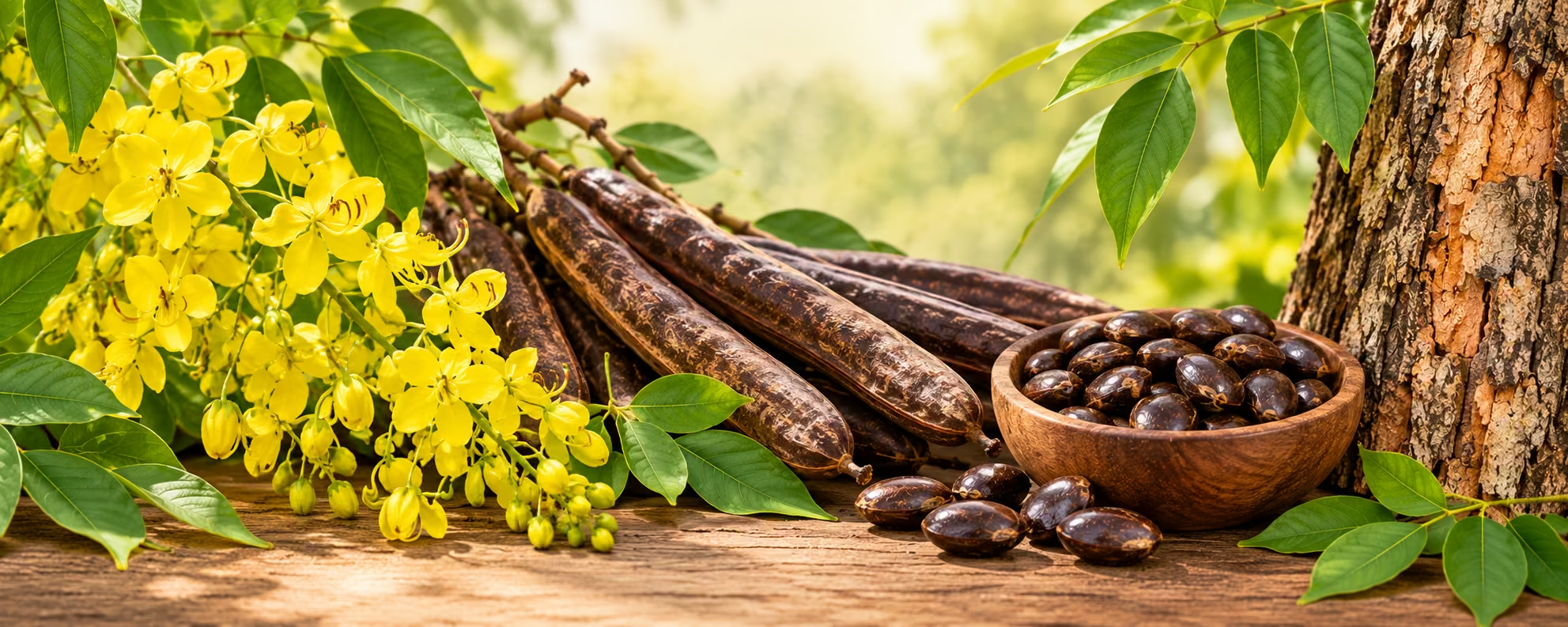
    It is a medium sized tree; bark ash-coloured.

    Leaves- 8- 12 by 3-4 cm. oblong-lanceolate, acute acuminate, glabrous above and glaucous beneath, petioles 6-8 mm. long.

    Flowers- white coloured, 2-2.5cm. deameter, axillary or terminal, stamens are numerous, golden-yellow coloured.

    Fruit- 2.5-3 cm. long.Ovoiad.seed- 1-4, angular, smooth, chestnut brown in colour.

    Distribution & Habitat :

    Along western ghats of Konkan and Malabar area, Tamil nadu.

    Chemical constituents :

    Xanthones, euxanthone, mesuaxanthones,A and B,Mesuol , Mesuaxanthone B- and euxanthone MammeiSin ,Maminegin ,mesuol , mesuaferrofle glycoside- cyclohaxodione- mesuaferrol, Octadecatriefloic and hexadecanoic acids

    Karma :

    Kapha- Pittahara Pramãti, Grãhi, Pachan, Visahara, sotha hara, Kandughna, Kushtaghana,antidysenteric. ,astringent, haemostatic, anti-inflammatory, stomachic, antibacterial, antifungal

    Indication :

    Raktaras Raktatisãra, Rakta Pradara, Kustha, Visarpa, Jvara, Chardi, Vãta rakta, sopha, Vãta roga, siro roga, Trsnã, Visa roga,cough, bleeding piles,metrorrhagia, leucorrhoea, fever, ulcers

    Part used :

    Flower, Stamens, leaf

    Dosage :

    Dosage : Powder of stamens 1-3g. orally.

    Leaf juice : 10-15 ml

    Powder :  2-4 g

    Decoction :  50-100 ml

    External uses :

    Lepana in visarpa

    Internal uses :

    Central nervous system : it is useful in brain debility and hysteria.

    Digestive system : It is an appetizer, mainly digestive, antidipsetic, antiemetic, antihaeniorrhoid, astringent and vermicide. It also acts as a haemostatic in bleeding piles.

    Circulatory system : it is used in cardiac debility, rakta pitta, and blood disorders.

    Respiratory system : It is used in cough induced by kapha, dyspnoea anti hiccoughs

    Reproductive system : It is used as an aphrodisiac

    Urinary system : Diuretic, hence useful in retention of urine.

    Skin : Kushthaghna..

    Temperature : Febrifuge. Useful in fever.

    Satmikaran : It is used as a .tonic and antidote,

    Important Yogas or Formations :

    Kanakasava,catujataka,eladichurna,kesaradi kasayam.

    Therapeutic Uses :

    (1) Rakta Aras— Naga kesara cürna (2-3gm) shall be administered orally alongwith butter and sugar (C.S.Ci.14/210)’

    (2) Hikkã— Nagakesara cürna (2-4gm) is given orally with honey and sugar along with (S.S.Ut.50/24)2.

    (3) Rakta Pradara— Nagakesara cürna is to orally administered while consuyming plenty or butter-milk daily

    (4) Sveta Pradara— Naga kesara is soaked in the buttermilk and administered orally for 3 days (V. S. & Y. R.)4.

    (5) Rakta Atisãra— Nãga kesara churna with sugar (V. S.)5.

    (6) Pumsavana— The lady who wants to have a female child should consume Nagakesara along with ghee (5gm dose daily) during the period of ovulation (Rtu kãla)- (R. M.)’.

    (7) Garbhasrava- Powders of Naga kesara and Püga (beetle nut) are mixed together and given orally.

    Yoga/Formulations: Mahanarayan oil, Gulgulwasavam, Mahadraksha, Shringarabhra Rasa, Chandanbalakshadi Taila, Kumariasava, Poogakhanda,

    IUCN Status: Mesua ferrea is listed as Vulnerable under criteria A2cd.

    Research updates

    1)  Anti-inflammatory Activity – A research study conducted to investigate Anti-Inflammatory, Antioxidant and Phytochemical Analysis of Mesua Ferrea Bark Ext, have proved presence of high amount of phenolic content, flavonoids, terpenoids and coumarins in Mesua ferrea bark ethyl acetate extract which is responsible for significant anti-inflammatory activity and antioxidant activity.

    2) Anti-convulsant activity – A study conducted to evaluate anticonvulsant activity of Mesua ferrea Linn. ethanolic flower extract have proved that ethanolic extract of Mesua ferrea inhibits Maximal Electroshock Seizure (MES) -induced convulsions
    About Nagakesara

    Botanical Name

    Mesua ferrea Linn.

    Family

    Clusiaceae

    Identification No.

    SDACH/HG/231

    Parts Used

    Flower, Stamens, leaf

    Habitat

    Konkan and Malabar area, Tamil nadu

    IUCN Status

    Mesua ferrea is listed as Vulnerable under criteria A2cd.

    Plant Photos

    Contact Now

    Have queries? Contact Us.

    Have queries? We’re here to help you every step of the way.

    Contact us to get the right guidance for your academic journey at Shri Dhanwantry Ayurvedic College.

  • Snuhi Bheda

    Snuhi Bheda

    Snuhi Bheda

    Botanical Name : Euphorbia milii.

    Family : Euphorbiaceae

    Identification No.-SDACH/HG/230

    Introduction :

    Euphorbia milii, the crown of thorns, Christ plant, or Christ thorn, is a species of flowering plant in the spurge family Euphorbiaciae, native to Madagascar. The species name commemorates Baron Milius, once Governor of Réunion, who introduced the species to France in 1821. It is imagined that the species was introduced to the Middle East in ancient times, and legend associates it with the crown of thorns worn by Christ. It is commonly used as an ornamental houseplant that can be grown in warmer climates.

    Names in different Indian languages :

    English: crown-of-thorns

    Other Scientific Names :

    Euphorbia bojeri Klotzsch

    Euphorbia bojeri Hook.

    Euphorbia breonii Nois.

    Euphorbia rubrostriata Drake

    Euphorbia splendens Bojer ex Hook.

    Sterigmanthe bojeri (Hook.) Klosch & Garcke

    Tumalis bojeri (Hook.) Raf.

    Varieties & adulterants – (CV – controversy, AD – adulterants) :

    Euphorbia milii var. bevilaniensis

    Euphorbia milii var. hislopii (N.E.Br.)

    Euphorbia milii var. imperatae

    Euphorbia milii var. longifolia

    Euphorbia milii var. milii

    Euphorbia milii var. roseana

    Euphorbia milii var. splendens

    Euphorbia milii var. tananarivae

    Euphorbia milii var. tenuispina

    Euphorbia milii var. tulearensis

    Euphorbia milii var. vulcanii

    Morphology :

    It is a woody succulent subshrub or shrub growing to 1.8 m (5 ft 11 in) tall, with densely spiny stems. The straight, slender spines, up to 3 cm (1.2 in) long, help it scramble over other plants. The fleshy, green leaves are found mainly on new growth, and are up to 3.5 cm (1.4 in) long and 1.5 cm (0.59 in) broad. The flowers are small, subtended by a pair of conspicuous petal-like bracts, variably red, pink or white, up to 12 mm (0.47 in) broad. Wat Phrik in Thailand claims to be the home of the world’s tallest Christ thorn plant. The plant thrives between spring and summer but produces flowers all year round.e

    Distribution & Habitat : Euphorbia milii is native to Madagascar. It has been widely introduced as an ornamental across tropical and subtropical regions and can now be found cultivated and naturalized in Asia, Africa, North, Central and South America and the Caribbean and found growing in humid and subhumid sites, arid habitats, dry thickets and on rocky areas.

    Substitute/ Adulterant: Heracleum rigens, Adhatoda beddomei: Used as a substitute in Kerala, particularly when Euphorbia milii is scarce or expensive

    Phytochemicals: Terpenoids, flavonoids, alkaloids, phenolic compounds, and tannins. Specifically, studies have identified compounds like beta-sitosterol, beta-amyrin acetate, cycloartenol, lupeol, euphol, and various triterpenes.

    Raspanchaka– Rasa– Katu,Tikshna ; Guna- Laghu, Ruksha; Virya– Ushna; Vipaka– Katu, Prabhava- irritant, dosha shamakta– Kaphavata shamak

    Karma– Kushthgana, Rogaghnata– Krimi, pama, Vrana, kushtha

    Amayika Prayoga/Therapeutic Uses

    External: The plant’s latex has been used topically to treat warts, skin infections, and other skin ailments

    Internal: 1) In some traditional practices, preparations from Euphorbia milii have been used to alleviate coughs and bronchial congestion

    2) The latex has been used to relieve pain, including toothaches and earaches

    Part used: milky sap (latex), leaves, and roots

    Dose: – 10- 20 drops juice

    IUCN Status: Least Concern.

    Research updates

    1. Anthelmintic:A preliminary screening of Euphorbia milii revealed the presence of various phytoconstituents such as triterpenes, steroids, tannins, alkaloids, phenols, flavonoids, saponins, and glycosides, which may contribute to its potent anthelmintic effects. The methanolic extract of E. milii leaves demonstrated significant anthelmintic activity comparable to the standard drug albendazole.
    2. Anti-oxidant activity :This research focused on analysing the methanolic flower extract of Euphorbia milii using a combination of phytopharmacological and advanced computational techniques. The aim was to characterise the chemical components, evaluate the in vitro antioxidant capacity, and assess the metal binding capacity of the flower extracts. The study revealed that the scavenging activity, particularly against DPPH, was notably higher (19.65 ± 0.545 μg/ml) compared to the H2O2 assay (14.66 ± 0.185 μg/ml), suggesting that E. milii flower extracts possess significant antioxidant potential. These findings suggest that the phytoconstituents present in the flower extracts of E. milii may contribute to their antioxidant properties and metal binding ability.

    About Snuhi Bheda

    Botanical Name

    Euphorbia milii.

    Family

    Euphorbiaceae

    Identification No.

    SDACH/HG/230

    Parts Used

    milky sap (latex), leaves, and roots

    Habitat

    Madagascar, Asia, Africa, North, Central and South America and the Caribbean

    IUCN Status

    Least Concern

    Plant Photos

    Ayurvedic Properties

    Rasa

    Katu,Tikshna

    Guna

    Laghu, Ruksha

    Virya

    Ushna

    Vipãka

    Katu

    Contact Now

    Have queries? Contact Us.

    Have queries? We’re here to help you every step of the way.

    Contact us to get the right guidance for your academic journey at Shri Dhanwantry Ayurvedic College.