Shri Dhanwantry Ayurvedic College

Category: Dravyaguna Vigyan Blogs

  • Dugdhapheni

    Dugdhapheni

    Dugdhapheni

    Botanical name

    Taraxacum officinale

    Family name

    Asteraceae

    Identification No: SDACH/HG/249

    Vernacular names

    • Hindi: Kanphool, Kukraundha
    • English: Dandelion
    • Marathi: Dudhali
    • Bengali: Dudhiya
    • Tamil: Sirupilai

    Classification according to Charak, Sushruta, Vagbhata & Bhav Prakash

    Not classically categorized in Charaka/Sushruta texts; however, modern Ayurvedic texts and Nighantus include it under:

    • Tikta rasa pradhana dravya
    • Pittashamak & Raktashodhak dravyas

    Habitat & Distribution

    Native to Europe and Asia; now widespread globally. Grows abundantly in temperate climates, grasslands, meadows, and roadsides. Found in parts of northern India and Himalayan regions.

    Morphology

    • Root: Taproot, stout, and dark brown outside
    • Leaves: Rosette-forming, deeply toothed
    • Flowers: Yellow, ligulate florets in capitulum
    • Latex: White, milky
    • Fruit: Achene with a pappus aiding wind dispersal

    Varieties

    No officially recognized Ayurvedic varieties, but several botanical varieties are known globally (e.g., Taraxacum erythrospermum).

    Substitute/ Adulterant

    • Substitute: Chicory (Cichorium intybus)
    • Adulterants: Other Asteraceae plants with similar morphology

    Phytochemicals

    • Taraxasterol
    • β-amyrin
    • Inulin
    • Sesquiterpene lactones
    • Flavonoids (luteolin, apigenin)
    • Phenolic acids (caffeic, chlorogenic acid)

    Raspanchaka

    • Rasa: Tikta, Kashaya
    • Guna: Laghu, Ruksha
    • Virya: Sheeta
    • Vipaka: Katu
    • Prabhava: Raktashodhak
    • Dosha Shamakta: Pitta–Kapha hara

    Karma – Rogaghnata

    • Raktaprasadana
    • somyvirachana
    • Yakrit uttejak (hepatostimulant)
    • Mutrala
    • Deepana
    • Shothahara
    • Krimighna
    • Vrana ropana

    Amayika Prayoga / Therapeutic Uses

    External

    • Skin eruptions (latex used)
    • Wound healing (poultice of leaves)
    • Anti-inflammatory applications

    Internal

    • Liver disorders (jaundice, hepatitis)
    • Digestive weakness, loss of appetite
    • Dysuria
    • Skin diseases (due to blood purification)
    • Rheumatism, arthritis
    • Constipation (due to mild laxative action)

    Part used

    • Root
    • Leaves
    • Flowers
    • Latex

    Dose

    • Root powder: 4–12 g
    • Leaf decoction: 30–50 ml
    • Fresh juice: 10–20 ml

    Yoga / Formulations

    Often used as a single drug therapy in herbal decoctions

    • Used in polyherbal liver tonics (proprietary formulations)
    • Taraxacum extract capsules, teas, and tinctures (OTC)

    IUCN Status

    Least Concern.

    Research Updates

    1. Hepatoprotective activity:
      A 2021 study in Journal of Ethnopharmacology showed that dandelion root extract significantly reduced liver enzyme levels in CCl₄-induced liver injury in rats.
    2. Antidiabetic potential:
      A 2020 study published in Phytomedicine demonstrated that dandelion leaf extract improved insulin sensitivity and reduced fasting glucose in type 2 diabetic models.
    3. Antioxidant & Anti-inflammatory properties:
      A 2022 meta-analysis in Frontiers in Pharmacology confirmed that Taraxacum officinale exhibits significant free radical scavenging activity and downregulates pro-inflammatory cytokines (IL-6, TNF-α).

    About Dugdhapheni

    Botanical Name

    Taraxacum officinale

    Family

    Asteraceae

    Identification No.

    SDACH/HG/249

    Parts Used

    Root, Leaves, Flowers, Latex

    Habitat

    Europe and Asia

    IUCN Status

    Least Concern

    Plant Photos

    Ayurvedic Properties

    Rasa

    Tikta, Kashaya

    Guna

    Laghu, Ruksha

    Virya

    Sita

    Vipãka

    Katu

    Contact Now

    Have queries? Contact Us.

    Have queries? We’re here to help you every step of the way.

    Contact us to get the right guidance for your academic journey at Shri Dhanwantry Ayurvedic College.

  • Paribhadra Bheda

    Paribhadra Bheda

    Paribhadra Bheda

    Sanskrit Name: Paribhadra

    Identification No: SDACH/HG/248

    Botanical Name: Erythrina suberosa Roxb.

    Family Name:Fabaceae (Leguminosae)

    Vernacular Names

    • Hindi: Dadap, Pangara
    • English: Corky Coral Tree

    Habitat & Distribution
    Native to the Indian subcontinent, commonly found in the Himalayan foothills, central and northern India. Grows in tropical to subtropical climates, often planted as an ornamental tree.

    Morphology

    • Medium-sized deciduous tree
    • Bark: Thick, corky, grayish-brown
    • Leaves: Compound, trifoliate
    • Flowers: Bright red, tubular, clustered
    • Fruit: Pods with several seeds
    • Seeds: Hard, red with black spot, used traditionally in ornaments

    Varieties

    • Erythrina suberosa
    • Erythrina variegata (sometimes used as a substitute)

    Substitute / Adulterant

    • Substitute: Erythrina variegata
    • Adulterants: Other species of Erythrina or non-related red flowering trees

    Phytochemicals

    • Alkaloids: Erythraline, Erysodine, Erysotrine
    • Flavonoids
    • Saponins
    • Glycosides
    • Tannins
    • Terpenoids and Sterols: β-sitosterol, stigmasterol
    • Phenolic compounds

    Rasa Panchaka

    • Rasa: Tikta
    • Guna: Laghu, Ruksha
    • Virya: Ushna
    • Vipaka: Katu
    • Prabhava: Krimighna, Kushthaghna
    • Dosha Karma: Kapha-vata shamak

    Karma (Rogaghnata)

    • Krimighna
    • Kushthaghna
    • Shothahara
    • Vedanasthapana
    • Raktashodhaka
    • Vishaghna

    Amayika Prayoga / Therapeutic Uses

    External

    • Bark paste for wounds and ulcers
    • Powder mixed with oil for eczema, skin eruptions

    Internal

    • Bark decoction for intestinal worms, dysentery
    • Flower extract for cough and bronchial issues

    Part Used

    • Bark
    • Flowers
    • Seeds (used with caution due to alkaloids)

    Dose

    • Kwatha (decoction): 50–100 ml/day
    • Bark powder: 3–6 gm/day

    Yoga / Formulations

    • Paribhadra Kwatha
    • Paribhadra Taila
    • Herbal pastes for wounds and joint pain

    IUCN Status

    • Not Evaluated (NE)

    Research Updates

    1. Phytochemical Profiling and Anticancer Potential (2021)
      Methanolic bark extract showed alkaloids and phenolic compounds with cytotoxic effects against melanoma cell lines.
      (Source: ResearchGate)
    2. Antioxidant and Enzyme Inhibitory Activity (2020)
      Demonstrated strong antioxidant properties and acetylcholinesterase inhibition, showing promise for neurodegenerative diseases.
      (Source: PMC Article)
    3. Ethnobotanical and Traditional Uses (2020–2022)
      Documented in tribal practices for liver, respiratory, and wound healing treatments. Highlighted as an important plant in folk medicine.
      (Source: PMC Article)

    About Paribhadra Bheda

    Botanical Name

    Erythrina suberosa Roxb.

    Family

    Fabaceae (Leguminosae)

    Identification No.

    SDACH/HG/248

    Parts Used

    Bark, Flowers, Seeds

    Habitat

    India

    IUCN Status

    Least Concern

    Plant Photos

    Ayurvedic Properties

    Rasa

    Tikta

    Guna

    Laghu, Ruksha

    Virya

    Ushna

    Vipãka

    Katu

    Contact Now

    Have queries? Contact Us.

    Have queries? We’re here to help you every step of the way.

    Contact us to get the right guidance for your academic journey at Shri Dhanwantry Ayurvedic College.

  • Shati

    Shati

    Shati

    Sanskrit Name: Śatī, Spatikā, Gandha Śatī

    Identification No: SDACH/HG/247

    Botanical Name: Hedychium spicatum Sm.

    Family Name: Zingiberaceae

    Vernacular Names:
    Hindi – Kapur Kachri
    Bengali – Gandha Sathi
    Gujarati – Shati
    Kannada – Gandha Hoo
    Tamil – Seemai chevvai
    Telugu – Gandha Kendramu
    English – Spiked Ginger Lily

    Synonyms – Shloka (Bhav Prakash):
    शठी पलाशी षड्ग्रन्था सुव्रता गन्धमूलिका |
    गन्धारिका गन्धवधूर्वधूः पृथुपलाशिका ||
    (Bhavaprakasha Nighantu – karpuradi Varga)

    Classification
    Charaka – Not explicitly mentioned
    Sushruta – Useful in Vrana, Kasa, Shwasa
    Vagbhata – Dipaniya, Kaphahara

    Habitat & Distribution:
    Grows in sub-temperate to temperate Himalayan regions between 1500–2700 meters. Common in Uttarakhand, Himachal Pradesh, and Northeast India. Prefers shady slopes and forest undergrowth.

    Morphology
    Erect perennial herb, 1–2 meters tall.
    Leaves are lanceolate, green, and glabrous with sheathing bases.
    Flowers are showy, orange-red with a fragrant spike inflorescence.
    Rhizomes are aromatic, thick, fleshy, and yellowish inside.
    Flowers bloom during late spring to summer.

    Varieties:

    • Hedychium spicatum var. acuminatum
    • Hedychium coronarium (used interchangeably in some regions)

    Substitute / Adulterant:
    Substitute – Curcuma zedoaria, Curcuma aromatica
    Adulterant – Inferior aromatic rhizomes from related Zingiberaceae species

    Phytochemicals:
    Essential oils (cineole, linalool, spicatonone)
    Flavonoids, glycosides, diterpenes, sesquiterpenes, starch, resins

    Raspanchaka:
    Rasa: Tikta, Katu
    Guna: Laghu, Ruksha, Tikshna
    Virya: Ushna
    Vipaka: Katu
    Prabhava: Shothahara, Kaphahara
    Dosha Shamakta: Kapha-Vata hara

    Karma – Rogaghnata:

    • Deepana (Appetizer)
    • Pachana (Digestive)
    • Shothahara (Anti-inflammatory)
    • Kaphanashaka
    • Kasahara
    • Vranahara
    • Hridya (Cardiotonic)

    External:

    • Paste used in localized swelling, abscess, and joint pain
    • Rhizome powder for dental hygiene
    • Decoction used in douche for vaginal infections


    Internal:

    • Powder for indigestion, anorexia, cough, asthma
    • Decoction useful in bronchitis, fever, and cold
    • Beneficial in worm infestations and skin diseases

    Part Used: Rhizome

    Dose:
    Churna – 1 to 3 grams
    Kwatha – 20 to 40 ml

    Yoga / Formulations:

    • Kachuradi Churna
    • Gandhashati Taila
    • Ayurvedic respiratory tonics

    IUCN Status:
    Least Concern (LC).

    Research Updates

    1. 2020 – Antiasthmatic and bronchodilatory effects in guinea pigs (Journal of Ayurveda & Integrative Medicine)
    2. 2021 – Evaluation of antimicrobial activity of essential oil from rhizomes (Indian Journal of Traditional Knowledge)
    3. 2023 – In vitro antioxidant and anti-inflammatory activity of Hedychium extract (Pharmacognosy Research)

    About Shati

    Botanical Name

    Hedychium spicatum Sm.

    Family

    Zingiberaceae

    Identification No.

    SDACH/HG/247

    Parts Used

    Rhizome

    Habitat

    Uttarakhand, Himachal Pradesh, and Northeast India.

    IUCN Status

    Least Concern

    Plant Photos

    Ayurvedic Properties

    Rasa

    Tikta, Katu

    Guna

    Laghu, Ruksha, Tikshna

    Virya

    Ushna

    Vipãka

    Katu

    Contact Now

    Have queries? Contact Us.

    Have queries? We’re here to help you every step of the way.

    Contact us to get the right guidance for your academic journey at Shri Dhanwantry Ayurvedic College.

  • Tunna

    Tunna

    Tunna

    Sanskrit Name: Tunna, Panchala, Surabhidaru

    Identification No :SDACH/HG/246

    Botanical Name: Toona ciliata M. Roem.

    Vernacular Names:
    Hindi – Toon
    Bengali – Toon
    Marathi – Tun
    Tamil – Sivanthi
    Telugu – Nandichettu
    Kannada – Shivani mara
    English – Indian red cedar, red cedar

    Habitat & Distribution:
    Native to the Himalayas and tropical India. Found up to 1500 meters in forests of Uttar Pradesh, Uttarakhand, Chhattisgarh, Assam, and parts of the Western Ghats.

    Morphology :
    Large deciduous tree, 18–25 meters tall.
    Bark is greyish-brown with vertical cracks.
    Leaves are alternate, pinnate with serrated leaflets.
    Flowers are small, pinkish-white, in terminal panicles.
    Fruit is a reddish-brown capsule with winged seeds.
    Wood is reddish, aromatic, and lightweight.

    Varieties:
    Toona ciliata var. australis
    Toona ciliata var. sinensis

    Substitute / Adulterant:
    Substitute – Azadirachta indica (Neem)
    Adulterants – Non-medicinal redwood species

    Phytochemicals:
    Toosendanin (limonoid), flavonoids, triterpenoids, β-sitosterol, cedrol, tannins, alkaloids, saponins

    Raspanchaka:
    Rasa – Tikta, Kashaya, Katu
    Guna – Laghu, Ruksha
    Virya – Sheeta
    Vipaka – Katu
    Prabhava – Vrana shodhaka
    Dosha Shamakta – Tridosha shamaka (Pitta-Kapha prominent)

    Karma – Rogaghnata:
    Vranashodhaka
    Krimighna
    Raktaprasadana
    Daha hara
    Jantughna

    Amayika Prayoga / Therapeutic Uses

    External:
    Leaf paste for skin diseases, eczema, ulcers
    Bark decoction for wound cleansing
    Oil (with bark) for microbial infections

    Internal:
    Bark decoction in dysentery, fever, liver support
    Powdered bark for skin allergies, blood purification
    Leaf juice as mild laxative and hepatic stimulant


    Part Used:
    Bark, Leaves

    Dose:
    Bark powder – 3 to 6 grams
    Decoction – 20 to 40 ml
    Leaf juice – 10 to 15 ml

    IUCN Status:
    Least Concern (LC)

    Research Updates :

    1. 2020 – Antimicrobial and anti-inflammatory activity (Kumar et al., Journal of Ethnopharmacology)
    2. 2021 – Hepatoprotective effect in CCl₄-induced liver injury (Singh et al., Pharmacognosy Research)
    3. 2022 – Enhanced wound healing in experimental models (Deshmukh et al., International Journal of Green Pharmacy)

    About Tunna

    Botanical Name

    Toona ciliata M. Roem.

    Family

    Meliaceae

    Identification No.

    SDACH/HG/246

    Parts Used

    Bark, Leaves

    Habitat

    Uttar Pradesh, Uttarakhand, Chhattisgarh, Assam, and parts of the Western Ghats.

    IUCN Status

    Least Concern

    Plant Photos

    Ayurvedic Properties

    Rasa

    Tikta, Kashaya, Katu

    Guna

    Laghu, Ruksha

    Virya

    Sita

    Vipãka

    Katu

    Contact Now

    Have queries? Contact Us.

    Have queries? We’re here to help you every step of the way.

    Contact us to get the right guidance for your academic journey at Shri Dhanwantry Ayurvedic College.

  • Badar

    Badar

    Badar

    Sanskrit Name: Badar, Kola, Karkandhu, Badrika

    Identification no : SDACH/HG/245

    Botanical Name: Ziziphus mauritiana Lam.

    Family Name: Rhamnaceae

    • Hindi: Ber
    • Bengali: Kul
    • Gujarati: Bor
    • Marathi: Bor
    • Telugu: Regu
    • Kannada: Bore hannu
    • English: Indian jujube, Indian plum
    • Urdu: Ber
    • Charaka: Phala varga
    • Bhav Prakash: Amradi phala varga

    Habitat & Distribution

    • Native to: Tropical Asia and India
    • Widely cultivated in: India, Bangladesh, Pakistan, China, Africa
    • Habitat: Dry, arid zones; also cultivated in orchards, wastelands

    Morphology

    • Habit: Medium-sized thorny tree or shrub, 6–10 m tall
    • Leaves: Alternate, ovate, glossy upper surface, pale beneath
    • Flowers: Small, yellowish, bisexual, clustered
    • Fruits: Drupes, globose to ovoid, yellow to red when ripe, sweet to astringent in taste
    • Seeds: Single, hard endocarp

    Varieties

    • Numerous cultivars exist including Umran, Gola, Seb, Chuhara, and wild types
    • Wild varieties are more astringent and medicinal

    Substitute / Adulterant

    • Substitute: Ziziphus nummularia (used in Unani, similar but smaller fruits)
    • Adulterants: Other wild Ziziphus species or unripe fruits

    Phytochemicals

    • Flavonoids: Quercetin, rutin
    • Saponins
    • Tannins
    • Alkaloids: Ziziphine
    • Polysaccharides
    • Vitamin C, A, B-complex
    • Amino acids, fatty acids
    • Phenolic compounds
    • Rasa (Taste): Madhura (sweet), Kashaya (astringent), Tikta (bitter)
    • Guna (Qualities): Guru (heavy), Snigdha (unctuous)
    • Virya (Potency): Ushna (hot)
    • Vipaka (Post-digestive): Madhura
    • Prabhava: Balya (strength-promoting), Brimhana (nourishing)
    • Dosha Shamakta: Vata-Pitta hara
    • Brimhana (Nourishing)
    • Raktapittaghna (Controls bleeding disorders)
    • Vrishya (Aphrodisiac)
    • Mutrala (Diuretic)
    • Trishnanigrahana (Thirst-relieving)
    • Vrana ropana (Wound healing)
    • Daha hara (Relieves burning)
    • Pachan (Digestive)

    External

    • Leaf paste: Applied on boils, wounds, and abscesses
    • Poultice of bark: Used for inflammations

    Internal

    • Fruits: Used in constipation, thirst, excessive heat
    • Decoction of bark: Used in dysentery, diarrhea
    • Seed powder: Acts as a mild sedative
    • Leaf juice: Used in cough and fever

    Part Used

    • Fruits (ripe and dried)
    • Leaves
    • Bark
    • Seeds

    Dose

    • Fruit (fresh): 10–20 g
    • Fruit (dry): 3–5 g powder
    • Bark decoction: 20–50 ml
    • Leaf juice: 10–15 ml

    Yoga / Formulations

    • Badari Avaleha – for general debility and cough
    • Used in Unani and Siddha as brain tonic and digestive support
    • Ayurvedic jams and churnas for convalescence

    IUCN Status

    • Not Evaluated (NE)

    Research Updates

    1. Antioxidant & Hepatoprotective Activity
      • 2020, Journal of Traditional and Complementary Medicine: Methanolic fruit extract protected liver cells in paracetamol-induced hepatotoxicity model.
    2. Antidiabetic Activity
      • 2019, Phytomedicine: Aqueous seed extract showed blood glucose-lowering activity in diabetic rats and improved lipid profile.
    3. Neuroprotective and Anxiolytic Effects
      • 2021, Indian J Exp Biol: Ethanolic leaf extract exhibited anxiolytic and cognitive-enhancing effects in mice.

    About Badar

    Botanical Name

    Ziziphus mauritiana Lam.

    Family

    Rhamnaceae

    Identification No.

    SDACH/HG/245

    Parts Used

    Root bark, Leaves, Flowers, Fruit pulp

    Habitat

    India, Bangladesh, Pakistan, China, Africa

    IUCN Status

    Least Concern

    Plant Photos

    Ayurvedic Properties

    Rasa

    Madhura (sweet), Kashaya (astringent), Tikta (bitter)

    Guna

    Guru (heavy), Snigdha (unctuous)

    Virya

    Ushna (hot)

    Vipãka

    Madhura

    Contact Now

    Have queries? Contact Us.

    Have queries? We’re here to help you every step of the way.

    Contact us to get the right guidance for your academic journey at Shri Dhanwantry Ayurvedic College.

  • Tejovati

    Tejovati

    Tejovati

    Sanskrit Name: Tejovati

    Identification NO : SDACH/HG/244

    Botanical Name: Zanthoxylum armatum DC.

    Family Name: Rutaceae

    Vernacular Names:
    Hindi: Tejbal
    Marathi: Tejbal
    Gujarati: Tejbal
    Tamil: Arattai
    Kannada: Gandhaphala
    Malayalam: Karimaram
    Telugu: Devadaramu
    English: Toothache Tree, Prickly Ash

    Synonyms (from Bhavaprakasha – Haritakyadi Varga):
    “तेजस्विनी तेजवती तेजोह्वा तेजनी”

    Classification According to Classical Texts:
    Charaka: Not specifically classified
    Sushruta: Arishta Varga
    Vagbhata: Deepaniya, Vishaghna
    Bhavaprakasha: Haritakyadi Varga

    Habitat & Distribution:
    Tejovati grows widely in sub-Himalayan regions from Jammu & Kashmir to Bhutan (1000–2100 m altitude). Also found in Northeast India and some southern hill areas. Prefers moist forest areas and shaded slopes.

    Morphology
    Root: Woody, aromatic
    Stem: Gnarled, covered with spines
    Leaves: Compound, aromatic leaflets
    Flowers: Yellowish-green, small
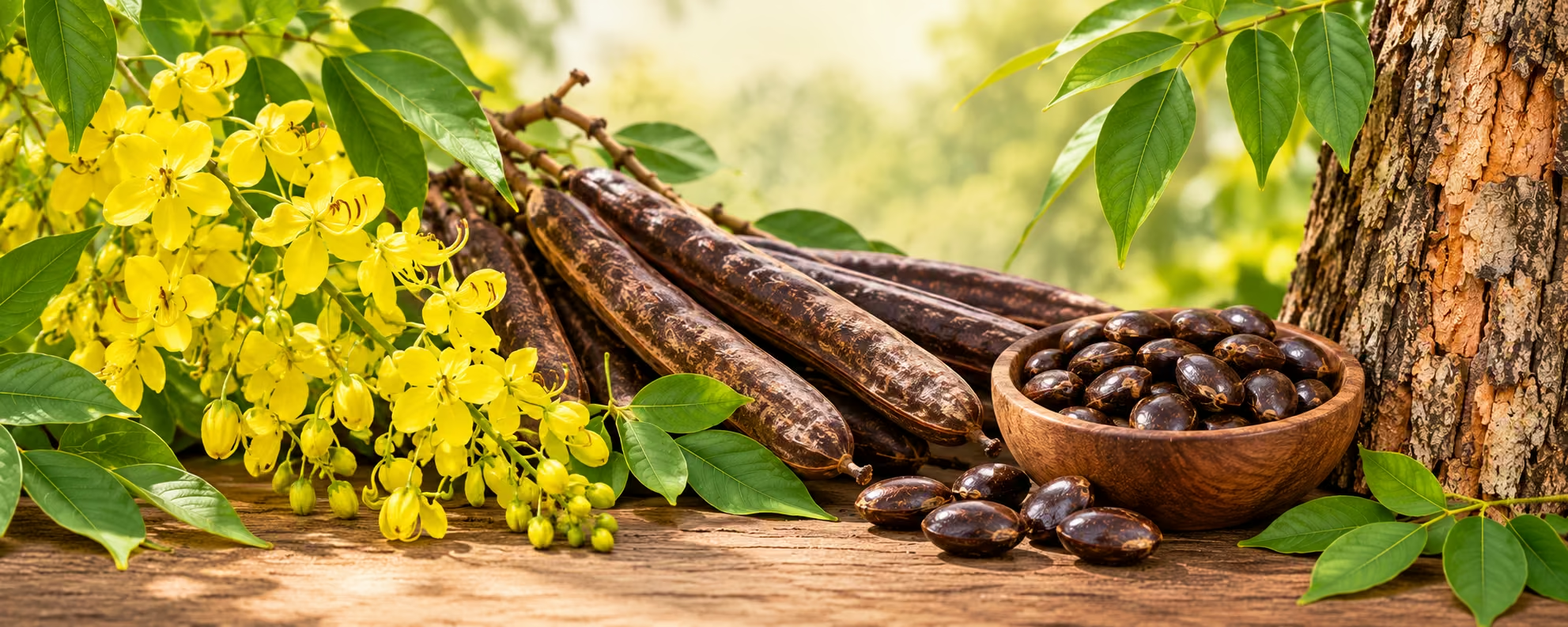
    Fruits: Globose capsules with aromatic black seeds
    Seeds: Pungent, shiny, black

    Varieties:
    Zanthoxylum armatum DC. (commonly used)
    Zanthoxylum acanthopodium DC. (less commonly used)

    Substitute/Adulterant:
    Substitutes: Piper cubeba, Xanthoxylum alatum
    Adulterants: Zanthoxylum rhetsa, Zanthoxylum nitidum

    Phytochemicals:
    Linalool
    Xanthoxylin
    Piperitone
    Alkaloids (e.g., berberine)
    Flavonoids
    Tannins
    Essential oils (monoterpenes, sesquiterpenes)

    Rasapanchaka:
    Rasa: Katu, Tikta
    Guna: Laghu, Tikshna
    Virya: Ushna
    Vipaka: Katu
    Prabhava: Shothahara, Krimighna
    Dosha Shamakta: Kapha-Vata shamak

    Karma (Rogaghnata):
    Deepana (digestive stimulant)
    Pachana (digestive)
    Krimighna (anthelmintic)
    Shothahara (anti-inflammatory)
    Rochana (appetizer)
    Vishaghna (antitoxic)
    Trishna nigrahana (relieves thirst)
    Kasahara (relieves cough)

    Amayika Prayoga / Therapeutic Uses:

    External:
    Used as a paste for swelling and pain
    Used in medicated oils for oral and dental infections
    Powder applied on skin disorders

    Internal:
    Useful in indigestion, anorexia
    Effective in worm infestations
    Helpful in fever, cough, and asthma
    Traditionally used in cold-related illnesses

    Part Used:
    Fruits, seeds, bark, and root

    Dose:
    Churna (Powder): 1–3 grams
    Kwatha (Decoction): 20–40 ml
    Taila (Oil): As required for external use

    Yoga/Formulations:
    Hingwashtaka Churna
    Shunthi Churna
    Arimedadi Taila
    Tejovati Churna
    Krimighna Vati

    IUCN Status:
    Least Concern (LC)

    Research Updates

    1. Sharma et al. (2021): Found Z. armatum fruit extract effective against oral pathogens like Streptococcus mutans and Candida.
    2. Kumar et al. (2020): Demonstrated anti-inflammatory and analgesic action in rat models, validating traditional use in swelling and pain.
    3. Rani et al. (2019): GC-MS analysis confirmed high essential oil content with potential for use in aromatherapy and oral care.
    About Tejovati

    Botanical Name

    Zanthoxylum armatum DC.

    Family

    Rutaceae

    Identification No.

    SDACH/HG/244

    Parts Used

    Fruits, seeds, bark, and root

    Habitat

    Sub-Himalayan regions from Jammu & Kashmir to Bhutan

    IUCN Status

    Least Concern

    Plant Photos

    Ayurvedic Properties

    Rasa

    Katu, Tikta

    Guna

    Laghu, Tikshna

    Virya

    Ushna

    Vipãka

    Katu

    Contact Now

    Have queries? Contact Us.

    Have queries? We’re here to help you every step of the way.

    Contact us to get the right guidance for your academic journey at Shri Dhanwantry Ayurvedic College.

  • Peelu

    Peelu

    Peelu

    Sanskrit Name: Piluka, Peelu

    Identification No: SDACH/HG/243

    Botanical Name: Salvadora persica L.

    Family Name: Salvadoraceae

    Vernacular Names

    • Hindi: Peelu, Jhak
    • Gujarati: Pilu
    • Marathi: Khakhra
    • Punjabi: Jhal
    • Tamil: Uukamaram
    • Telugu: Pogadatravi
    • Kannada: Goni-mara
    • Urdu: Miswak tree
    • English: Toothbrush tree / Mustard tree / Meswak tree
    • Arabic: Arāk

    Synonyms – Add Shloka from Bhav Prakash

    पीलुर्गुलफलः स्रंसी तथा शीतफलोऽपि च |

    • Native to: India, Middle East, Africa
    • Found in: Dry, arid, and saline soils; mainly Rajasthan, Gujarat, Madhya Pradesh
    • Habitat: Xerophytic plant, grows in saline, arid, and semi-arid regions

    Morphology

    • Habit: Large shrub or small tree, evergreen
    • Leaves: Simple, thick, ovate-elliptic, smooth margin, dull green
    • Flowers: Small, greenish-yellow, in dense axillary or terminal panicles
    • Fruits: Small, fleshy, globular berries, red when ripe
    • Roots: Long, fibrous; used for oral hygiene (Miswak)
    • Odour: Aromatic; root contains volatile mustard oil-like smell
    • Salvadora persica – Common peelu
    • Salvadora oleoides – Also used in similar applications, more native to Punjab/Rajasthan
    • Substitute: Salvadora oleoides (locally used)
    • Adulterants: Other woody roots or stems used for miswak without medicinal properties
    • Alkaloids: Salvadorine
    • Flavonoids
    • Triterpenes: Oleanolic acid
    • Volatile oils: Benzyl isothiocyanate (responsible for antimicrobial action)
    • Tannins
    • Sulfur compounds
    • Calcium, fluoride, silica, chloride, nitrate – beneficial for dental health
    • Rasa: Katu, Tikta, Kashaya, Madhura
    • Guna: Laghu, Ruksha, Tikshna
    • Virya: Ushna
    • Vipaka: Katu
    • Prabhava: Dantya-shuddhikara, Krimighna
    • Dosha Shamakta: Kapha-Vata hara
    • Dantya: Improves dental hygiene
    • Krimighna: Anti-parasitic, anti-microbial
    • Deepana: Digestive stimulant
    • Shothahara: Anti-inflammatory
    • Kandughna: Relieves itching
    • Mukharogahara: Cures oral diseases
    • Chardighna: Anti-emetic
    • Hridaya: Cardiotonic

    External

    • Toothbrush (Miswak): For cleaning teeth, preventing plaque, gingivitis
    • Poultice of leaves: For swelling and joint pain
    • Oil from seeds: For skin diseases and eczema

    Internal

    • Fruits: Mild laxative and diuretic
    • Root powder: In chronic fever, piles, helminthiasis
    • Leaves decoction: For cough, asthma, and rheumatism
    • Roots
    • Leaves
    • Fruits
    • Seeds (oil)
    • Root powder: 1–3 g
    • Leaf decoction: 20–50 ml
    • Fruit: 5–10 g fresh or 1–3 g powder
    • Oil: External application only
    • Danta Dhavana Choorna (tooth powders)
    • Krimighna Vati
    • Least Concern (LC)
    1. Dental Health & Antimicrobial Effect:
      • 2020, Saudi Dental Journal: Salvadora persica extract found effective in reducing plaque and gingivitis when compared with chlorhexidine.
    2. Anti-inflammatory and Antioxidant Activity:
      • 2021, Journal of Ethnopharmacology: Leaf extract exhibited strong free radical scavenging and anti-inflammatory effects.
    3. Anti-diabetic Potential:
      • 2019, Phytotherapy Research: Aqueous extract showed blood sugar lowering effects in diabetic rats, potentially by improving insulin sensitivity.

    About Peelu

    Botanical Name

    Salvadora persica L

    Family

    Salvadoraceae

    Identification No.

    SDACH/HG/243

    Parts Used

    Roots, Leaves, Fruits, Seeds (oil)

    Habitat

    India, Middle East, Africa

    IUCN Status

    Least Concern

    Plant Photos

    Ayurvedic Properties

    Rasa

    Katu, Tikta, Kashaya, Madhura

    Guna

    Laghu, Ruksha, Tikshna

    Virya

    Ushna

    Vipãka

    Katu

    Contact Now

    Have queries? Contact Us.

    Have queries? We’re here to help you every step of the way.

    Contact us to get the right guidance for your academic journey at Shri Dhanwantry Ayurvedic College.

  • Sudapa

    Sudapa

    Sudapa

    Identificatio no: SDACH/HG/242

    Botanical Name: Ruta graveolens L.

    Family Name: Rutaceae

    • Hindi: Sadab
    • Marathi: Sadap
    • Gujarati: Satab
    • Tamil: Aruvadam
    • Telugu: Nagadali
    • Kannada: Nagadale
    • Malayalam: Aruta
    • English: Rue / Common Rue / Herb of Grace
    • Bengali: Sadap
    • Native to: Southern Europe
    • Widely cultivated in: Mediterranean region, India (Himalayan regions, South India), North Africa, Latin America
    • Habitat: Prefers dry, rocky, and sunny environments with well-drained soil
    • Habit: Small shrub up to 0.5–1 meter
    • Stem: Woody at base, soft above, branched
    • Leaves: Alternate, bluish-green, strongly aromatic, bipinnate or tripinnate
    • Flowers: Small, yellowish-green, 4–5 petaled in corymbs
    • Fruits: Capsule, deeply lobed with many seeds
    • Odour: Strongly pungent, aromatic due to essential oils
    • Ruta graveolens (Common Rue – most used)
    • Ruta chalepensis (Fringed Rue – similar properties)
    • Ruta montana (less common)
    • Substitute: Ruta chalepensis (used interchangeably in folk practice)
    • Adulterants: Other aromatic herbs like Vitex negundo, or non-therapeutic leafy plants with strong odour
    • Alkaloids: Graveoline, Arborinine
    • Essential oils: Methyl-nonyl-ketone, Undecanone, Limonene
    • Flavonoids: Rutin, Quercetin
    • Coumarins: Scoparone, Xanthotoxin
    • Other: Psoralens (photosensitizing compounds), Furanocoumarins
    • Rasa: Tikta, Katu
    • Guna: Laghu, Tikshna, Ruksha
    • Virya (Potency): Ushna (hot)
    • Vipaka: Katu
    • Prabhava: Krimighna, Vedanahara
    • Dosha Shamakta: Kapha-Vata hara
    • Krimighna
    • Shothahara
    • Vedana sthapana
    • Vishaghna
    • Hridya
    • Shirovirechaka

    External

    • Uses:
      • Local inflammation, joint pain
      • Used in fumigation (dhupan) for air purification and psychic cleansing
      • Essential oil used in ointments for muscle pain
    • Applications:
      • Poultice from fresh leaves
      • Oil infusions for massage
      • Dhupan for Vastu and psychic cleansing
    • Uses:
      • Useful in intestinal worms, spasms, hysteria
      • As a nervine tonic in small doses
      • Promotes menstruation (emmenagogue)
    • Caution: Toxic in high doses; not advised during pregnancy or for children
    • Leaves
    • Essential oil (carefully dosed)
    • Powdered leaves: 250–500 mg
    • Fresh juice: 5–10 ml (under supervision)
    • Essential oil (external): 1–3% dilution in carrier oil
    • Sadapa Taila – used in pain and swelling
    • Krimighna Yoga – included in anti-parasitic proprietary formulations
    • Used traditionally in Aromatherapy and Unani medicine
    • Least Concern (LC)
    1. Antimicrobial Activity
      • 2021, BMC Complementary Medicine: Rue essential oil showed strong antibacterial activity against Gram-positive strains including MRSA.
    2. Neuroprotective Effect
      • 2020, Neurochemistry International: Extracts exhibited anxiolytic and sedative effects in mice, likely due to alkaloids and coumarins.
    3. Anti-inflammatory & Analgesic
      • 2019, Journal of Ethnopharmacology: Significant reduction in inflammatory markers and pain behaviors in rodent models.

    About Sudapa

    Botanical Name

    Ruta graveolens L.

    Family

    Rutaceae

    Identification No.

    SDACH/HG/242

    Parts Used

    Leaves

    Habitat

    South India, Southern Europe, North Africa, Latin America

    IUCN Status

    Least Concern

    Plant Photos

    Ayurvedic Properties

    Rasa

    Tikta, Katu

    Guna

    Laghu, Tikshna, Ruksha

    Virya

    Ushna (hot)

    Vipãka

    Katu

    Contact Now

    Have queries? Contact Us.

    Have queries? We’re here to help you every step of the way.

    Contact us to get the right guidance for your academic journey at Shri Dhanwantry Ayurvedic College.

  • Patchouli

    Patchouli

    Patchouli

    Sanskrit name: Patchouli

    Identification No: SDACH/HG/241

    Botanical Name: Pogostemon cablin

    Family Name: Lamiaceae

    Vernacular Names

    • Hindi: Patchauli / Jatamansi
    • Malayalam: Patchouli
    • Tamil: Patchai ilai
    • Telugu: Patchouli chettu
    • Kannada: Pacholi gida
    • English: Patchouli
    • Bengali: Patchouli

    Habitat & Distribution

    • Native: Philippines and Southeast Asia
    • Cultivated: Extensively in India (Tamil Nadu, Karnataka, Kerala), Indonesia, China, and Malaysia
    • Requires warm, humid climate and well-drained loamy soil.
    • Habit: Perennial herb or shrub, up to 1 m tall
    • Stem: Erect, quadrangular, soft-woody, and branching
    • Leaves: Opposite, ovate-lanceolate, softly hairy, aromatic
    • Flowers: Purple, borne in terminal or axillary spikes
    • Odour: Strong characteristic fragrance due to patchouli oil
    • Roots: Fibrous
    • Pogostemon cablin (main cultivated variety)
    • Pogostemon heyneanus (Indian patchouli; different phytochemistry and scent)
    • Substitutes: Pogostemon heyneanus (Indian patchouli, less preferred in perfumery)
    • Adulterants: Inferior aromatic herbs or artificially scented plant materials
    • Patchoulol (Patchouli alcohol)
    • α-Bulnesene
    • α-Guaiene
    • Caryophyllene
    • Seychellene
    • Norpatchoulenol
    • Pogostol
    • Azulenes
    • Rasa: Tikta (bitter), Kashaya (astringent)
    • Guna: Laghu (light), Snigdha (unctuous)
    • Virya: Ushna (hot)
    • Vipaka: Katu
    • Prabhava: Sugandhikaraka, Manovardhaka
    • Dosha Shamakta: Kapha-Vata shamak
    • Sugandhikara
    • Krimighna
    • Shothahara
    • Tvachya
    • Triptikara
    • Manas rogahara

    Amayika Prayoga / Therapeutic Uses

    • Uses:
      • Skin inflammation, fungal infections, eczema
      • Aromatherapy for stress relief
      • Hair tonics for dandruff
      • Deodorants and perfumery
    • Application Forms:
      • Essential oil (diluted)
      • Creams, balms, shampoos

    Internal (with caution and appropriate formulation)

    • Uses:
      • Digestive stimulant
      • Carminative in small doses
      • Adaptogen for stress and anxiety
    • Caution: Essential oil not recommended orally without supervision
    • Leaves (dried or fresh)
    • Essential oil extracted from leaves
    • Powdered leaves: 1–2 grams
    • Essential oil (external): 2–5% dilution in carrier oil
    • In formulations: As per proprietary Ayurvedic formulations
    • Used in Sugandhit taila, massage oils
    • Found in some modern proprietary cosmeceuticals and Ayurvedic aromatic preparations
    • Incorporated into stress-relief and insomnia oils
    • Not Evaluated (NE) under IUCN Red List
    1. Antidepressant Effects:
      • 2021, Journal of Ethnopharmacology: Patchouli oil showed significant anxiolytic and antidepressant activity in animal models.
    2. Antimicrobial Potential:
      • 2020, Phytomedicine: Patchoulol demonstrated broad-spectrum antimicrobial activity, especially against Staphylococcus aureus.
    3. Anti-inflammatory Action:
      • 2022, Journal of Essential Oil Research: Topical application of patchouli oil reduced inflammatory markers in dermatitis models.

    About Patchouli

    Botanical Name

    Pogostemon cablin

    Family

    Lamiaceae

    Identification No.

    SDACH/HG/241

    Parts Used

    Leaves (dried or fresh)

    Habitat

    Philippines and Southeast Asia, India (Tamil Nadu, Karnataka, Kerala), Indonesia, China, and Malaysia

    IUCN Status

    Not Evaluated (NE) under IUCN Red List

    Plant Photos

    Ayurvedic Properties

    Rasa

    Tikta (bitter), Kashaya (astringent)

    Guna

    Laghu (light), Snigdha (unctuous)

    Virya

    Ushna (hot)

    Vipãka

    Katu

    Contact Now

    Have queries? Contact Us.

    Have queries? We’re here to help you every step of the way.

    Contact us to get the right guidance for your academic journey at Shri Dhanwantry Ayurvedic College.

  • Aaduk

    Aaduk

    Aaduk

    Botanical name:

    Prunus persica (L.) Batsch

    Family name:

    Rosaceae

    Identification No.- SDACH/HG/240

    Vernacular names:

    • Hindi: Aadu
    • Bengali: Aaroo
    • Marathi: Peru
    • Tamil: Aatu
    • Telugu: Pichuka Pandu
    • English: Peach

    Synonyms
    While Prunus persica is not explicitly mentioned in classical Nighantus like Bhav Prakash, it is often grouped under “foreign fruits” or Phalini Varga in later Ayurvedic texts.

    Classification according to:

    • Charaka: Not mentioned
    • Sushruta: Not directly referenced
    • Vagbhata: Not mentioned
    • Bhav Prakash: Possibly under Phalini Varga (foreign edible fruits)

    Habitat & Distribution:
    Native to Northwest China, now widely cultivated in temperate regions across India (Himachal Pradesh, Jammu & Kashmir, Uttarakhand), Manipur, Europe, and North America.

    Morphology :

    • Tree: Medium-sized deciduous tree, up to 6–7 m tall
    • Leaves: Simple, lanceolate, finely serrated margins
    • Flowers: Pink, solitary or paired, appearing before leaves
    • Fruit: Fleshy drupe with velvety skin, yellowish pulp, hard stone
    • Seed: Almond-like kernel enclosed in a hard pit

    Varieties:

    • Prunus persica var. nucipersica (Nectarine)
    • Prunus domestica linn.
    • Prunus domestica linn.var. insititia bailey

    Substitute/Adulterant:

    • Sometimes confused with apricot (Prunus armeniaca) or plum (Prunus domestica)
    • Adulterants may include immature fruits of Ziziphus species in local markets

    Phytochemicals:

    • Flavonoids (kaempferol, quercetin)
    • Chlorogenic acid
    • Carotenoids (β-carotene, lutein)
    • Cyanogenic glycosides (amygdalin in seeds)
    • Tannins and phenolic acids

    Raspanchaka:

    • Rasa (Taste): Madhura (sweet), slight Tikta (bitter)
    • Guna (Quality): Laghu (light), Snigdha (unctuous)
    • Virya (Potency): Sheeta (cooling)
    • Vipaka (Post-digestive taste): Madhura (sweet)
    • Prabhava: Hridya (cardiotonic), Trishna-nashak (thirst-reliever)
    • Dosha Shamakta: Pitta-vatahara

    Karma (Rogaghnata):

    • Hridya (cardiotonic)
    • Trishna (thirst disorders)
    • Daha (burning sensation)
    • Mutrakrichra (urinary disorders)
    • Krimi (antihelminthic effect of seed oil)

    Amayika Prayoga / Therapeutic Uses:

    External:

    • Kernel oil (like almond oil) used in massage for skin nourishment
    • Anti-inflammatory properties in poultices for skin irritation

    Internal:

    • Fruit: Used in constipation, low appetite, and pitta disorders
    • Seed decoction: Used traditionally in China and Unani medicine as an anti-parasitic
    • Juice: For fever, liver disorders, and urinary tract inflammation

    Part used:
    Fruit, seed, bark (rarely), kernel oil

    Dose:

    • Fresh fruit: 50–100 g
    • Juice: 10–20 ml
    • Seed powder: 1–2 g (caution: contains amygdalin, toxic in high doses)
    • Oil: 5–10 ml

    Yoga / Formulations:

    • Not part of classical Ayurvedic formulations
    • Incorporated in modern Ayurvedic tonics and syrups for liver and digestive issues
    • Used in Unani and Traditional Chinese Medicine formulas

    IUCN Status:
    The International Union for Conservation of Nature (IUCN) Red List does not list Prunus persica, the peach tree, as a threatened species

    Research Updates :

    1. Hepatoprotective Activity (2020, Pharmaceutical Biology):
      Ethanolic extract of Prunus persica leaves demonstrated significant liver protection in paracetamol-induced hepatotoxicity models by reducing ALT, AST, and oxidative stress.
    2. Anti-obesity Effects (2021, Nutrition Research):
      Polyphenol-rich peach extract showed potential to reduce fat accumulation and improve lipid profile in mice fed a high-fat diet.
    3. Anticancer Properties (2023, Molecules):
      Extracts from peach skin and flesh induced apoptosis in breast cancer cell lines (MCF-7), suggesting chemopreventive potential.
    4. Neuroprotective Potential (2022, Journal of Functional Foods):
      Flavonoid-rich fraction of Prunus persica improved cognitive performance and reduced neuroinflammation in aged rats.

    About Aaduk

    Botanical Name

    Prunus persica (L.) Batsch

    Family

    Rosaceae

    Identification No.

    SDACH/HG/240

    Parts Used

    Fruit, seed, bark (rarely), kernel oil

    Habitat

    Himachal Pradesh, Jammu & Kashmir, Uttarakhand, Manipur, Europe, and North America.

    IUCN Status

    The International Union for Conservation of Nature (IUCN) Red List does not list Prunus persica, the peach tree, as a threatened species

    Plant Photos

    Ayurvedic Properties

    Rasa

    Madhura (sweet), slight Tikta (bitter)

    Guna

    Laghu (light), Snigdha (unctuous)

    Virya

    Sheeta (cooling)

    Vipãka

    Madhura (sweet)

    Contact Now

    Have queries? Contact Us.

    Have queries? We’re here to help you every step of the way.

    Contact us to get the right guidance for your academic journey at Shri Dhanwantry Ayurvedic College.