Shri Dhanwantry Ayurvedic College

Author: admin

  • Kutaja

    Kutaja

    Kutaja

    Botanical Name: Holarrhena antidysenterica (Linn.) Wall.

    Family: Apocynaceae

    Identification No.: SDACH/HG/159

    Introduction:

    This drug used in bleeding piles & G.I. tract disorders

    Names in different Indian languages :

    English : Easter tree,Ivory tree,Tellicherry Bark.

    Hindi : kurchi

    Kannada : Kodakasana

    Malayalam : Kutakapala

    Sanskrit : Kutaja

    Tamil : Kudasappaalai-pattai,vidai (bark, seed)

    Telugu : Kodisapala

    Synonyms :

    कुटजः कूटजः कौटो वत्सको गिरिमल्लिका ॥११६॥कालिङ्गः शक्रशाखी च मल्लिकापुष्प इत्यपि । इन्द्रो यवफलः प्रोक्तो वृक्षकः पाण्डुरद्रुमः ॥११७॥

    Kutaja, Girimallikaa, Kaalinga, Kalingaka, Indravriksha, Shakra, Vatsa, Vatsaka, Shakraahvya. Indrayava, Indrabija, Vatsabija (seed). Kurchi (bark).

    Holarrhena  pubescens (Buch.- Ham.) Wall. ex G. Don

    Classification according to Charaka, Susrutha & Vagbhata :

    Charaka :Arsoghna, Kandughna Stanyasodhana Asthäpanopaga

    Susrutha : Aragvadi, Pippalyadi, Haridradi, Laksadi

    Vagbhata : Aragvadi, Pippalyadi

    Varieties & adulterants – (CV – controversy, AD – adulterants) :

    1. W. tinctoria [CV]

    2. Wrightia tomentasa [CV[

    3. Salvadora oleoides  – [AD]

    4. Holarrhena pubescens

    Morphology :

    A small lactiferous,  deciduous tree with woody branches.

    Leaves- simple, opposite, elliptic oblong, ovate or ovate-oblong.

    Flowers- in corymbose cymes, whiter fragrant.

    Fruits- follicles, long, slender, parallel, , coriaceous, with long white spots.

    Seeds- narrowly, oblong glabrous. Tipped at apex with spreading deciduous coma of brown hairs.

    (Flowers from April-July and fruits from August-October)

    Distribution & Habitat :

    Common in tropical parts of India and in sub- Himalaya tract.

    Chemical constituents :

    pubescine, norholadiene, pubescimine, kurchinin, kurchinine, kurchinidine,holarrifine, holadiene, kurchilidine,  kurchamide, kurcholessine, kurchessine, conessine, Conessidine, connessimine, conkurchine, holadiene, holarrhenine holarrhimine, kurchine, holarrhine, kurchicine, holadysine, holadysamine, holantosines A & B; kurchaline, kurchiphyllamine, holacetine etc

    Properties :

    Rasa Tikta, Kasäya

    Virya sita (Raja Nighantu quoted it as Usna virya)

    Guna Laghu, Rüksa

    Vipãka Katu

    Karma – Kapha-pitta hara, Grãhi, Dipana, stambana, kandughna

    astringent, anthelmintic, amoebicidal, diuretic

    Indication :

    Rakãras, Atisãra, Grahani, Kustha, Krimi, Amavãta, Chardi, Visarpa, Vãtarakta, Jvara.

    constipating, astringent, expectorant, asthma, hepatopathy, uropathy, haemorrids. diarrhea, dysentery, expectorant,  gastropathy, hepatosplenomegaly, rheumatism, malaria, vomiting, skin disease etc.

    Part used : Bark, leaves, seeds, flowers

    Srotogamitva :

    Dosha : vathahara

    Dhatu :raktha

    Mala :mutrala

    Organ : skin, intestine

    Dosage :

    Powder 3-6 g decoction 50-100 ml

    External use : Stem, bark and indrayava (bitter seeds) are optimum for healing of ulcers. A decoction of these helps in ulcer treatment On exuding ulcers. in cleaning  indrayava is used.

    Internal uses :

    Digestive system : Vatashaman, deepan inhibitor of inflammation, (cures) loss of appetite, pittasarak and parasiticidal. Useful in diarrhoea and dysentery. Scientists feel that it is of great  use in amoebiasis without the long term side effects of emetine. The total alkaloids of the tender pods and leaves are useful in worm infection in children. Bark is most effective in jaundice.

    Circulatory system : Useful in bleeding disorders

    Reproductive system: Removes muscular weakness and tones up vaginal tissues after delivery. Fevers : Antipyretic, especially in fevers of lymphatic or blood origin. Therapeutic in typhoid.    

    Therapeutic Uses:

    (1) Jvara- Decoction in  Indrayava and Katukarohini is taken with rice-water (H. S.312166).

    (2) Pittatisära- Seeds and bark of Kutaja are pounded with honey and Ativisa is added to it. This combination is taken with rice Water (C.S.Ci.19l5I)

    (3) Kustha- Paste of Lodhra, Dhãtaki, Indravyava, Karanja and Jãti is applied externally (C.S.Ci.7195)

    Yoga / Formulations:

    Kutajarishta, Kutaja Ghana Vati, Kutajavaleha, Bilvadi Kwatha

    IUCN Status : Least Concern (LC)

    Research Updates

    1. Antidiarrheal and Antimicrobial Effects

    Ethanolic extracts of H. antidysenterica seeds have demonstrated significant antidiarrheal activity in animal models. Studies indicate a reduction in the severity of castor oil-induced diarrhea, suggesting its potential in managing diarrheal conditions .​ResearchGateSpringerLink

    Additionally, the plant exhibits antimicrobial properties. Its extracts have shown effectiveness against various bacterial strains, including Staphylococcus aureus, Escherichia coli, Shigella, and Salmonella typhi, supporting its traditional use in treating gastrointestinal infections .​Drug Delivery Journal+3ResearchGate+3PMC+3SpringerLink

    2. Antidiabetic Activity

    Research involving streptozotocin-induced diabetic rats has revealed that ethanolic seed extracts of H. antidysenterica can significantly reduce blood glucose levels. The treatment also improved lipid profiles and liver enzyme levels, indicating its potential as an antidiabetic agent .​ResearchGate

    3. Anti-inflammatory and Ulcer-Protective Properties

    The plant’s extracts have been found to possess anti-inflammatory effects. In animal studies, administration of the extracts led to a reduction in inflammation and provided protection against ulcer formation, suggesting its therapeutic potential in inflammatory conditions .​

    4. Neuroprotective and Enzyme Inhibitory Activities

    Recent studies have identified that H. antidysenterica exhibits neuroprotective properties. Its extracts have shown inhibition of acetylcholinesterase, an enzyme linked to neurodegenerative diseases, indicating potential benefits in neurological disorders .​

    5. Hepatoprotective and Antiurolithic Effects

    The plant has demonstrated hepatoprotective activity in models of chemically induced liver damage. Additionally, its extracts have shown antiurolithic properties, suggesting a role in preventing kidney stone formation

    About Kutaja

    Botanical Name

    Holarrhena antidysenterica (Linn.) Wall.

    Family

    Apocynaceae

    Identification No.

    SDACH/HG/159

    Parts Used

    Bark, leaves, seeds, flowers

    Habitat

    India

    IUCN Status

    Least Concern

    Plant Photos
    Ayurvedic Properties

    Rasa

    Tikta, Kasäya

    Guna

    Laghu, Rüksa

    Virya

    sita (Raja Nighantu quoted it as Usna virya)

    Vipãka

    Katu

    Contact Now

    Have queries? Contact Us.

    Have queries? We’re here to help you every step of the way.

    Contact us to get the right guidance for your academic journey at Shri Dhanwantry Ayurvedic College.

  • Lajjalu

    Lajjalu

    Lajjalu

    Botanical Name : Mimosa pudica Linn.

    Family : Mimosaceae

    Identification No.: SDACH/HG/158

    Introduction :

    Latin name : Mimosa – mimos = mimic, sensitivity of the leaves.

    Names in different Indian languages :

    English : Sensitive-plant,Humble-Plant,touch me not plant

    Hindi : Lajjavanti

    Kannada : Nacikegida

    Malayalam : Tottavati,thindarmanni

    Sanskrit : Lajjaalu,samanga

    Tamil : Thottalsurungi

    Telugu : Manugumaramu, muttavaplagamucettu

    Unani : Chhuimui,Sharmili,Laajwanti.

    Synonyms :

    लज्जालुः स्याच्छमीपत्रा समङ्गा जलकारिका । रक्तपादी नमस्कारी नाम्ना खदिरकेत्यपि ॥ २७२॥

    Lajjaalu, Laajavanti, Namaskaari, Samangaa, Sankochini, Shamipatraa, Khadirkaa, Raktapaadi, rakta mooli,

    Morphology :

    This thorny shrub grows 30 to 100 cms. in height. The stalk of the leaf is long and 4 leaves in the form of paw arise from it. Leaves resemble that of khadir leaves and close up on touching, hence the name lajjalu. namaskari.

    Flowers – delicate and pink arise from the tip of flower stalk. They contain four big androceiums.

    Legumes – 1.5 to 2 cms long and bear thorns. Each legume contains 3 to 4 seeds The plant flowers in winter followed by fruiting. It has one more small variety which grows 10.12 cms. High

    Distribution & Habitat :

    It is said that this plant was originally found in Brazil and now it is seen all over India.

    Chemical constituents :

    mimosine , turgorin, gallic acid,  C-glycosylflavones,  O-rhamnosylorientin

    Properties :

    Guna : laghu, ruksha;

    Rasa : kashaya, tikta:

    Virya : sheeta:

    Vipaka: madhur

    Karma :

    Atisara hara, yoni dosha hara, sopha hara

    astringent, alterative, antiseptic, , blood purifier

    Srotogamitva :

    Dosha : Kaphaghna. pittaghna.

    Dhatu : Rakta (hemostatic – haemoptysis. haemorrhoids and menorrhagia); shukra (seeds – diseases of semen), asthi (uniting property).

    Mala : Mutra diabetes), purisha (diarrhoea, dysentery and colitis). Organs Uterus (menorrhagia).

    Indication :

    Mandali visham, sopham, rakta pittam,  ganda mala, kusta,diarrhoea, dysentery, haemophilic conditions, leucorrhoea, piles, fistula, hydrocele, glandular swellings

    Part used :

    Whole plant

    Dosage :

    Leaf juice 10-15 ml

    Powder 2-4 g

    Decoction 50-100 ml

    Uses :

    External Uses : It has uniting, wound healing and hemostatic properties, hence is used in wounds, ulcers and fistulae.

    Internal Uses : It is a good astringent. It acts as a vasoconstrictor. thus providing relief in haemoptysis, menorrhagia and bleeding piles. Lajjalu is also a blood purifier and anti-inflammatory. Because of its astringent property, it is used in diarrhoea and dysentery Seeds are particularly useful in prameha and diseases of the semen. It is also useful in fractures and poisons.

    Yoga / Formulations

    • Lajjalu Kwatha
    • Kutaja avaleha
    • Samangadi churna
    • Lakshadi churna
    • Ural BPH capsule

    IUCN Status : Least Concern

    Research Updates

    1. Wound Healing and Anti-inflammatory Activity
    The extract of Mimosa pudica has been shown to significantly enhance wound contraction and reduce inflammation in animal models. These findings support its traditional use in promoting skin healing and managing inflammatory conditions.

    2. Antidiabetic Effect of Root Extract
    Studies on the root extract of Mimosa pudica revealed a notable reduction in blood glucose levels in diabetic models. The extract also improved pancreatic function, suggesting promising antidiabetic potential.

    3. Antimicrobial Activity Against Uropathogens
    In vitro analysis demonstrated that Mimosa pudica exhibits strong antimicrobial activity against common uropathogens. This supports its traditional application in urinary tract health and highlights its potential as a natural antimicrobial agent.

    About Lajjalu

    Botanical Name

    Mimosa pudica Linn.

    Family

    Mimosaceae

    Identification No.

    SDACH/HG/158

    Parts Used

    Whole plant

    Habitat

    India, Brazil

    IUCN Status

    Least Concern

    Plant Photos
    Ayurvedic Properties

    Rasa

    kashaya, tikta

    Guna

    laghu, ruksha

    Virya

    sheeta

    Vipãka

    madhur

    Contact Now

    Have queries? Contact Us.

    Have queries? We’re here to help you every step of the way.

    Contact us to get the right guidance for your academic journey at Shri Dhanwantry Ayurvedic College.

  • Rajadana

    Rajadana

    Rajadana

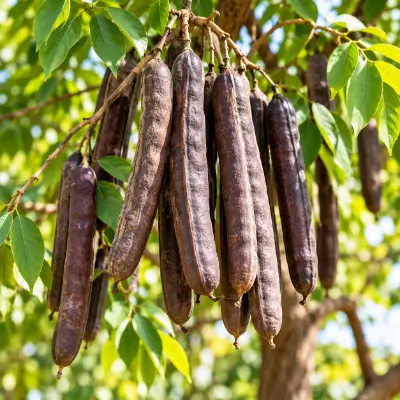
    Botanical Name : Manilkara hexandra (Roxb) Dubard

    Family : Sapotaceae

    Identification No.: SDACH/HG/157

    Introduction :

    This plant mainly using in folk for fever.

    Names in different Indian languages :

    English : Obtuse leaved mimusops

    Hindi : Khirni

    Kannada : Hale hannu

    Malayalam : Palamunpala, palamunnippala

    Sanskrit : Rajadanah

    Tamil : Ulakkaippalai,palai

    Telugu : Patla, pola, kirni

    Synonyms :

    Mimusops hexandra (Roxb)

    Manilkara hexandra (Roxb.)

    Morphology :

    Medium sized evergreen tree, 4-6 m height.

    Leaves – simple, alternate,oblong, glabrous

    Flower – yellowish , solitary

    Fruit – berry

    Distribution & Habitat :

    All over India

    Chemical constituents :

    taraxerol, a triterpene, ketone, alpha-and beta-amyrin, cinnamates, alpha-sipnasterol, beta-sitosterol, beta-D-glucoside, quercitol, quercetin

    Properties :

    RASA-madhura, kashaya

    GUNA-snigdam, guru

    VIRYA-sita

    VIPAKA-madhur

    Karma :

    grahi, balym, vrishyam, rochanam, tarpanam, rakta prasadanam, hridyam,febrifuge, anthelmintic, antileprotic, anticancerous,

    Srotogamitva :

    Dosha : pittahara

    Dhatu :raktha, rasa

    Mala :purisha

    Organ : skin, liver

    Indication :

    Murcha, daham, trishna, krimi

    Ulitis,fever,flatulence,colic,odontopathy,infantile diarrhea,

    Part used :

    Bark, fruits

    Dosage :

    Bark decoction 50-100 ml

    Therapeutic Uses :

    Fruit useful in digestive disorders.

    Yoga / Formulations

    • Rajadana Phala used in nutritional recipes
    • Bark decoction in folk Ayurvedic diabetes management
    • Combined with Triphala or Guduchi in classical preparations (regionally)

    IUCN Status : Least Concern (LC)

    Research Updates

    1. Antidiabetic Potential of Bark Extract
    The study “Antidiabetic Potential of Manilkara hexandra Bark Extract in STZ-Induced Diabetic Rats” explored the efficacy of the bark extract in managing diabetes. Results indicated a significant reduction in blood glucose levels, along with improvements in insulin sensitivity and pancreatic histology, suggesting its potential as a natural antidiabetic agent.

    2. Antioxidant and Wound Healing Properties of Latex
    An in-vitro study titled “In-vitro Antioxidant and Wound Healing Potential of Manilkara hexandra Latex” assessed the free radical scavenging ability and wound healing effects of the latex. The extract exhibited notable antioxidant activity and enhanced fibroblast proliferation, supporting its use in skin repair and tissue regeneration.

    3. Hepatoprotective Activity of Bark Extract
    In the study “Evaluation of Hepatoprotective Activity of Manilkara hexandra Bark Extract in Rats”, the extract was shown to protect liver tissue against chemically-induced damage. Biochemical and histopathological analyses confirmed its role in restoring liver function and reducing oxidative stress, highlighting its value in hepatic care.

    About Rajadana

    Botanical Name

    Manilkara hexandra (Roxb) Dubard

    Family

    Sapotaceae

    Identification No.

    SDACH/HG/157

    Parts Used

    Bark, fruits

    Habitat

    All over India

    IUCN Status

    Least Concern

    Plant Photos
    Ayurvedic Properties

    Rasa

    madhura, kashaya

    Guna

    snigdam, guru

    Virya

    Sita

    Vipãka

    Madhura

    Contact Now

    Have queries? Contact Us.

    Have queries? We’re here to help you every step of the way.

    Contact us to get the right guidance for your academic journey at Shri Dhanwantry Ayurvedic College.

  • Sarala

    Sarala

    Sarala

    Botanical Name : Pinus roxburghii Sarg.

    Family : Pinaceae

    Identification No.: SDACH/HG/156

    Names in different Indian languages :

    English : Chir pine,three leaved pine

    Hindi : cid,sarala

    Kannada : Sarala

    Malayalam : Charalam,Saralam

    Sanskrit : saralah

    Tamil : Caraladevataru

    Telugu : Sarala

    Synonyms :

    रलः पीतवृक्षः स्यात्तथा सुरभिदारुकः । सरलो मधुरस्तिक्तो कटुपाकरसो लघुः ॥२६॥

    P. longifolia Roxb

    Sarala, Pita-vriksha, Surabhidaaruka, Dhuupavriksha,Namasu.

    Oleo-resin—Shriveshtaka,

    Ghandh-Birojaa

    Morphology :

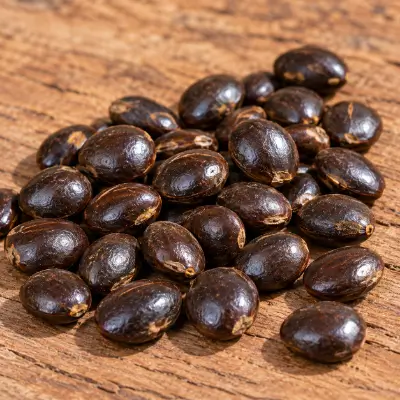
    Pinus roxburghii is a large tree reaching 30–50 m (98–164 ft) with a trunk diameter of up to 2 m (6.6 ft), exceptionally 3 m (10 ft). The bark is red-brown, thick and deeply fissured at the base of the trunk, thinner and flaky in the upper crown. The leaves are needle-like, in fascicles of three, very slender, 20–35 cm (7.9–13.8 in) long, and distinctly yellowish green.

    The cones are ovoid conic, 12–24 cm (4.7–9.4 in) long and 5–8 cm (2.0–3.1 in) broad at the base when closed, green at first, ripening glossy chestnut-brown when 24 months old. They open slowly over the next year or so, or after being heated by a forest fire, to release the seeds, opening to 9–18 cm (3.5–7.1 in) broad. The seeds are 8–9 mm (0.31–0.35 in) long, with a 40 mm (1.6 in) wing, and are wind-dispersed.

    Pinus roxburghii is closely related to Pinus canariensis (Canary Island pine), Pinus brutia (Turkish pine) and Pinus pinaster (maritime pine), which all share many features with it. It is a relatively non-variable species, with constant morphology over the entire range.

    Classical Classification

    Charak: Pureesha virajaneeya gana

    Sushrut: Eladi gana

    Vagbhata:Eladi gana, Rodhradi gana

    Bhavaprakasha:  Sarala – karpuradivarga

    Substitute/Adulterant

    Other pine species like Pinus wallichiana or Pinus longifolia

    Phytochemicals

    • Alpha-pinene
    • Beta-pinene
    • Abietic acid
    • Palustric acid
    • Resin acids
    • Monoterpenes
    • Sesquiterpenes
    • Tannins

    Raspanchaka

    • Rasa: katu, tikta, madhur
    • Guna: Laghu, tikshan, snigdh
    • Virya: Ushna
    • Vipaka: Katu
    • Prabhava: Shothahara
    • Doshashamaka: Kapha-Vatahara

    Karma (Rogaghnata)

    • Shothahara (Anti-inflammatory)
    • Krimighna (Antimicrobial)
    • Jwaraghna (Antipyretic)
    • Vranaropaka (Wound healing)
    • Kaphanashaka (Mucolytic)
    • Kandughna (Anti-pruritic)

    Amayika Prayoga / Therapeutic Uses

    External Use

    • Resin applied in chronic wounds, skin infections, and boils
    • Used as plaster or paste in joint pain and swelling
    • Inhalation of vapors in respiratory congestion

    Internal Use

    • Decoction or resin in respiratory tract infections
    • Used in formulations for chronic bronchitis and asthma
    • Indicated in urinary tract infections and chronic fevers (traditionally)

    Part Used

    Kasth, niryas, oil

    Dose

    Kasthchurna-2-3 gm

    Oil- 1-3 drops

    Yoga / Formulations

    • Sarala Taila (used topically)

    IUCN Status : Least Concern

    Research Updates :

    1. Anti-inflammatory Activity in Osteoarthritis
    A study titled “Evaluation of Anti-inflammatory Activity of Resin from Pinus roxburghii in Osteoarthritic Models” investigated the therapeutic potential of chir pine resin in osteoarthritis. The findings revealed that the resin significantly reduced inflammation and joint degeneration in experimental models, indicating its promise as a natural alternative for managing osteoarthritic symptoms.

    2. Antibacterial and Wound Healing Potential
    In another investigation, researchers assessed the antibacterial and wound healing properties of chir pine resin extract. The study demonstrated that the extract not only inhibited the growth of common pathogenic bacteria but also accelerated wound contraction and tissue regeneration in animal models, supporting its traditional use in skin ailments and injuries.3. Antimicrobial Potential of Essential Oil (GC-MS Study)
    A GC-MS based study titled “Essential Oil of Pinus roxburghii as a Potential Antimicrobial Agent” analyzed the chemical composition of the essential oil and evaluated its antimicrobial activity. The results showed a broad-spectrum inhibitory effect against various bacterial and fungal strains, suggesting that the essential oil could serve as a natural antimicrobial agent in formulations.

    About Sarala

    Botanical Name

    Pinus roxburghii Sarg.

    Family

    Pinaceae

    Identification No.

    SDACH/HG/156

    Parts Used

    Kasth, niryas, oil

    IUCN Status

    Least Concern

    Plant Photos
    Ayurvedic Properties

    Rasa

    katu, tikta, madhur

    Guna

    Laghu, tikshan, snigdh

    Virya

    Ushna

    Vipãka

    Katu

    Prabhava

    Shothahara

    Doshashamaka

    Kapha-Vatahara

    Contact Now

    Have queries? Contact Us.

    Have queries? We’re here to help you every step of the way.

    Contact us to get the right guidance for your academic journey at Shri Dhanwantry Ayurvedic College.

  • Erandakarkati

    Erandakarkati

    Erandakarkati

    Botanical Name : Carica papaya Linn.

    Family : Caricaceae

    Identification No.– SDACH/HG/155

    Introduction :

    Latin name : Carica = eftoneously thought to have come from catica – karikos – a province in Asia minor; papaya popai, The papaw belongs to the family Caricaceae. It is classified as Carica papaya. The tree that is called papaw in the United States belongs to the family Annonaceae and is classified as Asimina triloba.Recently it is using in dengue patients to increase platlet count.It originated from Brazil, it has fewer sanskrit names

    Names in different Indian languages :

    English : Papaya,Papaw.

    Hindi : Papaya

    Kannada : Papaya

    Malayalam : Papaya,karmmus

    Sanskrit : Erand-karkati

    Tamil : Pappaali,Pappayi.

    Telugu : bappayi

    Synonyms :

    Erand-karkati, Papitaa,  trandaicarkati , Talapatri, Chhatrapatra, Saptangulpafra, Ashakhavtksha, Dugdha, Pachani, Mansapachani, brahmairandah

    Morphology :

    A tree 7 to 8 m high. Branches – absent. Stalk- straight and rough.

    Leaves resemble the leaves of castor and have 7 angles. Stalk of leaf is 1 mtr, in length and hollow.

    Flowers – homosexual.

    Fruits – oval, when raw are green and yellow when ripe. Raw fruit oozes latex on cutting.

    Seeds – numerous and blackish grey

    Distribution & Habitat :

    Not basically Indian but mainly from South America and Brazil. The Portuguese brought it to India. Papeeta is its Portuguese name, however now it grows all over India.

    Chemical constituents :

    Papain, chymopapain ,  alkaloids carpaine, pseudocarpaine

    Properties :

    Raw papaya –

    Guna : laghu. ruksha. tikshna:

    Rasa : katu. tikta:

    Vipaka : katu;

    Veerya : ushna;

    Dosha : pittashamak (ripe papaya). vata kaphashamak (raw papaya).

    Karma -Vranahara, Krimighna, jwaraghna, deepana, pachana, keshya,stomachic, digestive, carminative, diuretic, galactagogue,  bleeding piles, haemoptysis, dysentery,  chronic diarrhea, emmengagogue, vermifuge.

    Srotogamitva :

    Dosha : Raw papaya – vata kaphashamak, ripe fruit – pittaghna. Dhatu : Rasa (arnenorrhoea, dysmenorrhoea – latex and seeds are useful).

    Mala : Mutra (dysuria – hot infusion of leaves), purisha (worms . latex is useful).

    Organs : Heart) carpene present in the leaves reduces heart rate), papaya is the best medicine for -after effects of colitis.

    (Special note – If a pregnant woman eats raw papya, then there is possibility of abortion) (1 part of latex digests 250 times meat asily. On scorpion bite latex is applied locally).

    Indication :

    eczema, ringworm, psoriasis, corns, warts, sloughing wounds, carbuncles ,  eschar of  burns, intestinal worms

    Part used :

    Resin, Leaves, fruit, seed,

    Dosage :

    Leaf juice 10-15 ml

    Hot infusion -4 to S gms, latex-6 to 12 ml, digestive principle-1 to 8 gunja (125-625 mgs). powdered seeds 4 to 8 gunja.

    Uses :

    Latex – lekhan. it is used locally in throat disorders.. skin diseases and glandular enlargements. Scorpian bite is treated by local application of latex. In vata disorders. leaves are tied over affected area. Oil derived from seeds is useful in paralysis and facial palsy. In filaria. paste of the leaves is applied. Papaya has good digestive property. One part of latex can easily digest 250 times flesh meat). 3 gunja i e. 375 mgs. of dried latex digests 1/2 lit, milk easily. It is also effective as a deworming agent. Carpene present in the leaves reduces heart rare and relaxation period is increased. Being an expectorant, it is used in cough and asthma. Hot infusion is used in dysuria and fever. Latex and seeds are used in amenorrhoea and dysmenorrhoea. It is believed that Raw papaya causes abortions.To avoid the after effects of colitis, papaya is the best medicine.

    Therapeutic Uses :

    The main component papain solidifies and digests milk. it is mostly found in fruit, but also found in the other parts. Besides, there are many other components in the fruit. Latex from fully grown raw fruit is collected, dried and powdered for medicinal use.

    Yoga / Formulations

    Papaya Leaf Juice (Fresh extract)

    Caripill (Patent formulation from papaya leaf extract)

    Traditional preparations for worm infestations

    IUCN Status : Not Evaluated (NE)

    Research Updates

    • “Efficacy of Carica papaya leaf extract in thrombocytopenia: A systematic review and meta-analysis.” – Evidence-based Complementary and Alternative Medicine.
    • “Anti-inflammatory and wound healing potential of Carica papaya leaf extract in diabetic rats.” – Journal of Ethnopharmacology.
    • “In-vitro anticancer activity of papaya seed extract against breast cancer cell line.” – BMC Complementary Medicine and Therapies.

    About Erandakarkati

    Botanical Name

    Carica papaya Linn.

    Family

    Caricaceae

    Identification No.

    SDACH/HG/155

    Parts Used

    Resin, Leaves, fruit, seed

    Habitat

    India, South America and Brazil

    IUCN Status

    Not Evaluated (NE)

    Plant Photos

    Ayurvedic Properties

    Rasa

    katu. tikta

    Guna

    laghu. ruksha. tikshna

    Virya

    ushna

    Vipãka

    katu

    Contact Now

    Have queries? Contact Us.

    Have queries? We’re here to help you every step of the way.

    Contact us to get the right guidance for your academic journey at Shri Dhanwantry Ayurvedic College.

  • Draksha

    Draksha

    Draksha

    Botanical Name : Vitis vinifera Linn.

    Family : Vitaceae

    Identification No.: SDACH/HG/154

    Introduction :

    Vitaceae (plants of the vine tribe).

    Latin name : Vitis = name of wine; vinifera = which produces wine.

    Scientific classification: Grapes belong to the family Vitaceae. The European grape is classified as Vitis vinifera, the northern fox grape asVitis labrusca, the summer grape as Vitis aestivalis, the riverbank grape as Vitis riparia, and the muscadine grape as Vitis rotundifolia.

    Grape, common name of an edible fruit in the buckthorn family, and of the vines that produce the fruit. The European grape has been used as food since prehistoric times. Grape seeds have been found in remains of lake dwellings of the Bronze Age in Switzerland and Italy and in tombs of ancient Egypt. Botanists believe that the Caspian Sea region was the original home of the European grape. Distribution of seeds by birds, wind, and water carried the plant westward to the Asian shores of the Mediterranean. Grape culture, practiced in Palestine during biblical times, was introduced in the Mediterranean region by seagoing Phoenicians. The ancient Greeks cultivated grapes, and use of the fruit was later adopted by Rome and its tributary territories.

    The European grape is now commercially cultivated in warmer regions all over the world, particularly in western Europe, the Balkans, California, Australia, South Africa, and parts of South America. It was introduced to eastern North America during colonial times, but in those days grape cultivation failed due to the attacks of diseases and pests. Successful grape varieties of the eastern United States, such as Concord and Delaware, are strains developed from hybrids between the European grape and several native species, particularly the northern fox grape, the summer grape, the riverbank grape, and the muscadine grape. Eastern U.S. grapes are characterized by a juicy layer between the skin and pulp of the fruit, which permits easy removal of the skin. Grape varieties, whether European or eastern U.S., are classified according to their ultimate use. Grapes used to make table wine must have relatively high acidity and moderate sugar content; those used for dessert wines and other sweet wines must have high sugar content and moderate acidity. Table grapes must be low in both acidity and sugar content and must conform to definite standards of size, color, and shape. Grapes used to make juices and jellies must have a pronounced flavor combined with high acidity and moderate sugar content. Raisin grapes are preferably seedless, with high sugar content and low acidity. European varieties are considered superior to eastern U.S. varieties for use as table wines, table grapes, dessert wines, and raisins; eastern U.S. grapes are preferred for juices and jellies.

    Grapevines are stems that climb on walls and fences by means of specialized supporting organs, called tendrils. Palmately veined leaves arise alternately along the stem. In most varieties, tendrils arise opposite two of every three successive leaves. Flowers, usually greenish, are borne in clusters and have staminate and pistillate flowers sometimes occurring on separate plants. Fruit is borne on 2-year-old canes, which are removed after harvesting the grapes.

    Grapevines planted in commercial vineyards are usually started in spring from year-old rooted or grafted cuttings. Roots are trimmed to 7.6 to 10 cm (3 to 4 in) for convenience, and vines are planted 2.4 to 3 m (8 to 10 ft) apart. All the shoots except the strongest one on the vine are later pruned; the remaining shoot is cut back to two or three buds. This process is repeated in the spring of the following two years. The resulting plant develops a strong main stem, resembling a small tree trunk, before it is allowed to bear fruit. Such strong stems are able to stand erect without support. During the expansion of the main stem, the vine is loosely tied to an upright support 1.8 m (6 ft) tall or higher. After the fruit-producing stage is reached, the vines are carefully pruned to reduce the number of buds. Shoots that develop from the remaining buds are more prolific and bear grapes of high quality.

    Grapes are attacked by a great number of insect pests and plant diseases, of which the most common are black rot and downy mildew.

    Names in different Indian languages :

    English : Wine Grape,European Grape,grape

    Hindi : Dakh,drakh,Angoor

    Kannada : Draksa

    Malayalam : munthiri

    Sanskrit : Draakshaa,mridvika,draksha

    Tamil : Kotumuntiri,tiratcai

    Telugu : Draksa

    Unani : Angoor

    Synonyms :

    ग्राक्षा स्वादुफला प्रोक्ता तथा मधुरसाऽपि च । मृद्वीका हारहूरा च गोस्तनी चापि कीर्त्तिता ॥१०९॥

    Draakshaa, Go-stani,Mrdvikaa, Charuphala Krishna, Tapaspriya, Rasala,

    Amrutphala, Phalottarna, Madhurasa. 

    Dried  fruit—Daakh, Munnakaa, Kishmish

    Black grape: Mrudvika, Gostani. Haimavati, Mrudvi, Kashmiri,

    Shalavcerya, Madhuli, Amrutrasa.

    Morphology :

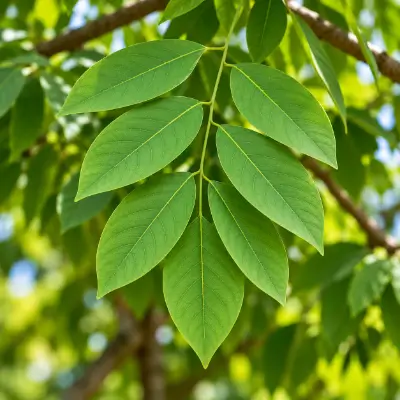
    It is an ascending creeper.

    Leaves – resemble bitter gourd but have fine hair on them. At the centre of the leaf, there are 4 to 5 veins in pairs, flowers – greenish, fragrant and in clusters.

    Fruits are oblong, having 4 -S seeds.

    Flowering occurs in spring followed by fruiting in summer. Now-a-days many varieties are available which have been extensively studied

    Chemical constituents :

    tannins, tartrates, inositol, carotenes, choline,  sugars, minerals

    Properties :

    Grape is described as the best fruit because of its extremely beneficial properties

    Guna: snigdha, guru, mridu;

    Rasa: madhur;

    Vipaka: madhur;

    Virya: sheeta.

    Karma :

    Sukha virechana, hridya, vrishya, balya, vranaropana,  caksusya, varnya

    Liver tonic, carminative, digestive,astingent,bitter, aphrodisiac, decreses lipid cholestrol level, blood purifier

    Srotogamitva :

    Dosha: Vataghna, pittaghna, vatapittashamak

    Dhatu: Mansa, shukra, rakta, saptadhatu, rasa.

    Mala: Purisha (laxative), blood purifier

    Organ: Heart, uterus

    Indication :

    Raktapitha, swasa, kasa, kusta, vrana, trishna,

    Anemia, jaundice, dyspepsia, constipation, haemorrhagic diseases, gout, cough, dyspnoea,

    Part used :

    Whole plant, mainly dried fruit

    Dosage :

    Leaf juice 10-15 ml

    Powder 2-4 g

    Decoction 50-100 ml

    Uses :

    Useful in thirst, bleeding disorders, burning, gout, pthisis, pleurisy, tuberculosis, cough, asthma, dysuria, burning micturition, wasting etc.

    Yoga / Formulations:

    • Drakshasava
    • Drakshadi Kwatha
    • Drakshadi Churna
    • Manjisthadi Kwatha

    IUCN Status : Least concern

    Research Updates:

    1.  “Neuroprotective effects of Vitis vinifera in Alzheimer’s models: A systematic review.”
    2.  “Antioxidant and anti-inflammatory effects of grape seed extract in metabolic syndrome: A clinical trial.”
    3. “Role of resveratrol from Vitis vinifera in cardiovascular health:

    About Draksha

    Botanical Name

    Vitis vinifera Linn.

    Family

    Vitaceae

    Identification No.

    SDACH/HG/154

    Parts Used

    Whole plant, mainly dried fruit

    IUCN Status

    Least Concern

    Plant Photos
    Ayurvedic Properties

    Rasa

    madhur

    Guna

    snigdha, guru, mridu

    Virya

    sheeta

    Vipãka

    madhur

    Contact Now

    Have queries? Contact Us.

    Have queries? We’re here to help you every step of the way.

    Contact us to get the right guidance for your academic journey at Shri Dhanwantry Ayurvedic College.

  • Dugdhika

    Dugdhika

    Dugdhika

    Botanical Name : Euphorbia hirta L.

    Family : Euphorbiaceae

    Identification No.: SDACH/HG/153

    Introduction :

    Euphorbia hirta (sometimes called asthma-plant )is a pantropical weed, originating from the tropical regions of the Americas.

    Names in different Indian languages :

    Hindi : Dudhi

    Malayalam : Nelapalai

    Sanskrit : Dugdhika

    Tamil : Amumpatchaiyarissi

    Telugu : Bidarie

    Synonyms :

    दुग्धिका स्वादुपर्णी स्यात्क्षीरा विक्षीरिणी तथा । दुग्धिकोष्णा गुरू रूक्षा वातला गर्भकारिणी ॥

    hirta Linn. Syn; E. pilulifera Linn. Chamaesyce pilulifera Linn.

    Morphology :

    This erect or prostrate annual herb can grow up to 60 cm (24 in) long with a solid, hairy stem that produces an abundant white latex.There are stipules present. The leaves are simple, elliptical, hairy (on both upper and lower surfaces but particularly on the veins on the lower leaf surface), with a finely dentate margin. Leaves occur in opposite pairs on the stem. The flowers are unisexual and found in axillary cymes at each leaf node. They lack petals and are generally on a stalk. The fruit is a capsules with three valves and produces tiny, oblong, four-sided red seeds. 

    Distribution & Habitat :

    grows in open grasslands, roadsides and pathways in the warmer regions of India and Australia as an introduced species.

    Chemical constituents :

    Afzelin (I), quercitrin (II), and myricitrin (III), rutin (IV), quercitin (V), euphorbin-A (VI), euphorbin-B (VII), euphorbin-C (VIII), euphorbin-D (IX), 2,4,6-tri-O-galloyl-β-d-glucose, 1,3,4,6-tetra-O-galloyl-β-d-glucose, kaempferol, gallic acid, and protocatechuic acid

    Properties :

    Guns:guru, ruksa

    Rasa: tikta, katu;

    Veerya: ushna;

    Vipaka: katu

    Karma :

    Vatala ,Srsta mutra, srsta vit, garbhahari, vrsya, sukrala, hridya

    Indication :

    Kusta, krimi, kaphaja rog

    Diarrhoea, vomiting, asthma, hay fever, boils, wound

    Part used :

    Whole plant

    Dosage :

    Leaf juice 10-20 drops

    Powder 200-6oomg

    Internal uses :

    E. hirta is used in the treatment of gastrointestinal disorders (diarrhea, dysentery, intestinal parasitosis, etc.), bronchial and respiratory diseases (asthma, bronchitis, hay fever, etc.), and in conjunctivitis. Decoction of dry herbs is used for skin diseases. Decoction of fresh herbs is used as gargle for the treatment of thrush. Root decoction is also beneficial for nursing mothers deficient in milk. Roots are also used for snake bites

    Yoga / Formulations :

    Dugdhika Swarasa

    Dugdhika Churna

    Used in combination with herbs like Vasa and Kantakari for Shwasa

    IUCN Status : Not Evaluated (NE)

    Research Updates :

    1. Bronchodilator and anti-asthmatic effects of Euphorbia hirta extract in experimental models.
    2. Antibacterial and wound healing potential of Euphorbia hirta extract: A comparative in-vivo study.
    3. Evaluation of antidiarrheal activity of Euphorbia hirta in clinical setting.

    About Dugdhika

    Botanical Name

    Euphorbia hirta L.

    Family

    Euphorbiaceae

    Identification No.

    SDACH/HG/153

    Parts Used

    Whole plant

    Habitat

    India and Australia

    IUCN Status

    Not Evaluated (NE)

    Plant Photos

    Ayurvedic Properties

    Rasa

    tikta, katu

    Guna

    guru, ruksa

    Virya

    ushna

    Vipãka

    katu

    Contact Now

    Have queries? Contact Us.

    Have queries? We’re here to help you every step of the way.

    Contact us to get the right guidance for your academic journey at Shri Dhanwantry Ayurvedic College.

  • Laghu Dugdhika

    Laghu Dugdhika

    Laghu Dugdhika

    Sanskrit Name

    लघुदुग्धिका (Laghudugdhikaa)

    Botanical Name

    Euphorbia thymifolia L.

    Family Name

    Euphorbiaceae

    Identification No.: SDACH/HG/152

    Vernacular Names

    • Hindi: छोटी दूधली
    • English: Dwarf Asthma Plant, Thyme-leaved Euphorbia
    • Marathi: लघुदूधणि
    • Telugu: चिन्ना दूधिका
    • Tamil:  (Chitra Ammanakku)

    Classical Classification

    • Bhavaprakasha: guduchyadi varga

    Habitat & Distribution

    Widely distributed as a weed throughout India in dry lands, road margins, and open fields; especially common in tropical and subtropical regions.

    Morphology

    Plant: Small, prostrate, spreading herb

    • Leaves: Small, opposite, elliptic to oblong, purplish tinge
    • Stem: Reddish, hairy
    • Flowers: Minute, in axillary cymes
    • Latex: White, milky, acrid

    Varieties

    No classified Ayurvedic varieties, but sometimes confused with Euphorbia hirta

    Substitute/Adulterant

    Often interchanged with Euphorbia hirta due to similar uses; used as a substitute in traditional practices

    Phytochemicals

    • Flavonoids (Quercetin, Luteolin)
    • Tannins
    • Saponins
    • Alkaloids
    • Gallic acid
    • β-Sitosterol
    • Terpenoids

    Raspanchaka

    • Rasa: Katu, Tikta, Madhur
    • Guna: Laghu, Ruksha, Tikshan
    • Virya: Ushna
    • Vipaka: Katu
    • Prabhava: Krimighna
    • Doshashamaka: Kapha-Vatahara

    Karma (Rogaghnata)

    Jantughan

    Vishaghan

    Kushtghan

    mutral

    Amayika Prayoga / Therapeutic Uses

    External Use

    • Latex for warts and corns
    • Paste in skin conditions and itching

    Internal Use

    • Juice in worm infestations and dysentery
    • Powder in diarrhea, piles, and respiratory issues
    • Decoction for bleeding disorders

    Part Used

    Whole plant, Latex

    Dose

    Kalka: 10-20 gm

    Yoga / Formulations

    • Dugdhika Churna
    • Used in traditional formulations for Atisara (diarrhea) and Arsha (piles)

    IUCN Status : Not Evaluated

    Research Updates

    1. Anti- anaphylactic and antiasthmatic activity of Euphorbia thymifolia l. On experimental animals
    2. Antihyperglycemic and antinociceptive activities of methanolic extract of Euphorbia thymifolia
    3. Analgesic, anti-inflammatory and anti-arthritic activity of Euphorbia thymifolia Linn phytosterol fraction

    About Laghu Dugdhika

    Botanical Name

    Euphorbia thymifolia L.

    Family

    Euphorbiaceae

    Identification No.

    SDACH/HG/152

    Parts Used

    Whole plant, Latex

    Habitat

    throughout India

    IUCN Status

    Not Evaluated

    Plant Photos

    Ayurvedic Properties

    Rasa

    Katu, Tikta, Madhur

    Guna

    Laghu, Ruksha, Tikshan

    Virya

    Ushna

    Vipãka

    Katu

    Prabhava

    Krimighna

    Doshashamaka

    Kapha-Vatahara

    Contact Now

    Have queries? Contact Us.

    Have queries? We’re here to help you every step of the way.

    Contact us to get the right guidance for your academic journey at Shri Dhanwantry Ayurvedic College.

  • Bhumyamalaki

    Bhumyamalaki

    Bhumyamalaki

    Botanical Name : Phyllanthus niruri 

    Family : Phyllanthaceae

    Identification No.: SDACH/HG/151

    Introduction :

    Bhumi amlaki, commonly called as “gale of the wind” is a medicine of choice in various diseases not only in the practice of Ayurveda but also broadly used in other systems of medicines like Unani, Siddha, and Homeopathy. This herb merely not treats diseases but also restores the functions of the organs thus, revives life. But the potential and the main action of this herb is defined on the Liver by our ancient Scholars of Ayurveda.

    Names in different Indian languages :

    English : Stone breaker

    Hindi : Bhui aumvala

    Kannada : Nela Nelli

    Malayalam : Keezhar Nelli

    Sanskrit : Bhumyamalaki

    Tamil : Keelanelli or Keezha nelli

    Telugu : Nela Usiri

    Synonyms :

    भूम्यामलकिका प्रोक्ता शिवा तामलकीति च । बहुपत्रा बहुपत्रा बहुफला बहुवीर्याऽजटाऽपि च ॥२७७॥Bhavaprakasha Nighantu, Guduchyadi Varga

    Tamalaki, jata, vira, uccata

    Classification according to Charaka, Susrutha & Vagbhata :

    Charaka    : Svãsahara, kasahara

    Morphology :

    It grows 50–70 cm (20–28 in) tall and bears ascending herbaceous branches. The bark is smooth and light green. It bears numerous pale green flowers which are often flushed with red. The fruits are tiny, smooth capsules containing seeds.

    Distribution & Habitat :

    Widely distributed in tropical and subtropical regions of India. Found growing in moist, shady places, especially during the monsoon. Also found in Sri Lanka, China, and other parts of Southeast Asia.

    Varieties:
    Phyllanthus amarus
    Phyllanthus fraternus
    Phyllanthus urinaria (may differ in region-specific classifications)

    Chemical constituents :

    Lignans, flavonoids, triterpenes, sterols, alkaloids, and essential oils are found in this plant

    Properties :

    RASA- Madhura, tikta, kashaya

    GUNA- Laghu, Ruksa

    VIRYA- sita

    VIPAKA- madhura

    Karma : pitta kapha hara  

    Mutrala, rucya

    Indication :

    Amlapitta , kasa, rajayaksma, kusta, pandu,prameha, trsna,raktapitta,kamala

    Analgesic, antibacterial, antihepatotoxic, anti-inflammatory, antilithic, antimalarial,  antimutagenic, antinociceptive, antispasmodic, antiviral, aperitif, carminative, choleretic, deobstruent, digestive, diuretic, febrifuge, hepatotonic, hepatoprotective, hypoglycemic, hypotensive, laxative, stomachic, tonic,  vermifuge.

    Part used :

    Whole plant (Panchanga)

    Dosage :

    Swarasa (Juice): 10–20 ml
    Churna (Powder): 3–6 g
    Kwatha (Decoction): 30–50 ml

    External uses :

    A poultice of the leaves, combined with salt, is used to treat scabby affection, used without salt it is applied on bruises and wounds

    Internal uses :

    The root is diuretic and It is used to remove bladder stones, and is a remedy for jaundice 

     An infusion of the tender fresh roots is valuable in the treatment of chronic dysentery

    An infusion of the leaves is used as a treatment for dysentery

    The herb is stomachic and useful in the treatment of sores and chronic dysentery

    An infusion of the root and leaves is a good tonic and diuretic when taken cold in repeated doses

    The milky juice is a good application to treat offensive sores

    Yoga / Formulations:
    Bhumyamalaki Churna
    Phyllanthus Niruri Capsule
    Yakritplihari Loha
    Liv 52 (Classical/Proprietary)
    Bhunimbadi Kadha

    IUCN Status:
    Least Concern (LC)

    Research Updates:

    1. Phyllanthus niruri in Non-alcoholic Fatty Liver Disease – Journal of Ethnopharmacology
      Demonstrated hepatoprotective and antioxidant effects in NAFLD models.
    2. Antiviral Activity Against Hepatitis B Virus – Frontiers in Pharmacology
      Significant suppression of HBV replication by lignans isolated from P. niruri.

    About Bhumyamalaki

    Botanical Name

    Phyllanthus niruri

    Family

    Phyllanthaceae

    Identification No.

    SDACH/HG/151

    Parts Used

    Whole plant (Panchanga)

    Habitat

    India, Sri Lanka, China

    IUCN Status

    Least Concern (LC)

    Plant Photos

    Ayurvedic Properties

    Rasa

    Madhura, tikta, kashaya

    Guna

    Laghu, Ruksa

    Virya

    Sita

    Vipãka

    Madhura

    Contact Now

    Have queries? Contact Us.

    Have queries? We’re here to help you every step of the way.

    Contact us to get the right guidance for your academic journey at Shri Dhanwantry Ayurvedic College.

  • Aakhukarni

    Aakhukarni

    Aakhukarni

    Botanical Name : Evolvulus nummularius (L.) L.

    Family : Convolvulaceae

    Identification No.- SDACH/HG/150

    Names in different Indian languages :

    English : Round leaf Bindweed

    Malayalam : vishnukranta

    Sanskrit : Vishnukranti

    Synonyms :

    “विष्णुक्रान्ता शंखपुष्पी मंगल्या क्षीरपुष्पिका | 

    मेध्या स्मृतिप्रदा हृद्या सरा तिक्ता हिमा लघुः ॥”

    Akhukarni, mushakarni

    Morphology :

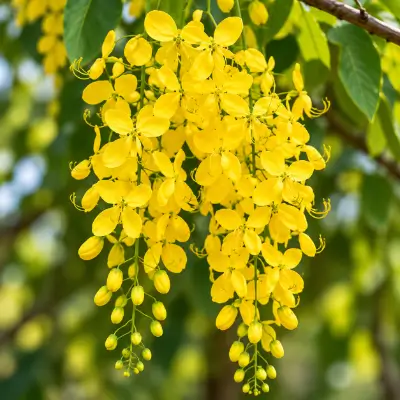
    Perennial herb. Stems prostrate, pubescent, rooting at nodes. Leaves orbicular to orbicular-obovate, 5-20 mm long and broad, apex obtuse or retuse, base truncate to subcordate, glabrous or sparsely pubescent beneath; petiole 1-8 mm long, pubescent, canaliculate above. Flowers solitary or rarely paired, axillary; peduncles up to 5 mm long, recurving. Sepals ovate to elliptic-ovate, 2.5-3.0 x 1.5 mm, subacute to acute, pubescent or glabrescent with ciliate margins. Corolla white, subrotate, 4.5 mm long, 6 mm wide, deeply lobed; lobes obovate, 1.5-2.5 mm long, 1.0-1.5 mm broad. Capsule globose, 3-4 mm in diameter, 1-locular, bivalved, (2-)4-seeded. Seeds subglo-bose, 1.5-2.0 mm long, brown to black, shiny. 

    Distribution & Habitat :

    This species is indigenous to tropical America as well as tropical Africa and Madagascar and is introduced in India. It reaches its southernmost point of distribution in the most tropical part of the FSA area, namely northern KwaZulu-Natal. It seems to occur mostly in short grassland on sandy soils. Also found in dry forest and dense thicket or even on waste ground. 

    Chemical constituents :

    β sitosterol, d mannitol, oleanolic acid, stigmasterol, ursolic acid

    Varieties  

    1. Based on species: 

    • Evolvulus alsinoides (Blue-flowered) 
    • Canscora decussata (Pink-flowered) 

    2. Regional variants: 

    • Northern (larger leaves) vs Southern India types

    Substitute/Adulterant 

    Substitutes:

    • Convolvulus pluricaulis (Common Shankhapushpi) 
    • Clitoria ternatea (Aparajita) for blue flowers 

    Adulterants:

    • Other Evolvulus species (E. nummularius) 
    • Dried Centaurea cyanus (Cornflower) petals

    Rasapanchaka

    Rasa:

    • Tikta (Bitter), Kashaya (Astringent) 
    • E. alsinoides has Madhura (Sweet) undertone 

    Guna: 

    • Laghu (Light), Snigdha (Unctuous) 
    • Virya:
    • Shita (Cooling) 
    • Vipaka:
    • Madhura (Sweet) 
    • Prabhava:
    • Medhya (Brain tonic) 

    Dosha Shamakta:

    • Balances Pitta-Kapha 
    • May aggravate Vata in excess 

    Karma (Rogaghnata)

    1. Medhya Rasayana: Enhances cognition and memory 

    2. Manasadoshahara:Mental disorder management 

    3. Vrishya: Aphrodisiac properties 

    4. Shothahara: Anti-inflammatory 

    5. Jvaraghna: Antipyretic 

    Amayika Prayoga (Therapeutic Uses) 

    External Uses:

    • Paste: Leaf paste with honey for skin lesions 
    • Oil: Medicated oil for hair growth (E. alsinoides) 

    internal Uses:

    • Juice:5-10 ml fresh plant juice for epilepsy 
    • Powder: 1-3g with milk for memory enhancement 
    • Decoction: 50-100 ml for urinary disorders (C. decussata) 

    Part Used

    • Whole plant(both species) 

    Dose 

    • Powder: 1-3 g (therapeutic), 500 mg (prophylactic) 
    • Juice: 5-10 ml 
    • Ghrita: 5-10 g 

    Yoga/Formulations 

    1. Shankhapushpi Syrup(Memory tonic) 

    2. Smritisagar Rasa(Cognitive disorders) 

    3. Vishnukrantadi Kashayam (Neurological conditions) 

    4. Brahmi Ghrita (Contains E. alsinoides) 

    IUCN

    E. alsinoides: Least Concern (LC)

    C. decussata: Not Evaluated (NE)

    Research Updates (Past 5 Years)  

    1. Neurogenesis (2023): E. alsinoides extract stimulated hippocampal neurogenesis (J Ethnopharmacol, 2023) 

    2. Anti-Alzheimer’s (2022): Showed acetylcholinesterase inhibition (Phytomedicine, 2022) 

    3. Hepatoprotective (2021): C. decussata protected against CCl4-induced damage (J Ayurveda Integr Med, 2021)

    About Aakhukarni

    Botanical Name

    Evolvulus nummularius (L.) L.

    Family

    Convolvulaceae

    Identification No.

    SDACH/HG/150

    Parts Used

    Whole plant(both species)

    Habitat

    America, Africa and Madagascar

    IUCN Status

    Least Concern

    Plant Photos
    Ayurvedic Properties

    Rasa

    Tikta (Bitter), Kashaya (Astringent)

    Guna

    Laghu (Light), Snigdha (Unctuous)

    Virya

    Shita (Cooling)

    Vipãka

    Madhura (Sweet)

    Prabhava

    Medhya (Brain tonic)

    Contact Now

    Have queries? Contact Us.

    Have queries? We’re here to help you every step of the way.

    Contact us to get the right guidance for your academic journey at Shri Dhanwantry Ayurvedic College.