Shri Dhanwantry Ayurvedic College

Author: admin

  • Kampillaka

    Kampillaka

    Kampillaka

    Botanical Name : Mallotus philippensis Muell.-Arg.

    Family : Euphorbiaceae

    Identification No.- SDACH/HG/179

    Introduction :

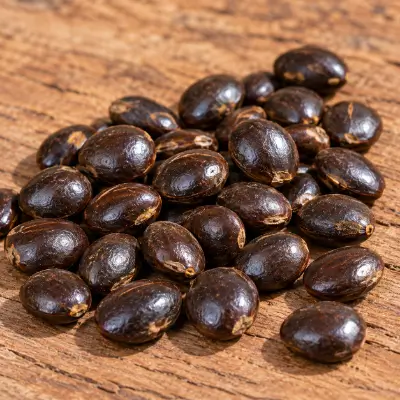
    Latin name: Mallotus like the shape of Melon; philippinensis in island Phillipines (Rottlera tinctoria- to dye silk).On the ripe fruit there is red powder which falls oft when fruits are rubbed. It is called as kapila. Seeds ‘circular  and smooth. flowering occurs in autumn and (nuts in spring (Observation Pure kapita powder doesn’t get dissolved in water. It floats on the upper surface of water. It is inflammable like alcohol. It dissolves in ether and alkaloids. When kapila powder is smeared on paper with a wet finger, it turns  the paper yellow. It is soft to touch, light and odourless. It is adulterated by brick powder.

    Synonyms :

    “काम्पिल्लः कर्कशश्चन्द्रो रक्ताङ्गो रोचनोऽपि च |”

    Kampillaka, Kampilla, Karkash, Raktaanga, Rechan, Chandra.

    Varieties & adulterants – (CV – controversy, AD – adulterants) :

    Latex of  Euphorbia tirucalli Linn. -CV

    Tabernaemontana heyneana Wall -CV

    Morphology :

    Evergreen tree 8 to 10 mtrs. high.

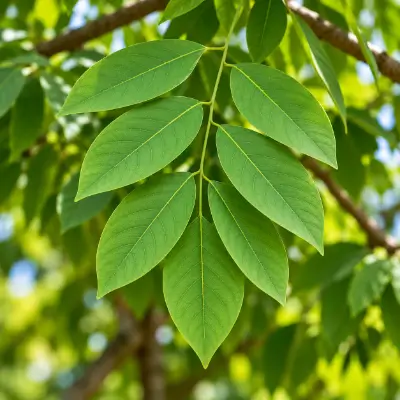
    Leaves- simple, alternate, ovate-lanceolate, base of the leaf stalk. Ventrally it has 3 red veins

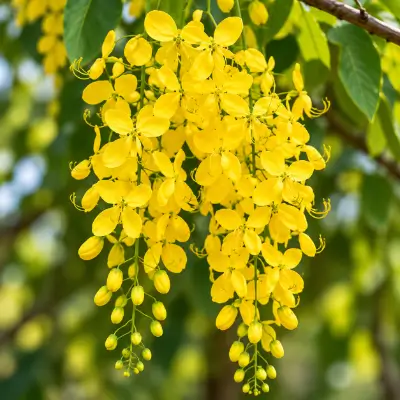
    Flower- spike, dioecious , yellowish

    Fruit – globose, small, having 3 compartments and appear in bunches.

    Distribution & Habitat :

    All over India

    Chemical constituents :

    rottlerin, isorottlerin, iso-allorottlerin , methylene-bis-methylphloroacetophenone

    Properties :

    RASA-katu

    GUNA-laghu, ruksha, tikshna

    VIRYA-ushna

    VIPAKA-katu

    Karma –vrishyam,  ranchaka,  gulmahara, grahi, deepana

    purgative, anthelmintic, styptic, digestive, depurative , hypoglycaemic,

    spasmolytic, antibacterial

    Srotogamitva:

    Dosha : kaphavatashamak and pittavardhak. ( some other says it is Vatala)

    Dhatu :raktha, shukra

    Mala :purisha

    Organ : live

    Indication : Krimi, vrana, anaham, gulma

    Tapeworm infestation; in scabies, ringworm, herpes.

    Part used : Glandular hair of fruits, bark

    Dosage : 0.5 – 1 g – hair

    Amayika Prayoga / Therapeutic Uses

    External uses :

    Useful in dermatoses. cleans and heals the wound. It should be mixed with oil and honey and then applied to ulcerated and pyrogenic wounds.

    Internal uses :

    It is used in flatulence. ascites, constipation, worms. It kills and expels the worms. There is tradition of using mild laxative along with it. It is very strong For the persons with mrudu koshtha. Kapila swadishta virechan choorna is a good remedy for worms. It is useful in blood diseases, calculi, impotency and dermatoses.

    Therapeutic Uses :

    Powder in milk increase sperm mobility

    IUCN

    Least Concern

    Research updates

    1. 2020 – Journal of Parasitic Diseases: Kampillaka extract shown effective against intestinal helminths.
    2. 2021 – Phytomedicine Journal: Documented antioxidant and anti-inflammatory activity of rottlerin.
    3. 2022 – Indian Journal of Traditional Knowledge: Reported wound-healing and antimicrobial properties.
    4. 2023 – Journal of Ayurveda and Integrative Medicine: Evaluated Kampillaka in dermatological conditions with positive results.
    5. 2024 – Pharmacognosy Reviews: Highlighted Kampillaka’s hepatoprotective and detoxifying actions.

    About Kampillaka

    Botanical Name

    Mallotus philippensis Muell.-Arg.

    Family

    Euphorbiaceae

    Identification No.

    SDACH/HG/179

    Parts Used

    Glandular hair of fruits, bark

    Habitat

    All over India

    IUCN Status

    Least Concern

    Plant Photos

    Ayurvedic Properties

    Rasa

    katu

    Guna

    laghu, ruksha, tikshna

    Virya

    ushna

    Vipãka

    katu

    Contact Now

    Have queries? Contact Us.

    Have queries? We’re here to help you every step of the way.

    Contact us to get the right guidance for your academic journey at Shri Dhanwantry Ayurvedic College.

  • Ushira

    Ushira

    Ushira

    Botanical Name : Andropogon muricatus Retz.

    Family : Poaceae

    Identification No.: SDACH/HG/178

    Introduction :

    This drug is sita Virya, it can cool our body

    Scientific classification: Cereals belong to the family Poaceae (formerly Gramineae). Wheat is classified in the genus Triticum, barley in the genus Hordeum, rye in the genus Secale, oats in the genus Avena, rice in the genus Oryza, and corn in the genus Zea. Millet is classified in the genera Setatia, Eleusine, Panicum, and Pennisetum. Durra or Guinea corn is classified in the genera Sorghum or Andropogon.

    Synonyms :

    वीरणस्य तु मूलं स्यादुशीरं नलदञ्च तत् । अमृणालञ्च सेव्यञ्च समगन्धिकमित्यपि ॥८६॥ उशीरं पाचनं शीतं स्तम्भनं लघु तिक्तकम् ॥८७॥

    Nalada, Amrnãla, Jalavãsa, Samagandhaka, Sevya, Virana, Abhaya, Ranapriya, Virataru, Haripriya, Sugandhamüla,Vetiveria zizanioides (Linn.) Nash.

    Classification according to Charaka, Susrutha & Vagbhata :

    Charaka : Varnya, Stanyajanana, Chardinigrahana, Dãhaprasamana Angamardaprasamana, sukraodhana, Tiktaskañdha

    Susrutha : Sãrivâdi, Pittasamamana, Eladigana

    Vagbhata : Sãrivâdi

    Varieties & adulterants – (CV – controversy, AD – adulterants) :

    1. Kaiyadeva

    2. Squarrosus

    Morphology :

    A herb with rhizomatous roots, aromatic.

    Leaf-blades acute at apex, margin scabrid.

    Flowers— in grew green or purplish spikelets, panicled. Rachis stout, smooth. Glumes acute. Lemma of lower floret as long as the glumes, acute.

    Flowering and fruiting occurs throughout the year.

    Distribution & Habitat :

    Found along the margins of ponds, ditches, lakes and rivers of tropical India.

    Chemical constituents :

    vetiselinenol , khusimol, Allokhusiol, benzoic acid, cyclocapacamphene, epikhusinol, epizizanal, 2-epizizanone, beta- eudesmol, eugenol, isokhusimol,  isokhusinoloxide, isovalencenol, isovalencic acid, isovalesenol,  khusimene, khusimone, khusimyl acetate, khusinodiol, khusinol, khusitoneol, laevojujenol, levojunenol, vanillin, vertiselinenol, beta-& j-vetivene, vetivenic acid, vetiverol, zizaene, zizanol etc.

    Properties :

    Rasa Tikta, Madhura

    Guna Ruksa, Laghu

    Virya sita

    Vipãka Katu

    Karma – Kapha-pittahara, Pãcana, Stambhana

    refrigerant,blood purifier, febrifuge, diaphoretic, stimulant, stomachic and emmenagogue

    Indications— jwavara, Dãha, Trsnä, Raktapitta, Chardi, Mutrakrcchra, Visarpa, Kustha.colic, fever, flatulence, vomiting

    Part Used : Root

    Dosage : Powder 3-6 g; decoction 50-100 ml; infusion 25-50 ml

    Internal use :

    Nervous system : It gives strength to the brain and nerves. It is useful in unconsciousness vertigo and brain disorders.

    Digestive system : It gives strength to the stomach. It reduces gastric secretion and hence is useful in acid peptic disease. It is a carminative. appetizer, antidipsetic. antiemetic and astringent It is useful in loss of appetite, indigestion, anorexia, diarrhoea and fever. Fruit of bilva and usheer are given in amoebic dysentery.

    Circulatory system: It is a blood purifier  because of tikta dosha. It reduces extra water from blood. it is haemostatic and cardio protective. It is useful in epistaxis. It is used internally as well as externally in diaphoresis.

    Respiratory system : It is used in cough. hiccups and bronchial asthma.

    Urinary system : It is diuretic due to sheeta property. It is useful in dysuria. Sherhat of thus is given in summer to avoid burning micturation and dysuria.

    Skin It is a deodorant, hence useful in skin disorders.

    Temperature : It is antipyretic, tikta rasa is always to be best antipyretic. It also controls diaphoresis, It is useful in burning, thirst and temperature associated with fever.

    Srotogamitva :

    Dosha : Reduces kapha and pitta.

    Dhatu: Rasa (antipyretic), rakta (in epistaxis), meda (deodorant).

    Mala : Sweda (reduces perspiration), purisha (astringent).

    Therapeutic Uses—

    (1) sveta Masurikã— The paste of Usira is applied topically in case   of prickly heat (V. D.)

    (2) Raktapitta— Usira, Kokilãksa, Lodhra etc., are given in the              form of decoction (C.S.Ci. 4).

    (3) Chardi— Usira and Dhanyaka Kalka is given with Canaka water (C.S.Ci. 23).

    Important Yogas or Formations :

    Usheeradi kwath, Usheeradi churna, Shadangodak. Usirãsava, Usiradicürnam, Usiradi Kvatha, Sadangapãniyam

    Important research work  going on :

    (1) insect repellant activity

    (2) Anti bacterial activity

    IUCN Status: Not mentioned

    Research updates

    1. Anti tuberculosis activity – Vetiveria zizanioides L. Nash (Family: Poaceae) root (intact and spent) extracts and fractions were evaluated for antimycobacterial activity against Mycobacterium tuberculosis H (37) Rv and H (37) Ra strains using radiometric BACTEC 460 TB system.
    2. Insect repellant activity

    About Ushira

    Botanical Name

    Andropogon muricatus Retz.

    Family

    Poaceae

    Identification No.

    SDACH/HG/178

    Parts Used

    Root

    Habitat

    India

    IUCN Status

    Not mentioned

    Plant Photos

    Ayurvedic Properties

    Rasa

    Tikta, Madhura

    Guna

    Ruksa, Laghu

    Virya

    Sita

    Vipãka

    Katu

    Contact Now

    Have queries? Contact Us.

    Have queries? We’re here to help you every step of the way.

    Contact us to get the right guidance for your academic journey at Shri Dhanwantry Ayurvedic College.

  • Lakucha

    Lakucha

    Lakucha

    Botanical Name : Artocarpus hirsutus Lam.

    Family : Moraceae

    Identification No.- SDACH/HG/177

    Vernacular names :

    Hindi name– Badhal, Barhar, Lakuch, Lakoochi, Lakoocha, Badahara, Barhal, Dahu, Dahua

    English name- Monkey jack

    Bengali name– Dephal, Dahu

    Oriya Name – Lakoocha

    Marathi name- Badhar, Kshudraphanas, Phala

    Tamil name– Ilagusam, Irappala, Solaippakku, Tinippalavu

    Urdu Name – Theitat

    Malyalam name – Chimpa, Lakucham, Pulinjakka

    Kannada name – Esuluhuli, Lakucha, Otehuli, Vatehuli

    Synonyms-

    लकुचः छुद्रपनसो लिकुचो डहुरित्यपि । आमं लकुचमुष्णञ्च गुरु विष्टम्भकृत्तथा ॥३०॥ मधुरञ्च तथाऽम्लञ्च दोषत्रितयरक्तकृत् । शुक्राग्निनाशनं वाऽपि नेत्रयोरहितं स्मृतम् ॥३१॥ सुपक्वं तत्तू मधुरमम्लं चानिलपित्तहृत् । कफवह्निकरं रुच्यं वृष्यं विष्टम्भकञ्च तत् ॥३२॥Bhav Prakash

    Classification

    Sushruta samhita – Phalavarga

    Bhavaprakasha- Amraadiphala Varga

    Kaiyadeva Nighantu – Aushadi Varga

    Raja Nighantu – Prabhadradi Varga

    Shodala Nighantu – Amradi Varga

    Habitat & Distribution: Artocarpus lakoocha is found in India, Sri Lanka, Bangladesh, Thailand, Cambodia, Malaysia, Indonesia, Singapore.

    Morphology- Artocarpus lacucha is a deciduous tree growing up to 10-15 meters in height. Leaves are 12 – 30 cm long, alternate, lanceolate. Branches are covered with stiff yellowish velvety hairs. Fruits are subglobose, 6-12 cm long, 5-10 cm wide, velvety. Fruits are green when unripe. Ripe fruits are yellowish tinged with pink. Fresh fruit pulp is sweet and sour in taste.

    Varieties: Artocarpus acuminatissimus Merr., Artocarpus fretessii Teysm. & Binn. ex Hassk. Artocarpus inconstantissimus (Miq.) Miq., Artocarpus lakoocha var. malayana King

    Substitute/ Adulterant: Bark of similar looking plants.

    Phytochemicals: The fruit extract of Artocarpus lakoocha contains flavonoids, tannins, terpenoids, saponins, glycosides, alkaloids and steroids.

    Raspanchaka– Rasa– Madhura, Amla, Kashya; Guna- Guru, Ruksha; Virya– Ushna; Vipaka– Amla, Prabhava- Vishtabambi, dosha shamakta– Tridosha kopaka

    Karma– Vishtabambi, Rogaghnata– Agninashaka, raktpittakaraka, avriyshya, virechaka (purgative)

    Amayika Prayoga/Therapeutic Uses

    External:

    1) Bark powder is used to heal wounds.

    2) Heartwood extract powder is used as an effective skin whitening agent.

    Internal:  

    Seeds and milky latex used as purgative.

    Part used: Fruit, seeds, bark

    Dose: Bark/seed powder – 1-3 gm, juice – 5-10 ml

    IUCN Status: Not mentioned

    Research updates:

    1) Anti-aging Activity A research study concluded that phyto oxyresveratrol (POV) extracted from Artocarpus lakoocha has significant anti-aging activity at a concentration of 25 µg/ml. Tropical Journal of Pharmaceutical Research February 2012; 11 (1): 69-74

    2) Anti-microbial Activity – A study conducted to evaluate the antimicrobial and antibiofilm activity of A. lakoocha extract against oral pathogens by an in vitro method have concluded that the extract possesses significant antimicrobial properties that may be used for oral infectious diseases caused by certain oral pathogens associated with dental caries and periodontal diseases.

    About Lakucha

    Botanical Name

    Artocarpus hirsutus Lam.

    Family

    Moraceae

    Identification No.

    SDACH/HG/177

    Parts Used

    Fruit, seeds, bark

    Habitat

    India, Sri Lanka, Bangladesh, Thailand, Cambodia, Malaysia, Indonesia, Singapore.

    IUCN Status

    Not mentioned

    Plant Photos

    Contact Now

    Have queries? Contact Us.

    Have queries? We’re here to help you every step of the way.

    Contact us to get the right guidance for your academic journey at Shri Dhanwantry Ayurvedic College.

  • Sarva sugandhi

    Sarva sugandhi

    Sarva sugandhi

    Botanical name : Pimento dioica

    Family : Piperacae

    Identification No.: SDACH/HG/176

    Vernacular Names

    Hindi: Kebab Cheeni, Seetful
    English: Allspice, Jamaica Pepper, Myrtle Pepper, Pimento
    Spanish: Pimienta de Jamaica

    Habitat & Distribution

    Native to the Caribbean, particularly Jamaica. Also found in southern Mexico and Central America. Cultivated in tropical regions worldwide.

    Morphology

    An evergreen tree reaching up to 10 meters in height.
    Leaves: Opposite, leathery, and aromatic.
    Flowers: Small, white, and fragrant.
    Fruits: Green when unripe, turning black upon ripening; used as the spice known as allspice.

    Varieties

    No distinct varieties documented.

    Substitute/Adulterant

    No common substitutes or known adulterants.

    Phytochemicals

    Primary constituents include: Eugenol (60–90% in berries), 1,8-Cineole, α-Humulene,β-Caryophyllene, Cadinene derivatives

    Raspanchaka

    Rasa: Katu (Pungent), Tikta (Bitter)
    Guna: Laghu (Light), Tikshna (Sharp)
    Virya: Ushna (Hot)
    Vipaka: Katu (Pungent)
    Prabhava: Digestive stimulant
    Dosha Shamakta: Balances Kapha and Vata doshas

    Karma (Therapeutic Actions)

    Deepana (Appetizer)
    Pachana (Digestive)
    Krimighna (Anthelmintic)
    Shoolahara (Analgesic)
    Shwasahara (Relieves respiratory conditions)

    Uses :

    The unripe berries and leaves of the plant are used to make medicine.

    Allspice is used for indigestion (dyspepsia), intestinal gas, abdominal pain, heavy menstrual periods, vomiting, diarrhea, fever, colds, high blood pressure, diabetes, and obesity. It is also used for emptying the bowels.

    Some people apply allspice directly to the affected area for muscle pain and toothache, or put it on the skin to kill germs.

    Some dentists use eugenol, a chemical contained in allspice, to kill germs on teeth and gums.

    In foods, allspice is used as a spice.

    In manufacturing, allspice is used to flavor toothpaste.

    Allspice contains a chemical called eugenol, which might explain some of its traditional uses for toothache, muscle pain, and as a germ-killer

    Its name allspice it is because of its aromatic flavour which is the combination of cinnamon, nutmeg and cloves. The plant contains fruits at its early growing stage. This is also called as Jamaica pepper, kurundu, myrtle pepper, pimento or newspice, Allspice .This contains a cluster of flowers, which are small and white in colour.

    The spice contains minerals such as potassium, manganese, iron, copper, selenium, and magnesium.The iron content helps the cellular metabolisms.And iron also helps to increase the production of red cells in the bone marrow.The potassium helps to regulate heart rate and blood pressure.Manganese is used as a co-factor for antioxidant enzymes.

    It contains vitamins such as vitamin A, vitamin B-6 (pyridoxine), riboflavin, niacin and vitamin-C.Vitamin-C helps to resist against infections.

    The outer coat of Allspice has a high concentration of compounds which has great medicinal value.The chemical compounds in the Allspice helps to increase the enzyme secretions inside the stomach and intestine.This improves the smooth functioning of the gastrointestinal tract.

    Amayika Prayoga/Therapeutic Uses

    External Used as a poultice for muscle pain and rheumatism. Essential oil applied for its antiseptic properties.
    Internal: Treats indigestion, flatulence, and colic. Used in respiratory ailments like bronchitis. Acts as a general tonic and stimulant.

    Part Used

    Dried unripe berries (commonly known as allspice). Leaves and essential oil extracted from them.

    Dose

    Powder: 1–3 grams per day.
    Essential Oil: Use with caution; typically diluted for topical applications.

    Yoga/Formulations

    Not commonly found in classical Ayurvedic formulations due to its non-native origin. Incorporated into modern herbal blends for digestive and respiratory support.

    IUCN Status

    Not evaluated

    Research Updates

    1. Phytochemical Analysis (2024): GC-MS profiling of Pimenta dioica stem extract revealed bioactive constituents with potential therapeutic properties.
    2. Antioxidant and Antimicrobial Properties (2020): Essential oils of Pimenta dioica demonstrated significant antioxidant and antimicrobial activity.

    About Sarva sugandhi

    Botanical Name

    Pimento dioica

    Family

    Piperacae

    Identification No.

    SDACH/HG/176

    Parts Used

    Dried unripe berries. Leaves and essential oil extracted from them.

    Habitat

    Jamaica, Mexico and Central America

    IUCN Status

    Not evaluated

    Plant Photos

    Ayurvedic Properties

    Rasa

    Katu (Pungent), Tikta (Bitter)

    Guna

    Laghu (Light), Tikshna (Sharp)

    Virya

    Ushna (Hot)

    Vipãka

    Katu (Pungent)

    Contact Now

    Have queries? Contact Us.

    Have queries? We’re here to help you every step of the way.

    Contact us to get the right guidance for your academic journey at Shri Dhanwantry Ayurvedic College.

  • Chandana

    Chandana

    Chandana

    Botanical Name : Santalum album Linn.

    Family : Santalaceae

    Identification No.-SDACH/HG/175

    Introduction :

    Chandana is considered as an aromatic substance which is utilized for external application along with other drugs.

    Scientific classification: Sandalwoods make up the family Santalaceae in the order Santalales. The largest family in the order Santalales is Loranthaceae. The representative genus is Santalum. True sandalwood is classified as Santalum album.

    Vernacular names

    Hindi Name- Safed chandan,

    English Name-Sandalwood

    Telugu Name- Tella Chandanam

    Bengali Name- Chandan

    Tamil Name- Chandanam, Sandanam

    Gujarati Name- Sukhada

    Malayalam Name- Candanam

    Kannada Name- Sri Gandha

    Synonyms-

    श्रीखण्डं चन्दनं न स्त्री भद्रश्रीस्तैलपर्णिकः । गन्धसारो मलयजस्तथा चन्द्रद्युतिश्च सः ॥११॥

    Classification:

    Charak– Daha Prasamana, Trishna Nigrahana, Angamada Prassamana, Varnya, Vishaghna, Kandughna

    Sushruta– Salasaradi, Sarivadi, Patoladi, Priyangvadi, Guducyadi

    Vagbhata– Asanadi, Patoladi, Sarivadi, Priyangvadi, Guducyadi

    Bhav prakabsh- Karpooradi varga

    Varieties & adulterants – (CV – controversy, AD – adulterants) :

    1. Candana

    2. Rakta candana

    3. Kucandana (Patranga)

    4. Kaliyaka

    5. Barbarikã.

    6. Goira

    7. ripriya

    8. Sambhräna

    9. Kakubha

    10. Barbarikã

    11. Patanga

    12. Haricandana.

    1. sveta (white)    2.Krsna (black)    3.Rakta (red).

    13. Pita candana

    14. Kairata candana

    15. Sukvadi.

    Generally, sveta Candana is used for the preparation of Curna, taila, kashaya, Asava and Lehyas while Rakta Candana is used for Lepas.

    Morphology :

    A small or medium-sized tree, with slender branches, 18 m high

    Bark— dark grey or nearly black or red-dish.

    Sapwood— unscented and whitish yellow, but heartwood scented and light yellowish brown (fresh one) or dark brown or reddish brown (dried).

    Leaves— elliptic- ovate of ovate-lanceolate, glabrous, 2-9.0 cm x 1.5-3.5 cm size.

    Flowers— maxillary and terminal paniculate brownish purple, violet or straw-coloured.

    Fruit— drupe, purple-black, globose.

    Seeds— globose or ovoid.

    Habitat & Distribution :

    Found in dry-scrub forests, Vindhya mountains, mainly in Karnataka and Tamil Nadu.

    Properties—

    Rasa Tikta, Madhura

    Guna Laghu, Ruksa

    Virya sita

    Vipaka Katu

    Karma Kapha -pittahara, Dähaprasamana, varnya, vranahara, kasaghna, kushtaghna

    Cooling, diaphoretic, diuretic, expectorant, antiseptic

    Indications— Dãha, Jvara, Kustha, Visarpa, Kandü, Trsnä, Raktapitta

    Fever, urinary track infections, cough, asthma, skin disease, menprrhagia, jaundice

    Part Used— Heart wood, Volatile oil

    Dosage— Powder 3-5g, decoction 50-100 ml

    Chemical composition : 3 to 6% volatile oil is derived from the heartwood and roots. Roots contain comparatively more oil, 125 gin of oil can be derived from 20 kgs. ,of sandalwood. This oil is yellow, thick, having fragrance, bitter and pungent. Sandalwood oil contains 90% santalol.

    Sandalwood oil— ct—santalol, —santene, and santalenes, santenol, teresantalol, nor-tricycloekasantalal, 1 -santenone, santanone, teresantalic acid, a—and —santanta1ic acids.

    Important Yoga’s or Formations :

    Chandanadi churna, Chandanadi vati, Chandanasava, Chandanabala-Iakshadi taila. Cañdanãdi ghrta, Candanãditaila, Candanäsava, Candanadi Kvãtha,

    Important research work  going on

    1. bleeding diseases

    2. action on skin

    Therapeutic Uses—

    (1) Parmeha— In sukrameha— the decoction of Arjuna & Candana is recommended and in Mañjisthã meha, the decoction of Mañjisthã & Candana is recommended (S.S.Ci. 11).

    (2) Chardi— Candana is given along with the juice of Amalaki

    (C.S.Ci. 20).

    (3) Pradara— Candana is given with milk, ghee, sugar and honey (G.N.)

    IUCN Status: Santalum album is listed as Vulnerable under criteria A2de

    Research updates

    1. The phytoconstituents and antioxidant efficacy of wild, underutilized berries of vulnerable Indian sandalwood (Santalum album L.). The proximate composition and mineral content were determined using methods as described by AOAC. Total phenolics, flavonoids, alkaloids, tannins and antioxidant properties were evaluated from the methanolic and aqueous extracts.
    2. Sandalwood oil is used in the food industry as a flavor ingredient with a daily consumption of 0.0074 mg/kg. Over 100 constituents have been identified in sandalwood oil with the major constituent being α-santalol. Sandalwood oil and its major constituent have low acute oral and dermal toxicity in laboratory animals. Sandalwood oil was not mutagenic in spore Rec assay and was found to have anticarcinogenic, antiviral and bactericidal activity.

    About Chandana

    Botanical Name

    Santalum album Linn.

    Family

    Santalaceae

    Identification No.

    SDACH/HG/175

    Parts Used

    Heart wood, Volatile oil

    Habitat

    Karnataka and Tamil Nadu

    IUCN Status

    Santalum album is listed as Vulnerable under criteria A2de

    Plant Photos

    Ayurvedic Properties

    Rasa

    Tikta, Madhura

    Guna

    Laghu, Ruksa

    Virya

    Sita

    Vipãka

    Katu

    Contact Now

    Have queries? Contact Us.

    Have queries? We’re here to help you every step of the way.

    Contact us to get the right guidance for your academic journey at Shri Dhanwantry Ayurvedic College.

  • Sinduri

    Sinduri

    Sinduri

    Botanical Name : Bixa orellana Linn.

    Family : Bixaceae

    Identification No.- SDACH/HG/174

    Names in different Indian languages :

    English : Annatto

    Hindi : Sinduriya,laktan

    Kannada : Kappumankala,rangamali

    Malayalam : Kuragumanjal,kuppa mannal

    Sanskrit : Sinduri

    Tamil : Jabara,Manjitti,sappira virai

    Telugu : Jaffacettu

    Synonyms :

    सिन्दूरी रक्तबीजा च रक्तपुष्पा सुकोमला । सिन्दूरी विषपित्तास्त्रतृष्णावान्तिहरी हिमा ॥५९॥

    Sinduri, Sinduriyaa

    Morphology :

    Bixa orellana is a tall shrub to small evergreen tree 6–10 m (20–33 ft) high. It bears clusters of 5 cm (2 in) bright white to pink flowers, resembling single wild roses, appearing at the tips of the branches. The fruits are in clusters: spiky looking red-brown seed pods covered in soft spines. Each pod contains many seeds covered with a thin waxy blood-red aril. When fully mature, the pod dries, hardens, and splits open, exposing the seeds

    Varieties: Bixa tinctaria Salisb.

    Orellana orellana (L.) Kuntze

    Bixa orleana Noronha

    Bixa americana Poir.

    Bixa purpurea Sweet

    Bixa odorata Ruiz & Pav. ex G.Don

    Bixa acuminata Bojer

    Orellana americana (Poir.) Kuntze

    Bixa upatensis Ram.Goyena

    Bixa katangensis Delpierre

    Substitute/ Adulterant: other similar-looking trees, leaves,

    Phytochemicals: bixin and norbixin.

    Raspanchaka- Rasa– Tikta, kashaya; Guna- Laghu, Rukasha, Tikshna; Virya-sheeta; Vipaka– Katu,; Prabhava- grahi, dosha shamakta– Kaphavatahara

    Karma– Arshoghan, Rogaghnata– Vishaghan, Rakthapitta, trishna

    Amayika Prayoga/Therapeutic Uses

    External: A natural orange-red condiment obtained from the waxy arils that cover its seeds is called annatto, achiote or bijol. Annato and its extracts are often used to impart a yellow or orange colour to foods such as cheese, butter, ice creams etc. it also adds flavor and aroma. In America it is used to make body paints and lipstick. Hence the plant is also called as Lipstick tree.

    Internal: Seeds and roots are considered as good appetiser (rochaka), absorbent (grahi) and relieves fever (antipyretic).

    Part used: whole plant

    Dose: Bark powder – 3 – 6 grams

    Yoga/Formulations: Sinduri taila

    IUCN Status: Least concern

    Research updates: Anti-bacterial Activity – A research study conducted on antibacterial activity of methanolic extract of Bixa orellana on Streptococcus mutans and Streptococcus sanguinis have demonstrated its antibacterial effect and concluded that extract of this plant is cytotoxic at high concentrations.

    About Sinduri

    Botanical Name

    Bixa orellana Linn.

    Family

    Bixaceae

    Identification No.

    SDACH/HG/174

    Parts Used

    whole plant

    IUCN Status

    Least Concern

    Plant Photos

    Ayurvedic Properties

    Rasa

    Tikta, kashaya

    Guna

    Laghu, Rukasha, Tikshna

    Virya

    Sita

    Vipãka

    Katu

    Contact Now

    Have queries? Contact Us.

    Have queries? We’re here to help you every step of the way.

    Contact us to get the right guidance for your academic journey at Shri Dhanwantry Ayurvedic College.

  • Mahanimba

    Mahanimba

    Mahanimba

    Botanical name: Melia azadarach

    Family name: Meliaceae

    Identification No.- SDACH/HG/173

    Vernacular names

    Hindi name– Bakain

    English name– Persian lilac

    Bengali name– Bakarjam

    Tamil name– Kattu Vembhu,  Malaivembu

    Telugu name – Kali-yapa, Turka Vepa

    Malyalam name – Malaveppu

    Kannada name – Bevu

    Synonyms-

    महानिम्बः स्मृतो द्रेका रम्यको विषमुष्टिकः ।

    केशमुष्टिर्निम्बकश्च कार्मुको जीव इत्यपि ॥९७॥

    महानिम्बो हिमो रूक्षस्तिक्तो ग्राही कषायकः ॥९८॥

    कफपित्तभ्रमच्छर्दिकुष्ठहृल्लासरक्तजित् ।

    प्रमेहश्वासगुल्मार्शोमूषिकाविषनाशनः ॥९९॥

    Bhav Prakash

    Classification

    Charaka samhita– Krimighna, Kandughna

    Bhavaprakasha- Guduchyadi varga

    Habitat & Distribution: Commonly found in various parts of India, Assam, Bihar, Karnataka, Maharastra, Odisha, Punjab

    Morphology- It is a large tree growing up to 20-25 m. high. Leaves- imparipinnate, crowded at the ends, of branches; leaflets 9-17, opposite, sub opposite; lanceolate, acuminate, serrate or dentate, glabrous. Flowers-numerous, white, honey-scented. Fruits- 1- seeded drupes, oblong, yellow when ripe., Seeds contain oil. (Flowers in February-April and fruits during June-August)

    Phytochemicals:

    Azadirachtin, azadirachtanin, azadirone, nimbandiol, nimbin, nimbolide sitosterol, kulinone, margosinolide, margosene, linoleic acid, arachidic acid etc.

    Raspanchaka–

    Rasa– Katu;

    Guna- Laghu, Ruksh, Tikshna;

    Virya– ishat ushna;

    Vipaka– Tikta, Katu, Kashya;

    Prabhava- Arshoghan,

    dosha shamakta– Tridosha shamak

    Karma– Arshoghan,

    Rogaghnata- Kushtaghan, vranshodhan, Krimighan, Arshoghan, Raktshodhaka, Jwarghan, Kasa, Swasa, Kastaartava, Prameha,

    Amayika Prayoga/Therapeutic Uses

    External:

    1) It is useful in all skin conditions specially in burning sensation.

    2) Ointment prepared from seeds is applied in piles.

    Internal:

    1) Digestive system by its astringent and bitter property it improves taste and is constipative.

    2) Leaves are stimulant of liver. Its bark decoction with honey is useful In jaundice, anorexia, vomiting, dysentery, intestinal worms, liver diseases.

    3) It is effective in diabetes.

    Part used:

    Root, Twak, phalasthi

    Dose:

    decoction- 50-100 ml,

    phalasti churna 1-3 grams

    Yoga/Formulations:

    Arshoghani vati

    IUCN Status: Least concern

    Research updates

    1. Analgesic and Anti-inflammatory Activity: Research continues to evaluate the effectiveness of Mahanimba in alleviating pain and reducing inflammation, particularly in conditions like sciatica. Studies often compare Mahanimba’s efficacy with conventional pain relievers. 
    2. Antipyretic Activity: Studies are investigating Mahanimba’s ability to lower fever, with findings indicating its potential as a natural remedy for fevers, including those associated with malaria.

    About Mahanimba

    Botanical Name

    Melia azadarach

    Family

    Meliaceae

    Identification No.

    SDACH/HG/173

    Parts Used

    Root, Twak, phalasthi

    Habitat

    India, Assam, Bihar, Karnataka, Maharastra, Odisha, Punjab

    IUCN Status

    Least Concern

    Plant Photos

    Ayurvedic Properties

    Rasa

    Katu

    Guna

    Laghu, Ruksh, Tikshna

    Virya

    ishat ushna

    Vipãka

    Tikta, Katu, Kashya

    Contact Now

    Have queries? Contact Us.

    Have queries? We’re here to help you every step of the way.

    Contact us to get the right guidance for your academic journey at Shri Dhanwantry Ayurvedic College.

  • Vruddhdaru

    Vruddhdaru

    Vruddhdaru

    Botanical Name : Argyria nervosa

    Family : Convolvulaceae

    Identification No.- SDACH/HG/172

    Introduction :

    In Indian medicine, A. speciosa is not used as a single drug for sexual disorders in men, but as a supporting drug for exerting its antiphlogistic, spasmolytic and hypotensive actions on the central nervous system. The drug, in itself, did not show anaboliccum androgen-like or spermogenetic activity experimentally

    Latin name: Argyria = lower surface of the leaf is silvery white in colour; speciosa = showy, splendid, handsome

    Names in different Indian languages :

    English : Elephant Creeper,woolly morning glory,

    Hindi : Samurasos

    Kannada : Candrapada

    Malayalam : Samudrapacca,marikunni,marututari

    Sanskrit : Vrddhadarukah,bastantri

    Tamil : Samuttirappaccai,Ambgar

    Telugu : Candrapada

    Unani : Samunder sokh.

    Folk : Bidhaaraa

    Synonyms :

    वृद्धदारुक आवेगी छागान्त्री वृष्यगन्धिका । वृद्धद्वारुः कषायोष्णः कटुस्तिक्तो रसायनः ॥१॥ वृष्यो वातामवातार्शः शोथमेहकफप्रणुत् । शुक्रायुर्बलमेधाऽग्निस्वरकान्तिकरः सरः ॥२॥

    Vriddhadaaruka, Vriddhadaaru, Vriddhadaaraka, Bastaantri, Sthavira, Sthaviradaaru, Atarunadaaru, Samudrashosha.

    Argyreia Nervosa (Burm.f.) Bojer

    Varieties & adulterants – (CV – controversy, AD – adulterants) :

    Seeds of Salvia plebeia R. Br. Are also known as Samudrashosha.

    Ipomoea petaloidea Chois and Ipomoea biloba Forsk of the Convolvulacae family are also used as Vriddhadaaru

    Morphology :

    This widely spreading creeper has a stalk which is hard, thick, round and bears cotton wool.

    Leaves – large, 20 – 30 cm. simple,oblong, pointed, upper surface is oily while the lower surface shows hairy growth.

    Flowers – bell shaped, white from outside and violet or red within. Flowers bloom in the night and are fragrant.

    Fruits—globose, oval, 2-4 cm. long, green, self breaking on ripening.

    Flowering season – 4 months from rainy season, followed by fruiting This creeper is usually planted in gardens.

    Chemical constituents :

    Hallucinogenic -ergoline alkaloids (ergine and isoergine), sitosterol , antiphlogistic

    Properties :

    Guna: Snigdha

    Rasa: katu,tikta,kashaya

    Vipaka : Madhura

    Virya: ushna

    Karma – kaphavatashamak,kasaghna,hridya, sukra vardhana,arsoghna

    External uses :

    Application of the leaves is done as an anti-inflammatory and wound healing. An interesting point to note is that when the lower hairy surf the leaf is applied on the inflamed part, it accelerates suppuration while the upper smooth surface helps in wound healing.

    Internal uses :

    It is used in vata diseases, heart diseases, cough (bronchitis), hoarseness of voice, diabetes mellitus, sexual weakness, tuberculosis and emaciation.

    Nervous system : Hallucinogen

    Reproductive system : Increase sperm mobility

    Indication :

    Tuberculosis, cough, obesity, syphilis, cerebral disorder

    Root—aphrodisiac (considered as a rejuvenator), nervine (used in diseases of nervous system, sexual disorders), diuretic (used in strangury), antirheumatic.

    Seeds—hypotensive, spasmolytic.

    Leaves—used externally in skin diseases (ringworm, eczema, boils,swellings); rubefacient, topicallystimulant.

    Part used :

    Root and seed

    Dosage :

    Root and bark powder 3 gm.; seed powder – 1/2 to 3/4 gm.

    Therapeutic Uses :

    ghritha prepared by this plant useful in piles as anuvasana vashthi

    Yoga/Formulations: Vruddhadaruka kalpa, nagaradi modaka, vruddhadaru kusuma kalpa, Bahusala guda, Laxmivilasa rasa Kasa, Vriddhadaraka sama churna

    IUCN Status: – Not Evaluated

    Research updates-

    1) Anti- anxiety activity: Aim of the present study was a comparative evaluation of antianxiety activity of three traditionally used medicinal plants – Argyreia speciosa (Roots), Caesalpinia digyna (Roots) and Sphaeranthus indicus (Flowers). The activity of various extracts (petroleum ether, chloroform, ethanol and water) of all the three plants was evaluated using an elevated plus-maze model. The studies were conducted on lacca mice, and the test materials were administered per oral route. Results indicate that the ethanol extract of C. digyna roots exhibited maximum and significant dose dependent effect at 200 and 400 mg/kg on elevated plus-maze, the results were comparable to the standard antianxiety drug diazepam (2 mg/kg).

    2) Anti-inflammatory action: The study was carried out using male albino mice (20-25 gm) and male wistar rats (100-150 gm). The ME was prepared using a soxhlet extraction process. The effect of ME of A. speciosa was investigated for analgesic activity using acetic acid-induced abdominal constriction, tail immersion method and hot plate method. The anti-inflammatory activity of ME of AS roots was studied using carrageenan-induced rat paw edema. The ME of A. speciosa showed significant analgesic and anti-inflammatory activity in mice and rats.

    About Vruddhdaru

    Botanical Name

    Argyria nervosa

    Family

    Convolvulaceae

    Identification No.

    SDACH/HG/172

    Parts Used

    Root and seed

    IUCN Status

    Not Evaluated

    Plant Photos

    Ayurvedic Properties

    Rasa

    katu,tikta,kashaya

    Guna

    Snigdha

    Virya

    ushna

    Vipãka

    Madhura

    Contact Now

    Have queries? Contact Us.

    Have queries? We’re here to help you every step of the way.

    Contact us to get the right guidance for your academic journey at Shri Dhanwantry Ayurvedic College.

  • Pashanabhed

    Pashanabhed

    Pashanabhed

    Botanical Name : Bergenia ciliata

    Family : Saxifragaceae

    Identification No.– SDACH/HG/171

    Introduction :

    Latin name : Bergenia = after the name of K.A. Von Bergen, German Botanist; ligulata = straplike or Colus aromaticus.

    Names in different Indian languages :

    Hindi : Pashanbethi

    Kannada : Pashanbethi

    Malayalam : Pashanbethi

    Sanskrit : Paashaanabheda

    Tamil : Pashanbethi

    Telugu : Pashanbethi

    Synonyms :

    Paashaanabheda, Ashmaribhedikaa, Ashmaribhit, Ashmghna, Shilaabhit, Shilaabheda

     Bergenia ciliata Sternb.

    Saxifraga ligulata Wall

    Varieties & adulterants – (CV – controversy, AD – adulterants) :

    Aerva lanata Juss  – CV

    strachey -CV

    Morphology :

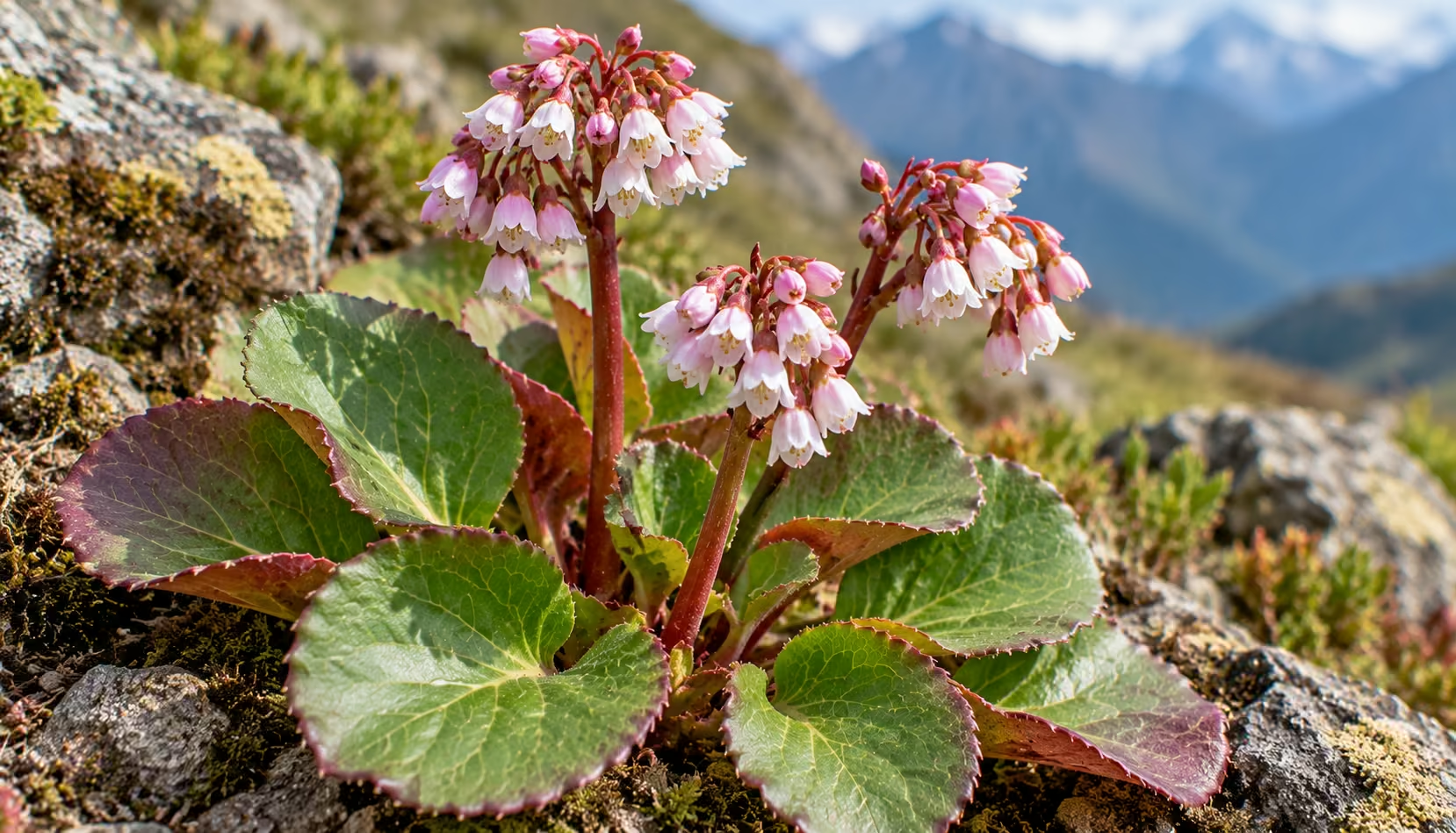
    This small herb survives for many years and is found in hilly and rocky regions. Its stalk emerges from the cracks in the rocks.

    Root is 2.5 cm. thick and red in colour.

    Leaves- round. 7.5 to 12.5 cm. in diameter, fleshy, dentate, greenish on the upper surface and reddish on the lower surface,

    flowers – whitish, brownish or bluish.

    Distribution & Habitat :

    Himalayas at the height of 2 thousand mtrs

    Chemical constituents :

     bergenin, gallic acid, glucose , tannins , mucilage , wax, C-glycoside,beta-sitosterol

    Properties :

    Rasa : kashaya. tikta.

    Guna : laghu, snigdha,

    Virya : sheeta

    Vipaka : katu

     Prabhava : ashmarighna (lithotripsic):

    Dosha : tridoshashamak.

    Karma –

    antiscorbutic, cardio toxic, astringent, spasmolytic, antidiarrhoeal

    Srotogamitva :

    Dosha: Tridoshaghna.

    Dhatu: Rakta (bleeding disorders. splenomegaly. menorrhagia), raktamansa (wound healing). rasa (dysmenorrhoea), asthi (teething problems).

    Mala : Mutra (urinary calculi).

    Prabhava : Lithotripsic.

     Organ : Urinary bladder, heart, uterus

     Indication :

    dysuria, spleen enlargement, cough, menorrhagia, urinary tract infections

    Part used :

    Whole plant

    Dosage :

    Leaf juice 10-15 ml

    Powder 2-4 g

    Decoction 50-100 ml

    External uses : It is anti-inflammatory. wound healing, hemostatic, cardio tonic, antipyretic and antitoxic, Its local application is useful in conjunctivitis. In teething problems, it is rubbed with honey on the gums.

    Internal uses : It is used in diarrhoea, dysentery. tumours. piles, splenomegaly, heart diseases, bleeding disorders, cough, leucorrhoea, menorshagia and dysmenorrhoea. But it is especially useful in urinary calculi and dysuria. It is also useful in turbidity of urine. It is an antidote to morphine.

    IUCN No :

    Vulnerable

    Research Update:

    1. Hepato protective, diuretic and a pyretic action: The ethanolic extract of ne plant Berginia ligulata was assessed for hepato protective, diuretic and anti- pyretic action and was compared with the standard drug. The extract of the plant showed significant action to control the diseased condition in albino rats
    2. Anti microbial activity- The rhizome of Bergenia ligulata, belonging to the family Saxifragaceae was screened for its antimicrobial activity against Escherichia coli, Staphylococcus aureus, Streptococcus pneumoniae and Salmonella typhi using agar well diffusion method.

    About Pashanabhed

    Botanical Name

    Bergenia ciliata

    Family

    Saxifragaceae

    Identification No.

    SDACH/HG/171

    Parts Used

    Whole plant

    Habitat

    hilly and rocky regions

    IUCN Status

    Vulnerable

    Plant Photos

    Ayurvedic Properties

    Rasa

    kashaya. tikta

    Guna

    laghu, snigdha

    Virya

    Sita

    Vipãka

    katu

    Contact Now

    Have queries? Contact Us.

    Have queries? We’re here to help you every step of the way.

    Contact us to get the right guidance for your academic journey at Shri Dhanwantry Ayurvedic College.

  • Ashwagola

    Ashwagola

    Ashwagola

    Botanical Name :

    Plantago major

    Family :

    Plantaginaceae

    Identification No.– SDACH/HG/170

    Names in different languages :

    English : Broad Leaf Plantain, Greater Plantain, Common Plantain

    Hindi : Lahuriya, Luhuriya

    Mizo : Kelba-an

    Tamil : Ishappukol vitai

    Urdu : bartang

    Assamese : Singa gach

    Sanskrit : Asvagola

    Nepali : Isabagol

    DESCRIPTION OF THE PLANT :

    Broad leaf plantain is a perennial herb, variable with short stout, erect, truncate, rootstocks and numerous adventitious roots.

    Leaves appear in rosettes, spirally arranged, stalked, sometimes not clearly distinguished into stalk and the blade.

    Leaves are ovate-elliptic or rarely circular, 10-20 cm long, 4-9 cm broad, rounded at the tip, entire, nearly entire or slightly toothed, 3-9 nerved, nerves divergent at the base.

    Leaf bases taper into long sheathing stalks usually equalling the blade. Leafless flowering stems are many, 13-15 cm long, arched, erect.

    Flower spikes are dense or lax, slender, narrow-cylindric, 5-15 cm long. Bracts are equal to or shorter than the sepal cup, ovate-oblong, acute, brownish with a brown keel.

    Sepals are broadly elliptic, oblong to rounded obtuse. Flowers are greenish or yellowish white, 2-4 mm long, petals elliptic-ovate to narrowly triangular, 1-1.15 mm long, obtuse or acute, reflexed.

    Anthers are at first lilac, later whitish or yellowish.

    Flowering: August-October.

    THERAPEUTIC USES :

    P. major is used for different purposes in traditional medicine around the world, therefore, researchers have tested it for different types of biological activities. Most tests have been performed on crude extracts without examining the nature of the active compounds. The results of these studies are listed below and include both positive and negative results.

    External:

    Relieve burning sensation and edema (Dhah parshamanan, Sothahara).

    Internal:

    1) Expels out vitiated kapha dosha, Indicated in dry cough.

    2) Induce urine production, Indicated in painful micturition, UTI etc.

    3) Unctuous, Absorbent. prevent dryness of Esophageal mucosal layer thereby facilitating the movement and elimination of malas (toxic materials due to improper digestion) Along with cow ghee it can be used in Diarrhea. Helps to remove blockages in channels. It has antimicrobial action.

    4) Indicated in pittaja jvara (relieve burning sensation, excessive thirst, etc.)

    Antiulcerogenic activity :

    P. major has been used in Turkey in the treatment of ulcers. The powdered dried leaves were taken together with honey daily before breakfast. A water immersion-stress ulcer model was used on rats to test the plant extract’s ability to inhibit ulcers. A test sample was given just before immobilisation in a stress cage. After 7 h immersed in a water-bath the rats were killed and the stomachs were taken out for examination. The combined methanol- and water extract (1.2 g/kg) inhibited ulcer formation by 40% relative to the control group which received only the vehicle. The water extract (1 g/kg) inhibited ulcer formation by 37% and the methanol extract inhibited it by 29%. P. major was not among the most active plants tested (Yesilada et al., 1993).

    Anticancer activity :

    In a screening of anticancer activity of Chilean plants a 50% ethanol extract of leaves, stems and seeds of P. major had no activity in vivo against lymphocytic leukaemia in mice (Bhakuni et al., 1976).

    A P. major preparation was reported to be effective in a screening system for prophylactic oncology. The effect included antimetastatic activity in models of tumour metastasis in mice. The details in this study were not described (Yaremenko, 1990). In another study, an aqueous extract was shown to have a prophylactic effect on mammary cancer in mice (Lithander, 1992). The leaves were extracted with phosphate buffer pH 7 containing 0.9% NaCl and injected subcutaneously in mice of the C3H Strong strain. Among mice of this strain more than 90% develop cancer induced by a virus infection. After 60 weeks, 93.3% of the untreated and 18.2% of the treated mice had tumours. The observed effect is thought to be due to stimulation of the immune system rather than a direct effect on the virus. No experimental results support this idea, only some observations made without experimental verification. The P. major extract had good effect on human herpes infections but had no effect on the herpes virus in in vitro tests. The same observations have been made for bacteria; only weak antibacterial activity of P. major extracts in vitro, but they had an effect on infected wounds in vivo. While antibiotics on infected wounds had no effect, topical treatment with P. major extract eradicated the infections and healed the wounds.

    Immunomodulatory activity :

    The leaves extracted in saline for 2 h at 50°C had chemotactic activity on neutrophils using the Boyden migration chamber method, but it did not enhance neutrophil intracellular killing activity by the nitrozoblue tetrazolium reduction test (Basaran et al., 1997).

    Antibiotic and antifungal activity :

    P. major has been included in screening studies of plants used in folk medicine in fighting bacterial and fungal infections in the skin or in the treatment of gastrointestinal disorders.

    Discs containing plant extracts were applied to bacteria cultured on agar plates, and the inhibition zones measured after some time. Water extracts, methanol extracts, 50% and 70% ethanol extracts were tested.

    The methanol extracts were most active against Salmonella typhimurium and had weaker activity against methicillin resistant S. aureus and M. phlei. The methanol extracts were active (8–10 mm inhibition zone) against the fungi F. tricuictum and M. gypseum, and an incomplete inhibition of C. albicans and S. cerevisiae was observed. The antifungal activity was weaker than the antimycoticum nystatin (15–20 mm inhibition zone).

    Yoga/Formulations:

    Ashwagola beeja churna

    Constiwin capsule

    Laxoherb powder

    Golax powder

    Laxogold capsule

    IUCN Status: Least concern

    Research updates-

    1) Anti-tumor action:Plantago major (seeds and leaves) and Cyamopsis tetragonoloba (guar beans were dissected for general concoction segments including, unsaturated fats and amino acids. Plantago leaves separates showed higher cancer prevention agent action than plantago seeds and guar beans extricates. The ethanolic, hot and cold concentrates of plant initiated anticancer movement with different degrees. Ethanolic concentrate of P. significant leaves had the best impact on tumor cell development (Dead 74%) trailed by high temp water concentrate of P. significant leaves (Dead 54.6%). 

    2)Protection of Intestinal mucosa: To assess the counter ulcerogenic impact on duodenal mucosa of the dissolvable fiber Plantago ovata husk, low-portion acetylsalicylic corrosive (10 mg/kg) was offered orally to creatures once day by day for 14 or 28 days with and without Plantago ovata husk (100 mg/kg). 24 h after last dosing duodenal examples were evacuated for anatomopathological assessment. Villi were inspected by both light and examining electron microscopy. Discoveries propose that Plantago ovata husk may ensure intestinal mucosa most likely by restricting acetylsalicylic corrosive entrance into epithelial cells, albeit further examinations are expected to affirm a similar impact in other test models of initiated mucosal harm and to explain the components of fiber assurance.

    3) Anti-hyperglycemic Activity: Aqueous extracts of Plantago ovata reduce hyperglycaemia in diabetes via inhibition of intestinal glucose absorption and enhancement of motility. These attributes indicate that P.ovata may be a useful source of active components to provide new opportunities for diabetes therapy Hannan JM. Ali L, Khaleque J. Akhter M. Flatt PR Abdel Wahab. YH Aqueous extracts of hunks of Plantegemata reduce hyperglycaemia in type 1 and type 2 diabetes by inhibition of intestinal glucose absorption Br J Nutr. 2006 Jul; 96. (1) 1317.

    About Ashwagola

    Botanical Name

    Plantago major

    Family

    Plantaginaceae

    Identification No.

    SDACH/HG/170

    IUCN Status

    Least Concern

    Plant Photos

    Contact Now

    Have queries? Contact Us.

    Have queries? We’re here to help you every step of the way.

    Contact us to get the right guidance for your academic journey at Shri Dhanwantry Ayurvedic College.