Shri Dhanwantry Ayurvedic College

Author: admin

  • Mahanimba

    Mahanimba

    Mahanimba

    Botanical name: Melia azadarach

    Family name: Meliaceae

    Identification No.- SDACH/HG/173

    Vernacular names

    Hindi name– Bakain

    English name– Persian lilac

    Bengali name– Bakarjam

    Tamil name– Kattu Vembhu,  Malaivembu

    Telugu name – Kali-yapa, Turka Vepa

    Malyalam name – Malaveppu

    Kannada name – Bevu

    Synonyms-

    महानिम्बः स्मृतो द्रेका रम्यको विषमुष्टिकः ।

    केशमुष्टिर्निम्बकश्च कार्मुको जीव इत्यपि ॥९७॥

    महानिम्बो हिमो रूक्षस्तिक्तो ग्राही कषायकः ॥९८॥

    कफपित्तभ्रमच्छर्दिकुष्ठहृल्लासरक्तजित् ।

    प्रमेहश्वासगुल्मार्शोमूषिकाविषनाशनः ॥९९॥

    Bhav Prakash

    Classification

    Charaka samhita– Krimighna, Kandughna

    Bhavaprakasha- Guduchyadi varga

    Habitat & Distribution: Commonly found in various parts of India, Assam, Bihar, Karnataka, Maharastra, Odisha, Punjab

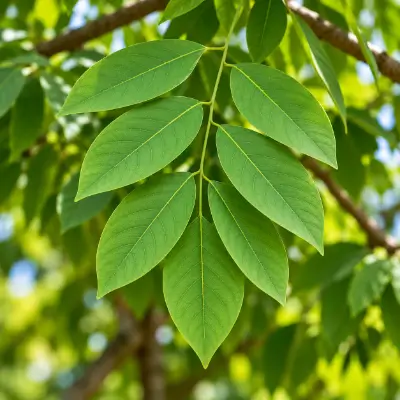
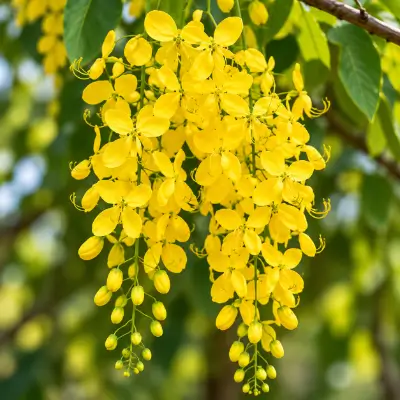
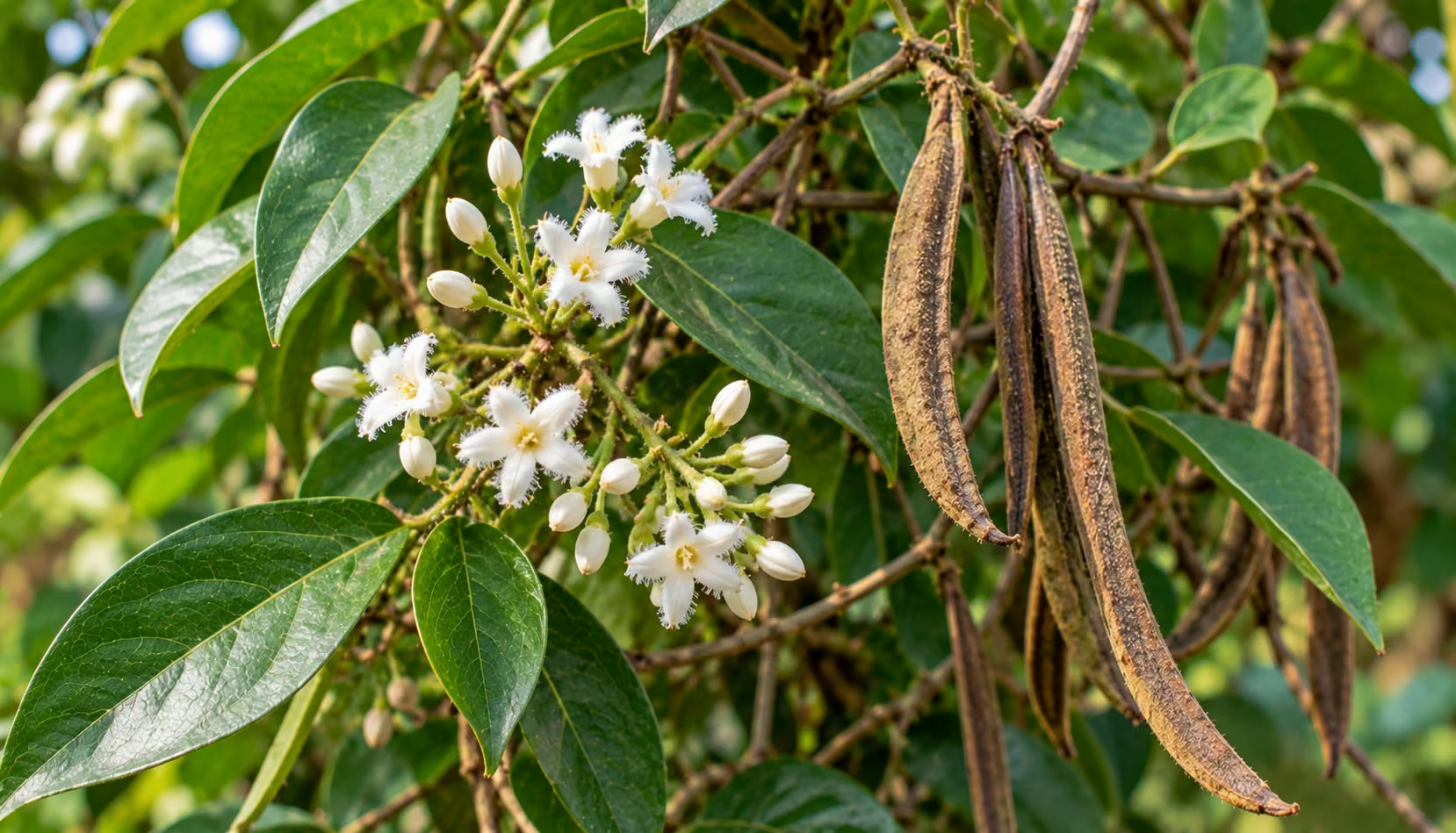
    Morphology- It is a large tree growing up to 20-25 m. high. Leaves- imparipinnate, crowded at the ends, of branches; leaflets 9-17, opposite, sub opposite; lanceolate, acuminate, serrate or dentate, glabrous. Flowers-numerous, white, honey-scented. Fruits- 1- seeded drupes, oblong, yellow when ripe., Seeds contain oil. (Flowers in February-April and fruits during June-August)

    Phytochemicals:

    Azadirachtin, azadirachtanin, azadirone, nimbandiol, nimbin, nimbolide sitosterol, kulinone, margosinolide, margosene, linoleic acid, arachidic acid etc.

    Raspanchaka–

    Rasa– Katu;

    Guna- Laghu, Ruksh, Tikshna;

    Virya– ishat ushna;

    Vipaka– Tikta, Katu, Kashya;

    Prabhava- Arshoghan,

    dosha shamakta– Tridosha shamak

    Karma– Arshoghan,

    Rogaghnata- Kushtaghan, vranshodhan, Krimighan, Arshoghan, Raktshodhaka, Jwarghan, Kasa, Swasa, Kastaartava, Prameha,

    Amayika Prayoga/Therapeutic Uses

    External:

    1) It is useful in all skin conditions specially in burning sensation.

    2) Ointment prepared from seeds is applied in piles.

    Internal:

    1) Digestive system by its astringent and bitter property it improves taste and is constipative.

    2) Leaves are stimulant of liver. Its bark decoction with honey is useful In jaundice, anorexia, vomiting, dysentery, intestinal worms, liver diseases.

    3) It is effective in diabetes.

    Part used:

    Root, Twak, phalasthi

    Dose:

    decoction- 50-100 ml,

    phalasti churna 1-3 grams

    Yoga/Formulations:

    Arshoghani vati

    IUCN Status: Least concern

    Research updates

    1. Analgesic and Anti-inflammatory Activity: Research continues to evaluate the effectiveness of Mahanimba in alleviating pain and reducing inflammation, particularly in conditions like sciatica. Studies often compare Mahanimba’s efficacy with conventional pain relievers. 
    2. Antipyretic Activity: Studies are investigating Mahanimba’s ability to lower fever, with findings indicating its potential as a natural remedy for fevers, including those associated with malaria.

    About Mahanimba

    Botanical Name

    Melia azadarach

    Family

    Meliaceae

    Identification No.

    SDACH/HG/173

    Parts Used

    Root, Twak, phalasthi

    Habitat

    India, Assam, Bihar, Karnataka, Maharastra, Odisha, Punjab

    IUCN Status

    Least Concern

    Plant Photos

    Ayurvedic Properties

    Rasa

    Katu

    Guna

    Laghu, Ruksh, Tikshna

    Virya

    ishat ushna

    Vipãka

    Tikta, Katu, Kashya

    Contact Now

    Have queries? Contact Us.

    Have queries? We’re here to help you every step of the way.

    Contact us to get the right guidance for your academic journey at Shri Dhanwantry Ayurvedic College.

  • Vruddhdaru

    Vruddhdaru

    Vruddhdaru

    Botanical Name : Argyria nervosa

    Family : Convolvulaceae

    Identification No.- SDACH/HG/172

    Introduction :

    In Indian medicine, A. speciosa is not used as a single drug for sexual disorders in men, but as a supporting drug for exerting its antiphlogistic, spasmolytic and hypotensive actions on the central nervous system. The drug, in itself, did not show anaboliccum androgen-like or spermogenetic activity experimentally

    Latin name: Argyria = lower surface of the leaf is silvery white in colour; speciosa = showy, splendid, handsome

    Names in different Indian languages :

    English : Elephant Creeper,woolly morning glory,

    Hindi : Samurasos

    Kannada : Candrapada

    Malayalam : Samudrapacca,marikunni,marututari

    Sanskrit : Vrddhadarukah,bastantri

    Tamil : Samuttirappaccai,Ambgar

    Telugu : Candrapada

    Unani : Samunder sokh.

    Folk : Bidhaaraa

    Synonyms :

    वृद्धदारुक आवेगी छागान्त्री वृष्यगन्धिका । वृद्धद्वारुः कषायोष्णः कटुस्तिक्तो रसायनः ॥१॥ वृष्यो वातामवातार्शः शोथमेहकफप्रणुत् । शुक्रायुर्बलमेधाऽग्निस्वरकान्तिकरः सरः ॥२॥

    Vriddhadaaruka, Vriddhadaaru, Vriddhadaaraka, Bastaantri, Sthavira, Sthaviradaaru, Atarunadaaru, Samudrashosha.

    Argyreia Nervosa (Burm.f.) Bojer

    Varieties & adulterants – (CV – controversy, AD – adulterants) :

    Seeds of Salvia plebeia R. Br. Are also known as Samudrashosha.

    Ipomoea petaloidea Chois and Ipomoea biloba Forsk of the Convolvulacae family are also used as Vriddhadaaru

    Morphology :

    This widely spreading creeper has a stalk which is hard, thick, round and bears cotton wool.

    Leaves – large, 20 – 30 cm. simple,oblong, pointed, upper surface is oily while the lower surface shows hairy growth.

    Flowers – bell shaped, white from outside and violet or red within. Flowers bloom in the night and are fragrant.

    Fruits—globose, oval, 2-4 cm. long, green, self breaking on ripening.

    Flowering season – 4 months from rainy season, followed by fruiting This creeper is usually planted in gardens.

    Chemical constituents :

    Hallucinogenic -ergoline alkaloids (ergine and isoergine), sitosterol , antiphlogistic

    Properties :

    Guna: Snigdha

    Rasa: katu,tikta,kashaya

    Vipaka : Madhura

    Virya: ushna

    Karma – kaphavatashamak,kasaghna,hridya, sukra vardhana,arsoghna

    External uses :

    Application of the leaves is done as an anti-inflammatory and wound healing. An interesting point to note is that when the lower hairy surf the leaf is applied on the inflamed part, it accelerates suppuration while the upper smooth surface helps in wound healing.

    Internal uses :

    It is used in vata diseases, heart diseases, cough (bronchitis), hoarseness of voice, diabetes mellitus, sexual weakness, tuberculosis and emaciation.

    Nervous system : Hallucinogen

    Reproductive system : Increase sperm mobility

    Indication :

    Tuberculosis, cough, obesity, syphilis, cerebral disorder

    Root—aphrodisiac (considered as a rejuvenator), nervine (used in diseases of nervous system, sexual disorders), diuretic (used in strangury), antirheumatic.

    Seeds—hypotensive, spasmolytic.

    Leaves—used externally in skin diseases (ringworm, eczema, boils,swellings); rubefacient, topicallystimulant.

    Part used :

    Root and seed

    Dosage :

    Root and bark powder 3 gm.; seed powder – 1/2 to 3/4 gm.

    Therapeutic Uses :

    ghritha prepared by this plant useful in piles as anuvasana vashthi

    Yoga/Formulations: Vruddhadaruka kalpa, nagaradi modaka, vruddhadaru kusuma kalpa, Bahusala guda, Laxmivilasa rasa Kasa, Vriddhadaraka sama churna

    IUCN Status: – Not Evaluated

    Research updates-

    1) Anti- anxiety activity: Aim of the present study was a comparative evaluation of antianxiety activity of three traditionally used medicinal plants – Argyreia speciosa (Roots), Caesalpinia digyna (Roots) and Sphaeranthus indicus (Flowers). The activity of various extracts (petroleum ether, chloroform, ethanol and water) of all the three plants was evaluated using an elevated plus-maze model. The studies were conducted on lacca mice, and the test materials were administered per oral route. Results indicate that the ethanol extract of C. digyna roots exhibited maximum and significant dose dependent effect at 200 and 400 mg/kg on elevated plus-maze, the results were comparable to the standard antianxiety drug diazepam (2 mg/kg).

    2) Anti-inflammatory action: The study was carried out using male albino mice (20-25 gm) and male wistar rats (100-150 gm). The ME was prepared using a soxhlet extraction process. The effect of ME of A. speciosa was investigated for analgesic activity using acetic acid-induced abdominal constriction, tail immersion method and hot plate method. The anti-inflammatory activity of ME of AS roots was studied using carrageenan-induced rat paw edema. The ME of A. speciosa showed significant analgesic and anti-inflammatory activity in mice and rats.

    About Vruddhdaru

    Botanical Name

    Argyria nervosa

    Family

    Convolvulaceae

    Identification No.

    SDACH/HG/172

    Parts Used

    Root and seed

    IUCN Status

    Not Evaluated

    Plant Photos

    Ayurvedic Properties

    Rasa

    katu,tikta,kashaya

    Guna

    Snigdha

    Virya

    ushna

    Vipãka

    Madhura

    Contact Now

    Have queries? Contact Us.

    Have queries? We’re here to help you every step of the way.

    Contact us to get the right guidance for your academic journey at Shri Dhanwantry Ayurvedic College.

  • Pashanabhed

    Pashanabhed

    Pashanabhed

    Botanical Name : Bergenia ciliata

    Family : Saxifragaceae

    Identification No.– SDACH/HG/171

    Introduction :

    Latin name : Bergenia = after the name of K.A. Von Bergen, German Botanist; ligulata = straplike or Colus aromaticus.

    Names in different Indian languages :

    Hindi : Pashanbethi

    Kannada : Pashanbethi

    Malayalam : Pashanbethi

    Sanskrit : Paashaanabheda

    Tamil : Pashanbethi

    Telugu : Pashanbethi

    Synonyms :

    Paashaanabheda, Ashmaribhedikaa, Ashmaribhit, Ashmghna, Shilaabhit, Shilaabheda

     Bergenia ciliata Sternb.

    Saxifraga ligulata Wall

    Varieties & adulterants – (CV – controversy, AD – adulterants) :

    Aerva lanata Juss  – CV

    strachey -CV

    Morphology :

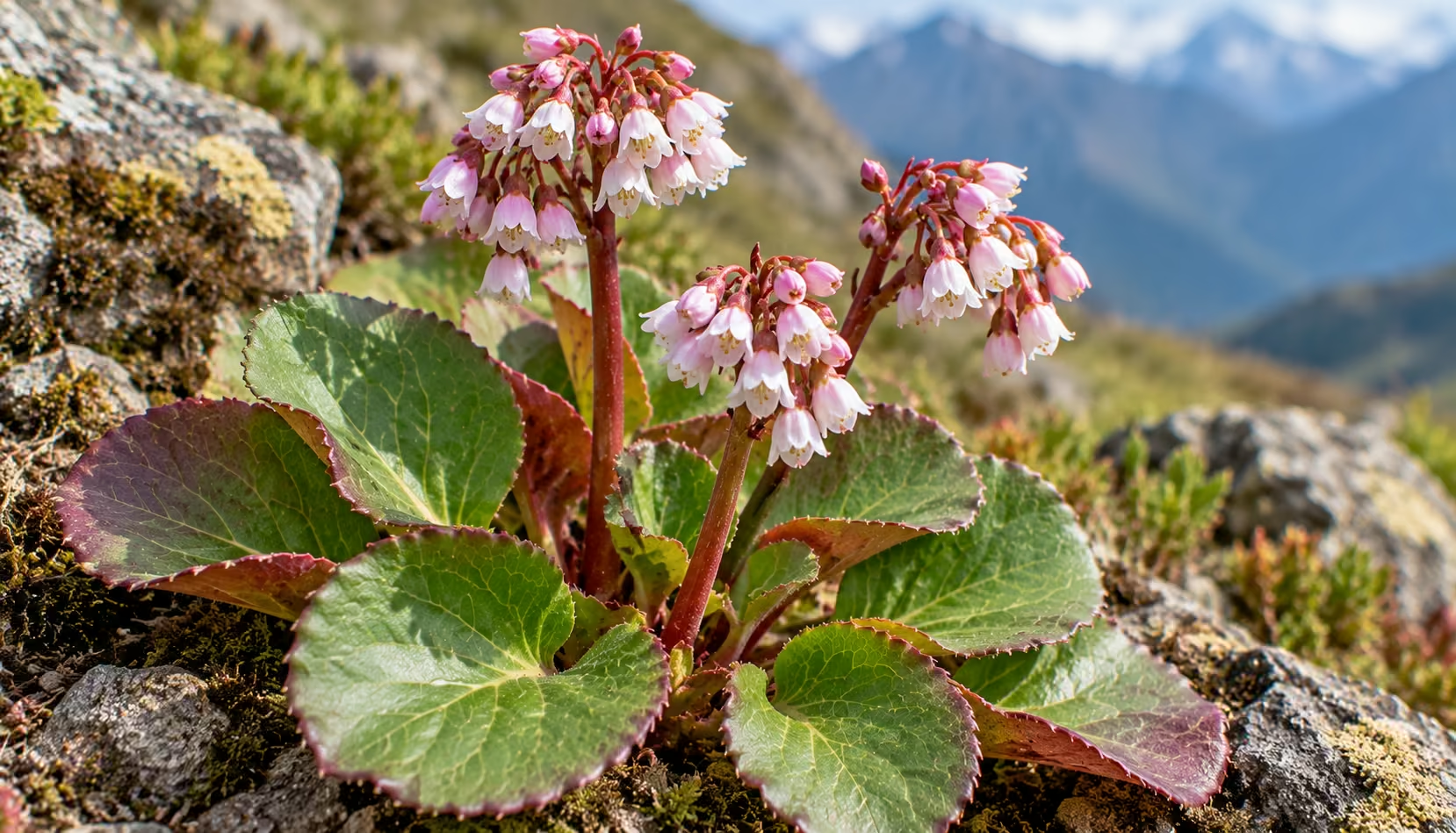
    This small herb survives for many years and is found in hilly and rocky regions. Its stalk emerges from the cracks in the rocks.

    Root is 2.5 cm. thick and red in colour.

    Leaves- round. 7.5 to 12.5 cm. in diameter, fleshy, dentate, greenish on the upper surface and reddish on the lower surface,

    flowers – whitish, brownish or bluish.

    Distribution & Habitat :

    Himalayas at the height of 2 thousand mtrs

    Chemical constituents :

     bergenin, gallic acid, glucose , tannins , mucilage , wax, C-glycoside,beta-sitosterol

    Properties :

    Rasa : kashaya. tikta.

    Guna : laghu, snigdha,

    Virya : sheeta

    Vipaka : katu

     Prabhava : ashmarighna (lithotripsic):

    Dosha : tridoshashamak.

    Karma –

    antiscorbutic, cardio toxic, astringent, spasmolytic, antidiarrhoeal

    Srotogamitva :

    Dosha: Tridoshaghna.

    Dhatu: Rakta (bleeding disorders. splenomegaly. menorrhagia), raktamansa (wound healing). rasa (dysmenorrhoea), asthi (teething problems).

    Mala : Mutra (urinary calculi).

    Prabhava : Lithotripsic.

     Organ : Urinary bladder, heart, uterus

     Indication :

    dysuria, spleen enlargement, cough, menorrhagia, urinary tract infections

    Part used :

    Whole plant

    Dosage :

    Leaf juice 10-15 ml

    Powder 2-4 g

    Decoction 50-100 ml

    External uses : It is anti-inflammatory. wound healing, hemostatic, cardio tonic, antipyretic and antitoxic, Its local application is useful in conjunctivitis. In teething problems, it is rubbed with honey on the gums.

    Internal uses : It is used in diarrhoea, dysentery. tumours. piles, splenomegaly, heart diseases, bleeding disorders, cough, leucorrhoea, menorshagia and dysmenorrhoea. But it is especially useful in urinary calculi and dysuria. It is also useful in turbidity of urine. It is an antidote to morphine.

    IUCN No :

    Vulnerable

    Research Update:

    1. Hepato protective, diuretic and a pyretic action: The ethanolic extract of ne plant Berginia ligulata was assessed for hepato protective, diuretic and anti- pyretic action and was compared with the standard drug. The extract of the plant showed significant action to control the diseased condition in albino rats
    2. Anti microbial activity- The rhizome of Bergenia ligulata, belonging to the family Saxifragaceae was screened for its antimicrobial activity against Escherichia coli, Staphylococcus aureus, Streptococcus pneumoniae and Salmonella typhi using agar well diffusion method.

    About Pashanabhed

    Botanical Name

    Bergenia ciliata

    Family

    Saxifragaceae

    Identification No.

    SDACH/HG/171

    Parts Used

    Whole plant

    Habitat

    hilly and rocky regions

    IUCN Status

    Vulnerable

    Plant Photos

    Ayurvedic Properties

    Rasa

    kashaya. tikta

    Guna

    laghu, snigdha

    Virya

    Sita

    Vipãka

    katu

    Contact Now

    Have queries? Contact Us.

    Have queries? We’re here to help you every step of the way.

    Contact us to get the right guidance for your academic journey at Shri Dhanwantry Ayurvedic College.

  • Ashwagola

    Ashwagola

    Ashwagola

    Botanical Name :

    Plantago major

    Family :

    Plantaginaceae

    Identification No.– SDACH/HG/170

    Names in different languages :

    English : Broad Leaf Plantain, Greater Plantain, Common Plantain

    Hindi : Lahuriya, Luhuriya

    Mizo : Kelba-an

    Tamil : Ishappukol vitai

    Urdu : bartang

    Assamese : Singa gach

    Sanskrit : Asvagola

    Nepali : Isabagol

    DESCRIPTION OF THE PLANT :

    Broad leaf plantain is a perennial herb, variable with short stout, erect, truncate, rootstocks and numerous adventitious roots.

    Leaves appear in rosettes, spirally arranged, stalked, sometimes not clearly distinguished into stalk and the blade.

    Leaves are ovate-elliptic or rarely circular, 10-20 cm long, 4-9 cm broad, rounded at the tip, entire, nearly entire or slightly toothed, 3-9 nerved, nerves divergent at the base.

    Leaf bases taper into long sheathing stalks usually equalling the blade. Leafless flowering stems are many, 13-15 cm long, arched, erect.

    Flower spikes are dense or lax, slender, narrow-cylindric, 5-15 cm long. Bracts are equal to or shorter than the sepal cup, ovate-oblong, acute, brownish with a brown keel.

    Sepals are broadly elliptic, oblong to rounded obtuse. Flowers are greenish or yellowish white, 2-4 mm long, petals elliptic-ovate to narrowly triangular, 1-1.15 mm long, obtuse or acute, reflexed.

    Anthers are at first lilac, later whitish or yellowish.

    Flowering: August-October.

    THERAPEUTIC USES :

    P. major is used for different purposes in traditional medicine around the world, therefore, researchers have tested it for different types of biological activities. Most tests have been performed on crude extracts without examining the nature of the active compounds. The results of these studies are listed below and include both positive and negative results.

    External:

    Relieve burning sensation and edema (Dhah parshamanan, Sothahara).

    Internal:

    1) Expels out vitiated kapha dosha, Indicated in dry cough.

    2) Induce urine production, Indicated in painful micturition, UTI etc.

    3) Unctuous, Absorbent. prevent dryness of Esophageal mucosal layer thereby facilitating the movement and elimination of malas (toxic materials due to improper digestion) Along with cow ghee it can be used in Diarrhea. Helps to remove blockages in channels. It has antimicrobial action.

    4) Indicated in pittaja jvara (relieve burning sensation, excessive thirst, etc.)

    Antiulcerogenic activity :

    P. major has been used in Turkey in the treatment of ulcers. The powdered dried leaves were taken together with honey daily before breakfast. A water immersion-stress ulcer model was used on rats to test the plant extract’s ability to inhibit ulcers. A test sample was given just before immobilisation in a stress cage. After 7 h immersed in a water-bath the rats were killed and the stomachs were taken out for examination. The combined methanol- and water extract (1.2 g/kg) inhibited ulcer formation by 40% relative to the control group which received only the vehicle. The water extract (1 g/kg) inhibited ulcer formation by 37% and the methanol extract inhibited it by 29%. P. major was not among the most active plants tested (Yesilada et al., 1993).

    Anticancer activity :

    In a screening of anticancer activity of Chilean plants a 50% ethanol extract of leaves, stems and seeds of P. major had no activity in vivo against lymphocytic leukaemia in mice (Bhakuni et al., 1976).

    A P. major preparation was reported to be effective in a screening system for prophylactic oncology. The effect included antimetastatic activity in models of tumour metastasis in mice. The details in this study were not described (Yaremenko, 1990). In another study, an aqueous extract was shown to have a prophylactic effect on mammary cancer in mice (Lithander, 1992). The leaves were extracted with phosphate buffer pH 7 containing 0.9% NaCl and injected subcutaneously in mice of the C3H Strong strain. Among mice of this strain more than 90% develop cancer induced by a virus infection. After 60 weeks, 93.3% of the untreated and 18.2% of the treated mice had tumours. The observed effect is thought to be due to stimulation of the immune system rather than a direct effect on the virus. No experimental results support this idea, only some observations made without experimental verification. The P. major extract had good effect on human herpes infections but had no effect on the herpes virus in in vitro tests. The same observations have been made for bacteria; only weak antibacterial activity of P. major extracts in vitro, but they had an effect on infected wounds in vivo. While antibiotics on infected wounds had no effect, topical treatment with P. major extract eradicated the infections and healed the wounds.

    Immunomodulatory activity :

    The leaves extracted in saline for 2 h at 50°C had chemotactic activity on neutrophils using the Boyden migration chamber method, but it did not enhance neutrophil intracellular killing activity by the nitrozoblue tetrazolium reduction test (Basaran et al., 1997).

    Antibiotic and antifungal activity :

    P. major has been included in screening studies of plants used in folk medicine in fighting bacterial and fungal infections in the skin or in the treatment of gastrointestinal disorders.

    Discs containing plant extracts were applied to bacteria cultured on agar plates, and the inhibition zones measured after some time. Water extracts, methanol extracts, 50% and 70% ethanol extracts were tested.

    The methanol extracts were most active against Salmonella typhimurium and had weaker activity against methicillin resistant S. aureus and M. phlei. The methanol extracts were active (8–10 mm inhibition zone) against the fungi F. tricuictum and M. gypseum, and an incomplete inhibition of C. albicans and S. cerevisiae was observed. The antifungal activity was weaker than the antimycoticum nystatin (15–20 mm inhibition zone).

    Yoga/Formulations:

    Ashwagola beeja churna

    Constiwin capsule

    Laxoherb powder

    Golax powder

    Laxogold capsule

    IUCN Status: Least concern

    Research updates-

    1) Anti-tumor action:Plantago major (seeds and leaves) and Cyamopsis tetragonoloba (guar beans were dissected for general concoction segments including, unsaturated fats and amino acids. Plantago leaves separates showed higher cancer prevention agent action than plantago seeds and guar beans extricates. The ethanolic, hot and cold concentrates of plant initiated anticancer movement with different degrees. Ethanolic concentrate of P. significant leaves had the best impact on tumor cell development (Dead 74%) trailed by high temp water concentrate of P. significant leaves (Dead 54.6%). 

    2)Protection of Intestinal mucosa: To assess the counter ulcerogenic impact on duodenal mucosa of the dissolvable fiber Plantago ovata husk, low-portion acetylsalicylic corrosive (10 mg/kg) was offered orally to creatures once day by day for 14 or 28 days with and without Plantago ovata husk (100 mg/kg). 24 h after last dosing duodenal examples were evacuated for anatomopathological assessment. Villi were inspected by both light and examining electron microscopy. Discoveries propose that Plantago ovata husk may ensure intestinal mucosa most likely by restricting acetylsalicylic corrosive entrance into epithelial cells, albeit further examinations are expected to affirm a similar impact in other test models of initiated mucosal harm and to explain the components of fiber assurance.

    3) Anti-hyperglycemic Activity: Aqueous extracts of Plantago ovata reduce hyperglycaemia in diabetes via inhibition of intestinal glucose absorption and enhancement of motility. These attributes indicate that P.ovata may be a useful source of active components to provide new opportunities for diabetes therapy Hannan JM. Ali L, Khaleque J. Akhter M. Flatt PR Abdel Wahab. YH Aqueous extracts of hunks of Plantegemata reduce hyperglycaemia in type 1 and type 2 diabetes by inhibition of intestinal glucose absorption Br J Nutr. 2006 Jul; 96. (1) 1317.

    About Ashwagola

    Botanical Name

    Plantago major

    Family

    Plantaginaceae

    Identification No.

    SDACH/HG/170

    IUCN Status

    Least Concern

    Plant Photos

    Contact Now

    Have queries? Contact Us.

    Have queries? We’re here to help you every step of the way.

    Contact us to get the right guidance for your academic journey at Shri Dhanwantry Ayurvedic College.

  • Rudraksha

    Rudraksha

    Rudraksha

    Botanical Name :

    Elaeocarpus ganitrus

    Family :

    Elaeocarpaceae

    Identification No. : SDACH/HG/169

    Synonyms- रुद्राक्षश्च शिवाक्षश्च शर्माक्षो भूतनाशनः |

    पावनो नीलकण्ठाक्षो हराक्षश्च शिवप्रियः १८६

    रुद्राक्षमम्लमुष्णं च वातघ्नं कफनाशनम् |

    शिरोऽर्तिशमनं रुच्यं भूतग्रहविनाशनम् १८७ राजनिघण्टु – आम्रादिवर्ग

    Introduction :     

    Elaeocarpus ganitrus, is a large evergreen broad-leaved tree whose seed is traditionally used for prayer beads in Hinduism.

    The seeds are known as rudraksha, or rudraksh, Sanskrit: rudrākṣa (“Rudra’s teardrops”).

    Rudraksha may be produced by several species of Elaeocarpus, however E. ganitrus is the principal species used in the making of mala.

    DESCRIPTION :

    Elaeocarpus ganitrus grows in the area from the Gangetic plain in the foothills of the Himalayas to South-East Asia, Indonesia, New Guinea, Guam, and Hawaii.

    Rudraksha seeds are covered by an outer husk of blue colour when fully ripe, and for this reason are also known as blueberry beads. The blue colour is not derived from pigment but is structural.

    It is an evergreen tree that grows quickly.

    The rudraksha tree starts bearing fruit in three to four years.

    As the tree matures, the roots buttress rising up narrowly near the trunk and radiating out along the surface of the ground

    CHEMICAL CONSTITUENTS :

    Chemical constituents present in E. ganitrus are elaeocarpidine, isoelaeocarpine, epiisoelaeocarpiline, rudrakine, flavonoids, quercetin, phytosterols, fat, alkaloids, carbohydrates, ethanol, proteins, tannins, gallic acid and ellagic acid

    THERAPEUTIC USES :

    Rudraksha have many Ayurvedic properties that refer to this wonderful bead and gives details of rudraksha for increase body constitutions. The beads, bark and leaves of Rudraksha all are used to cure various ailments like mental disorders, headache, fever, skin diseases etc.

    Rudraksha may be worn either on arm, wrist or other parts of the body.

    For improving memory power : Rudraksha can be used for improving memory power when taken with milk.

    For all brain diseases : Rudraksha can be used for treating all brain diseases like brain fever etc.

    As a blood purifier : Rudraksha shall be used for treating the blood impurities and strengthens the body substance.

    As antibacterial : Rudraksha can be used for treating the burns and marks.

    It can also be used for curing cough and breathing problems.

    For controlling epilepsy : By using pulp of Rudraksha fruit or bark, can be used for controlling epilepsy.

    For curing liver related problems, jaundice, and stomachache

    Rudraksha can be used for treating stomach pain and liver problems.

    For blood pressure : Rudraksha can be used to treat high blood pressure, heart diseases etc

    Substitute/ Adulterant: Desmostachya bipinnata and Wrightia tinctoria.

    Raspanchaka

    Rasa – Madhura, Guna– Guru, Snigdha, virya– sita, vipaka– Madhura, prabhava-,

    dosha shamakta– Raktabharashamak

    Karma– Rogaghnata- Rakshoghna, Arogyaprada, Medhya, Hrdyam (Saumanasya Kara)

    Amayika Prayoga/Therapeutic Uses

    External – Dhahshaman, mansik roga in the form of mala

    Internal – Matisuddhikara, Uccharaktachapa, Prajnaparadha, Hrdaya Roga,

    Romantika, Manasa Roga, Anidra

    Part used– Phala-ashthi, seed

    Dose: 1-2 gm internally

    Yoga/Formulations: Gorocanadi Vati, Cukkumtippalyadi Gutika, Dhanvantara

    Gutika, Svarnamukladi Gutika, Mrtasanjivani Gutika

    IUCN Status- not mentioned

    Research updates

    1. Antiulcerogenic activity: The benzene, petroleum ether, acetone, chloroform and ethanol, extracts of dried fruit of Elaeocarpus sphaericus, showed antiulcerogenic activities in rat.
    2. A combination of bark, leaf and stem of Elaeocarpus floribundus has been used as mouth wash and fruits has been used as antiseptic. Elaeocarpus grandis indolizidine alkaloids grandisine A and isoelaeocarpiline compounds combine to opoid receptor and have analgesic effect.

    About Rudraksha

    Botanical Name

    Elaeocarpus ganitrus

    Family

    Elaeocarpaceae

    Identification No.

    SDACH/HG/169

    Parts Used

    Phala-ashthi, seed

    Habitat

    South-East Asia, Indonesia, New Guinea, Guam, and Hawaii

    IUCN Status

    not mentioned

    Plant Photos

    Ayurvedic Properties

    Rasa

    Madhura

    Guna

    Guru, Snigdha

    Virya

    Sita

    Vipãka

    Madhura

    Contact Now

    Have queries? Contact Us.

    Have queries? We’re here to help you every step of the way.

    Contact us to get the right guidance for your academic journey at Shri Dhanwantry Ayurvedic College.

  • Kakanasa Bhed

    Kakanasa Bhed

    Kakanasa Bhed

    Sanskrit name

    Kaknasa

    Identification No.

    SDACH/HG/168

    Botanical name

    Asclepias curassavica

    Family name

    Asclepiadaceae (Apocynaceae subfamily)

    Vernacular names

    Hindi: Kaknasa
    English: Wild cotton
    Tamil: Vellikkanthal
    Malayalam: Kakkonam
    Kannada: Kakkanasa

    Synonyms (Bhav Prakash)

    काकनासा तु काकाङ्गी काकतुण्डफला च सा ॥२४८॥काकनासा कषायोष्णा कटुका रसपाकयोः । कफघ्नी वामनी तिक्ता शोथार्शश्वित्रकुष्ठहृत् ॥२४९॥

    Classification


    Bhav Prakash: Mentioned in guduchyadi Varga

    Habitat & Distribution

    Found in tropical and subtropical regions of India, especially in Rajasthan, Gujarat, Madhya Pradesh, and parts of southern India. It grows in dry, arid zones and hedges.

    Morphology

    A twining or scrambling shrub with slender, wiry branches. Leaves are ovate-lanceolate, opposite. Flowers small, greenish-purple in axillary clusters. Fruits are slender, fusiform follicles with seeds having silky hairs.

    Substitute / Adulterant

    No major substitutes or adulterants documented. Sometimes confused with similar twining Asclepiadaceous plants.

    Phytochemicals

    Alkaloids, Triterpenoids, Flavonoids, Saponins, Glycosides

    Raspanchaka

    Rasa: Tikta, Kashaya
    Guna: Laghu, Ruksha
    Virya: Sheeta
    Vipaka: Katu
    Prabhava: Nasarogahara
    Dosha shamakta: Pitta-Kapha hara

    Karma (Rogaghnata)

    Shwasahara (relieves asthma), Kaphaghna, Kandughna (anti-pruritic), Nasarogahara (beneficial in nasal disorders), Krimighna (anthelmintic)

    Amayika Prayoga / Therapeutic Uses

    External: Useful in skin diseases, nasal applications, and swelling
    Internal: Used in cough, asthma, nasal congestion, and internal worm infestations

    Part used

    Root, leaves, and whole plant

    Dose

    Powder: 1–3 grams; Decoction: 20–50 ml

    Yoga/Formulations

    Used in Nasya oils, decoctions for cough and asthma, and formulations for skin and nasal diseases

    IUCN Status

    Not Evaluated (NE)

    Research Updates

    2020: Antimicrobial efficacy against skin pathogens (Journal of Ethnobotany)
    2021: Anti-inflammatory and analgesic properties of root extract (Phytomedicine Research)
    2022: Phytochemical screening and antioxidant activity reported (Indian Journal of Natural Products)

    About Kakanasa Bhed

    Botanical Name

    Asclepias curassavica

    Family

    Asclepiadaceae (Apocynaceae subfamily)

    Identification No.

    SDACH/HG/168

    Parts Used

    Root, leaves, and whole plant

    Habitat

    Rajasthan, Gujarat, Madhya Pradesh, and parts of southern India

    IUCN Status

    Least Concern

    Plant Photos

    Ayurvedic Properties

    Rasa

    Tikta, Kashaya

    Guna

    Laghu, Ruksha

    Virya

    Sheeta

    Vipãka

    Katu

    Prabhava

    Nasarogahara

    Dosha shamakta

    Pitta-Kapha hara

    Contact Now

    Have queries? Contact Us.

    Have queries? We’re here to help you every step of the way.

    Contact us to get the right guidance for your academic journey at Shri Dhanwantry Ayurvedic College.

  • Krshna Datura

    Krshna Datura

    Krshna Datura

    Botanical Name : Datura stramonium

    Family : Solanaceae

    Identification No.-SDACH/HG/167

    Introduction :

    Datura stramonium, known by the common names thorn apple, jimsonweed (jimson weed) or devil’s snare, is a species of flowering plant in the nightshade family Solanaceae. Its likely origin was in Central America,and it has been introduced in many world regions. It is an aggressive invasive weed in temperate climates across the world. D. stramonium has frequently been employed in traditional medicine to treat a variety of ailments. It has also been used as a hallucinogen (of the anticholinergic/antimuscarinic, deliriant type), taken entheogenically to cause intense visions.It is unlikely ever to become a major drug of abuse owing to effects upon both mind and body frequently perceived subjectively as highly unpleasant, giving rise to a state of profound and long-lasting disorientation with a potentially fatal outcome. It contains tropane alkaloids which are responsible for the deliriant effects, and may be severely toxic

    Morphology :

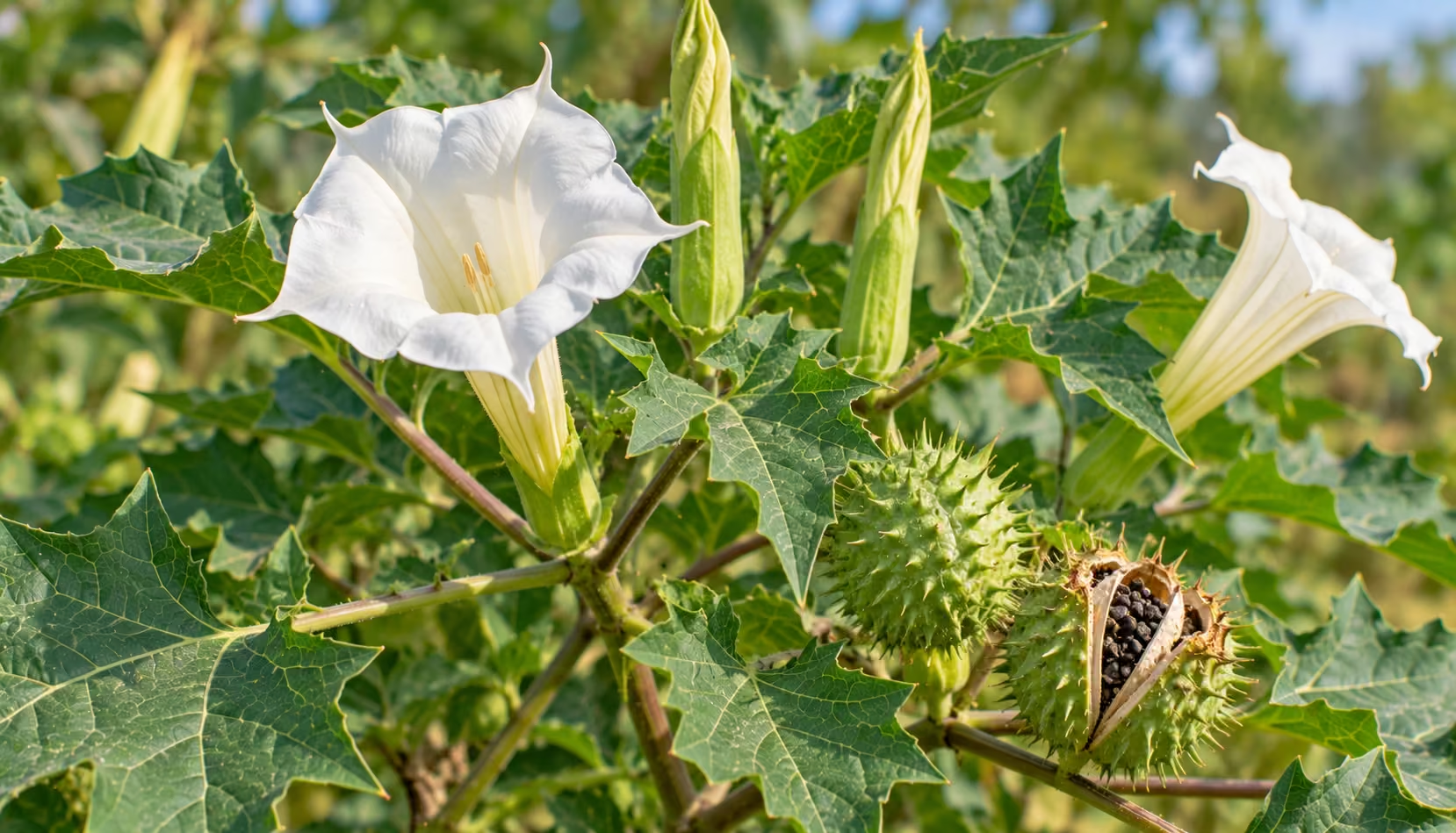
    Datura stramonium is an ill-smelling, erect, annual, freely branching herb that forms a bush up to 60 to 150 cm (2 to 5 ft) tall.

    The root is long, thick, fibrous, and white. The stem is stout, erect, leafy, smooth, and pale yellow-green to reddish purple in color. The stem forks off repeatedly into branches and each fork forms a leaf and a single, erect flower.

    The leaves are about 8 to 20 cm (3–8 in) long, smooth, toothed,soft, and irregularly undulated.

    The upper surface of the leaves is a darker green, and the bottom is a light green. The leaves have a bitter and nauseating taste, which is imparted to extracts of the herb, and remains even after the leaves have been dried.

    Datura stramonium generally flowers throughout the summer. The fragrant flowers have a pleasing odor; are trumpet-shaped, white to creamy or violet, and 6 to 9 cm (2+1⁄2–3+1⁄2 in) long; and grow on short stems from either the axils of the leaves or the places where the branches fork. The calyx is long and tubular, swollen at the bottom, and sharply angled, surmounted by five sharp teeth. The corolla, which is folded and only partially open, is white, funnel-shaped, and has prominent ribs. The flowers open at night, emitting a pleasant fragrance, and are fed upon by nocturnal moths.

    The egg-shaped seed capsule is 3 to 8 cm (1–3 in) in diameter and either covered with spines or bald. At maturity, it splits into four chambers, each with dozens of small, black seeds.

    Due to following characteristics, datura is beneficial in a respiratory diseases and pain disorders.

    Synonyms-

    धत्तूरधूर्तधुत्तूरा उन्मत्तः कनकाह्वयः |

    देवता कितवस्तूरी महामोही शिवप्रियः |

    मातुलो मदनश्चास्य फले मातुलपुत्रकः Bhav Prakash

    Classification

    Charaka- Visa Cikitsa and in Kustha chikitsa (Madhvasava)

    Sushruta- In Alarka visa (rabies), Sushruta described it as Unmatta twice (S.S.Ka.7/54 & S.S.Ut. 21/6) and Dhuttura thrice (S.S. Ci. 17; S.S.Ka. 7/52 & 53).

    Vagbhata quoted it twice each as Dhatturaka (A.H.Ut. 24/30 & 38/37) and Kanaka (A.H.Ut. 32/31 & 39/18).

    Bhav Prakash- Mentioned in Guduchayadi Varga

    Uses :

    Analgesic or Anodyne

    Antispasmodic

    Expectorant

    Sedative

    Hypnotic

    Cardiac stimulant

    Bronchodilator

    Uterine stimulant

    Soporific (Sleep inducing)

    Intoxicant

    Emetic

    Digestive

    Varieties: Two varieties of Datura

    Datura stramonium – Shweta white variety

    Datura Metal- Krishna black variety

    5 varieties of Dhatura- Shweta (white), Neela (blue), Krishna (black), Rakta (red) and Peeta (yellow) according to Rajanighantu

    The following species of Datura genus are available at present: Datura metel; Datura stramonium (Datura Tatula Linn) & Datura innoxia Mill.

    Substitute/ Adulterant: Datura innoxia

    Phytochemicals: – Alkaloids (Hyoscine) and two withanolide Glucosides (Dhatura metel in

    A & B)

    Raspanchaka

    Rasa- Tikta, Katu, guna- Laghu, Ruksha, Vayvahi, Vikashi, virya- Ushna, vipaka- Katu, prabhava- Madak, dosha shamakta- Kapha-Vata rog

    Karma: Kapha-vata hara

    Rogaghnata: Vishaghna, Kasahara, Madaka, Varnya, Vatakaraka, Jwaraghna, Kusthaghna, Swasaghna, Krimiguna

    Amayika Prayoga/Therapeutic Uses:

    External:

    1) In sotha a paste of leaves is applied.

    2) Krmi- Juice of Dhattura leaves mixed with mercury or juice of heated leaves singly destroys ticks and lice on local application.

    3) Juice of Mandukaparni and paste of Dhatura root destroys the boils.

    Internal:

    1) Alarkavisha- Dhatura and Sweta Punarnava combination is a very effective remedy (S.S.Ka. 7).

    2) In jwara which is given with curd.

    Part used: Seed, Leaves, Roots

    Dose: Seed powder 50- 100 mg

    Yoga/Formulations: Kankasava, Ekangavira Rasa, Puspadhanva Rasa,

    Tribhuvana Kirti Rasa, Sri Jayamangala Rasa, Laghu Visagarbha Taila, Visatinduka Taila,

    Dhattura Taila

    IUCN Status: Not listed

    Research updates-

    1) Alcoholic extract of whole plant of D. metel showed anthelmintic activity against Ascardia galli. It also possessed anti-cancer activity against human epidermal carcinoma of the nasopharynx in tissue culture (Dhar et al., 1968).

    2) Scopalamine obtained from D. innoxia (5, 8, or 10 µg/kg), given i.v. in man mainly impairs acquisiton of new informa tion but has less effect on retrival of information (Psychop-harmacol. 1977, 52, 283).

    3) Atropine, hyoscine and total alkaloids obtained from D. metel (100 µg/ml, each) caused 9, 14.7 & 15.2% inhibition of MAO and 8, 9.3 & 8.9% inhibition of 5-HTP decarboxylase re-spectively (Ind. J. Med. Sci. 1970, 24, 13).
    About Krshna Datura

    Botanical Name

    Datura stramonium

    Family

    Solanaceae

    Identification No.

    SDACH/HG/167

    Parts Used

    Seed, Leaves, Roots

    Habitat

    India, Central America

    IUCN Status

    Not listed

    Plant Photos

    Ayurvedic Properties

    Rasa

    Tikta, Katu

    Guna

    Laghu, Ruksha, Vayvahi, Vikashi

    Virya

    Ushna

    Vipãka

    Katu

    Contact Now

    Have queries? Contact Us.

    Have queries? We’re here to help you every step of the way.

    Contact us to get the right guidance for your academic journey at Shri Dhanwantry Ayurvedic College.

  • Krshnasariva

    Krshnasariva

    Krshnasariva

    Botanical Name : Ichnocarpus frutescens

    Family : Apocynaceae

    Identification No.- SDACH/HG/166

    Names in Different Languages :

    Common name : Black Creeper

    Bengali : shyama lata 

    Gujarati : shyamlata

    Hindi : dirgha-mula

    Kannada : gauriballi,

    Konkani : kante bhonvri, krishnasarwa

    Malayalam : nannari,palvalli

    Marathi : kate bhowari

    Nepali : dudhe lahara

    Odia :  mahila

    Sanskrit : krishnasariva

    Tamil : utar-koti

    Synonyms-

    कृष्णा तु शारिवा श्यामा गोपी गोपवधूश्च सा ॥२३६॥

    Morphology :

    Black Creeper is an evergreen woody twiners, with branches smooth or rust, velvety when young, with milky sap. Probably, because of the rust colored stems, this creeper earned the names black creeper, श्यामलता Shyamalata etc. Leaves are elliptic oblong or lance-shaped, tip pointed or tapering, base rounded or narrow, 4-10 cm long, 1.5-5 cm wide. Leaves are smooth and dark green above, and paler beneath, with 2.5-5 mm long stalks. Flowers are borne in many flowered clusters, 3-8 cm across. The stalks carrying the flowers and the flower clusters are hairy. Flowers are white, about 1 cm across. Sepals are ovate, blunt, velvety, about 1 mm long. Flower tube is about 2.5 mm long, much thickened at the mouth. Petals are 1.5 mm long, with long hairs on the margin. Follicles are solitary or paired, 10-15 x 0.5 cm, straight or curved, rusty pubescent when young. Seeds very slender, 1-2 cm long.

    Flowering : August-December.

    Uses :

    The plant has a large number of traditional medicinal uses, including for rheumatism, asthma, cholera, and fever.

     Some in vitro and rodent studies have suggested that extracts of the plant may inhibit tumors,protect liver cells from damage in acetaminophen overdose,and reduces complications of hyperlipidemia in diabetic rats.

    There have been no published studies testing any of these effects in humans.

    Yoga/Formulations: Sarivadi vati, Sarivadyavaleha, Sarivadyasav. Pinda taila, Saribadyasava, Mahatiktakaghrta, Pippalyadi ghrta, Amrta ghrta.

    IUCN Status: Not mentioned

    Research updates

    Antidiabetic Activity: Studies have indicated that extracts from the plant may have antidiabetic properties, potentially due to their antioxidant activity and ability to reduce blood glucose levels in diabetic rats.

    About Krshnasariva

    Botanical Name

    Ichnocarpus frutescens

    Family

    Apocynaceae

    Identification No.

    SDACH/HG/166

    Habitat

    India

    IUCN Status

    Not mentioned

    Plant Photos

    Contact Now

    Have queries? Contact Us.

    Have queries? We’re here to help you every step of the way.

    Contact us to get the right guidance for your academic journey at Shri Dhanwantry Ayurvedic College.

  • KULANJAN

    KULANJAN

    KULANJAN

    Sanskrit Name

     कुलञ्जन

    Botanical Name

    Alpinia galanga (Linn.) Willd.

    Family Name

    Zingiberaceae

    Identification No.: SDACH/HG/165

    Vernacular Names

    • Hindi: कुलंजन
    • English: Greater Galangal
    • Marathi: वडालवण

    Classification

    • Bhavaprakasha: Haritkyadivarga

    Habitat & Distribution

    Native to Southeast Asia; cultivated in India, especially in southern regions. Found in moist, tropical climates.

    Morphology

    • Plant: Perennial herb with thick, aromatic rhizomes
    • Leaves: Long, lanceolate, smooth margins
    • Flowers: White with red streaks, in dense spikes
    • Rhizome: Brownish outside, reddish inside, aromatic and pungent in taste

    Varieties

    No classical varieties mentioned; often compared with Alpinia officinarum (Lesser Galangal)

    Substitute/Adulterant

    Adulterated with rhizomes of Alpinia officinarum, Kaempferia galanga, or Zingiber officinale

    Phytochemicals

    Galangin, eugenol, cineole, kaempferide, β-sitosterol, diarylheptanoids, flavonoids, essential oils

    Raspanchaka

    • Rasa: Tikta, Katu
    • Guna: Laghu, Ruksha,Tikshan
    • Virya: Ushna
    • Vipaka: Katu
    • Prabhava: Shwasahara
    • Doshashamaka: Kapha-Vatahara

    Karma (Rogaghnata)

    • Deepana
    • Shwasahara
    • Shoolaprashamana
    • Kaphanulomana
    • Mutrala
    • Aamapachaka
    • Hridya

    Amayika Prayoga / Therapeutic Uses

    External

    • Rhizome paste applied on swellings and rheumatic joints
    • Used in medicated oils for respiratory congestion

    Internal

    • Used in respiratory disorders like asthma, cough, and bronchitis
    • Improves digestion and appetite
    • Beneficial in urinary disorders and colic pain
    • Acts as a cardiac and nervine tonic

    Part Used

    Rhizome

    Dose

    • Churna: 1–3 g
    • Kwatha: 30–50 ml
    • Arka/Asava: As per formulation

    Yoga / Formulations

    • Dashamoola Kwatha
    • Chitrakadi Vati
    • Hingwastak Churna
    • Agastya Haritaki Rasayana
    • Pippalyadi Ghrita

    IUCN Status

    Not Evaluated

    Research Updates

    • Bronchodilator and antiasthmatic activity: Extracts of Alpinia galanga have shown significant improvement in airway dilation and reduction of bronchospasm, supporting its traditional use in asthma and respiratory conditions.
    • Antimicrobial efficacy: Rhizome extracts have demonstrated strong antibacterial and antifungal effects, particularly against E. coli, S. aureus, and Candida albicans, validating its role in infections and gastrointestinal issues.
    • Cognitive enhancement: Experimental studies indicate nootropic and neuroprotective properties, with improvements in memory retention and learning capacity in animal models.

    About Kulanjan

    Botanical Name

    Alpinia galanga (Linn.) Willd.

    Family

    Zingiberaceae

    Identification No.

    SDACH/HG/165

    Parts Used

    Rhizome

    Habitat

    India

    IUCN Status

    Not Evaluated

    Plant Photos

    Ayurvedic Properties

    Rasa

    Tikta, Katu

    Guna

    Laghu, Ruksha,Tikshan

    Virya

    Ushna

    Vipãka

    Katu

    Prabhava

    Shwasahara

    Doshashamaka

    Kapha-Vatahara

    Contact Now

    Have queries? Contact Us.

    Have queries? We’re here to help you every step of the way.

    Contact us to get the right guidance for your academic journey at Shri Dhanwantry Ayurvedic College.

  • Chakramarda

    Chakramarda

    Chakramarda

    Botanical Name : Senna tora (L.) Roxb.

    Family : Fabaceae

    Identification No.: SDACH/HG/164

    Introduction :

    Senna tora (originally described by Linnaeus as Cassia tora) is a plant species in the family Fabaceae and the subfamily Caesalpinioideae. Its name is derived from its Sinhala name tora

    Names in different Indian languages :

    English : Pot Cassia

    Hindi : Chakunda

    Kannada : Chagate

    Malayalam : Takara

    Sanskrit : Chakramarda

    Tamil : Tagrai

    Synonyms :

    चक्रमर्दः प्रपुन्नाटो दद्रुघ्नो मेषलोचनः । पद्माटः स्यादेडगजश्चक्री पुन्नाट इत्यपि ॥२१०॥ चक्रमर्दो लघुः स्वादु रूक्षः पित्तानिलापहः । हृद्यो हिमः कफश्वासकुष्ठदद्द्रुकृमीन्हरेत् ॥२११॥

    Prapunnaad, edagaja, dadrugna

    Morphology :

    Senna tora is an herbaceous annual foetid herb. The plant can grow 30–90 centimetres (12–35 in) tall and consists of alternative pinnate leaves with leaflets mostly with three opposite pairs that are obovate in shape with a rounded tip. The leaves grow up to 3–4.5 centimeters long. The stems have distinct smelling foliage when young. The flowers occur in pairs in axils of leaves with five petals and pale yellow in colour. The stamens are of unequal length. The pods are somewhat flattened or four angled, 10–15 cm long and sickle shaped, hence the common name sickle pod. There are 30–50 seeds within a pod.

    Distribution & Habitat :

    All over India

    Chemical constituents :

    Anthroquinones, chrysophanol,Emodin, obtusifolin, obtusin, chryso-obtusin, auranto-obtusin,and their glycosides.

    Properties :

    Guna : laghu, ruksha;

    Rasa : katu

    Virya : ushna:

    Vipaka: katu

    Karma :

    Vatapitta hara,

    Srotogamitva :

    Dosha : pittanila hara

    Dhatu : Rakta

    Mala : srsta vinmootra

    Indication :

    dadrugna,jvaragna, swasa hara, mehahara

    Part used :

    Seed, leaves

    Dosage :

    Leaf juice 5-10 ml

    Seed Powder 1-3g

    Decoction 50-100 ml

    Uses :

    The root is used in snakebite.

    The dried and fresh leaves are used in northern Nigeria in the treatment of ulcers, ring worm and other parasitic skin diseases. In cultures, the leaf extracts of the plant showed anti-bacterial activity. Antiviral activity, particularly against Newcastle disease virus and Vaccinia virus.

    The Cassia Tora Seed, ripe seed of sickle pod, is a highly valued ancient Chinese herb. As defined in Ayurveda these seeds of Cassia Tora are great laxatives, ophthalmics, anthelmintics and expectorants. Its main constituents include derivatives of anthraquinone, chrysophanol, emodin, rhein and fixed oil. Due to the cold nature of the fruit from which they are extracted, the Cassia Tora seeds are the excellent sources for cooling down the body. Used as aperients and purgatives the seeds are help to loosen the bowels to relieve constipation.

    Traditionally, the leaves of Chakvad are popular as potherb. It is used as a natural pesticide in the organic farms of India. It has been reported that Cassia tora contains chrysophanic acid-9-anthrone which is an important fungicide. The intake of these seeds can cure skin diseases like ring worm, itch and psoriasis. These herbal seeds can also remove intense heat from the liver and improve the acuity of sight and loosen the bowels to relieve constipation.

    Yoga / Formulations

    • Chakramarda Taila
    • Chakramarda Lepa
    • Used in various krimighna and kushtaghna yogas

    IUCN Status : Not Evaluated (NE)

    Research Updates :

    • Antifungal and antibacterial activity: Leaf and seed extracts of Cassia tora have shown significant inhibition against fungal strains like Candida albicans and bacterial strains like Staphylococcus aureus, validating its traditional use in skin disorders.
    • Hepatoprotective effects: Experimental models have shown that Cassia tora seed extract offers liver protection against toxin-induced damage by enhancing antioxidant enzyme levels.
    • Antidiabetic potential: Studies indicate that ethanolic extract of Cassia tora seeds improves insulin sensitivity and lowers blood glucose levels in diabetic animal models.

    About Chakramarda

    Botanical Name

    Senna tora (L.) Roxb

    Family

    Fabaceae

    Identification No.

    SDACH/HG/164

    Parts Used

    Root bark, Leaves, Flowers, Fruit pulp

    Habitat

    All over India

    IUCN Status

    Least Concern

    Plant Photos

    Ayurvedic Properties

    Rasa

    katu

    Guna

    laghu, ruksha

    Virya

    ushna

    Vipãka

    katu

    Contact Now

    Have queries? Contact Us.

    Have queries? We’re here to help you every step of the way.

    Contact us to get the right guidance for your academic journey at Shri Dhanwantry Ayurvedic College.