Shri Dhanwantry Ayurvedic College

Author: admin

  • LATA KARANJ

    LATA KARANJ

    LATA KARANJ

    Sanskrit Name

    Latakaranja
    Identification No.– SDACH/HG/269

    Botanical Name

    Ceasalpinia bonduc

    Family Name

    leguminisae, caesalpinioideae

    Vernacular Names

    • Latin name: Caesalpinia Crista
    • English name: Bonduct nut, Fever nut, Nicker tree.
    • Hindi name: Kantakareja
    • Malayalam name: Kalanchikkru
    • Tamil name:   Kazhar Shikkay, Kalichchikkai
    • Bengali name: Natakani
    • Telgu name: Gachchakaya

    Synonyms

    Kantaki Karanja, Katikaranja

    Habitat & Distribution

    Common in tropical and subtropical regions of India, especially in forest areas and along roadsides.

    Morphology

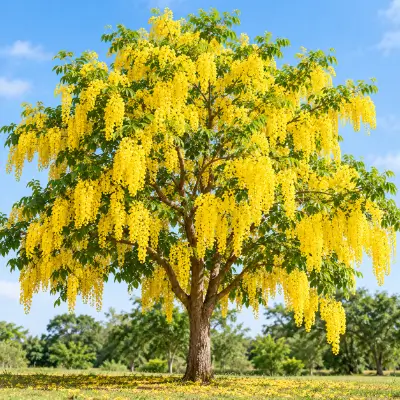
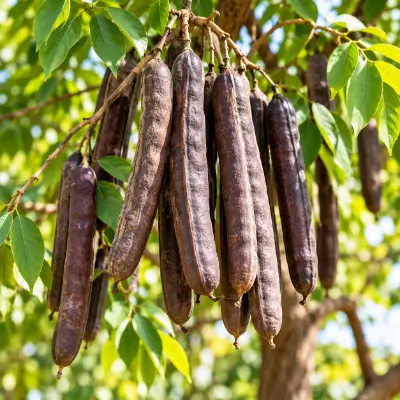
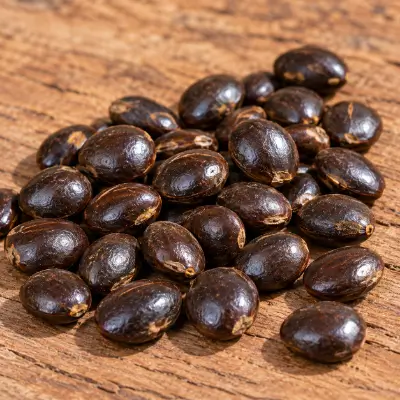
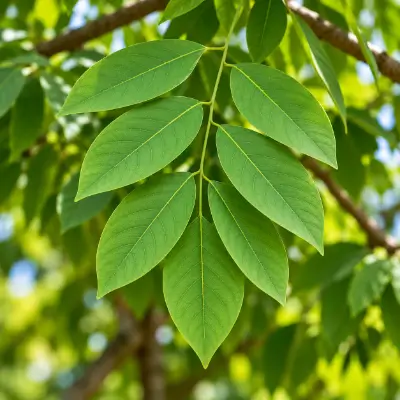
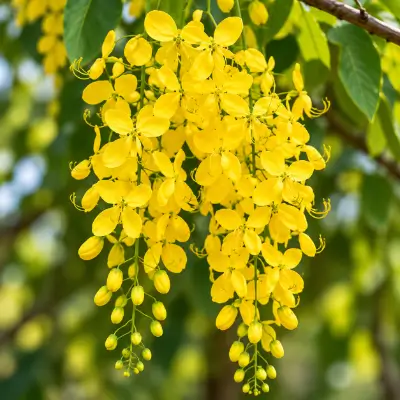
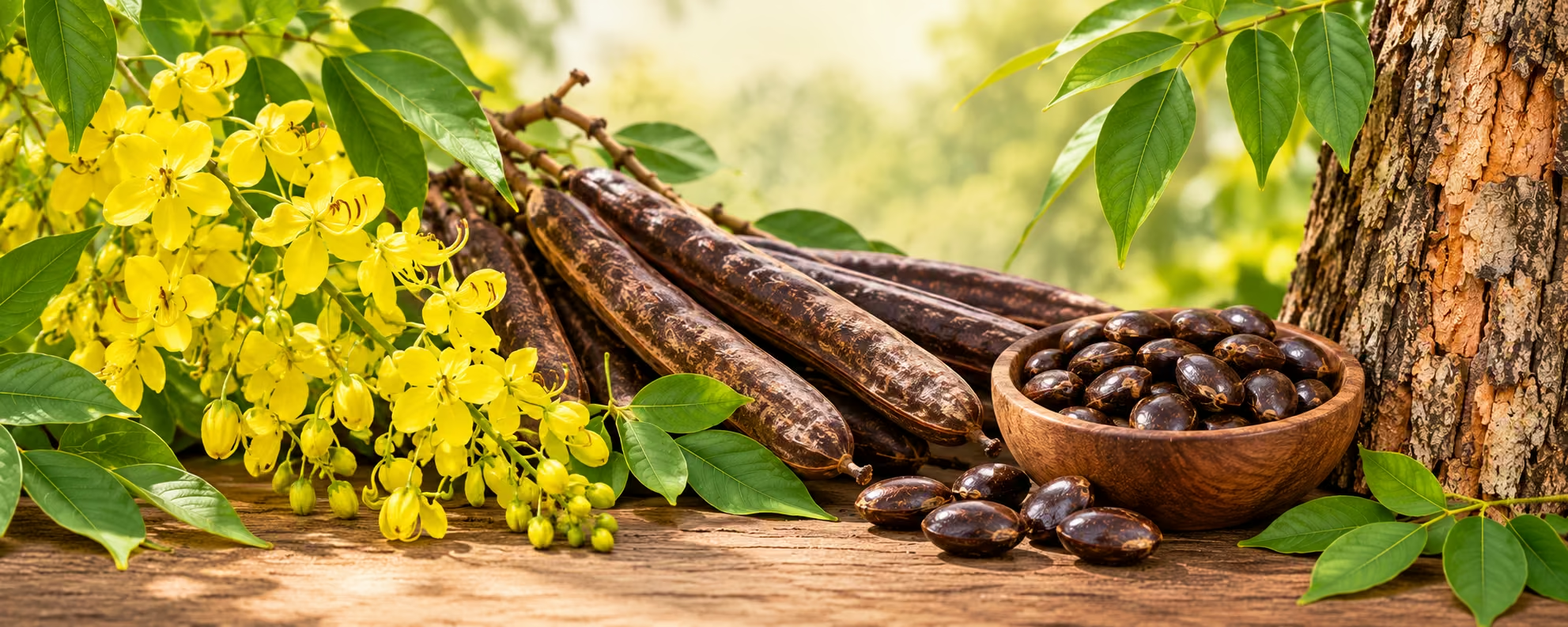
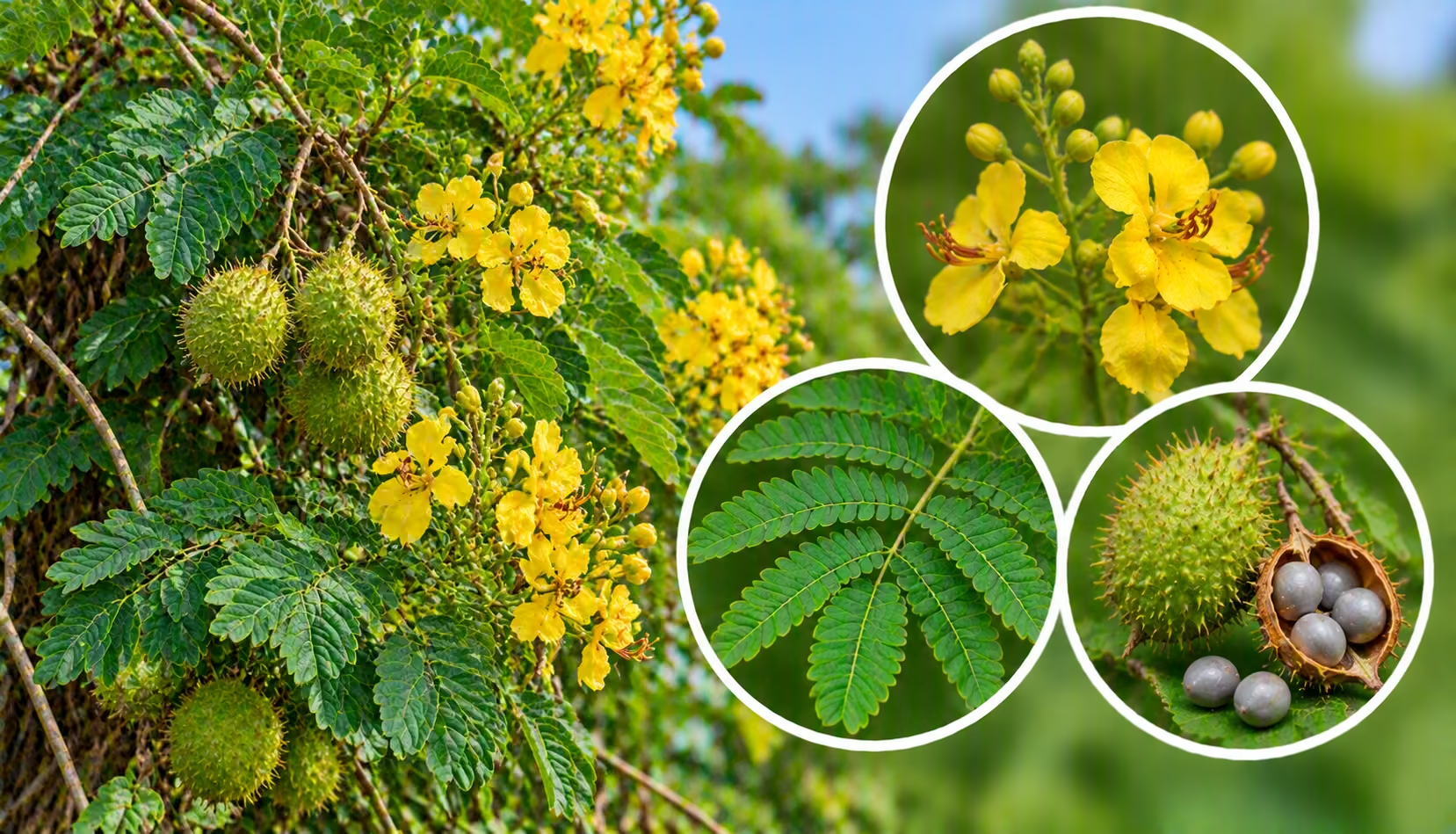
    A large climbing shrub with bipinnate leaves, bright yellow flowers, and prickly seed pods containing hard, grayish seeds.

    Varieties: Caesalpinia Crista, Caesalpinia bonduc

    Substitute/Adulterant

    Often substituted or adulterated with seeds of Pongamia pinnata due to similar appearance.

    Phytochemicals

    Caesalpin, Saponins, β-sitosterol, Bonducin, Albuminoids, Essential oils.

    Raspanchaka

    Rasa: Tikta, Kashaya
    Guna: Laghu, Ruksha
    Virya: Ushna
    Vipaka: Katu
    Prabhava: Visamjwaraghana

    Dosha Shamakta: Tridosha shamak

    Karma

    Krimighna, Kushtaghna, Shothahara, Jwaraghna

    Amayika Prayoga/Therapeutic Uses

    External

    Paste of seeds applied on abscesses, swellings, and skin disorders.

    Internal

    Seed powder used for intestinal worms, fever, and digestion-related issues.

    Part Used

    Seeds, Root, Bark

    Dose

    Seed powder: 1–3g, Decoction: 50–100ml

    Yoga/Formulations

    Krimighna Vati, Latakaranja Beej Churna, Aragvadhadi Kwath

    IUCN Status

    Not evaluated

    Research Updates

    1. Anthelmintic activity of Caesalpinia crista seed extract. (Journal of Ethnopharmacology, 2021)
    2. Evaluation of hepatoprotective potential. (Indian J Exp Biol, 2020)
    3. Immunomodulatory effects of seed extracts. (Phytomedicine, 2019)

    About Lata Karanj

    Botanical Name

    Ceasalpinia bonduc

    Family

    leguminisae, caesalpinioideae

    Identification No.

    SDACH/HG/269

    Parts Used

    Seeds, Root, Bark

    Habitat

    India

    IUCN Status

    Not evaluated

    Plant Photos

    Ayurvedic Properties

    Rasa

    Tikta, Kashaya

    Guna

    Laghu, Ruksha

    Virya

    Ushna

    Vipãka

    Katu

    Contact Now

    Have queries? Contact Us.

    Have queries? We’re here to help you every step of the way.

    Contact us to get the right guidance for your academic journey at Shri Dhanwantry Ayurvedic College.

  • Kaliyaka

    Kaliyaka

    Kaliyaka

    Sanskrit Name: kaliyaka

    Identification No.- SDACH/HG/268

    Botanical Name

    Coscinium fenestratum

    Family Name

    Menispermaceae

    Vernacular Names

    Tree turmeric (English), Mara manjal (Tamil), Haidranga (Kannada), Daruharidra (Hindi)

    Synonyms

    सैव कालीयकः प्रोक्तस्तथा कालेयकोऽपि च ॥२०१॥ घीतदुश्च हरिद्रुश्चपीतदारु’ च पीतकम् । दार्वी निशागुणा किन्तु नेत्र कर्णास्यरोगनुत् ॥२०२॥ (Bhav Prakash)

    Classification

    Charaka – Arshoghna, Kandughna, Lekhaniya

    Charaka has mentioned this as one of the herbs used in powder massage, useful in pruritus, acne and urticaria. (Reference: Charaka Samhita Sutrasthana 3rd chapter)

    Sushruta and Vagbhata – Haridradi, Mustadi, Lakshadi

    Bhav Prakash Nighantu – Haritayadi varga

    In South India, especially in Kerala, Coscinium fenestratum, Menispermaceae, is used in the name of Daru Haridra – Tree Turmeric (stem) – Berberis aristata.

    Habitat & Distribution

    Found in Western Ghats, Sri Lanka, and parts of Southeast Asia; thrives in moist deciduous forests.

    Morphology

    A large woody climber with bright yellow wood, heart-shaped leaves, and small greenish flowers.

    Varieties

    1. Darharidra Berberis aristata

    2. Kaliyaka – Coscinium fenestratum

    In South India, especially in Kerala, Coscinium fenestratum, Menispermaceae, is used in the name of Daru Haridra – Tree Turmeric (stem) – Berberis aristata.

    Substitute/Adulterant

    Haridra (Curcuma longa)

    Phytochemicals

    Berberine, Palmatine, Jatrorrhizine, Columbamine.

    Raspanchaka

    Rasa: Tikta, Kashaya
    Guna: Laghu, Ruksha
    Virya: Ushna
    Vipaka: Katu
    Prabhava: Deepan

    Dosha Shamakta: Kapha-Pittahara

    Karma

    Kusthaghna, Krimighna, Raktapittahara, Pramehaghna

    Amayika Prayoga/Therapeutic Uses

    External

    Used as paste for skin diseases, wounds, itching.

    Internal

    Used in decoctions for diabetes, skin diseases, and as an anti-inflammatory agent.

    Part Used

    Root

    Dose

    Powder: 1-3gm

    Yoga/Formulations

    Darvyadi Kwatha, Chandraprabha Vati

    IUCN Status

    Research Updates

    1. Antidiabetic potential of Coscinium fenestratum in streptozotocin-induced diabetic rats. (J Ethnopharmacol, 2021)
    2. Antimicrobial activity against skin pathogens. (Pharmacognosy Journal, 2020)
    3. Berberine content variation in different parts. (Indian J Pharm Sci, 2019)

    About Kaliyaka

    Botanical Name

    Coscinium fenestratum

    Family

    Menispermaceae

    Identification No.

    SDACH/HG/268

    Parts Used

    Root

    Habitat

    Western Ghats, Sri Lanka, and parts of Southeast Asia

    IUCN Status

    Coscinium fenestratum is listed as Data Deficient.

    Plant Photos

    Ayurvedic Properties

    Rasa

    Tikta, Kashaya

    Guna

    Laghu, Ruksha

    Virya

    Ushna

    Vipãka

    Katu

    Contact Now

    Have queries? Contact Us.

    Have queries? We’re here to help you every step of the way.

    Contact us to get the right guidance for your academic journey at Shri Dhanwantry Ayurvedic College.

  • Shankhpushpi

    Shankhpushpi

    Shankhpushpi

    Botanical Name: Convolvulus pluricaulis

    Family Name: Convolvulaceae

    Identification No. – SDACH/HG/267

    Vernacular Names:

    • Hindi: Shankhpushpi
    • Marathi: Shankhavali
    • Bengali: Shankhaphuli
    • Gujarati: Shankhavi
    • Tamil: Vishnukiranthai
    • Telugu: Vishnukranta
    • Kannada: Vishnukrantha
    • Malayalam: Shankhupushpam

    Synonyms:

    शङ्खपुष्पी तु शङ्खाह्वा माङ्गल्यकुसुमापि च |
    (Bhavaprakasha Nighantu, Guduchyadi Varga)

    Classical Classification:

    • Charaka: Medhya Rasayana
    • Sushruta: Not directly mentioned
    • Vagbhata: Medhya
    • Bhavaprakasha: Medhya, Rasayana

    Habitat & Distribution:

    Commonly found throughout India, especially in the plains. Grows in dry, open, grassy areas and along roadsides. Native to India and distributed in tropical and subtropical regions of Asia.

    Morphology:

    • Habit: Diffused, spreading herb with prostrate or ascending branches
    • Leaves: Small, 1.3–2.5 cm long, ovate or elliptic, base truncate
    • Flowers: Solitary, pale blue or violet, funnel-shaped resembling a conch shell
    • Roots: Slender, branched

    Varieties:

    • Some texts identify Vishnukranti (Clitoria ternatea) or Evolvulus alsinoides as variants or substitutes in some regions.

    Substitute/Adulterant:

    • Evolvulus alsinoides
    • Clitoria ternatea (frequently mistaken)

    Phytochemicals:

    • Alkaloids: Shankhapushpine
    • Glycosides
    • Coumarins
    • Flavonoids
    • Triterpenoids
    • β-sitosterol
    • Kaempferol
    • Ceryl alcohol

    Rasa Panchaka:

    • Rasa: Tikta, Kashaya
    • Guna: Laghu, Snigdha
    • Virya; Shita
    • Vipaka; Madhura
    • Prabhava: Medhya
    • Dosha Shamakta: Tridoshaghna, mainly Kapha-Pitta hara

    Karma (Rogaghnata):

    • Medhya (brain tonic)
    • Rasayana
    • Anxiolytic
    • Anticonvulsant
    • Neuroprotective
    • Antidepressant
    • Nootropic
    • Balya
    • Grahniroga hara

    Amayika Prayoga / Therapeutic Uses:

    External Use:

    • Paste applied on skin disorders and inflammations
    • Decoction for eye washing in certain conditions

    Internal Use:

    • Memory enhancement (Medhya Rasayana)
    • Anxiety, depression, epilepsy
    • Insomnia
    • Digestive disorders
    • Improves speech and intellect in children

    Part Used:

    Whole plant (sometimes mainly aerial parts)

    Dose:

    • Powder (Churna): 1–3 grams
    • Juice (Swarasa): 10–20 ml
    • Decoction (Kwatha): 50–100 ml
    • Extract (Satva): 250–500 mg

    Yoga/Formulations:

    • Shankhpushpi Syrup
    • Medhya Rasayana
    • Saraswatarishta
    • Smriti Sagar Rasa
    • Brahmi Vati
    • Shankhpushpi Churna
    • Manas Mitra Vatakam

    IUCN Status:

    Not Evaluated (NE); Commonly available and cultivated

    Research Updates :

    1. Neuroprotective Role in Alzheimer’s Disease Models

    • Journal: Journal of Ethnopharmacology, 2021
    • Findings: Ethanolic extract of Convolvulus prostratus significantly reduced beta-amyloid plaques and improved cognitive function in mouse models.

    2. Effect on Anxiety and Depression

    • Journal: Phytomedicine, 2020
    • Study: Demonstrated anxiolytic and antidepressant effects through modulation of GABAergic transmission.

    3. Nootropic and Cognitive Enhancer Activity

    • Journal: Indian Journal of Experimental Biology, 2019
    • Result: Improved learning and memory retention in scopolamine-induced amnesia models, with effectiveness comparable to standard nootropics.

    About Shankhpushpi

    Botanical Name

    Convolvulus pluricaulis

    Family

    Convolvulaceae

    Identification No.

    SDACH/HG/267

    Parts Used

    Whole plant (sometimes mainly aerial parts)

    Habitat

    India

    IUCN Status

    Not Evaluated (NE); Commonly available and cultivated

    Plant Photos

    Ayurvedic Properties

    Rasa

    Tikta, Kashaya

    Guna

    Laghu, Snigdha

    Virya

    Sita

    Vipãka

    Madhura

    Contact Now

    Have queries? Contact Us.

    Have queries? We’re here to help you every step of the way.

    Contact us to get the right guidance for your academic journey at Shri Dhanwantry Ayurvedic College.

  • Sasasruti

    Sasasruti

    Sasasruti

    Botanical Name : Emilia sonchifolia (L.) DC. ex Wight

    Family : Asteraceae 

    Identification No. – SDACH/HG/266

    Introduction :                                                               

    Emilia sonchifolia, also known as lilac tasselflower or cupid’s shaving brush, is tropical flowering species of tasselflower in the sunflower family. It is widespread in tropical regions around the world, apparently native to Asia (China, India, Southeast Asia, etc.) and naturalized in Africa, Australia, the Americas, and various oceanic islands

    Names in different Indian languages :

    English : Red tassel flower

    Hindi : hirankuri

    Kannada : ili kivi gida

    Malayalam : muyalchevi

    Sanskrit : sasasruti

    Tamil : muyalccevi

    Synonyms :

    Akhukarni

    Morphology :

    Emilia sonchifolia is an erect to ascending, smooth or sparingly hairy, soft stemmed, slenderly branched annual herb, growing 20 to 70 cm tall with a branched taproot. The leaves are alternate. Those on the lower stem are deeply and irregularly toothed, being nearly round, kidney shaped, ovate, triangular-ovate or obovate, 4 to 16 cm long, 1 to 8 cm wide, with narrowly winged petioles. The upper, lanceolate leaves are sessile, with bases which encircle the stem. The inflorescence is terminal, usually dichotomously branched, flat-topped and composed of 3 to 6 stalked flower heads, each with a whorl of bracts beneath. Each urn-shaped flower head, a composite of numerous tubular florets which protrude by 1 mm above a single ring of outer green involucral bracts, is 12-14 mm long by 4-5 mm wide. There are 30-60 florets per head, the outer ones female and the inner ones with both stamens and stigmas. The flowers may be purple, scarlet, red, pink, orange, white or lilac. The fruit is an oblong dry indehiscent ribbed achene, 2.4-3 mm long, reddish brown or off-white with a pappus of white hairs up to 8 mm long.

    Distribution & Habitat :

    India: Assam, Bihar, Kerala, Gujarat, Madhya Pradesh, Maharastra, Manipur, Meghalaya, Odisha, Tamil Nadu, Uttar Pradesh; Africa

    Moist shady places,old tree trunks, wetlands, moist places, irrigation channels

    Chemical constituents :

     simiral, beta-sitosterol, stigmasterol, palmitic acid and honey acid

    IUCN Status – Not Evaluated

    Research updates –

    1. Das S, et al. Evaluation of hepatoprotective activity of Emilia sonchifolia leaf extract in paracetamol-induced liver damage. Indian J Pharmacol. 41(4):197–200.

    2. Shylesh BS, et al. Antioxidant and anti-inflammatory activity of Emilia sonchifolia extract. Phytother Res. 20(3):240–243.

    3. Meera R, et al. Antipyretic and analgesic activity of Emilia sonchifolia in experimental animal models. Asian Pac J Trop Med. 6(10):781–785.

    About Sasasruti

    Botanical Name

    Emilia sonchifolia (L.) DC. ex Wight

    Family

    Asteraceae

    Identification No.

    SDACH/HG/266

    Habitat

    Assam, Bihar, Kerala, Gujarat, Madhya Pradesh, Maharastra, Manipur, Meghalaya, Odisha, Tamil Nadu, Uttar Pradesh; Africa

    IUCN Status

    Not Evaluated

    Plant Photos

    Contact Now

    Have queries? Contact Us.

    Have queries? We’re here to help you every step of the way.

    Contact us to get the right guidance for your academic journey at Shri Dhanwantry Ayurvedic College.

  • Paranti

    Paranti

    Paranti

    Botanical Name : Ixora coccinea Linn.

    Family : Rubiaceae

    Identification No. – SDACH/HG/265

    Introduction :

    This plant used as  medicinal purpose and ornamental.

    Names in different Indian languages :

    English : Jungleflame Ixora, sacred ixora,flame of woods

    Hindi : Rangam, rugmini

    Kannada : Kiskara

    Malayalam : Techi

    Sanskrit : Paaranti

    Tamil : vetchi,

    Telugu : manmadibanum

    Morphology :

    It is shrub, grows upto 1-2 m height

    Leaves – simple, opposite, lanceolate

    Flowers – dense, corymbiform cymes, like ashoka flowers

    Fruits – globose, fleshy

    Distribution & Habitat :

    Cultivated

    Chemical constituents :

    Lupeol, leucocyanidin glycoside

    Properties :

    Carminative, astringent, antiseptic, blood-purifier, sedative, antileucorrhoeic, antidiarrhoeal, anti-catarrhal

    The plant substrate can remove heavy metals, such as lead, cadmium and mercury from polluted water

    Indication :

    Diarrhea, dysentery, cephalgia, skin disease, ulcer, sores

    Part used :

    Root, leaves, flowers

    Dosage :

     10-15 ml

    Therapeutic Uses :

    Flower boiled in oil useful in head ache

    Leaf paste useful in skin disease, especially in children. 

    IUCN Status – Not Evaluated

    Research updates –

    1. Nair R, et al. Antibacterial activity of Ixora coccinea flowers against clinical pathogens. Indian J Pharm Sci. 67(5):628–631.

    2. Ghosh T, et al. Evaluation of anti-inflammatory and wound healing properties of Ixora coccinea Linn. leaf extract. J Ethnopharmacol. 103(3):484–489.

    3. Bhattacharjee R, et al. Phytochemical and antioxidant analysis of Ixora coccinea flower extracts. Pharmacogn J. 8(2):123–127.

    About Paranti

    Botanical Name

    Ixora coccinea Linn.

    Family

    Rubiaceae

    Identification No.

    SDACH/HG/265

    Parts Used

    Root, leaves, flowers

    Habitat

    Cultivated

    IUCN Status

    Not Evaluated

    Plant Photos

    Contact Now

    Have queries? Contact Us.

    Have queries? We’re here to help you every step of the way.

    Contact us to get the right guidance for your academic journey at Shri Dhanwantry Ayurvedic College.

  • Swarnapushpa

    Swarnapushpa

    Swarnapushpa

    Botanical Name : Tecoma stans (L.) Juss. ex Kunth

    Family : Bignoniaceae (Jacaranda family)

    Identification No. – SDACH/HG/264

    Introduction :

    Tecoma stans is a species of flowering perennial shrub in the trumpet vine family, Bignoniaceae, that is native to the Americas. Common names include yellow trumpetbush, yellow bells, yellow elder, ginger-thomas. Tecoma stans is the official flower of the United States Virgin Islands and the floral emblem of The Bahamas.

    Names in different Indian languages :

    English : Yellow bells, Yellow trumpet, Yellow-Elder

    Hindi : Piliya

    Kannada : Koranechellar

    Tamil : Sonnapatti

    Telugu : Pachagotla

    Bengali : Chandaprabha

    Marathi : Ghanti ful

    Nepali : Ghata Pushpa, Saawari

    Synonyms :

    Bignonia stans L

    Stenolobium stans (L.) Seem.

    Tecoma stans (L.) Kunth var. Stans

    Tecoma stans (L.) Kunth var. velutinaDC.

    Morphology :

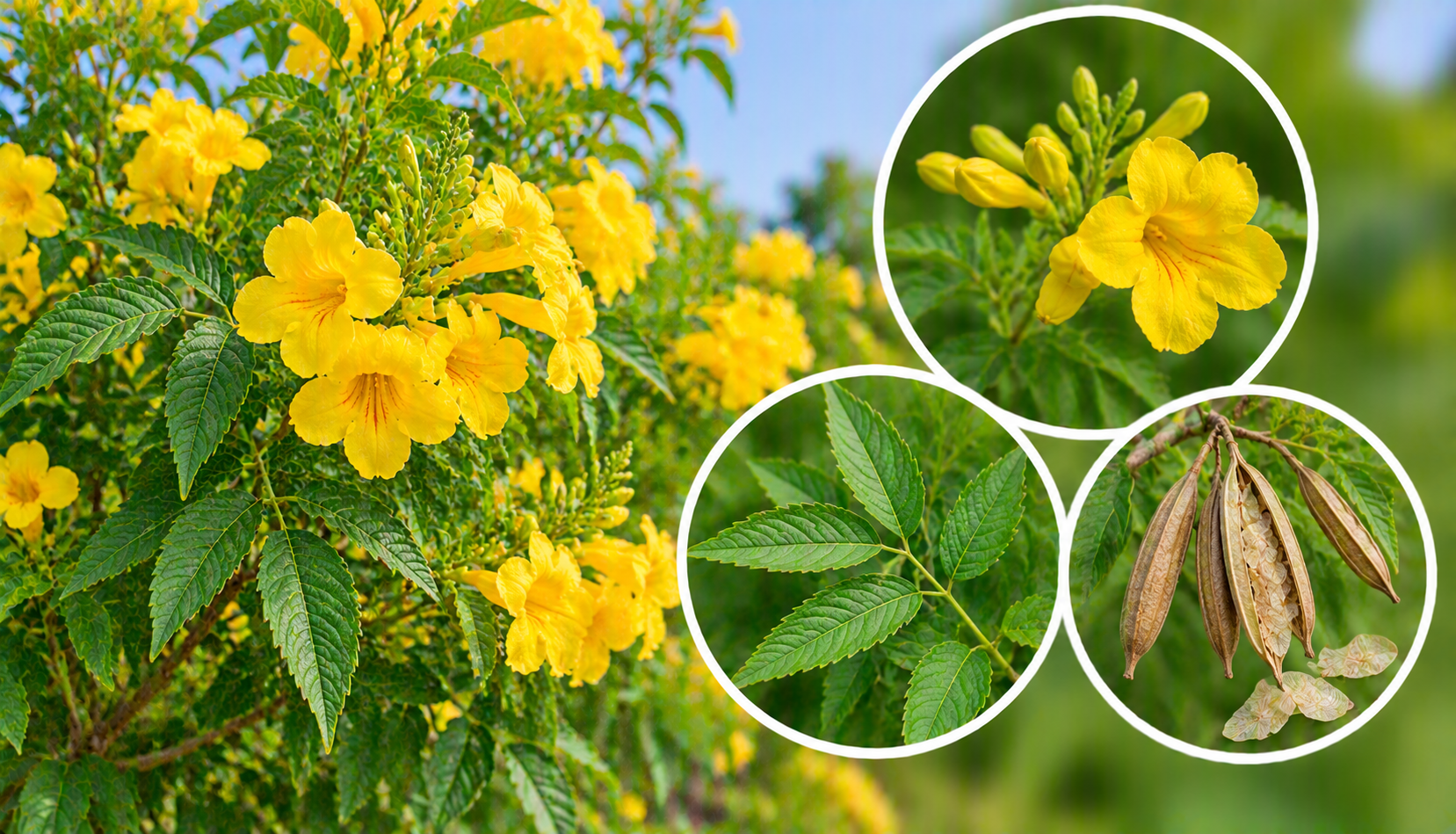
    A large shrub or small, much-branched, tree usually growing 1.5 to 5 m tall, but occasionally reaching 10 m in height. The younger stems are smooth, hairless (glabrous) and greenish in colour. They are slightly four-angled in cross-section (quadrangular) and turn pale brown or reddish-brown in colour as they age. The bark on the main stem is light brown to pale grey in colour, furrowed, and relatively rough in texture. The leaves (10-25 cm long) are arranged in pairs (oppositely arranged) and are borne on slender stalks (petioles) 1-9 cm long. They are compound (pinnate) with 3-13 leaflets, but usually have 3-7 leaflets. The leaflets are narrowly egg-shaped in outline with broad end at base (ovate-lanceolate) or elongated in shape (25-100 mm long and 8-30 mm wide) and have a pointed tip (acuminate apex). Their margins are irregularly and sharply toothed (serrated) and they are mostly hairless (glabrous), though a few hairs may be present on their undersides near the midrib.

    The showy flowers are borne in several-flowered clusters (5-15 cm long) that are first produced at the ends of the branches (in terminal clusters), and then later in the leaf forks (axils) near the tips of the branches (in axillary clusters). These flowers are bright yellow in colour, tubular in shape, and borne on short stalks (pedicels) that are somewhat curved or twisted. The flower tube (corolla tube) is 30-50 mm long and has five rounded lobes that are 8-30 mm long. There are several faint reddish lines in the throat of the flower, which is slightly ridged and hairy. Flowering may occur throughout the year. The fruit are large, elongated (linear), and somewhat flattened (compressed) capsules (10-30 cm long and 5-20 mm wide). These fruit turn from green to brown in colour as they mature and finally split open to release numerous papery seeds.

    The seeds are very flat, oblong in shape (7-8 mm long and about 4 mm wide), and have a transparent wing at each end (the size of entire seed including the wings is about 20 x 6 mm).

    Distribution & Habitat :

    A plant of drier areas in the tropics and subtropics, it can be found at elevations from sea level to around 2,000 metres. It grows best in areas where annual daytime temperatures are within the range 15 – 25°c, but can tolerate 10 – 35°c. The plant is intolerant of frost. It prefers a mean annual rainfall in the range 500 – 700mm, but tolerates 400 – 800mm. Trees can perform well in areas of less than the recommended rainfall but need to be irrigated; they can also grow at higher altitudes than recommended, but is then said to be slow in flowering. Requires a sunny position. Prefers clay loams, but tolerates most types of fertile, well-drained soils and is particularly tolerant of alkaline conditions. Prefers a pH in the range 6 – 8.5, tolerating 5.5 – 9. Established plants are drought tolerant. The plant has escaped from cultivation and become naturalised in some areas. It is capable of forming dense thickets and crowding out native species. Plants can flower all year round. The flower buds pop when squeezed.

    Medicinal uses :

    A leaf infusion can be taken orally for treating diabetes and stomach pains.

    A strong leaf and root decoction is taken orally as a diuretic, to treat syphilis or for intestinal worms. The flowers are diuretic

    IUCN Status – Not Evaluated (NE)

    Research updates –

    Nayak BS, et al. Evaluation of antidiabetic and antioxidant effects of Tecoma stans leaf extract in alloxan-induced diabetic rats. J Ethnopharmacol. 123(3):539–543.

    Rodriguez-Monroy MA, et al. Hypoglycemic effect of Tecoma stans and its mechanism of action in streptozotocin-induced diabetic rats. Phytomedicine. 18(9):684–690.

    Ojewole JA. Antinociceptive and anti-inflammatory effects of Tecoma stans leaf extract in rats and mice. Afr J Tradit Complement Altern Med. 7(3):226–234.

    About Swarnapushpa

    Botanical Name

    Tecoma stans (L.) Juss. ex Kunth

    Family

    Bignoniaceae (Jacaranda family)

    Identification No.

    SDACH/HG/264

    Parts Used

    Root bark, Leaves, Flowers

    Habitat

    India

    IUCN Status

    Not Evaluated (NE)

    Plant Photos

    Ayurvedic Properties

    Rasa

    Madhura

    Guna

    Madura, Guru, Snigdha

    Virya

    Sita

    Vipãka

    Madhura

    Contact Now

    Have queries? Contact Us.

    Have queries? We’re here to help you every step of the way.

    Contact us to get the right guidance for your academic journey at Shri Dhanwantry Ayurvedic College.

  • BHALLATAKA

    BHALLATAKA

    BHALLATAKA

    Sanskrit name – Bhallataka

    Botanical name – Semecarpus anacardium

    Family name – Anacardiaceae

    Identification No. – SDACH/HG/263

    Vernacular names – Hindi: Bhilawa, Marathi: Bibba, Bengali: Bhela, Tamil: Serankottai, Telugu: Jeedi Mamidi

    Synonyms –

    भल्लातकं त्रिषु प्रोक्तमरुष्को ऽरुष्करोऽग्निकः ।

    तथैवाग्निमुखी भल्ली वीरवृक्षश्च शोफकृत्

    Bhav Prakash – Haridakiyadi varga

    Habitat & Distribution – Found in tropical and subtropical regions of India, especially in the outer Himalayan tracts, Central India, and Western Ghats.

    Morphology – Tree up to 15 meters tall; leaves alternate, obovate-oblong, glabrous; flowers in terminal panicles, greenish-white; fruit is a drupe, smooth, black when ripe, and nut is enclosed in a fleshy receptacle. The nut secretes a black, acrid juice.

    Phytochemicals – Bhilawanols, Semecarpol, Anacardic acid, Biflavonoids, Cardol, Tannins, Phenolic compounds

    Raspanchaka –

    Rasa: Katu, Tikta, Kashaya

    Guna: Laghu, Tikshna, Snigdha

    Virya: Ushna

    Vipaka: Madhura

    Prabhava: Kushtaghna

    Dosha Shamakta: Kapha-Vatahara

    Karma (Rogaghnata) – Kushtaghna (anti-leprotic), Krumighna (anti-parasitic), Shothahara (anti-inflammatory), Shukrajanana (aphrodisiac), Rasayana (rejuvenative), Arshoghna (anti-piles)

    Amayika Prayoga/Therapeutic Uses –

    External – Useful in skin diseases; oil prepared from Bhallataka used in chronic wounds, boils, and piles (with caution).

    Internal – Used in leprosy, skin disorders, piles, abdominal pain, anemia, and chronic respiratory diseases. Administered after shodhana (purificatory process) only.

    Part used – Fruit

    Dose –

    Kalka 3-6 gm

    Oil: 10–20 drops

    Yoga/Formulations – Bhallatakadi Ghrita, Bhallatak Avaleha, Vajikarana Yoga, Kushtanashak Vati

    IUCN Status – Least Concern (LC)

    Research updates –

    Gautam S, et al. Evaluation of anti-inflammatory activity of Semecarpus anacardium nut extract in experimental models. J Ethnopharmacol. 175:76–83.

    Kumar R, et al. Protective effect of Semecarpus anacardium against chemically induced hepatotoxicity and oxidative stress in rats. Phytother Res. 29(6):907–13.

    Patel D, et al. Anticancer and apoptotic effects of Semecarpus anacardium on human breast cancer cells. BMC Complement Altern Med. 15:124.

    About Bhallataka

    Botanical Name

    Semecarpus anacardium

    Family

    Anacardiaceae

    Identification No.

    SDACH/HG/263

    Parts Used

    Fruit

    Habitat

    Central India, and Western Ghats.

    IUCN Status

    Least Concern

    Plant Photos

    Ayurvedic Properties

    Rasa

    Katu, Tikta, Kashaya

    Guna

    Laghu, Tikshna, Snigdha

    Virya

    Ushna

    Vipãka

    Madhura

    Contact Now

    Have queries? Contact Us.

    Have queries? We’re here to help you every step of the way.

    Contact us to get the right guidance for your academic journey at Shri Dhanwantry Ayurvedic College.

  • Sukshmaila

    Sukshmaila

    Sukshmaila

    Botanical Name : Elettaria cardamomum Maton

    Family : SCITAMINAE , Zingiberaceae.

    Identification No. – SDACH/HG/262

    Introduction :

    Ela  is famous for  aromatic content in Indian Medicine and tradition. It shows abortifacient property

    Names in different Indian languages :

    English : Lesser Cardamom

    Hindi : Elaci

    Kannada : Elakki

    Malayalam : Elam ,cittelam

    Sanskrit : Ela,Trutih

    Tamil : Elam

    Telugu : Elakkayalu

    Unani : Heel Khurd

    Folk : Ilaayachi

    Synonyms :

    सूक्ष्मोपकुञ्चिका तुत्था कोरङ्गी द्राविडी त्रुटि|

    Elaa, Sukshmailaa, Kshudrailaa, Bhrngaparnikaa, Tutthaa, Draavidi, Prithvikaa, Triputaa, Truti, Upkunchikaa

    Classification according to Charaka, Susrutha & Vagbhata :

    Charaka

    Svãsahara, Angamarda prasamana, katuka  skandha,sirövirecana

    Susrutha

    Elãdi

    Vagbhata

    Elädi, Trijätaka, Cãturjãtaka

    Varieties & adulterants – (CV – controversy, AD – adulterants) :

    1. small

    2. large – Ammomum subulatum.

    3. Entada scandens. [CV]

    4. Gardenia gummifera  [CV]

    Morphology :

    A annual herb; rootstock thick, Leafy stem, 2.5 to 4 cm long.

    Leaves— Oblong-lanceolate, pubescent beneath.

    Flowers— in panicle (produced direct from the root stock). Bracts 2-3 flowered.

    Flowers— shortly pedicel; calyx cylindrical, membranous, shortly lobed; corolla-tube ,lip larger than the corolla-segments, white sheathed with violet.

    Fruit— subglobose or oblong capsules. Flowering and fruiting during May to July.

    Distribution & Habitat :

    Cultivated in Kerala, Tamilnadu and Karataka.

    Chemical constituents :

    cineole and alpha-terpinylacetate, with limonene, alpha-terpineol, sabinene, linalool.Bornneol, càmphene, p-cymene, geraneol, heptane, D-limonene, linalool, menthone, methylheptenone, myrcene, nerol, nerylacetate, a.- & 13-pinenes, saibenene, a- & -terpeneols, n-alkanes, ascaridole, camphor, citral, citronellal, farnesol, sitosterol, thujene etc

    Properties :

    RASA- Katu, Madhura

    GUNA- Laghu, Ruksa

    VIRYA- sita

    VIPAKA- Katu

    Note— Narahari described Ela dvaya as sita virya while Bhãvami quoted Brhat Ela as Usna virya.

    Karma : Kapha-vatahara, sukra, näsaka, Dipana,Hrdya

    Carminative antiemetic, stomachic, orexigenic, anti-gripe, antiasthmatic, antispasmodic, antiseptic

    Indication :

    Hrdroga,kasa, Svãsa, Mütra Krcchra, Chardi, Arsas, visarpa

    flatulence, loss of appetite, colic, bronchitis, asthma,  headache, gout

    Part used :

    Seeds, oil

    Dosage :

    Powder 2-4 g

    External uses :

    The oil of cardamom seeds is useful in the treatment of toothache.

    Internal uses :

    Digestive system : It is a mouth freshener, deodorant and antidipsetic. Seeds and oil are appetizer. digestive and laxative. A whole cardamum burnt in charcoal is a good carminative. It is useful in oral disorders, abdominal pain and piles. Antiemetic but Vagbhatta includes it in emetic class).

    Circulatory system : Useful in general weakness.

    Respiratory system : Because of its expectorant property, it is used in cough, asthma and other respiratory disorders.

    Urinary system : Seeds are diuretic, useful in dysuria.

    Temperature : Useful in burning sensation.

    Important Yogas or Formations :

    Eladi cürna, Eladiarista, Elädi Kasaya, eladi taila.                          

    Therapeutic Uses :

    (1) Hrdroga—  Eala and Pippalimula are taken with honey (V.S.).

    (2) Mutrakrcchra— Ela is given, along with Dadhi manda (water over the curd)— (G.N.).

    (3) Timira— Ela powder is soaked in goats urine for three days and applied as collyrium (C.S.Ci. 26).

    IUCN Status – Least Concern

    Research updates –

    1. Verma RS, et al. Chemical composition and antimicrobial activity of cardamom oil from Elettaria cardamomum. Ind Crops Prod. 52:287–292.

    2. Ravindran PN, et al. Pharmacological basis for the therapeutic applications of cardamom: a review. Phytother Res. 29(7):971–979.

    3. Khan A, et al. Cardamom supplementation reduces blood pressure and improves antioxidant status in hypertensive individuals. Indian J Biochem Biophys. 51(4):254–259.

    About Sukshmaila

    Botanical Name

    Elettaria cardamomum Maton

    Family

    SCITAMINAE , Zingiberaceae.

    Identification No.

    SDACH/HG/262

    Parts Used

    Seeds, oil

    Habitat

    Kerala, Tamilnadu and Karataka

    IUCN Status

    Least Concern

    Plant Photos

    Ayurvedic Properties

    Rasa

    Katu, Madhura

    Guna

    Laghu, Ruksa

    Virya

    Sita

    Vipãka

    Katu

    Contact Now

    Have queries? Contact Us.

    Have queries? We’re here to help you every step of the way.

    Contact us to get the right guidance for your academic journey at Shri Dhanwantry Ayurvedic College.

  • Rasona

    Rasona

    Rasona

    Botanical Name : Allium sativum Linn.

    Family : Liliaceae, Alliaceae

    Identification No. – SDACH/HG/261

    Introduction :

    Rasona commonly used for the vata disorders.

    Scientific classification: Garlic belongs to the family Liliaceae. Common garlic is classified as Allium sativum, British wild garlic as Allium oleraceum, and American wild garlic as Allium candense. The field garlic of Europe and the Americas is classified as Allium vineale. False garlic is classified as Nothoscordum bivalve.

    Names in different Indian languages :

    English : Garlic.

    Hindi : Lahasun

    Kannada : Belluli

    Malayalam : Velluli

    Sanskrit : Lasunah, rasonah

    Tamil : Vellai puntu

    Telugu : Vellulli

    Unani : Seer, Lahsun

    Synonyms :

    Yavaneshta, Ugragandha, Mahaushadh, Arishta

    Varieties & adulterants – (CV – controversy, AD – adulterants) :

    1.Girija

    2. Ksetraja

    3. Allium ascaloniurn

    Morphology :

    A bulbous herb, 60 cm high.

    Leaves— long, flat, acute, sheathing the lower half of stem. Flowering scape slender, smooth, shining; spathes long, beaked.

    Flowers— small, white, prolonged into leafy points.

    Flowers :during winter.

    Distribution & Habitat :

    Native to Central Asia. Cultivated all over India.

    Chemical constituents :

    Alliin, Volatile oil, white liquid. albumin, sugar, jelly like substance. The volatile oil which is yellow in colour contains organic sulphur. Alliin; Carbohydrates (arabinose, galactose etc); vitamins (folic acid, niacin, riboflavin, thiamine, vit.c); amino acids (arginine, asparagic acid, niethionine etc.); enzymes (allinase); volatile compounds (allylalcohol, allylthiol, allylpropyl disuiphide etc.); thioglycosides (scordine, scordinine A1, A2 & B etc.); prostaglandins A2, D2 E2 and F2 allylmethylselenide, ajoene, proteoruboside B.

    Properties :

    Rasa Madhura, Lavana, Katu, Tikta, Kasãya

    Guna Snigdha, Guru, Tiksna, Sara

    Virya Usna

    Vipaka Katu

    (1) Katu Rasa — root

    (2) Tikta Rasa — leaf

    (3) Kasaya Rasa — stem

    (4) Lavana Rasa — stem tip/terminal bud

    Karma : Vãta-Kapha hara, Balya, Brmhana, Rasayana, Vrsya, Netrya

    Antibiotic, bacteriostatic, fungicide, anthelmintic, antithrombic, hypotensive, hypoglycaemic, hypocholesterolaemic

    Indications : Vãta vyãdhi, süla, Ajirna, Vibahdha, Gulma, Hrdroga, Svãsa, Käsa, Asthibhagna, Räjayaksma, Krimi

    Nerve disorder, epilepsy, sciatica, colic, piles, spllen and liver disorder, Cough

    Part Used :

    Bulb, oil

    Dosage :

    Paste 3-6 g; oil 1-2 drops

    Amayika Prayoga/Therapeutic Uses –

    External uses :

    It is an anti-inflammatory, pain killer and removes toxicity. in childhood cough, a necklace of garlic buds is worn Garlic paste is used for swelling in rheumatoid arthritis, paralysis, sciatica, facial palsy and pain in the ribs. Juice is also used. Garlic juice is used in skin disorders like eczema. Swelling due to insect bites almost disappear on nibbling garlic juice or oil of garlic. A bud of garlic, inserted in the ear also relieves pain.

    Internal Uses :

    Nervous System : Used in paralysis, arthritis, sciatica and weak memory. Garlic juice is given internally in diminished vision.

    Digestive System : In indigestion, low appetite, pain, constipation, worm infestation, piles all diseases of vata and kapha, garlic is useful, Flatulence caused by food like rice be avoided easily if cooked in garlic water.

    Circulatory System : Oedema due do cardiac disorders is decreased by garlic.

    Respiratory System : Being snigdha and tikta, it decreases cough. Milk boiled with garlic reduces chronic cough, asthma, tuberculosis and hoarseness of voice. The volatile oil kills Mycobacterium tuberculi. Healing properties are therapeutic to Cough is decreased by buds of garlic. In a persistent cough, a garland of garlic buds is put round the neck In diseases of vata and kapha. garlic oil is rubbed on the chest.

    Urinary System : It is useful in urinary disorders due to its tikta guna.

    Reproductive System : Being pungent. pichchila and snigdha, it stimulates the production of semen. Thus it is not much use in paucity weakness) of semen. Being a regulator of menstrual function it is used in dysmenorrhoea.

    Satmikaran : Stimulant on all parts of the body. It alleviates psychological and mental troubles and is good rasayana (due to pichchila). In fractures of the bone, milk boiled with garlic is helpful,

    Skin : As it contains organic sulphur, it is very effective in skin diseases, pruritus and eczema etc.

    Temperature : Being antipyretic, diaphoretic and reducing ama, it is useful in fevers. In fever with rigours, garlic oil should be used for massage before the fever rises. It is used as a preventive medicine in fever diphtheria etc.

    Contraindication : Being tikshna and ushna, it is contraindicated in pregnancy and those with pitta prakruti because it aggravates pitta.

    Antidote : Cold infusion of coriander seeds should be given repeatedly

    Excretion : Garlic is excreted from skin, lung and kidneys. In the process, it enhances the action of all three organs. It is useful in hypertension.

    Important Yogas or Formations :

    Rasonvati. Rasonpinda, Rasonashtala, Lasunadighrita. Rasona siddha taila. Launãdi vati,, Rasonapinda, Hingutriguna tailam, Rasona surã, Lasuna Kalpa, Rasona rasãyana, Rasonãstaka,  Launa Ksira, Laundi ghrta.

    Therapeutic Uses :

    (1) Amavãta—Rasona, Sunthi and Nirgundi as decoction (B.P.).

    (2) Yoni Roga— Juice of garlic is given early morning with milk and meat soup as the diet (S.S.Ut. 38).

    (3) Plihavrddhi— Lasuna, Pippalimüla, Haritaki are given with cow’s urine (V.M.)

    IUCN Status – Not Evaluated (NE)

    Research updates –

    Ried K, et al. Effect of garlic on blood pressure: a systematic review and meta-analysis. BMC Cardiovasc Disord. 13:7.

    Bayan L, et al. Garlic (Allium sativum) and its anti-cancer properties: a review. Asian Pac J Cancer Prev. 15(13):5801–5810.

    Gebreyohannes G, et al. Antibacterial activity of garlic extract against clinical pathogens. Evid Based Complement Alternat Med. 2013:1–8.
    About Rasona

    Botanical Name

    Allium sativum Linn.

    Family

    Liliaceae, Alliaceae

    Identification No.

    SDACH/HG/261

    Parts Used

    Bulb, oil

    Habitat

    India

    IUCN Status

    Not Evaluated (NE)

    Plant Photos

    Ayurvedic Properties

    Rasa

    Madhura, Lavana, Katu, Tikta, Kasãya

    Guna

    Madhura, Lavana, Katu, Tikta, Kasãya

    Virya

    Usna

    Vipãka

    Katu

    Contact Now

    Have queries? Contact Us.

    Have queries? We’re here to help you every step of the way.

    Contact us to get the right guidance for your academic journey at Shri Dhanwantry Ayurvedic College.

  • Dhamargava

    Dhamargava

    Dhamargava

    Botanical name: Luffa acutangula (L.) Roxb.

    Family name: Cucurbitaceae

    Identification No.: SDACH/HG/260

    Vernacular names:

    Hindi – Turai, Jhingha

    English – Ridge gourd

    Tamil – Peerkangai

    Telugu – Beerakaya

    Marathi – Dodka

    Synonyms:

    धामार्गवः पीतपुष्पो जालिनी कृतवेधना।

    राजकोशातकी चेति तथोक्ता राजिमत्फला

    Bhav Prakash – Shaka Varga

    Habitat & Distribution:

    Widely cultivated across India in tropical and subtropical regions. Grows well in warm climates with adequate moisture and fertile soil. Typically grown as a summer and rainy season crop.

    Morphology:

    Climbing herbaceous vine with angular stems and tendrils. Leaves are broad and lobed. Fruits are elongated with ridges, tapering at both ends, green in color. Seeds are black and smooth.

    Phytochemicals:

    Cucurbitacins, flavonoids, saponins, alkaloids, β-sitosterol, triterpenoids, ascorbic acid, polyphenols

    Raspanchaka:

    Rasa – Madhur

    Guna – Laghu, Ruksha

    Virya – Ushna

    Vipaka – Katu

    Prabhava – Virechaka

    Dosha shamakta – Kapha- Vata Vardhak

    Karma – Rogaghnata:

    Virechana, Deepana, Pachan, Kusthaghna, Krimighna, Arshoghna, Shothahara, Jvaraghna

    Amayika Prayoga/Therapeutic Uses:

    External – Paste of seeds or fruit applied on skin infections, boils, and eruptions

    Internal – Used in constipation, skin diseases, piles, fever, edema, anemia, and indigestion

    Part used: Fruit

    Yoga/Formulations:

    Koshataki Churna

    Koshataki Ghrita

    Koshatakyadi Kashaya

    Used in formulations related to skin diseases, constipation, and helminthic infestations

    IUCN Status: Not Evaluated (NE)

    Research updates:

    1. Kumar D, Arya V, Bhat ZA. Anthelmintic activity of Luffa acutangula fruits in vitro. Int J Pharm Pharm Sci.
    2. Patel PK, Patel MA, Saralai MG. Anti-inflammatory activity of Luffa acutangula seed extract in animal models. Asian J Pharm Clin Res.
    3. Shirwaikar A, Rajendran K, Barik R. Hypoglycemic activity of ethanolic extract of Luffa acutangula fruit. J Ethnopharmacol.

    About Dhamargava

    Botanical Name

    Luffa acutangula (L.) Roxb.

    Family

    Cucurbitaceae

    Identification No.

    SDACH/HG/260

    Parts Used

    Fruit

    Habitat

    India

    IUCN Status

    Not Evaluated (NE)

    Plant Photos

    Ayurvedic Properties

    Rasa

    Madhura

    Guna

    Laghu, Ruksha

    Virya

    Ushna

    Vipãka

    Katu

    Contact Now

    Have queries? Contact Us.

    Have queries? We’re here to help you every step of the way.

    Contact us to get the right guidance for your academic journey at Shri Dhanwantry Ayurvedic College.