Sanskrit Name: Tejovati
Identification NO : SDACH/HG/244
Botanical Name: Zanthoxylum armatum DC.
Family Name: Rutaceae
Vernacular Names:
Hindi: Tejbal
Marathi: Tejbal
Gujarati: Tejbal
Tamil: Arattai
Kannada: Gandhaphala
Malayalam: Karimaram
Telugu: Devadaramu
English: Toothache Tree, Prickly Ash
Synonyms (from Bhavaprakasha – Haritakyadi Varga):
“तेजस्विनी तेजवती तेजोह्वा तेजनी”
Classification According to Classical Texts:
Charaka: Not specifically classified
Sushruta: Arishta Varga
Vagbhata: Deepaniya, Vishaghna
Bhavaprakasha: Haritakyadi Varga
Habitat & Distribution:
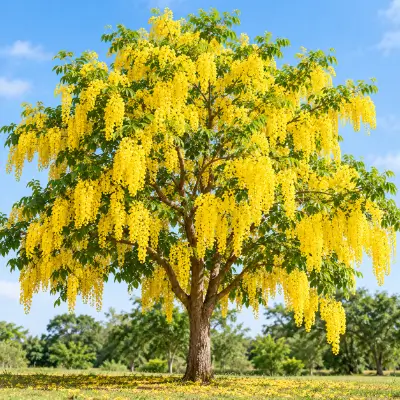
Tejovati grows widely in sub-Himalayan regions from Jammu & Kashmir to Bhutan (1000–2100 m altitude). Also found in Northeast India and some southern hill areas. Prefers moist forest areas and shaded slopes.
Morphology
Root: Woody, aromatic
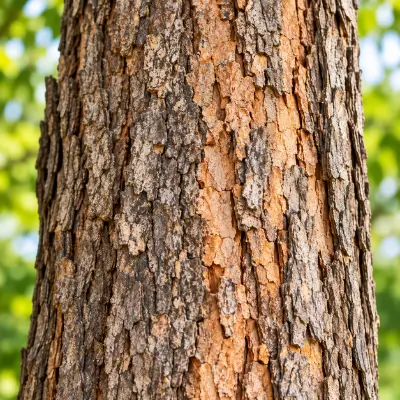
Stem: Gnarled, covered with spines
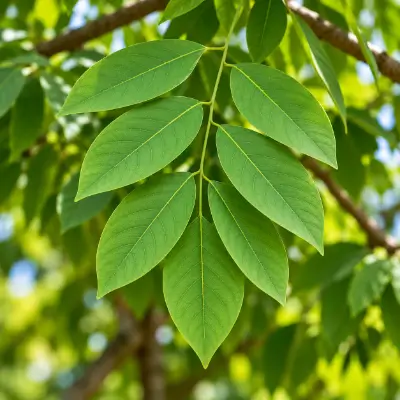
Leaves: Compound, aromatic leaflets
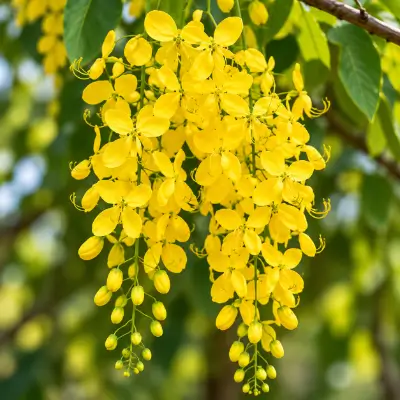
Flowers: Yellowish-green, small
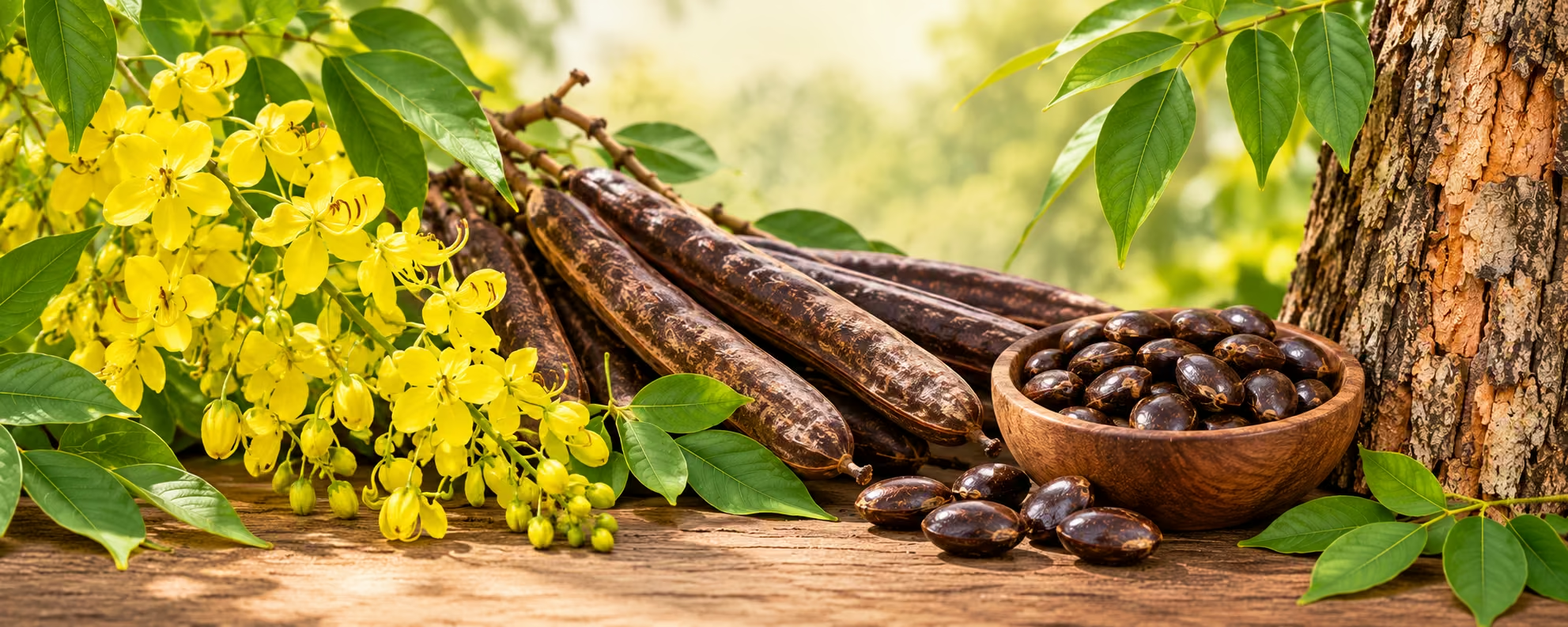
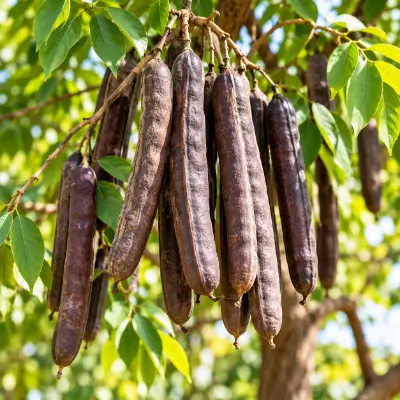
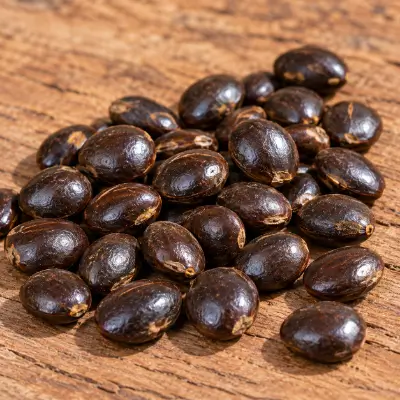
Fruits: Globose capsules with aromatic black seeds
Seeds: Pungent, shiny, black
Varieties:
Zanthoxylum armatum DC. (commonly used)
Zanthoxylum acanthopodium DC. (less commonly used)
Substitute/Adulterant:
Substitutes: Piper cubeba, Xanthoxylum alatum
Adulterants: Zanthoxylum rhetsa, Zanthoxylum nitidum
Phytochemicals:
Linalool
Xanthoxylin
Piperitone
Alkaloids (e.g., berberine)
Flavonoids
Tannins
Essential oils (monoterpenes, sesquiterpenes)
Rasapanchaka:
Rasa: Katu, Tikta
Guna: Laghu, Tikshna
Virya: Ushna
Vipaka: Katu
Prabhava: Shothahara, Krimighna
Dosha Shamakta: Kapha-Vata shamak
Karma (Rogaghnata):
Deepana (digestive stimulant)
Pachana (digestive)
Krimighna (anthelmintic)
Shothahara (anti-inflammatory)
Rochana (appetizer)
Vishaghna (antitoxic)
Trishna nigrahana (relieves thirst)
Kasahara (relieves cough)
Amayika Prayoga / Therapeutic Uses:
External:
Used as a paste for swelling and pain
Used in medicated oils for oral and dental infections
Powder applied on skin disorders
Internal:
Useful in indigestion, anorexia
Effective in worm infestations
Helpful in fever, cough, and asthma
Traditionally used in cold-related illnesses
Part Used:
Fruits, seeds, bark, and root
Dose:
Churna (Powder): 1–3 grams
Kwatha (Decoction): 20–40 ml
Taila (Oil): As required for external use
Yoga/Formulations:
Hingwashtaka Churna
Shunthi Churna
Arimedadi Taila
Tejovati Churna
Krimighna Vati
IUCN Status:
Least Concern (LC)
Research Updates
- Sharma et al. (2021): Found Z. armatum fruit extract effective against oral pathogens like Streptococcus mutans and Candida.
- Kumar et al. (2020): Demonstrated anti-inflammatory and analgesic action in rat models, validating traditional use in swelling and pain.
- Rani et al. (2019): GC-MS analysis confirmed high essential oil content with potential for use in aromatherapy and oral care.