Shri Dhanwantry Ayurvedic College

Author: admin

  • Chandrashur

    Chandrashur

    Chandrashur

    Botanical Name

    Lepidium sativum Linn.

    Family Name

    Brassicaceae (Cruciferae)

    Identification No.: SDACH/HG/219

    Vernacular Names

    • English: Garden Cress
    • Hindi: Halim, Chandrashoor
    • Marathi: Haliv
    • Tamil: Alivam
    • Telugu: Chandrasura
    • Kannada: Alavi beeja
    • Malayalam: Aliv

    Synonyms

    चन्द्रिका चर्महन्त्री च पशुमेहनकारिका ।

    नन्दिनी कारवी भद्रा ‘वासपुष्पा सुवासरा ॥९६॥ B.P.

    Classical Classification

    • Bhavaprakasha: Haritakyadi Varga

    Habitat & Distribution

    Widely distributed in India, cultivated as a minor crop. Grows in temperate to subtropical climates. Native to West Asia and Northern Africa.

    Morphology

    • Plant: Erect, fast-growing annual herb
    • Leaves: Pinnately lobed, bright green
    • Flowers: Small, white
    • Seeds: Small, reddish-brown, oval, mucilaginous when soaked

    Varieties

    No well-defined classical varieties; based on region and seed size

    Substitute/Adulterant

    Occasionally adulterated with other mucilaginous seeds like flaxseed

    Phytochemicals

    Glucosinolates (benzyl isothiocyanate), alkaloids, flavonoids, tannins, saponins, Vitamin C, iron, calcium

    Raspanchaka

    • Rasa: Katu, Tikta
    • Guna: Laghu, ruksha, Snigdha
    • Virya: Ushna
    • Vipaka: Katu
    • Prabhava: Balya, Stanyajanana
    • Doshashamaka: Kapha-Vatahara

    Karma (Rogaghnata)

    • Deepana
    • Balya
    • Rasayana
    • Stanyajanana
    • Shukrala
    • Vatahara
    • Vrishya

    Amayika Prayoga / Therapeutic Uses

    External

    • Poultice of crushed seeds used on swellings and abscesses

    Internal

    • Improves digestion and metabolism
    • Used in respiratory issues like asthma, cough
    • Promotes lactation in postpartum women
    • Enhances sperm count and vitality
    • Useful in iron deficiency anemia and general debility

    Part Used

    Seeds, sometimes leaves

    Dose

    • Seed Powder: 1–3 g
    • Kalka or paste: For external use
    • Infusion: 30–60 ml

    Yoga / Formulations

    • Chandrashooradi Churna
    • Used in proprietary Ayurvedic tonics and lactation-enhancing supplements

    IUCN Status

    Not Evaluated (NE)

    Research Updates

    • Galactagogue activity: Lepidium sativum significantly enhances milk production, supporting its classical use in promoting lactation.
    • Hematopoietic effects: Seed extract improves hemoglobin levels and red blood cell count, proving beneficial in anemia management.
    • Reproductive health: Clinical and experimental studies show enhancement of sperm quality and libido, validating its role as a vrishya dravya (aphrodisiac).

    About Chandrashur

    Botanical Name

    Lepidium sativum Linn.

    Family

    Brassicaceae (Cruciferae)

    Identification No.

    SDACH/HG/219

    Parts Used

    Seeds, sometimes leaves

    Habitat

    West Asia and Northern Africa

    IUCN Status

    Not Evaluated (NE)

    Plant Photos

    Ayurvedic Properties

    Rasa

    Katu, Tikta

    Guna

    Laghu, ruksha, Snigdha

    Virya

    Ushna

    Vipãka

    Katu

    Contact Now

    Have queries? Contact Us.

    Have queries? We’re here to help you every step of the way.

    Contact us to get the right guidance for your academic journey at Shri Dhanwantry Ayurvedic College.

  • Lanka

    Lanka

    Lanka

    Botanical Name

    Capsicum annuum Linn.

    Family Name

    Solanaceae

    Identification No.: SDACH/HG/218

    Vernacular Names

    • English: Chilli, Bell Pepper, Sweet Pepper (depending on variety)
    • Hindi: Mirch (मिर्च)
    • Marathi: Mirchi
    • Tamil: Milagai
    • Telugu: Mirapakaya
    • Kannada: Menasinakayi
    • Malayalam: Mulaku

    Habitat & Distribution

    Native to Central and South America; widely cultivated throughout India and the world in tropical, subtropical, and temperate regions.

    Morphology

    • Plant: Herbaceous or shrubby annual/perennial
    • Leaves: Simple, ovate
    • Flowers: White or greenish, solitary
    • Fruit: Varied shapes and colors – green, red, yellow, depending on cultivar
    • Seeds: Pale yellow, flat, kidney-shaped

    Varieties

    • Green Chilli
    • Red Chilli
    • Bell Pepper (Capsicum)
    • Sweet Pepper
    • Paprika varieties

    Substitute/Adulterant

    Adulteration with colored powder or non-edible dyes is common in ground chili.

    Phytochemicals

    Capsaicin, dihydrocapsaicin, carotenoids (capsanthin, capsorubin), flavonoids, alkaloids, Vitamin C, Vitamin A, β-carotene

    Raspanchaka

    • Rasa: Katu
    • Guna: Tikshna, Laghu
    • Virya: Ushna
    • Vipaka: Katu
    • Prabhava: Shothahara
    • Doshashamaka: Kapha-Vatahara

    Karma (Rogaghnata)

    • Deepana
    • Pachana
    • Shothahara
    • Srotoshodhaka
    • Kaphahara
    • Krimighna

    Amayika Prayoga / Therapeutic Uses

    External

    • Capsaicin creams used for joint pain, neuralgia, and muscular aches
    • Used in plaster or balm form for local stimulation and blood circulation

    Internal

    • Acts as digestive stimulant and improves metabolism
    • Used in low appetite and indigestion
    • Aids in weight management
    • Mild expectorant and decongestant

    Part Used

    Fruits

    Dose

    • Powder: 100–300 mg (with caution)
    • Paste/Plaster: External use as per requirement
    • Capsaicin Extract: Standardized doses in external formulations

    Yoga / Formulations

    Used in some proprietary Ayurvedic and Unani formulations, balms, and oils; also incorporated in modern nutraceuticals.

    IUCN Status

    Not Evaluated (NE)

    Research Updates

    • Anti-obesity and metabolic activity: Capsaicin has been shown to boost fat metabolism, reduce body weight, and enhance energy expenditure in clinical studies.
    • Pain-relieving effects: Topical application of capsaicin extract effectively reduces pain in neuropathic and arthritic conditions by depleting substance P.
    • Antioxidant and cardioprotective properties: Rich in carotenoids and Vitamin C, Capsicum annuum demonstrates strong antioxidant effects and supports cardiovascular health.

    About Lanka

    Botanical Name

    Capsicum annuum Linn.

    Family

    Solanaceae

    Identification No.

    SDACH/HG/218

    Parts Used

    Fruits

    Habitat

    India, Central and South America

    IUCN Status

    Not Evaluated (NE)

    Plant Photos

    Ayurvedic Properties

    Rasa

    Katu

    Guna

    Tikshna, Laghu

    Virya

    Ushna

    Vipãka

    Katu

    Contact Now

    Have queries? Contact Us.

    Have queries? We’re here to help you every step of the way.

    Contact us to get the right guidance for your academic journey at Shri Dhanwantry Ayurvedic College.

  • Oregano

    Oregano

    Oregano

    Botanical Name

    Origanum vulgare Linn.

    Family Name

    Lamiaceae

    Identification No.: SDACH/HG/217

    Vernacular Names

    • English: Oregano, Wild Marjoram
    • Hindi: Sathra, Banajwain
    • Marathi: Oregano
    • Tamil:Oregano Volagare

    Habitat & Distribution

    Native to Mediterranean regions. Widely cultivated in Europe, North America, and parts of India (especially in temperate hill areas).

    Morphology

    • Plant: Perennial herb with woody stems
    • Leaves: Opposite, ovate, aromatic with serrated edges
    • Flowers: Purple-pink, small, arranged in clusters
    • Stem: Reddish, hairy, branched

    Varieties

    • Origanum vulgare subsp. hirtum (Greek oregano)
    • Origanum majorana (Sweet marjoram)

    Substitute/Adulterant

    Can be confused with Thymus vulgaris or Coleus amboinicus in some commercial settings.

    Phytochemicals

    Carvacrol, thymol, rosmarinic acid, flavonoids, p-cymene, γ-terpinene, tannins

    Raspanchaka

    • Rasa: Katu, Tikta
    • Guna: Laghu, Tikshna
    • Virya: Ushna
    • Vipaka: Katu
    • Prabhava: Krimighna, Shwasahara
    • Doshashamaka: Kapha-Vatahara

    Karma

    • Krimighna
    • Shwasahara
    • Deepana
    • Pachana
    • Vranashodhaka
    • Jvarahara

    Amayika Prayoga / Therapeutic Uses

    External

    • Essential oil used for muscle pain, sprains, and fungal infections
    • Antiseptic applications for wounds

    Internal

    • Used in respiratory conditions like asthma, cough, and bronchitis
    • Acts as a carminative and digestive stimulant
    • Helpful in parasitic infections and mild fevers
    • Supports liver function and immunity

    Part Used

    Leaves and flowering tops

    Dose

    • Churna: 0.5–1 g
    • Infusion: 50–100 ml
    • Essential oil: 1–2 drops (diluted in carrier oil)

    Yoga / Formulations

    Used in modern herbal teas, digestive formulations, lozenges, and respiratory remedies. Integrated into polyherbal cough syrups and expectorants.

    IUCN Status

    Least Concern (LC)

    Research Updates

    • Antimicrobial effectiveness: Origanum vulgare essential oil exhibits strong antimicrobial activity, especially against antibiotic-resistant strains like Staphylococcus aureus and Candida albicans.
    • Antioxidant capacity: Rich in carvacrol and thymol, oregano has been found to significantly reduce oxidative stress and prevent lipid peroxidation.
    • Respiratory and digestive benefits: Clinical studies support its traditional use in treating respiratory infections, flatulence, and bloating due to its anti-inflammatory and antispasmodic effects.

    About Oregano

    Botanical Name

    Origanum vulgare Linn.

    Family

    Lamiaceae

    Identification No.

    SDACH/HG/217

    Parts Used

    Leaves and flowering tops

    Habitat

    India, Europe, North America

    IUCN Status

    Least Concern

    Plant Photos

    Ayurvedic Properties

    Rasa

    Katu, Tikta

    Guna

    Laghu, Tikshna

    Virya

    Ushna

    Vipãka

    Katu

    Contact Now

    Have queries? Contact Us.

    Have queries? We’re here to help you every step of the way.

    Contact us to get the right guidance for your academic journey at Shri Dhanwantry Ayurvedic College.

  • Kshetra yamini

    Kshetra yamini

    Kshetra yamini

    Botanical Name

    Thymus serpyllum

    Family Name

    Lamiaceae

    Identification No.: SDACH/HG/216

    Vernacular Names

    • English: Thyme, Common Thyme
    • Hindi: Banajwain
    • Marathi: Banajwain
    • Tamil: Thaim Mooligai

    Classical Classification

    Not listed in Charaka, Sushruta, Vagbhata, or Bhavaprakasha.

    Habitat & Distribution

    Native to the Mediterranean region; now cultivated in India (mainly temperate zones), Europe, and North Africa. Grows well in dry, sunny areas.

    Morphology (Based on standard botany and herbals)

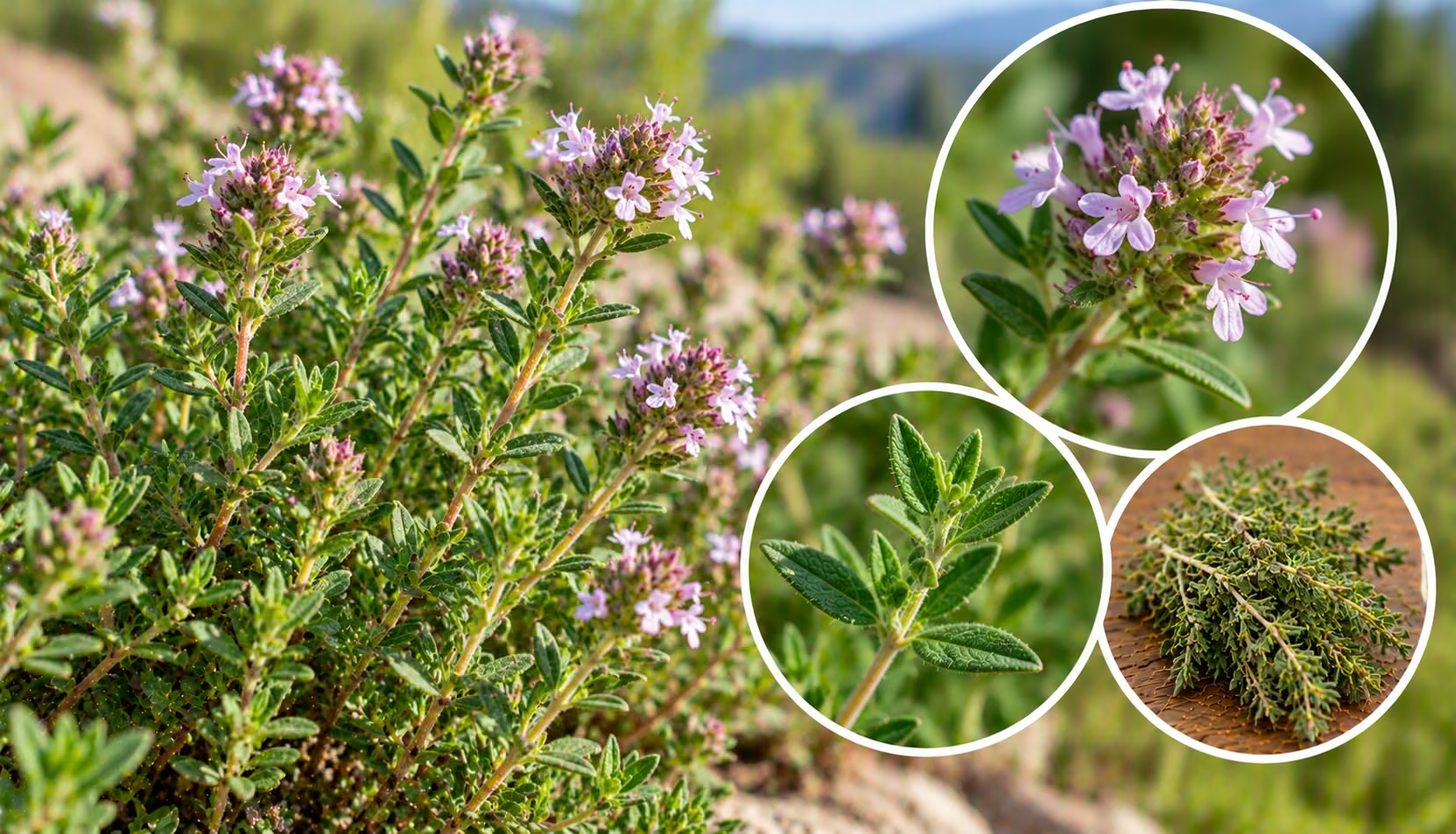
    • Plant: Small, aromatic, evergreen shrub
    • Leaves: Small, elliptical, green to grey-green, strongly aromatic
    • Flowers: Small, tubular, pale pink to purple, in clusters
    • Stem: Woody at the base with soft herbaceous branches

    Varieties

    • Thymus vulgaris var. citriodorus (Lemon thyme)
    • Thymus serpyllum (Wild thyme)
    • Thymus zygis

    Substitute/Adulterant

    Occasionally adulterated with Origanum or other aromatic herbs like Ocimum or Plectranthus.

    Phytochemicals

    Thymol, carvacrol, p-cymene, linalool, flavonoids, rosmarinic acid, ursolic acid, tannins, saponins

    Raspanchaka

    • Rasa: Katu, Tikta
    • Guna: Laghu, Ruksha, Tikshna
    • Virya: Ushna
    • Vipaka: Katu
    • Prabhava: Shwasahara, Krimighna
    • Doshashamaka: Kapha-Vatahara

    Karma (Rogaghnata)

    • Krimighna
    • Shwasahara
    • Deepana
    • Jvaraghna
    • Kasahara
    • Vranaropana
    • Hridya

    Amayika Prayoga / Therapeutic Uses

    External

    • Oil used for massage in respiratory conditions
    • Antiseptic wash for wounds and ulcers

    Internal

    • Effective in cough, cold, bronchitis, asthma
    • Used as a carminative and digestive stimulant
    • Beneficial in intestinal parasites and indigestion
    • Supports immunity and acts as an antioxidant

    Part Used

    Leaves and flowering tops

    Dose

    • Churna: 0.5–1 g
    • Infusion: 50–100 ml
    • Essential oil: 1–3 drops (diluted)

    Yoga / Formulations

    Used in various modern herbal teas, expectorants, and essential oil-based products. Incorporated into some proprietary Ayurvedic and Unani syrups for respiratory issues.

    IUCN Status

    Least Concern (LC)

    Research Updates

    • Potent antimicrobial activity: Thymol-rich extracts of Thymus vulgaris have been shown to inhibit a wide range of bacterial and fungal pathogens, supporting its use in infections and respiratory ailments.
    • Antioxidant potential: The presence of flavonoids and phenolic compounds provides strong free radical scavenging activity, making it beneficial in preventing oxidative stress-related diseases.
    • Respiratory support: Studies confirm its expectorant and bronchodilator effects, helping in the treatment of asthma, bronchitis, and chronic cough.

    About Kshetra yamini

    Botanical Name

    Thymus serpyllum

    Family

    Lamiaceae

    Identification No.

    SDACH/HG/216

    Parts Used

    Leaves and flowering tops

    Habitat

    India, Europe, and North Africa

    IUCN Status

    Least Concern

    Plant Photos

    Ayurvedic Properties

    Rasa

    Katu, Tikta

    Guna

    Laghu, Ruksha, Tikshna

    Virya

    Ushna

    Vipãka

    Katu

    Contact Now

    Have queries? Contact Us.

    Have queries? We’re here to help you every step of the way.

    Contact us to get the right guidance for your academic journey at Shri Dhanwantry Ayurvedic College.

  • Vana Ajwain Bheda

    Vana Ajwain Bheda

    Vana Ajwain Bheda

    Botanical Name

    Thymus vulgaris Linn.

    Family Name

    Lamiaceae

    Identification No.: SDACH/HG/215

    Vernacular Names

    • English: Thyme, Common Thyme
    • Hindi: Banajwain
    • Marathi: Banajwain
    • Tamil: Thaim Mooligai

    Classical Classification

    Not listed in Charaka, Sushruta, Vagbhata, or Bhavaprakasha.

    Habitat & Distribution

    Native to the Mediterranean region; now cultivated in India (mainly temperate zones), Europe, and North Africa. Grows well in dry, sunny areas.

    Morphology (Based on standard botany and herbals)

    • Plant: Small, aromatic, evergreen shrub
    • Leaves: Small, elliptical, green to grey-green, strongly aromatic
    • Flowers: Small, tubular, pale pink to purple, in clusters
    • Stem: Woody at the base with soft herbaceous branches

    Varieties

    • Thymus vulgaris var. citriodorus (Lemon thyme)
    • Thymus serpyllum (Wild thyme)
    • Thymus zygis

    Substitute/Adulterant

    Occasionally adulterated with Origanum or other aromatic herbs like Ocimum or Plectranthus.

    Phytochemicals

    Thymol, carvacrol, p-cymene, linalool, flavonoids, rosmarinic acid, ursolic acid, tannins, saponins

    Raspanchaka

    • Rasa: Katu, Tikta
    • Guna: Laghu, Ruksha, Tikshna
    • Virya: Ushna
    • Vipaka: Katu
    • Prabhava: Shwasahara, Krimighna
    • Doshashamaka: Kapha-Vatahara

    Karma (Rogaghnata)

    • Krimighna
    • Shwasahara
    • Deepana
    • Jvaraghna
    • Kasahara
    • Vranaropana
    • Hridya

    Amayika Prayoga / Therapeutic Uses

    External

    • Oil used for massage in respiratory conditions
    • Antiseptic wash for wounds and ulcers

    Internal

    • Effective in cough, cold, bronchitis, asthma
    • Used as a carminative and digestive stimulant
    • Beneficial in intestinal parasites and indigestion
    • Supports immunity and acts as an antioxidant

    Part Used

    Leaves and flowering tops

    Dose

    • Churna: 0.5–1 g
    • Infusion: 50–100 ml
    • Essential oil: 1–3 drops (diluted)

    Yoga / Formulations

    Used in various modern herbal teas, expectorants, and essential oil-based products. Incorporated into some proprietary Ayurvedic and Unani syrups for respiratory issues.

    IUCN Status

    Least Concern (LC)

    Research Updates

    • Potent antimicrobial activity: Thymol-rich extracts of Thymus vulgaris have been shown to inhibit a wide range of bacterial and fungal pathogens, supporting its use in infections and respiratory ailments.
    • Antioxidant potential: The presence of flavonoids and phenolic compounds provides strong free radical scavenging activity, making it beneficial in preventing oxidative stress-related diseases.
    • Respiratory support: Studies confirm its expectorant and bronchodilator effects, helping in the treatment of asthma, bronchitis, and chronic cough.

    About Vana Ajwain Bheda

    Botanical Name

    Thymus vulgaris Linn.

    Family

    Lamiaceae

    Identification No.

    SDACH/HG/215

    Parts Used

    Leaves and flowering tops

    Habitat

    India, Europe, and North Africa

    IUCN Status

    Least Concern

    Plant Photos

    Ayurvedic Properties

    Rasa

    Katu, Tikta

    Guna

    Laghu, Ruksha, Tikshna

    Virya

    Ushna

    Vipãka

    Katu

    Contact Now

    Have queries? Contact Us.

    Have queries? We’re here to help you every step of the way.

    Contact us to get the right guidance for your academic journey at Shri Dhanwantry Ayurvedic College.

  • Geranium

    Geranium

    Geranium

    Botanical Name

    Geranium albanum

    Family Name

    Geraniaceae

    Identification No.: SDACH/HG/214

    Vernacular Names

    • English: Albanian Cranesbill
    • Hindi: Not commonly used in traditional Indian medicine
    • Other Regional Names: Not documented in classical Indian texts

    Habitat & Distribution

    Native to the Caucasus region (including Albania and parts of Central Asia); occasionally cultivated in temperate gardens for ornamental and medicinal purposes.

    Morphology

    • Plant: Perennial herb, clump-forming
    • Leaves: Deeply lobed, rounded, green with slight serration
    • Flowers: Pink to lavender, five-petaled, with darker veins
    • Roots: Fibrous root system

    Varieties

    Not classically described. Closely related species include Geranium macrorrhizum and Geranium robertianum.

    Substitute/Adulterant

    Occasionally confused with Geranium robertianum or other cranesbill species.

    Phytochemicals

    Tannins, flavonoids, phenolic acids (e.g., gallic acid), essential oils, geraniin

    Amayika Prayoga / Therapeutic Uses

    External

    • Leaf poultice used for wounds, inflammation, and bruising
    • Infused oil used in skin irritations and rashes

    Internal

    • Astringent action helps in diarrhea and dysentery
    • Decoction used for sore throats, internal bleeding, and gastrointestinal irritation
    • Mild febrifuge and anti-inflammatory

    Part Used

    Leaves, Roots, Aerial parts

    Dose

    • Churna (Powder): 1–2 g
    • Decoction: 30–50 ml
    • Infusion: 100 ml (as tea)

    Yoga / Formulations

    Used in modern herbal blends and teas for gastrointestinal and wound-healing purposes; not part of classical Ayurvedic yogas.

    IUCN Status

    Not Evaluated (NE)

    Research Updates

    • Astringent and wound-healing effects: Studies on Geranium species, including G. albanum, have shown tannin-rich extracts to promote hemostasis and rapid epithelial tissue regeneration.
    • Anti-inflammatory and antioxidant activity: Flavonoid-rich fractions have been found to reduce inflammation and oxidative stress in in vitro models, indicating potential in inflammatory bowel conditions.
    • Antimicrobial properties: Extracts have demonstrated broad-spectrum antibacterial activity against Staphylococcus aureus, E. coli, and fungal strains, supporting its traditional use in treating wounds and infections.

    About Geranium

    Botanical Name

    Geranium albanum

    Family

    Geraniaceae

    Identification No.

    SDACH/HG/214

    Parts Used

    Leaves, Roots, Aerial parts

    Habitat

    Albania and parts of Central Asia

    IUCN Status

    Not Evaluated (NE)

    Plant Photos

    Contact Now

    Have queries? Contact Us.

    Have queries? We’re here to help you every step of the way.

    Contact us to get the right guidance for your academic journey at Shri Dhanwantry Ayurvedic College.

  • Biranjasif

    Biranjasif

    Biranjasif

    Botanical Name

    Achillea millefolium Linn.

    Family Name

    Asteraceae

    Identification No.:SDACH/HG/213

    Vernacular Names

    • Hindi: यारो
    • English: Yarrow, Milfoil
    • Marathi: यारो

    Habitat & Distribution

    Native to Europe and temperate regions of Asia. Cultivated in parts of India, especially in Kashmir and Himalayan regions.

    Morphology

    • Plant: Erect, aromatic perennial herb
    • Leaves: Finely divided, feathery, fern-like
    • Flowers: Small, white or pale pink, in flat-topped clusters
    • Roots: Creeping rhizomes

    Varieties

    • Achillea millefolium var. lanulosa
    • Achillea millefolium var. rosea

    Substitute/Adulterant

    No known classical substitutes; adulteration with other Asteraceae herbs is possible in trade.

    Phytochemicals

    Volatile oils (azulene, borneol, camphor, cineole), flavonoids, tannins, alkaloids, sesquiterpene lactones, achilleine

    Raspanchaka

    • Rasa: Tikta, Kashaya
    • Guna: Laghu, Ruksha
    • Virya: Ushna
    • Vipaka: Katu
    • Prabhava: Rakta sthambhaka (hemostatic)
    • Doshashamaka: Kapha-Vatahara

    Karma (Rogaghnata)

    • Raktasthambhaka
    • Jvaraghna
    • Shothahara
    • Krimighna
    • Vranaropana
    • Stanyashodhana

    Amayika Prayoga / Therapeutic Uses

    External

    • Used as wound healer and antiseptic dressing
    • Leaf paste applied to cuts, bruises, and insect bites

    Internal

    • Useful in fevers, indigestion, and menstrual irregularities
    • Promotes appetite and relieves flatulence
    • Acts as a mild diuretic and anti-inflammatory agent

    Part Used

    Whole plant (leaves and flowers most commonly)

    Dose

    • Churna: 1–3 g
    • Infusion/Tea: 50–100 ml
    • Tincture: As per physician’s advice

    Yoga / Formulations

    Primarily used in classical European and Unani medicine; modern Ayurveda incorporates it into polyherbal infusions and topical lepas for wound care

    IUCN Status

    Least Concern (LC)

    Research Updates

    • Wound healing properties: Topical applications of Achillea millefolium have shown accelerated wound closure and epithelialization, supporting its use as a natural wound healer.
    • Menstrual regulation: Extracts of Achillea have been observed to regulate menstrual flow and reduce dysmenorrhea by modulating uterine contractions and hormone levels.
    • Anti-inflammatory activity: Studies confirm its efficacy in reducing inflammatory markers and edema in experimental models, validating its traditional use for swelling and pain.

    About Biranjasif

    Botanical Name

    Achillea millefolium Linn.

    Family

    Asteraceae

    Identification No.

    SDACH/HG/213

    Parts Used

    Whole plant (leaves and flowers most commonly)

    Habitat

    Kashmir and Himalayan regions

    IUCN Status

    Least Concern

    Plant Photos

    Ayurvedic Properties

    Rasa

    Tikta, Kashaya

    Guna

    Laghu, Ruksha

    Virya

    Ushna

    Vipãka

    Katu

    Contact Now

    Have queries? Contact Us.

    Have queries? We’re here to help you every step of the way.

    Contact us to get the right guidance for your academic journey at Shri Dhanwantry Ayurvedic College.

  • LEMON BALM

    LEMON BALM

    LEMON BALM

    Botanical name: Melissa officinalis L.

    Family name: Lamiaceae

    Vernacular names: Lemon Balm

    Identification No.: SDACH/HG/212

    Habitat & Distribution:

    Native to southern Europe and the Mediterranean. Widely cultivated in temperate regions across the world including India (Himachal Pradesh, Uttarakhand, and herbal farms). Grows best in moist, rich soils in partial shade.

    Morphology:

    A perennial herb reaching 30–90 cm in height. Leaves are ovate, bright green, slightly hairy, with a lemony aroma. Stems are square and branched. Small white or pale yellow flowers appear in leaf axils during summer. Entire plant gives off a distinct citrus-like scent due to its essential oils.

    Substitute/ Adulterant:

    Substitute – Ocimum basilicum (for aromatic effects)

    Adulterant – Other Mentha or Ocimum species with similar aroma

    Phytochemicals:

    Citral, citronellal, geraniol, rosmarinic acid, caffeic acid, flavonoids (luteolin, apigenin), tannins, ursolic acid, essential oils

    Karma – Rogaghnata:

    Manas rogaghna, Nidrajanaka, Hridya, Jwaraghna, Shwasahara, Anulomaka

    Amayika Prayoga/Therapeutic Uses:

    External:

    Essential oil applied over temples and chest for calming effect; used in aromatherapy for anxiety, migraines, and insomnia.

    Internal:

    Infusions used in stress, nervous tension, indigestion, colds, cough, menstrual discomfort, and mild hypertension. Also improves mood and cognitive function.

    Part used:

    Leaves and aerial parts

    Yoga/Formulations:

    Lemon balm tea, Melissa syrup, integrated in Ayurvedic-manufactured nutraceuticals for calming and sleep aid (often paired with Brahmi and Jatamansi)

    IUCN Status: Not Evaluated

    Research updates:

    Kennedy DO, Little W, Scholey AB. Attenuation of laboratory-induced stress in humans after acute administration of Melissa officinalis extract. Psychosom Med.

    Akhondzadeh S, Noroozian M, Mohammadi M. Melissa officinalis in the treatment of patients with mild to moderate Alzheimer’s disease: A randomized controlled trial. J Neurol Neurosurg Psychiatry.

    Cases J, Ibarra A, Feuillère N. Pilot study of cognitive and mood effects of a standardized extract of Melissa officinalis in healthy adults. Med J Nutr Metab.
    About Lemon Balm

    Botanical Name

    Melissa officinalis L.

    Family

    Lamiaceae

    Identification No.

    SDACH/HG/212

    Parts Used

    Leaves and aerial parts

    Habitat

    Himachal Pradesh, Uttarakhand, and herbal farms

    IUCN Status

    Not Evaluated

    Plant Photos

    Contact Now

    Have queries? Contact Us.

    Have queries? We’re here to help you every step of the way.

    Contact us to get the right guidance for your academic journey at Shri Dhanwantry Ayurvedic College.

  • DRAGON FRUIT

    DRAGON FRUIT

    DRAGON FRUIT

    Sanskrit name: Dragonfruit

    Botanical name – Selenicereus undatus

    Family name – Cactaceae

    Identification No. – SDACH/HG/211

    Vernacular names – Hindi: Dragon Fruit, Kamalam; Marathi: Kamalam; Tamil: Pirap Pazham; Telugu: Kamalam Pandu; Malayalam: Kamalam; Bengali: Dragon Phal

    Synonyms – Dragon Fruit, Pitaya, Kamalam

    Habitat & Distribution – Native to Central America; now widely cultivated in tropical and subtropical regions including Vietnam, Thailand, Israel, and parts of India (Gujarat, Maharashtra, Karnataka, Andhra Pradesh). Grows well in dry and semi-arid zones.

    Morphology – A fast-growing, climbing cactus with triangular, fleshy, green stems; large, white, nocturnal flowers (fragrant); fruit is oval to pear-shaped with bright pink or red skin and white pulp with small black seeds.

    Varieties –

    • White-fleshed Dragon Fruit (S. undatus)
    • Red-fleshed Dragon Fruit (S. costaricensis)
    • Yellow Dragon Fruit (S. megalanthus)

    Phytochemicals – Betalains (betacyanins, betaxanthins), Ascorbic acid (Vitamin C), Polyphenols, Flavonoids, Polysaccharides, Omega-3 and Omega-6 fatty acids (in seeds), Carotenoids

    Raspanchaka –

    Rasa: Madhura, Tikta

    Guna: Laghu, Snigdha

    Virya: Sheeta

    Vipaka: Madhura

    Prabhava: Rakta-pittahara

    Dosha Shamakta: Pitta-Vatahara

    Karma (Rogaghnata) –

    Raktapittahara (blood purifier), Rasayana (rejuvenator), Vranaropana (wound healing), Balya (strength promoting), Dourgandhya hara (deodorizing), Vrishya (aphrodisiac), Twachya (skin tonic)

    Amayika Prayoga/Therapeutic Uses –

    External –

    • Fruit pulp used in face masks for antioxidant and skin-brightening effects in cosmetology
    • Seed oil explored for wound healing and moisturizing

    Internal –

    • Used to boost immunity, improve digestion, regulate blood sugar, enhance skin health, reduce oxidative stress
    • Beneficial in cardiovascular health, anemia, constipation

    Part used – Fruit

    IUCN Status – Not Evaluated

    Research updates –

    Esquivel P, et al. Chemical composition and antioxidant activity of pitaya (Selenicereus undatus). Food Chem. 122(4):1124–1131.

    Mahattanatawee K, et al. Bioactive compounds and antioxidant properties of dragon fruit. J Agric Food Chem. 54(23):8709–8714.

    Hoa TTT, et al. Hypoglycemic effect and pancreatic protection of dragon fruit extract in diabetic rats. Biomed Pharmacother. 106:593–601.

    About Dragon Fruit

    Botanical Name

    Selenicereus undatus

    Family

    Cactaceae

    Identification No.

    SDACH/HG/211

    Parts Used

    Fruit

    Habitat

    India, Vietnam, Thailand, Israel

    IUCN Status

    Not Evaluated

    Plant Photos

    Ayurvedic Properties

    Rasa

    Madhura, Tikta

    Guna

    Laghu, Snigdha

    Virya

    Sita

    Vipãka

    Madhura

    Contact Now

    Have queries? Contact Us.

    Have queries? We’re here to help you every step of the way.

    Contact us to get the right guidance for your academic journey at Shri Dhanwantry Ayurvedic College.

  • PIPPALI BHEDA

    PIPPALI BHEDA

    PIPPALI BHEDA

    Botanical Name:

    Piper peepuloides

    Family:

    Piperaceae

    Identification No.: SDACH/HG/210

    Introduction:

    Piper peepuloides is a lesser-known medicinal plant found in moist forest regions of India, especially in the Western Ghats and Northeast. It is traditionally used by tribal communities for treating respiratory issues, inflammation, and digestive disturbances. Often confused with Piper longum, this plant is used in folk medicine for its stimulant and expectorant properties.

    Scientific Classification:

    • Kingdom: Plantae
    • Order: Piperales
    • Family: Piperaceae
    • Genus: Piper
    • Species: P. peepuloides

    Names in Different Indian Languages:

    • English: Wild Long Pepper
    • Hindi: Jangli Pipli
    • Sanskrit: Not distinctly recorded; often confused with Pippali
    • Tamil: Kaattu Thippili
    • Malayalam: Kaattu Thippili
    • Kannada: Kaadu Hippali
    • Telugu: Adavi Pippalu

    Varieties & Adulterants :

    • CV: Similar to Piper longum in appearance and usage.
    • AD: Sometimes Piper longum or Piper chaba is used in its place.

    Morphology:

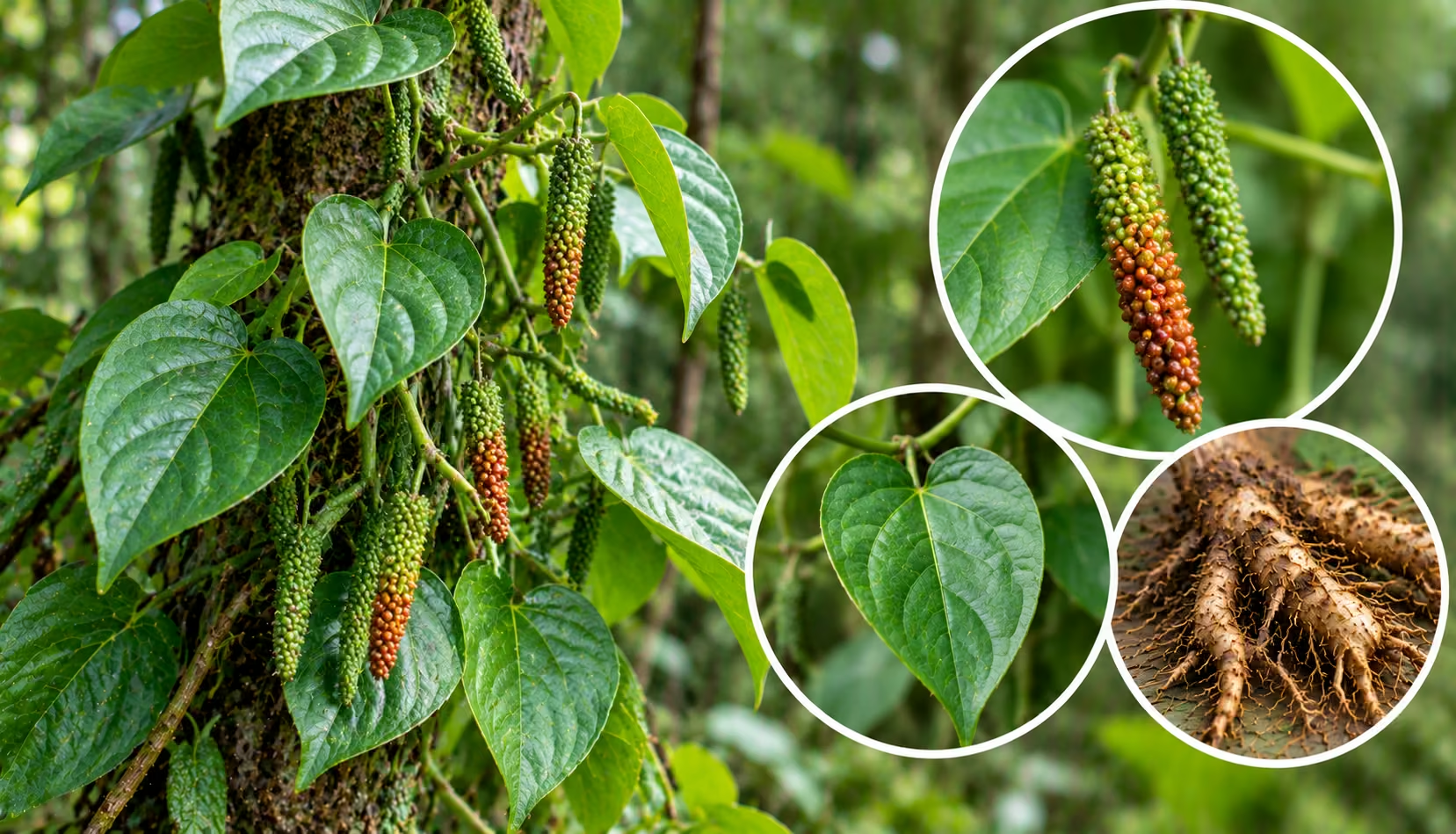
    • Type: Climbing shrub with slender stems
    • Leaves: Simple, alternate, cordate at base, entire margins
    • Inflorescence: Spike; cylindrical, slender
    • Fruits: Small, drupe-like, pungent in taste
    • Height: Vine-like, grows by trailing or climbing on support

    Habitat & Distribution:

    Occurs in moist, shaded areas in the Western Ghats, Northeastern India, and parts of Central India.

    Chemical Composition:

    • Piperine
    • Essential oils
    • Lignans
    • Alkaloids
    • Resins and tannins

    Properties:

    • Rasa: Katu
    • Guna: Laghu, Tikshna
    • Virya: Ushna
    • Vipaka: Katu
    • Karma: Deepana, Pachana, Vatanulomana, Kasahara, Shwasahara

    Indications:

    • Chronic cough
    • Bronchitis
    • Asthma
    • Dyspepsia
    • Rheumatism
    • Intermittent fevers
    • General debility

    External Uses:

    • Paste of the root used on swollen joints
    • Decoction used for washing wounds and ulcers

    Internal Uses:

    • Stimulates appetite and digestion
    • Used in chronic respiratory tract infections
    • Powder mixed with honey used in cough and asthma
    • Root decoction used in malaria and fever

    Srotogamitwa:

    • Dosha: Kapha-Vatahara
    • Dhatu: Rasa, Mamsa, Majja
    • Mala: Regulates perspiration and urine

    Parts Used:

    Root, Fruit, Stem

    Dosage:

    • Root decoction: 30–50 ml
    • Powder (fruit/root): 1–3 g

    Important Yogas or Formulations:

    Used in tribal formulations and as a substitute in Trikatu churna locally.

    Therapeutic Uses:

    • Chronic respiratory ailments: Decoction or powder used in chronic bronchitis, dry cough
    • Fever: Root decoction for intermittent fevers
    • Digestive complaints: As a carminative and appetizer
    • Joint pains: Paste used topically in arthritis

    IUCN Status: Not Evaluated

    Research Updates:

    1. Antimicrobial Activity (2021): Methanolic extracts showed activity against Klebsiella pneumoniae and Streptococcus spp.
    2. Antioxidant Potential (2020): Roots and fruits exhibited significant antioxidant properties in in vitro studies.
    3. Respiratory Relief (2022): Ethanolic extract reduced bronchoconstriction in guinea pig models.
    4. Analgesic and Anti-inflammatory (2023): Root extract showed promising anti-inflammatory and pain-relieving effects in rodent models.
    5. Hepatoprotective (2024): Early studies suggest protective effect on CCl₄-induced liver damage.

    About Pippali Bheda

    Botanical Name

    Piper peepuloides

    Family

    Piperaceae

    Identification No.

    SDACH/HG/210

    Parts Used

    Root, Fruit, Stem

    Habitat

    Western Ghats, Northeastern India

    IUCN Status

    Not Evaluated

    Plant Photos

    Ayurvedic Properties

    Rasa

    Katu

    Guna

    Laghu, Tikshna

    Virya

    Ushna

    Vipãka

    Katu

    Contact Now

    Have queries? Contact Us.

    Have queries? We’re here to help you every step of the way.

    Contact us to get the right guidance for your academic journey at Shri Dhanwantry Ayurvedic College.