Shri Dhanwantry Ayurvedic College

Author: admin

  • Katira

    Katira

    Katira

    Botanical Name : Sterculia urens Roxb.

    Family : Sterculiaceae (Cacao family)

    Identification No.: SDACH/HG/229

    Introduction :

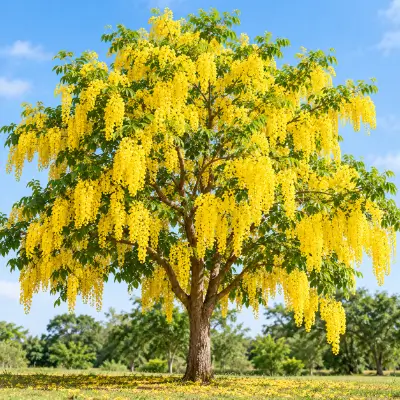
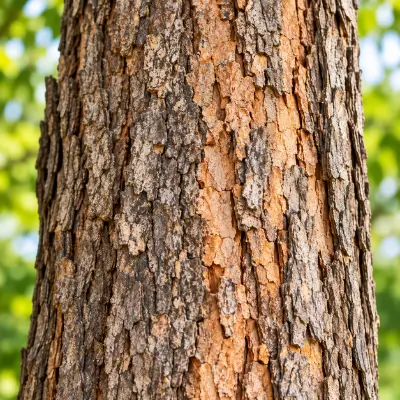
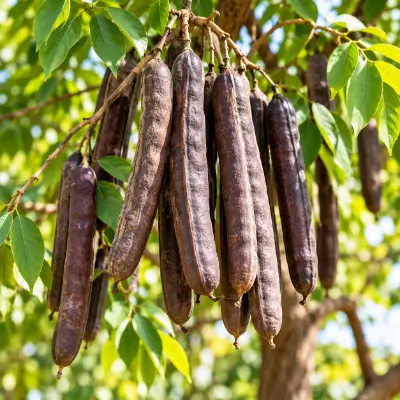
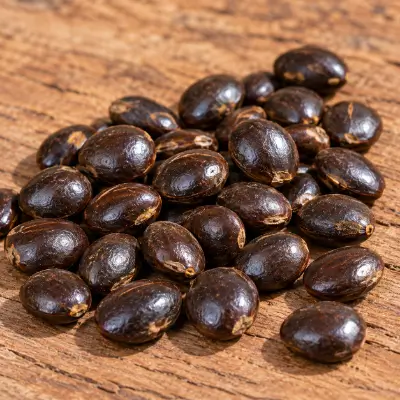
    Gum karaya is a medium-sized, deciduous tree to 15 m in height, usually with a clean, crooked, short bole up to 2 m DBH; branches large, spreading; bark thick, greyish-white or reddish, smooth, shining with a thin, white transparent outer coat, peeling off in papery flakes. Leaves on long petioles, crowded at the ends of branches, palmately 5-lobed, 20-30 cm diameter; tomentose beneath, glabrous above, entire, acuminate; stipules caducous. Flowers greenish yellow, small, in terminal panicles; follicles 4-6, ovoid-oblong, about 2.5 cm diameter, coriaceous, red, covered with stinging hairs. Infact, the specific name urens means stinging in reference to the hairs on flowers. Fruit consists of 5 sessile, radiating, ovate-lanceolate hard, coriaceous carpels, 7.5 cm long, red when ripe, covered outside with many stiff bristles. Trees exude gum karaya used in foodstuffs as emulsifiers, stabilizers and thickeners. Seeds are eaten after roasting. Seeds and young tender roots are eaten in times of famine.

    Names in different Indian languages :

    Assamese : Odla

    English : Kulu, Kateera-gum, Indian-tragacanth, Gum Karaya, Katira, Sterculia gum

    Gujarati : Kogdol

    Hin : Gular

    Hindi : Katira, Karaya, Gulu, Kulu

    Kannada : Pinari, Kendale, Kempudale

    Konkani : Pandrukh

    Malayalam : Annanvazhukki, Thondi, Theethondi, Annaanvazhukki, Paravakka, Thonti, Kithondi, Thiiththonti

    Marathi : Kawali, Kandol

    Oriya : Gudalo

    Rajasthani : Katila

    Tamil : Senthanukku, Vellai-puthali, Centanakku, Senthalamaram, Kutiraippitukkan, Kavalam

    Telugu : Tapasi Chettu

    Distribution & Habitats :     

    Throughout India except Jammu & Kashmir, Punjab, Himachal Pradesh, Uttarakhand, Sikkim, Arunachal Pradesh, Assam, Nagaland, Meghalaya, Manipur, Tripura, Mizoram.

    Synonyms :

    Cavallium urens (Roxb.) Schott & Endl.

    Clompanus urens (Roxb.) Kuntze

    Kavalama urens (Roxb.) Rafin.

    Morphology :

    Tree Type: Deciduous

    Canopy: Dense

    Leaf Type: Hulchi like

    Flower: In terminal panicles; foetid. Flowering from December-March.

    Fruit: A follicle, 4 or 5 lobed; lobes ovoid-oblong with ferruginous stiff-hairs, red turning green. Fruiting March onwards.

    Field tips: Bark papery and smooth, grey with white patches. Wood very soft, pith with red resin canals.

    Leaf Arrangement: Alternate-distichous

    Leaf Type: Palmate

    Leaf Shape: Palmate

    Leaf Apex: Caudate acuminate

    Leaf Base: Cordate

    Leaf Margin: Entire

    Uses :

    The gum is used as a bulk laxative. It is not absorbed by the body, but swells up inside the gut to provide a bulk of material that gently stimulates peristalsis. The gum is also used to treat throat infections.

    Substitute/Adulterant

    Adulterated with other inferior gums such as Acacia or other Sterculia species.

    Phytochemicals

    Contains polysaccharides (galactose, rhamnose, and galacturonic acid), sterculic acid, tannins, and flavonoids.

    Raspanchaka

    Rasa: Madhura (Sweet)
    Guna: Snigdha (Unctuous), Guru (Heavy)
    Virya: Shita (Cold)
    Vipaka: Madhura (Sweet)
    Prabhava: Cooling demulcent
    Dosha Shamakta: Pacifies Pitta and Vata

    Karma (Therapeutic Actions)

    Mridurechaka (Mild laxative)
    Shitaprasamana (Cooling)
    Vranaropaka (Wound healing)
    Kantya (Soothes throat)
    Balya (Tonic)

    IUCN Status

    Near Threatened (NT) due to overharvesting for gum extraction.

    Research Updates

    1. Pharmacognostic Evaluation (2021): Confirmed identity through microscopy and physicochemical studies (International Journal of Pharmacognosy).
    2. Anti-inflammatory & Antioxidant Activity (2022): Methanolic extract showed significant free radical scavenging properties.
    3. Wound Healing Study (2020): Aqueous extract of Sterculia urens gum improved wound contraction and epithelization in rat models.

    About Katira

    Botanical Name

    Sterculia urens Roxb

    Family

    Sterculiaceae (Cacao family)

    Identification No.

    SDACH/HG/229

    Parts Used

    Gum

    Habitat

    India

    IUCN Status

    Near Threatened (NT) due to overharvesting for gum extraction.

    Plant Photos

    Ayurvedic Properties

    Rasa

    Madhura (Sweet)

    Guna

    Snigdha (Unctuous), Guru (Heavy)

    Virya

    Shita (Cold)

    Vipãka

    Madhura (Sweet)

    Contact Now

    Have queries? Contact Us.

    Have queries? We’re here to help you every step of the way.

    Contact us to get the right guidance for your academic journey at Shri Dhanwantry Ayurvedic College.

  • Aaditya Bhakta

    Aaditya Bhakta

    Aaditya Bhakta

    Sanskrit name: Shweta hurhur, Suryavartha, ravipritha

    Botanical name: Gynandropis pentaphylla

    Family name: Capparidaceae

    Identification No.: SDACH/HG/228

    Vernacular names

    Hindi name– Huhur saphed, chamni, karaila

    English name– Shona cabbage, spiderwisp, cat’s whiskers, Bastard-mustard

    Bengali name– Hurhuriya

    Gujarati name-  Dholi talvarna

    Marathi name- Tilvan, Matvan, Malli

    Tamil name– kadugu, velai

    Telugu Name – Vaminta, Vamitam

    Kannada Name – Shrikala

    Synonyms-

    सुवर्चला सूर्यभक्ता वरदा बदराऽपि । सूर्यावर्त्ता रविप्रीताऽपरा ब्रह्मसुदुर्लभा ॥२८४॥ सुवर्चला हिमा रूक्षा स्वादुपाका सरा गुरुः । अपित्तला कटुः क्षारा विष्टम्भकफवातजित् ॥ २८५॥ अन्या तिक्ता कषायोष्णा सरा रुक्षा लघुः कटुः । निहन्ति कफपित्तास्त्रश्वासकासारुचिज्वरान् ॥ विस्फोटकुष्ठमेहास्त्रयोनिरुक्कृमिपाण्डुताः ॥२८६॥

    Classification

    Bhavaprakasha Nighantu – Guduchyaadi Varga

    Kaiyadeva Nighantu – Aushadi Varga

    Habitat & Distribution: Gynandropis pentaphylla is found in hot areas throughout India.

    Morphology- Gynandropis pentaphylla grows up to 1 – 3 feet tall small annual herb. Leaves digitate, hairy. Leaflets webbed, 2 – 10 cm long, subsessile, obovate-elliptic to oblanceolate. Flowers are white, have long stalks. Fruit capsule, long-stalked, spindle-shape, 12 cm long.

    Varieties: Controversy, Safed Hur hur – Shwet Hurhur (white variety) – Gynanadropis pentaphylla, Pith Hurhur (yellow variety) – Cleome viscosa

    Gynandropis pentaphylla is also considered as Ajagandha and Tilaparni.

    In Raja Nighantu, Suvarchal is mentioned as the synonym of Brahmi and Mandukaparni. Dhanvantari Nighantu and Shodalal Nighantu has also mentioned suvarchal as one of the synonyms of Mandukarparni herb.

    Substitute/ Adulterant: Cleome viscosa,

    Phytochemicals: Seeds extract contain alkaloids, flavones, sugar, phenolic group, saponin, amino acid and essential oil.

    Raspanchaka– Rasa– Katu; Guna- Guru, Ruksha; Virya– Ushna; Vipaka– Madhura, Prabhava- Saraka, dosha shamakta– Kaphavata shamak

    Karma– Saraka, Rogaghnata– Kasa, Swasa, Aruchi, Jawra, kushtha, Prehmah, Krimi, Raktavikara, Panduroga, Yoniroga

    Amayika Prayoga/Therapeutic Uses

    External: 1) Leaf juice is also used as eye wash.

    2) Leaf paste applied over forehead also helps in headache.

    3) Plant has insecticidal, antifeedant and repellent properties.

    4) Leaves act as disinfectants and has anti-tick properties

    Internal: 1) To relieve weakness in fever, juice of whole plant is given in 5-10 ml dose.

    2) Leaf juice is used as ear drops in earache and ear discharge. Leaf oil is also used in earache.

    3) In headache, inhalation of leaves helps to relieve headache.

    Part used: Whole plant

    Dose: Decoction-10-20 ml

    Juice 5-10 ml

    Seed powder 1 – 3 grams

    Yoga/Formulations: Agurvadi taila

    IUCN Status: Not mentioned

    Research updates

    1. Antimicrobial Activity – The study proved the significant antimicrobial activity of extracts of Gynandropis pentaphylla and thus justified its traditional medicinal use of this plant.

    2. Anti diabetic Activity – A study conducted to evaluate hypoglycaemic and antihyperglycaemic activity of aqueous extract of root of Gynandropsis gynandra herb has revealed hypoglycaemic action of Gynandropsis gynandra.

    About Aaditya Bhakta

    Botanical Name

    Gynandropis pentaphylla

    Family

    Capparidaceae

    Identification No.

    SDACH/HG/228

    Parts Used

    Whole plant

    Habitat

    India

    IUCN Status

    Not mentioned

    Plant Photos

    Ayurvedic Properties

    Rasa

    Katu

    Guna

    Guru, Ruksha

    Virya

    Ushna

    Vipãka

    Madhura

    Contact Now

    Have queries? Contact Us.

    Have queries? We’re here to help you every step of the way.

    Contact us to get the right guidance for your academic journey at Shri Dhanwantry Ayurvedic College.

  • Din Ka Raja

    Din Ka Raja

    Din Ka Raja

    Botanical name : Cestrum diurnum

    Family : Solanaceae

    Identification No.: SDACH/HG/227

    Introduction :

    Cestrum diurnum is a species of Cestrum, native to the West Indies. Common names include day-blooming cestrum, day-blooming jessamine, and day-blooming jasmine. Also known as Din ka Raja (king of the day), in Urdu and Hindi. The scent of this quick-growing and evergreen woody shrub, often used for screens and borders, is released by day. Cestrum diurnum is easily propagated from the seed, which it produces in abundance.

    A lesser known cousin of the more famous night blooming jasmine (cestrum nocturnum) Cestrum diurnum’s clusters of tubular white flowers have a modest sweet fragrance, a chocolate scent – nothing like the intoxicating aroma of C. nocturnum, but pleasant. Unlike it cousine, this one is fragrant during the day. Day jasmine has an upright habit attaining a height of between 5 to 10 feet tall and 2 to 3 feet wide. The leaves are dark green and glossy. One inch, tubular, white, fragrant blooms appear in clusters in the summer. The bloom petals are bent backwards. The blooms are mildly fragrant during the day and the fragrance intensifies in the late evening and after dark. The blooms are followed by 1/4 inch green fruit which turn a glossy black or eggplant purple. The fruits are poisonous (affect the nervous system) to humans and other mammals.

    Vernacular Names

    • English: Day Jasmine, Wild Jessamine
    • Hindi: Din-ka-Raja
    • Marathi: Din Rani
    • Tamil: Pagal Malligai
    • Telugu: Pagala Malle
    • Kannada: Dinada Mallige
    • Malayalam: Pakal Malli

    Morphology :

    It is an erect evergreen woody shrub with numerous leafy branches. The branches, which are green and with well-marked white lenticels when young, fawn with age. The younger parts are covered with a very sparse glandular scruf.

    The leaves are simple, glabrous, entire, alternate, ex-stipulate, ovate-lanceolate in shape with obtuse apex and obtusely wedge-shaped below. They are dark green above and pale below and are generally 5 inches long by 1.5 inches wide. The leaves are petiolate with petioles of 0.5 inch length.

    The Inflorescence consists of a long axillary peduncle which bears short clusters of sweet white-smelling flowers, each cluster supported by a leaf-like bract. The individual flowers are sessile and may be with or without bracteoles.

    Calyx is gamo-sepalous, about 0.15 in long, somewhat puberulent, obtusely 5-ribbed and 5-lobed with obtuse, ciliate lobes.

    Corolla tube is narrowly infundibuliform, white, sweet-scented, about half-inch lobed with five lobes. The lobes are very obtuse and completely recurved when the flower is fully open.

    Stamens oblong, five in number, alternate with the corolla lobes, brown in colour, included. Filaments adnate to the tube, free for a very short distance.

    Ovary seated on a nectar-secreting disk. The style is filiform and glabrous. The stigmas are truncate-capitate.

    Cestrum diurnum has a black, nearly globular berry.

    Distribution :

    A native of the West Indies, it is widely cultivated in gardens throughout India.

    Raspanchaka

    • Rasa: Tikta, Kashaya
    • Guna: Laghu, Ruksha
    • Virya: Ushna
    • Vipaka: Katu
    • Prabhava: Vata-Kaphahara
    • Doshashamaka: Kapha-Vatahara

    Karma

    • Shothahara
    • Vishaghna
    • Jwaraghna
    • Krimighna
    • Kushtaghna

    Amayika Prayoga / Therapeutic Uses

    External

    • Leaf paste used for treating skin infections, swelling, and wounds

    Internal

    • Traditionally used in fevers, fungal infections, and skin diseases
    • Caution advised due to presence of vitamin D analogs that may cause toxicity if overused

    Part Used

    Leaves, roots

    Dose

    • Leaf decoction: 20–30 ml
    • Powder: 500 mg to 1 g (under supervision)

    Yoga / Formulations

    Used in ethnomedicine and regional folk practices; not part of classical Ayurvedic texts

    IUCN Status

    Not Evaluated (NE)

    Research Updates

    • Vitamin D source: Leaves contain active vitamin D analogs and are studied for potential use in treating hypocalcemia and rickets.
    • Antimicrobial properties: Extracts exhibit inhibitory effects against various bacterial and fungal strains.
    • Anti-inflammatory activity: Demonstrates reduction in experimentally induced inflammation and edema, supporting traditional use in swelling and joint issues.

    About Din Ka Raja

    Botanical Name

    Cestrum diurnum

    Family

    Solanaceae

    Identification No.

    SDACH/HG/227

    Parts Used

    Leaves, roots

    Habitat

    India, West Indies

    IUCN Status

    Not Evaluated (NE)

    Plant Photos

    Ayurvedic Properties

    Rasa

    Tikta, Kashaya

    Guna

    Laghu, Ruksha

    Virya

    Ushna

    Vipãka

    Katu

    Contact Now

    Have queries? Contact Us.

    Have queries? We’re here to help you every step of the way.

    Contact us to get the right guidance for your academic journey at Shri Dhanwantry Ayurvedic College.

  • Loquat

    Loquat

    Loquat

    Botanical Name : Eriobotrya japonica

    Family : Rosaceae

    Identification No.: SDACH/HG/226

    Introduction :

    A fruit of wide appeal, the loquat, Eriobotrya japonica Lindl., (syn. Mespilus japonicus Thunb.), of the rose family, Rosaceae, has been called Japan, or Japanese, plum and Japanese medlar. To the Italians, it is nespola giapponese; to French-speaking people, it is néflier du Japon, or bibassier. In the German language, it is japanische mispel, or wollmispel; in Spanish, nispero, nispero japonés, or nispero del Japón; in Portuguese, ameixa amarella, or ameixa do Japao.

    Vernacular Names

    • English: Loquat
    • Hindi: Lukat, Loquat
    • Marathi: Lukat
    • Tamil: Elakkai
    • Telugu: Lokat
    • Kannada: Lokat hannu
    • Malayalam: Lokat

    Morphology :

    A tree of moderate size, the loquat may reach 20 to 30 ft (6-9 in), has a rounded crown, short trunk, and woolly new twigs. The evergreen leaves, mostly whorled at the branch tips, are elliptical-lanceolate to obovate lanceolate, 5 to 12 in (12.5-30 cm) long and 3 to 4 in (7.5-10 cm) wide; dark-green and glossy on the upper surface, whitish-or rusty-hairy beneath, thick, stiff, with conspicuous parallel, oblique veins, each usually terminating at the margin in a short, prickly point. Sweetly fragrant flowers, borne in rusty-hairy, terminal panicles of 30 to 100 blooms, are white, 5-petalled, 1/2 to 3/4 in (1.25-2 cm) wide. The fruits, in clusters of 4 to 30, are oval, rounded or pear-shaped, 1 to 2 in (2.5-5 cm) long, with smooth or downy, yellow to orange, sometimes red-blushed, skin, and white, yellow or orange, succulent pulp, of sweet to subacid or acid flavor. There may be 1 to 10 seeds, though, ordinarily, only 3 to 5, dark-brown or light-brown, angular -ellipsoid, about 5/8 in (1.5 cm) long and 5/16 in (8 mm) thick.

    Distribution :

    The loquat is indigenous to southeastern China and possibly southern Japan, though it may have been introduced into Japan in very early times. It is said to have been cultivated in Japan for over 1, 000 years. The western world first learned of it from the botanist Kaempfer in 1690. Thunberg, who saw it in Japan in 1712, provided a more elaborate description. It was planted in the National Gardens, Paris, in 1784 and plants were taken from Canton, China, to the Royal Botanical Gardens at Kew, England, in 1787. Soon, the tree was grown on the Riviera and in Malta and French North Africa (Algeria) and the Near East and fruits were appearing on local markets. In 1818, excellent fruits were being produced in hothouses in England. The tree can be grown outdoors in the warmest locations of southern England.

    Cultivation spread to India and southeast Asia, the medium altitudes of the East Indies, and Australia, New Zealand and South Africa. Chinese immigrants are assumed to have carried the loquat to Hawaii.

    In the New World, it is cultivated from northern South America, Central America and Mexico to California: also, since 1867, in southern Florida and northward to the Carolinas, though it does not fruit north of Jacksonville. It was quite common as a small-fruited ornamental in California gardens in the late 1870’s. The horticulturist, C.P. Taft, began seedling selection and distributed several superior types before the turn of the century, but further development was slow. Dwarfing on quince root-stocks has encouraged expansion of loquat cultivation in Israel since 1960. In the northern United States and Europe, the tree is grown in greenhouses as an ornamental, especially var. variegata with white and pale-green splashes on the leaves.

    In India and many other areas, the tree has become naturalized, as it volunteers readily from seed. Japan is the leading producer of loquats, the annual crop amounting to 17,000 tons. Brazil has 150,000 loquat trees in the State of Sao Paulo.

    Raspanchaka

    • Rasa: Madhura, Amla
    • Guna: Laghu, Snigdha
    • Virya: Sheeta
    • Vipaka: Madhura
    • Prabhava: Kasahara
    • Doshashamaka: Pitta-Vatahara

    Karma

    • Kasahara
    • Jwaraghna
    • Trishnaghna
    • Atisaraghna
    • Hrudya
    • Vranaropaka

    Medicinal Uses :

    The fruit is said to act as a sedative and is eaten to halt vomiting and thirst.

    The flowers are regarded as having expectorant properties.

    An infusion of the leaves, or the dried, powdered leaves, may be taken to relieve diarrhea and depression and to counteract intoxication from consumption of alcoholic beverages.

    Leaf poultices are applied on swellings.

    Part Used

    Leaves, fruits, seeds (cautiously; contain amygdalin)

    Dose

    • Leaf decoction: 30–50 ml
    • Fruit pulp: 10–50 g
    • Powder: 1–2 g

    Yoga / Formulations

    Used in Unani and folk formulations; decoction and syrup preparations are common

    IUCN Status

    Not Evaluated (NE)

    Research Updates

    • Antidiabetic effect: Leaf extract shows significant hypoglycemic activity by enhancing insulin sensitivity and reducing blood glucose levels.
    • Antitussive and respiratory support: Demonstrates cough-suppressing and anti-inflammatory effects, justifying traditional use in respiratory conditions.
    • Wound healing and antioxidant activity: Rich in flavonoids and triterpenoids that accelerate wound contraction and reduce oxidative damage.

    About Loquat

    Botanical Name

    Eriobotrya japonica

    Family

    Rosaceae

    Identification No.

    SDACH/HG/226

    Parts Used

    Leaves, fruits, seeds (cautiously; contain amygdalin)

    Habitat

    India

    IUCN Status

    Not Evaluated (NE)

    Plant Photos

    Ayurvedic Properties

    Rasa

    Madhura

    Guna

    Laghu, Snigdha

    Virya

    Sita

    Vipãka

    Madhura

    Contact Now

    Have queries? Contact Us.

    Have queries? We’re here to help you every step of the way.

    Contact us to get the right guidance for your academic journey at Shri Dhanwantry Ayurvedic College.

  • Upodhika

    Upodhika

    Upodhika

    Botanical Name : Basella alba Linn. var. rubra Stewart.

    Family : Basellaceae

    Identification No.: SDACH/HG/225

    Names in different Indian languages :

    English : Indian Spinach

    Hindi : Poi, lalbaclu

    Kannada : Bansali

    Malayalam : vashalacheera

    Sanskrit : Upodikaa

    Tamil : Vaslakkirai

    Telugu : Baccali

    Synonyms :

    पोतक्युपोदिका सा तु मालवाऽमृतवल्लरी

    B. rubra Linn

    Upodikaa, Potaki, Maalvaa, Amritvallari

    Morphology :

    Basella alba is a fast-growing, soft-stemmed vine, reaching 10 metres (33 ft) in length. Its thick, semi-succulent, heart-shaped leaves have a mild flavour and mucilaginous texture.

    Action & uses :

    Demulcent, diuretic, laxative

    Chemical constituents :

    It is rich in vitamins A and C, iron and calcium, arginine, leucine, isoleucine, lysine, threonine

    IUCN Status: Not Evaluated

    Research updates:

    1. Rahmat A, Rosli R, Jayabalan N. Antioxidant properties of Basella alba extracts in vitro. Food Chem.
    2. Tan YF, Chua KH, Ravichantar N. Anti-inflammatory and wound healing properties of Basella alba leaf extract. J Ethnopharmacol.
    3. Islam T, Chowdhury MA, Hossain MS. Evaluation of hepatoprotective activity of Basella alba in paracetamol-induced liver damage. Int J Pharm Sci Res.

    About Upodhika

    Botanical Name

    Basella alba Linn. var. rubra Stewart.

    Family

    Basellaceae

    Identification No.

    SDACH/HG/225

    Habitat

    India

    IUCN Status

    Not Evaluated

    Plant Photos

    Contact Now

    Have queries? Contact Us.

    Have queries? We’re here to help you every step of the way.

    Contact us to get the right guidance for your academic journey at Shri Dhanwantry Ayurvedic College.

  • Tejpatra

    Tejpatra

    Tejpatra

    Botanical Name : Cinnamomum tamala

    Family : Lauraceae

    Identification No.: SDACH/HG/224

    Introduction :

    This plant is cultivated. North and South region of india using different plants as tamala patra. Cinnamon, common name for several related trees of the laurel family, and for a spice made from the dried bark of the trees. The best-known species is native to Sri Lanka; it is cultivated in many other tropical countries in Southeast Asia and elsewhere, but that grown in Sri Lanka is superior in taste. The tree, which usually grows up to 12 m (40 ft) high, is cultivated to grow four to five stems. When the bark begins to turn brown, the stems, which may be about 2.5 m (about 8 ft) tall and 5 cm (2 in) in diameter at the base, are harvested and new ones are trained to grow in their place. After the tree is stripped of leaves and twigs, the inner and outer bark is removed. As the bark dries, it forms rolls (quills), the smaller of which are inserted into the larger, and when fully dry, these are tied in bundles for shipment.

    Names in different Indian languages :

    Hindi : Jangali dalchini

    Malayalam : Edana,vayana,vazhana

    Tamil : karrapa

    Morphology :

    Medium sized tree, blakish bark, aromatic

    Leaves – simple, opposite, ovate-lanceolate, glabrous , aromatic.

    Flower – yellowish

    Fruit – drupe

    Seed- single seeded.

    Distribution & Habitat :

    Cultivated all over India

    Chemical constituents :

    Cinnamaldehyde, Eugenol, tetrahydroxyflavandiols, diterpenes, cinnzeylanin and cinnzeylanol.

    Properties :

    RASA- katu, kashaya

    Guna- laghu

    Virya- ushna

    Vipaka-katu

    Karma : deepana,pachana, krimighna

    appetizer, diaphoretic, diuretic

    Amayika Prayoga / Therapeutic Uses

    Internal uses :

    Digestive system : Indigestion , loss of appetite, colic and diarrhoea.

    Reproductive system : It is used in uterine inertia, It also helps fertilization and overcomes habitual abortion.

    It is useful in postpartum amenorrhoea. Bark decoction is used in gonorrhoea.

    Indication :

    Splenomegaly, hepato magaly , colic

    Part used :

    Leaves , bark

    Dosage :

    2-4 g.

    Therapeutic Uses :

    Powder useful lin indigestion

    Yoga / Formulations

    • Eladi Churna
    • Sitopaladi Churna
    • Hridya Mahakashaya
    • Used in various classical and proprietary formulations

    IUCN Status

    Least Concern (LC)

    Research Updates

    • Antioxidant activity: Extracts of Cinnamomum tamala show strong antioxidant potential, suggesting use in metabolic and degenerative disorders.
    • Hypoglycemic effect: Demonstrates blood sugar-lowering properties and improves insulin sensitivity in preclinical studies.
    • Cardioprotective properties: Exhibits lipid-lowering and heart-protective actions, supporting its use as a classical hridya dravya.

    About Tejpatra

    Botanical Name

    Cinnamomum tamala

    Family

    Lauraceae

    Identification No.

    SDACH/HG/224

    Parts Used

    Leaves , bark

    Habitat

    India

    IUCN Status

    Least Concern

    Plant Photos

    Ayurvedic Properties

    Rasa

    katu, kashaya

    Guna

    laghu

    Virya

    ushna

    Vipãka

    katu

    Contact Now

    Have queries? Contact Us.

    Have queries? We’re here to help you every step of the way.

    Contact us to get the right guidance for your academic journey at Shri Dhanwantry Ayurvedic College.

  • Puthiha

    Puthiha

    Puthiha

    Botanical Name : Mentha spicata  Linn. emend. Nathh.

    Family : Labiatae; Lamiaceae

    Identification No.: SDACH/HG/223

    Introduction :

    Scientific classification: Mints make up the family Lamiaceae (formerly Labiatae) of the order Lamiales. The well-known mint genus is Mentha. Peppermint is classified as Mentha piperita, spearmint asMentha spicata, and pennyroyal as Mentha pulegium. Lavender is classified in the genus Lavendula and shellflower in the genus Molucella.

    Names in different Indian languages :

    English : Mint

    Hindi : Pudinaa

    Kannada : Chetamarugu

    Malayalam : Pudinaa

    Sanskrit : Pudinaa

    Tamil : Pudinaa

    Telugu : Pudinaa

    Unani : Nanaa, Pudinaa Kohi

    Synonyms :

    Pudinaa, Podinaka, Puutihaa, Rochini.

    Mentha viridis Linn

    Morphology :

    Annual shrub having strong smell.

    Leaves – tender with serrated margins.

    Flower stalk bears inflorescence all around

    Varieties :

    It has many varieties. They are also classified according to their locations like jungle, mountains and marshy land.

    Distribution & Habitat :

    Cultivated

    Chemical constituents :

    Carvone, limonene , flavonoids, diosmin , diosmetin, Caffeic acid , rosmarinic acid

    Properties :

    Guna : laghu, ruksha, tikshna;

    Rasa : katu;

    Vipaka : katu;

    Virya : ushna;

    Karma :

    Rochani, deepana, pachana, balya, mutrala, rakta sodana, samgrahi

    Carminative, stimulant, antispasmodic, antiemetic, diaphoretic, antiseptic.

    Indication :

    Agnimandya, visuchika, jirna jwara, krimi, swasa

    fever, skin disease, cough, , dysentery, gout, burning sensation, dyspepsia, cephalgia, worm infection

    Part used :

    Leaves

    Dosage :

    Leaf juice 10-15 ml

    Powder 2-4 g

    Decoction 50-100 ml

    Amayika Prayoga / Therapeutic Uses

    External uses :

    Analgesic, deodorant, antiseptic and wound healing. Its oil is also is used. Lea mixed with water is used for gargles as a mouth freshener. Leaves are spread on the, patient’s bed suffering from fever

    Internal uses :

    Its paste is used as an appetizer, antiemetic, carminative and anthelmintic. Juice is used in cardiac debility, cough, asthma, hiccups. It is also useful in dysuria, amenorrhoea, dysmenorrhoea, puerperal fever, skin diseases, common fever and poisoning.

    Yoga / Formulations

    • Common in Unani and folk herbal formulations
    • Present in herbal teas, syrups, and lozenges

    IUCN Status

    Not Evaluated (NE)

    Research Updates

    • Gastroprotective effect: Mentha spicata leaf extracts help in reducing gastric ulcers and improving digestion by modulating gastric secretions.
    • Anti-inflammatory activity: Demonstrates significant anti-inflammatory and analgesic effects in experimental models, supporting its use in pain and swelling.
    • Cognitive enhancement: Aromatherapy with spearmint oil is associated with improved memory and reduced mental fatigue, showing promise for neurocognitive support.

    About Puthiha

    Botanical Name

    Mentha spicata Linn. emend. Nathh.

    Family

    Labiatae; Lamiaceae

    Identification No.

    SDACH/HG/223

    Parts Used

    Leaves

    Habitat

    India

    IUCN Status

    Not Evaluated (NE)

    Plant Photos

    Ayurvedic Properties

    Rasa

    katu

    Guna

    laghu, ruksha, tikshna

    Virya

    ushna

    Vipãka

    katu

    Contact Now

    Have queries? Contact Us.

    Have queries? We’re here to help you every step of the way.

    Contact us to get the right guidance for your academic journey at Shri Dhanwantry Ayurvedic College.

  • Tvak

    Tvak

    Tvak

    Botanical Name : Cinnamomum zeylanicum.

    Family : Lauraceae

    Identification No.: SDACH/HG/222

    Introduction :

    It used for the food more taste. Cinnamon, common name for several related trees of the laurel family, and for a spice made from the dried bark of the trees. The best-known species is native to Sri Lanka; it is cultivated in many other tropical countries in Southeast Asia and elsewhere, but that grown in Sri Lanka is superior in taste. The tree, which usually grows up to 12 m (40 ft) high, is cultivated to grow four to five stems. When the bark begins to turn brown, the stems, which may be about 2.5 m (about 8 ft) tall and 5 cm (2 in) in diameter at the base, are harvested and new ones are trained to grow in their place. After the tree is stripped of leaves and twigs, the inner and outer bark is removed. As the bark dries, it forms rolls (quills), the smaller of which are inserted into the larger, and when fully dry, these are tied in bundles for shipment.

    Names in different Indian languages :

    English : Cinnamon,Ceylon Cinnamon

    Hindi : Dalcini

    Kannada : Dalcini

    Malayalam : Ilavangam, karuva, vayana, elamangalam

    Sanskrit : Tvak

    Tamil : Ilavagam,karuva

    Telugu : Dalcini,dasini cekka

    Unani : Daarchini (bark).

    Synonyms :

    त्वक्स्वाद्वी तु तनुत्वक्यस्यात्तथा दारुसिता मता ॥६६॥

    उक्ता दारुसिता स्वाद्वी तिक्ताचानिलपित्तहृत् ।

    सुरभिः शुक्रलाबल्या मुखशोषतृषापहा ॥६७॥

    Cocam,darusita, daaruchini, Chochaa, Choncha, Varaanga, Utkata, Daarusitaa (bark).

    Cinnamomum verum Persl.

    Classification according to Charaka, Susrutha & Vagbhata :

    Charaka

    Susrutha

    Elãdi

    Vagbhata

    Elädi, Trijataka

    Varieties & adulterants – (CV – controversy, AD – adulterants) :

    1. C. tamala   – [AD]

    2. C. cassia  -[AD]

    3. Dãrusitã (sweet variety)

    4.  C. cassia

    5. C. jamala

    6. C. verum

    Morphology :

    A small evergreen tree, 6-7.5 m high.

    Bark— brown and rough (in aged trees); inner surface of commercial bark is somewhat darker than the outer and finely striated longitudinally.

    Leaves—coriaccous, glaucous green above, with spicy odour when bruised, 3-5 veined, 10-20 cm. long.

    Flowers— small, with disagreeable smell.

    Fruits— ellipsoidal, 1-seeded, dark purple berry, 1.5-2.5 cm long. Flowers and fruits during the spring.

    Habitat & Distribution :

    Found wild in the southern costal region of western India. The main source of cinnamon is Srilanka. Also grows in Brahmadesha, China, Southern.India and Himalayas.

    Chemical Constituents :

    Cinnamaldehyde, eugenol, benzaldehyde, methyl amyl ketone, phellandrene, pinene, cymene, linalool, cumic aldehyde, caryophyllene, safrole, methyl evgenol, borneol, cinnamyl alcohol, cinnzeylanin, cinnzeylanol, epicatechin, cinnacassiol D1 etc.

    Properties :

    Rasa Katu, Tikta, Madhura

    Guna Laghu, Ruksa, Tiksna.

    Virya Usna

    Vipãka Katu

    Karma : Vãta-pittahara, Sukrala, Balya, Varnya, Grãhi ,depana,pachana

    carminative, digestive, astringent, antispasmodic, expectorant, haemostatic, antiseptic

    Indications :

    Kandü, Amãjirna, Aruci, Hrdroga, Bastiroga, Vãtãrsas, Krmi, Pinasa, sukradosa

    diarrhoea and dysentery; gastric irritation,nausea and vomiting, toothache, neuralgia,rheumatism, cough

    Part Used :

    Stem bark, oil and leaves

    Dosage :

    Powder 2-4 g, oil 2-5 drops

    Chemical composition :

    It contains 2% volatile oil which is called as oil of cinnamon, It also contains cinneric acid, resin, tannin, sugar, starch, mucilage and ash. Like bark, oil is also derived from leaves and root. Leaf oil is dark in colour and has clove-like aroma. Root oil is yellow coloured and water insoluble.

    Amayika Prayoga / Therapeutic Uses

    External use :

    It is stimulant and analgesic. It is used for mouth wash in bad breath and keeps teeth healthy, This is done by chewing of cinnamon. Chewing of cinnamon helps in nausea. The paste is applied in skin diseases like moles and skin tags etc. It is applied locally in headache and also in inflammation. In dental cavity cotton wool soaked in 2-3 drops of cinnamon oil relieves pain. In a chancre, oil or paste is locally applied on penis. Cinnamon oil relieves pain and inflammation caused due to scorpion bite. It is also used for cleaning and healing of tuberculosis ulcer.

    Internal uses :

    Nervous system : Cinnamon is used in neural debility and paralysis.

    Digestive system : It is an appetizer, digestive, carminative, liver stimulant and astringent by bitter, pungent and ushna properties. Hence it is useful in anorexia amadosha, abdominal pain and haemorrhoids.

    Circulatory system : It is a cardiostimulant, blood purifier and promotes white blood count. Therefore, it is used in cardiac debility and blood disorders caused due to bacterial infection.

    Respiratory system : It is an expectorant and antitubercular drug. Cineremic acid seems to have an antitubercular property. It acts as a hemostat, ulcer healer and foul smell scavenger in lungs. Urinary system : Its ushna and tikshna properties stimulate the bladder and act as a diuretic. Effective in disorders induced by kapha and meda.

    Reproductive system: it shows aphrodisiac properties. Hence it is useful in amenorrhea and infertility. Ashoka + cinnamon used in uterine laxity. Fever : It reduces intestinal foul smell in enteric fever. Oil is also used.

    Important Yogas or Formations :

    Elãdi rasayana, Sitopalädi cürna,Samasarkara curna.

    Therapeutic Uses :

    (1) Kãsa— Powders of Tvak, Elã, Pippali, Tavaksiri and sugar (each double than the other in quantity) are mixed together and taken with honey (A.H.).

    (2) Sirasula— Nasya with Tvak Kalkã, Patra and sarkarã along with ice-water is useful in Pittaja sirasula (C.S.Ci. 26! 178)

    (3) Prayãhikã– Tvak powder is given in 1 g dose (T.N. ghosh).

    IUCN Status

    Least Concern (LC)

    Research Updates

    • Blood sugar regulation: Cinnamomum zeylanicum has shown promising effects in improving insulin sensitivity and lowering blood glucose levels in type 2 diabetes.
    • Antimicrobial efficacy: Cinnamaldehyde and essential oils display strong antibacterial and antifungal properties, especially against oral and respiratory pathogens.
    • Cardioprotective effect: Animal studies suggest cinnamon helps reduce LDL cholesterol and triglycerides, supporting its traditional use as a hridya (cardiac tonic).
    About Tvak

    Botanical Name

    Cinnamomum zeylanicum.

    Family

    Lauraceae

    Identification No.

    SDACH/HG/222

    Parts Used

    Stem bark, oil and leaves

    Habitat

    Brahmadesha, China, Southern.India and Himalayas

    IUCN Status

    Least Concern

    Plant Photos

    Ayurvedic Properties

    Rasa

    Katu, Tikta, Madhura

    Guna

    Laghu, Ruksa, Tiksna.

    Virya

    Usna

    Vipãka

    Katu

    Contact Now

    Have queries? Contact Us.

    Have queries? We’re here to help you every step of the way.

    Contact us to get the right guidance for your academic journey at Shri Dhanwantry Ayurvedic College.

  • Tailaparna

    Tailaparna

    Tailaparna

    Botanical Name : Eucalyptus globules Labill.

    Family : Myrtaceae

    Identification No.: SDACH/HG/221

    Introduction :

    Myctaceae (Held sacred to Venus)

    Latin name: Eucalyptus – eu = good, kalypto = conceal, the calyx which covers the flowers, falls off like a cap. All with white flowers; citriodoracitrus = lemon, odor smell

    Scientific classification: The genus Eucalyptus belongs to the family Myrtaceae. The mountain ash is classified as Eucalyptus regnans, the blue gum as Eucalyptus globulus, and the cider gum as Eucalyptus gunnii. Black peppermint is classified as Eucalyptus amygdalina and Sydney peppermint as Eucalyptus piperata

    Eucalyptus, genus of trees and some shrubs of the myrtle family. This genus, which includes over 800 species, forms the preponderant vegetation and most valuable timber trees of western Australian forests. Eucalyptus trees are characterized by leathery, whitish leaves that hang vertically, their edges facing the sun, and their ragged bark and peculiar aroma. Some trees in the genus are among the tallest trees known. One specimen of mountain ash with a height of at least 97 m (at least 318 ft) was found near Melbourne, Australia.

    Many species are known as gum trees because of their resinous exudations. Among these are the blue gum and the cider gum, the lumber of which is widely used. Other species are known as stringybarks because of their fibrous inner bark. The peppermint trees, black peppermint and Sydney peppermint, are also included in this group. The ironbarks have hard gray bark and yield good timber. Botany Bay kino, a dark red, odorless gum employed as an astringent and a hemostatic drug and for tanning and dyeing, is derived from the ironbarks. The bloodwoods have reddish wood and also yield Botany Bay kino. Dragon’s blood, tannin, oils, dyes, tars, and acids are yielded by other species of eucalyptus.

    Names in different Indian languages :

    English : Blue-Gum tree, Australian Gum tree, eucalypt

    Hindi : Yukeliptas

    Malayalam : Yukkalimaram

    Sanskrit : Tailaparna,nilaniryasa

    Tamil : Yukkalimaram

    Unani : Neelgiri oil

    Synonyms :

    Tilaparna, Tailaparna, Sugandhapatra, Haritaparna Neelaniryaasa, Tribhandi, Triputaa, Saralaa, Suvahaa, Rechani, Nishotraa

    Morphology :

    The tree rapidly achieves a good height. The trunk is straight and long. Leaves – oblong and emit a pleasant odour on crushing.

    Its wood is used for railway tract sleepers and paper pulp

    Distribution & Habitat :

    Australia (originally), now found in India, hills and mountains of Nilgiri, gardens

    Chemical constituents :

    Oil contains eucalyptol 50 – 60%. Mites do not attack the tree , cineole, acyl-phloroglucinolmonoterpene

    Properties :

    Guna : laghu, singdha

    Rasa : katu, tikta, kashaya;

    Vipaka : katu,

    Virya : ushna;

    Dosha : kaphapittashamak.

    Karma :

    Deepana, pachana, hridya, mutrala, jwaraghna

    antiseptic, antibiotic, antiviral, antifungal, antispasmodic, decongestant, antiasthmatic, expectorant, antirheumatic, diaphoretic

    Indication :

    Jwara, puyameha, agnimanda, swasa, kasa, peenasa, vatiroga

    bronchitis, migraine, congestive headache, neuralgia

    Part used :

    Leaves, root, oil

    Dosage :

    Leaf juice 10-15 ml

    Powder 2-4 g

    Decoction 50-100 ml

    External uses :

    Old, preserved oil is useful in pyogenic infections. It is used to prepare ointments.

    Mixture of eucalyptus oil and mustard oil is used in osteoarthritis. Inhalation of oil in hot water vapours is useful in various lung conditions. Its analgesic property is useful in headache. body ache and neuropathy. Enema of oil and water is useful in thread worms.

    Internal uses :

    In small doses, it is a cardio stimulant but in large dose causes cardiac arrest. Oil is useful in loss of appetite and flatulence. Enema of the oil is given in worms. Gum is used in diarrhoea, dysentery and lung infections. Oil is useful in cystitis and chronic pyuria.

    IUCN Status

    Least Concern (LC)

    Research Updates

    • Respiratory support: Eucalyptus globulus oil inhalation helps alleviate symptoms of bronchitis, sinusitis, and upper respiratory infections.
    • Antimicrobial properties: Its essential oil exhibits strong antibacterial and antifungal effects, effective against respiratory and skin pathogens.
    • Anti-inflammatory and analgesic action: Topical application of eucalyptus oil reduces inflammation and provides relief in joint and muscle pain.

    About Tailaparna

    Botanical Name

    Eucalyptus globules Labill.

    Family

    Myrtaceae

    Identification No.

    SDACH/HG/221

    Parts Used

    Leaves, root, oil

    Habitat

    India, Australia

    IUCN Status

    Least Concern

    Plant Photos

    Ayurvedic Properties

    Rasa

    katu, tikta, kashaya

    Guna

    laghu, singdha

    Virya

    ushna

    Vipãka

    katu

    Contact Now

    Have queries? Contact Us.

    Have queries? We’re here to help you every step of the way.

    Contact us to get the right guidance for your academic journey at Shri Dhanwantry Ayurvedic College.

  • Danti

    Danti

    Danti

    Botanical Name

    Baliospermum montanum (Willd.) Muell-Arg.

    Family Name

    Euphorbiaceae

    Identification No.: SDACH/HG/220

    Vernacular Names

    • English: Red Physic Nut
    • Hindi: Danti
    • Marathi: Danti
    • Tamil: Nattaikottai
    • Telugu: Danti chettu
    • Kannada: Danti gida
    • Malayalam: Kantakappala

    Classical Classification

    • Bhavaprakasha: Gaduchyadi varga

    Habitat & Distribution

    Native to India; found in sub-Himalayan regions, Western Ghats, and forested areas across Central and Southern India.

    Morphology

    • Plant: Erect under-shrub, 1–2 m tall
    • Leaves: Large, lobed, resembling castor leaves
    • Flowers: Small, reddish-purple, unisexual
    • Fruit: Ovoid capsule with 3 seeds
    • Roots: Woody, reddish inside

    Varieties

    No classical varieties recorded

    Substitute/Adulterant

    May be confused with Jatropha curcas or other Euphorbiaceae plants due to similar appearance

    Phytochemicals

    Baliospermin (alkaloid), diterpenes, steroids, glycosides, tannins, saponins

    Raspanchaka

    • Rasa: Tikta, Kashaya
    • Guna: Laghu, Tikshna
    • Virya: Ushna
    • Vipaka: Katu
    • Prabhava: Virechaka
    • Doshashamaka: Kapha-Vatahara

    Karma (Rogaghnata)

    • Virechaka
    • Krimighna
    • Gulmahara
    • Shothahara
    • Shulaghna
    • Aruchihara
    • Vibandhahara

    Amayika Prayoga / Therapeutic Uses

    External

    • Root paste used in skin diseases and abscesses
    • Leaf paste applied in gout and joint swelling

    Internal

    • Strong purgative for chronic constipation and abdominal disorders
    • Useful in gulma (abdominal masses), splenomegaly, and worm infestations
    • Acts as a liver stimulant and detoxifier

    Part Used

    Root, seeds

    Dose

    • Root Powder: 250–500 mg (with caution due to purgative effect)
    • Seed Powder: 100–250 mg (after shodhana)
    • Decoction: 30–50 ml

    Yoga / Formulations

    • Dantyarishta
    • Panchakola Churna
    • Trivritadi Avaleha (as an ingredient)

    IUCN Status

    Not Evaluated (NE)

    Research Updates

    • Purgative action: Extracts of Baliospermum montanum roots demonstrate strong laxative and purgative effects, validating classical virechana usage.
    • Anthelmintic activity: Seed and root extracts are effective against intestinal parasites, confirming krimighna properties.
    • Hepatoprotective potential: Studies indicate protective effects on liver tissue, supporting its use in jaundice and liver dysfunction in traditional medicine.

    About Danti

    Botanical Name

    Baliospermum montanum (Willd.) Muell-Arg.

    Family

    Euphorbiaceae

    Identification No.

    SDACH/HG/220

    Parts Used

    Root, seeds

    Habitat

    sub-Himalayan regions, Western Ghats,

    IUCN Status

    Not Evaluated (NE)

    Plant Photos

    Ayurvedic Properties

    Rasa

    Tikta, Kashaya

    Guna

    Laghu, Tikshna

    Virya

    Ushna

    Vipãka

    Katu

    Contact Now

    Have queries? Contact Us.

    Have queries? We’re here to help you every step of the way.

    Contact us to get the right guidance for your academic journey at Shri Dhanwantry Ayurvedic College.