Shri Dhanwantry Ayurvedic College

Author: admin

  • KIRATIKTA

    KIRATIKTA

    KIRATIKTA

    Sanskrit Name
    Kirātatikta

    Botanical Name
    Swertia chirayata (Roxb. ex Fleming) H. Karst

    Family Name
    Gentianaceae

    Identification No.: SDACH/HG/199

    Vernacular Names
    Hindi: Chirata
    English: Indian Gentian
    Bengali: Chiretta
    Gujarati: Kariyatu
    Kannada: Nilavembu
    Tamil: Nilavembu

    Synonyms –

    किराततिक्तः कैरातः कटुतिक्तः किरातकः

    काण्डतिक्तोऽनार्यतिक्तो भूनिम्बो रामसेनकः ।।

    Bhav Prakash: Haridakiadi varga

    Habitat & Distribution
    Native to the temperate Himalayas at altitudes of 1200–3000 m, especially in Sikkim, Uttarakhand, Himachal Pradesh, and Bhutan. Grows in moist shady slopes and forest clearings.

    Morphology –

    • Root: Simple or slightly branched, bitter taste
    • Stem: Erect, 0.3–1.5 m tall, usually purplish
    • Leaves: Opposite, lanceolate, sessile
    • Flowers: Small, greenish-yellow with purple lines, arranged in panicles
    • Fruits: Capsules, many-seeded

    Varieties
    Other species used similarly: Swertia angustifolia, Swertia alata, Swertia corymbosa

    Substitute / Adulterant
    Substitutes: S.purpurascens Wall , S.decussata , S. chinensis Franchet, S. paniculata Wall.,  S. perennis Linn., S. lawii Burkill ,S. affinis C. B. Clarke , Exacum bicolor Roxb, E. tetragonum Roxb, Erythraea roxburghii G. Don, Enicostemma littorale Blume

    Phytochemicals

    • Swertiamarin
    • Amarogentin
    • Mangiferin
    • Xanthones
    • Gentianine

    Raspanchaka – Rasa, guna, virya, vipaka, prabhava, dosha shamakta

    • Rasa: Tikta (bitter)
    • Guna: Laghu (light), Ruksha (dry)
    • Virya: Sheeta (cold)
    • Vipaka: Katu (pungent)
    • Prabhava: Jwaraghna (antipyretic)
    • Dosha Shamakta: Pitta–Kapha hara

    Karma – Rogaghnata

    • Jwaraghna (antipyretic)
    • Deepana (digestive stimulant)
    • Pachana (carminative)
    • Krimighna (anthelmintic)
    • Yakrituttejaka (liver stimulant)
    • Kushtaghna (anti-skin diseases)

    Amayika Prayoga / Therapeutic Uses

    External
    Used in paste form for boils, skin eruptions

    Internal

    • Fever (all types including chronic and malarial)
    • Liver disorders
    • Indigestion
    • Worm infestations
    • Skin diseases
    • Diabetes (adjunctive use)

    Part Used
    Whole plant (mainly aerial parts including stem and leaves)

    Dose

    • Powder: 1-3 gm

    Yoga / Formulations

    • Kiratatikta Churna
    • Sudarshan Churna
    • Amritarishta
    • Jwarankusha Vati

    IUCN Status : Critically Endangered

    Research Updates

    Sharma, A., et al. Pharmacological overview and conservation status of Swertia chirayata: A review. Journal of Ethnopharmacology.

    Rai, N., et al. In vitro antidiabetic potential of Swertia chirayata extract and its phytochemical analysis. Phytotherapy Research.

    Joshi, M., et al. Conservation genetics and propagation strategies of Swertia chirayata. Plant Cell Biotechnology and Molecular Biology.

    About Kiratikta

    Botanical Name

    Kirātatikta

    Family

    Gentianaceae

    Identification No.

    SDACH/HG/199

    Parts Used

    Whole plant (mainly aerial parts including stem and leaves)

    Habitat

    Sikkim, Uttarakhand, Himachal Pradesh, and Bhutan

    IUCN Status

    Critically Endangered

    Plant Photos

    Ayurvedic Properties

    Rasa

    Tikta (bitter)

    Guna

    Laghu (light), Ruksha (dry)

    Virya

    Sheeta (cold)

    Vipãka

    Katu (pungent)

    Contact Now

    Have queries? Contact Us.

    Have queries? We’re here to help you every step of the way.

    Contact us to get the right guidance for your academic journey at Shri Dhanwantry Ayurvedic College.

  • GIRIPARPATA

    GIRIPARPATA

    GIRIPARPATA

    Botanical name
    Podophyllum hexandrum

    Family name
    Berberidaceae

    Identification No.: SDACH/HG/198

    Vernacular names
    Hindi: Ban Kakdi, Bankakri
    English: Himalayan Mayapple
    Kashmiri: Papra
    Punjabi: Papra

    Habitat & Distribution
    Found in alpine and sub-alpine zones of the Himalayas at elevations of 2500–4000 meters, particularly in Jammu & Kashmir, Himachal Pradesh, and Uttarakhand

    Morphology –
    Root: Creeping rhizome, thick, knotty, reddish-brown
    Leaves: Large, peltate, deeply lobed, palmate
    Flowers: Solitary, pink to purplish-red, cup-shaped
    Fruits: Ovoid berries, bright red when ripe

    Varieties
    No significant varieties documented for Podophyllum hexandrum in classical texts

    Substitute/ Adulterant
    Substitute: No direct substitute due to unique phytochemical profile
    Adulterants: Sometimes confused with Podophyllum peltatum (American species)

    Phytochemicals
    Podophyllotoxin
    Lignans
    Flavonoids
    Resin compounds
    Anthocyanins (in fruits)

    Raspanchaka
    Rasa: Tikta (bitter), Katu (pungent)
    Guna: Laghu (light), Ruksha (dry)
    Virya: Ushna (hot)
    Vipaka: Katu
    Prabhava: Vishaghna (anti-toxic)
    Dosha Shamakta: Kapha-Vata hara

    Karma
    Krimighna (anti-helminthic)
    Vranahara (wound healing)
    Kushtaghna (anti-skin disease)
    Vishaghna (anti-toxic/antidote)
    Granthihara (resolves tumors)

    Amayika Prayoga / Therapeutic Uses

    External
    Used in ointments for skin diseases and warts
    Paste applied to wounds and ulcers (only under expert supervision due to toxicity)

    Internal
    Purgative (used in highly diluted forms)
    Anthelmintic
    Used in cancer research formulations

    Part used
    Rhizome

    Dose

    Raisin 125-250 mg

    Yoga/Formulations
    Vatsanabhi taila
    Vishatinduka vati (with due purification)
    Modern: Used in chemotherapy formulations like Etoposide and Teniposide (derived from podophyllotoxin)

    IUCN Status Endangered

    Research updates
    Kumar, D., et al. Conservation and sustainable use of Podophyllum hexandrum: An endangered medicinal plant of the Himalayas. Journal of Ethnopharmacology, 278, 114266.

    Mehta, A., et al. In vitro antitumor activity of podophyllotoxin derived from P. hexandrum. Phytomedicine, 104, 154270.

    Rana, T. S., et al. Genetic diversity assessment of Podophyllum hexandrum using SSR markers. Plant Genetic Resources, 21(1), 1–10.

    About Giriparpata

    Botanical Name

    Podophyllum hexandrum

    Family

    Berberidaceae

    Identification No.

    SDACH/HG/198

    Parts Used

    Rhizome

    Habitat

    Jammu & Kashmir, Himachal Pradesh, and Uttarakhand

    IUCN Status

    Endangered

    Plant Photos

    Ayurvedic Properties

    Rasa

    Tikta (bitter), Katu (pungent)

    Guna

    Laghu (light), Ruksha (dry)

    Virya

    Ushna (hot)

    Vipãka

    Katu

    Contact Now

    Have queries? Contact Us.

    Have queries? We’re here to help you every step of the way.

    Contact us to get the right guidance for your academic journey at Shri Dhanwantry Ayurvedic College.

  • Meda

    Meda

    Meda

    Sanskrit Name: Meda

    Identification No : SDACH/HG/197

    Botanical Name: Polygonatum verticillatum

    Family Name: Asparagaceae

    Vernacular Names:

    • Hindi: Meda
    • Marathi: Meda
    • Nepali: Meda

    Classification:

    • Bhav Prakash: Haritakyadi varga

    Habitat & Distribution:

    Found in temperate to alpine regions of the Himalayas between 2,000–4,000 m in states like Uttarakhand, Himachal Pradesh, and Sikkim. Also found in parts of Nepal and Bhutan.

    Morphology:

    • Fritilaria roylei is perennial, glabrous and bulbous herb, 15-60 cm high and have mottled stem. The leaves are opposite or whorled, linear-lanceolate, flowers are solitary, yellowish green to brownish-purple with chequered pattern in yellowish green or dull-purple.

    Varieties:

    • Polygonatum verticillatum is a related species sometimes used interchangeably.

    Substitute/Adulterant:

    • Polygonatum verticillatum,

    Phytochemicals:

    • Steroidal saponins
    • Flavonoids
    • Polysaccharides
    • Alkaloids
    • Glycosides

    Rasapanchaka:

    • Rasa: Madhura
    • Guna: Guru, Snigdha
    • Virya: Sheeta
    • Vipaka: Madhura
    • Prabhava: Jeevaniya (life-promoting)
    • Dosha Karma: Tridosha hara (especially Vata-Pitta shamak)

    Karma (Rogaghnata):

    • Rasayana
    • Balya
    • Vrishya
    • Jeevaniya
    • Medhya

    Amayika Prayoga/Therapeutic Uses:

    Internal Uses:

    • General debility: Used as tonic.
    • Sexual weakness: As an aphrodisiac.
    • Tuberculosis & respiratory disorders: As Rasayana.
    • Menstrual irregularities: Helps in balancing hormones.

    Part Used:

    • Rhizome

    Dose:

    • Churna: 3–6 g
    • Kashayam: 50–100 ml
    • Extract: 250–500 mg (standardized)

    Yoga/Formulations:

    • Chyawanprash
    • Meda-Mahameda yoga
    • Jeevaniya Kashaya
    • Balya Rasayana combinations

    IUCN Status:

    • Critically Endangered

    Research Updates

    1. Study confirmed adaptogenic and immunomodulatory effects of Polygonatum cirrhifolium rhizome extract in animal models.
    2. Identified strong antioxidant and anti-inflammatory properties, suggesting use in age-related and inflammatory disorders.
    3. Rhizome extract demonstrated neuroprotective effects in Alzheimer’s-induced rat models, validating its traditional Medhya (nootropic) use.

    About Meda

    Botanical Name

    Polygonatum verticillatum

    Family

    Asparagaceae

    Identification No.

    SDACH/HG/197

    Parts Used

    Rhizome

    Habitat

    Uttarakhand, Himachal Pradesh, and Sikkim, Bhutan , Nepal

    IUCN Status

    Critically Endangered

    Plant Photos

    Ayurvedic Properties

    Rasa

    Madhura

    Guna

    Guru, Snigdha

    Virya

    Sita

    Vipãka

    Madhura

    Contact Now

    Have queries? Contact Us.

    Have queries? We’re here to help you every step of the way.

    Contact us to get the right guidance for your academic journey at Shri Dhanwantry Ayurvedic College.

  • Rosemary

    Rosemary

    Rosemary

    Sanskrit name: Rujamari                                   

    Identification No. SDACH/HG/001

    Botanical name: Salvia rosmarinus Spenn.

    Family name: Lamiaceae

    Vernacular names:

    Hindi: Rujamari

    English: Rosemary

    Marathi: Gulmehendi

    Habitat & Distribution:
    Native to the Mediterranean region; rosemary thrives in warm, sunny climates with well-drained soils. It is cultivated worldwide, including parts of India, for culinary, medicinal, and ornamental purposes.

    Morphology- Habit: Evergreen, aromatic shrub

    Height: 1–2 meters

    Leaves: Linear, needle-like, green on top, white beneath, 2–4 cm long

    Flowers: Small, bilabiate, pale blue to violet, blooming in spring and summer

     Roots: Fibrous

    Phytochemicals:

    Carnosic acid, Carnosol, Rosmarinic acid

    Raspanchaka-

    Rasa: Tikta (Bitter), Kashaya (Astringent)

    Guna: Laghu (Light), Ruksha (Dry), Tikshna (Sharp)

    Virya: Ushna (Hot)

    Vipaka: Katu (Pungent)

    Amayika Prayoga/Therapeutic Uses

    External:

    For stress relief

    Massage oil for muscle pain and joint inflammation

    Hair oil to promote growth and reduce dandruff

    Internal:

    Infusion or tea for digestive issues

    As a cognitive enhancer

    Adjunct in managing respiratory conditions

    Part used:

    Leaves – most commonly used for medicinal and culinary purposes

    Essential Oil – extracted from the flowering tops or leaves

    Dose:

    Taila (Essential Oil): External use only 2–5 drops, diluted with base oil

    IUCN Status: Not Evaluated.

    Research updates-

    1. Antimicrobial and Anti-inflammatory Properties

    2. Cognitive Function Enhancement

    3. Rosemary Oil in Androgenic Alopecia

    About Rosemary

    Botanical Name

    Salvia rosmarinus Spenn.

    Family

    Lamiaceae

    Identification No.

    SDACH/HG/001

    Parts Used

    Leaves, Essential Oil – extracted from the flowering tops or leaves

    Habitat

    worldwide

    IUCN Status

    Not Evaluated

    Plant Photos

    Ayurvedic Properties

    Rasa

    Tikta (Bitter), Kashaya (Astringent)

    Guna

    Laghu (Light), Ruksha (Dry), Tikshna (Sharp)

    Virya

    Ushna (Hot)

    Vipãka

    Katu (Pungent)

    Contact Now

    Have queries? Contact Us.

    Have queries? We’re here to help you every step of the way.

    Contact us to get the right guidance for your academic journey at Shri Dhanwantry Ayurvedic College.

  • Meshashrngi

    Meshashrngi

    Meshashrngi

    Botanical Name :

    Gymnema sylvestre B. Br.

    Family :

    Asclepiadaceae

    Identification No.- SDACH/HG/195

    Introduction :

    Latin name: Gymnema = gymnos = naked; sylvestree = sylva wood land.

    Names in different Indian languages :

    English : Australian Cow Plant, periploca of the woods

    Hindi : Gudmar

    Malayalam : Chakkarakkoli

    Sanskrit : meshasrngi

    Tamil : sakkarakkoli

    Telgu : podapatra

    Synonyms :

    मेषशृङ्गी विषाणी स्यान्मेषवल्ल्यजशृङ्गिका”

    Meshashringi, madunashini , Meshavishaanikaa, Meshavalli, Chhaagalshrngi. Ajashringi

    Morphology :

    A herb bearing multiple branches and growing widely.

    Leaves – 3 to 7 cms. long, oval, flowers – yellowish, in clusters.

    Fruits – 4 to 6 cm. long, hard, arrow shaped.

    One out of two legumes does not grow. Seeds – long, oval, flat, winged.

    flowering occurs in autumn , fruiting in winter.

    The tongue becomes insensitive to sweet and bitter tastes for 1 to 2 hours after chewing the leaves of meshashringi.

    Distribution & Habitat :

    Throughout India

    Chemical constituents :

     Gymnemic acids

     Properties :

    Guna : laghu, ruksha;

     Rasa: kashaya:

    Virya: ushna;

    Vipaka: katu

    Karma :

    Chakusya, dipana, sramsanam, rechani

    carminative, digestive, astingent,cooling, diuretic, antimicrobial, antifungal, anthelmintic, emetic, expectorant, astringent, stomachic., antipyretic, anti-inflammatory

    Srotogamitva :

    Dosha: Kaphaghna. vataghna.

    Dhatu: Rakta (lowering blood sugar, liver stimulant). rasa (useful in amenorrhoea).

    Mala: Mutra (lowers sugar, diabetes, calculus).

    Indication :

    Hridroga, kasa, swasa, meha, kusta

    Diabetes, dysentery, gout, burning sensation, dyspepsia, cephalgia, worm infection

    Part used :

    Whole plant

    Dosage :

    Leaf juice 10-15 ml

    Powder 2-4 g

    Decoction 50-100 ml

    Amayika Prayoga/Therapeutic Uses

    External uses :

    External use: Application of leaves mixed with castor oil is useful in glandular swelling, hepatitis and splenic entargement. Roots are used for application in snake bite.

    Internal uses :

    Its main action is seen on the digestive system as appetizer, astringent and a hepatic stimulant, it helps to maintain the blood sugar to 0.12% by acting on pancreas, adrenal glands and the digestive glands. Hepatic stimulation leads indirectly to secretion of insulin from pancreas. This reduces the blood sugar and also the urinary sugar. These actions are obtained by using the leaves only and not by using extracts. Root has emetic properties similar to ipecac. It is useful in cardiac failure.

    administration of seeds or roots in the form of smoking are used to relieve common cold and breathlessness. It is very useful in diabetes and calculi. A dose of 1-2 gms. of leaf powder with honey or cows milk is given twice a day. It is useful in amenorrhoea, typhoid fever, general debility.

    IUCN : Not Evaluated

    Research updates
    1. A randomized clinical trial demonstrated significant reduction in fasting and postprandial blood glucose in type 2 diabetic patients after supplementation with Gurmar extract for 12 weeks.

    2. A study showed that gymnemic acids inhibit glucose absorption in the intestine and promote beta-cell regeneration in diabetic rats.

    3. Gurmar leaf extract exhibited anti-obesity effects by modulating lipid metabolism and reducing leptin resistance in high-fat diet-induced obese mice.
    About Meshashrngi

    Botanical Name

    Gymnema sylvestre B. Br.

    Family

    Asclepiadaceae

    Identification No.

    SDACH/HG/195

    Parts Used

    Whole plant

    Habitat

    Throughout India

    IUCN Status

    Not Evaluated

    Plant Photos

    Ayurvedic Properties

    Rasa

    kashaya

    Guna

    laghu, ruksha

    Virya

    ushna

    Vipãka

    katu

    Contact Now

    Have queries? Contact Us.

    Have queries? We’re here to help you every step of the way.

    Contact us to get the right guidance for your academic journey at Shri Dhanwantry Ayurvedic College.

  • Banafsha

    Banafsha

    Banafsha

    Botanical Name: Viola odorata Linn.

    Identification No : SDACH/HG/194

    Family Name: Violaceae

    Vernacular Names
    Hindi: Banafsha
    English: Sweet Violet, wood Voilet
    Punjabi: Banafsha
    Tamil: Vayilethe

    Habitat & Distribution
    Cultivated and naturalized in parts of Northern India including Kashmir, Himachal Pradesh, Uttarakhand. Found in cool, temperate, and shaded moist regions.

    Morphology
    Perennial herb with creeping rhizome
    Leaves: Heart-shaped, long-stalked, softly pubescent
    Flowers: Purple or violet, fragrant, 5-petaled with spurred lower petal
    Fruits: Capsule, contains small seeds
    Flowering Season: February to April
    Height: 10–15 cm

    Varieties

    Substitute / Adulterant
    Substitute: In absence, Viola cineria is used in similar conditions

    Phytochemicals

    • Methyl salicylate
    • Viola quercitrin
    • Alkaloids
    • Saponins
    • Tannins
    • Flavonoids (quercetin, rutin)
    • Essential oils

    Raspanchaka

    • Rasa: Tikta, Madhura
    • Guna: Laghu, Snigdha
    • Virya: Shita
    • Vipaka: Madhura
    • Prabhava: Kasa-Shwasahara
    • Dosha Shamakta: Pitta-Kapha Shamak

    Karma – Rogaghnata

    Amayika Prayoga / Therapeutic Uses

    Internal

    • Flower decoction in dry cough, bronchitis, asthma
    • Used in fevers, throat infections, skin allergies
    • Acts as a mild laxative
    • Infusion in insomnia and anxiety

    External

    Treating skin disorders, inflammation, and swelling

    Part Used
    Flowers, leaves and roots.

    Yoga / Formulations

    • Unani: Sharbat-e-Banafsha

    IUCN Status
    Not Evaluated.

    Research Updates

    1. 2020 – Journal of Herbal Medicine:
      Viola odorata extract showed significant bronchodilator and antitussive activity in guinea pig models of asthma.
    2. 2021 – BMC Complementary Medicine and Therapies:
      Clinical trials demonstrated efficacy in reducing sore throat and pharyngitis symptoms within 48–72 hours of syrup use.
    3. 2023 – Pharmacognosy Research:
      Flavonoid-rich extract of Viola odorata exhibited antidepressant and mild anxiolytic effects in animal behavior models.

    About Banafsha

    Botanical Name

    Viola odorata Linn.

    Family

    Violaceae

    Identification No.

    SDACH/HG/194

    Parts Used

    Flowers, leaves and roots.

    Habitat

    Kashmir, Himachal Pradesh, Uttarakhand

    IUCN Status

    Not Evaluated.

    Plant Photos

    Ayurvedic Properties

    Rasa

    Tikta, Madhura

    Guna

    Laghu, Snigdha

    Virya

    Sita

    Vipãka

    Madhura

    Contact Now

    Have queries? Contact Us.

    Have queries? We’re here to help you every step of the way.

    Contact us to get the right guidance for your academic journey at Shri Dhanwantry Ayurvedic College.

  • Jatamamsi

    Jatamamsi

    Jatamamsi

    Sanskrit Name: Jatamansi

    Identification No : SDACH/HG/193

    Botanical Name: Nardostachys jatamansi DC.
    Family Name: Caprifoliaceae (Earlier: Valerianaceae)

    Vernacular Names:

    • Hindi: Jatamansi, Balchhad
    • Marathi: Jatamansi
    • Bengali: Jatamansi
    • Tamil: Jatamansi
    • English: Spikenard

    Synonyms (with Shloka from Bhav Prakash):

    “जटामांसी भूतजटा जटिला च तपस्विनी |”

    Classification:

    • Charaka: Medhya, Lepana
    • Sushruta: Prabhadravya
    • Vagbhata: Medhya, Lepana
    • Bhav Prakash: Karpuradi varga

    Habitat & Distribution:
    Native to alpine and sub-alpine regions of the Himalayas at altitudes of 3000–5000 m. Found in Uttarakhand, Sikkim, Himachal Pradesh, and Nepal.

    Morphology

    • Rhizome: Thick, aromatic, covered with reddish-brown fibers; intensely fragrant.
    • Stem: Erect, 10–60 cm tall, with few branches.
    • Leaves: Radical, ovate to lanceolate, and sessile.
    • Flowers: Pink to bluish-purple, borne in terminal clusters.
    • Fruits: Small, achene type.

    Substitute/Adulterant:

    • Valeriana jatamansi, Selinum vaginatum, and Inula racemosa are common adulterants or substitutes.

    Phytochemicals:

    • Jatamansone (major active principle)
    • Terpenoids
    • Alkaloids
    • Sesquiterpenes
    • Flavonoids

    Rasapanchaka:

    • Rasa: Tikta, Kashaya, madhur
    • Guna: Laghu, Snigdha
    • Virya: Sheeta
    • Vipaka: Katu
    • Prabhava: Medhya, Nidrajanaka
    • Dosha Karma: Tridosha hara (mainly Pitta-vata shamak)

    Karma (Rogaghnata):

    • Medhya
    • Nidrajanaka
    • Hridya
    • Shir shol
    • Raktashodhaka
    • Krimighna
    • Apasamar

    Amayika Prayoga / Therapeutic Uses:

    External Uses:

    • Oil or paste applied to scalp for calming and hair growth.
    • Paste used in stress relief massages and managing headaches.

    Internal Uses:

    • Insomnia, anxiety, epilepsy: As a sedative and calming agent.
    • Memory loss, cognitive decline: As Medhya Rasayana.
    • Hypertension and cardiac issues: Acts as a cardiotonic.
    • Skin diseases and blood disorders: As Raktashodhaka.

    Part Used:

    • Mula

    Dose:

    • Churna: 1–3 grams
    • Kashayam/Decoction: 30–60 ml

    Yoga/Formulations:

    • Manasmitra Vatakam
    • Jatamansi Churna
    • Saraswatarishta
    • Brahmi Ghrita

    IUCN Status:

    • Nardostachys jatamansi is listed as Critically Endangered under criteria A2cd

    Research Updates

    1. Demonstrated anxiolytic and antidepressant activity of Jatamansi extract in animal models.
    2. Highlighted neuroprotective role through antioxidant and anti-inflammatory pathways.
    3. Jatamansone shown to improve learning and memory in Alzheimer’s disease models.
    4. Evaluated clinical benefits in patients with generalized anxiety disorder, showing significant symptom reduction.
    5. Rhizome extract found effective in modulating GABAergic activity, confirming its sedative effect.

    About Jatamamsi

    Botanical Name

    Nardostachys jatamansi DC.

    Family

    Caprifoliaceae (Earlier: Valerianaceae)

    Identification No.

    SDACH/HG/193

    Parts Used

    Mula

    Habitat

    Uttarakhand, Sikkim, Himachal Pradesh, and Nepal.

    IUCN Status

    Nardostachys jatamansi is listed as Critically Endangered under criteria A2cd

    Plant Photos

    Ayurvedic Properties

    Rasa

    Tikta, Kashaya, madhur

    Guna

    Laghu, Snigdha

    Virya

    Sita

    Vipãka

    Katu

    Contact Now

    Have queries? Contact Us.

    Have queries? We’re here to help you every step of the way.

    Contact us to get the right guidance for your academic journey at Shri Dhanwantry Ayurvedic College.

  • Yashtimadhu

    Yashtimadhu

    Yashtimadhu

    Sanskrit Name

    Yashtimadhu

    Identification No.

    SDACH/HG/192

    Botanical Name

    Glycyrrhiza glabra Linn.

    Family Name

    Fabaceae

    Vernacular Names

    Hindi: Mulethi
    Marathi: Jeshthamadh
    Tamil: Athimadhuram
    Telugu: Atimadhuram
    English: Liquorice root

    Synonyms

    Shloka from Bhav Prakash:
    यष्टीमधु तथा यष्टीमधुकं क्लीतकं तथा |
    अन्यत्क्लीतनकं तत्तु भवेत्तोये मधूलिका 

    Classification according to Charak, Sushruta, Vagbhata & Bhav Prakash

    Charaka: Vayasthapana, Kanthya, Kasahara
    Sushruta: Included in Kakolyadi gana
    Vagbhata: Vayasthapana, Balya
    Bhav Prakash: Under Madhura skandha

    Habitat & Distribution

    Native to the Mediterranean and subtropical regions of Asia. In India, found in Punjab, Jammu & Kashmir, and South India.

    Morphology

     Root: Cylindrical, straight, yellow inside, sweet taste.
    Leaves: Pinnate, 9–17 leaflets.
    Flowers: Pale blue to violet, in axillary spikes.
    Fruit: Flat pods, containing 3–5 seeds.

    Substitute/ Adulterant

    Substitutes: Abrus precatorius (incorrectly used)
    Adulterants: Artificially sweet roots like Tephrosia purpurea

    Phytochemicals

    Glycyrrhizin, Glabridin, Liquiritigenin, Flavonoids, Saponins, Isoflavonoids

    Rasapanchaka

    – Rasa: Madhura
    – Guna: Guru, Snigdha
    – Virya: Sheeta
    – Vipaka: Madhura
    – Prabhava: Kanthya
    – Dosha Shamakta: Tridosha hara (primarily Vata-Pitta)

    Karma- Rogaghnata

    Kaasahara, Vayasthapana, Rasayana, Hrudya, Shothahara, Amlapittahara

    Amayika Prayoga/Therapeutic Uses

    External:
    – Paste used for inflammatory conditions and skin allergies.
    Internal:
    – Cough, bronchitis, peptic ulcers, GERD, adrenal fatigue, and skin conditions.

    Part used

    Root (dried and peeled)

    Dose

    Churna: 1–3 g
    Kwath: 50–100 ml
    Extract: 250–500 mg

    Yoga/Formulations

    Kantakaryavaleha, Yashtimadhu Churna, Mulethi Ghrita, Vyaghri Haritaki Avaleha

    IUCN Status

    Not Evaluated.

    Research updates

    1. 2020 – Journal of Ethnopharmacology: Showed hepatoprotective effects in animal models.
    2. 2021 – Phytotherapy Research: Glycyrrhizin effective in reducing gastric ulcers.
    3. 2022 – Evidence-Based Complementary and Alternative Medicine: Used in COVID-19 symptom relief.
    4. 2023 – Journal of Ayurveda and Integrative Medicine: Shown adaptogenic and anti-stress potential.
    5. 2024 – Frontiers in Pharmacology: Found effective in reducing inflammation in autoimmune models.

    About Yashtimadhu

    Botanical Name

    Glycyrrhiza glabra Linn.

    Family

    Fabaceae

    Identification No.

    SDACH/HG/192

    Parts Used

    Root (dried and peeled)

    Habitat

    Punjab, Jammu & Kashmir, and South India

    IUCN Status

    Not Evaluated.

    Plant Photos

    Ayurvedic Properties

    Rasa

    Madhura

    Guna

    Guru, Snigdha

    Virya

    Sita

    Vipãka

    Madhura

    Contact Now

    Have queries? Contact Us.

    Have queries? We’re here to help you every step of the way.

    Contact us to get the right guidance for your academic journey at Shri Dhanwantry Ayurvedic College.

  • GRINJANAKA Bheda

    GRINJANAKA Bheda

    GRINJANAKA Bheda

    Family- Apiaceae

    Identification No.: SDACH/HG/191

    Vernacular Names
    Hindi: Gajar
    English: Carrot
    Bengali: Gajor
    Marathi: Gajjar
    Gujarati: Gajar
    Tamil: Carrot
    Telugu: Gajaru
    Kannada: Gajjari

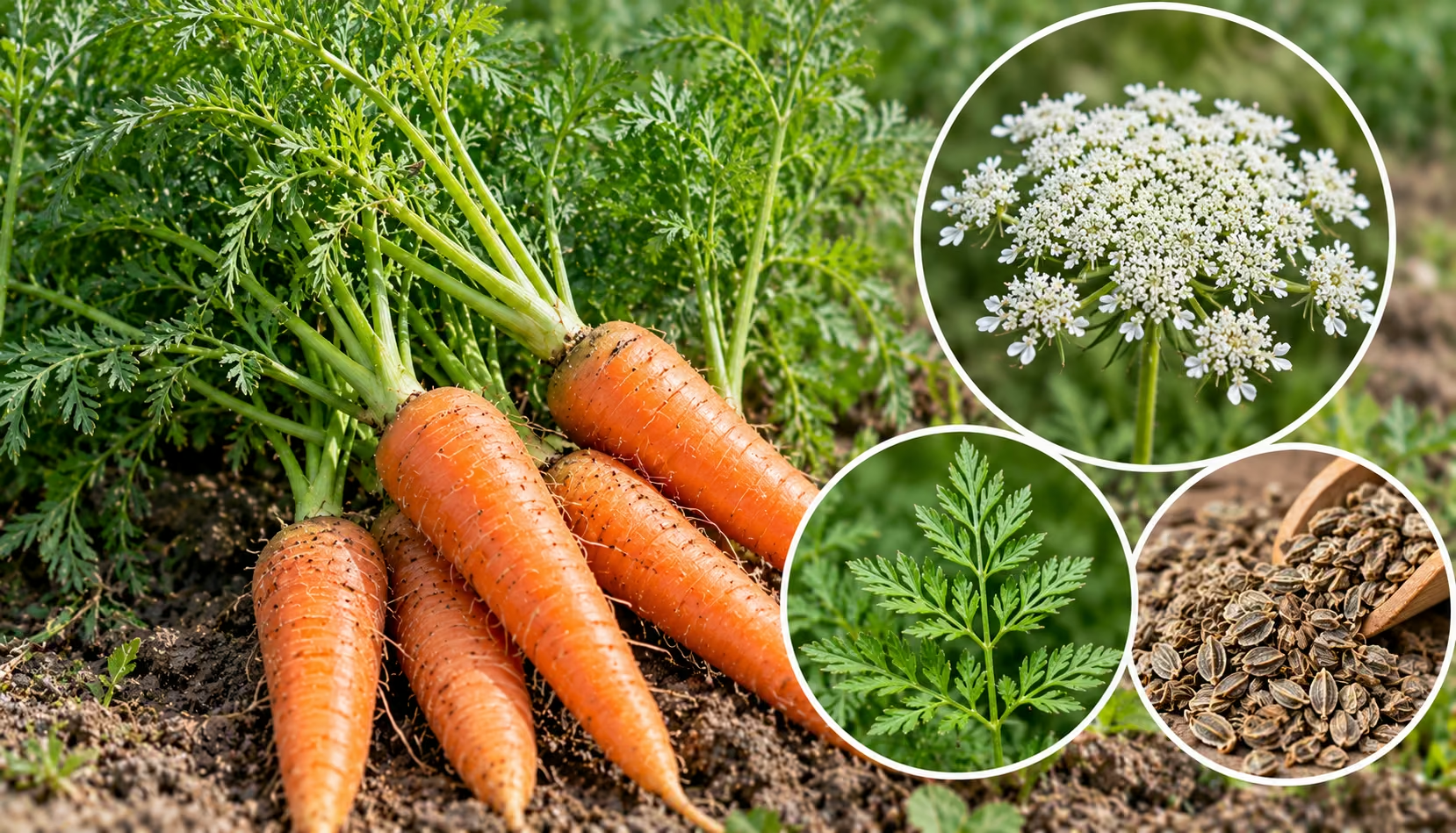
    Carrots consist of leaves, flowers, tubers, and roots. Carrot leaves are double or triple pinnate compound, and leaflets are lanceolate (stripes). It has 5-7 petiole, stiff and thick petiole with a smooth surface. At the same time, the leaves are limp and thin. The stems of the carrot plant are so short they are barely visible. The trunk is also round, not woody, a little stiff, and small in diameter, dark green. It has no branches but is overgrown by longleaf stalks so that it looks branched. Carrot plants have taproots. The taproot will change its form and function to become a storage area for food reserves. Roots will turn out to be large and round lengthwise, up to 6 cm in diameter and up to 30 cm long, depending on the variety. Carrot plant flowers grow on the tip of the plant and are white. Flowers have short, thick stalks.  

    Varieties

    • Daucus carota subsp. sativus (cultivated carrot)
    • Daucus carota subsp. carota (wild carrot or Queen Anne’s Lace)
    • Red carrot (desi) and orange carrot (European) types


    Rasapanchak–

    Rasa- Madhur, Tikta

    Guna- Laghu, Teekshan

    Virya- Ushna

    Vipaka- Katu

    Vatakapha nashak

    Phytochemicals

    • β-carotene (Provitamin A)
    • Lutein, Zeaxanthin
    • Vitamins: A, C, K, B-complex
    • Flavonoids
    • Polyacetylenes
    • Coumarins
    • Volatile oils (terpenes in seeds)
    • Dietary fiber
    • Sugars (glucose, fructose, sucrose)

    Amayika Prayoga / Therapeutic Uses

    External

    • Paste of root in skin inflammation, burns (cooling)
    • Juice used for eye wash (mild conjunctivitis – diluted)

    Internal

    • Used in anemia, debility, constipation, and indigestion
    • Juice used for liver disorders and as a cooling drink
    • Seed decoction used as diuretic and emmenagogue
    • Beneficial in eye disorders due to high carotene content
    • Used as rasayana in rejuvenative diet

    IUCN
    Not Evaluated

    Research Updates

    1. 2020 – Journal of Food Science & Nutrition:
      Showed strong antioxidant and hepatoprotective activity of Daucus carota juice in CCl₄-induced liver toxicity models.
    1. 2021 – Clinical Nutrition ESPEN:
      Randomized study on beta-carotene supplementation from carrot juice showed improved visual acuity in age-related macular degeneration.
    2. 2023 – Indian Journal of Traditional Knowledge:
      Validated Daucus carota as a functional food with anti-inflammatory and immunomodulatory effects; potential adjunct in chronic disorders like diabetes and arthritis.

    About Grinjanaka Bheda

    Botanical Name

    Daucus carota

    Family

    Apiaceae

    Identification No.

    SDACH/HG/191

    Parts Used

    leaf, seed and root

    Habitat

    India

    IUCN Status

    Not Evaluated

    Plant Photos

    Ayurvedic Properties

    Rasa

    Madhur, Tikta

    Guna

    Laghu, Teekshan

    Virya

    Ushna

    Vipãka

    Katu

    Contact Now

    Have queries? Contact Us.

    Have queries? We’re here to help you every step of the way.

    Contact us to get the right guidance for your academic journey at Shri Dhanwantry Ayurvedic College.

  • HAPUSHA

    HAPUSHA

    HAPUSHA

    Botanical name – Juniperus communis

    Family- Cupressaceae

    Identification No.: SDACH/HG/190

    Persian name: Hab-ul – Bruta

    Kashmiri name Betar, Petthri, Pama, Chui, Haubl

    Kumaon: Chichia, Jhora

    Deccan : Abhal

    Arab Habbul – Aaraar

    French: Geneverier, Cad, Bruta

    Catalan: Ginebra

    Chamda: Betar

    Denmark : Enebaer

    Morphology of Juniperus communis Linn:

    It is a species of evergreen aromatic shrub as tree distributed chiefly in the northern hemisphere from the arctic zone to the mountains of the tropics some of the species furnish commercial woods suitable for pencil making. In India, the plant is found in the Himalayan belt, growing to a height of 10-15 m.

    The bark of the tree is thin and brown in colour. The leaves are 1-2 cm in length with bluish tinge, with a single white stomatal band on the inner surface. The flowers are unisexual in nature and are seen in the spring season. The fruit are berry-like cones, initially green, ripening in 18 months to purple-black with a blue waxy coating; they are spherical, 4-12 mm (0.16-0.47 in) diameter, and usually have three (occasionally six) fleshy fused scales, each scale with a single seed. Juniper oil is a colourless or pale greenish yellow liquid with a characteristic odour of the fruit a some- what burning bitter flavour. On storing, the oil turns viscous and acquires a turpentine odour.

    Synonyms–

    Habusha, visra

    1. Hapusha
    2. Ashwathphala

    Rasa- Tikta, kashaya

    Guna- Guru, Ruksha, Teekshan

    Virya- Ushna

    Vipaka- Katu

    IUCN

    Least Concern (LC)

    Research Updates

    2020 – Pharmacognosy Journal: Evaluated antiurolithiatic potential of Juniperus communis fruit extract in rat models; significant reduction in calcium oxalate crystal deposition.
    2021 – Journal of Essential Oil Research: Essential oil showed potent antibacterial activity against urinary tract pathogens.
    2023 – Journal of Ethnopharmacology: Clinical pilot study suggested improvement in PCOS symptoms due to phytoestrogenic and antioxidant properties of Juniperus communis berry extract.

    About Hapusha

    Botanical Name

    Juniperus communis

    Family

    Cupressaceae

    Identification No.

    SDACH/HG/190

    Parts Used

    Fruit, oil

    Habitat

    Himalayan belt

    IUCN Status

    Least Concern

    Plant Photos

    Ayurvedic Properties

    Rasa

    Tikta, kashaya

    Guna

    Guru, Ruksha, Teekshan

    Virya

    Ushna

    Vipãka

    Katu

    Contact Now

    Have queries? Contact Us.

    Have queries? We’re here to help you every step of the way.

    Contact us to get the right guidance for your academic journey at Shri Dhanwantry Ayurvedic College.