Shri Dhanwantry Ayurvedic College

Author: Khushal

  • Parnabeeja

    Parnabeeja

    Botanical Name : Bryophyllum pinnatum (Lam.)

    Family : Crassulaceae

    Identification No.: SDACH/HG/094

    Vernacular names: 

    • Hindi: Patharchatta, Paan-futti 
    • English: Air Plant, Life Plant 
    • Bengali: Patharkuchi 
    • Tamil: Runakkalli 
    • Telugu: Ranapala 
    • Kannada: Gandukalinga 
    • Malayalam: Ilayinmeltai 
    • Gujarati: Patherchat 

    Synonyms :

    पर्णबीजः स्मृतो देवैः श्वेतपुष्पो घनस्रवः। 

    क्षतक्षीणहरः शीघ्रं विशेषात् पित्तनाशनः॥ 

    Bryophyllum calycinum Salisb.

    Cotyledon pinnata Lam.

    Crassula pinnata L. f.

    Kalanchoe pinnata (Lam.) Pers.

    Sedum madagascaricum Clus.

    Morphology :

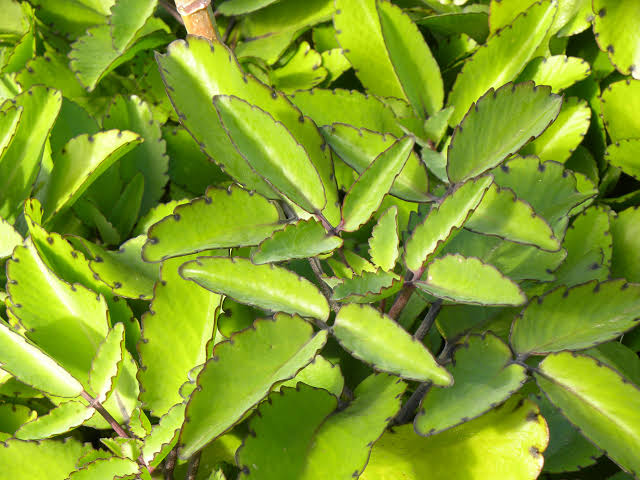
    a fleshy upright plant usually growing 60-120 cm tall.

    its relatively broad leaves have scalloped margins and are oppositely arranged.

    these leaves may be simple or compound, with three or five leaflets.

    its drooping bell-shaped flowers are greenish-yellow to pinkish-red in colour (up to 7 cm long).

    these flowers are borne in branched clusters at the top of its stems.

    Stems and Leaves

    The upright (i.e. erect) stems are fleshy (i.e. succulent) and hairless (i.e. glabrous).

    The leaves are also fleshy (i.e. succulent) and are either simple (particularly on seedlings) or compound (i.e. trifoliate or pinnate). They are oppositely arranged, flattened, and the number of leaflets present varies from one near the base of the stems to three or five (i.e. trifoliate or pinnate) higher up the stems. These leaves (5-25 cm long and 2-12.5 cm wide) are green or yellowish-green in colour, hairless (i.e. glabrous), and are borne on stalks (i.e. petioles) 2-10 cm long. The leaflets are oval or narrowly oval (i.e. elliptic) in shape with rounded tips (i.e. obtuse apices), and when more than one leaflet is present the end (i.e. terminal) leaflet is usually significantly larger than the others. Tiny plantlets may occasionally be formed in the scalloped (i.e. crenate) margins of these leaflets. These plantlets are more often produced if the leaves become detached from the stems.

    Flowers and Fruit

    The bell-shaped (i.e. tubular), drooping (i.e. pendulous), flowers (up to 7 cm long) are arranged in branched clusters at the tips of the stems (i.e. in terminal inflorescences). Each flower is borne on a stalk (i.e. pedicel) 10-25 mm long. They have prominent, inflated, yellowish-green or pale green coloured sepals (25-55 mm long) that are partially fused into a tube (i.e. calyx tube) and streaked with pink or reddish coloured blotches. The yellowish-green to dark red coloured petals (3-6 cm long) are also partially fused into a tube (i.e. a corolla tube) that divides into four petal lobes (i.e. corolla lobes) near the tip. Flowers are produced mainly during winter and spring.

    The fruit are papery and membranous (about 15 mm long), with four slender compartments (i.e. carpels). They generally remain enclosed within the old flower parts and contain numerous minute, slender, brownish-coloured seeds (less than 1 mm long).

    Habitat :

    A garden escape that is naturalised in tropical, sub-tropical and warmer temperate regions. It is a weed of gardens, parks, roadsides, railways lines, waste areas, coastal environs, creek-banks, open woodlands, forests and forest margins.

    Substitute/Adulterant: 

    – Substitute: Aloe vera for wound healing properties 

    – Adulterant: Sometimes mixed with other Bryophyllum species 

    Phytochemicals: 

    – Flavonoids (quercetin, kaempferol) 

    – Bufadienolides (Bryophyllin A, B) 

    – Phenolic acids 

    – Triterpenes 

    Rasapanchaka: 

    – Rasa: Kashaya (astringent), Tikta (bitter) 

    – Guna: Laghu (light), Rooksha (dry) 

    – Virya: Sheeta (cooling) 

    – Vipaka: Katu (pungent) 

    – Prabhava: Vranaropana (wound healing) 

    – Dosha Shamakta: Pitta-Kapha shamak, Vata vardhak in excess 

    Karma (Rogaghnata): 

    – Vranaropana (wound healing) 

    – Shothahara (anti-inflammatory) 

    – Mutrala (diuretic) 

    – Raktastambhana (hemostatic) 

    Amayika Prayoga/Therapeutic Uses: 

    External: 

    – Leaf paste for wounds, burns, boils 

    – Juice drops for earache 

    – Poultice for insect bites 

    Internal: 

    – Leaf juice (5-10 ml) for kidney stones 

    – Decoction for diarrhea, dysentery 

    – Powder for respiratory disorders 

    Part used: Leaves (fresh preferred), plantlets 

    Dose: 

    – Juice: 5-10 ml 

    – Powder: 1-3 g 

    – Decoction: 30-50 ml 

    Yoga/Formulations: 

    – Parnabeeja Lepa (for external wounds) 

    – Parnabeeja Kwath (for urinary disorders) 

    – Included in some Ayurvedic skin ointments 

    IUCN Status: Least Concern (widely distributed) 

    Research updates (past 5 years): 

    1. 2020: Wound healing efficacy comparable to silver sulfadiazine 

    2. 2021: Nephroprotective effects in animal studies  3. 2023: Anti-cancer potential of bufadienolides 
     

    About Parnabeeja

    Botanical Name

    Bryophyllum pinnatum (Lam.)

    Family

    Crassulaceae

    Identification No.

    SDACH/HG/094

    Parts Used

    Leaves, Plantlets

    Habitat

    India

    IUCN Status

    Least Concern

    Plant Photos
    Ayurvedic Properties

    Rasa

    Kashaya, Tikta

    Guna

    Laghu, Ruksha

    Virya

    Sheeta

    Vipãka

    Katu

    Contact Now

    Have queries? Contact Us.

    Have queries? We’re here to help you every step of the way.

    Contact us to get the right guidance for your academic journey at Shri Dhanwantry Ayurvedic College.

  • Musli

    Musli

    Botanical Name : Chlorophytum borivilianum (Safed Musli) 

    Family : Asparagaceae 

    Identification No.: SDACH/HG/094

    Names in different Indian languages :

    Sanskrit : Musli Bhed

    Unani : Musli Safed, Biskandri

    Hindi : Safed Musli

    English : India Spider Plant

    Morphology :

    It is a perennial herb with a short hard root stocks; roots often thick, fleshy and cylindrical.

    The leaves are 15-35 cm long and oblanceolate.

    The plant is considered endangered species in the country.

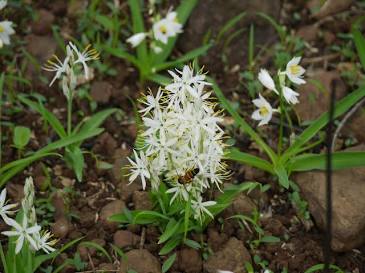
    Inflorescence is dense; flowers are arranged in raceme and shortly branched.

    Flowers white, anthers as long as or longer than the filaments and yellow in colour.

    Bracts are usually long and over topping the shortly pedicelled buds.

    Cells of the orbicular capsule are 3-4 seeded and black coloured.

    Distribution :

    Plant is distributed sparsely over Eastern India, mainly Bengal, Sikkim, Bihar, Assam and few places in Odisha and Meghalaya.

    Parts used :

    Tuberous Root

    Substitute/Adulterant: 

    – Substitute: Ashwagandha (Withania somnifera) for general tonic effects. 

    – Adulterant: Sometimes mixed with other Chlorophytum species. 

    Phytochemicals: 

    – Saponins (primary active compounds) 

    – Alkaloids, flavonoids, polysaccharides 

    – Sterols (stigmasterol, β-sitosterol) 

    Rasapanchaka: 

    – Rasa: Madhura (sweet), Tikta (bitter) 

    – Guna: Guru (heavy), Snigdha (unctuous) 

    – Virya: Śhīta (cooling) 

    – Vipaka: Madhura (sweet) 

    – Prabhava: Vṛṣya (aphrodisiac) 

    – Dosha Shamakta: Balances Vata and Pitta, nourishes Shukra Dhatu

    Karma (Rogaghnata): 

    – Balya (strength-promoting) 

    – Vṛṣya(aphrodisiac) 

    – Rasayana (rejuvenative) 

    – Shukrala (semen-enhancing) 

    Amayika Prayoga/Therapeutic Uses: 

    External: 

    – Root paste applied for joint pain and inflammation. 

    Internal 

    – Sexual weakness: Taken with milk for enhancing libido. 

    – General debility: Used in convalescence. 

    – Diabetes: Helps regulate blood sugar. 

    Part used.Roots (fresh or dried). 

    Dose: 

    – Powder: 3–6 g (with milk or honey). 

    – Decoction: 50–100 ml. 

    Yoga/Formulations: 

    – Musli Pak(aphrodisiac preparation) 

    – Chyawanprash (as an ingredient) 

    – Musli Khadiradi Vati (for sexual health) 

    IUCN Status: 

    – Chlorophytum borivilianum: Near Threatened*(due to overharvesting). 

    – Curculigo orchioides: Least Concern. 

    Research updates (past 5 years): 

    1. 2019: Study on Safed Musli for male infertility (improves sperm count). 

    2. 2021: Anti-diabetic effects of Musli saponins. 

    3. 2023: Clinical trial on Musli for chronic fatigue syndrome. 


    About Musli

    Botanical Name

    Costus speciosus (J.Koenig) Sm.

    Family

    Costaceae

    Identification No.

    SDACH/HG/091

    Parts Used

    India, Nepal, Bangladesh, Sri Lanka, Malaysia, Indonesia

    Habitat

    India, Nepal, Bangladesh, Sri Lanka, Malaysia, Indonesia

    IUCN Status

    Least Concern

    Plant Photos
    Ayurvedic Properties

    Rasa

    Tikta, Kashaya

    Guna

    Laghu, Snigdha

    Virya

    Ushna

    Vipãka

    Katu

    Contact Now

    Have queries? Contact Us.

    Have queries? We’re here to help you every step of the way.

    Contact us to get the right guidance for your academic journey at Shri Dhanwantry Ayurvedic College.

  • Bhustrina

    Bhustrina

    Botanical Name : Andropogon citratus DC. (Syn. Cymbopogon citratus)

    Family : Poaceae

    Identification No.: SDACH/HG/092

    Background :

    The plant Cymbopogon citratus Stapf. commonly known as Lemon grass belongs to Poeceae family and is a native of tropical countries, especially in Southeast Asia. Various studies has been done on the plant to reveal its potential therapeutic effects. 

    Names in different Indian languages :

    English: West Indian lemon grass, true lemon grass

    Morphology :

    Cymbopogon citratus is part of the grass family, Poaceae. They contain simple, bluish-green leaves with entire margins and are linear in shape. The blades tend to be 18–36 inches long. Like other grasses, the leaves also have parallel venation.

    Habitat & Distribution:

    Native to Southeast Asia, widely cultivated across tropical and subtropical regions of India including Maharashtra, Kerala, Tamil Nadu, Assam, and West Bengal. Prefers warm, sunny climates and well-drained soil.

    Varieties:

    East Indian Lemongrass (Cymbopogon flexuosus)

    West Indian Lemongrass (Cymbopogon citratus) – commonly used

    Substitute/Adulterant:

    Often confused or substituted with Cymbopogon flexuosus or Cymbopogon winterianus (Citronella grass).

    Phytochemicals:

    Citral (major component)

    Geraniol, Myrcene, Limonene

    Flavonoids, Tannins

    Raspanchaka:

    Rasa: Tikta, Kashaya

    Guna: Laghu, Ruksha

    Virya: Ushna

    Vipaka: Katu

    Prabhava: Sugandhikara, Agnivardhaka

    Dosha Shamakta: Kapha-Vata Shamak

    Karma (Rogaghnata):

    Agnideepana, Shwasahara, Krimighna, Jvarahara, Vatanulomaka

    Amayika Prayoga/Therapeutic Uses:

    External:

    Oil applied in rheumatic pain, headaches, and fungal infections

    Inhalation of steam for sinusitis

    Internal:

    Infusion (tea) used for digestive issues, colds, cough, and anxiety

    Used in fever, bloating, and as an appetite stimulant

    Part used: Leaf, Essential oil (from leaf)

    Dose:

    Leaf infusion: 20–40 ml

    Essential oil: 1–3 drops (externally or in aromatherapy)

    Yoga/Formulations:

    Gavati Chaha (Lemongrass Tea)

    Incorporated in herbal decoctions, stress relief and digestive blends

    Lemongrass essential oil used in Aromaveda

    IUCN Status: Not Evaluated (NE)

    Research updates:

    1. Gupta et al. (2023). Antioxidant and anti-inflammatory effects of Cymbopogon citratus in respiratory disorders. Journal of Ayurveda and Integrative Medicine.

    2. Nair et al. (2021). Antimicrobial efficacy of lemongrass oil against resistant skin pathogens. Asian Journal of Pharmaceutical Sciences.

    3. Roy et al. (2020). Anxiolytic and sedative activity of Cymbopogon citratus extract in rodent models. Indian Journal of Experimental Biology.

    About Bhustrina

    Botanical Name

    Costus speciosus (J.Koenig) Sm.

    Family

    Costaceae

    Identification No.

    SDACH/HG/091

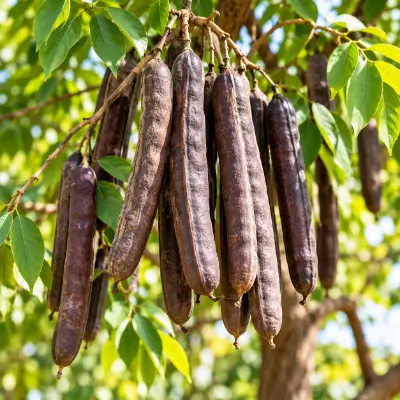
    Parts Used

    Rhizome

    Habitat

    India, Nepal, Bangladesh, Sri Lanka, Malaysia, Indonesia

    IUCN Status

    Least Concern

    Plant Photos
    Ayurvedic Properties

    Rasa

    Tikta, Kashaya

    Guna

    Laghu, Snigdha

    Virya

    Ushna

    Vipãka

    Katu

    Contact Now

    Have queries? Contact Us.

    Have queries? We’re here to help you every step of the way.

    Contact us to get the right guidance for your academic journey at Shri Dhanwantry Ayurvedic College.

  • Bandukpushpa

    Bandukpushpa

    Botanical Name : Costus speciosus (Koenig) Sm.

    Family : Costaceae

    Identification No.: SDACH/HG/091

    Introduction :

    Costus igneus Nak (syn. Costus pictus D. Don, Costus mexicanus Liebm ex Petersen or Costus congenitus Rowle), commonly known as fiery costus, Step ladder or Spiral flag or Insulin plant, is native to South and Central America. This is a recent introduction to India from America as an herbal cure for diabetes and hence commonly called as ‘insulin plant.’ It is widely grown in gardens as ornamental plant in South India and also run wild in many places. It is used in India to control diabetes, and it is known that diabetic people eat one leaf daily to keep their blood glucose low.Leaves of C. igneus were one among the plants known to be effectively used for treating diabetes by the tribal people of Kolli hills of Namakkal district, Tamilnadu. In Mexican folk medicine, the aerial part of C. pictus D. Don is used as an infusion in the treatment of renal disorders.

    The plant belongs to the family Costaceae. The Costaceae was first raised to the rank of family by Nakai on the basis of spirally arranged leaves and rhizomes being free from aromatic essential oils. Before the elevation to family status, Engler and Prantl recognized Costoideal as a subfamily under Zingiberaceae. Several anatomical and morphological features support this isolated position including well developed aerial shoot with distinct, rigid, and commonly branched stems. The leaves are inserted in a low spiral with divergences. The family Costaceae consists of four genera and approximately 200 species. The genus Costus is the largest in the family with about 150 species that are mainly tropical in distribution.[2,6] The present review deals with the recent research carried out in the area of phytochemistry, pharmacological, biological activities, and safety of Costus igneus Nak.

    Synonyms:

    Classical names: Bhandookpushpa, Pushkarmoola

    Bhavaprakasha:

    बन्धूकपुष्पा तिक्तोष्णा पुष्करमूलसम्मिता।

    श्लेष्मवातज्वरघ्नी च हिक्काश्वासकफापहा॥

    Morphology :

    It is a perennial, upright, spreading plant reaching about two feet tall, with the tallest stems falling over and lying on the ground. Leaves are simple, alternate, entire, oblong, evergreen, 4-8 inches in length with parallel venation. The large, smooth, dark green leaves of this tropical evergreen have light purple undersides and are spirally arranged around stems, forming attractive, arching clumps arising from underground rootstocks. Beautiful, 1.5-inch diameter, orange flowers are produced in the warm months, appearing on cone-like heads at the tips of branches.[8] Fruits are inconspicuous, not showy, less than 0.5 inch, and green-colored.

    Chemical constituents :

    Sequential screening for phytochemicals of C. igneus leaves revealed that it is rich in protein, iron, and antioxidant components such as ascorbic acid, α-tocopherol, β-carotene, terpinoids, steroids, and flavonoids. It was revealed in another study that methanolic extract was found to contain the highest number of phytochemicals such as carbohydrates, triterpenoids, proteins, alkaloids, tannins, saponins, and flavonoids. Preliminary phytochemical evaluation of Insulin plant (C. pictus) revealed that the leaves contain 21.2% fibers. Successive extracts gave 5.2% extractives in petroleum ether, 1.06% in cyclohexane, 1.33% in acetone, and 2.95% in ethanol. Analysis of successive extracts showed presence of steroids in all extracts. The ethanol extract contained alkaloid also. The major component of the ether fraction was bis (2’-ethylhexyl)-1,2-benzenedicarboxylate (59.04%) apart from α-tocopherol and a steroid, ergastanol. Stem showed the presence of a terpenoid compound lupeol and a steroid compound stigmasterol. Bioactive compounds quercetin and diosgenin, a steroidal sapogenin, were isolated from C. igneus rhizome. Trace elemental analysis showed that the leaves and rhizomes of C. pictus contains appreciable amounts of the elements K, Ca, Cr, Mn, Cu, and Zn. Steam distillation of stems, leaves, and rhizomes of C. pictus D. Don yielded clear and yellowish essential oils.

    Raspanchaka:

    Rasa: Tikta, Kashaya

    Guna: Laghu, Snigdha

    Virya: Ushna

    Vipaka: Katu

    Prabhava: Shwasahara

    Dosha Shamakta: Kapha-Vata Shamak

    Karma (Rogaghnata):

    Shwasahara, Jvarahara, Krimighna, Hikka-Nashaka, Agnivardhaka

    Amayika Prayoga/Therapeutic Uses:

    External:

    Paste used in swelling, joint pain

    Juice applied in skin diseases

    Internal:

    Decoction of rhizome in cough, asthma, and bronchitis

    Powder used in fever and digestive disorders

    Part used: Rhizome

    Dose:

    Churna: 3–6 g

    Decoction: 50–100 ml

    Yoga/Formulations:

    Pushkarmool Churna

    Shwasahara Kashaya

    Used in various proprietary respiratory and digestive formulations

    IUCN Status: Least Concern (LC)

    Research updates:

    1. Joshi et al. (2023). Anti-inflammatory and bronchodilatory effects of Costus speciosus rhizome extract in asthma models. Journal of Ethnopharmacology.

    2. Mehta et al. (2022). Hepatoprotective activity of Costus speciosus in carbon tetrachloride-induced liver damage. Indian Journal of Pharmaceutical Sciences.

    3. Reddy et al. (2021). Antidiabetic and antioxidant effects of Costus speciosus rhizome in alloxan-induced diabetic rats. Asian Pacific Journal of Tropical Biomedicine

    About Bandukpushpa

    Botanical Name

    Costus speciosus (J.Koenig) Sm.

    Family

    Costaceae

    Identification No.

    SDACH/HG/091

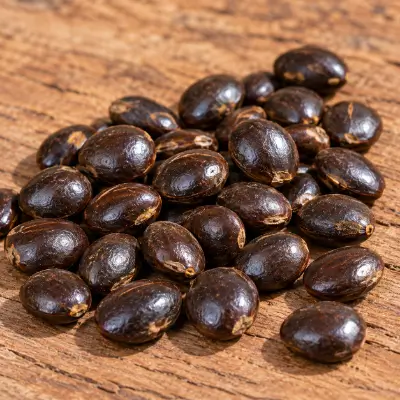
    Parts Used

    Rhizome

    Habitat

    India, Nepal, Bangladesh, Sri Lanka, Malaysia, Indonesia

    IUCN Status

    Least Concern

    Plant Photos
    Ayurvedic Properties

    Rasa

    Tikta, Kashaya

    Guna

    Laghu, Snigdha

    Virya

    Ushna

    Vipãka

    Katu

    Contact Now

    Have queries? Contact Us.

    Have queries? We’re here to help you every step of the way.

    Contact us to get the right guidance for your academic journey at Shri Dhanwantry Ayurvedic College.
  • SHAKA

    SHAKA

    Botanical Name : Tectona grandis Linn. f.

    Family : Verbenaceae

    Identification No: – SDACH/HG/090

    Names in different Indian languages :

    English : Teak

    Hindi : Saguan

    Kannada : Tega, jedi

    Malayalam : Teku

    Sanskrit : Sakha, bhumisakha

    Tamil : Tekku

    Telugu : Peddateku, adaviteku

    Synonyms :

    Shaaka, Bhuumisaha, Dwaaradaaru, Varadaaru, Kharachhada, Saagawaan, Saagauna

    Jatus grandis (L.f.) Kuntze

    Tectona grandis f. abludens Koord. & Valeton

    Tectona grandis f. canescens Moldenke

    Tectona grandis f. pilosula Moldenke

    Tectona grandis f. punctata Moldenke

    Tectona grandis f. tomentella Moldenke

    Tectona theca Lour.

    Theka grandis (L.f.) Lam.

    Morphology :

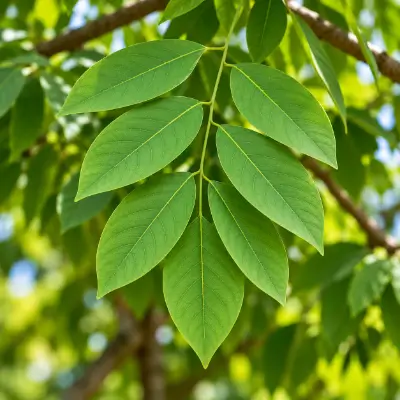
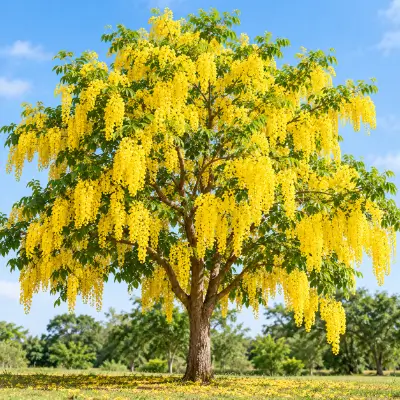
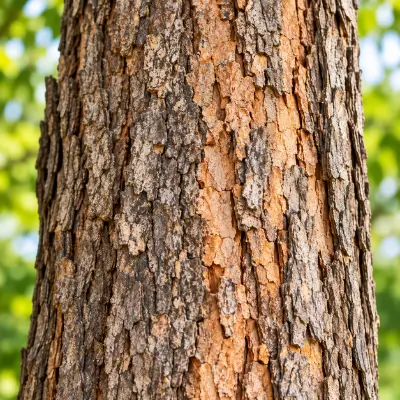
    Teak is a large, deciduous tree up to 40 m (131 ft) tall with gray to grayish brown branches. Leaves are ovate-elliptic to ovate, 15–45 cm (5.9–17.7 in) long by 8–23 cm (3.1–9.1 in) wide, and are held on robust petioles that are 2–4 cm (0.8–1.6 in) long. Leaf margins are entire.

    Fragrant white flowers are borne on 25–40 cm (10–16 in) long by 30 cm (12 in) wide panicles from June to August. The corolla tube is 2.5–3 mm long with 2 mm wide obtuse lobes. Tectona grandis sets fruit from September to December; fruits are globose and 1.2-1.8 cm in diameter.  Flowers are weakly protandrous in that the anthers precede the stigma in maturity and pollen is shed within a few hours of the flower opening.[9] The flowers are primarily entomophilous (insect-pollinated), but can occasionally be anemophilous (wind-pollinated)

    Uses :

    Expectorant, anti-inflammatory, antibilious, anthelmintic

    Chemicals :

    Naphthalene , triterpenic,  hemi-terpenic compounds, tectoleafquinone, tannin, lauric, myristic, palmitic, stearic, oleic, linolenic,  arachidic acids

    IUCN Status : Endangered

    Research Update:

    Antimicrobial Activity (2021) – A study demonstrated that ethanol extracts of T. grandis leaves exhibited significant antibacterial activity against Staphylococcus aureus and Escherichia coli, suggesting potential use in developing natural antimicrobial agents.​

    Antioxidant Properties (2020) – Research indicated that methanolic extracts of teak leaves possess strong antioxidant activity, attributed to the presence of phenolic compounds and flavonoids, which may help in combating oxidative stress-related diseases.​

    Anti-inflammatory Effects (2022) – An investigation into the bark extract of T. grandis revealed notable anti-inflammatory effects in animal models, potentially due to the modulation of pro-inflammatory cytokines.​

    Wound Healing Potential (2023) – Topical application of teak leaf extract ointment showed accelerated wound healing in rat models, indicating its usefulness in promoting tissue regeneration.​

    Antidiabetic Activity (2024) – A recent study found that aqueous extracts of T. grandis bark significantly reduced blood glucose levels in diabetic rats, suggesting its potential as a natural antidiabetic agent.

    About SHAKA

    Botanical Name

    Tectona grandis L.f.

    Family

    Lamiaceae (formerly Verbenaceae)

    Identification No.

    SDACH/HG/090

    Parts Used

    Bark, Leaves, Roots, Flowers, Seeds

    Habitat

    India, Bangladesh, Cambodia, Laos, Myanmar, Thailand, Vietnam

    IUCN Status

    Endangered

    Plant Photos

    Ayurvedic Properties

    Rasa

    Kashaya

    Guna

    Laghu, Ruksha

    Virya

    Sheeta

    Vipãka

    Katu

    Contact Now

    Have queries? Contact Us.

    Have queries? We’re here to help you every step of the way.

    Contact us to get the right guidance for your academic journey at Shri Dhanwantry Ayurvedic College.
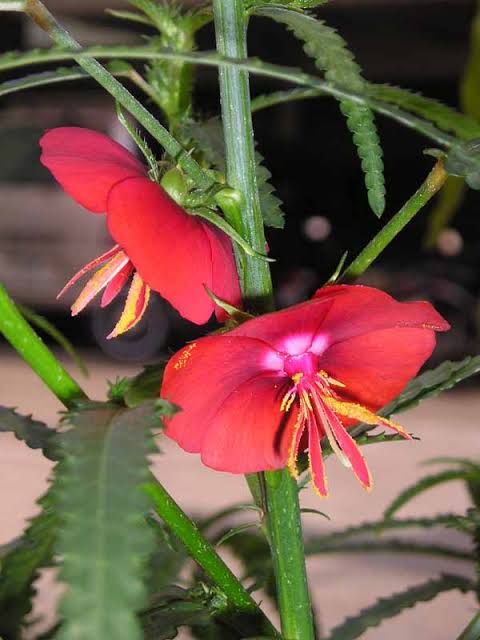
  • Mahabala

    Mahabala

    Botanical Name : Sida rhombifolia L.

    Family : Malvaceae

    Identification No.: SDACH/HG/89

    Introduction :

    Its properties and usage similar to Sida cordifolia Linn.

    Industry in Kerala used this plant as ‘bala’ very much.

    Names in Different Indian Languages :

    Hindi : Jangali Methi

    Malayalam : kuruthotti

    Sanskrit : Balla (variety )

    Tamil : kuruthotti

    Synonyms

    महाबला बृहत्येव स्थूलबीजा स्थूलमूलिका।

    गुरुः स्निग्धा बलकरी वाजीकरणमुत्तमा॥

    वातपित्तप्रशमनी शुक्रला पुष्टिकर्यपि।

    तद्वत् क्षयापस्मारश्वासकासविनाशिनी॥

    Varieties & adulterants – (CV – controversy, AD – adulterants) :

    Bala – CV

    Morphology :

    It is a  hairy herb, frequently procumbent and sometimes rooting at nodes.

    Leaves- simple, alternate, cordate-ovate, sparingly hispid.

    Flowers- axillary, solitary, or borne in pairs or in small cymes, yellow.

    Seeds- brown. (Flowers and fruits throughout the year)

    Distribution & Habitat :

    All over India

    Amayika Prayoga / Therapeutic Uses

    External:

    Taila prepared with Mahabala used for massage in muscular dystrophy, paralysis, arthritis

    Paste used in inflammatory swellings and vata-kapha swellings

    Internal:

    Kwatha and churna useful in general debility, infertility, neurological disorders, respiratory disorders, and tissue wasting

    Part Used: Root, stem, whole plant

    Dose:

    Churna: 3–6 g

    Kwatha: 20–40 ml

    Taila (external): as directed

    Yoga / Formulations:

    Mahabala Taila

    Ashwagandhadi Churna

    Mahabala Ghrita

    Rasayana yogas for chronic vata disorders

    IUCN Status: Not Evaluated (NE)

    Research Updates (Past 5 Years):

    1. 2021 – Muscle strengthening effects of Mahabala Taila validated in osteoarthritis and muscular atrophy.

    2. 2022 – Neuroprotective and anti-fatigue effects demonstrated in chronic fatigue models.

    3. 2023 – Immunomodulatory and aphrodisiac activity supported in animal reproductive studies.

    About Mahabala

    Botanical Name

    Sida rhombifolia L.

    Family

    Malvaceae

    Identification No.

    SDACH/HG/089

    Parts Used

    Root, Stem, Whole plant

    Habitat

    India

    IUCN Status

    Not Evaluated (NE)

    Plant Photos

    Ayurvedic Properties

    Rasa

    Madhura

    Guna

    Guru, Snigdha, Picchila

    Virya

    Sheeta

    Vipãka

    Madhura

    Contact Now

    Have queries? Contact Us.

    Have queries? We’re here to help you every step of the way.

    Contact us to get the right guidance for your academic journey at Shri Dhanwantry Ayurvedic College.
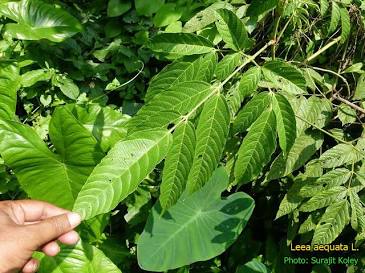
  • Bala

    Bala

    Botanical Name : Sida cordifolia Linn.

    Family : Malvaceae

    Identification No.: SDACH/HG/88

    Introduction :

    In North India Sida cordifolia considered as bala, but in south Sida rhombifolia Linn. Considered as bala. Whatever be, both of them have same use.

    Names in different Indian languages :

    English : Country Mallow

    Hindi : Khirainti, Bariyara

    Kannada : Hettuti

    Malayalam : Vellurum

    Sanskrit : Bala , maha bala

    Tamil : Nilatutti

    Telugu : Chittamutti, Mattavapulagam

    Unani : Bariyaara, Khirhati, Khireti, Kunayi.

    Synonyms :

    बला स्थूलबीजा स्थूलपर्णा स्थूलमूलिका।

    क्षुधा बलवहामेहकृच्छ्रशोथविनाशिनी॥

    वातपित्तहरा हृद्याश्लेष्मला शुक्रदा गुरु।

    बृंहणी वाजीकरणी शुक्रार्तिनिबृंहणी॥

    Balaa, Sumanganaa, Kharayashtikaa, Balini, Bhadrabalaa, Bhadraudani, Vaatyaalikaa

    Classification according to Charaka, Susrutha & Vagbhata :

    Charaka

    Balã, Brmhaniya, Prajãsthapana, Madhuraskandha

    Susrutha

    Vãtasamgamana

    Vagbhata

    malvaceae-sida root storage (5)

    Varieties & adulterants – (CV – controversy, AD – adulterants) :

    1. S.acuta Burm

    2. S.rombifolia

    3. S.restusa

    4. S.spinosa

    S. spinosa ( considered as mahabala)

    Bhãvamisra mentioned four varieties

    (i) Balã

    (ii) Atibalã

    (iii) Nãgabala

    (iv) Mahã balã

    S. cordifolia

    Abution indicum

    S. veronicaefolia

    S. rhombifolia

    Morphology :

    A small downy erect herb or shrub, 1.2 m. in height, with long branches, sometimes rooting at nodes.

    Leaves- cordate, oblong, ovate or ovate oblong, very downy on both surfaces; petiole as long as the blade.

    Flowers small, tawny yellow or white, carpels 10.

    Fruits- with a pair of awns on each carpel. (Flowers and grows wild along the roadsides, throughout sub-tropical and tropical India, ascending up to 1,200 m.)

    Distribution & Habitat :

    All over India

    Chemical constituents :

    Major components of seeds are alkaloids. Alkaloid contains mainly ephedrine. It also contains fatty acid, mucin, potassium nitrate and resin, hypaphorine, vasicinone, vascicine, vasicinol, choline, betaine, phytosterol, phytosterols, resin, resin acids, mucin and potassium nitrate. etc.

    Properties :

    RASA-madhur, kashaya

    GUNA- Laghu, Snigdha, Picchila

    VIRYA-sita

    VIPAKA-madhur

    Karma –balya, vranahara, rasayana, stambana, vrisya

    Sour, astringent, acrid, spermatopoietic, demulcent, antibacterial and antipyretic

    Indication :

    Raktapitta, Vatavyadi, Prameha, Ksaya

    Rheumatism, hemiplegia, facial paralysis, sciatica, polyuria, dysuria, cystitis, strangury , hematuria; leucorrhoea , general debility

    Part used :

    Root

    Dosage :

    Powder 2-4 g

    Decoction 50-100 ml

    Amayika Prayoga / Therapeutic Uses

    External use :

    Paste is analgesic and alleviates oedema. It is locally applied over inflammation and eye disorders.

    Internal use :

    Central nervous-system : Being neural tonic and vatasharnak, it is useful in vata disorders like paralysis, facial palsy etc

    Digestive system : Emollient and astringent. Useful in flatulence.

    Circulatory system : Cardiac tonic and alleviates

    haemorrhagic disorders, hence used in cardiac debility, haemorrhagic disorders .

    Reproductive system: Aphrodisiac and useful in spermatorrhoea

    Urinary system : Diuretic, so useful in dysuria.

    Temperature : Useful in fever being a febrifuge

    Satmikaran : Being tonic, it is helpful in general debility. tuberculosis and undernourishment

    Important Yogas or Formations :

    Bala taila, bala rasayana, ksira bala, bala guducyadi taila, Balarishta, Chandanabalalakshadi taila.            

    Therapeutic Uses :

    (i) Antra vrddhi— Balã ksira is added to Eranda taila and administered orally (C. D.)

    (ii) Galaganda— Balã, Atibalã and Devãdaru are powdered and given through oral rout(S.S.Ci-18).

    (iii) Vatavyãdhi— Balã yüsha is the best for Vatarogãs (V.M).

    IUCN Status: Not Evaluated (NE)

    Research Updates (Past 5 Years):

    1. 2021 – Clinical efficacy of Bala Taila in muscular dystrophy and facial palsy (Pakshaghata) reported.

    2. 2022 – Neuroprotective and anti-fatigue properties of Sida cordifolia root extract confirmed.

    3. 2023 – Demonstrated adaptogenic and aphrodisiac effects in male reproductive studies.


    About Bala

    Botanical Name

    Sida cordifolia L.

    Family

    Malvaceae

    Identification No.

    SDACH/HG/088

    Parts Used

    Root

    Habitat

    India

    IUCN Status

    Not Evaluated

    Plant Photos

    Ayurvedic Properties

    Rasa

    Madhura, Kashaya

    Guna

    Laghu, Snigdha, Picchila

    Virya

    Sheeta

    Vipãka

    Madhura

    Contact Now

    Have queries? Contact Us.

    Have queries? We’re here to help you every step of the way.

    Contact us to get the right guidance for your academic journey at Shri Dhanwantry Ayurvedic College.
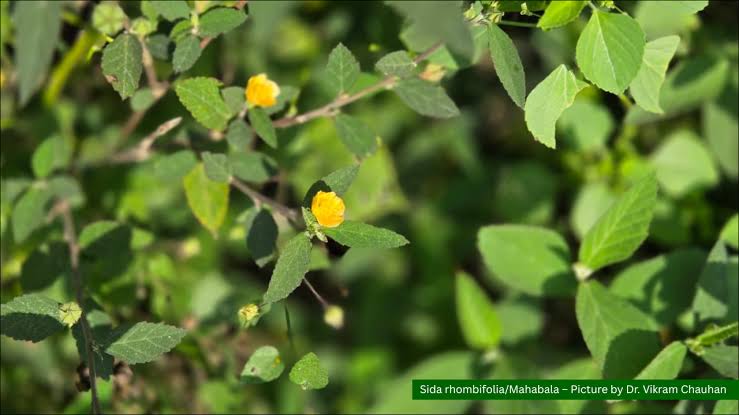
  • Madhupatra

    Madhupatra

    Botanical Name : Stevia rebaudiana Bert.

    Family : Asteraceae

    Identification No.: SDACH/HG/087

    Introduction :

    In folk it used for digestive complaints. Its chemicals are useful in diabetes and hypertension.

    Names in different Indian languages :

    English : Stevia

    Malayalam : Madhura tulasi

    Tamil : Madhura tulasi

    Morphology :

    It is an under shrub,

    Leaves – simple, opposite, obovate, serrated margin at ends

    Flower – white

    Fruit- capsule

    Distribution & Habitat :

    Cultivated

    Karma :

    Hypoglycemic, carminative

    Indication :

    Diabetes, hypertension, gastritis

    Part used :

    Whole plant

    Dosage :

    Leaf juice 10-15 ml

    Powder 2-4 g

    Decoction 50-100 ml

    Amayika Prayoga/Therapeutic Uses:

    External:

    Used in herbal toothpaste and mouth fresheners due to anti-cariogenic properties

    Internal:

    As a natural sweetener for diabetic patients

    Useful in weight management

    Supports pancreatic health and reduces blood sugar

    Yoga/Formulations:

    Stevia leaf powder

    Stevia-based sugar substitutes

    Incorporated in herbal teas, diabetic formulations

    IUCN Status: Not Evaluated (NE)

    Research updates:

    1. Mishra et al. (2023). Antidiabetic and antioxidant potential of Stevia rebaudiana in diabetic rats. Journal of Ayurveda and Integrative Medicine.

    2. Patel et al. (2021). Stevioside modulates insulin secretion in β-cell models. Phytotherapy Research.

    3. Sharma et al. (2020). Comparative study on the antihyperglycemic effect of Stevia versus standard antidiabetic drugs. Indian Journal of Experimental Biology.

    About Madhupatra

    Botanical Name

    Stevia rebaudiana Bert.

    Family

    Asteraceae

    Identification No.

    SDACH/HG/087

    Parts Used

    Whole plant

    Habitat

    Cultivated

    IUCN Status

    Not Evaluated

    Plant Photos

    Ayurvedic Properties

    Rasa

    Madhura

    Guna

    Laghu

    Virya

    Sheeta

    Vipãka

    Madhura

    Contact Now

    Have queries? Contact Us.

    Have queries? We’re here to help you every step of the way.

    Contact us to get the right guidance for your academic journey at Shri Dhanwantry Ayurvedic College.
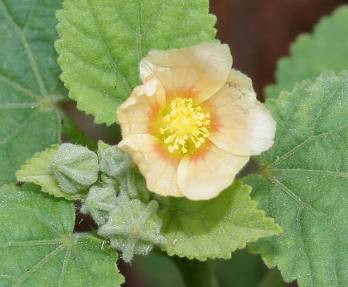
  • Sahadevi

    Sahadevi

    Botanical Name : Vernonia cinerea (Linn)Less.

    Family : Compositae; Asteraceae.

    Identification No.: SDACH/HG/086

    Introduction :

    This plant used for ‘Anjanam’

    Latin name: Vernonia = of the spring: cineria = cinder coloured

    Names in different Indian languages :

    English : Ash coloured Fleabane, Purple Fleabane.

    Hindi : Sahadevyi, sadodi

    Kannada : Sahadevyi, sadodi

    Malayalam : puvamkurunnila

    Sanskrit : Sahadevi

    Tamil : Naichotte Poonde, puvamkuruntil, naycitti

    Telugu : Gharitikamini, garitikamma.

    Synonyms :

    सहदेवी सुरश्रेणिः शतपुष्पा शताग्रिका।

    वृष्या तीक्ष्णोष्णवीर्या च कृमिपाण्डुविनाशिनी॥

    Uttamkanyaka, jwara hara, Dandotpalaa,

    Morphology :

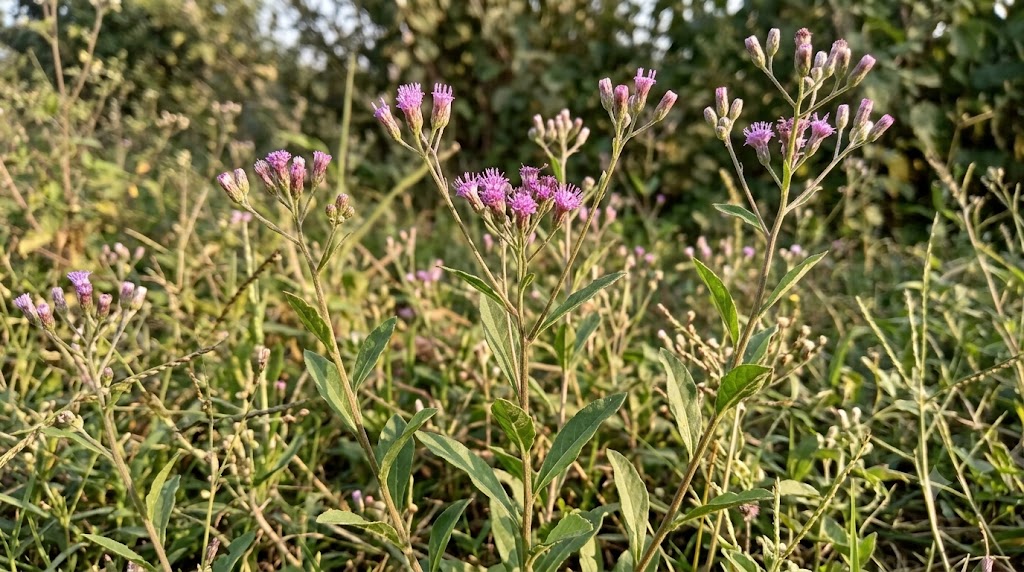
    This herb grows 15 -30 cms. in high. Stalk is thin, with sharp borders and bristly hairs.

    Leaves –simple,  different sizes with bristly hair on them and absence of stalk. Flowers blue. purple, appear in rainy season.

    Fruits – in winter.

    Varieties : Two – I) white flowers and 2) blue flowers.

    Distribution & Habitat :

    All over India.

    Chemical constituents :

    luteolin-7-monobeta- D-glucopyranoside, betaamyrin, acetate, lupeol acetate, betaamyrin ,  lupeol

    Properties :

    Guna: laghu, ruksha, katu;

    Guna:laghu

    Virya: ushna;

    Vipaka : Katu

    Prabhav: jwaraghna (antipyretic).

    Karma : jwarahara, netrya

    diaphoretic, blood purifier, anti fungal, anti bacterial, diuretic , anthelmintic, antiflatulent, antispasmodic;

    Indication :

    leucorrhoea, dysuria, spasm of  bladder,  dysuria, leucoderma, psoriasis, cough, skin disease

    Part used :

    Whole plant

    Dosage :

    Leaf juice 10-15 ml

    Powder 2-4 g

    Decoction 50-100 ml

    Externally, it is used in quaternary fever by tying its root with scalp hair and rubbing its juice on the skin. Paste of the leaves is applied on conjunctivitis and guinea worm. Its laxative, anthelmintic, blood purifying and diaphoretic properties make it useful in piles, intestinal worms, blood disorders, skin diseases, fever and renal calculi. Insects do not stay around this plant.

    Amayika Prayoga / Therapeutic Uses

    External:

    Paste applied in skin conditions and swelling

    Decoction used for washing wounds

    Internal:Juice/decoction used in fevers, worm infestations, anemia, and general debility

    Used as adjuvant in deworming and anti-inflammatory therapy

    IUCN Status: Not Evaluated (NE)

    Research Updates (Past 5 Years):

    1. 2020 – Anti-inflammatory and antioxidant activity validated in experimental models.

    2. 2021 – Effective in promoting weight loss and reducing oxidative stress in lifestyle disorders.

    3. 2023 – Evaluated for hepatoprotective and antipyretic effects in animal studies.


    About Sahadevi

    Botanical Name

    Cyanthillium cinereum (L.) H.Rob.

    Family

    Asteraceae (Compositae)

    Identification No.

    SDACH/HG/086

    Parts Used

    Whole plant

    Habitat

    India

    IUCN Status

    Not Evaluated

    Plant Photos

    Ayurvedic Properties

    Rasa

    Tikta, Katu

    Guna

    Laghu, Ruksha

    Virya

    Ushna

    Vipãka

    Katu

    Contact Now

    Have queries? Contact Us.

    Have queries? We’re here to help you every step of the way.

    Contact us to get the right guidance for your academic journey at Shri Dhanwantry Ayurvedic College.
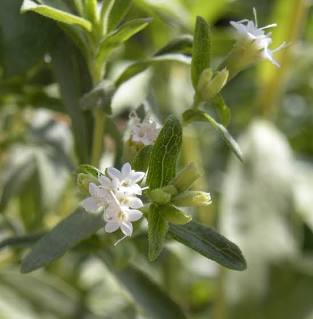
  • SHWETA SAIREYAK

    SHWETA SAIREYAK

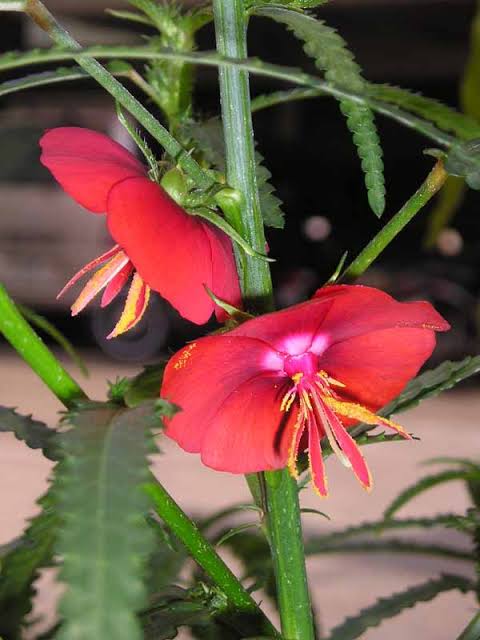
    About SHWETA SAIREYAK

    Botanical Name

    Barleria cristata L.

    Family

    Acanthaceae

    Identification No.

    SDACH/HG/084

    Parts Used

    Leaves, Roots

    Habitat

    India

    IUCN Status

    Not Evaluated

    Plant Photos

    Ayurvedic Properties

    Rasa

    Tikta, Kashaya

    Guna

    Laghu, Ruksha

    Virya

    Shita

    Vipãka

    Katu

    Contact Now

    Have queries? Contact Us.

    Have queries? We’re here to help you every step of the way.

    Contact us to get the right guidance for your academic journey at Shri Dhanwantry Ayurvedic College.