Shri Dhanwantry Ayurvedic College

Category: Dravyaguna Vigyan Blogs

  • Raat ki Rani

    Raat ki Rani

    Botanical Name : Cestrum nocturnum

    Family : Solanaceae

    Identification No.: SDACH/HG/128

    Introduction :

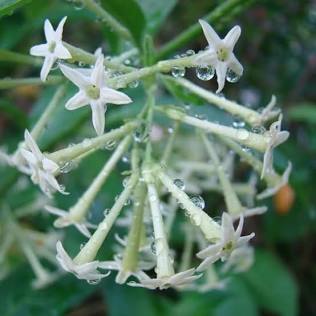
    Cestrum nocturnum is a garden shrub from the family Solanaceae, commonly known as “lady of the night” which is used as a remedy for different health disorders. This sprawling shrub has glossy simple leaves, vine like stems, greenish-creamy white tubular flowers and fleshy berries. The berries are marfil white or aubergine in colour. The species name ‘nocturnum’ refers to the species’ habit of opening its small, heavily-scented flowers at night. The flowers release powerful sweet perfume at night. It is made into a rare attar (raat ki rani) which is used in Indian and Middle East perfumery. It is said to be the world’s strongest smelling plant. Indeed the scent can reach up to 165 feet away from the location of plant. The genus name Cestrum is thought to be derived from the Greek word ‘kestron’, for similarity to a plant of that name, or ‘kestrum’, a tool used for engraving, which the plant’s anthers resemble. Like several other members of the Cestrum genus, C. nocturnum is of Neotropical origin. While night blooming jasmine is a gorgeous plant with charming blooms, the scent also produces severe allergic reactions in some individuals.

    According to WHO, more than 80% of developing country’s population depends on plant based medicines for their health care needs. From the time immemorial, this shrub is used as a traditional medicine. In India the Malasar people use its juice for cataracts. It contains secondary metabolites such as saponins, flavonoids, cardiac glycosides, alkaloids, steroids and tannins which have biological activity, kindling scientific interest.

    Names in different Indian languages :

    English : Night Blooming Jasmine, Night-blooming cestrum, Lady of the night

    Bengali : Hasna hana

    Hindi : Rat ki rani

    Kannada : Raatri raani

    Konkani : Raatrani

    Manipuri : Thabal lei

    Marathi : Raatrani

    Mizo : Zanlalnu

    Synonyms :

    Cestrum multiflorum

    Cestrum scandens

    Distribution :

    It is widely cultivated in tropical and subtropical regions of the world.

    Morphology :

    Night Blooming Jasmine is a sprawling shrub that has glossy, smooth, simple leaves 4-8 inches long. Vine-like stems reach up to 12 ft in its native habitat, but it seldom reaches more than a 4 ft mound in a single season. It blooms in cycles throughout warm weather. Greenish-creamy white tubular flowers rise from above leaves along the stem, followed by shiny white, fleshy berries. Although the flowers are not showy to the eye, their sweet scent can overpower. The perfume is distinctly powerful at night – this feature has had its influence on its common name in all languages. The Hindi name translates to queen of the night, while the Manipuri name means moon flower. No fragrant garden is complete without this nocturnal beauty. While night blooming jasmine is a gorgeous plant with charming blooms, the scent also produces severe allergic reactions in some individuals. Night Blooming Jasmine is native to Mexico to Venezuela, widely cultivated in tropical climates.

    Chemical constituents :

    Flowers distilled oil contains phenylethyl alcohol (27%), benzyl alcohol (12%), eicosane (5.6%), eugenol (5.6%), n-tetracosane (4.4%), caryophyllene oxide (3.1%), 1-hexadecanol (2.7%), methoxyeugenol (2.45%), benzaldehyde (2.32%). Flowers alcohol extract contains cytotoxic steroids.

    Uses :

    In traditional medicine, leaves of Cestrum nocturnum have been used for their pharmacological significance in burns and swellings.

    It is also used for treating epilepsy.

    Pharmacological studies on the plant proved that the leaves have significant analgesic and bactericidal activity.

    The volatile oil is known to be mosquito-repellent and hence C. nocturnum is used to prevent malaria in several African Nations.

    Local anaesthetic effect, inhibitory effect on central nervous system and cardiac arrthymic effect of plant are also documented. Zhong et al., in 2008 reported that n-butanol and polysaccharide extracts from C. nocturnum has tumor inhibition ability.

    IUCN Status

    As of the latest available data, Cestrum nocturnum (commonly known as Raat ki Rani, Night-Blooming Jasmine, or Queen of the Night) does not have a dedicated IUCN Red List assessment.


    About Raat ki Rani

    Botanical Name

    Cestrum nocturnum L.

    Family

    Solanaceae

    Identification No.

    SDACH/HG/128

    Parts Used

    Leaves, Flowers

    Habitat

    Mexico, Venezuela

    IUCN Status

    Not Evaluated

    Plant Photos

    Ayurvedic Properties

    Rasa

    Tikta (Bitter), Katu (Pungent)

    Guna

    Laghu (Light), Ruksha (Dry)

    Virya

    Ushna (Heating)

    Vipãka

    Katu (Pungent)

    Contact Now

    Have queries? Contact Us.

    Have queries? We’re here to help you every step of the way.

    Contact us to get the right guidance for your academic journey at Shri Dhanwantry Ayurvedic College.

  • Jambupatra Sariva

    Jambupatra Sariva

    Botanical name – Cryptolepis buchanani

    Family name – Asclepiadaceae

    Identification No.: SDACH/HG/127

    Vernacular names

    Indian sarsaparilla, wax-leaved climber

    Hindi: kala bel, karanta

    Kannada: medhaguli hambu 

    Malayalam: katupaalvalli

    Marathi: dudh-vel

    Habitat & Distribution

    Habitat- Garden/ Urban/ Wild/ Type-Wild, Bottom – Hill rock.

    Morphology-

    It is a large climbing shrub with glabrous, shining leaves. Stem is cylindrical; branches pale, glabrous, milky latex present, basal portion black and dotted. The external surface of the root is dark brown or blackish with few transverse cracks. Bark adheres closely to the wood and is odourless. Leaves are 7.5 – 12.5 cm X 3.8 – 6.3 cm in size, elliptic, oblong or oblong – lanceolate, apex retuse or acute, apiculate, green above and whitish beneath.

    Amayika Prayoga/Therapeutic Uses

    Root is demulcent, alterative, tonic and is useful in loss of appetite, fever and skin diseases. It is considered as a blood purifier and extensively used in skin diseases and leprosy. It is prescribed to children for rickets.

    Part used – Roots, Mature Stem

    Dose: 1–5 mL up to 3 times daily

    Standard adult dose is often around 2–3 mL, 2–3 times/day in chronic use.

    2. Capsule or powder form:

    Standardized extract: often 400–600 mg per capsule

    Dose: 400–1200 mg, 1–3 times per day

    IUCN Status

    Not Evaluated (NE)

    Research Updates (Past 5 Years) 

    1.Antimicrobial Activity (2023) 

       – A study demonstrated significant antibacterial effects against Staphylococcus aureus and E. coli, validating its traditional use in wound healing . 

    2. Anti-inflammatory Properties (2022)

       – Root extracts showed COX-2 inhibition comparable to standard drugs, supporting its use in Ayurveda for inflammatory conditions like arthritis . 

    3.Phytochemical Profiling (2021) 

       – Identified novel triterpenoids (e.g., cryptolepinone) with potential hepatoprotective effects in preclinical trials . 

    About Jambupatra Sariva

    Botanical Name

    Cryptolepis buchanani Roem. & Schult.

    Family

    Asclepiadaceae

    Identification No.

    SDACH/HG/127

    Parts Used

    Roots, Mature Stem

    Habitat

    India

    IUCN Status

    Not Evaluated

    Plant Photos

    Ayurvedic Properties

    Rasa

    Tikta, Madhura

    Guna

    Guru, Snigdha

    Virya

    Sheeta

    Vipãka

    Madhura

    Contact Now

    Have queries? Contact Us.

    Have queries? We’re here to help you every step of the way.

    Contact us to get the right guidance for your academic journey at Shri Dhanwantry Ayurvedic College.

  • Chirabilva

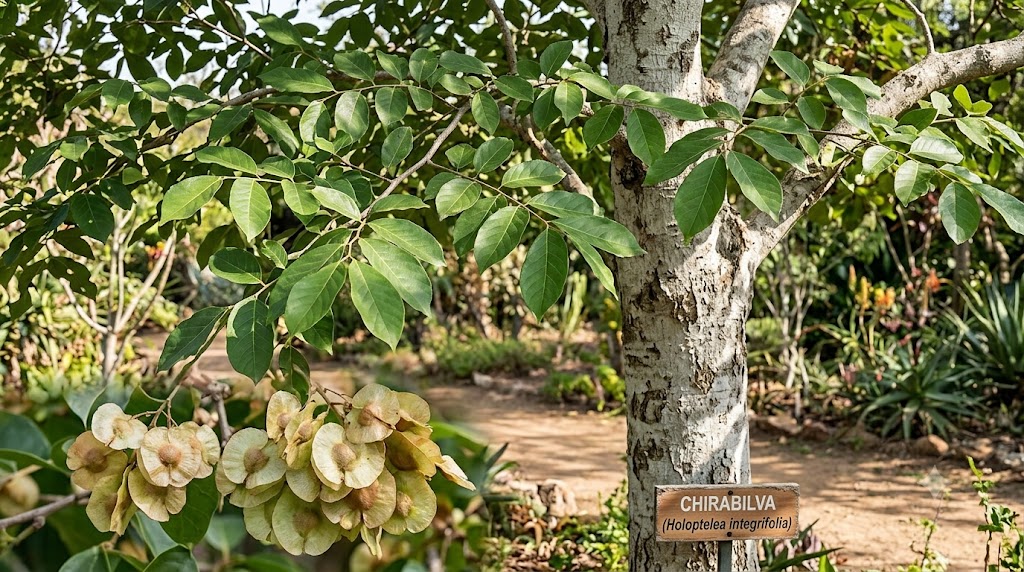
    Chirabilva

    About Chirabilva

    Botanical Name

    Holoptelea integrifolia Planch.

    Family

    Ulmaceae

    Identification No.

    SDACH/HG/126

    Parts Used

    Bark, Leaves, Root

    Habitat

    India

    IUCN Status

    Not Evaluated

    Plant Photos

    Ayurvedic Properties

    Rasa

    Tikta, Kashaya

    Guna

    Laghu, Ruksha

    Virya

    Ushna

    Vipãka

    Katu

    Contact Now

    Have queries? Contact Us.

    Have queries? We’re here to help you every step of the way.

    Contact us to get the right guidance for your academic journey at Shri Dhanwantry Ayurvedic College.

  • Nandyavarta

    Nandyavarta

    Botanical Name : Tabernaemontana divaricata

    Family : Apocynaceae

    Identification No.: SDACH/HG/125

    Names in other languages :

    Kannada : Nandi battalu

    Hind : Chandni

    Tamil : Nandiar vattai

    Gujarathi : Sagar

    Sanskrit : Nandyaavarta

    English : Crape jasmine

    Synonyms:

    शुभ्रपुष्पा सुरभिगन्धा नन्दिवृक्षा मनोरमा।गुल्मा पुष्पप्रिया चैव मंदारसदृशा शुभा॥

    Properties :

    Rasa

    Tikta (Bitter), Kashaya (Astringent)

    Guna

    Laghu (Light), Ruksha (Dry), Tikshna (Sharp)

    Veerya

    Ushna (Hot)

    Vipaka

    Katu (Pungent)

    Karma :

    Kapha, Vata

    Morphology :

    Leaf

    The leaves are oval, 8 to 15 cm (3 to 6 in) long, dark glossy green, prominently veined and have a leathery texture

    Flower

    Unisexual 4 cm Yellow 5 The flowers are trumpet-shaped, about 4 cm (1.6 in ) across, with five waxy white petals in a pin-wheel arrangement.

    Fruit

    General            7 cm The fruit are rare but when produced are curved, ribbed

    Distribution :

    Mountain areas, Sparse forest areas.

    Chemical Composition :

    Voafinidine (C20H28N2O2) and voalenine in minor amounts and a new 2-acylindole alkaloid, ervaticine. Coronaridine, voacristine, tabernaemontanine, dregamine; α-amyrin, lupeol, β-sitosterol, voacangine and voaphylline have also been isolated from leaves

    Parts Used :

    Dried folaige, Whole herb.

    Uses :

    Wounds, Cuts, Snakebites, Liver disorders, Skin eruptions, Blotches, Pimples, Diarrhea, Sore throats

    IUCN Status : Least Concern

    Research updates :

    1. Antimicrobial potential of T. divaricata leaf extract (2021, Journal of Herbal Medicine)

    2. Evaluation of antioxidant and anti-inflammatory properties of T. divaricata flowers (2020, AYU Journal)

    3. Pharmacognostical profile and therapeutic potential in wound healing (2022, International Journal of Ayurveda Research)


    About Nandyavarta

    Botanical Name

    Tabernaemontana divaricata (L.) R.Br. ex Roem. & Schult.

    Family

    Apocynaceae

    Identification No.

    SDACH/HG/125

    Parts Used

    Dried foliage, Whole herb

    Habitat

    India, Sri Lanka,

    IUCN Status

    Least Concern

    Plant Photos

    Ayurvedic Properties

    Rasa

    Tikta, Kashaya

    Guna

    Laghu, Ruksha, Tikshna

    Virya

    Ushna

    Vipãka

    Katu

    Contact Now

    Have queries? Contact Us.

    Have queries? We’re here to help you every step of the way.

    Contact us to get the right guidance for your academic journey at Shri Dhanwantry Ayurvedic College.

  • Ginkgo Biloba

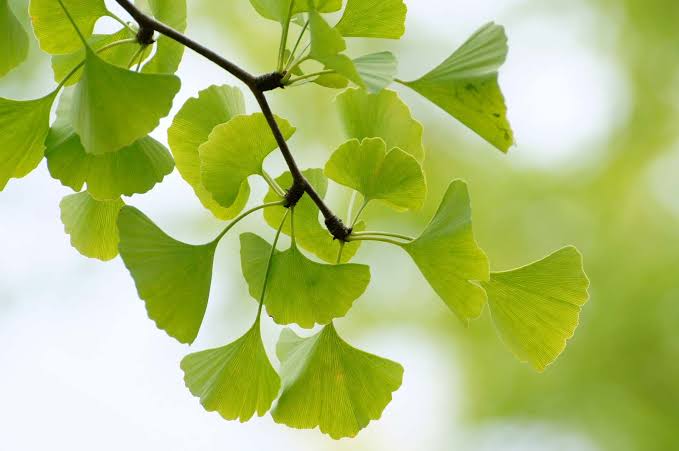
    Ginkgo Biloba

    Botanical name: Ginkgo biloba L.

    Family name: Ginkgoaceae

    Identification No.: SDACH/HG/124

    Introduction : Ginkgo biloba, or maidenhair, is a tree native to China that has been grown for thousands of years for a variety of uses. Because it’s the only surviving member of an ancient order of plants, it’s sometimes referred to as a living fossil. While its leaves and seeds are often used in traditional Chinese medicine, modern research primarily focuses on ginkgo extract, which is made from the leaves. Ginkgo supplements are associated with several health claims and uses, most of which focus on brain function and blood circulation.

    12 Benefits of ginkgo biloba :

    1. Contains Powerful Antioxidants

    Ginkgo’s antioxidant content may be the reason behind many of its health claims. Ginkgo contains high levels of flavonoids and terpenoids, which are compounds known for their strong antioxidant effects. Antioxidants combat or neutralize the damaging effects of free radicals. Free radicals are highly reactive particles that are produced in the body during normal metabolic functions, such as converting food to energy or detoxification. Yet, they also have the potential to damage healthy tissues, contributing to accelerated aging and disease development.

    Research on ginkgo’s antioxidant effects is promising. However, it remains unclear exactly how it works and how effective it may be at treating specific diseases.

    SUMMARY

    Ginkgo contains potent antioxidants, which fight the damaging effects of free radicals and may be behind most of its health claims.

    2. Can Help Fight Inflammation

    Inflammation is part of the body’s natural response to injury or invasion by a foreign substance. In the inflammatory response, various components of the immune system are recruited to fight against the foreign invader or heal the injured area.

    Some chronic diseases trigger an inflammatory response even when there is no illness or injury present. Over time, this excessive inflammation can cause permanent damage to the body’s tissues and DNA.

    Years of animal and test-tube research shows that ginkgo extract can reduce markers of inflammation in both human and animal cells in a variety of disease states (2Trusted Source, 5Trusted Source, 6Trusted Source).

    Some specific conditions in which ginkgo extract has shown to reduce inflammation include:

    Arthritis

    Irritable bowel disease (IBD)

    Cancer

    Heart disease

    Stroke

    While this data is encouraging, human studies are needed before drawing concrete conclusions about ginkgo’s role in treating these complex diseases.

    SUMMARY

    Ginkgo has the ability to reduce inflammation caused by various conditions. This may be one of the reasons it has such broad health applications.

    3. Improves Circulation and Heart Health

    In traditional Chinese medicine, ginkgo seeds were used to open “channels” of energy to different organ systems, including the kidneys, liver, brain and lungs. Ginkgo’s apparent ability to increase blood flow to various parts of the body may be the origin of many of its supposed benefits.

    One study in people with heart disease who supplemented with ginkgo revealed an immediate increase in blood flow to multiple parts of the body. This was attributed to a 12% increase in levels of circulating nitric oxide, a compound responsible for dilating blood vessels. Similarly, another study showed the same effect in older adults who were treated with ginkgo extract.

    Additional research also points to ginkgo’s protective effects on heart health, brain health and stroke prevention. There are multiple potential explanations for this, one of which may be the anti-inflammatory compounds present in the plant. More research is needed to fully understand how ginkgo affects circulation and heart and brain health.

    SUMMARY

    Ginkgo can increase blood flow by promoting the dilation of blood vessels. This may have applications for the treatment of diseases related to poor circulation.

    4. Reduces Symptoms of Psychiatric Disorders and Dementia

    Ginkgo has been repeatedly evaluated for its ability to reduce anxiety, stress and other symptoms associated with Alzheimer’s disease and cognitive decline associated with aging. Overall, research results are inconsistent in this area. Some studies show a marked reduction in the rate of cognitive decline in people with dementia using ginkgo, but others fail to replicate this result.

    A review of 21 studies revealed that when used in conjunction with conventional medicine, ginkgo extract may increase functional capabilities in those with mild Alzheimer’s. Another review evaluated four studies and found a significant reduction in a spectrum of symptoms associated with dementia when ginkgo was used for 22–24 weeks. These positive results could be related to the role that ginkgo may play in improving blood flow to the brain, especially as it relates to vascular types of dementia. Overall, it’s too soon to definitively state or refute ginkgo’s role in treating dementia, but recent research is beginning to make this piece clearer.

    SUMMARY

    It cannot be concluded that ginkgo treats Alzheimer’s and other forms of dementia, but it might help in some cases. The chances of it helping seem to increase when used alongside conventional treatment.

    5. Improves Brain Function and Well-Being

    There is some speculation that ginkgo may enhance brain function in healthy individuals. A handful of small studies support the notion that supplementing with ginkgo may increase mental performance and perceived well-being. Results from studies like these have given rise to claims linking ginkgo to improved memory, focus and attention span. However, a large review of research on this relationship concluded that supplementing with ginkgo did not result in any measurable improvements in memory, executive function or attention capacity. While supplementing with ginkgo may improve mental capability, there are no guarantees.

    SUMMARY

    Some research shows that ginkgo may improve mental performance in healthy people, but the data is inconsistent.

    6. Can Reduce Anxiety

    Some research indicates that supplementing with ginkgo may reduce symptoms of anxiety. A handful of animal studies have observed reductions in anxiety symptoms that may be attributed to the antioxidant content of ginkgo. In one study, 170 people with generalized anxiety were treated with either 240 mg or 480 mg of ginkgo or a placebo. The group treated with the highest dose of ginkgo reported a 45% greater reduction in symptoms of anxiety, compared to the placebo group. While supplementing with ginkgo may reduce anxiety, it’s still too early to draw any definitive conclusions from the available research.

    SUMMARY

    Some research shows that ginkgo may help treat anxiety, though this is likely due to its antioxidant content.

    7. Can Treat Depression

    A review of animal studies suggests that supplementing with ginkgo may help treat symptoms of depression. Mice who received ginkgo before an unavoidable stressful situation were less emotionally affected by the stress than the group that did not receive the supplement.

    The study indicated that this effect was related to ginkgo’s anti-inflammatory properties, which improve the body’s ability to cope when stress hormone levels are high. Nonetheless, depression is a complex condition that may have a variety of root causes. More research is needed to better understand the relationship between ginkgo and how it may affect depression in humans.

    SUMMARY

    Ginkgo’s anti-inflammatory effects give it the potential to treat depression. More research is needed.

    8. Can Support Vision and Eye Health

    Very little research has investigated how ginkgo relates to vision and eye health. However, early results are promising. One review showed that people with glaucoma who supplemented with ginkgo experienced increased blood flow to the eye, but this didn’t necessarily translate to better vision.

    Another review of two studies evaluated the effect of ginkgo extract on the progression of age-related macular degeneration. Some participants reported an improvement in vision, but this wasn’t statistically significant across the board.

    Many of these positive results seem to be related to increased blood flow to the eye. It’s unclear if ginkgo would improve vision in those who don’t already suffer from vision impairment. More research is needed to determine whether ginkgo can increase vision capacity or slow the progression of degenerative eye disease.

    SUMMARY

    Some early research shows that supplementing with ginkgo may increase blood flow to the eyes but not necessarily improve vision. More research is needed.

    9. Can Treat Headaches and Migraines

    In traditional Chinese medicine, ginkgo is a very popular treatment for headaches and migraines. Very little research is available on ginkgo’s ability to treat headaches. However, depending on the root cause of the headache, it may help. For example, it’s well known that ginkgo has anti-inflammatory and antioxidant effects. If a headache or migraine is caused by excessive stress, ginkgo may be useful.

    Additionally, if a headache is related to reduced blood flow or constricted blood vessels, ginkgo’s ability to dilate blood vessels may improve symptoms. On the contrary, some migraines are caused by the excessive dilation of blood vessels. In this situation, ginkgo may have little to no effect. But these examples are just inferences and don’t substitute hard evidence. If you want to try ginkgo for your migraines, it’s unlikely that it will cause much harm. Just be aware that it may not necessarily help.

    SUMMARY

    Because of its ability to increase blood flow and reduce inflammation, ginkgo may be an effective treatment for some types of headaches.

    10. Can Improve Asthma and COPD Symptoms

    Some research indicates that ginkgo may improve symptoms of asthma and other inflammatory respiratory diseases like COPD. This is attributed to the anti-inflammatory compounds in ginkgo, which may allow for reduced inflammation of the airways and increased lung capacity. One study in 75 people evaluated the use of ginkgo extract alongside glucocorticosteroid medication therapy for managing asthma symptoms.

    The levels of inflammatory compounds in the saliva of those who received ginkgo were significantly lower than those who received traditional medication alone. Another study in 100 people evaluated the use of a mixture of Chinese herbs, which included ginkgo, for treating COPD symptoms. Those who used the herbal formula reported a considerable reduction in cough and bronchitis at a three-month follow-up, compared to the control group. At this point, it cannot be determined if this improvement can be attributed to ginkgo alone, or if it was a synergistic effect of the other herbs used in the treatment group formula. While these results are encouraging, more research on this specific application of ginkgo is needed.

    SUMMARY

    Ginkgo may treat symptoms associated with respiratory diseases because of its anti-inflammatory effects. More research is needed.

    11. Reduces PMS Symptoms

    Preliminary research indicates that ginkgo may help treat both the physical and psychological symptoms of premenstrual syndrome (PMS). One study in 85 college students revealed a 23% reduction in reported PMS symptoms when consuming ginkgo. Interestingly, the placebo group in this study also experienced a slight reduction in PMS symptoms, though it was much lower at 8.8%. Further research is needed to better understand the cause and effect relationship between ginkgo and PMS symptoms.

    SUMMARY

    Ginkgo may help reduce PMS symptoms, but more research is needed.

    12. Treats Sexual Dysfunction

    Some sources indicate that ginkgo may treat sexual dysfunction, such as erectile dysfunction or low libido. Ginkgo has the ability to improve blood levels of nitric oxide, which improves circulation via the dilation of blood vessels. As a result, ginkgo may also be useful for treating various symptoms of sexual dysfunction by improving blood flow to those areas of the body.

    Some research has investigated using ginkgo to treat sexual dysfunction caused by the use of antidepressant drugs (SSRIs). Results indicated that ginkgo wasn’t any more effective than a placebo in these cases. Additionally, there may be an interaction between ginkgo and SSRI medications, which could render them less effective. One study evaluated the use of ginkgo to increase sexual desire and contentment in women who were concurrently undergoing sexual psychotherapy .

    The combination of ginkgo and therapy were effective over a longer term compared to a placebo, but supplementing with ginkgo alone was not. The rationale for using ginkgo to treat sexual dysfunction makes sense, but research does not support it at this time.

    SUMMARY

    Ginkgo may improve symptoms of sexual dysfunction due to its impact on blood flow. However, research has not proven it to be effective.

    Potential Side Effects :

    It’s important to talk to your doctor before including ginkgo in your routine. For most adults, the risk associated with taking ginkgo is relatively low, but there are cases in which ginkgo could cause serious harm. If you are allergic to plants that contain alkylphenols or taking certain medications, you should not take ginkgo.

    Possible side effects include :

    Nausea

    Diarrhea

    Dizziness

    Headaches

    Stomach pain

    Rash/allergic reaction

    Ginkgo has the potential to interact unfavorably with certain medications. Some interactions could increase the risk of bleeding.

    Possible adverse medication interactions include :

    Blood thinners (Warfarin, aspirin)

    SSRIs/MAOIs/antidepressants (Prozac, Zoloft)

    NSAIDS (ibuprofen, Tylenol)

    SUMMARY

    As with any supplement, it’s important to consult your doctor before taking ginkgo biloba and stop use if you develop any negative side effects or adverse medication interactions.

    Dosage and Supplement Forms :

    Ginkgo biloba is commercially available in the following forms:

    Capsules

    Tablets

    Liquid extracts

    Dried leaves/tea

    Most of the current research reflects results used with purified ginkgo extract. Do not eat raw ginkgo seeds, as they are poisonous. One of the limitations of the studies on ginkgo is that they did not use standardized dosing. However, the bulk of the evidence seems to support the safety of taking 120–240 mg divided into several doses throughout the day. There is no clearly defined maximum dosage, but it’s wise to start with a lower dose and work your way up to ensure tolerance. Most research has not evaluated doses greater than 600 mg per day, so it’s probably not a good idea to exceed this amount.

    Remember, it can take up to six weeks before you begin to notice any effects.

    SUMMARY

    Ginkgo comes in various forms and seems to be most effective when taken in several doses throughout the day that total 120–240 mg.

    The Bottom Line :

    Ginkgo biloba has strong anti-inflammatory and antioxidant capacities and an ability to improve circulation. Together, these characteristics have the potential to affect numerous body systems and diseases, although the science behind it still has some catching up to do.

    While ginkgo has been used for centuries, it’s not completely understood how it works. Much of the available research is inconsistent or inconclusive, and it’s important to keep that in mind. As with any herbal supplement, there are risks involved. Ginkgo could lead to serious health complications if you are allergic or taking certain medications. If you’re thinking of including ginkgo in your regimen, be sure to consult your doctor first.

    IUCN Status: Endangered (wild populations); cultivated widely

    Research updates:

    1. 2020: Systematic review supports cognitive benefits in mild dementia (Frontiers in Aging Neuroscience).

    2. 2021: Ginkgo extract showed neuroprotective activity in ischemic models (Journal of Ethnopharmacology).

    3. 2023: Meta-analysis confirmed efficacy in tinnitus management (Phytomedicine).
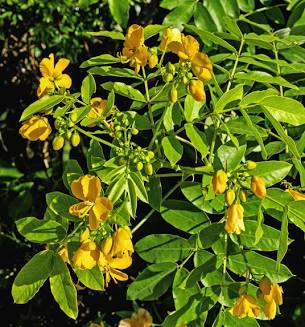
    cal Name: Cassia fistula Linn.

    Family: Caesalpiniaceae

    Identification No.: SDACH/HG/001

    Introduction: In Vedic literature the dried branches of Aragvadha are used for ritual performance Several external applications containing Aragvadha are mentioned in  Ayurveda ( psoriasis etc.)

    Scientific classification: Sennas belong to the subfamily Caesalpinioideae, family Fabaceae (formerly Leguminosae). Alexandrian senna is classified as Cassia acutifolia. The species from which tinnivelly, or Indian senna, is obtained is classified as Cassia angustifolia

    Names in different Indian languages:

    English : Indian Laburnum,Purging Cassia,Golden Shower

    Hindi: Amaltas,girimala

    Kannada: Phallus,kakke,kakke mara

    Malayalam: Konna,kanikonna

    Sanskrit: Aaragvadha

    Tamil: Sarakkonrai

    Telugu: Rela,kondrakaya,aragvadamu

    Synonyms:

    Chaturaangula, Kritamaala, Kritmaalaka, Karnikaara, Shampaaka, Praagraha, Raajvrksha, Nripapaadapa, Raajadruma, Vyaadhighaataka, Aarevata.

    Cassia rhombifolia Roxb

    Classification according to Charaka, Susrutha & Vagbhata:

    Charaka: Kusthaghna, Kandüghna, Tiktaskandha, Virechana

    Susrutha: Aragvadhadi, Syamadi, Slesmasamsamana, Adhobhagahara

    Vagbhata: Aragvadhãdi, syãmadi

     Varieties & adulterants – (CV – controversy, AD – adulterants):

    1.Karnikara

    2.Pãlevatam

    3. Madhura (sweet)

    4. Amla (sour)

    5. praravata-  Psidium guyava

    6. Garcinia mangostan.

    Cassia roxburghii – AD

    Morphology:

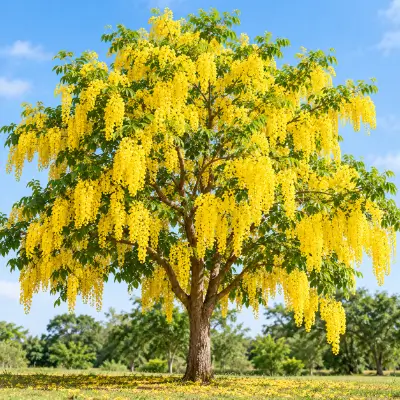
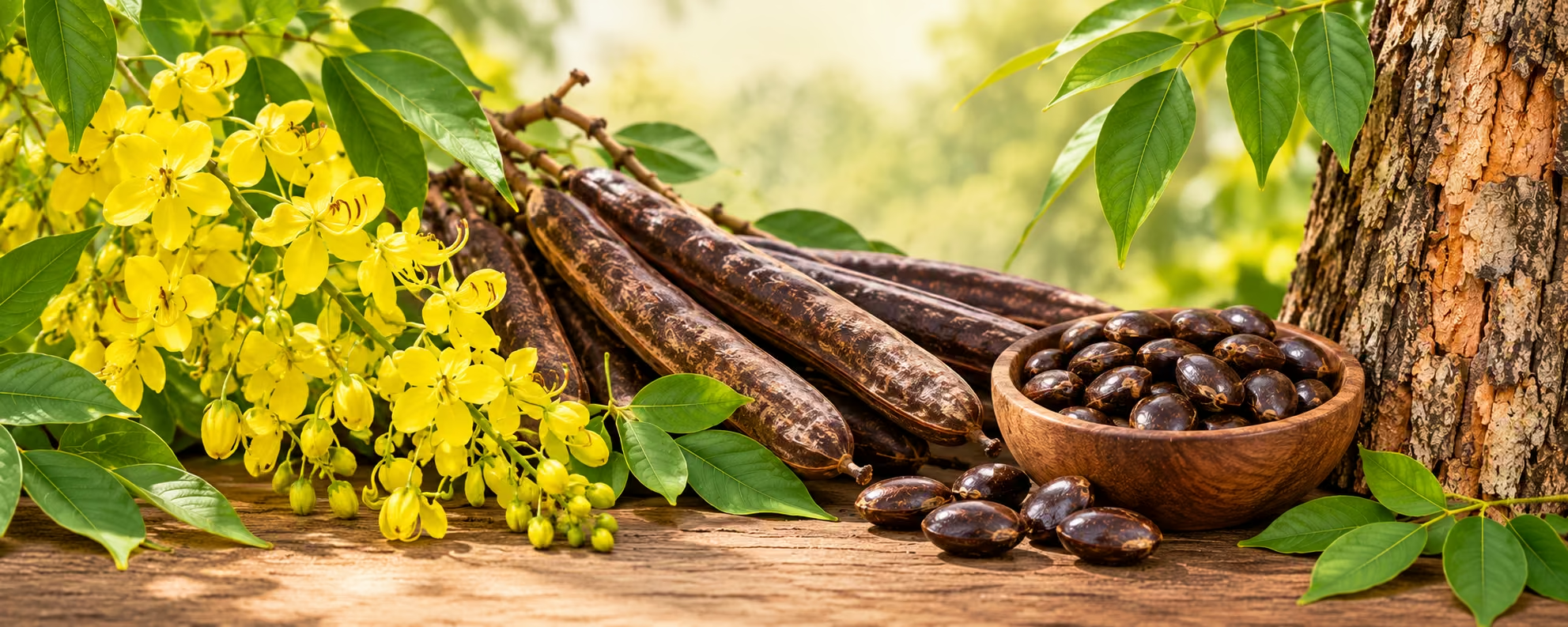
    It is moderate-sized tree, 10-12 m. in height.

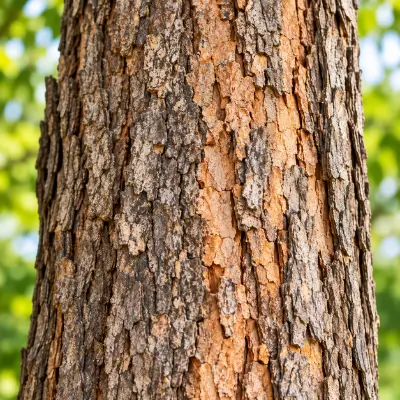
    Bark- greenish-grey, smooth when young then brick-red.

    Leaves- paripinnate, 4-8 pairs, ovate, acute, bright green, glabrous above, silvery pubescent beneath. 10-15 cm long

    Leaflets 4-8 pairs, about 2-5 cm, acuminate, ovate-lanceolate.

    Flowers- in lax pendulous racemes, yellow, fragrant.

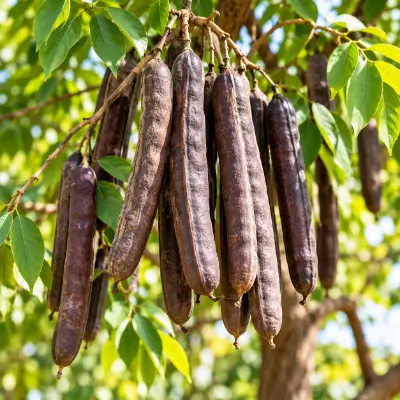
    Pods- cylindrical, pendulous, indehiscent, 25-30 cm long and 2-3.0 cm diam.

    Seeds- numerous, small, flat, smooth, yellowish-grey

    surrounded by black pulp when ripen pulp will be sweet.

    (Flowers in March-May and fruits in May).

    Habitat  & Distribution:

    All over India, Srilanka, Nepal

    Chemical composition:

    Anthraquinone glycosides, sennosides A and B, rhein

    Pulp glucose 60%, glutin. pectin, dyes, calcium oxalate. minerals. gum and water.

    Seeds- sugars, galactomannan

    Flowers- fistulin, leucopelargonidin tetrarner, kaempfer oil

    Pods- fistulic acid  Bark & Heart wood- barbl Oil, fistucacidin, etc.

     Leaves- Rhein, sennosides A & B

    Properties:

    Rasa :  Madhura

    Guna : Madura, Guru, Snigdha

    Virya : Sita

    (Usna: Dhanvañtari Nighandu)

    Vipãka: Madhura

     Karma : Kapha-pittahara , kushtaghna, arsoghna, vrana hara

    Laxative, blood purifier, febrifugal, astringent, antibilious.

    Indications:

     Kustha, Prameha, Hrdroga, Amavãta, Gandamãlã, Kãmalã, Udara, Udãvarta, Vatarakta, Sula, Jvara

    Constipation, colic, chlorosis and urinary disorders,gout, skin disease, psoriasis, fever

    External uses:

     It is anti-inflammatory,analgesic.

    The pulp and leaf paste are used in nodular oedema & gout. rheumatoid arthritis etc.

    The decoction is used for gargling in diseases of oral cavity and throat,

    Leaf paste is used in skin disease and itching.

    Internal uses:

    Nervous system: It is analgesic by vatahara property, so useful in vata diseases.

    Digestive system: It is bitter so improves taste, It is a liver stimulant and purgative by snigtha properties. It is a mild purgative drug and is useful in constipation and jaundice.

    Circulatory system: It is cardioprotective, antiinflammatory, purifies blood so useful in heart disease, haemorrhagic ditorders, gout and swellings.

    Respiratory system: As it is madhur, snigdha, removes kapha and soothes internal organs by mridu property, in dry cough and dyspnoea flower’s avaleha is given.

    Urinary system: Diuretic by sheeta properly. It  soothes the urinary tract. Seeds are antidiabetic

    Skin: Kushthaghna and refrigerant, so used in skin disease and burning.

    Temperature: It is antipyretic, so used in fever and purgation. Its bitter taste works in digestion and is pittashamak. Bark of root is used in fever.

    Srotogamitwa:

    Dosha : Pitta. kaphaghatna ,liver stimulant

    Mala: Purgative.

    Parts used: 

    Root bark, leaves, flowers,fruit pulp

    Dosage:

    Decoction of root bark 75-100 ml.

     Flower paste 6-10 g

    Important Yogas or Formulations:

    Aragvadhadi taila, Arngvadhadi leha, Aragvadharishta..

    Therapeutic Uses:

    1. Kãmalã- Aragvadha (fruit pulp) is given with the juice of sugarcane or vidari or Amalaki after fortifying with Trikatu. (A.H.)

    2. Gandamãlã- Root bark of Aragvadhã is grinded with rice-water and used for Nasya and lepa (V.M.)

    3. Kustha- Leaves of Aragvadhä are made into paste with Amãlaka and applied externally.

    IUCN Status  – Least Concern (Not threatened)

    Research Updates (Past 5 Years)

    1. Antidiabetic Activity (2021): Study confirmed hypoglycemic effect of C. fistula pulp extract.

    2. Antimicrobial (2022): Pod extract showed efficacy against Staphylococcus aureus.

    3. Hepatoprotective (2023): Bark extract reduced liver toxicity in animal models.

    About Ginkgo Biloba

    Botanical Name

    Ginkgo biloba L.

    Family

    Ginkgoaceae

    Identification No.

    SDACH/HG/124

    Parts Used

    Leaves, Seeds

    Habitat

    China

    IUCN Status

    Endangered (EN)

    Plant Photos

    Ayurvedic Properties

    Rasa

    Madhura

    Guna

    Madura, Guru, Snigdha

    Virya

    Sita

    Vipãka

    Madhura

    Contact Now

    Have queries? Contact Us.

    Have queries? We’re here to help you every step of the way.

    Contact us to get the right guidance for your academic journey at Shri Dhanwantry Ayurvedic College.

  • Kasamarda

    Kasamarda

    Botanical Name : Cassia occidentalis Linn

    Family : Calsalpiniaceae.

    Identification No.– SDACH/HG/123

    Introduction :

    Latin name : Cassia = the word is derived from the name kashan in Bible. The name is derived from the name of mountain cassia  in North Seria.

    Names in different Indian languages :

    English : Coffee Senna, Foetid Cassia, Negro Coffee

    Hindi : Kasaumdi, barikasaundi

    Kannada : Doddaagace

    Malayalam : Ponnaviram, ponnariviriram

    Sanskrit : Kasamardah

    Tamil : Paeyaavarai, Thagarai

    Telugu : kasinda

    Unani : Kasondi.

    Folk : Kasondi (bigger var.)

    Synonyms :

    Kasamarda Rajavruksha, Kasaghna, Peetapushpaka, Deepana, Kanak, Jaranakala, Kartakasaghna, Anjan

    Morphology :

    A shrub 0.5 – 1 mts. high.

    Leaves – compound and alternate. Each leaf has 5 pairs leaflets.

    Flowers – yellow

    Fruit – pod, Legumes – long, thin and round.

    Each one has 10 – 30 seeds.

    Distribution & Habitat :

    All over India

    Chemical constituents :

    Anthraquinone,glucoside, barbaloin, aloin, formic acid, butyric acid,  ceryl alcohol, kaempferol,bianthraquinone,glycoside, fistulin,rhein,sennosides A and B.

    Properties :

    Guna : ruksha, laghu, tikshna;

    Rasa : tikta, madhur;

    Veerya : ushna;

    Karma :

    Kasaghna, kandughna, deepana,pachana

    Purgative, diuretic, febrifugal, expectorant, stomachic

    Internal uses :

    It is used in dermatoses and poisons. Useful as an analgesic in vata disorders. Being carminative and cholagogue, it is used in ascites, loss of appetite and constipation . Effective in cough and asthma.

    Part used :

    Leaf, seed, root

    Dosage :

    Leaf juice – 8 to 10 seeds – 1 to 2 gm; decoction of roots – 50 to 100 ml.

    Therapeutic Uses :

    Leaf juice + honey is used in whooping cough. Also useful in dysuria, ikshumeha, swelling, dermatoses and filarial.

    Seed powder—used in amoebiasis.

    IUCN Status : Least Concern

    Research Updates (past 5 years)

    1. Study on hepatoprotective potential of Cassia occidentalis in rats (2020, IJPSR)

    2. Anthelmintic activity of seeds in vitro studies (2021, Journal of Ethnopharmacology)

    3. Evaluation of antimicrobial and antioxidant activities of Cassia occidentalis extracts (2022, Pharmacognosy Journal)

    About Kasamarda

    Botanical Name

    Cassia occidentalis L.

    Family

    Fabaceae (Caesalpiniaceae)

    Identification No.

    SDACH/HG/123

    Parts Used

    Leaves, Seeds, Roots

    Habitat

    India

    IUCN Status

    Least Concern

    Plant Photos

    Ayurvedic Properties

    Rasa

    Tikta, Madhura

    Guna

    Ruksha, Laghu, Tikshna

    Virya

    Ushna

    Vipãka

    Not specified

    Contact Now

    Have queries? Contact Us.

    Have queries? We’re here to help you every step of the way.

    Contact us to get the right guidance for your academic journey at Shri Dhanwantry Ayurvedic College.

  • Snuhi

    Snuhi

    Botanical Name : Euphorbia neriifolia auct. non  Linn.

    Family : Euphorbiaceae

    Identification No.: SDACH/HG/122

    Introduction :

    Latin name: Euphorbia = after Euphorbus = physician; nerifolia = ned = oleander like, folia = leaves or E. nivulia or E. antiquorum.

    It has six hundred yarieties like tridhari, chaudhari. sabarkande etc. Charakacharyahas divided it into (a) alpakantak and (b) bahukantak. The latter variety is considered to be superior. Latex is usually collected at the end of winter from a plant which is 2 to 3 years old.

    Names in different Indian languages :

    English : Holy Milk Hedge, Dog’s Tongue

    Hindi : Sehund, thuhar

    Kannada : Elekalli

    Malayalam : Ilakkali, kalli

    Sanskrit : Snuhi, sehundah

    Tamil : Ilakkalli

    Telugu : Akujemudu

    Synonyms :

    नुहिर्दुग्धिका प्रोक्ता वज्रकण्टकसंज्ञिता।तीक्ष्णोष्णा कटुका तिक्ता कफवातविनाशिनी॥

    Snuhi, Samant-dugdhaa, Sehunda, Singhtunda, Snuk, Gudaa, Sudhaa, Vajra, Vajjri, Vajjradram, Thuuhar

    Euphorbia  ligularia Roxb

    Morphology :

    This shrub is small with trunk and branches bearing thorns.

    Leaves – 30-60 cms. thick and fleshy.

    Flowers – yellowish. Seeds – flat, leaves shred durirg winter.

    Flowering and fruiting occurs in summer.

    Distribution & Habitat :

    Throughout India

    Chemical constituents :

    triterpenoids, euphol,3methylenecycloartenol, euphorbol hexacosonate, glut 5,10en–one, glut-3- en-5 beta-yet-acetate, taraxerol

    Properties :

    Guna: laghu, snigdha, tikshna;

    Rasa: katu;

    Vipaka: katu;

    Virya: ushna;

    Dosha: kaphavatahara.

    Karma :

    Vrana hara, kustaghna, vatavisodanam, purgative, diuretic, antiasthmatic, expectorant,

    Indication :

    Vrana, gulma, arsas, bagandara, unmade, meha, kusta, udara ascites, polyuria, anasarca, chlorosis, tympanitis, externally on warts, cutaneous eruptions, scabies, unhealthy ulcers

    Part used :

    Whole plant , resin

    Dosage :

    Leaf juice 10-15 ml

    Powder 2-4 g

    Decoction 50-100 ml

    External use :

    Leaves are useful in inflammatory conditions. Decoction – drops are used in earache. Latex – useful in skin diseases, toothache, impotency, piles and in preparation of ksharsutra.

    Internal uses :

    Digestive system : In the process of shodhan, it is used as a purgative, if the patient can tolerate strong purgatives. Also useful in ascites, hepatosplenic enlargement, anaema, leucoderma, ‘diabetes mellitus, schizophrenia, syphilis, rheumatoid arthritis and gout. Juice of snuhi mixed with boney, salt and borax is used in bronchitis and asthma.

    Therapeutic Uses:

    Root is useful as an antidote to poisons of plant origin

    Formulations :

    Vajrakshar, Snuhyadi taila

    IUCN Status : Not Evaluated

    Research updates :

    1. Study on wound healing activity of Euphorbia nerifolia latex – 2021

    2. Evaluation of antimicrobial properties of Snuhi extract – 2022

    3. Phytochemical screening and cytotoxicity assessment – 2023

    About Snuhi

    Botanical Name

    Euphorbia neriifolia L.

    Family

    Euphorbiaceae

    Identification No.

    SDACH/HG/122

    Parts Used

    Whole plant, Latex (Resin)

    Habitat

    India

    IUCN Status

    Not Evaluated

    Plant Photos

    Ayurvedic Properties

    Rasa

    Katu

    Guna

    Laghu, Snigdha, Tikshna

    Virya

    Ushna

    Vipãka

    Katu

    Contact Now

    Have queries? Contact Us.

    Have queries? We’re here to help you every step of the way.

    Contact us to get the right guidance for your academic journey at Shri Dhanwantry Ayurvedic College.

  • Kovidara

    Kovidara

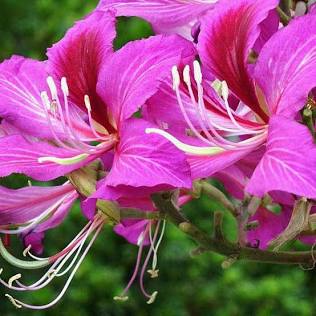
    Botanical Name : Bauhinia variegata Linn

    Family : Caesalpiniaceae

    Identification No.: SDACH/HG/121

    Introduction :

    Kovidãra is the original name using for Kãñcanãra during the Vedic and Samhita periods. It show its action on lymphadenitis. Along with other therapeutic applications, The Ayurvedic Pharmacopoeia of India indicated the use of the stem bark in lymphadenitis and goiter.

    Names in different Indian languages :

    English : Mountain Ebony, Buddhist Bauhinia

    Hindi : kancanar

    Kannada : kempumandara

    Malayalam : Mandaram, chuvanna mandaram, malayakatti, konnu

    Sanskrit : Kancanarah, kovidarah

    Tamil : Singappu mandarai

    Telugu : Devakancanamu

    Marathi : Koral

    Synonyms :

    कोविदारोऽश्मन्तकोऽपि काञ्चनारः स्मृतो बुधैः।तिक्तः कटुः कषायश्च लघुः पित्तकफापहः॥

    Gandãri, sonapuspaka, Kaanchanaara, Kaanchanaaraka, Kanchanak, Kaanchana, Gandhaari, Sonapushpaka, Ashmantaka.

    B. candida Roxb

    Classification according to Charaka, Susrutha & Vagbhata :

    Charaka

    Vamanopaga

    Susrutha

    Kàsãya varga, Urdhvabhãgahara

    Vagbhata

    Varieties & adulterants – (CV – controversy, AD – adulterants) :

    Note: The latin names kancanara given to, According to

    Dhanvantarinighantu – B. purpurea

    Rajanighantu- B. acuminata

    Bhavaprakasam- B. variegate

    Reference from Ayurvedic formulary of India kovidara – B. variegate

    Reference from Indian Medicinal Plants  kancanara – B. tomentosa, sveta kancanara- B. racemosa

    1. Kovidãra

    2. Karbudãra

    3. Pita,

    4. Rakta

    5. Sveta.

    6. Yellow flowers – B. tomentosa.

    7. B. variegate

    8. Olax scandens

    Bauhinia phoenicea

    Bauhinia recemosa Linn

    Bauhinia variegate

    Bauhinia tomentosa

    Bauhinia purpurea

    Bauhinia blakeana

    Morphology :

    It is a medium sized erect and deciduous tree.

    Bark- grey with longitudinal cracks, light-pink inside.

    Wood- moderately hard, greyish-brown.

    Leaves- unifoliolate, 2-lobed, rigidly subcoriaceous, deeply cordate.

    Flowers- purple or variously coloured, sessile or borne in short penducled corymbs. Calxy-tube elongated; limb entire, spathaceous.

    Fruits- pods, flat, hard, long, curved, compressed, dehiscent.

    Seeds 10-15.

    (Flowers in March and fruits in rainy season).

    Distribution & Habitat :

    In the sub-Himalayan tract from the Indus east wards; also in dry forests of central, Easterm and Southern India

    Chemical constituents :

    flavonoids, kaempferol, galactoside and kaempferol, rhamnoglucoside, hentriacontane, octacosanol, stigmasterol, beta-sitosterol, lupeol and a flavanone glycoside,

    Properties :

    Rasa- Kasãya

    Guna- Rüksa, Laghu

    Virya-Sita

    Vipãka -Katu

    Karma : Kapha-pittahara, Grãhi, Dipana.

    Buds—a decoction is given in piles (also used against tumours), haematuria, menorrhagia.

    Dried buds are used in diarrhoea, dysentery, worm infestation, piles and tumours.

    Root—carminative, used in dyspepsia and flatulence

    Bark—astringent, anthelmintic; used externally in scrofula and skin diseases.

    Seeds—possess human blood agglutinating activity.

    Leaf— antifungal.

    External uses :

    It helps in wound cleaning and healing – it cures skin disorders and inflammations. Decoction is used for washing wounds and skin disorders, The bark ground in a paste is useful in lymphadenitis. Decoction made from its bark, pods of babul (Acacia) tree and flowers of pomegranate is used for gargles in oral disorders. Decoction is used for fomentation in rectal prolapse.

    Internal uses :

    Digestive system : It has astringent , it causes vomiting in excess dose. Being sweet flowers are mild laxative. Astringent properly is useful in diarrhea, dysentery, rectal prolapse, haemorrhoids and helminthiasis. It enhances emetic action when used in conjunction with emetic drugs.

    Circulatory system : It acts as haemostatic and reduces the inflammation of the lymph nodes (lymphadenitis). It is effective in hemorrhoid disorders.

    Respiratory system : Used in cough

    Urinary system : Controls diabetes.

    Reproductive system : it acts as a haemostatic be astringent property

    Skin : Used in skin diseases Mixture of kanchanara bark, rice water, and ginger is effective in osteoporosis

    Indication :

    Gandamãlã, Rakta pradara, Raktapitta Mutrakrcchra, Vrana, Arsas, Musürikã

    Diarrhea, dysentery, leprosy, worms, wounds, ulcer ,asthma, piles, menorrhadia, goiter

    Part used :

    Stem bark, flowers

    Dosage :

    Powder 3-6 g;

    decoction 50-100 ml;

    flower juice 10-20 ml.

    Important Yogas or Formations :

    Kanchanara guggul, Kanchanaradi kwath, Kanchan gudika, kashaya                        

    Therapeutic Uses :

    (1) Gandamãlã- Fresh bark of Kãñcanãra is grinded with sunthi and Kãnjika and used internally (V. M.).

    (2) Masürikã- Svarnamãkika bhasma is given with decoction of Kãncanãra bark (B. P.)

    IUCN Status : Least Concern

    Research updates :

    anti-inflammatory, anti-cancer, wound healing properties, etc.

    About Kovidara

    Botanical Name

    Bauhinia variegata L.

    Family

    Fabaceae (Caesalpiniaceae)

    Identification No.

    SDACH/HG/121

    Parts Used

    Stem bark, Flowers

    Habitat

    India

    IUCN Status

    Least Concern

    Plant Photos

    Ayurvedic Properties

    Rasa

    Kashaya

    Guna

    Ruksha, Laghu

    Virya

    Sheeta

    Vipãka

    Katu

    Contact Now

    Have queries? Contact Us.

    Have queries? We’re here to help you every step of the way.

    Contact us to get the right guidance for your academic journey at Shri Dhanwantry Ayurvedic College.

  • Plaksha

    Plaksha

    Botanical Name : Ficus microcarpa Linn. f.

    Family : Moraceae

    Identification No.: SDACH/HG/120

    Introduction :

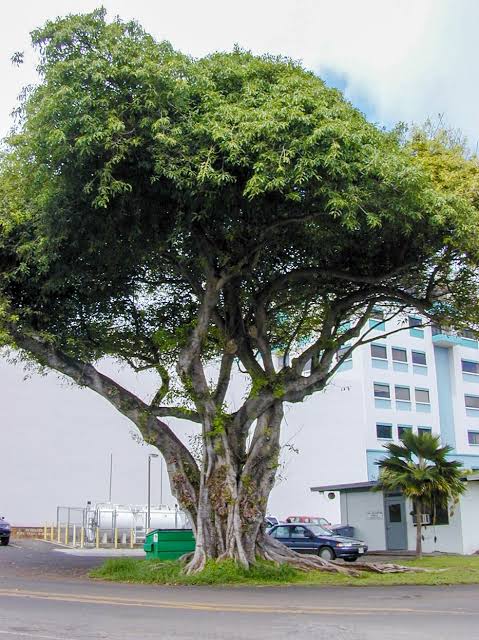
    This plant have aerial roots, very much useful in skin disease.

    Names in different Indian languages :

    Hindi : Kamarup

    Kannada : Itti

    Malayalam : Itti

    Sanskrit : Plaksha

    Tamil : Kallicci, icci

    Telugu : plaksha

    Synonyms :

    प्लक्षो मधुरः स्निग्धः शीतलः कफवातनुत्।रक्तपित्तहरः श्लेष्मशोथकुष्ठविनाशनः॥

    Ficus retusa auct. non Linn

    Varieties & adulterants – (CV – controversy, AD – adulterants) :

    Ficus lacor – CV

    Ficus amplissima – CV

    Morphology :

    Medium sized tree, with aerial roots.

    Leaves – simple,alternate, lanceolate

    Flower – hypanthodium

    Fruit –globose, yellowish when ripe

    Distribution & Habitat :

    All over India

    Chemical constituents :

    methylricinolate, beta-sitosterol, lanosterol, caffeic acid,

    Properties :

    RASA-kashaya

    GUNA-guru

    VIRYA-sitha

    VIPAKA-katu

    Karma : vranasodhana, raktapittahara, yonisodhana, sophahara

    Indication :

    ulcers, diarrhea, diabetes, ulcer, dropsy, skin diseases, oedema and inflammations

    Part used :

    Root, bark, resin

    Dosage :

    Powder 2-4 g

    Important Yogas or Formations :

    Panchavalkaladi ghridha and taila, naalpamaradi kashya and taila                      

    Therapeutic Uses :

    1. Bark decoction useful in skin disease

    2. Bark powder + sundi + haridra useful in oedema

    IUCN Status : Not Evaluated

    Research updates:

    1. Antidiabetic activity of Ficus lacor bark extract — 2022

    2. Wound healing and anti-inflammatory properties — 2021

    3. Antioxidant and antimicrobial analysis of leaf extract — 2020


    About Plaksha

    Botanical Name

    Ficus microcarpa L.f.

    Family

    Moraceae

    Identification No.

    SDACH/HG/120

    Parts Used

    Root, Bark, Resin

    Habitat

    India

    IUCN Status

    Not Evaluated

    Plant Photos

    Ayurvedic Properties

    Rasa

    Kashaya

    Guna

    Guru

    Virya

    Sheeta

    Vipãka

    Katu

    Contact Now

    Have queries? Contact Us.

    Have queries? We’re here to help you every step of the way.

    Contact us to get the right guidance for your academic journey at Shri Dhanwantry Ayurvedic College.

  • Sitaphala

    Sitaphala

    Botanical Name : Annona squamosa Linn.

    Family : Annonaceae

    Identification No.: SDACH/HG/119

    Introduction :

    Latin name: annona = word from native name; squamosa = scaly.

    Names in different Indian languages :

    English : Custard Apple, Sugar Apple, Sweet-sop.

    Hindi : Sitaphal

    Kannada : Sitaphala

    Malayalam : Sitaphalam, attachaka

    Sanskrit : Sitaphalam

    Tamil : Sitaaphalam, Atta

    Telugu : Sitappalam

    Unani : Sharifaa

    Synonyms :

    सीताफलम् मधुरं स्निग्धं गुरु वातकफापहम्।बल्यं वृष्यं रसायनं हृद्यं तृप्तिकरं स्मृतम्॥

    Gandagaatra, Sitaa phala

    Varieties & adulterants – (CV – controversy, AD – adulterants) :

    Curcurbita maxima – cv

    Annona glabra

    Morphology :

    This tree grows 3 to 8 mts. high and is well known to all Indians. (Its origin is in South America).

    Leaves – 6-9 cms. simple, opposite, lanceolate.

    Flowers – 3 cms. long and always with three petals.

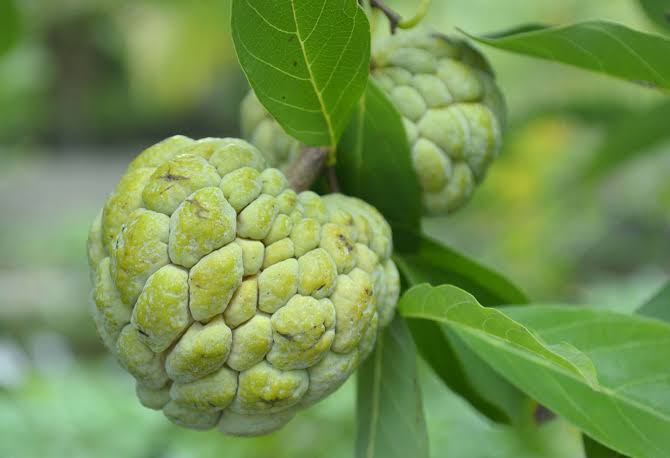
    Fruit – fleshy and contains multiple oblong seeds. Surface of the fruit shows round blebs.

    Annona reticulata (Ramphala) belongs to the same family but is smooth externally.   

    Distribution & Habitat :

    A native to South America and theWest Indies; now cultivated throughout India

    Chemical constituents :

    Quinoline, Squamone ,  bullatacinone

    Properties :

    Rasa: Madhura:

    Guna: laghu. snigdha;

    Virya :sheeta:

    Vipaka: madhur;

    Dosha: vatapittashamak and kaphakarak.

    Karma :

    Tarpanam, raktakrit, hridyam

    Abortifacient, purgative, invigorating, sedative to heart, antibilious, antiemetic, expectorant.

    Indication :

    Daham

    fever, skin disease, cough, piles, leucorrhoea,vomiting, dysentery,gout, burning sensation, dyspepsia, cephalgia, worm infection

    Part used :

    Bark, leaf, fruit

    Dosage :

    Leaf juice 10-15 ml

    Powder 2-4 g

    Decoction 50-100 ml

    Uses :

    Leaves and seeds are antihelmintic and anti-inflammations. Paste of leaves is used to eradicate lice from the scalp. Fruit is useful in bleeding disorders. dysuria. pyrexia. burning sensation, sexual debility and thirst. Ripe fruit is laxative.

    IUCN Status : Least Concern

    Research updates:

    1. 2021 – Annona squamosa extract shown to have anti-diabetic potential in in-vivo models.

    2. 2020 – Antioxidant activity of custard apple peel studied and validated.

    3. 2019 – Acetogenins isolated from seeds studied for cytotoxic effects on cancer cell lines.


    About Sitaphala

    Botanical Name

    Annona squamosa L.

    Family

    Annonaceae

    Identification No.

    SDACH/HG/119

    Parts Used

    Bark, Leaves, Fruit

    Habitat

    India, Sri Lanka, Nepal

    IUCN Status

    Least Concern

    Plant Photos

    Ayurvedic Properties

    Rasa

    Madhura

    Guna

    Laghu, Snigdha

    Virya

    Sheeta

    Vipãka

    Madhura

    Contact Now

    Have queries? Contact Us.

    Have queries? We’re here to help you every step of the way.

    Contact us to get the right guidance for your academic journey at Shri Dhanwantry Ayurvedic College.