Shri Dhanwantry Ayurvedic College

Category: Dravyaguna Vigyan Blogs

  • Eranda

    Eranda

    Botanical Name : Ricinus communis Linn.

    Family :   Euphorbiaceae

    Identification No.: SDACH/HG/038

    Introduction :

    Eranda is the one of the most important virechana drug. Leaves giving highly toxic resin.

    Names in different Indian languages :

    English : Castor seed

    Hindi : Erand, erandi

    Kannada : Haralu, manda,oudla

    Malayalam : Avanakku

    Sanskrit : Eranda,pancangulah

    Tamil : Amanakku, kottimuttu, amanakkam ceti

    Telugu : Erandamu,amudamu

    Unani : Bedanjeer,Arand

    Synonyms :

    Chitrabija, Triputi; Tribija, Vaataari, Chanchu, Manda, Uruvaka, Gandharva-hastaa, Panchaangula, Vardhamaana, Uttaanpatraka, Vyaaghrapuchha, Chitraa

    Classification according to Charaka, Susrutha & Vagbhata :

    Charaka : Bhedaniya, Angmardaprasamana, Svëdopaga

    Susrutha : Vidirigandhadi, Adhobhagahara, Vatasarngamana

    Vagbhata : Vidarigandhadi

    Varieties & adulterants – (CV – controversy, AD – adulterants)  :

    1. Sveta (white)

    2. Rakta / Citraka (red)

    3. Sthula Eranda.

    4. Euphorbia acaulis  -[CV]

    5. Croton tiglium   -[CV]

    Morphology :

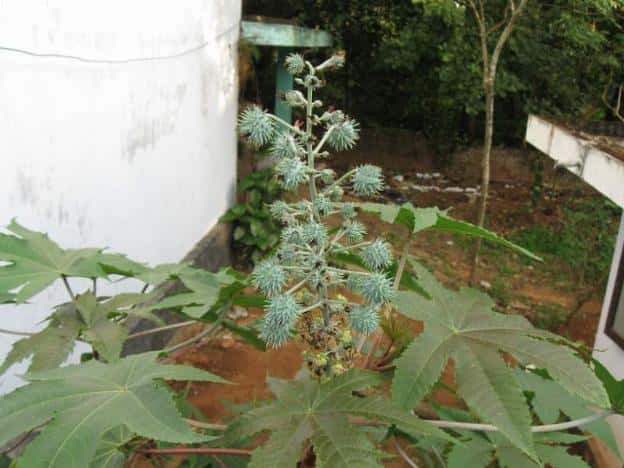
    An evergreen, glabrous shrub, 2-5 m high.

    Leaves— palmately 7-many-lobed, loboes oblong to linear, acute or acuminate.

    Flowers— in large terminal subpanicled racemes; in a dense globose head of branched filaments and anthers; yellowish

    Fruits— Capsules, globosely oblong, smooth or echinate.

    Seeds— oblong, smooth, mottled.

    Flowers and fruits occur almost throughout the year

    Distribution & Habitat :

    Cultivated throughout India and commonly found in the wild.

    Chemical constituents :

    Seeds & Leaves— ricinine (toxic alkaloid),

    Seed coat— Lupeol, lipids, phosphatides etc.

    Seed oil— arachidic, ricinoluc, palmitic, strearic acids: hexa decanoic, hydrocyanic & uric acids; squalene and tocopherols etc.

    Properties :

    Rasa :  Madhura, Katu, Kasãya

    Guna :  Snigdha, Tiksna, Sukshma

    Virya :  Usna

    Vipãka :  Madhura

    Karma : Kapha-vãtahara, virechana, Vrsya-(root), deepana, kushtaghna

    Purgative, anti-inflammatory, carminative, fever, ascites

    Indication :

    Vãta vyãdhi, kamala, Pliharoga, Udãvarta, Vastisula, Gulma, Antravrddhi,  sirahula, Prameha, Vãtarakta etc.helminthiasis, dysuria, arthritis, pain in the urinary bladder, dysuria, abscesses, lumbago, sciatica

    Part used :

    Root, leaf, seed, oil

    Dosage :

    Root powder 3-5 g

    decoction 50 to100ml

    seed 1-5 numbers

    oil. 5-10 ml.

    Amayika Prayoga / Therapeutic Uses

    Internal uses :

    Nervous system : Due to its properties of decreasing vata. rejuvenating, analgesic. medhya. relieving body ache it is used in diseases due to Vata such as hemiplegia. facial palsy, sciatica, tremors as well as headache and body ache. Castor oil is best as purgative.

    Digestive system : It is deepan being ushna veerya. bhedan by tikshna guna anthelmintic by its property of snigdha. Therefore it is used in ascites. abdominal colic. tumours, hepatosplenomegaly and piles. Oil taken at breakfast cures chronic constipation. To make it palatable, it is always taken by preparing emulsion with hot tea. Black masala prepared from castor roots is a very good carminative.

    Circulatory system : It is useful in cardiac pain.

    Respiratory system : It is kaphaghna by its ushna and tikshna property, therefore it is useful in bronchitis and asthma with predominance of kapha. This effect is attributed to the presence of kapha in stomach while castor oil effectively removes kapha by purgation.

    Urinary system : Dysuria and bladder pain are relieved by reducing pain and diuretic action.

    Reproductive system : Aphrodisiac together with shodhan property of drug is a rare combination which is found in castor oil. It is madhur. snigdha, aphrodisiac (root also), lactogenic, (tikshoa) and uterine shodhan, Therefore it is used in conditions of spermatorrhoea, lactogenic disorders and vaginal disorders. It is best in rheumatic arthritis.

    Important Yogas  or  Formulations :

    Erandmuladi kadha, Erand-Saptaka kashaya. Rãsna-erandãdi Kasaya, Simhanãda guggulu, Vãtãri guggulu, Hingu triguna taila, Erandãdi taila,

    Therapeutic Uses :

    1. Slipada— Eranda taila mixed with cow’s urine may be taken for one month while consuming diet of rice & milk (S.S.Ci. 19)

    2. Käsa— Ksãra of Eranda leaves is mixed with Trikatu, oil & jaggary is useful on oral administration (C.S.Ci. 18).

    IUCN Status: Not Evaluated

    Research Updates (Past 5 years):

    1. 2022 – Journal of Ethnopharmacology: Eranda taila studied for anti-inflammatory and analgesic effects in arthritis models.

    2. 2020 – Phytomedicine: Ricinoleic acid showed promising activity in intestinal motility regulation.

    3. 2019 – International Journal of Ayurveda Research: Clinical study on Erand Bhrishta Haritaki for constipation showed significant results.
    About Eranda

    Botanical Name

    Ricinus communis L.

    Family

    Euphorbiaceae

    Identification No.

    SDACH/HG/038

    Parts Used

    Root, leaves, seeds and seed oil

    Habitat

    India

    IUCN Status

    Not Evaluated

    Plant Photos
    Ayurvedic Properties

    Rasa

    Madhura, Katu, Kashaya

    Guna

    Snigdha, Tikshna, Sukshma

    Virya

    Sita

    Vipãka

    Madhura

    Contact Now

    Have queries? Contact Us.

    Have queries? We’re here to help you every step of the way.

    Contact us to get the right guidance for your academic journey at Shri Dhanwantry Ayurvedic College.

  • Dhatura

    Dhatura

    Botanical Name : Datura metel Linn

    Family :  SOLANACEAE 

    Identification No.: SDACH/HG/037

     Introduction :

    Dhattüra is found in Panini’s works. Sounaka quoted ‘Kanaknaka’ as a poisonous plant which is equated to Datura.Scientific classification: Daturas belong to the nightshade family, Solanaceae. Angel’s trumpet is classified as Datura inoxia, horn of plenty as Datura metel, and jimsonweed as Datura stramonium.

    Names in different Indian languages :

    English : Thorn-apple,Downy Datura

    Hindi : Dhatura,kaladhattura

    Kannada : unmatta

    Malayalam : unmattu

    Sanskrit : Dhatturah,dhustrurah

    Tamil : Ummattai

    Telugu : Ummattai

    Unani : Dhaturaa

    Synonyms :

    Dhattuura, Dhuurta, Dhastura, Unmatta, Shivapriya, Harapriya, Hema, Haatta, Dhustuura, Dhustuuraka, Kanaka, Maatula.Also equated with Raaj-dhatuura. (white var.)

    Varieties & adulterants – (CV – controversy, AD – adulterants)  :

    1. sveta   D. stramonium

    2. Krsna D. metel

     Morphology :

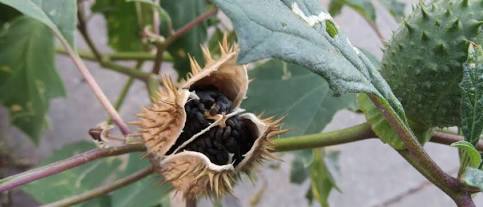
    spreading annual herb or shrub 1-2 m. height, pubesscent.

    Leaves— large, entire sinuate or toothed, unequal.

    Flowers— erect, whitish- purple; calyx long- tubular, 5-toothed at apex; corolla long-tubular to funnel-shaped.

    Fruit— capsule globose or ellipsoid, spinous, 4-valved or irregularly breaking up.

    Seeds— Compressed, rugose, brown, yellowish brown.

    Distribution & Habitat :

    Throughout India

    Chemical constituents :

    Hyoscine, Scopalamine, daturadiol, daturalone, factusine, beta- sitosterol, hyosine, hyoscyamine, fastudine, fastunine, fastusidine, fastusinine; daturanolone, allantoin, norhyoscyamine, datumetine, datumetlin, datumelin, daturilin, daturilinol, withametelin, niacin, vit.C, apohyoscine, norhyscine, cuscohygrine, meteloidine, noratropine, tropine, pseudotropine, apoatropine, daturametelin A & B etc.

    Properties :

    Rasa :  Tikta,

    Vipaka :  Katu

    Virya :   Usna

    Guna :  Laghu, Ruksa Katu

    Karma : Kapha-vata hara, Visaghna, Vrana, Kandü, Krimi, Kãsahara.

    Indication :

    Jwara, Kustha, Visha roga, Mütra Kricchra,Narcotic, anodyne, antispasmodic, emetic, useful  asthma, cough, ulcer, skin diseases, lumbago, sciatica, epilepsy, dandruff etc.

    Part used :

     Leaves, seed, root (seeds are purified by processing in dolayantra along with cow’s milk). Seeds are kept in cow’s urine for a week for purification.

    Dosage :

    Seed powder 50-100 mg

    Amayika Prayoga / Therapeutic Uses

    External uses :

    Leaf juice is applied in alopecia and inflammation. The paste of turmeric with juice of dhattura leaves is used in mastitis. In  galactorrhoea, hot fomentation of leaves is effective.

    Internal uses :

    Central nervous system : It is an intoxicant

    Respiratory system : Fomentation of the leaves and seeds is useful in asthma.

    Reproductive system : Seeds are useful as aphrodisiac in some patients.

    Digestive system : Formulations of dhattura seeds are used in enteric pains. Formulations like sutashekhar are useful in pain induced by pitta.

    Temperature : In fever with rigors, dhattura seeds in curds are given before rigors start. It alleviates rigors and also post pyrexia burning sensation and bodyache

    Important Yogas  or  Formulations :

    Kanakäsava, Sutasekhara rasa, Mahavisagarbha taila, Unmattarasa     

    Therapeutic Uses :

    1. Alarkavisa— Dhattüra and sveta Punarnavã combination is a very effective remedy (S.S.Ka. 7). – I am not recommending this treatment to patients.

    2. Krimi— Juice of Dhattura leaves mixed with mercury or juice of heated leaves singly destroys ticks and lice on local application (V.M.)

    3. Juice of Mandukaparni and paste of Dhattura root destroys the boils (C.D.).

    IUCN Status: Not Evaluated

    Research Updates (Past 5 years):

    1. 2021 – Pharmacognosy Review: Datura alkaloids studied for their bronchodilator effect in asthma.

    2. 2020 – Journal of Ayurveda and Integrative Medicine: Experimental study on analgesic and anti-inflammatory activity of Dhattura leaf extract.

    3. 2019 – Asian Journal of Pharmaceutical Sciences: Evaluated scopolamine from Datura as a nootropic and for anti-anxiety properties.


    About Dhatura

    Botanical Name

    Datura metel Linn.

    Family

    Solanaceae

    Identification No.

    SDACH/HG/037

    Parts Used

    Leaves, seeds, root

    Habitat

    India

    IUCN Status

    Not Evaluated

    Plant Photos
    Ayurvedic Properties

    Rasa

    Tikta

    Guna

    Laghu, Ruksha

    Virya

    Ushna

    Vipãka

    Katu

    Contact Now

    Have queries? Contact Us.

    Have queries? We’re here to help you every step of the way.

    Contact us to get the right guidance for your academic journey at Shri Dhanwantry Ayurvedic College.

  • Dadima

    Dadima

    Botanical Name : Punica granatum Linn

    Family:   Punicaceae    

    Identification No.: SDACH/HG/036                                  

    Introduction:

    It is one of the extensively used vegetable drug in the therapeutics by Brhat Trayi. The seeds (with pulp) are used as Hridya , Grahani, Atisãra.

    Names in different Indian languages :

    English : Pomegranate

    Hindi : Anar,dhalim

    Kannada : Dalimbe

    Malayalam : Matalam,urumampalam,

    Sanskrit : Limatalam,matalanarakam

    Tamil : Maathulai

    Telugu : Dadima

    Unani : Anaar,Roomaan,Gulnaar,Gulnaar Farsi.

    Synonyms :

    Daadima, Daadimba, Raktapushpa, Dantabijaa, Raktakusumaa, Lohitpushpaka.

    Classification according to Charaka, Susrutha & Vagbhata :

    Charaka : Chardinigrahana

    Susrutha : Parüsakãdi

    Vagbhata : Parüsakãdi

    Varieties & adulterants – (CV – controversy, AD – adulterants) :

    1. The sweet (Madhura)

    2. sour (Amla)

    3. Svädvamla

    Morphology :

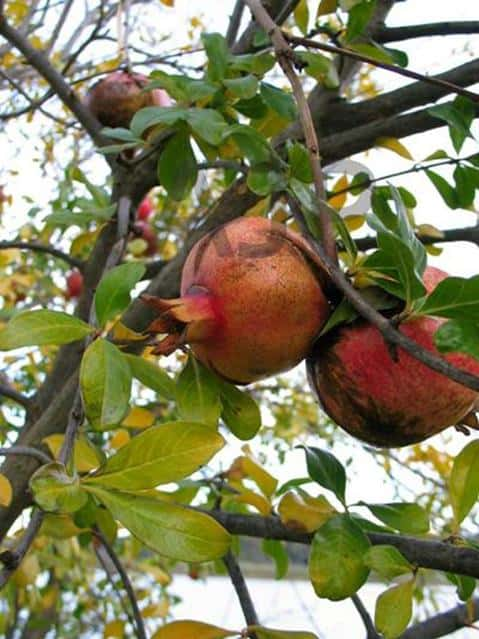
    It is shrub or small tree about 5- 8 m. height, deciduous, glabrous, often with spinescent bracelets.

    Leaves- simple, opposite or sub opposite , often fascicled on short petioles. oblong or obovate

    Flowers- globose, terminal or axillaries, solitary, large showy, scarlet or orange calyx coriaceous. persistent prolong above the ovary, free part companulate; ovary inferior.

    Fruits large globose, crowned by the somewhat tubular limb of the calyx. indetiscent, with a coriaceous rind; pulp red and juicy. sometimes white.

    Seeds- angular test a coriaceous (Flowers in April and fruits in June usually).

    Distribution & Habitat :

    All over India

    Chemical constituents :

    Ellagitannin, punicalagin, punicalin

    Properties :

    Rasa : Kasäya, Madhura, Amla

    Guna :  Laghu, Snigdha

    Virya : Usna

    Vipaka :  Madhuta/Amla

    Karma : Hridya, sukrala,Grahi, dipanam, rucyam,astringent, stomachic, digestive, cooling, Anthelmintic, diuretic

    Indication :

    Raktapita, raktatisara, raktarsas, jvara, Daha,ulcers, anaemia, splenomegaly, bronchitis, otalgia, dysentery, diarrohea, cardiotonic, scabies

    Part used :

    Seed, fruit, root, bark, leaves, fruit covering

    Dosage :

    Leaf juice 10-15 ml

    Powder 2-4 g

    Decoction 50-100 ml

    External uses :

    Due to its astringent nature the decoction of the bark is used in throat disorders and oral disorders as a gargle and also in ulcers.

    Internal uses :

    Nervous system : The Fruit acts as a brain Tonic, It acts on mental debility and associated disorders

    Digestive system : The fruit is an appetite stimulant, increases desire for foods, inhibits thirst, and acts as an astringent. It is also used on tape worm. weak appetite, amoebiasis, dipsia, peptic disorder and such pitta disorders, and also diarrhoea, loose motions, it is extremely useful. In worm infestation 10-20 ml. of the root bark decoction is given on an empty stomach followed by a laxative next day.

    Circulatory system : The fruit is cardio tonic and haemostatic. It is useful in blood disorders like anemia and bleeding disorders. In nose bleeds, the decoction of the fruit rind should be given as a nasya. Seeds should be used in acid peptic disease.

    Respiratory system : Being astringent. the bud ameliorates kapha. The fruit ads as an expectorant. In infantile kapha disorders, the fruit is ground in goat’s milk and is given as a licking agent. The flowers are useful in cough induced by vata and pitta.

    Urinary system : It acts as diuretic and hence useful in urinary disorders,

    Reproductive system : As it promotes semen, it is used in seminal debility. The decoction of fruit rind is used for uttarbasti in vaginal discharges.

    Important Yogas  or  Formulations :

    Dadimashtaka, Dadimadichurna, Dadimadighrita. Dadimadya taila, ganda hara curna.

    Amayika Prayoga / Therapeutic Uses: :

    1. Arsas- Ghee prepared with Dadima svarasa and Yavakara will check bleeding and pain (C.S.Ci.’4)

    2. Puyameha fruit rind of Dadima is made as infusion and administration  with sugar orally .

    IUCN Status: Least Concern

    Research Updates (Past 5 years):

    1. 2021 – Journal of Ethnopharmacology: Pomegranate extract showed significant antioxidant and anti-inflammatory activities in colitis model.

    2. 2020 – Phytotherapy Research: Evaluated pomegranate peel extract as an effective antimicrobial agent against oral pathogens.

    3. 2019 – BMC Complement Altern Med: Pomegranate polyphenols found to exhibit anti-diabetic and lipid-lowering effects in animal models.


    About Dadima

    Botanical Name

    Punica granatum Linn.

    Family

    Punicaceae

    Identification No.

    SDACH/HG/036

    Parts Used

    Fruit, seeds, root, bark, leaves, fruit rind

    Habitat

    India

    IUCN Status

    Least Concern

    Plant Photos

    Ayurvedic Properties

    Rasa

    Kashaya, Madhura, Amla

    Guna

    Laghu, Snigdha

    Virya

    Ushna

    Vipãka

    Madhura, Amla

    Contact Now

    Have queries? Contact Us.

    Have queries? We’re here to help you every step of the way.

    Contact us to get the right guidance for your academic journey at Shri Dhanwantry Ayurvedic College.

  • Durva

    Durva

    Botanical Name : Cynodon dactylon Pers.

    Family :  Gramineae; Poaceae  

    Identification No.: SDACH/HG/035    

    Introduction :

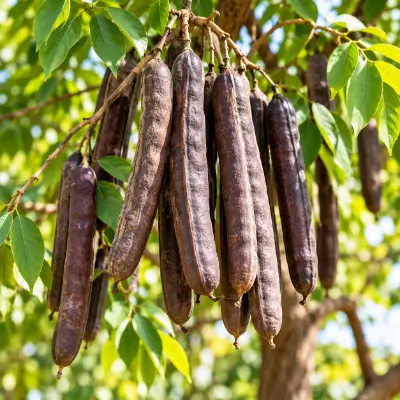
    Latin name: Cynodon = cyno = kyno = dog; dactylon = fingered. English name: Conch grass.

    Scientific classification: Grasses make up the family Poaceae (formerly Gramineae). Citronella is distilled from grasses of the genusCymbopogon. Kentucky bluegrass is classified as Poa pratensis. Bent grasses are classified in the genus Agrostis. Fescue grasses are classified in the genus Festuca. Bermuda grass is classified as Cynodon dactylon.Zoysia grasses are classified in the genus Zoysia. Buffalo grass is classified as Buchloë dactyloïdes, carpet grass as Axonopus affinis,redtop as Agrostis gigantea, and annual bluegrass as Poa annua

    Names in different Indian languages :

    English : Bermuda Grass,Bahama Grass,Couch Grass,dhub grass

    Hindi : Dub,durb

    Kannada : Garika hallu,kudigarike

    Malayalam : Karuka ,karukappullu

    Sanskrit : Duurvaa

    Tamil : Arukampillu,muyalpul

    Telugu : Garicagaddi,gerike

    Synonyms :

    Duurvaa,niladuurvaa Bhaargavi, Shatvalli, Shatparvaa, Tiktaparvaa, Shatviryaa, Sahastravirya, Shitaa, Anantaa, Golomi.

    Morphology :

    There are three varieties

    (1) white (described above) – this is used in medicine

    (2) Blue- this spreads over a large area and is also called as ananta, sahasraveerya, lata etc. and

    (3) Ganda durva (gandiri) – this grows near the edges of small ponds.

    Distribution & Habitat :

    Throughout India

    Chemical constituents :

     ferulic, syringic, p-coumaric, vanillic, p-hydroxybenzoic,  O-hydroxyphenyl acetic acids, tricin

    Properties :

    Guna: laghu;

    Rasa: madhur. kashaya, tikta;

    Vipaka: madhur;

    Virya: sheeta.

    Dosha: tridoshashamak, especially kaphapittashamak

    Karma : Vishaghna, kustaghna, kantughna, rakta prasadana, varnya

    astringent, diuretic,antidiarrhoeal, anticatarrhal,  antiseptic

    Indication :

    Vrana,  kusta,  visha, visarpa, raktarujam, daham, mutrakrichra

    epitaxis, haematuria, inflammed tumours, whitlows, cuts, wounds,  bleeding piles, cystitis, nephritis, scabies , skin diseases, menorrhagia,

    Part used :

      Whole plant

    Dosage :

    Leaf juice 10-15 ml

    Powder 2-4 g

    Decoction 50-100 ml

    Amayika Prayoga (Therapeutic Uses)

    Internal uses :

    It acts as an astringent, wound heater and reduces burning in cuts and wounds. Its juice or paste is used.

    It is also useful in conjunctivitis, burning sensation, diseases of the head caused by pitta, erysipelas. urticaria, pigment disorders and skin diseases. Internal uses: As it has a positive effect on the central nervous system, it is useful in epilepsy, schizophrenia and painful conditions. Since it is an astringent, it is useful in diarrhoea, vomiting, dysentery, haemoptysis, menorrhagia, syphilis, vaginal disorders, abortion etc. It acts as a hemostatic, uterine tonic and nourishes the foetus. It is an antidote to various poisons. All the parts of the plant are used in medicines.

    Important Yogas  or  Formulations :

       Durvadi taila and  gritha

    IUCN Status-Not Evaluated (NE)

    Research Updates

    Recent studies have highlighted Durva’s potential in various therapeutic areas:

    1. Antidiabetic Activity: Research indicates that Durva exhibits significant hypoglycemic effects, making it beneficial in managing diabetes.

    2. Wound Healing Properties: Studies have demonstrated that topical application of Durva juice accelerates wound healing due to its antimicrobial and anti-inflammatory properties.

    3. Antioxidant Effects: Durva contains potent antioxidants that help in reducing oxidative stress, contributing to its therapeutic efficacy in chronic diseases.

    About Durva

    Botanical Name

    Cynodon dactylon (L.) Pers.

    Family

    Poaceae (Gramineae)

    Identification No.

    SDACH/HG/035

    Parts Used

    Whole plant

    Habitat

    India

    IUCN Status

    Not Evaluated

    Plant Photos
    Ayurvedic Properties

    Rasa

    Madhura, Kashaya, Tikta

    Guna

    Laghu

    Virya

    Sheeta

    Vipãka

    Madhura

    Contact Now

    Have queries? Contact Us.

    Have queries? We’re here to help you every step of the way.

    Contact us to get the right guidance for your academic journey at Shri Dhanwantry Ayurvedic College.

  • Brhati

    Brhati

    Botanical Name : Solanum indicum Linn

    Family :  Solanaceae     

    Identification No.: SDACH/HG/034

    Introduction :

    Brhat Trayi mostly described it along with Kantakãri. Hence the name Brhati dravya.

    Names in different Indian languages :

    Hindi : Barhanta,birhatta

    Telugu : Cittimulaga,tellamulaka,kakamunci

    Tamil : Karimulli,puttiriccuntai, Mullamkatti, Papparamulli

    English : Poison berry

    Marathi : Dorali

    Gujarati : subhiringani;Bengali,Rambegun

    Kanada : Ramgula,vanavrntaki

    Malayalam : Puttiriccunta,cerucunta,ceruvalutina

    Sanskrit : Brhati, simhi

    Synonyms :

    Kshudrabhantaaki, Kateri, Duspradharsini, Mahati, Vãrtãki, Simhi, Hinguli,Solanum anguivi Lam.

    Classification according to Charaka, Susrutha & Vagbhata :

    Charaka : Kanthya, Hikkanigrahana, sothahara, Angamardaprasamana

    Susrutha : Brhatyãdi, Laghu pancamula

    Vagbhata : Brhatyãdi

    Varieties & adulterants – (CV – controversy, AD – adulterants) :

    1. sveta Brhati – S. torvum

     2. Simhi,

    3. Kantakãri,

    4. Nidigdhika,

    5. Valli Brhati,

    6. Vrtra Brhati,

    7. Alãmbu phala Brhati,

    8. Amla Brhati,

    9. Jala Brhati

     10. Sthüla Brhati.

    11. S. Insanum

    12. S. Torvum

    13. S. Ferox

    14. S. Aungvii

     15. S: trilobatum

    16. S. Melongena

    17. S. Insanum

    18. S. Helicantum

    19. S. Torvum

    Morphology :

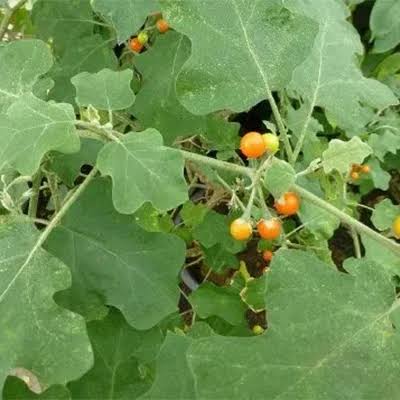
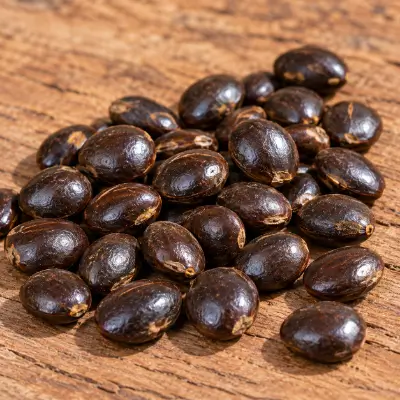
    Herbaceous,  stout, about  2 m high, prickly and densely wooly.

    Leaves— simple, large,o vate with short triangular lobes, villous above, stellately fulvous-woolly beneath.

    Flowers— in dense racemes, wooly, with needle-like hairs; shortly, funnel-shaped, lobes -ovate-triangular; corolla white-blue, oblong, acute.

    Fruits— berries, yellow when ripe.

    Seeds— smooth, many.

    Flowers and fruits during April-July.

    Distribution & Habitat :

    Found in the tropical parts of India.

    Chemical constituents :

    Solanine, Carotene, Carpesterol, Solanocarpone, diosogenin, beta-sitosterol, lanosterol, solasonine, solarnargine, solasodine, vit. C etc.

    Properties :

    Rasa -Katu, Tikta

    Guna -Laghu, Rüksa

    Virya -Usna

    Vipãka -Katu

    Karma :

    Kapha-vata hara. Sukra, recaka, kasaghna,rasayana

    carminative, expectorant, Digestive,  diuretic, laxative,

    Indication :

    svãsa, Hrdroga, Sula, Jvara, Chardi, Kustha, Kandü, Krmi.pruritus, colic, skin disease, fever, vomiting, antibacterial, cough, asthma

    Part used :

    Root, fruit.

    Dosage :

    Powder3-5.g; decoction 50-100 ml.

    External uses :

    Fumigation with this mixture also helps. Powdered seeds are applied on the genitalia in impotency. In unconsciousness, the powder of the seeds is administered Nasally

    Internal uses :

    Digestive system : It is ushna virya. deepana, pachana, astringent and anthelmintic. It is therefore used in indigestion, colic, anorexia and worm infestation. In vomiting, juice of the fruits + cow’s ghee+ honey is given.

    Circulatory system : Since it is a cardiac tonic, blood purifier and diuretic, it is used in cardiac failure. oedema and blood disorders.

    Respiratory system : It reduces cough and asthma. It is an excellent remedy for rhinitis, cough, asthma, soar throat and hiccups.

    Urinary system Since it is a diuretic. its used in dysuria and calculi.

    Reproductive system Its seeds have oxytocic and aphrodisiac properties. It is useful in ammenorrhoea, dysmenorrhoea and puerperal disorders. Seeds also promote virility.

    Temperature: Febrifuge. Hence it is used in fever caused by vata and kapha.

    Important Yogas  or  Formulations :

    Brhatyadi kwath, Bnihatyadi gana, Dashamoolarishta. Brhatyadi Kasaya, Pippalyãdi  leha.

    Amayika Prayoga (Therapeutic Uses) :

    (1) Grahani— Brhati is taken with butter milk (S.O.S. 2/5/28).

    (2) Khãlitya— Fresh juice of Brhati fruit is mixed with honey and used for local application (V.M. & G.N.).

    (3) Prajãsthãpana— sveta Brhati root juice is given as Nasya (V. S.).

    IUCN Status

    Not Evaluated (NE)

    Research Updates

    1. Anti-inflammatory Activity: Research indicates that Bṛhatī exhibits significant anti-inflammatory effects, making it beneficial in managing inflammatory conditions.

    2. Antioxidant Properties: Studies have demonstrated that Bṛhatī contains potent antioxidants that help in reducing oxidative stress.

    3. Antimicrobial Effects: Bṛhatī has shown antimicrobial activity against various pathogens, supporting its traditional use in infections.

    About Brhati

    Botanical Name

    Solanum indicum L

    Family

    Solanaceae

    Identification No.

    SDACH/HG/034

    Parts Used

    Root, fruit

    Habitat

    India

    IUCN Status

    Not Evaluated

    Plant Photos
    Ayurvedic Properties

    Rasa

    Katu, Tikta

    Guna

    Laghu, Ruksha

    Virya

    Ushna

    Vipãka

    Katu

    Contact Now

    Have queries? Contact Us.

    Have queries? We’re here to help you every step of the way.

    Contact us to get the right guidance for your academic journey at Shri Dhanwantry Ayurvedic College.

  • Bibhitaka

    Bibhitaka

    Botanical Name : Terminalia bellirica Roxb.

    Family : Combretaceae     

    Identification No.: SDACH/HG/033                              

    Introduction :

    In Rig-Veda we come across the herb ‘Vibhitaka’. its branches (dried) are used for Yajna. Folk consider its seeds as poisonous. in the recent studies an edible oil is obtained from Vibhitaki seeds. it is one of the ingredients in Triphalã (three myrobalans).

    Names in different Indian languages :

    Hindi : Baheda

    Telugu : Tanni

    Tamil : Tanikayá,tanni

    English : Belleric myrobalan

    Kanada : Behara

    Malayalam : Tannika,tanni

    Bengali : Baida

    Sanskrit : Vibhitakah,aksah

    Unani : Balelaa,Baheraa

    Synonyms :

    Bibhitaka, Vibhitaka, Bibhitaki, Bibhita, Baibhita, Aksha,Akshaka, Kaamaghna, Kalidru Kali,  Karshaphala.

    Classification according to Charaka, Susrutha & Vagbhata :

    Charaka : Jvara hara, Kãsa hara, Virecanopaga

    Susrutha : Mustãdi, Triphalã

    Vagbhata : Mustãdi

    Morphology :

    It is a large tree, 20-25 m. high, with pubescence on young branchiets.

    Leaves-Simple, Clustered at the end of branchlets like mango tree, coriaceous, pale beneath, broad elliptic or obovate elliptic, 8-20 cm long, base often unequal.

    Flowers- in slender spikes, interrupted, 8-15 cm. long, grey, or greenish-yellow, with strong, offensive smell.

    Fruits- ovoid, grey, velvety, with 5 or more less indistinct furrows; nut thick and hard. (Flowers in March-May and fruits in December-February)

    Distribution & Habitat :

    Throughout India

    Chemical constituents :

    Fruits- fructose, galactose, glucose, mannitol, rhamnose, sitosterol

    Seed-edible oil Seed-coat-gallic acid Bark & heartwood- chebulagic acid, ellagic acid

    Properties :

    Rasa- Kasäya .

    Guna -Rüksa, Laghu

    Virya- Usna

    Vipãka -Madhura

    Karma :

    Kapha-pittahara, Kesya, Caksusya, Bhedana, Madakãri (Phala Majjã)

    purgative when half ripe, astringent when ripe,antipyretic

    Indication :

    Jvara, Kãsa, Svãsa, Atisãra, Asmari, Chardi, Trisnä.

    Part used :

     Fruit rind, seed, seed kernel

    Dosage :

    Powder 3-6 g

    Amayika Prayoga/Therapeutic Uses:

    External uses :

    analgesic, haemostatic and gives black color to the skin and hair, Oil is a hair tonic.An application of the fruit or oil extracted form the fruit pulp is useful in painful conditions, The oil is used in skin diseases, leucorrhoea. The powder is used for local application on the eyelids in conjunctivitis.

    Internal uses :

    Nervous system : The pulp is intoxicant and analgesic(This may be due to the action of bibheetaka on majja dhatu.) 

    Digestive system : laxative and anthelmintic. Half ripe fruit is purgative and ripe fruit is astringent. It is astigmatic and reduces excessive thirst.

    Circulatory system : It is used as a blood coagulant due to its astringent property.

    Respiratory system : It helps in asthma and cough by reducing the inflammation of the bronchi.

    Reproductive system : The pulp is an aphrodisiac.

    Temperature : Febrifuge. 

    Satmikaran : rakta, mamsa and medoghna ,dhatuvardhak because of its madhur vipak.

    Eyes: Dried bibheetaka is good for the eyes. Bibheetaka + honey is used for local application in eye diseases.

    Important Yogas  or  Formulations :

    Bibheetaka taila, Triphala churna. Phalatrikadi kwatha, Lavangadivati; Aksha taila, Talisädi churna. Lavangadi churna.

    Therapeutic Uses :

    (1) Svitra— Aksha taila is applied externally (A.H.Ci.20)

    (2) Amari— Powder of Vibhitaki seeds is given with Surä (S. S .Ut. 58).

    (3) Kãsa & svãsa— Vibhitaki powder is given with honey after meals (C.D.).

    (4) Atisãra— Vibhitaki fruit burnt into and given with salt (V.S.)

    IUCN Status: Least Concern 

    Research Updates (Past 5 Years):

    1. Antioxidant Activity (2020): Study confirmed high antioxidant properties in Terminalia bellirica extracts. 

    2. Antimicrobial Effects (2021): Demonstrated efficacy against respiratory pathogens. 

    3. Anti-diabetic Potential (2022): Showed hypoglycemic effects in animal models. 


    About Bibhitaka

    Botanical Name

    Terminalia bellirica Roxb.

    Family

    Combretaceae

    Identification No.

    SDACH/HG/033

    Parts Used

    Fruit rind, seeds, seed kernel

    Habitat

    India

    IUCN Status

    Least Concern

    Plant Photos

    Ayurvedic Properties

    Rasa

    Kashaya

    Guna

    Ruksha, Laghu

    Virya

    Ushna

    Vipãka

    Madhura

    Contact Now

    Have queries? Contact Us.

    Have queries? We’re here to help you every step of the way.

    Contact us to get the right guidance for your academic journey at Shri Dhanwantry Ayurvedic College.

  • Bharangi

    Bharangi

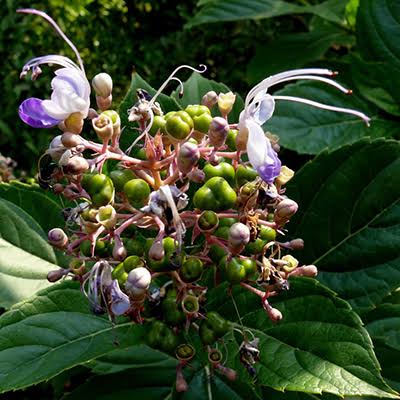
    Botanical Name : Clerodendrum indicum (Linn.)Moon

    Family : Verbenaceae

    Identification No.:- SDACH/HG/032

    Introduction : Bhargi is the classical drug  used in the treatment of respiratory disorders.

    Names in different Indian languages :

    Hindi : barangi

    Telugu : Gantubharangi

    Tamil : sirutekku

    Marathi : Bharangi

    Gujarati : Bharangi

    Kanada : gantabarangi

    Malayalam : cerutekku

    English : Blue-flowered Glory tree, Beetle Killer

    Sanskrit : Bhaargi

    Synonyms :

    भारङ्गी कण्टकारिका स्यात्कासमर्दोऽथ पूतिकः। 

    कासारिः कासहन्त्री च कासघ्नी कटुतुम्बुरुः॥ 

    Bhaarangi, Angaarvalli, Phanji, Braahmanyashtikaa, Kharshaak, Padma, Bhragubhavaa, Brahmayashtikaa

    Classification according to Charaka, Susrutha & Vagbhata :

    Charaka : Purisasangrahanisya

    Susrutha : Pippalyidi

    Vagbhata : Pippalyidi

    Varieties & adulterants – (CV – controversy, AD – adulterants) :

    1. C. indicum – Bhargi  [CV]

    2. C. serratum

    3. Bhändirã – C. indicum [CV]

    4. Pigmacopremna herbaca (Roxburg.) Moldenk  -[CV]

    5. C. infortunatum   -[CV]

    6. Siphonanthus indica  -[AD]

    Morphology :

    A shrub, 1.5-3 m high, glabrous; hollow branches.

    Leaves— simple, opposite, lanceolate,

    Flowers— elongated terminal panicles; braces linear; calyx campanulate; corolla white, glabrous.

    Fruits— drupes, blue.

    Seeds— oblong.

    Flowering and fruiting :

    between May to October.

    Distribution & Habitat :

    Found commonly all over India.

    Chemical Constituents :

    serratagenic, oleanolic , queretaric acids, alpha-spinasterol , luteolin, apigenin, baicalein, scutellarein, phenolic acids,caffeic, ferulic acids, Hispidulin,glucuronides, scutellarein, uncinatone, pectolinarigenin etc.

    Properties :

    Rasa Tikta, Katu

    Guna Laghu, Rüksa

    Virya Usna

    Vipãka Katu

    Karma:  Kapha-vatahara, Jvarahara, Kasahara, deepana, pachana

    Antiasthmatic, antihistaminic, antispasmodic, antitussive carminative, febrifuge

    Part Used :

    Root

    Dosage :

    Powder 3-6 g.

    Indications :

    svãsa, Kãsa, sotha, Vrana, Krmi, Dãha. jvara, Pinasa

    Asthma, cough, skin disease, leucoderma, fever.

    External uses :

    Bharngi is raktagami, vitiates blood and removes the obstruction in the circulatory channels and alleviates swelling. Hence leaves ground in a paste is used  this paste is applied over lymphadenopathy. Leaf juice is applied on erysipelas.

    Internal uses :

    Digestive system : Being an appetizer. digesting and laxative, it is useful in anorexia, loss of appetite and gulma. Seed rubbed in butter-milk is useful in ascites. 

    Circulatory system : Raktagami. purifies blood, improves agni of rakta and alleviates oedema. It is therefore used in blood disorders like abscess caused by Vata, kapha etc

    Respiratory system : Since it is snigdha and madhur, it acts as an expectorant. It is therefore useful in cough and hoarseness of voice. Raktagami. kaphanashak property is also helpful in cold and tuberculosis. Mixture of bharngi root juice and ginger juice is given in asthma to reduce the attacks of dyspnoea.

    Reproductive system : In amenorrhoea. bharngi powder is used along with decoction of sesame seeds (Vaghbatta Chi. 34/120).

    Skin : Diaphoretic.

    Temperature : Being ama digestant, hot (diaphoretic), it is used in fever. Cooked vegetable of bharngi leaves is given in malaria.

    Srotogamitva

    Dosha : Alleviates kapha, vata.

    Dhatu : Rasa, rakta. raktagami (rodhanashan).

    Mala : Anthelmintic.

    Organs : Respiratory -uterus (useful in fibroid, amenorrhoea).

    Important Yogas or Formations :

    Bharngiguda, Bharngyadi kwath. Bharngi sura. Bharngyadi Kasäya, Bharngi guda.

    Important research work  going on :

    (1) anti-cholinesterase activity

    (2) antihistamine activity

    Amayika Prayoga (Therapeutic Uses) :

    (1) Vrikhsana vãta— Bharngi root is collected  and pounded with Tusodaka. This is given orally to treat inguinal hernia (V.S.).

    (2) svãsa— Bharngi and Sunthi are given with hot water or Sunthi, Bharngi and Suvarca lavana are to be given together (V. M)

    (3) Gandamãlã— Application of Bharngi with Kãnjika

    IUCN Status

    Least Concern (LC). 

    Research Updates (Past 5 Years)

    1. Antiasthmatic Study (2020): Root extract showed bronchodilator effects in animal models. 

    2. Anti-inflammatory (2021): Significant reduction in edema in preclinical trials.

    About Bharangi

    Botanical Name

    Clerodendrum indicum (L.)

    Family

    Verbenaceae

    Identification No.

    SDACH/HG/032

    Parts Used

    Root

    Habitat

    India

    IUCN Status

    Least Concern

    Plant Photos

    Ayurvedic Properties

    Rasa

    Tikta, Katu

    Guna

    Laghu, Ruksha

    Virya

    Ushna

    Vipãka

    Katu

    Contact Now

    Have queries? Contact Us.

    Have queries? We’re here to help you every step of the way.

    Contact us to get the right guidance for your academic journey at Shri Dhanwantry Ayurvedic College.

  • Bakul

    Bakul

    Botanical Name :  Mimusops elengi Linn.

    Family : Sapotaceae   

    Identification No.:- SDACH/HG/031 

    Introduction :

    Latin name : Mimusops = mimo = an ape, monkey flower: elingi= Malayan name.

    Names in different Indian languages :

    English : Spanish-Cherry,West Indian Medlar,Bullet Wood

    Hindi : Bakul,maulsiri

    Kannada : Pagademara

    Malayalam : Ilanni,elanji

    Sanskrit : Bakula

    Tamil : Magilam

    Telugu : Pogada

    Unani : Molsari

    Synonyms :

     Morphology :

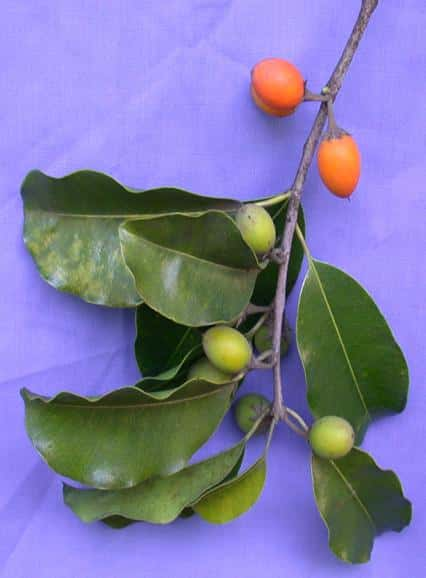
    This evergreen tree is 15 mtrs. high and provides a thick shade. Bark is ash coloured an broken. Trunk is hard, heavy, brownish externally and red from inside.

    Leaves – 9 cm. long and 6 cm. broad, pointed with serpentile ends.

    Flowers – white in colour and give out a sweet fragrance even on drying. Flowers are preserved by making garlands out of them.

    Fruits – oblong, green when raw, astringent and sticky. Ripe fruits are yellow, sweet and easily breakable.

    Flowering season lasts for 6 months from April- May. Male plant bears flowers only whereas female plant bears flowers and fruits. The flowers, fruits and plants of brihat bakul are larger

    Distribution & Habitat :

    Throughout India

    Chemical constituents :

    Tannin, spinasterol, taraxerol, D-mannitol, beta-sitosterol,  beta-sitosterol- D-glycoside , pentacyclic triterpene acids, mimusopic, mimusopsic acids

    Properties :

    Guna: guru

    Rasa: katu, kashaya

    Virya: anushna

    Vipaka: katu

    Karma : Danta sula haram, balyam, hridyam, vishaghnam, brimhanam, samgrahi, lekanam

    carminative, digestive, astingent,cooling, diuretic, antimicrobial, antifungal, anthelmintic, antiviral, antipyretic, anti-inflammatory

    Indication :

    Sirasulam,

    Ulcers, wounds, fever, skin disease, cough, piles, leucorrhoea, mouth ulcers

    Part used :

    Whole plant

    Dosage :

    Leaf juice 10-15 ml

    Powder 2-4 g

    Decoction 50-100 ml

    Amayika Prayoga (Therapeutic Uses)

    External uses :

    flowers acts as nervine tonic and generate freshness of mind. Powder of the flowers is used for nasal administration in headache. Bark powder is used for strengthening gums and teeth and in pyorrhoea.

    Internal uses :

    Decoction of the bark is astringent and is therefore used in diarrhoea, dysentery and intestinal worms. Alcoholic extract of flowers is useful in heart diseases as it acts specifically on the heart and blood. Flowers and bark have good hemostatic activity and are therefore used in menorrhagia, leucorthoea, spermatorrhoea, cystitis, gonorrhoea etc. Ripe fruits are used as general tonic

    IUCN Status

    Not Evaluated (NE). 

    Research Updates (Past 5 Years)

    1. Antimicrobial Activity (2021): Bakul bark extract showed significant activity against oral pathogens. 

    2. Cardioprotective Study (2022):Flower extract exhibited antioxidant effects in cardiac tissues. 

    3. Dental Health (2023): Clinical trial confirmed efficacy of Bakul mouthwash in gingivitis.


    About Bakul

    Botanical Name

    Mimusops elengi L

    Family

    Sapotaceae

    Identification No.

    SDACH/HG/031

    Parts Used

    Whole plant

    Habitat

    India

    IUCN Status

    Least Concern

    Plant Photos

    Ayurvedic Properties

    Rasa

    Katu, Kashaya

    Guna

    Guru

    Virya

    Anushna

    Vipãka

    Katu

    Contact Now

    Have queries? Contact Us.

    Have queries? We’re here to help you every step of the way.

    Contact us to get the right guidance for your academic journey at Shri Dhanwantry Ayurvedic College.

  • Asthishrinkhala

    Asthishrinkhala

    Botanical Name : Cissus quadrangularis  Linn.

    Family :   Vitaceae    

    Identification No.: SDACH/HG/030

    Introduction :

    Latin name : cissus — intruns; quadriangularis quadri four, the stalk has 4 edges.

    Nowadays this plant is using very much to heal bone fracture.

    Names in different Indian languages :

    English : Square Stalked Vine,Adamant Creeper

    Hindi : Hadjob ,hadjora

    Kannada : Mangarahalli

    Malayalam : Changalamparanda, perenta

    Sanskrit : Ashtisrinkhala

    Tamil : Pirantai,vajjravalli

    Telugu : Nalleru,nulleratiga

    Unani : Hadjod

    Synonyms :

    Asthisamhaara, Asthisamhrita. Asthi-samyojaka, Vajravalli, Chaturdhaaraa

    Vitis quadrangularis  Wall

    Morphology :

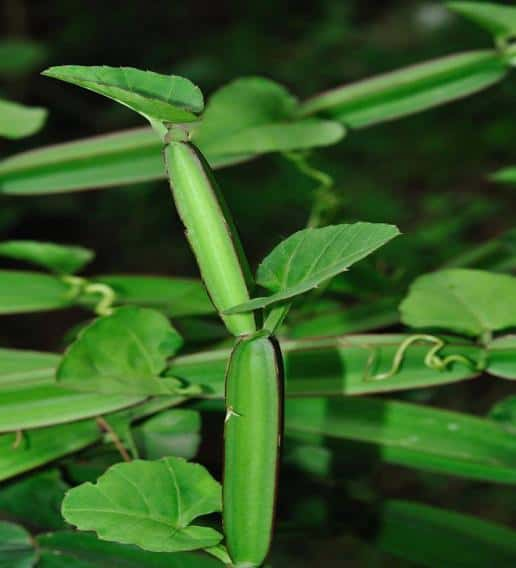
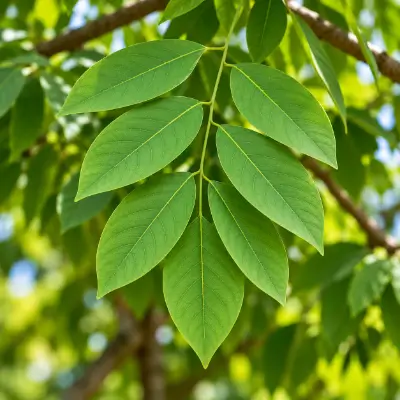
    It is a creeper having green and quadrangular stalk which have nodes in between, Therefore it looks like a chain.

    Leaves — small, divided into 3 to S parts and have serrated margins, flowers — white with a hairy appearance,

    Fruits — round and red, If it is bent into the ground, it grows,

    Distribution & Habitat :

    Throughout India

    Chemical constituents :

    phytogenic steroid, ketosteroids, sitosterol, alphaamyrin, alpha-ampyrone ,  tetracyclic triterpenoids, vitamin C

    Properties :

    Guna : laghu, ruksha;

    Rasa : madhur;

    Vipaka : amla;

    Veerya , : ushna;

    Karma : Deepana, pachan, sulaghna, kandu Fracture healing , carminative, digestive,astingent

    Indication :

    Pliha roga, agnimandya, sula, gudakeelaka, apsmaram, vata roga, dusta vrana, gulma

    irregular menstruation, scurvy

    Part used : Whole plant

    Dosage :

    Leaf juice 10-15 ml

    Powder 2-4 g

    Decoction 50-100 ml

    Amayika Prayoga / Therapeutic Uses:

    External uses :

    External uses : It has haemostatic and joining properties, In bone fractures, it is applied locally or its oil is applied, In nasal bleeding, its juice is used as  nasal drops

    Internal uses :

    In bone fractures its juice is given orally ( unite the bones faster.)

    IUCN Status:

     Not Evaluated (NE)

    Research updates –

    1. 2021: Clinical trial confirmed fracture healing properties in tibial fractures.

    2. 2022: In vitro studies showed anti-inflammatory and analgesic effects comparable to NSAIDs.

    3. 2023: Animal model study demonstrated increased osteoblast activity and calcium deposition with stem extract.


    About Asthishrinkhala

    Botanical Name

    Cissus quadrangularis L

    Family

    Vitaceae

    Identification No.

    SDACH/HG/030

    Parts Used

    Whole plant

    Habitat

    India

    IUCN Status

    Not Evaluated

    Plant Photos
    Ayurvedic Properties

    Rasa

    Madhura

    Guna

    Laghu, Ruksha

    Virya

    Ushna

    Vipãka

    Amla

    Contact Now

    Have queries? Contact Us.

    Have queries? We’re here to help you every step of the way.

    Contact us to get the right guidance for your academic journey at Shri Dhanwantry Ayurvedic College.

  • Ashvattha

    Ashvattha

    Botanical Name: Ficus religiosa Linn.

    Family: Moraceae 

    Identification No.: SDACH/HG/029 

    Introduction :

    Relijosa = holy sacred.

    Scientific classification: Figs constitute the genus Ficus, of the family Moraceae. The common commercial fig is classified as Ficus carica,the sycamore fig as ficus sycomorus, and the pipal, or sacred fig, asFicus religiosa. The common rubber plant is classified as Ficus elastica,and the banyan tree, or Indian fig, as Ficus bengalensis. The two figs native to the subtropical United States are classified as Ficus aurea andFicus citrifolia

    Fig, common name for plants of a genus of the mulberry family, and for the fruits of these plants. The common commercial fig, native to southwest Asia, is widely cultivated in tropical and subtropical countries. It is a low, deciduous tree, about 5 to 8 m (about 15 to 25 ft) tall, having deeply lobed, alternate leaves that are rough above and smooth beneath; branches are covered with downy, greenish bark.

    The small flowers of the fig plant are borne on the inner surface of a fleshy, hollow organ called a receptacle, and the fruit is the result of further growth of the receptacle. Many commercial fig varieties produce no fertile pollen, and as fruit development cannot proceed without fertilization, pollen of the wild fig is used for these varieties. Fruits of other varieties develop without fertilization.

    Names in different Indian languages :

    English : Peepal,Bot-tree,sacred fig

    Hindi : Pippal, pipar

    Kannada : Aswaththa

    Malayalam : Aryal

    Sanskrit : Ashvattha,pippalah

    Tamil : Arasu,Ashvatham.

    Telugu : Ravi

    Unani : Peepal

    Synonyms :

    Ashvattha, Bodhidru, Bodhivrkisha, Sebya, Chalapatra, Gajabhaksha, Kshiradruma, Peeppal.

    Morphology :

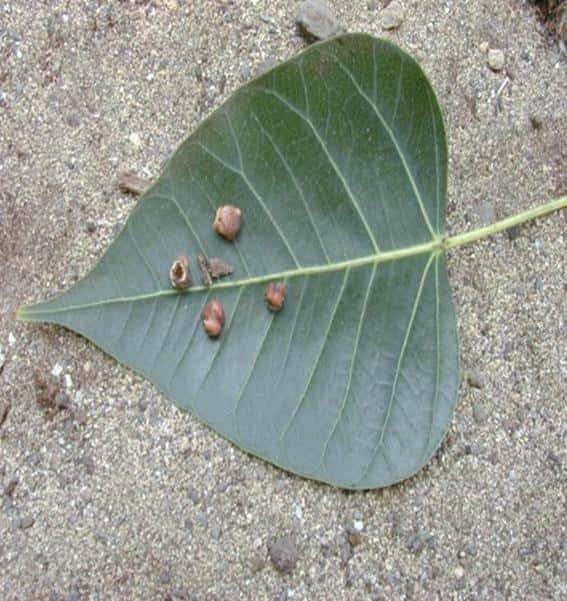
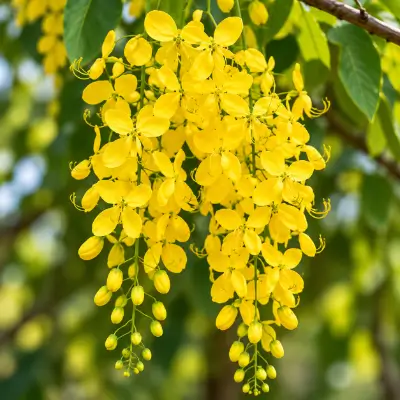
    Tree is very huge and tall. In old trees the bark cracks. Leaves- soft shiny, heart shaped with 5-7 veins and pointed tip. Because of this arrangement with a slight wind the leaves shake. (It is said that when the leaves of pipal are still, it is assumed there is no wind). Fruits – small round green when raw and red when ripe. Fruits appear in summer and ripe in monsoon, Old pipal tree produces a sealing wax which is known as krimi). A very small quantity of secretions falls on the ground from pipal tree. Hindus and especially Buddhists consider pipal tree as a very sacred tree

    Distribution & Habitat :

    Throughout India

    Chemical constituents :

    beta-sitosteryl-Dglucoside. Vitamin K, n-octacosanol, methyl oleanolate, lanosterol, stigmasterol, lupen-3-one, tannins

    Properties :

    Guna : guru, ruksha;

    Rasa : kashaya;

    Vipaka :  katu;

    Veerya : sheeta

    Karma : Hridyam, vishaghna, raktadosha, kushtaghna

    astringent, antiseptic, laxative, haemostatic, vaginal disinfectant

    Indication :

    Kusta, daha, kasa, swasa, yonidosha,menorrhagia, metrorrhagia, blood dysentery, bleeding piles, haematuria and haemorrhages, diabetes, diarrhoea, leucorrhoea, nervous disorders, skin diseases

    Part used :

    Bark, leaves, fruits, latex

    Dosage :

    Leaf juice 10-15 ml

    Powder 2-4 g

    Decoction 50-100 ml

    Amayika Prayoga (Therapeutic Uses)

    External uses :

    Complexion enhancer – paste of aerial roots is applied locally. The powder of bark is sprinkled on the wounds. its latex is useful in reducing pain and swelling and also acts as haemostatic.

    Internal uses :

    Being astringent bark is used in vomiting, diarrhoea, dysentery. Ripe fruits of pipal are used in stomachache and constipation. In diabetes fruits and bask are used, Decoction of the bark + honey and 6,iits are useful in gout, blood disorders and bleeding disorders, powdered dry fruits are given for conception. Emits, roots, bark and aerial roots processed in mills- sugar + honey is prescribed as an aphrodisiac. (Infertile couples are advised to worship pipal tree). Bark,fruits and leaves are used for medicinal purpose.

    IUCN Status:

    Not Evaluated

    Research Updates (Past 5 Years):

    1. 2021: Study on the hypoglycemic effects of Ficus religiosa bark extract in diabetic models.

    2. 2022: Evaluation of anti-inflammatory properties of leaf extracts in vitro.

    3. 2023: Clinical trial assessing the efficacy of bark decoction in managing oral ulcers.

    About Ashvattha

    Botanical Name

    Ficus religiosa L.

    Family

    Moraceae

    Identification No.

    SDACH/HG/029

    Parts Used

    Bark, leaves, fruits and latex

    Habitat

    India

    IUCN Status

    Not Evaluated

    Plant Photos
    Ayurvedic Properties

    Rasa

    Kashaya

    Guna

    Guru, Ruksha

    Virya

    Shita (Sheeta)

    Vipãka

    Katu

    Contact Now

    Have queries? Contact Us.

    Have queries? We’re here to help you every step of the way.

    Contact us to get the right guidance for your academic journey at Shri Dhanwantry Ayurvedic College.