Shri Dhanwantry Ayurvedic College

Category: Dravyaguna Vigyan Blogs

  • Madhuka

    Madhuka

    Botanical Name : Madhuca indica J. F. Gmel.

    Family : Sapotaceae

    Identification No.: SDACH/HG/098

    Introduction :

    Latin name : Mudhuka = from the Sanskrit name – madhuk; indira = Indian or Bassia = after Fernando Bassi, Curator of the Botanical garden of Bologna, Italy; latifolia = broad leaves.

    Names in different Indian languages :

    English : Indian butter tree, Mahwa tree.

    Hindi : Mahva, mohva

    Kannada : Erappe

    Malayalam : Ilippa, irippa

    Sanskrit : Madhukah

    Tamil : Ieluppai.

    Telugu : Ippa

    Unani : Mahuaa

    Synonyms :

    “मधुको गुडपुष्पश्च मधुपुष्पो मधूलकः। 

    मधुस्रावी तथा मोदप्रदो माकन्द इत्यपि॥” 

    Teekshnasar, Vanaprastha, Madhusrav, Dholaphala, Swadupushpa. Madhushthil, Madhuuka, Madhupushpa, Gudapushpa

    Madhuca longifolia (Koen.) Macb. var. latifolia (Roxb.) Cheval.

    Bassia latifolia Roxb.

    Varieties & adulterants – (CV – controversy, AD – adulterants) :

    One of the varieties called jalamadhuk grows in marshy land. The sweet portion of the flowers gets quickly converted to alcohol. The flowers are used to make liquor

    Morphology :

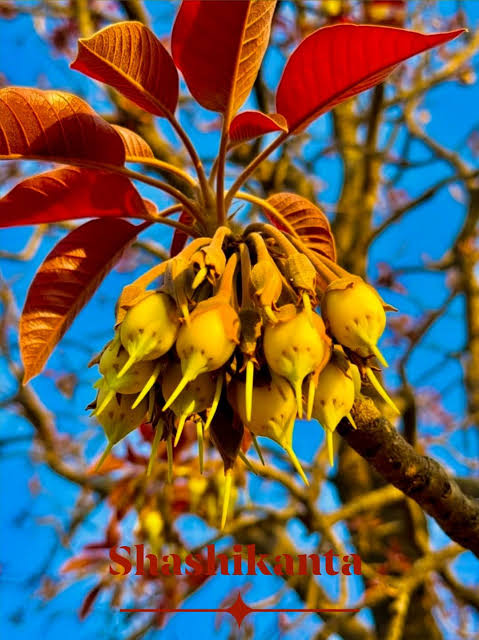
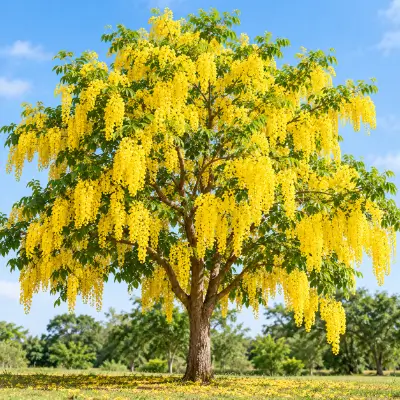
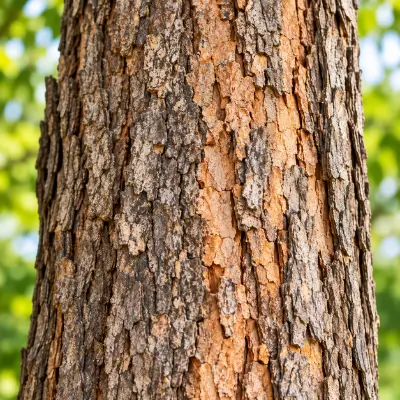
    It is an evergreen tree growing to a height of 10-16 mtrs. Bark – blackish or greyish in colour, torn, but the wood is brownish.

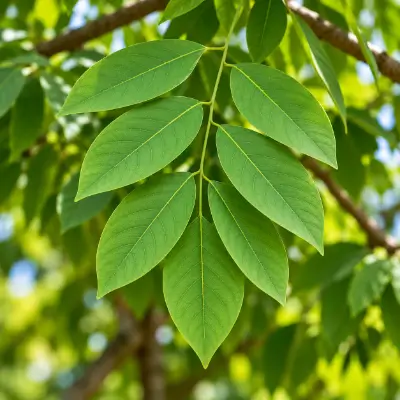
    Leaves – 8 to 15 cm. in length, simple, oblong-oval, with 10 to 12 veins, ends in bunches

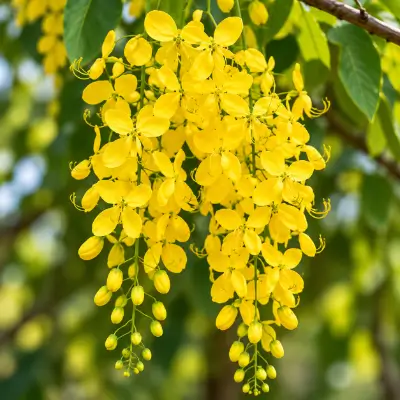
    Flowers – white, juicy and contain a sugar-like substance.

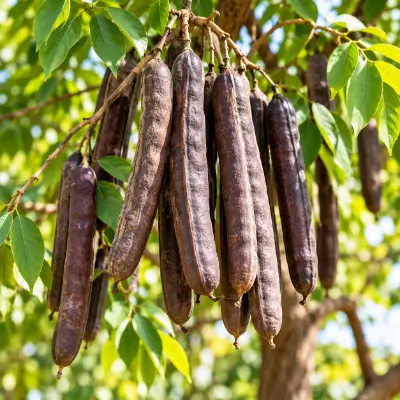
    Fruits – berry , oblong, 1/2 inch long, initially green and then turning to yellow.

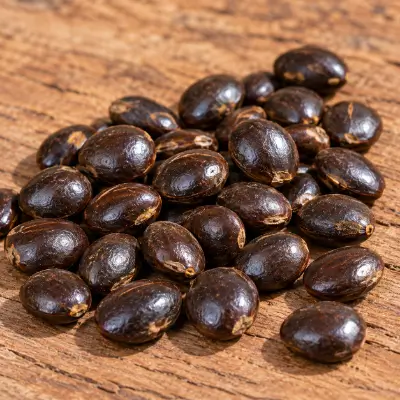
    Fruit contains 1-4 red coloured seeds. The tree flowers in summer and fruits in rainy season.

    Distribution & Habitat :

    Western Ghats

    Chemical constituents :

    alpha- and beta-amyrin acetate, n-hexacosanol, beta-D-glucoside ,  beta-sitosterol , free sitosterol.

    Properties :

    Rasa: madhur, kashaya;

    Guna: guru, snigdha;

    Virya: sheeta(dry flowers are ushna);

    Vipaka – Madhur

    Karma : krimisodanam, vrisyam, balym, rasayana stimulant, demulcent, laxative, anthelmintic, bechic, emetic

    Indication : krimi, trishna, jwara, vrana pneumonia, skin diseases, piles, tonsilitis, gum troubles, diabetes, ulcers, gout

    Part used :

    Bark, flower, fruit, seed

    Dosage :

    2-4 g bark powder

    Uses :

    Massage done with the oil prepared from madhuk is analgesic. flower juice is rubbed on the skin in dermatoses and is used as nasal drops in pittaj headache, flower pulp is given along with milk in nerve disorders as a nervine tonic. Decoction of the flowers or it is used in oedema, diarrhea, dysentery and thirst and it is a carminative and astringent. Juice of fresh flowers is used in bleeding disorders. It is used in bronchitis and asthma as an expectorant and in hiccups. Flowers are aphrodisiac and galactogouge and hence used in seminal debility and reduced breast milk secretion. The pulp of the seeds is used to prepare vaginal suppository for inducing menstrual bleeding. Madhuk is also useful in dysuria. Fever and burning .

    Important Yogas or Formations :

    madhukasava       

    Therapeutic Uses (Amayika Prayoga): 

    External: 

    – Flower paste for skin inflammation 

    – Seed oil for massage in arthritis 

    Internal: 

    – Flower decoction (50-100 ml) as general tonic 

    – Bark powder (1-3 g) for diabetes 

    IUCN Status: Least Concern 

    Research Updates (Last 5 Years): 

    1.2020 Hypoglycemic effects confirmed 

    2. 2022: Wound healing activity of bark extracts 

    3. 2023: Flower antioxidants studied for anti-aging

    About Madhuka

    Botanical Name

    Madhuca indica J. F. Gmel.

    Family

    Sapotaceae

    Identification No.

    SDACH/HG/098

    Parts Used

    Bark, Flowers, Fruits, Seeds

    Habitat

    India

    IUCN Status

    Least Concern

    Plant Photos

    Ayurvedic Properties

    Rasa

    Madhura, Kashaya

    Guna

    Guru, Snigdha

    Virya

    Madhura

    Vipãka

    Madhura

    Contact Now

    Have queries? Contact Us.

    Have queries? We’re here to help you every step of the way.

    Contact us to get the right guidance for your academic journey at Shri Dhanwantry Ayurvedic College.

  • Koshamra

    Koshamra

    Botanical Name : Schleichera oleosa (Lour.) Oken.

    Family : Sapindaceae.

    Identification No.: SDACH/HG/097

    Introduction :

    Its seed oil very much useful in skin disease. This tree is an important host of Kusmi lac.

    Names in different Indian languages :

    English : Lac tree, Macassar Oil tree, Honey tree, Ceylon Oak

    Hindi : Kusum

    Kannada : Sagade, kendala, jendalacekota

    Malayalam : Puvam

    Sanskrit : Lakshaa vrksha, mukulakah, raktamrah

    Tamil : Puvathipuvam, Pulaachi, pumarata

    Telugu : Posuku, busi, kodalipulusu, botanga, madakapulusu, sagadipusuku

    Synonyms :

    “कोशाम्रः कुसुमः प्रोक्तः पिच्छिलः क्षीरसन्निभः। 

    फलास्थिः कठिनो यस्य स तु कोशाम्र उच्यते॥ 

    Koshaamra, Kshudraamra, Lakshaa vrksha, Ghanaskandha

    Schleichera trijuga Willd & Klein.

    Morphology :

    A medium sized tree grows 10-15 m heigh,

    Leaves –compound, paripinnate, alternate, leaflets –large, elliptic,

    Flower – small, yellowish, racemes

    Fruit – berry

    Distribution & Habitat :

    All over India, in forests

    Chemical constituents :

    Oleic, gadoleic, stearic, arachidic, behenic, palmitoleic andpalmitic acids. , gallo-tannic acid

    Properties :

    RASA-kashaya, tikta

    GUNA-guru

    VIRYA- amla-ushna

    VIPAKA-katu

    Karma : ruchyam, deepana, pachana, grahi astringent

    Indication :

    Krimi, kusta, keshyam (phala majja) , sopha,, rakta pitta

    Hair fall, rheumatism , alopecia, malaria, boils, nostalgia, pruritius, itch and acne

    Part Used :

    Bark, leaves, seed, oil

    Dosage :

    Leaf juice 10-15 ml

    Powder 2-4 g

    Decoction 50-100 ml

    Therapeutic Uses (Amayika Prayoga): 

    External: 

    – Seed oil for skin diseases and hair growth 

    – Bark paste for wounds and ulcers 

    Internal: 

    – Bark decoction (50-100 ml) for diarrhea 

    – Seed powder (1-3 g) for parasitic infections 

    Formulations (Yoga): 

    – Koshamra Taila (for skin diseases) 

    – Kusumadi Churna (digestive disorders) 

    IUCN Status: Least Concern 

    Research Updates (Last 5 Years): 

    1. 2021: Wound healing activity confirmed in bark extracts 

    2. 2022: Antimicrobial properties against skin pathogens 

    3. 2023: Seed oil studied for hair growth promotion

    About Koshamra

    Botanical Name

    Schleichera oleosa (Lour.) Oken.

    Family

    Sapindaceae

    Identification No.

    SDACH/HG/097

    Parts Used

    Bark, Leaves, Seeds, Seed Oil

    Habitat

    India

    IUCN Status

    Least Concern

    Plant Photos

    Ayurvedic Properties

    Rasa

    Kashaya, Tikta

    Guna

    Guru

    Virya

    Amla-Ushna

    Vipãka

    Katu

    Contact Now

    Have queries? Contact Us.

    Have queries? We’re here to help you every step of the way.

    Contact us to get the right guidance for your academic journey at Shri Dhanwantry Ayurvedic College.

  • Muchukunda

    Mundane

    Botanical Name : Pterospermum canescens Roxb.

    Family : Sterculiaceae

    Identification No.: SDACH/HG/096 

    Introduction :

    Latin name: Pterospermum = Pteron = wing. spermum= seed : suberifolium = cock like leaves

    Names in different Indian languages :

    Hindi : Muchukunda

    Kannada : Toddagiringa

    Malayalam : Chittilaplavu, Muchukundam

    Sanskrit : Muchukunda

    Tamil : Sempulavu

    Telugu : Lolagu

    Synonyms :

    मुचुकुन्दः कनकाह्वयः पुष्पदन्तोऽथ कर्णिकः। 

    तथा चाम्रपर्णी प्रोक्ता वातघ्नी मधुरा स्मृता॥” 

    Kshatravruksha, Chitrak. Prativishnuk. Bahupatra, Supushpa. Adhyarhi. Lakshmanav. Raktaprasav,vasu

    Pterospermum uberifolium Lam. non-Roxb.

    Morphology :

    A tree with scented, brown flowers.

    Leaves – large, shield-like, (thus called kshatravruksha) upper surface green. lower is white. Shows vertical cracks on the bark. Trunk is brownish in colour. Branches – closely packed. Seeds are winged. Flowering occurs in summer.

    Distribution & Habitat :

    Throughout India

    Chemical constituents :

    arachidic, linoleic, myristic, oleic, palmitic and stearic acids, beta-sitosterol,

    Properties :

    Guna: ruksha

    Rasa: kashaya, katu, tikta

    Vipaka: katu

    Virya: ushna

    Karma :

    Rakta prasadana, sopha hara carminative, digestive,astingent,

    Indication :

    Kasa, swasa, sira peeda, raktapitta

    migraine

    Part used :

    Whole plant, mainly flowers

    Dosage :

    Leaf juice 10-15 ml

    Powder 2-4 g

    Decoction 50-100 ml

    Amayika Prayoga

    External uses :

    Its local application is soothing and alleviates burning sensation in headache, bleeding piles and chicken pox.

    Internal uses :

    Analgesic in vata diseases. Muchkunda is useful as an astringent in brood and bile related disorders. It controls bleeding in piles when given as a powder of flowers along with honey and sugar. It is also useful in bronchitis, asthma and skin diseases.

    Formulations (Yoga): 

    – Muchukundadi Kwatha (for wounds) 

    – Kanakahwya Lepa (skin conditions) 

    IUCN Status: Least Concern 

    Research Updates (Last 5 Years): 

    1. 2020: Wound healing activity confirmed in animal studies 

    2. 2022: Anti-inflammatory flavonoids isolated 

    3. 2023: Traditional use in eye diseases validated

    About Muchukunda

    Botanical Name

    Pterospermum canescens Roxb.

    Family

    Sterculiaceae

    Identification No.

    SDACH/HG/096

    Parts Used

    Whole plant, mainly flowers

    Habitat

    India

    IUCN Status

    Least Concern

    Plant Photos

    Ayurvedic Properties

    Rasa

    Kashaya, Katu, Tikta

    Guna

    Ruksha

    Virya

    Ushna

    Vipãka

    Katu

    Contact Now

    Have queries? Contact Us.

    Have queries? We’re here to help you every step of the way.

    Contact us to get the right guidance for your academic journey at Shri Dhanwantry Ayurvedic College.

  • Bakuchi

    Bakuchi

    Botanical Name : Psoralea corylifolia Linn.

    Family : Papilionaceae; Fabaceae

    Identification No.: SDACH/HG/095

    Introduction :

    It show two important properties Visaghna and kushtaghna.

    Names in different Indian languages :

    Hindi : Bavachi, baci

    Telugu : Bãvanchalu, bogivittulu

    Tamil : Karpokarisi, karpogam, Karpoogaarisi

    English : Psoralea seed

    Kanada : somaraji

    Malayalam : Karkokil, karkokilari

    Bengali : Habuch

    Sanskrit : Bakuci

    Unani : Baabchi, Bakuchi

    Synonyms :

    बाकुची सोमराजी च अवल्गुजा कुष्ठनाशिनी। 

    पूतिफली कृष्फल च बभ्रुः शिम्बफला तथा॥ 

    Somaraaji, Somavalli, Somavallik, Soma, Chaandri, Vaakuchi, Baakuchi, Avalguja

    Classification according to Charaka, Susrutha & Vagbhata :

    Charaka

    Tikta skandha

    Susrutha

    Vagbhata

    Varieties & adulterants – (CV – controversy, AD – adulterants) :

    1. Sveta & Krisna varieties

    2. Somaraji

    Morphology :

    It is an erect annual herb, 1-1.5 m. in height.

    Leaves- simple,broadly elliptic, inciso-dentate, clothed with white hairs on both surface, main nerves 5.

    Flowers- in axillary long peduncled heads, bluish-purple or yellow.

    Fruits- pod, indehiscent, ovate, mucronate, dark chocolate to almost black, 3.5-4.5 mm x 2.0-3.0 mm.

    Seeds- oblong, smooth, adhering to the pericarp.

    (Flowers and fruits during April-June).

    Distribution & Habitat :

    Found all over India on roadsides and in waste places.

    Chemical constituents :

    chalcones, flavones, isoflavones, furanocoumarins , coumesterol, psoralen, isopsoralen, bavachinin

    Seeds- Raffinose, psoralen, isopsoralen (angelicin), Corylifolean, Corylifolean, Corylifolin, Coryfolinin psoralidin, isopsoralidin, bakuchiol, bavachin, isobavachin, methylbavachin, bavachinin, isobavachalcone, neobavaisoflavone, bavachromene, corylidin, barachalacone, bakuchalcone.

    Fruits- Corylin, corylinal etc.

    Properties :

    Rasa- Katu, Tikta

    Guna- Laghu, Rüksa

    Virya- Usna

    Vipãka -Katu

    Karma : Kapha-vãtahara, Rasayana, Kesya, Tvacya, Kusthaghna, Balya, deepana, pachana, vishaghna

    Diuretic, laxative, dermatitis, ulcers, anthelmintic

    Indications :

    Kustha, Krimi, Pãndu, svitra

    leucoderma, vitiligo, leprosy, psoriasis, inflammatory diseases of the skin, scabies,            

    Part Used :

    Seeds

    Dosage :

    Powder 2-4 g

    Amayika Prayoga/Therapeutic Uses: 

    External uses :

    It is useful in skin diseases for wound healing and improves hair growth. Powdered bakuchi or oil prepared from it is used locally in leucoderma, dermatoses, wounds and alopecia. A mixture of bakuchi, karanja and lime juice is used in eczema. Oil of bakuchi and karanja + vaseline is used in chronic skin diseases, White spots of leucoderma turn red in colour after prolonged application of bakuchi.

    Internal uses :

    Nervous System : Since it is a nervine tonic, it is useful in vata disorders.

    Digestive System : By its katu and ushna properties it acts as deepana, pachana, anuloman, anthelmintic arid liver stimulant. Hence it is used in indigestion, ama and constipation. It is useful in all types of worms especially round worms, Being a liver stimulant it is useful in piles.

    Circulatory System : Since it stimulates the heart and the circulatory system, it is used in cardiac. failure and oedema produced by it.

    Respiratory System: Used in cough and asthma since it reduces kapha by its katu rasa and ushna veerya.

    Urinary System : Useful in diabetes.

    Reproductive System : Since it is a stimulant and an aphrodisiac, it is used in impotency.

    Skin : Diaptioretic and kusthaghna. Its oil has a’ specific irritant action on the skin and mucous membrane. On applying the oil on leucoderma, the skin becomes reddish and occasionally blisters may occur. But it does not create any alterations in the normal colour of the skin. The oil acts in leucoderma by activating the melanoblastic cells of the skin leucoderma, the oil must be so applied that it only produces a change a colour and not blisters.

    Temperature : Febrifuge, used in chronic fever.

    Satmikaran : It is a bitter tonic and hence used in anaemia and post-pyrexial debility.

    Purification : The seeds of bakuchi are purified by keeping them in cow’s urine or juice of ardrak for seven days.

    Special action : Bakuchi is the best medicine for leucoderma.

    So far as is known P. corylifolia is the only drug that has a dual action i. e. action on both Rouget’s cell and the melanoblastic cells of the skin. In leucoderma the melanoblastic cells are not functioning properly and their stimulation by the oil leads them to form and exuded pigment which gradually diffuses into decolorized areas The oil Bakuchi changes white skin, grey hair, rough, scaly, discolored skin. nails, hairs, etc. to normal color

    Important Yogas or Formulations :

    Bakuci Rasãyana, Somaraji Rasãyana,

    Avagujãdi lepam, Mahãnila tailam, Khadirarista.

    Therapeutic Uses :

    (1) Sadyovrana- Bãkuci leaf paste is applied over cut wound to arrest  bleeding (Vai. Ma.)

    (2) Bãdhirya- Powder of Musali and Bäkuci is given (V.S.)

    (3) svitra- Seed powder of Bãkuci (4 parts) and Haritala (1 part) are grinded with cows urine is given orally (V.M.).

    IUCN Status: Least Concern 

    Research Updates (Past 5 Years): 

    1. 2020: Clinical trial on Bakuchi oil for vitiligo repigmentation 

    2. 2021: Bakuchiol as natural alternative to retinol in cosmetics 

    3. 2023: Anti-microbial activity against skin pathogens 
    About Bakuchi

    Botanical Name

    Psoralea corylifolia L.

    Family

    Fabaceae (Papilionaceae)

    Identification No.

    SDACH/HG/095

    Parts Used

    Seeds

    Habitat

    India

    IUCN Status

    Least Concern

    Plant Photos

    Ayurvedic Properties

    Rasa

    Katu, Tikta

    Guna

    Laghu, Ruksha

    Virya

    Ushna

    Vipãka

    Madhura

    Contact Now

    Have queries? Contact Us.

    Have queries? We’re here to help you every step of the way.

    Contact us to get the right guidance for your academic journey at Shri Dhanwantry Ayurvedic College.

  • Parnabeeja

    Parnabeeja

    Botanical Name : Bryophyllum pinnatum (Lam.)

    Family : Crassulaceae

    Identification No.: SDACH/HG/094

    Vernacular names: 

    • Hindi: Patharchatta, Paan-futti 
    • English: Air Plant, Life Plant 
    • Bengali: Patharkuchi 
    • Tamil: Runakkalli 
    • Telugu: Ranapala 
    • Kannada: Gandukalinga 
    • Malayalam: Ilayinmeltai 
    • Gujarati: Patherchat 

    Synonyms :

    पर्णबीजः स्मृतो देवैः श्वेतपुष्पो घनस्रवः। 

    क्षतक्षीणहरः शीघ्रं विशेषात् पित्तनाशनः॥ 

    Bryophyllum calycinum Salisb.

    Cotyledon pinnata Lam.

    Crassula pinnata L. f.

    Kalanchoe pinnata (Lam.) Pers.

    Sedum madagascaricum Clus.

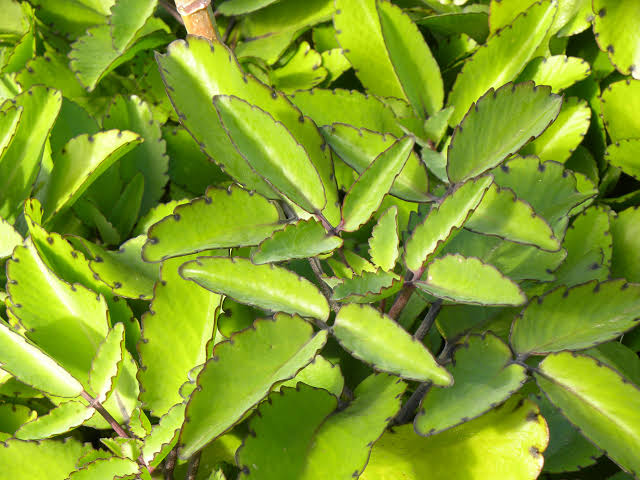
    Morphology :

    a fleshy upright plant usually growing 60-120 cm tall.

    its relatively broad leaves have scalloped margins and are oppositely arranged.

    these leaves may be simple or compound, with three or five leaflets.

    its drooping bell-shaped flowers are greenish-yellow to pinkish-red in colour (up to 7 cm long).

    these flowers are borne in branched clusters at the top of its stems.

    Stems and Leaves

    The upright (i.e. erect) stems are fleshy (i.e. succulent) and hairless (i.e. glabrous).

    The leaves are also fleshy (i.e. succulent) and are either simple (particularly on seedlings) or compound (i.e. trifoliate or pinnate). They are oppositely arranged, flattened, and the number of leaflets present varies from one near the base of the stems to three or five (i.e. trifoliate or pinnate) higher up the stems. These leaves (5-25 cm long and 2-12.5 cm wide) are green or yellowish-green in colour, hairless (i.e. glabrous), and are borne on stalks (i.e. petioles) 2-10 cm long. The leaflets are oval or narrowly oval (i.e. elliptic) in shape with rounded tips (i.e. obtuse apices), and when more than one leaflet is present the end (i.e. terminal) leaflet is usually significantly larger than the others. Tiny plantlets may occasionally be formed in the scalloped (i.e. crenate) margins of these leaflets. These plantlets are more often produced if the leaves become detached from the stems.

    Flowers and Fruit

    The bell-shaped (i.e. tubular), drooping (i.e. pendulous), flowers (up to 7 cm long) are arranged in branched clusters at the tips of the stems (i.e. in terminal inflorescences). Each flower is borne on a stalk (i.e. pedicel) 10-25 mm long. They have prominent, inflated, yellowish-green or pale green coloured sepals (25-55 mm long) that are partially fused into a tube (i.e. calyx tube) and streaked with pink or reddish coloured blotches. The yellowish-green to dark red coloured petals (3-6 cm long) are also partially fused into a tube (i.e. a corolla tube) that divides into four petal lobes (i.e. corolla lobes) near the tip. Flowers are produced mainly during winter and spring.

    The fruit are papery and membranous (about 15 mm long), with four slender compartments (i.e. carpels). They generally remain enclosed within the old flower parts and contain numerous minute, slender, brownish-coloured seeds (less than 1 mm long).

    Habitat :

    A garden escape that is naturalised in tropical, sub-tropical and warmer temperate regions. It is a weed of gardens, parks, roadsides, railways lines, waste areas, coastal environs, creek-banks, open woodlands, forests and forest margins.

    Substitute/Adulterant: 

    – Substitute: Aloe vera for wound healing properties 

    – Adulterant: Sometimes mixed with other Bryophyllum species 

    Phytochemicals: 

    – Flavonoids (quercetin, kaempferol) 

    – Bufadienolides (Bryophyllin A, B) 

    – Phenolic acids 

    – Triterpenes 

    Rasapanchaka: 

    – Rasa: Kashaya (astringent), Tikta (bitter) 

    – Guna: Laghu (light), Rooksha (dry) 

    – Virya: Sheeta (cooling) 

    – Vipaka: Katu (pungent) 

    – Prabhava: Vranaropana (wound healing) 

    – Dosha Shamakta: Pitta-Kapha shamak, Vata vardhak in excess 

    Karma (Rogaghnata): 

    – Vranaropana (wound healing) 

    – Shothahara (anti-inflammatory) 

    – Mutrala (diuretic) 

    – Raktastambhana (hemostatic) 

    Amayika Prayoga/Therapeutic Uses: 

    External: 

    – Leaf paste for wounds, burns, boils 

    – Juice drops for earache 

    – Poultice for insect bites 

    Internal: 

    – Leaf juice (5-10 ml) for kidney stones 

    – Decoction for diarrhea, dysentery 

    – Powder for respiratory disorders 

    Part used: Leaves (fresh preferred), plantlets 

    Dose: 

    – Juice: 5-10 ml 

    – Powder: 1-3 g 

    – Decoction: 30-50 ml 

    Yoga/Formulations: 

    – Parnabeeja Lepa (for external wounds) 

    – Parnabeeja Kwath (for urinary disorders) 

    – Included in some Ayurvedic skin ointments 

    IUCN Status: Least Concern (widely distributed) 

    Research updates (past 5 years): 

    1. 2020: Wound healing efficacy comparable to silver sulfadiazine 

    2. 2021: Nephroprotective effects in animal studies  3. 2023: Anti-cancer potential of bufadienolides 


    About Parnabeeja

    Botanical Name

    Bryophyllum pinnatum (Lam.)

    Family

    Crassulaceae

    Identification No.

    SDACH/HG/094

    Parts Used

    Leaves, Plantlets

    Habitat

    India

    IUCN Status

    Least Concern

    Plant Photos

    Ayurvedic Properties

    Rasa

    Kashaya, Tikta

    Guna

    Laghu, Ruksha

    Virya

    Sheeta

    Vipãka

    Katu

    Contact Now

    Have queries? Contact Us.

    Have queries? We’re here to help you every step of the way.

    Contact us to get the right guidance for your academic journey at Shri Dhanwantry Ayurvedic College.

  • Musli

    Musli

    Botanical Name : Chlorophytum borivilianum (Safed Musli) 

    Family : Asparagaceae 

    Identification No.: SDACH/HG/094

    Names in different Indian languages :

    Sanskrit : Musli Bhed

    Unani : Musli Safed, Biskandri

    Hindi : Safed Musli

    English : India Spider Plant

    Morphology :

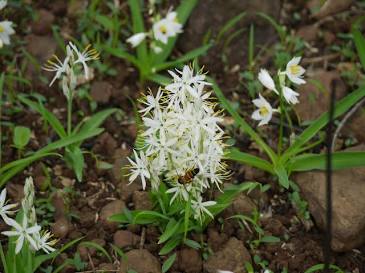
    It is a perennial herb with a short hard root stocks; roots often thick, fleshy and cylindrical.

    The leaves are 15-35 cm long and oblanceolate.

    The plant is considered endangered species in the country.

    Inflorescence is dense; flowers are arranged in raceme and shortly branched.

    Flowers white, anthers as long as or longer than the filaments and yellow in colour.

    Bracts are usually long and over topping the shortly pedicelled buds.

    Cells of the orbicular capsule are 3-4 seeded and black coloured.

    Distribution :

    Plant is distributed sparsely over Eastern India, mainly Bengal, Sikkim, Bihar, Assam and few places in Odisha and Meghalaya.

    Parts used :

    Tuberous Root

    Substitute/Adulterant: 

    – Substitute: Ashwagandha (Withania somnifera) for general tonic effects. 

    – Adulterant: Sometimes mixed with other Chlorophytum species. 

    Phytochemicals: 

    – Saponins (primary active compounds) 

    – Alkaloids, flavonoids, polysaccharides 

    – Sterols (stigmasterol, β-sitosterol) 

    Rasapanchaka: 

    – Rasa: Madhura (sweet), Tikta (bitter) 

    – Guna: Guru (heavy), Snigdha (unctuous) 

    – Virya: Śhīta (cooling) 

    – Vipaka: Madhura (sweet) 

    – Prabhava: Vṛṣya (aphrodisiac) 

    – Dosha Shamakta: Balances Vata and Pitta, nourishes Shukra Dhatu

    Karma (Rogaghnata): 

    – Balya (strength-promoting) 

    – Vṛṣya(aphrodisiac) 

    – Rasayana (rejuvenative) 

    – Shukrala (semen-enhancing) 

    Amayika Prayoga/Therapeutic Uses: 

    External: 

    – Root paste applied for joint pain and inflammation. 

    Internal 

    – Sexual weakness: Taken with milk for enhancing libido. 

    – General debility: Used in convalescence. 

    – Diabetes: Helps regulate blood sugar. 

    Part used.Roots (fresh or dried). 

    Dose: 

    – Powder: 3–6 g (with milk or honey). 

    – Decoction: 50–100 ml. 

    Yoga/Formulations: 

    – Musli Pak(aphrodisiac preparation) 

    – Chyawanprash (as an ingredient) 

    – Musli Khadiradi Vati (for sexual health) 

    IUCN Status: 

    – Chlorophytum borivilianum: Near Threatened*(due to overharvesting). 

    – Curculigo orchioides: Least Concern. 

    Research updates (past 5 years): 

    1. 2019: Study on Safed Musli for male infertility (improves sperm count). 

    2. 2021: Anti-diabetic effects of Musli saponins. 

    3. 2023: Clinical trial on Musli for chronic fatigue syndrome. 


    About Musli

    Botanical Name

    Costus speciosus (J.Koenig) Sm.

    Family

    Costaceae

    Identification No.

    SDACH/HG/091

    Parts Used

    India, Nepal, Bangladesh, Sri Lanka, Malaysia, Indonesia

    Habitat

    India, Nepal, Bangladesh, Sri Lanka, Malaysia, Indonesia

    IUCN Status

    Least Concern

    Plant Photos

    Ayurvedic Properties

    Rasa

    Tikta, Kashaya

    Guna

    Laghu, Snigdha

    Virya

    Ushna

    Vipãka

    Katu

    Contact Now

    Have queries? Contact Us.

    Have queries? We’re here to help you every step of the way.

    Contact us to get the right guidance for your academic journey at Shri Dhanwantry Ayurvedic College.

  • Bhustrina

    Bhustrina

    Botanical Name : Andropogon citratus DC. (Syn. Cymbopogon citratus)

    Family : Poaceae

    Identification No.: SDACH/HG/092

    Background :

    The plant Cymbopogon citratus Stapf. commonly known as Lemon grass belongs to Poeceae family and is a native of tropical countries, especially in Southeast Asia. Various studies has been done on the plant to reveal its potential therapeutic effects. 

    Names in different Indian languages :

    English: West Indian lemon grass, true lemon grass

    Morphology :

    Cymbopogon citratus is part of the grass family, Poaceae. They contain simple, bluish-green leaves with entire margins and are linear in shape. The blades tend to be 18–36 inches long. Like other grasses, the leaves also have parallel venation.

    Habitat & Distribution:

    Native to Southeast Asia, widely cultivated across tropical and subtropical regions of India including Maharashtra, Kerala, Tamil Nadu, Assam, and West Bengal. Prefers warm, sunny climates and well-drained soil.

    Varieties:

    East Indian Lemongrass (Cymbopogon flexuosus)

    West Indian Lemongrass (Cymbopogon citratus) – commonly used

    Substitute/Adulterant:

    Often confused or substituted with Cymbopogon flexuosus or Cymbopogon winterianus (Citronella grass).

    Phytochemicals:

    Citral (major component)

    Geraniol, Myrcene, Limonene

    Flavonoids, Tannins

    Raspanchaka:

    Rasa: Tikta, Kashaya

    Guna: Laghu, Ruksha

    Virya: Ushna

    Vipaka: Katu

    Prabhava: Sugandhikara, Agnivardhaka

    Dosha Shamakta: Kapha-Vata Shamak

    Karma (Rogaghnata):

    Agnideepana, Shwasahara, Krimighna, Jvarahara, Vatanulomaka

    Amayika Prayoga/Therapeutic Uses:

    External:

    Oil applied in rheumatic pain, headaches, and fungal infections

    Inhalation of steam for sinusitis

    Internal:

    Infusion (tea) used for digestive issues, colds, cough, and anxiety

    Used in fever, bloating, and as an appetite stimulant

    Part used: Leaf, Essential oil (from leaf)

    Dose:

    Leaf infusion: 20–40 ml

    Essential oil: 1–3 drops (externally or in aromatherapy)

    Yoga/Formulations:

    Gavati Chaha (Lemongrass Tea)

    Incorporated in herbal decoctions, stress relief and digestive blends

    Lemongrass essential oil used in Aromaveda

    IUCN Status: Not Evaluated (NE)

    Research updates:

    1. Gupta et al. (2023). Antioxidant and anti-inflammatory effects of Cymbopogon citratus in respiratory disorders. Journal of Ayurveda and Integrative Medicine.

    2. Nair et al. (2021). Antimicrobial efficacy of lemongrass oil against resistant skin pathogens. Asian Journal of Pharmaceutical Sciences.

    3. Roy et al. (2020). Anxiolytic and sedative activity of Cymbopogon citratus extract in rodent models. Indian Journal of Experimental Biology.

    About Bhustrina

    Botanical Name

    Costus speciosus (J.Koenig) Sm.

    Family

    Costaceae

    Identification No.

    SDACH/HG/091

    Parts Used

    Rhizome

    Habitat

    India, Nepal, Bangladesh, Sri Lanka, Malaysia, Indonesia

    IUCN Status

    Least Concern

    Plant Photos

    Ayurvedic Properties

    Rasa

    Tikta, Kashaya

    Guna

    Laghu, Snigdha

    Virya

    Ushna

    Vipãka

    Katu

    Contact Now

    Have queries? Contact Us.

    Have queries? We’re here to help you every step of the way.

    Contact us to get the right guidance for your academic journey at Shri Dhanwantry Ayurvedic College.

  • Bandukpushpa

    Bandukpushpa

    Botanical Name : Costus speciosus (Koenig) Sm.

    Family : Costaceae

    Identification No.: SDACH/HG/091

    Introduction :

    Costus igneus Nak (syn. Costus pictus D. Don, Costus mexicanus Liebm ex Petersen or Costus congenitus Rowle), commonly known as fiery costus, Step ladder or Spiral flag or Insulin plant, is native to South and Central America. This is a recent introduction to India from America as an herbal cure for diabetes and hence commonly called as ‘insulin plant.’ It is widely grown in gardens as ornamental plant in South India and also run wild in many places. It is used in India to control diabetes, and it is known that diabetic people eat one leaf daily to keep their blood glucose low.Leaves of C. igneus were one among the plants known to be effectively used for treating diabetes by the tribal people of Kolli hills of Namakkal district, Tamilnadu. In Mexican folk medicine, the aerial part of C. pictus D. Don is used as an infusion in the treatment of renal disorders.

    The plant belongs to the family Costaceae. The Costaceae was first raised to the rank of family by Nakai on the basis of spirally arranged leaves and rhizomes being free from aromatic essential oils. Before the elevation to family status, Engler and Prantl recognized Costoideal as a subfamily under Zingiberaceae. Several anatomical and morphological features support this isolated position including well developed aerial shoot with distinct, rigid, and commonly branched stems. The leaves are inserted in a low spiral with divergences. The family Costaceae consists of four genera and approximately 200 species. The genus Costus is the largest in the family with about 150 species that are mainly tropical in distribution.[2,6] The present review deals with the recent research carried out in the area of phytochemistry, pharmacological, biological activities, and safety of Costus igneus Nak.

    Synonyms:

    Classical names: Bhandookpushpa, Pushkarmoola

    Bhavaprakasha:

    बन्धूकपुष्पा तिक्तोष्णा पुष्करमूलसम्मिता।

    श्लेष्मवातज्वरघ्नी च हिक्काश्वासकफापहा॥

    Morphology :

    It is a perennial, upright, spreading plant reaching about two feet tall, with the tallest stems falling over and lying on the ground. Leaves are simple, alternate, entire, oblong, evergreen, 4-8 inches in length with parallel venation. The large, smooth, dark green leaves of this tropical evergreen have light purple undersides and are spirally arranged around stems, forming attractive, arching clumps arising from underground rootstocks. Beautiful, 1.5-inch diameter, orange flowers are produced in the warm months, appearing on cone-like heads at the tips of branches.[8] Fruits are inconspicuous, not showy, less than 0.5 inch, and green-colored.

    Chemical constituents :

    Sequential screening for phytochemicals of C. igneus leaves revealed that it is rich in protein, iron, and antioxidant components such as ascorbic acid, α-tocopherol, β-carotene, terpinoids, steroids, and flavonoids. It was revealed in another study that methanolic extract was found to contain the highest number of phytochemicals such as carbohydrates, triterpenoids, proteins, alkaloids, tannins, saponins, and flavonoids. Preliminary phytochemical evaluation of Insulin plant (C. pictus) revealed that the leaves contain 21.2% fibers. Successive extracts gave 5.2% extractives in petroleum ether, 1.06% in cyclohexane, 1.33% in acetone, and 2.95% in ethanol. Analysis of successive extracts showed presence of steroids in all extracts. The ethanol extract contained alkaloid also. The major component of the ether fraction was bis (2’-ethylhexyl)-1,2-benzenedicarboxylate (59.04%) apart from α-tocopherol and a steroid, ergastanol. Stem showed the presence of a terpenoid compound lupeol and a steroid compound stigmasterol. Bioactive compounds quercetin and diosgenin, a steroidal sapogenin, were isolated from C. igneus rhizome. Trace elemental analysis showed that the leaves and rhizomes of C. pictus contains appreciable amounts of the elements K, Ca, Cr, Mn, Cu, and Zn. Steam distillation of stems, leaves, and rhizomes of C. pictus D. Don yielded clear and yellowish essential oils.

    Raspanchaka:

    Rasa: Tikta, Kashaya

    Guna: Laghu, Snigdha

    Virya: Ushna

    Vipaka: Katu

    Prabhava: Shwasahara

    Dosha Shamakta: Kapha-Vata Shamak

    Karma (Rogaghnata):

    Shwasahara, Jvarahara, Krimighna, Hikka-Nashaka, Agnivardhaka

    Amayika Prayoga/Therapeutic Uses:

    External:

    Paste used in swelling, joint pain

    Juice applied in skin diseases

    Internal:

    Decoction of rhizome in cough, asthma, and bronchitis

    Powder used in fever and digestive disorders

    Part used: Rhizome

    Dose:

    Churna: 3–6 g

    Decoction: 50–100 ml

    Yoga/Formulations:

    Pushkarmool Churna

    Shwasahara Kashaya

    Used in various proprietary respiratory and digestive formulations

    IUCN Status: Least Concern (LC)

    Research updates:

    1. Joshi et al. (2023). Anti-inflammatory and bronchodilatory effects of Costus speciosus rhizome extract in asthma models. Journal of Ethnopharmacology.

    2. Mehta et al. (2022). Hepatoprotective activity of Costus speciosus in carbon tetrachloride-induced liver damage. Indian Journal of Pharmaceutical Sciences.

    3. Reddy et al. (2021). Antidiabetic and antioxidant effects of Costus speciosus rhizome in alloxan-induced diabetic rats. Asian Pacific Journal of Tropical Biomedicine

    About Bandukpushpa

    Botanical Name

    Costus speciosus (J.Koenig) Sm.

    Family

    Costaceae

    Identification No.

    SDACH/HG/091

    Parts Used

    Rhizome

    Habitat

    India, Nepal, Bangladesh, Sri Lanka, Malaysia, Indonesia

    IUCN Status

    Least Concern

    Plant Photos

    Ayurvedic Properties

    Rasa

    Tikta, Kashaya

    Guna

    Laghu, Snigdha

    Virya

    Ushna

    Vipãka

    Katu

    Contact Now

    Have queries? Contact Us.

    Have queries? We’re here to help you every step of the way.

    Contact us to get the right guidance for your academic journey at Shri Dhanwantry Ayurvedic College.

  • SHAKA

    SHAKA

    Botanical Name : Tectona grandis Linn. f.

    Family : Verbenaceae

    Identification No: – SDACH/HG/090

    Names in different Indian languages :

    English : Teak

    Hindi : Saguan

    Kannada : Tega, jedi

    Malayalam : Teku

    Sanskrit : Sakha, bhumisakha

    Tamil : Tekku

    Telugu : Peddateku, adaviteku

    Synonyms :

    Shaaka, Bhuumisaha, Dwaaradaaru, Varadaaru, Kharachhada, Saagawaan, Saagauna

    Jatus grandis (L.f.) Kuntze

    Tectona grandis f. abludens Koord. & Valeton

    Tectona grandis f. canescens Moldenke

    Tectona grandis f. pilosula Moldenke

    Tectona grandis f. punctata Moldenke

    Tectona grandis f. tomentella Moldenke

    Tectona theca Lour.

    Theka grandis (L.f.) Lam.

    Morphology :

    Teak is a large, deciduous tree up to 40 m (131 ft) tall with gray to grayish brown branches. Leaves are ovate-elliptic to ovate, 15–45 cm (5.9–17.7 in) long by 8–23 cm (3.1–9.1 in) wide, and are held on robust petioles that are 2–4 cm (0.8–1.6 in) long. Leaf margins are entire.

    Fragrant white flowers are borne on 25–40 cm (10–16 in) long by 30 cm (12 in) wide panicles from June to August. The corolla tube is 2.5–3 mm long with 2 mm wide obtuse lobes. Tectona grandis sets fruit from September to December; fruits are globose and 1.2-1.8 cm in diameter.  Flowers are weakly protandrous in that the anthers precede the stigma in maturity and pollen is shed within a few hours of the flower opening.[9] The flowers are primarily entomophilous (insect-pollinated), but can occasionally be anemophilous (wind-pollinated)

    Uses :

    Expectorant, anti-inflammatory, antibilious, anthelmintic

    Chemicals :

    Naphthalene , triterpenic,  hemi-terpenic compounds, tectoleafquinone, tannin, lauric, myristic, palmitic, stearic, oleic, linolenic,  arachidic acids

    IUCN Status : Endangered

    Research Update:

    Antimicrobial Activity (2021) – A study demonstrated that ethanol extracts of T. grandis leaves exhibited significant antibacterial activity against Staphylococcus aureus and Escherichia coli, suggesting potential use in developing natural antimicrobial agents.​

    Antioxidant Properties (2020) – Research indicated that methanolic extracts of teak leaves possess strong antioxidant activity, attributed to the presence of phenolic compounds and flavonoids, which may help in combating oxidative stress-related diseases.​

    Anti-inflammatory Effects (2022) – An investigation into the bark extract of T. grandis revealed notable anti-inflammatory effects in animal models, potentially due to the modulation of pro-inflammatory cytokines.​

    Wound Healing Potential (2023) – Topical application of teak leaf extract ointment showed accelerated wound healing in rat models, indicating its usefulness in promoting tissue regeneration.​

    Antidiabetic Activity (2024) – A recent study found that aqueous extracts of T. grandis bark significantly reduced blood glucose levels in diabetic rats, suggesting its potential as a natural antidiabetic agent.

    About SHAKA

    Botanical Name

    Tectona grandis L.f.

    Family

    Lamiaceae (formerly Verbenaceae)

    Identification No.

    SDACH/HG/090

    Parts Used

    Bark, Leaves, Roots, Flowers, Seeds

    Habitat

    India, Bangladesh, Cambodia, Laos, Myanmar, Thailand, Vietnam

    IUCN Status

    Endangered

    Plant Photos

    Ayurvedic Properties

    Rasa

    Kashaya

    Guna

    Laghu, Ruksha

    Virya

    Sheeta

    Vipãka

    Katu

    Contact Now

    Have queries? Contact Us.

    Have queries? We’re here to help you every step of the way.

    Contact us to get the right guidance for your academic journey at Shri Dhanwantry Ayurvedic College.

  • Mahabala

    Mahabala

    Botanical Name : Sida rhombifolia L.

    Family : Malvaceae

    Identification No.: SDACH/HG/89

    Introduction :

    Its properties and usage similar to Sida cordifolia Linn.

    Industry in Kerala used this plant as ‘bala’ very much.

    Names in Different Indian Languages :

    Hindi : Jangali Methi

    Malayalam : kuruthotti

    Sanskrit : Balla (variety )

    Tamil : kuruthotti

    Synonyms

    महाबला बृहत्येव स्थूलबीजा स्थूलमूलिका।

    गुरुः स्निग्धा बलकरी वाजीकरणमुत्तमा॥

    वातपित्तप्रशमनी शुक्रला पुष्टिकर्यपि।

    तद्वत् क्षयापस्मारश्वासकासविनाशिनी॥

    Varieties & adulterants – (CV – controversy, AD – adulterants) :

    Bala – CV

    Morphology :

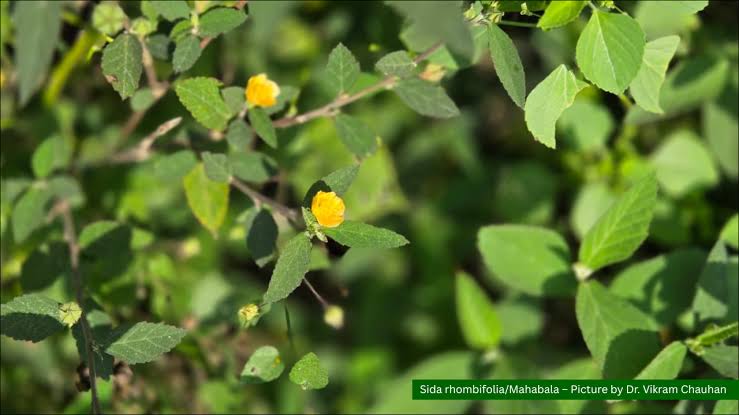
    It is a  hairy herb, frequently procumbent and sometimes rooting at nodes.

    Leaves- simple, alternate, cordate-ovate, sparingly hispid.

    Flowers- axillary, solitary, or borne in pairs or in small cymes, yellow.

    Seeds- brown. (Flowers and fruits throughout the year)

    Distribution & Habitat :

    All over India

    Amayika Prayoga / Therapeutic Uses

    External:

    Taila prepared with Mahabala used for massage in muscular dystrophy, paralysis, arthritis

    Paste used in inflammatory swellings and vata-kapha swellings

    Internal:

    Kwatha and churna useful in general debility, infertility, neurological disorders, respiratory disorders, and tissue wasting

    Part Used: Root, stem, whole plant

    Dose:

    Churna: 3–6 g

    Kwatha: 20–40 ml

    Taila (external): as directed

    Yoga / Formulations:

    Mahabala Taila

    Ashwagandhadi Churna

    Mahabala Ghrita

    Rasayana yogas for chronic vata disorders

    IUCN Status: Not Evaluated (NE)

    Research Updates (Past 5 Years):

    1. 2021 – Muscle strengthening effects of Mahabala Taila validated in osteoarthritis and muscular atrophy.

    2. 2022 – Neuroprotective and anti-fatigue effects demonstrated in chronic fatigue models.

    3. 2023 – Immunomodulatory and aphrodisiac activity supported in animal reproductive studies.

    About Mahabala

    Botanical Name

    Sida rhombifolia L.

    Family

    Malvaceae

    Identification No.

    SDACH/HG/089

    Parts Used

    Root, Stem, Whole plant

    Habitat

    India

    IUCN Status

    Not Evaluated (NE)

    Plant Photos

    Ayurvedic Properties

    Rasa

    Madhura

    Guna

    Guru, Snigdha, Picchila

    Virya

    Sheeta

    Vipãka

    Madhura

    Contact Now

    Have queries? Contact Us.

    Have queries? We’re here to help you every step of the way.

    Contact us to get the right guidance for your academic journey at Shri Dhanwantry Ayurvedic College.